The Houthi partnership model: Is there a strategy behind the tactics?
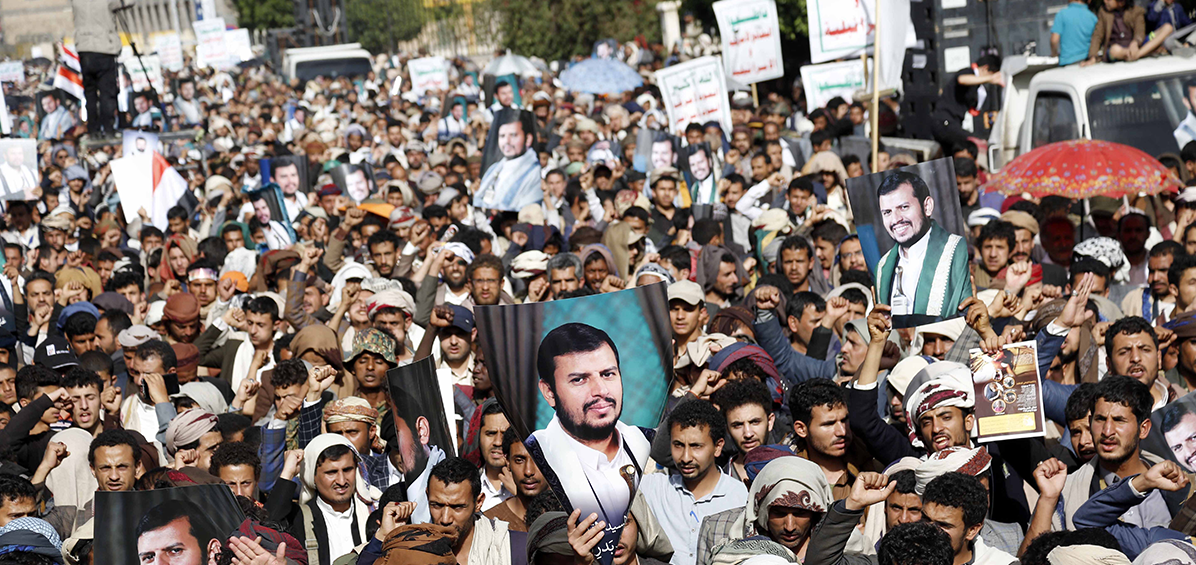
With the international community viewing the latest “de-escalation roadmap” as paving the way for yet another transitional power-sharing agreement in an effort to “end” Yemen’s protracted conflict, it is useful to review how the Houthis have navigated past partnerships to understand how things may play out in the future.
Iran’s security chief Shamkhani did his job but had to go
Late last month, Iran’s Supreme Leader Ali Khamenei opted to replace the secretary of the Supreme National Security Council (SNSC), Ali Shamkhani. The latter’s removal after 10 years spent in this key role has generated much speculation, misinformation, and outright disinformation.
Diagnosing Iran’s emerging pivot toward Russia and China
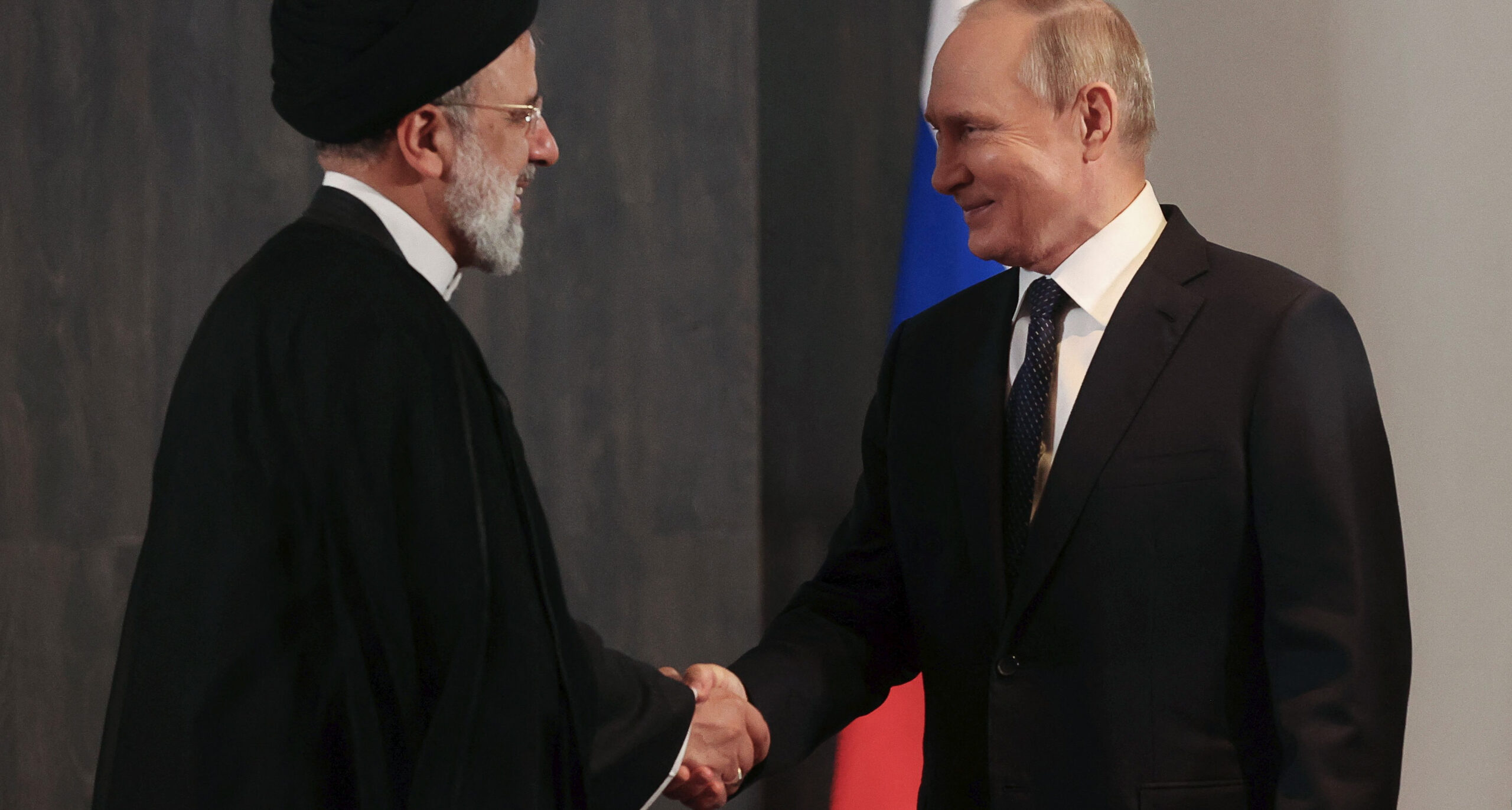
Since Raisi’s election to the presidency, Iran is pursuing a two-tiered foreign policy: a vigorous and determined shift toward Russia and China on the one hand, while, on the other hand, making incremental concessions on its nuclear program to give the impression that another deal can be struck to replace the JCPOA. The former approach is being implemented with almost zero fanfare and the latter with extensive publicity.
Stabilizing instability: The challenges of Middle East peacebuilding
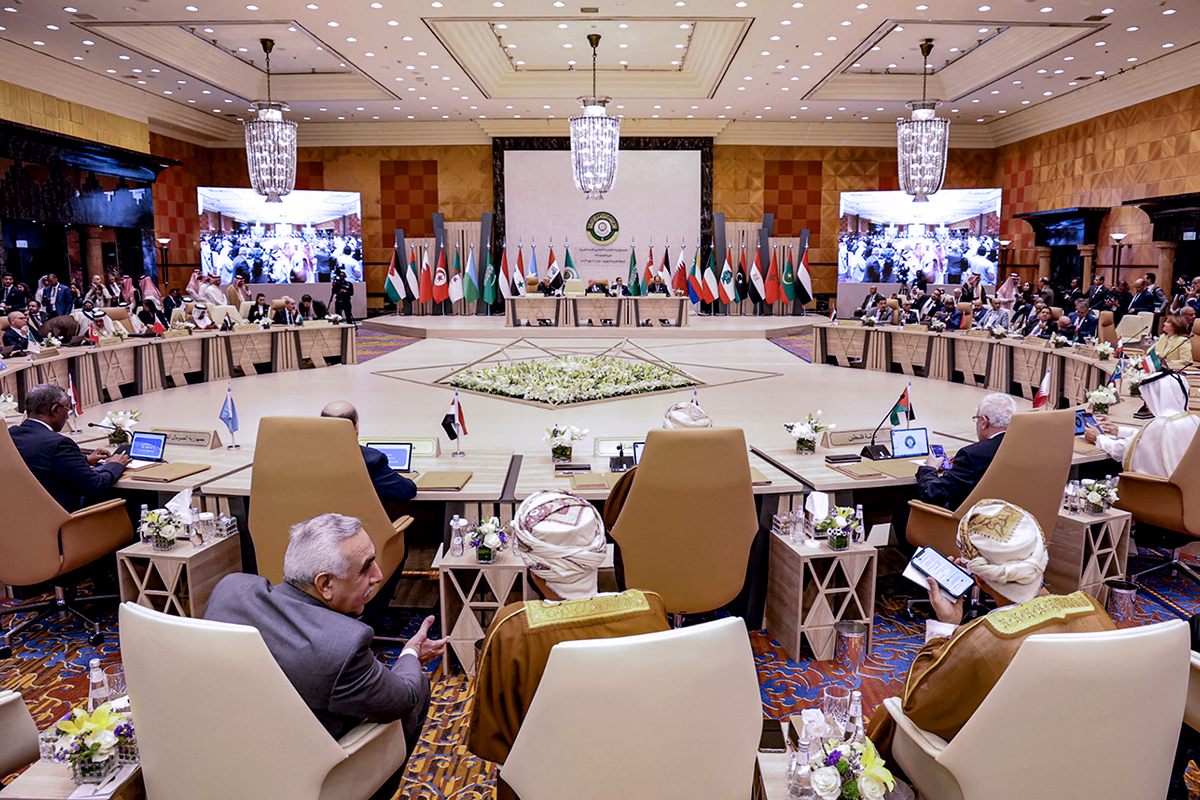
The Middle East is experiencing a remarkable spate of diplomacy, de-escalation, and normalization. This is generally a positive development, as the region needs to take charge of its own destiny. But normalization and de-escalation does not always lead to meaningful conflict resolution; indeed, sometimes the reverse is true. What needs to be done so that this positive momentum can be the first phase of a more meaningful set of engagements to build a more lasting regional peace and integration?
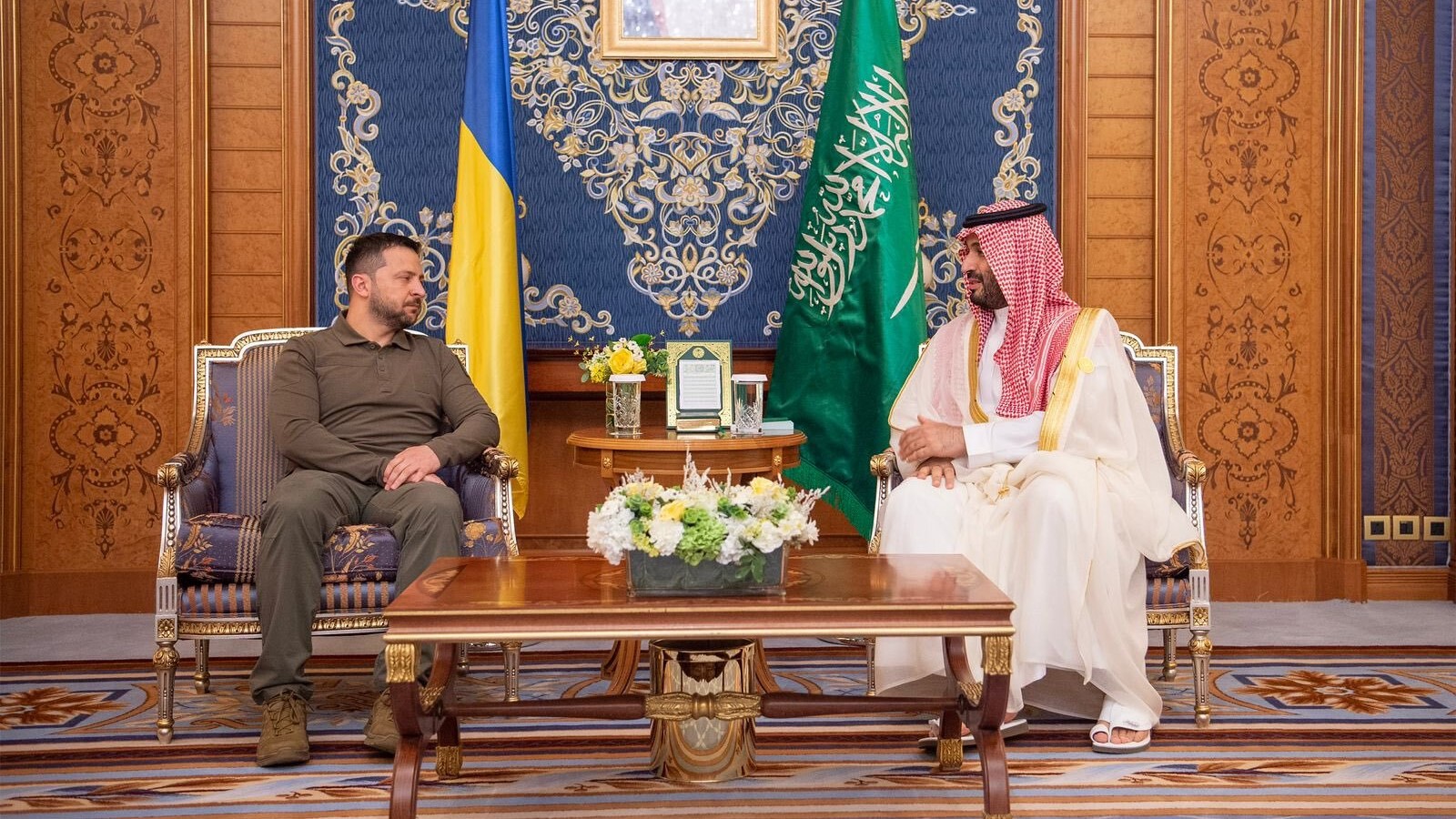
Putting Diplomacy First in the Middle East: Creating Incentives for De-Escalation
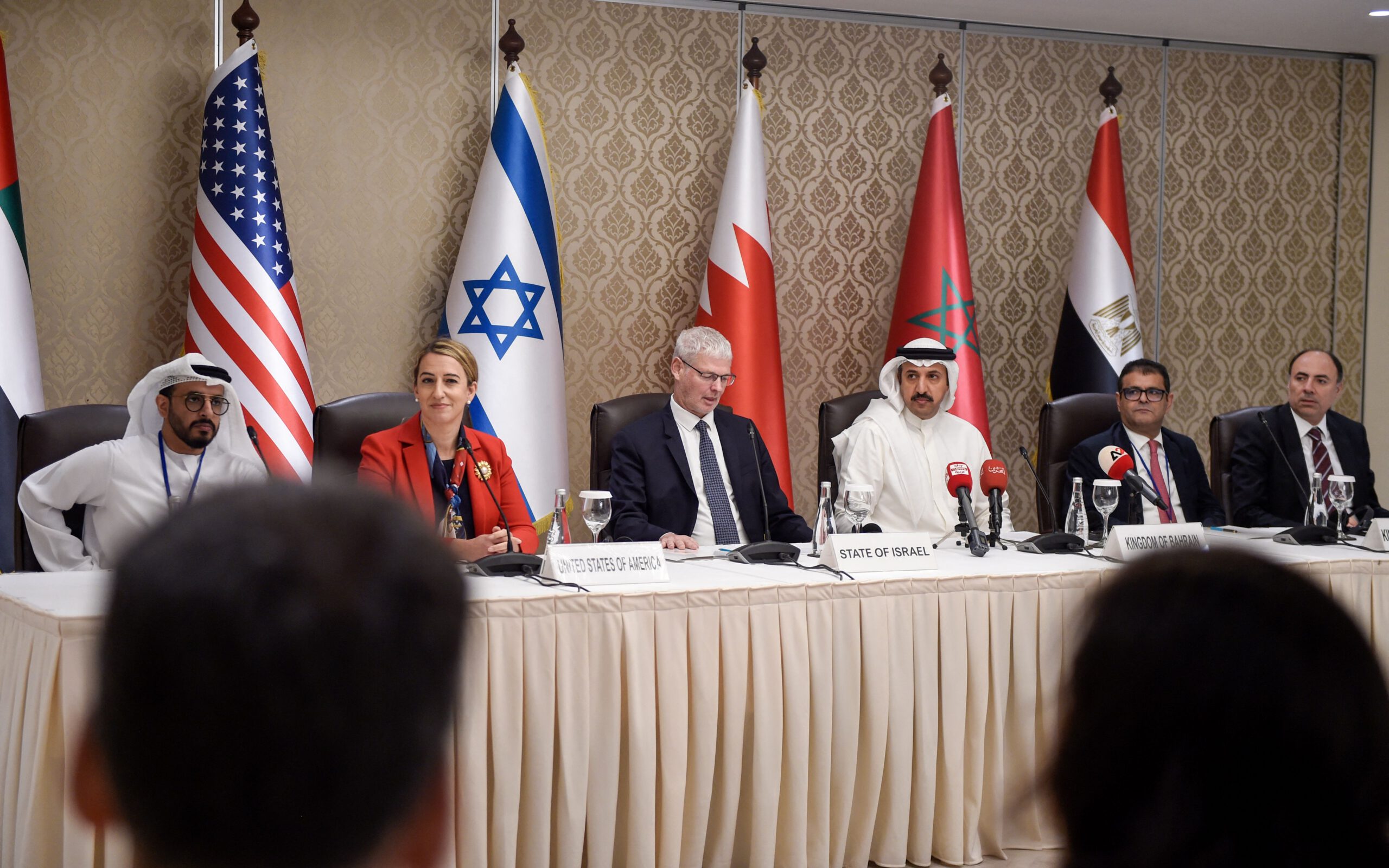
The Middle East is undergoing a historic transformation with unprecedented opportunities to build new relationships, de-escalate tensions, and foster conditions for stronger integration. At the same time, the region remains on edge because of ongoing tensions in Yemen, Syria, Iraq, and other conflict zones, a civil war that broke out recently in Sudan, along with the overarching challenges presented by fraught relations between Iran, Israel, and several Arab Gulf countries — with the longer-term implications of the still-fragile Iranian-Saudi rapprochement yet to be fully assessed.
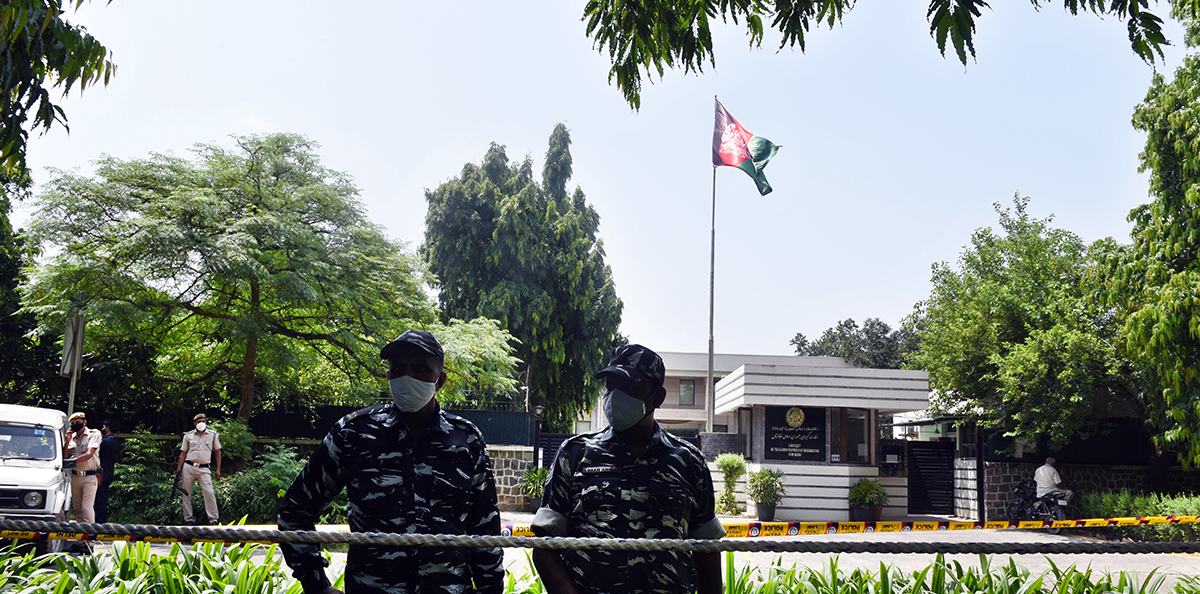
India-Taliban relations: A careful balancing act, driven by pragmatism
An ongoing power struggle for the position of ambassador at the Afghan embassy in New Delhi underlines India’s diplomatic quandary about the nature of its engagement with the Taliban regime in Afghanistan.
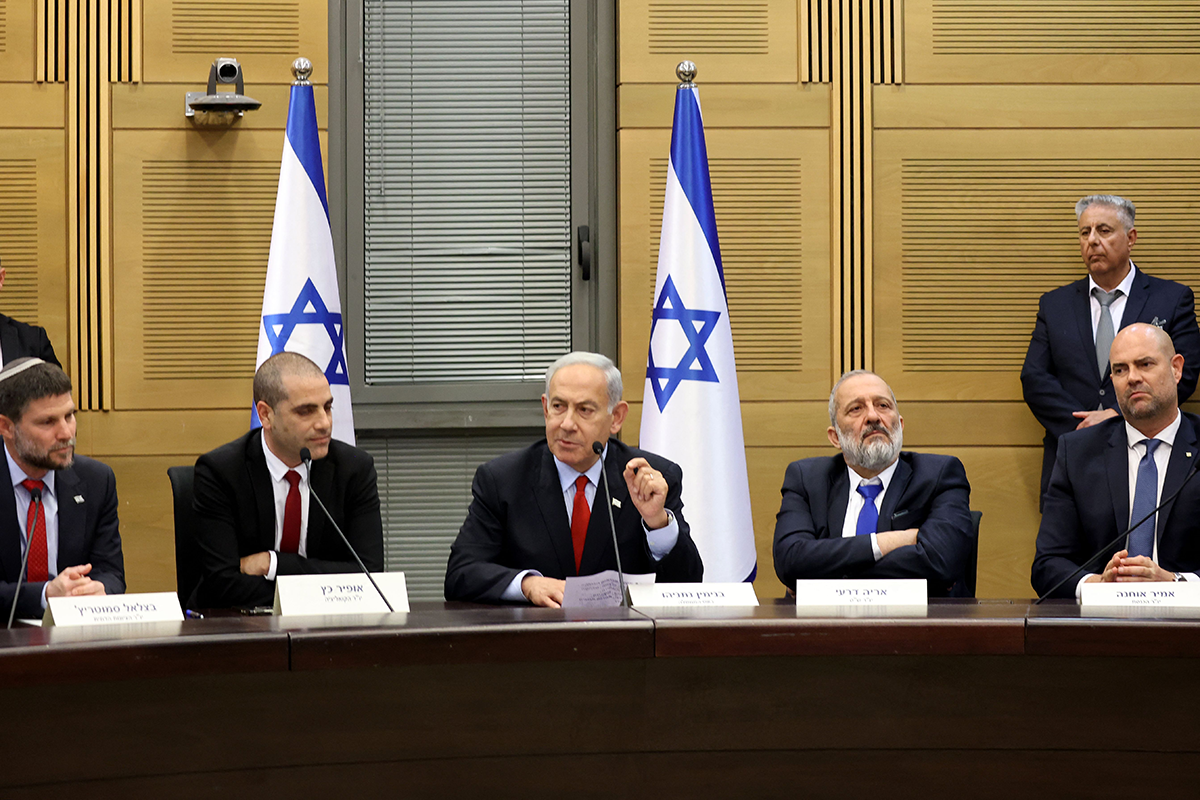
The Slowing Down of Israel-Arab Relations Under the Netanyahu Government
Dynamics between Israel and the Arab world have taken a turn for the worse in the first few months of the new Israeli government. The positive momentum in Israel-Arab relations, which Prime Minister Netanyahu himself was key in generating through the signing of the Abraham Accords and which picked up pace during the Bennett-Lapid government that followed, has slowed down. Only limited progress may be feasible under the current government, but conditions for positive change do exist and include marginalizing Israeli extremists, avoiding a flare-up with the Palestinians, reducing the domestic turmoil in Israel, and ensuring the effective involvement of the U.S. and the EU.
War as a catalyst for greater Black Sea-Gulf interconnectivity
Russia’s full-scale invasion of Ukraine has destabilized and distressed the entire Black Sea neighborhood. Yet despite the war, or perhaps because of it, strategically important foreign direct investments into Black Sea littoral countries, including from the Gulf, have endured or even grown.
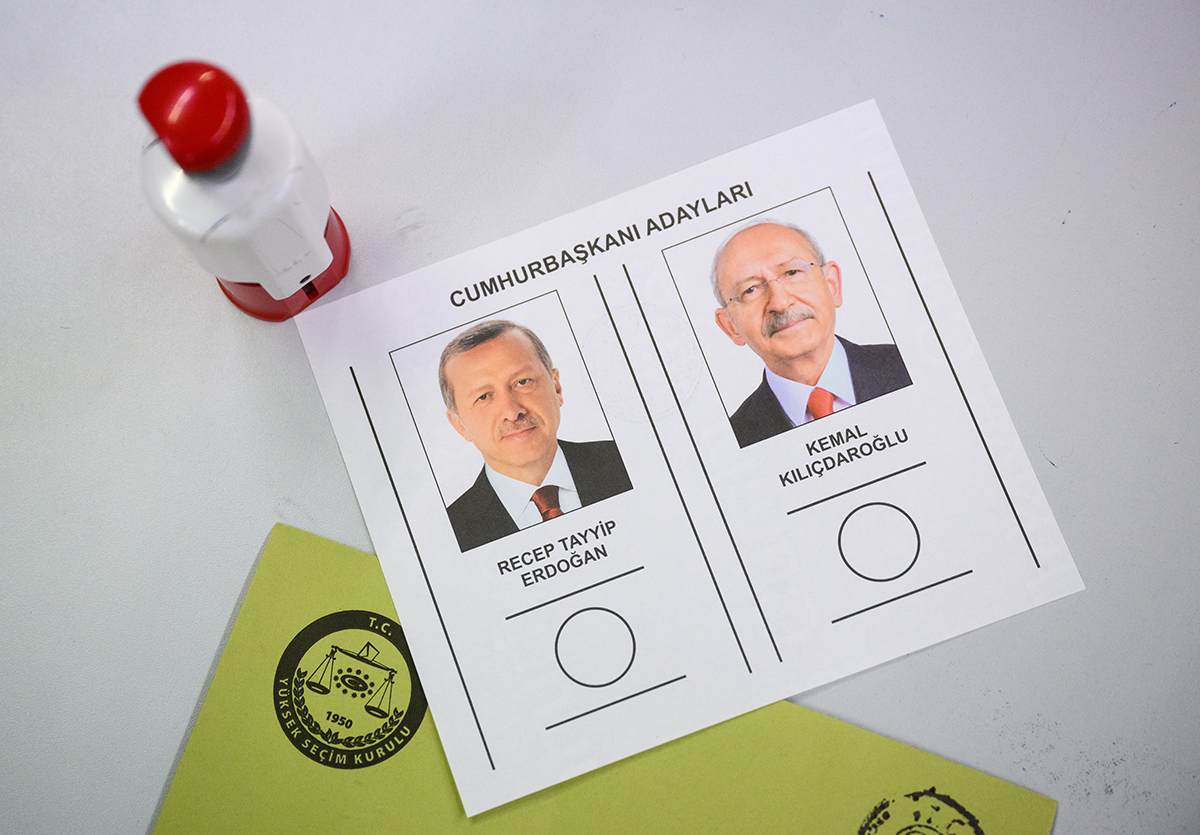
To analyze the crossroads Turkey faces in the 2023 elections, it could prove useful to “look back from the alternative futures” and explore how the possible outcomes might play out. What could it look like if we look back from 2030 to another victory by Erdoğan? And how might have the last seven years played out had the opposition won?
In an era of Middle East détente, how should the US and Israel respond?
Both Washington and Jerusalem welcome any reduction in regional tensions and prospects for a more stable, secure, and prosperous environment. However, there is a risk for U.S. and Israeli policy priorities, such as that regional de-escalation will reduce pressure on Tehran to negotiate on issues of concern, especially its nuclear weapons program.
The technical is geopolitical: Expanding US-UAE relations through AI
With AI development disproportionate attention is given to the world’s technological heavyweights, the U.S. and China, as they seek an innovative edge in their great power competition. But Gulf states like the UAE are also moving rapidly to invest in and adopt AI, with significant implications for bilateral relations. The momentum in both the U.S. and the UAE can be leveraged by anchoring further ideas for political, diplomatic, and military cooperation in the technical evolution of AI.
The failure of partner-led, US-enabled policy in the Horn of Africa: The case study of Somalia
Rather than addressing the critical gaps in Somalia’s security, President Hassan Sheikh has chosen to prioritize nation-building over state-building, diverting scarce resources needed to stabilize areas liberated from al-Shabaab. The Biden administration has enabled President Sheikh’s nation-building project through its partner-led, U.S.-enabled approach.
International institutions confront Taliban troubles
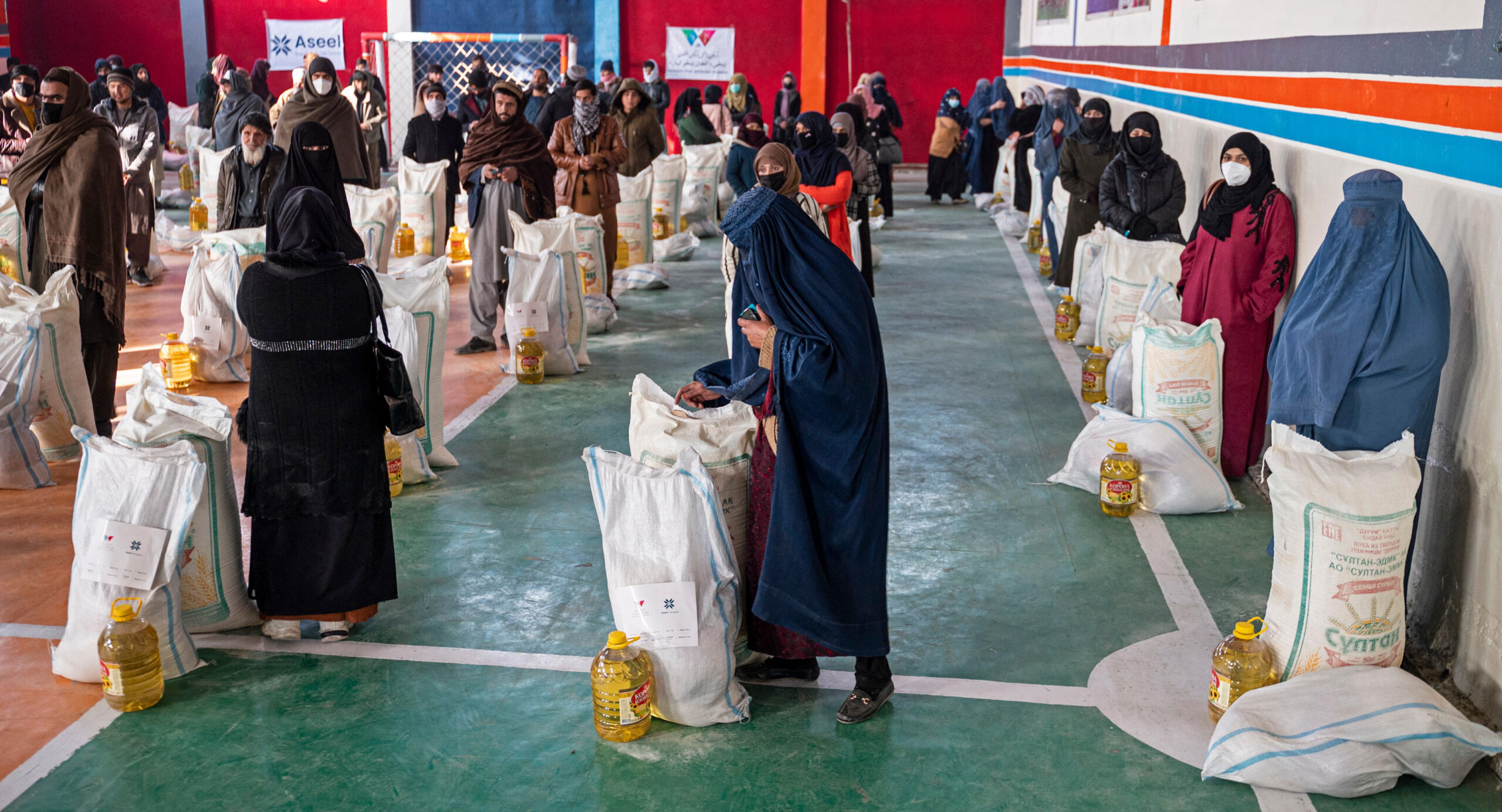
International leaders are struggling to manage a Taliban-ruled Afghanistan; they are torn between their commitment to alleviate Afghans’ suffering and their reluctance to legitimize a Taliban government that violates its people’s basic rights. Helping Afghans but not their new “de facto authorities” is a difficult balance for a diverse group of international actors with often divergent long-term interests.
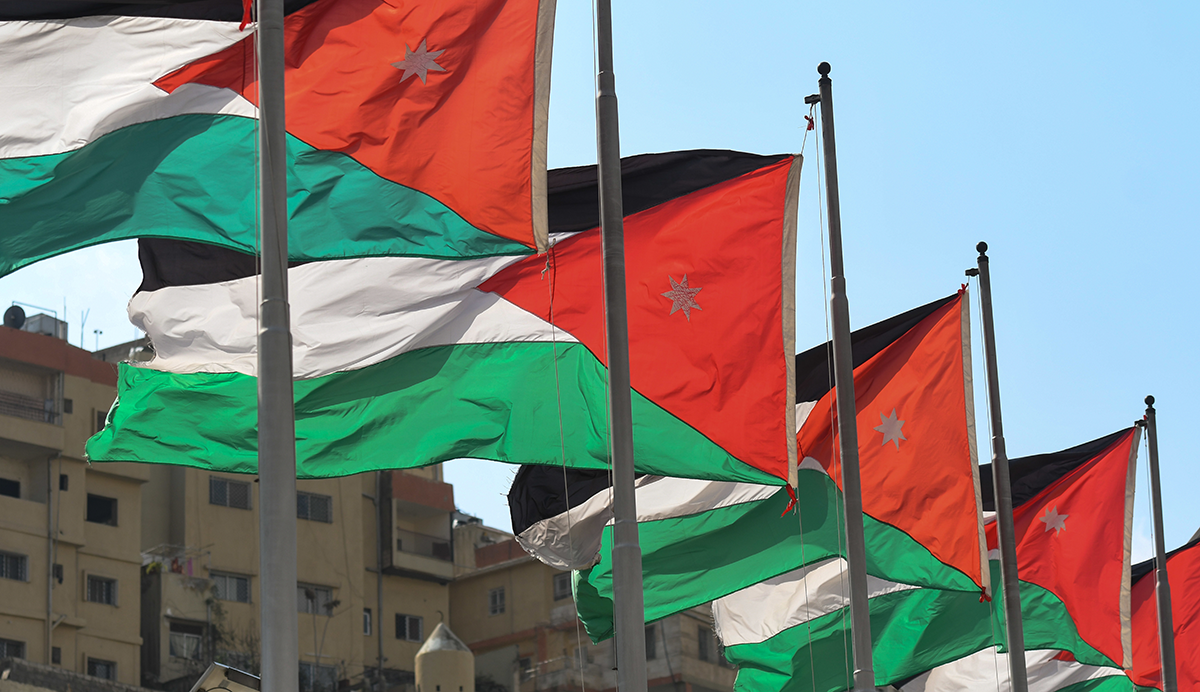
In the past few years, Jordan’s public debt has become a major policy concern for the government, the international community, and key donors that support Amman. The public debt has risen significantly over the past 15 years, raising many questions about Jordan’s future macroeconomic stability, public debt sustainability, and the government’s ability to finance development projects.
Even with all eyes on Gaza, the struggle for Israel’s democracy continues
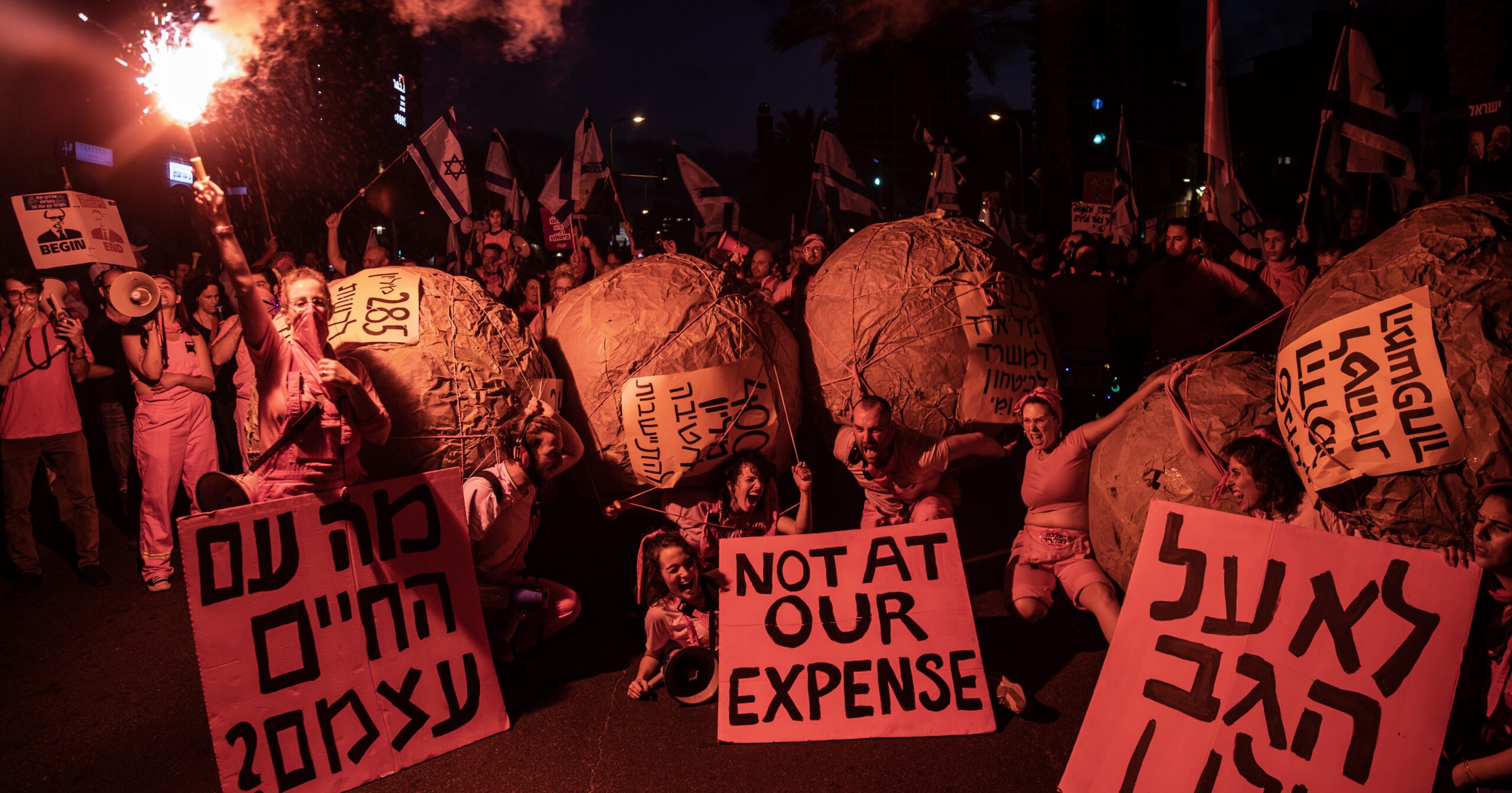
The costs that Israeli Prime Minister Benjamin Netanyahu and the State of Israel have been paying following the government’s first months in office have become more and more significant in recent weeks, and are they are not forgotten even as Israelis focus on coping with a cycle of warfare with Palestinian Islamic Jihad in Gaza.