Morocco’s New Challenges as a Gatekeeper of the World’s Food Supply: The Geopolitics, Economics, and Sustainability of OCP’s Global Fertilizer Exports
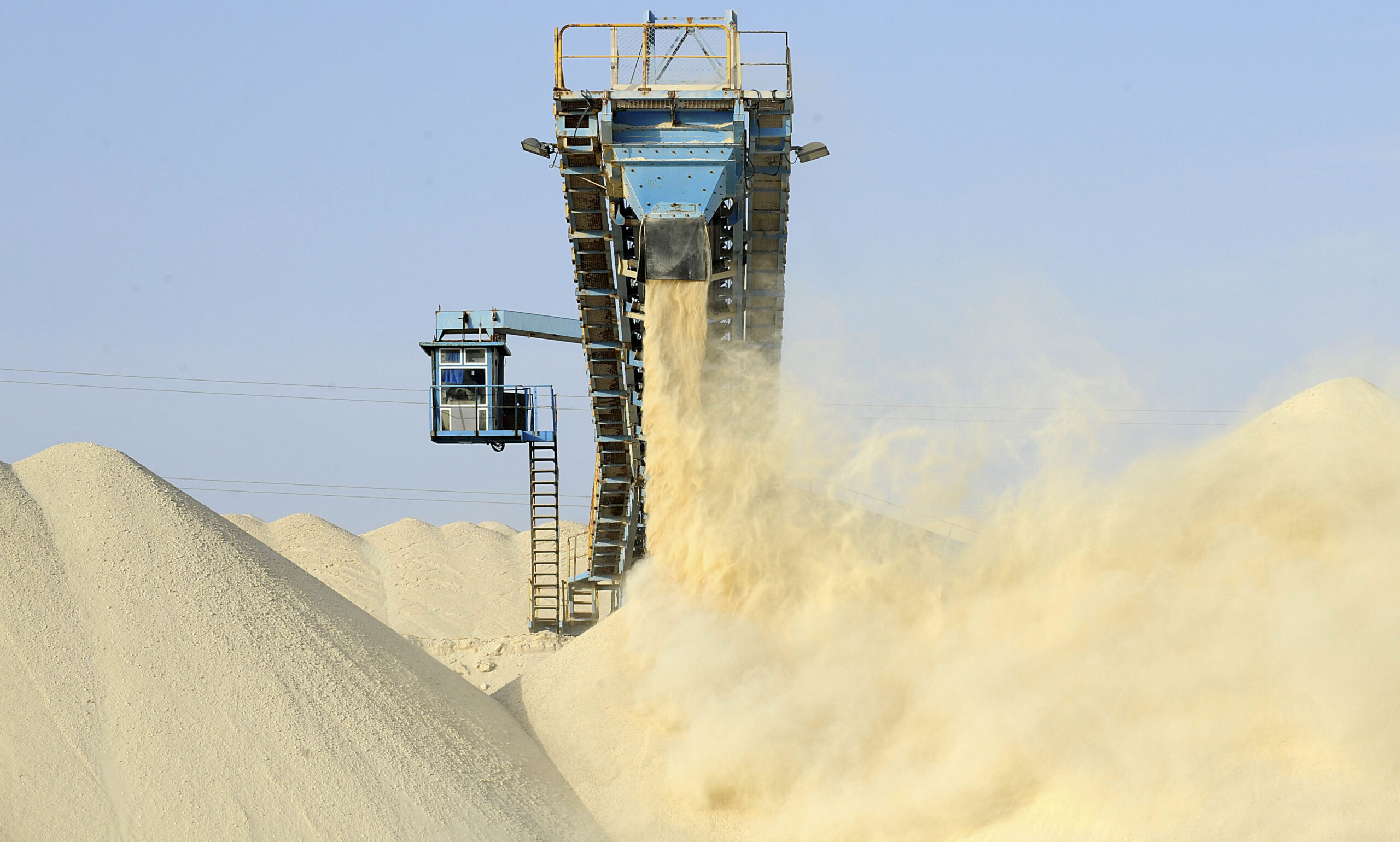
Morocco’s phosphorus fertilizer industry, with its massive production capacity and international reach, has transformed the kingdom into a gatekeeper of global food supply chains. Morocco’s centrality to global food security rests with the fact that all food crops, indeed all plant life, require the element phosphorus to grow and Morocco possesses over 70% of the world’s phosphate rock reserves, from which the phosphorus used in fertilizers is derived. By becoming one of the world’s leading fertilizer exporters, instead of continuing to just export the raw material, Morocco has enriched its economy and elevated its international standing. In Sub-Saharan Africa in particular, the kingdom’s combination of joint venture partnerships in local fertilizer production and deft direct outreach to farmers has resulted in a remarkable boost in African agricultural yields and the notable expansion of Morocco’s soft power influence across the continent.
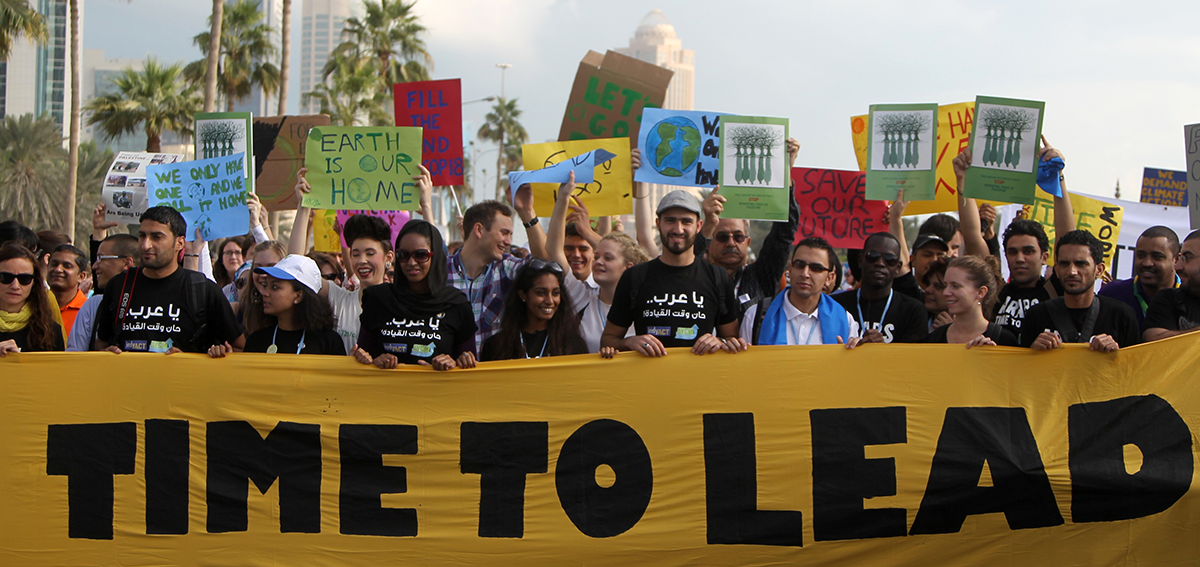
As UN climate summit returns to the Middle East, Arab youth fear a lack of representation and opportunities
It’s worth considering how youth in the Arab region have fared and are expected to fare in terms of climate activism. While this has historically been excellent, there are some disparities masked by the glossy big picture in the global climate movement.
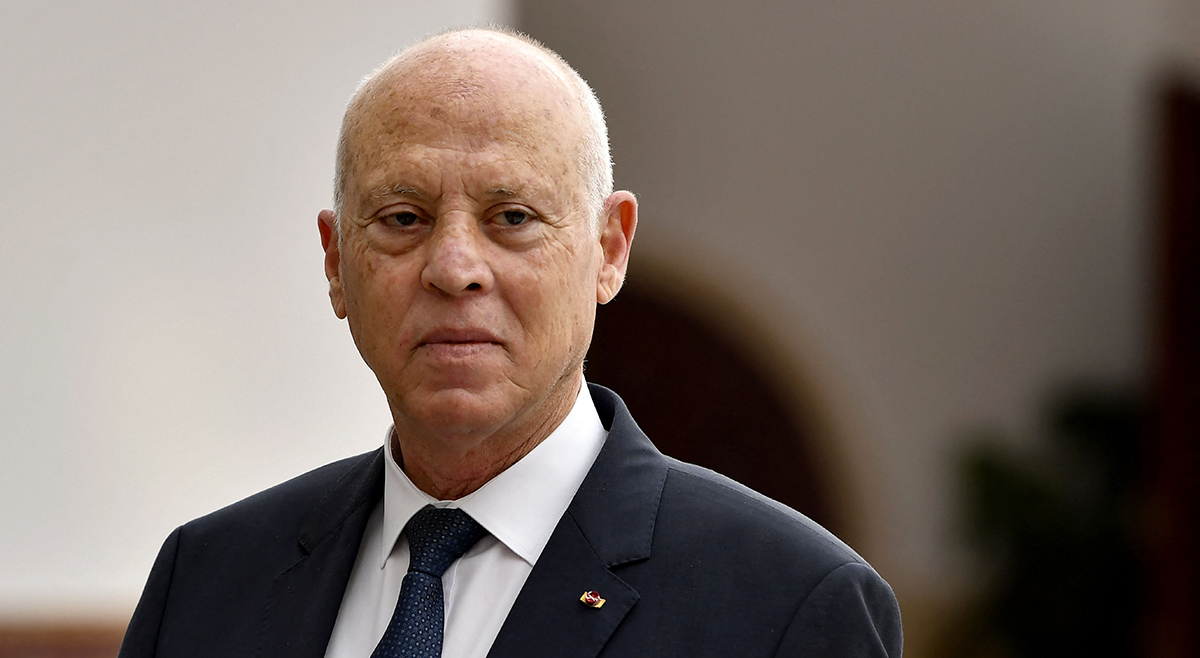
Tunisia’s Kais Saied becomes an ordinary politician
While some of Saied’s rhetoric as well as his symbolic and legislative decisions may appear to some as revolutionary, the post-July 25 political system has thus far maintained continuity from both the pre- and post-revolutionary way in which the state governs: a top-down, policing approach with deference to — and reinforcement of — existing socio-economic hierarchies. In presiding over and perpetuating this system, whether with verve or reluctantly, Saied has become an ordinary politician, following in the footsteps of many others who have held positions of power.
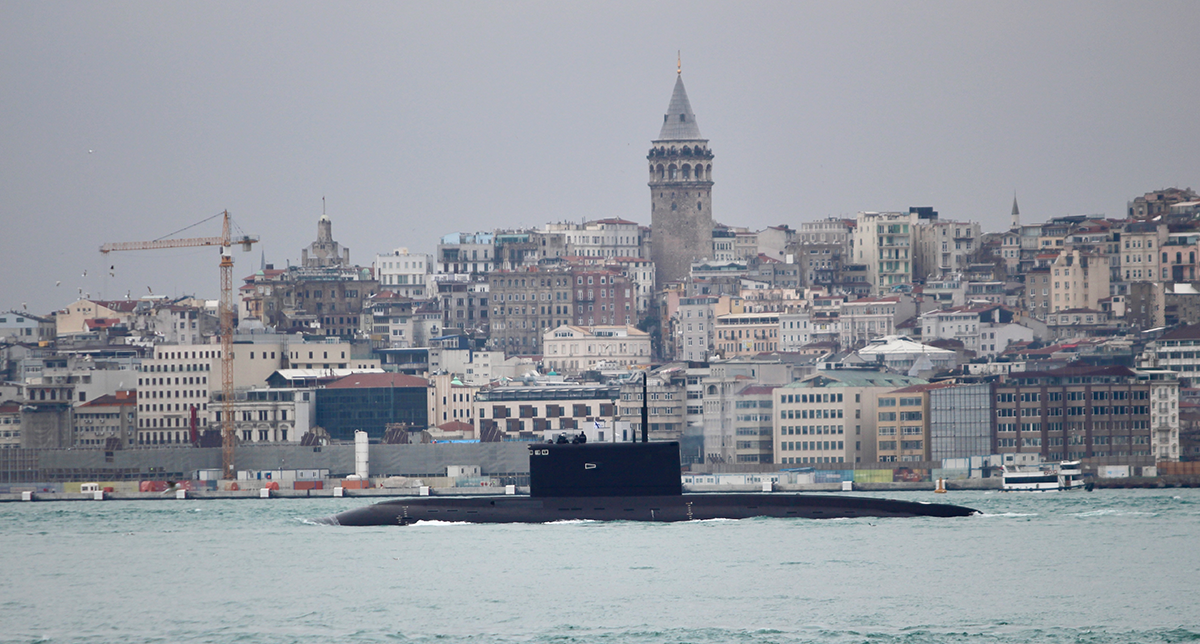
Strong Turkey-Ukraine ties are key to Black Sea security
On Jan. 6, 2019, the eve of Orthodox Christmas, the Ecumenical Patriarchate in Istanbul awarded a decree of independence, known as a tomos, to the then-newly established Orthodox Church of Ukraine — a milestone in the country’s history. The move reversed a 1686 decision that had transferred jurisdiction over Kyivan Orthodox churches to Moscow. After 333 years, however, it’s not only the faithful who have changed their direction from Moscow toward Istanbul. Ukraine and Turkey are strengthening their strategic partnership by deepening their cultural, political, military, and economic cooperation.
Recently, the Iranian regime’s anti-Israel campaign scored an own goal when various hard- line regime news outlets targeted former Iranian national soccer team captain Mehdi Mahdavikia with severe criticism and condemnation. Mahdavikia’s crime? Wearing a jersey at an international exhibition soccer match arranged by FIFA in Qatar that featured the flags of all 211 FIFA members, including Israel.
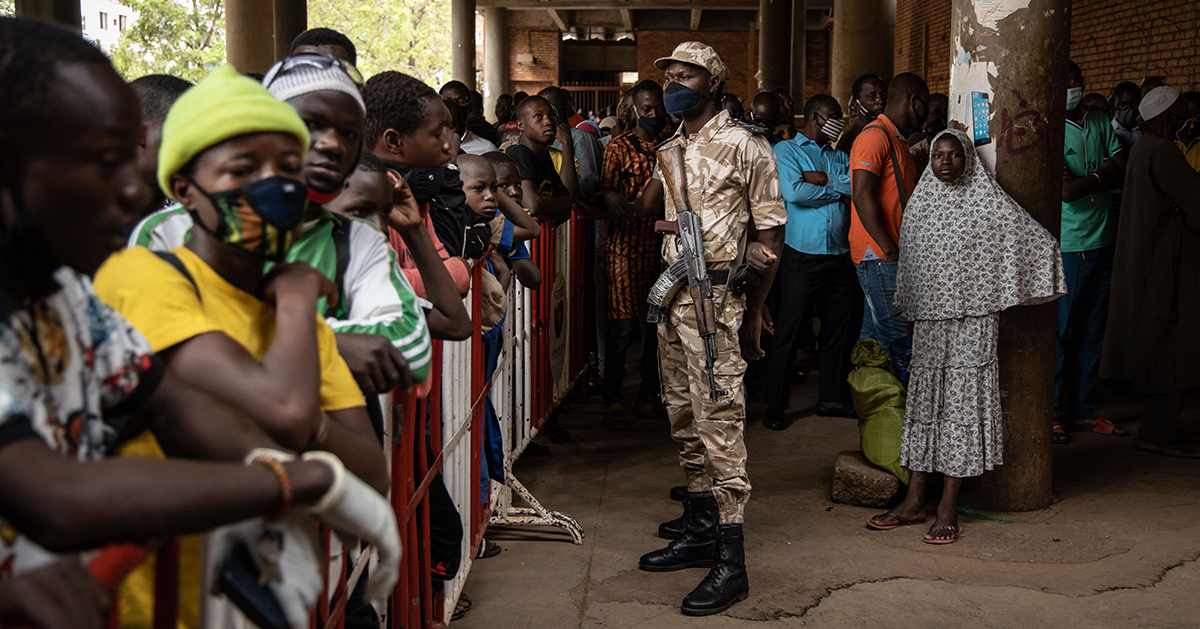
In a volatile international environment, unpredictability reigns. Perhaps nowhere is this more true than in the Sahel, where myriad existing security challenges have only been exacerbated by the devastating impact of COVID-19. Despite significant stabilization efforts, the situation is growing increasingly complex and various interrelated vulnerabilities weigh heavily on the region’s security agenda, including the pandemic, terrorist threats, chronic economic instability, climate change, skyrocketing demographics, and weak governance systems, as well as unprecedented food insecurity and extreme poverty.
The Gulf has a 5G conundrum and Open RAN is the key to its tech sovereignty
Long-simmering economic and political tensions between the U.S. and China have continued to spill over into the technology sector, where the two superpowers have made this ever-more vital industry the site of a new Cold War. The acrimony looks poised to only get worse moving forward, potentially leading to a tech decoupling, and 5G is at the heart of it. Some third parties have sought to find a way to navigate this divide and the dilemma is particularly acute for the Gulf states. As they seek to balance their relationships with both Washington and Beijing, several have chosen to stake out their own territory by building an Open Radio Access Network (RAN). This initiative could be a potential solution to the current conundrum that would give states 5G sovereignty in an era of great power competition, with a digital twist.
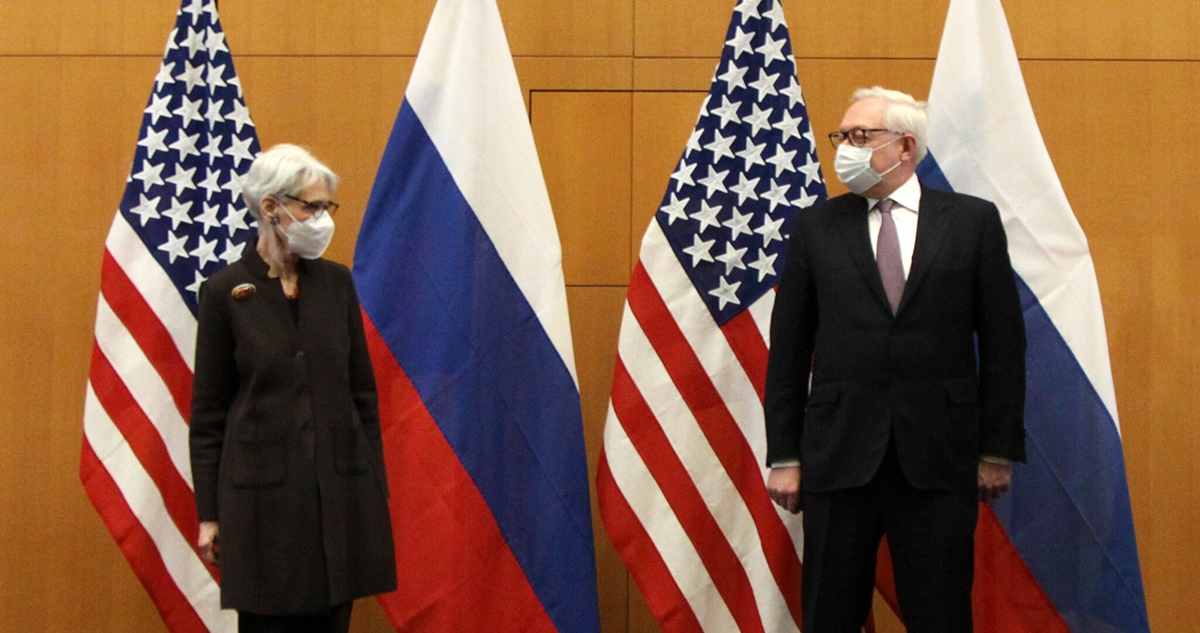
In the face of Russian aggression, the West needs to strengthen European security and Black Sea partnerships
For months, Ukraine has been a central focus for Western foreign policy as Russia has continued its military buildup on the border, reaching 100,000 troops. Moscow has threatened to carry out a military attack and has now issued an ultimatum for the United States to bless a Russian sphere of influence over sovereign democratic countries such as Ukraine. But as consultations between the U.S. and Russia take place throughout the week, the West should bear in mind that Ukraine is only one part of the broader Russian problem. It is about all independent former Soviet states and essentially about the entire European security architecture. The U.S. and NATO cannot go over the heads of independent states and give into Russian demands; instead, they should buy time and invest in long-term European security, while refraining from rhetoric and ultimatums.
Competing over Islam: Turkey, Saudi Arabia, and Iran in the Balkans
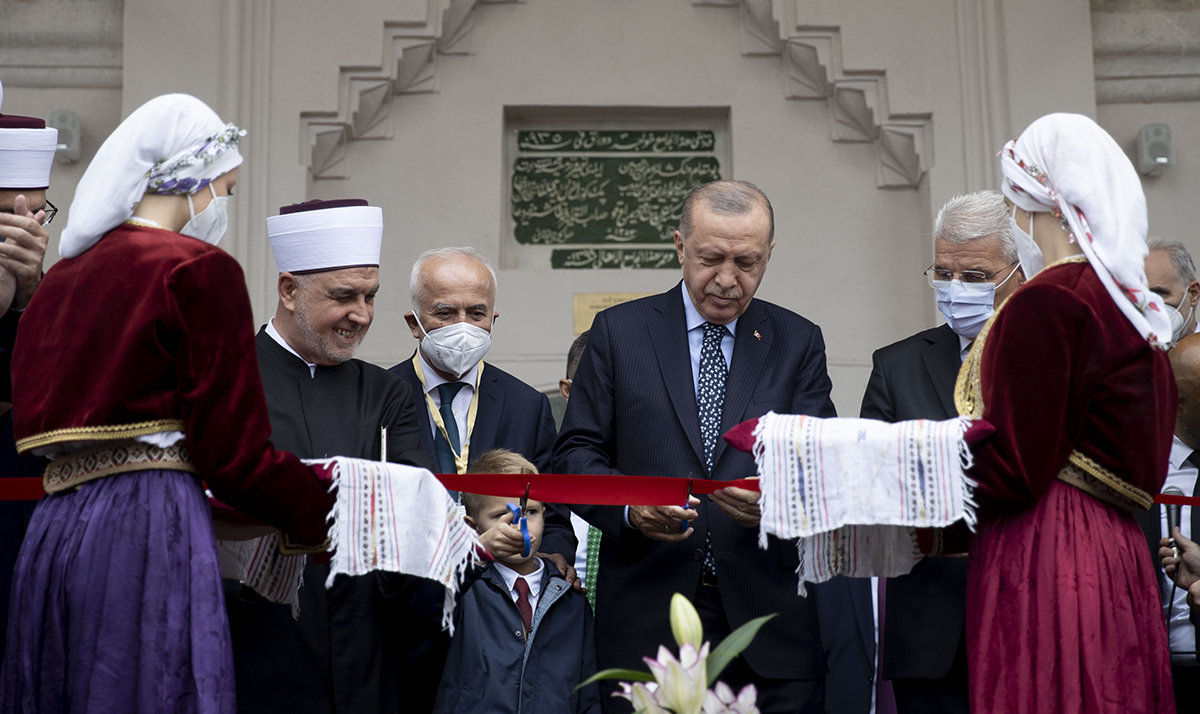
Turkey, Saudi Arabia, and Iran have been the main competitors in a struggle over who — and in what manner — should act as the patron of Muslims in the Balkans. These three countries are very different in terms of their historical footprint, economic and political presence, and local networks. What they share, however, is the use of Islam to exert soft power. This paper will discuss how they are seeking to wield influence, how regional actors respond to their overtures, and whether these three countries are meeting their objectives in the region.
Sinan al-Shabibi: Immortalizing the legacy of Iraq’s best
In Iraqi folklore, Saturday is both an ominous and auspicious day. Iraqis say it is Awwad —“repetitive” — and hence they prefer to postpone taking important decisions to other days of the week. For many Iraqis this week, the news of Dr. Sinan al-Shabibi’s unfortunate passing on Saturday, Jan. 8 could not have come on a worse day. While the loss of one of Iraq’s last firmly independent voices, a respected economist and former central bank governor and someone who genuinely sought the country’s economic transformation, was ominous, in time the day may also become auspicious if his memory and legacy help to inspire a new generation of Iraqis to realize his aspirations for the country.
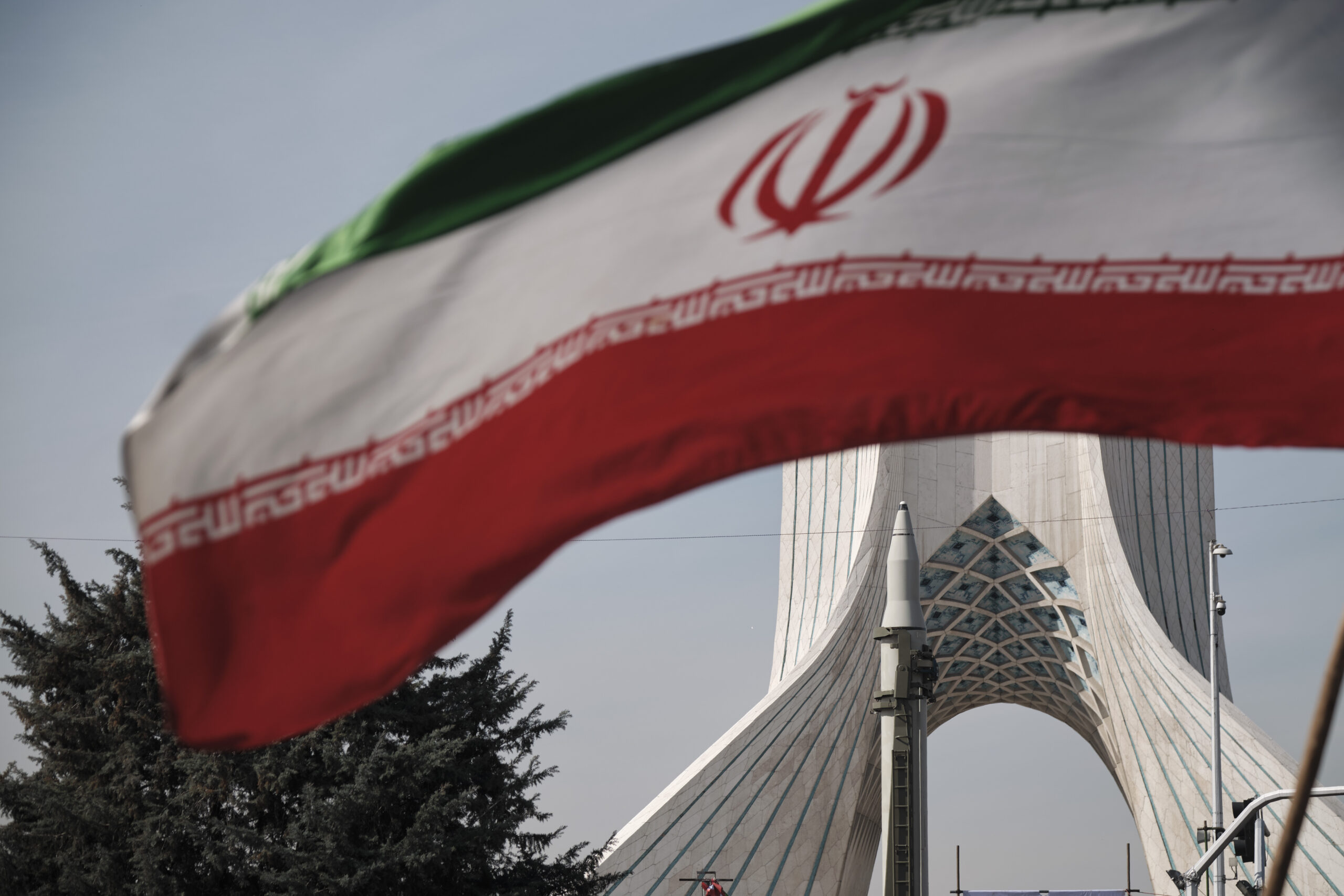
A military strike on Iran is the worst non-proliferation strategy
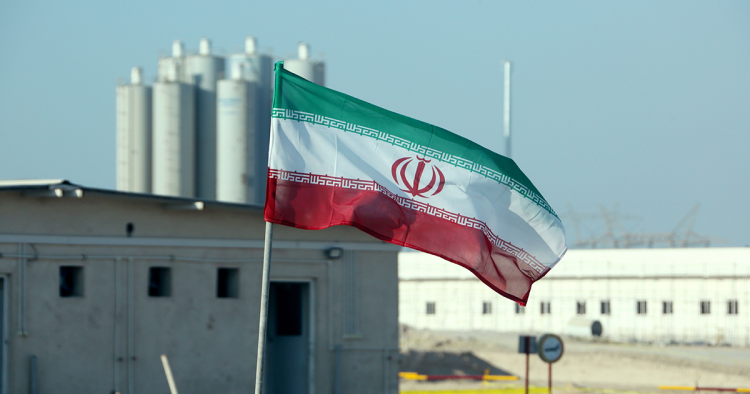
Debates on a military solution to Iran’s nuclear program are heavily polarized between those arguing that a threat of war and a preventive non-proliferation military strike can be a solution and those arguing that military action will only accelerate Iran’s nuclear program. The truth is that it is highly unlikely that Tehran would abandon its nuclear program after a military strike.
Strong momentum in Saudi Arabia’s drive toward renewables and infrastructure
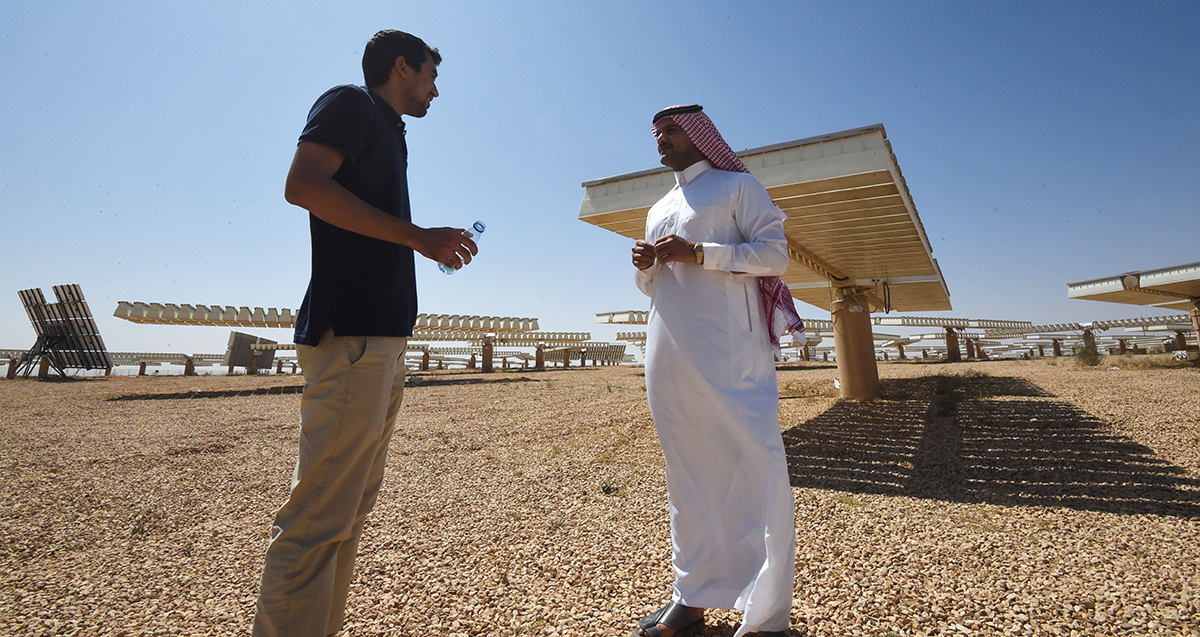
Saudi Arabia’s strategy to push through its portfolio of clean and renewables assets was further strengthened in 2021 as the kingdom witnessed several project financings in the solar sector and launched the National Infrastructure Fund (NIF) to diversify its economy.
“All About China” is a journey into the history and diverse culture of China through essays that shed light on the lasting imprint of China’s past encounters with the Islamic world as well as an exploration of the increasingly vibrant and complex dynamics of contemporary Sino-Middle Eastern relations.
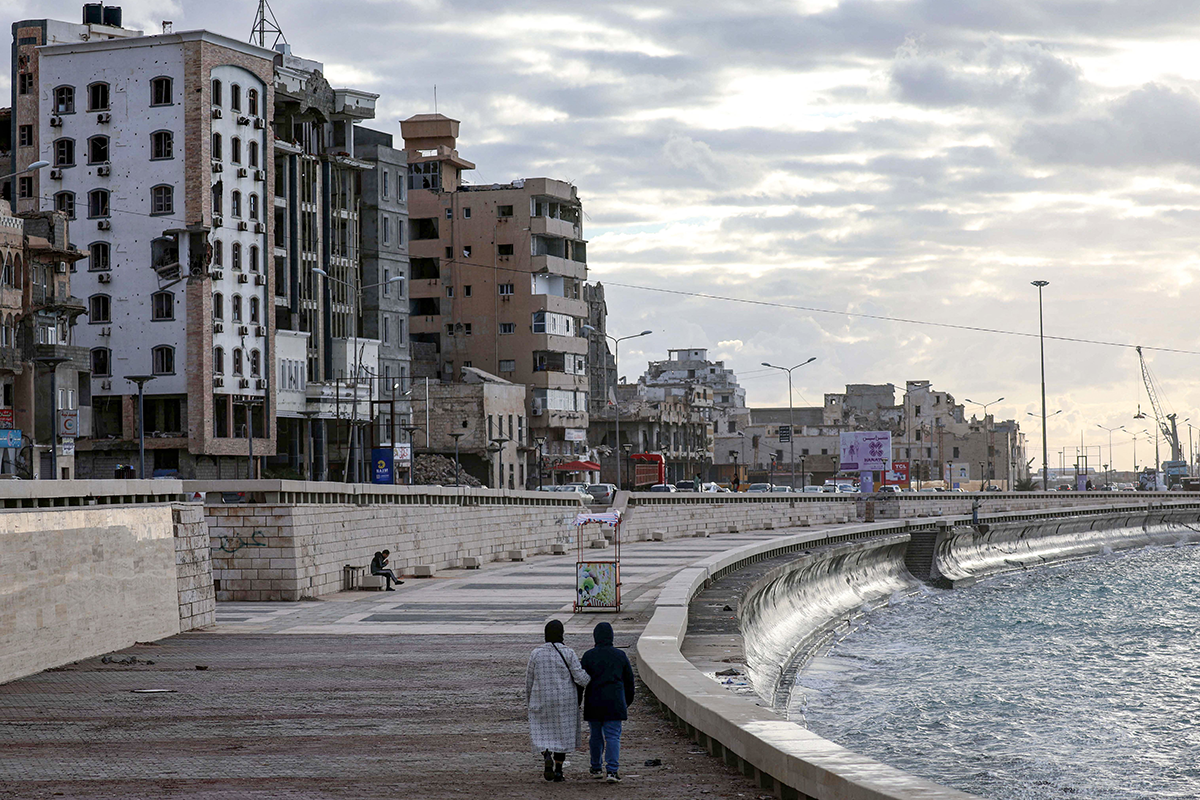
Desalination in Libya: Challenges and opportunities
For the MENA region, groundwater is a hidden but significant problem, as many countries extract more than is being recharged and most lack solid legal frameworks and national water policy regulations to determine use. As a result, there are questions and concerns about the current status of groundwater aquifers, especially with the increasing impact of climate change, as well as the type of sustainable alternative solutions that could assist in conserving them. Libya is no exception to this broader regional trend, and the country suffers from growing water scarcity.