Skip to Content

Analysis

Filter by
5932 Results
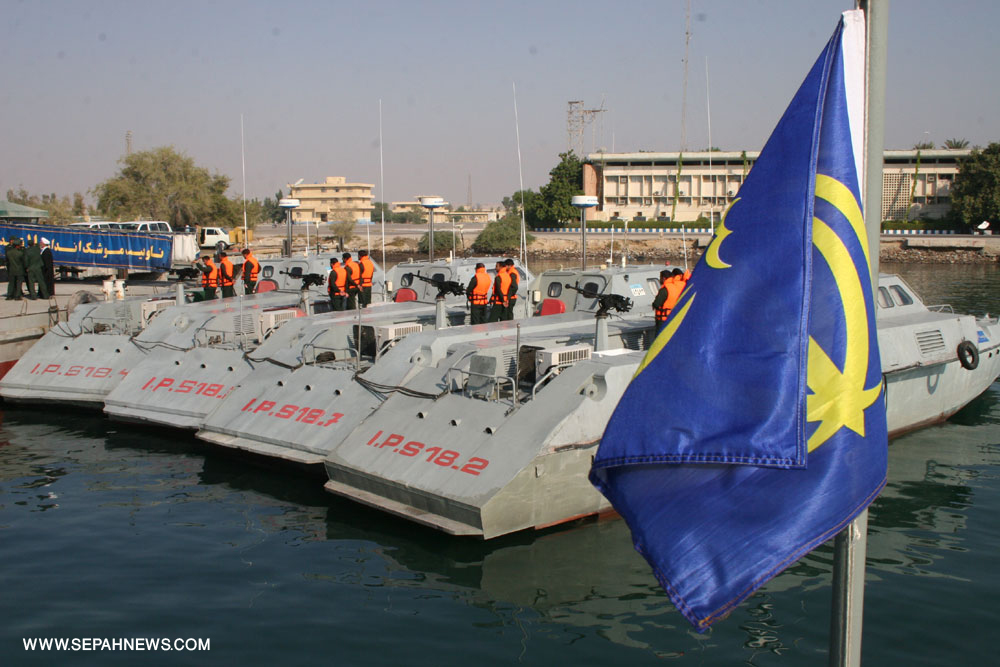
The IRGC and the Persian Gulf Region in a Period of Contested Deterrence
Credit: DefaPress.
  • Analysis
  • The IRGC and the Persian Gulf Region in a Period of Contested Deterrence

    The Strait of Hormuz is one of the world’s most important maritime chokepoints, vital to the global supply of both oil and liquefied natural gas. The issue of freedom of navigation in the strait has long been a source of tension, but until recently any attempt by Iran to physically close it looked highly implausible, unless it resulted from either a major embargo or total blockade of Iranian ports by the West, or a large-scale military confrontation. However, the events of the past three years showed Iran can still ensure a major disruption of the flow of energy without a formal blockade and without an increased risk of military confrontation with the West. Iran has a variety of means at its disposal, especially through its Islamic Revolutionary Guard Corps naval forces, and the Iranians make no secret of their desire to be recognized as the dominant military power in the Gulf and the Strait of Hormuz.


    November 3, 2021

    The thorny question of readmission in France-Maghreb migration talks
    Photo by FETHI BELAID/AFP via Getty Images
  • Analysis
  • The thorny question of readmission in France-Maghreb migration talks

    Readmission of irregular migrants has been a critical element in migration cooperation between France and Maghreb countries. In an attempt to increase its leverage, France recently decided to toughen its stance on migrant return by linking it more tightly to the country’s visa policy.

    November 2, 2021

    Notes on the Artistic Lineage of the Arab Diaspora in the U.S.
    Photo by MEI
  • Analysis
  • Notes on the Artistic Lineage of the Arab Diaspora in the U.S.

    Converging Lines: Tracing the Artistic Lineage of the Arab Diaspora in the U.S. seeks to situate Arab and Arab American artists within the larger history of American art while emphasizing the rich history of cultural production that has come from the larger Arab American community.

    November 2, 2021

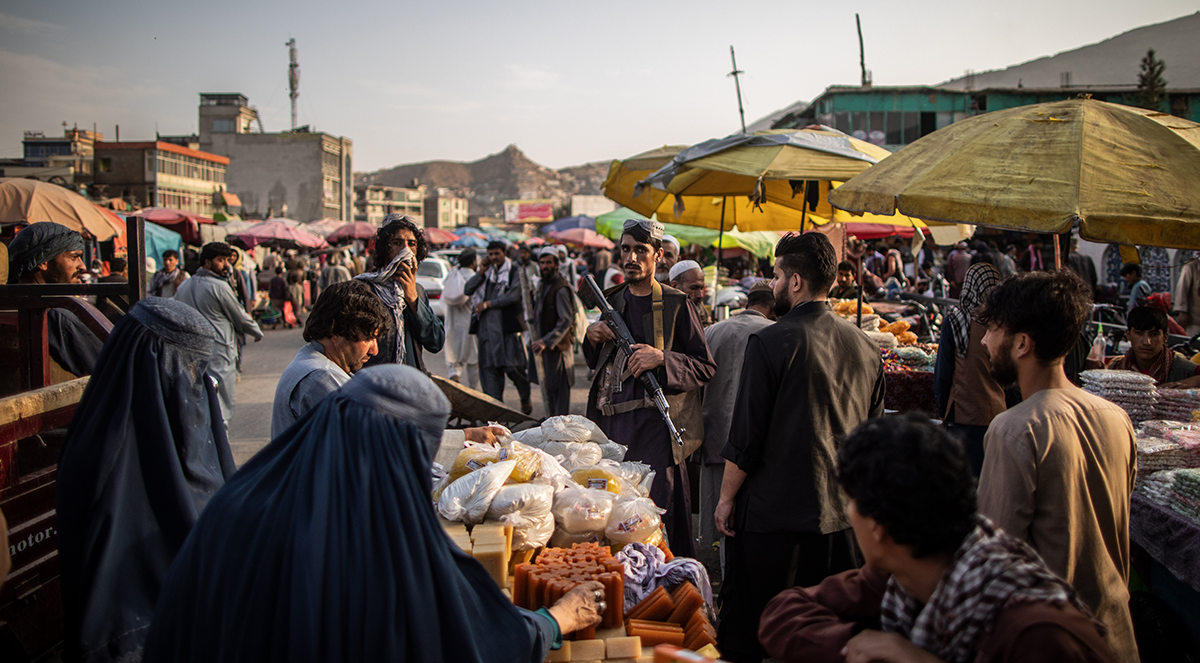
    Will China save the Afghan economy?
    Photo by Oliver Weiken/picture alliance via Getty Images
  • Analysis
  • Will China save the Afghan economy?

    Afghanistan’s economy is collapsing. The Taliban’s forceful seizure of power led to a curtailment of almost all foreign aid, a devastating development for a nation overwhelmingly dependent on international assistance. Widespread drought, pervasive corruption, the perennially inadequate use of the country’s human capital, and a population largely unvaccinated against COVID-19 have exacerbated this longstanding problem of foreign financial dependence.

    November 1, 2021

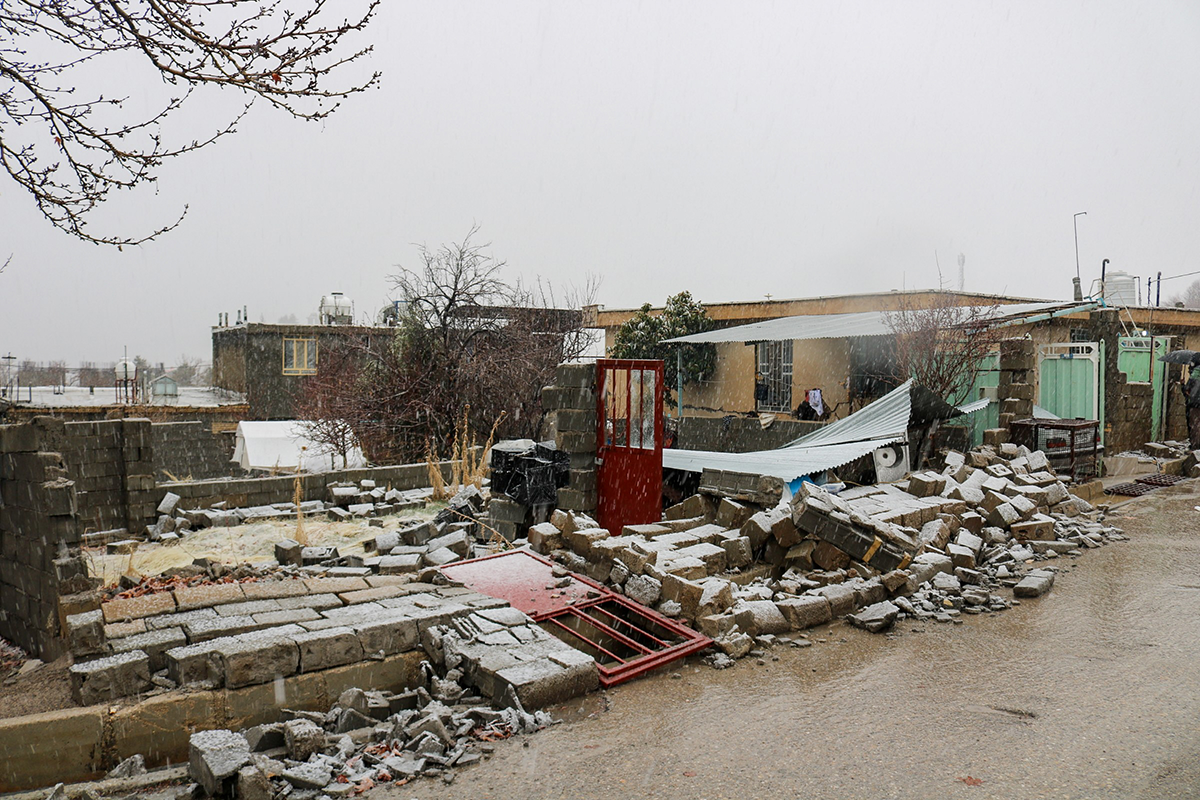
    Rural deprivation and regime durability in Iran
    Photo by Isna News Agency/AFP via Getty Images
  • Analysis
  • Rural deprivation and regime durability in Iran

    During the National Day of Villages and Nomads in Iran on Oct. 6, President Ebrahim Raisi visited Kohgiluyeh and Boyer-Ahmad Province and spoke about combatting rural deprivation, an issue that has become central to Raisi’s domestic agenda.

    November 1, 2021

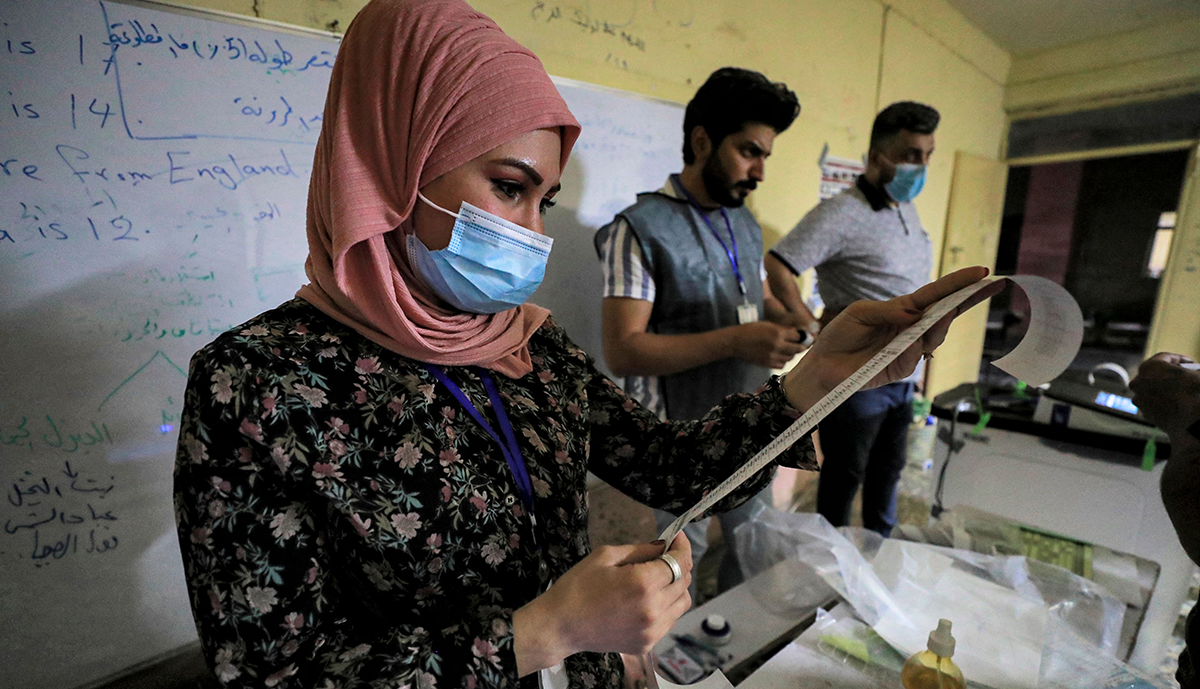
    While Iraq’s next government may be “business as usual,” the election has planted the seeds for change
    Photo by AHMAD AL-RUBAYE/AFP via Getty Images
  • Analysis
  • While Iraq’s next government may be “business as usual,” the election has planted the seeds for change

    Iraq’s Oct. 10 election may be more consequential than its immediate results suggest. Some of the subtle facts and dynamics surrounding the election point to interesting trends and possibilities, more so than the headline-grabbing expansion of Muqtada al-Sadr’s power in the Iraqi legislature, or the losses suffered by candidates representing Iran-backed militias.

    November 1, 2021

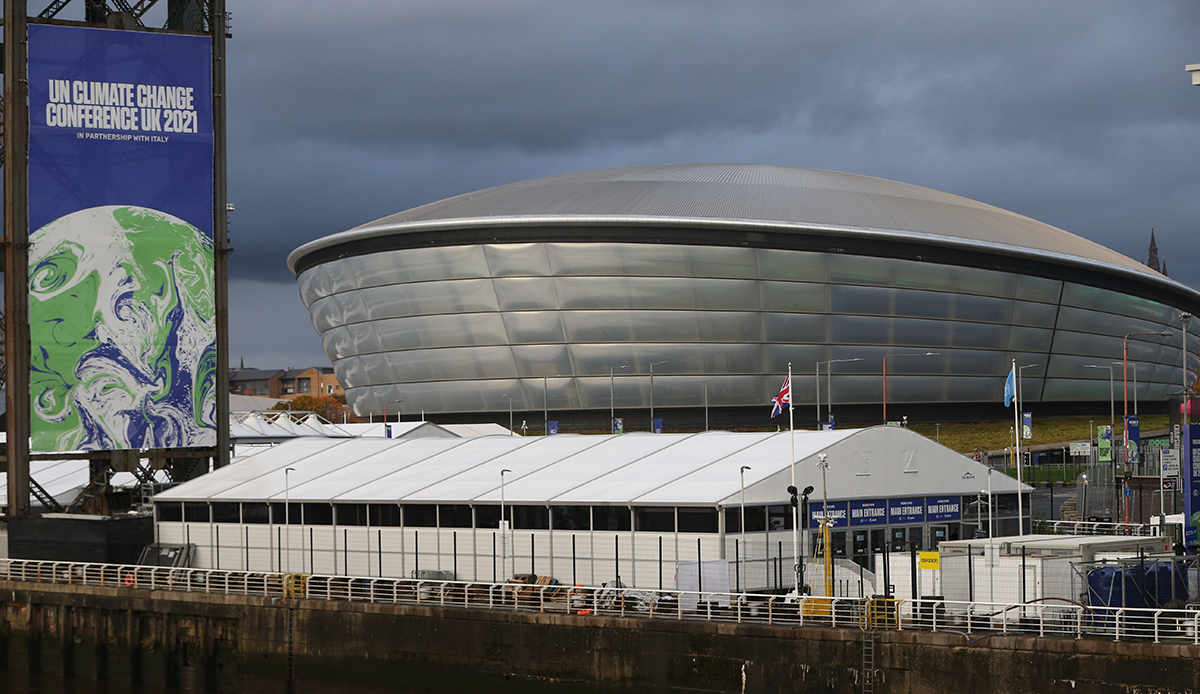
    Expert Views: What should be the key outcomes from COP26?
    Photo by Hasan Esen/Anadolu Agency via Getty Images
  • Analysis
  • Expert Views: What should be the key outcomes from COP26?

    As the U.N. Climate Change Conference (COP26) kicks off in Glasgow, climate change is front and center on the global agenda. Few regions of the world have more at stake than the Middle East and North Africa, given the current environmental and sustainability challenges and potential future scenarios. Experts from across MEI weigh in with their thoughts on what should be the key outcomes from COP26.

    A storm brews over the Black Sea: Turkey’s contradictory maritime policy
    Photo by Yörük Işık
  • Analysis
  • A storm brews over the Black Sea: Turkey’s contradictory maritime policy

    Turkey’s official policy supports the territorial integrity of Ukraine and Georgia, and it sells UAVs and ships to Ukraine. Yet, trade continues with the Russian-occupied territories of Abkhazia and Crimea. By allowing this illegal trade, Turkey undermines both its own credibility and its trading partners’ security. Shipped goods not only help connect occupied zones to Russia, but trade also brings hard currency into these zones, which are outside the international banking system.

    October 29, 2021

    Looking ahead to COP26: How recent developments could shape this year’s meeting
    Ian Forsyth/Bloomberg via Getty Images
  • Analysis
  • Looking ahead to COP26: How recent developments could shape this year’s meeting

    Next week, tens of thousands of world leaders, negotiators, scientists, business executives, activists, and observers from all over will gather in Glasgow, Scotland for the 26th United Nations Climate Change Conference, which will run from Oct. 31 to Nov. 12. Also known as the Conference of the Parties (COP), this distinguished body meets annually to make decisions regarding the implementation of the United Nations Framework Convention on Climate Change (UNFCCC), which aims to “prevent anthropogenic interference with the climate system.”

    October 29, 2021

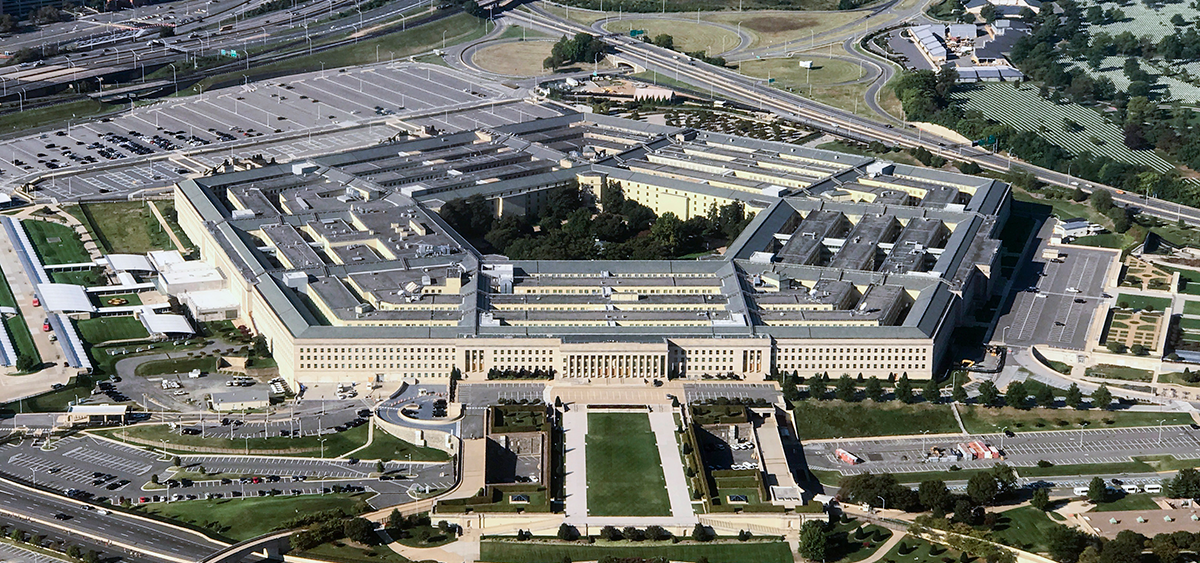
    Defense Rapid Reaction: US strategic competition
    Photo By Bill Clark/CQ Roll Call via Getty Images
  • Analysis
  • Defense Rapid Reaction: US strategic competition

    The Department of Defense’s new overarching principle, U.S. strategic competition, will likely replace great power competition in the next National Defense Strategy, set to be released in 2022. In the latest installment of the Defense Rapid Reaction series, experts from MEI’s Defense & Security Program weigh in with their thoughts on what strategic competition means for the U.S. and how it should go about implementing it in practice.

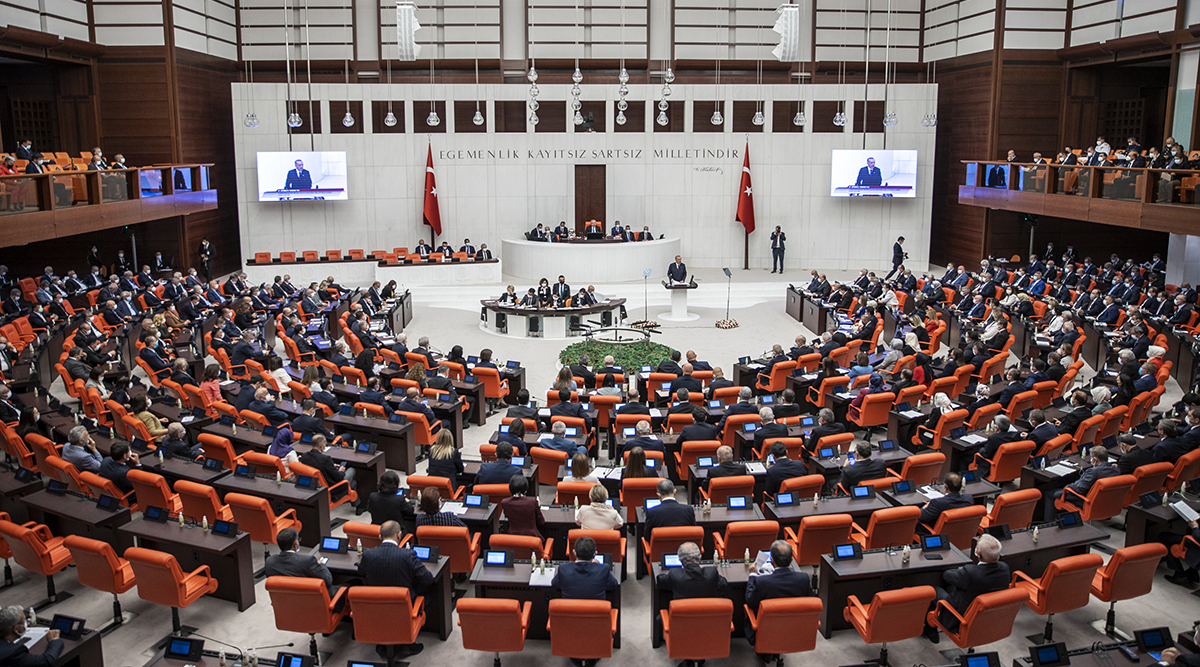
    Turkey finally ratified the Paris Agreement. Why now?
    Photo by Ali Balikci/Anadolu Agency via Getty Images
  • Analysis
  • Turkey finally ratified the Paris Agreement. Why now?

    Turkey, like many countries worldwide, has recently faced severe environmental events. Suffering from floods and the worst wildfires in its history in the summer of 2021, the country finally took an important step to tackle climate change, ratifying the Paris Agreement international treaty on climate change on Oct. 6, 2021.

    October 27, 2021

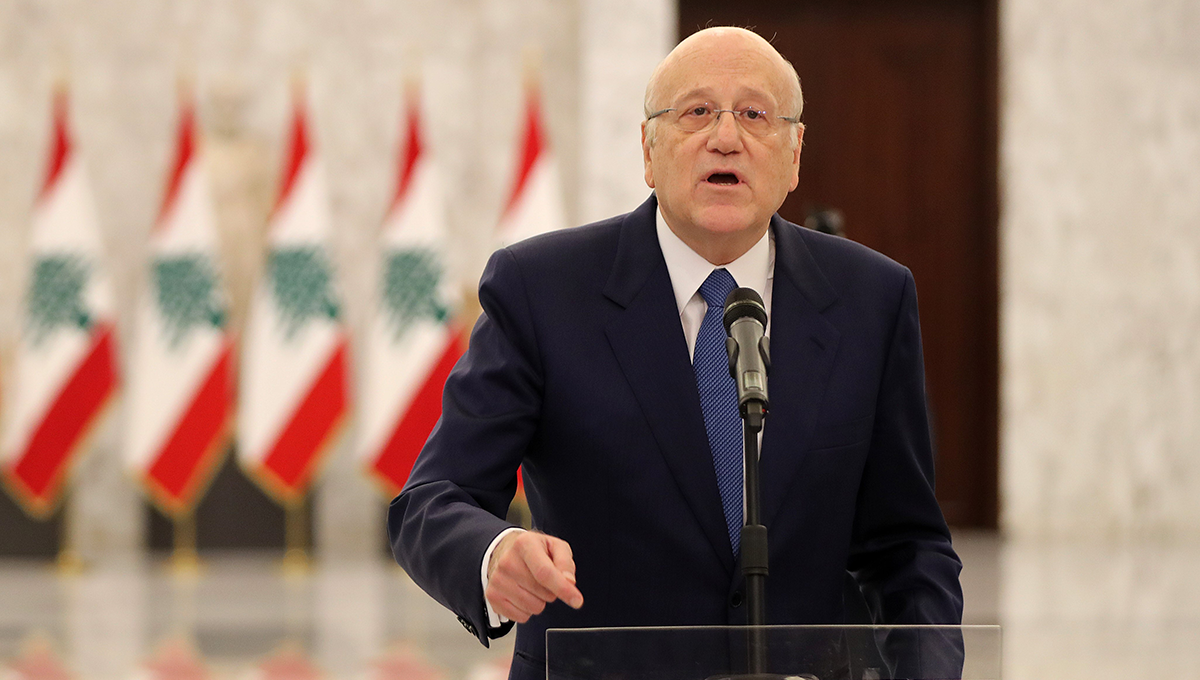
    Why Hezbollah wanted the Ministries of Finance and Public Works
    Photo by Bilal Jawich/Xinhua via Getty Images
  • Analysis
  • Why Hezbollah wanted the Ministries of Finance and Public Works

    After 13 months of political gridlock, economic collapse, and civil unrest, Lebanese politicians formed a new government on Sept. 10. Three-time Prime Minister Najib Mikati heads a new cabinet, the first since the previous one resigned in the wake of Beirut’s devastating port blast in August 2020. Though the formation of a new government provides a way forward to address the myriad crises facing the country, it falls far short of the near-revolutionary changes demanded by Lebanese citizens protesting in the streets. Instead of non-partisan specialists forming a new unity government, Lebanon’s notorious sectarian elites have handpicked a government of technocrats close to them to handle the current situation, the most brazen of which are the new ministers of finance and public works.

    October 27, 2021

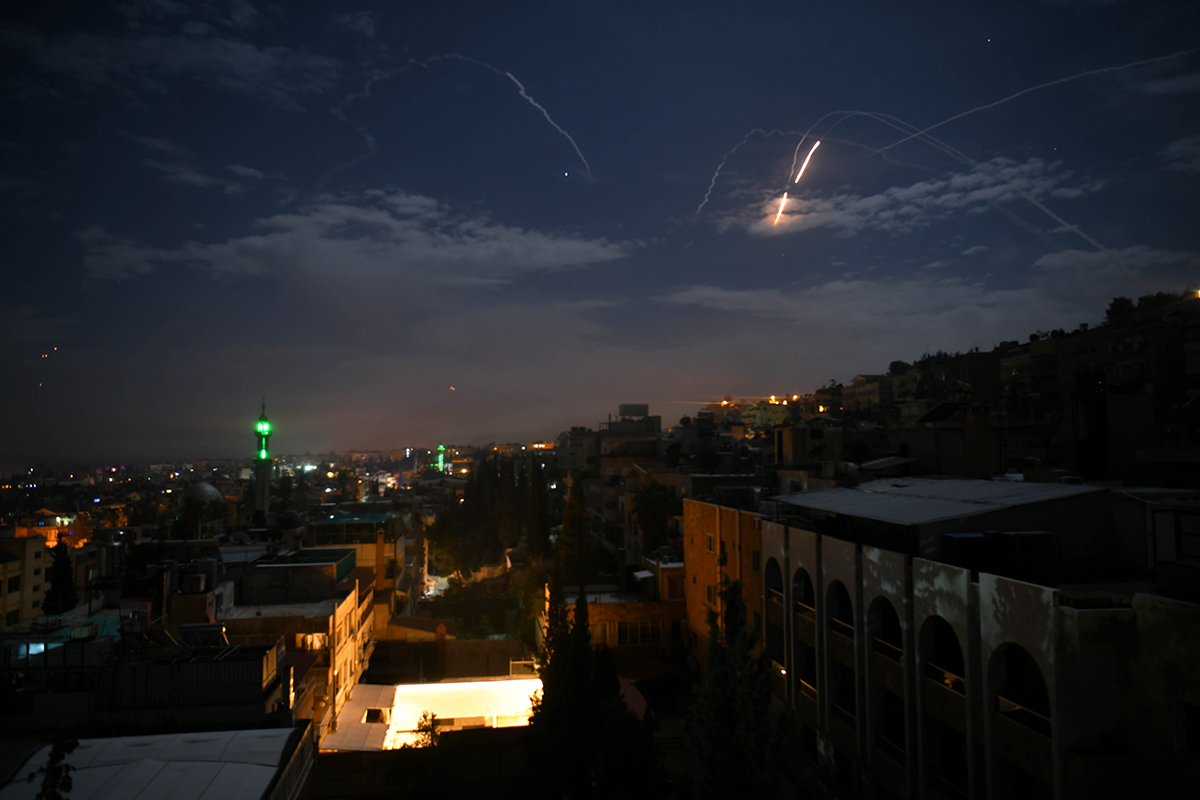
    Has Israel’s campaign between the wars reached an impasse?
     Photo by STR/AFP via Getty Images
  • Analysis
  • Has Israel’s campaign between the wars reached an impasse?

    In recent years, Israel has waged a campaign against the military buildup of its enemies, mainly Iran, Syria, and Hezbollah. This ongoing effort is called “the campaign between the wars,” or the Mabam Campaign. Several events in recent weeks have given rise to questions about the effectiveness of this campaign, however, and have underscored the need to rethink its future.

    October 26, 2021

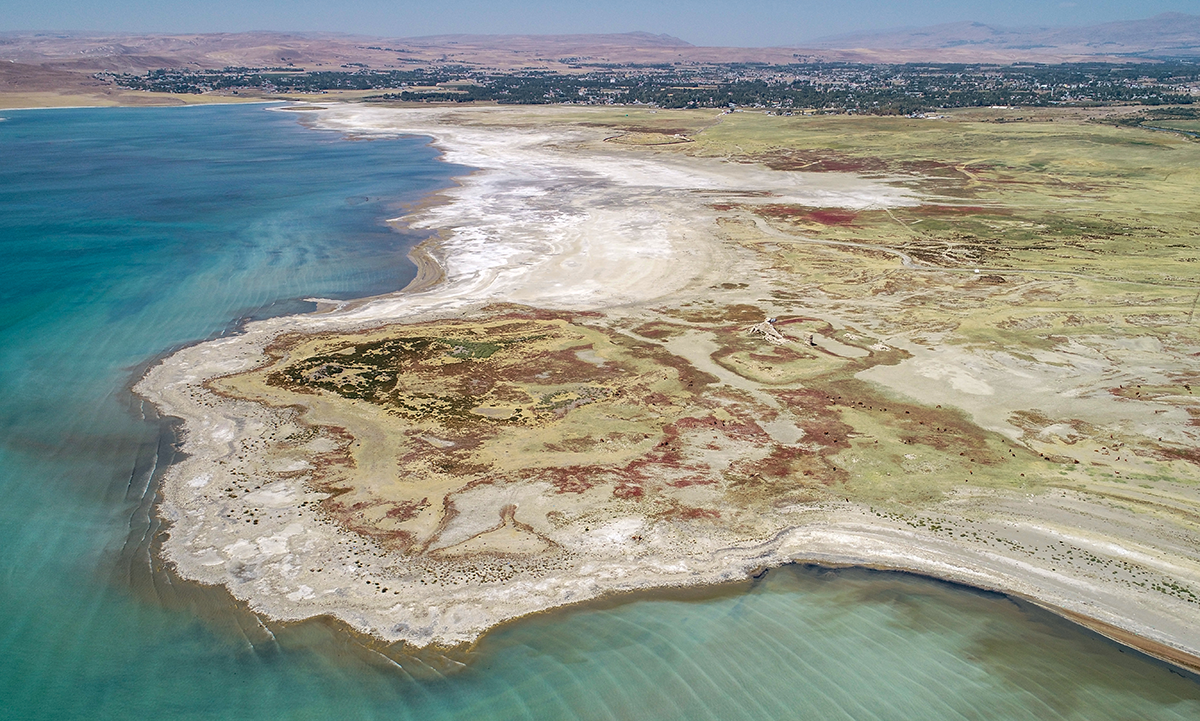
    The IPCC Sixth Assessment Report on Climate Change and what it means for the Middle East
    Photo by Ozkan Bilgin/Anadolu Agency via Getty Images
  • Analysis
  • The IPCC Sixth Assessment Report on Climate Change and what it means for the Middle East

    The Intergovernmental Panel on Climate Change (IPCC) released their Sixth Assessment Report on the Physical Science Basis of Climate Change in August of this year. This report brings together the latest advances in climate science, observations, paleoclimatology, and climate simulations to provide the most up-to-date physical science understanding of climate change. The report also describes the anthropogenic influence on the current state of climate and how future climate can distinctly affect different regions across the world.

    October 25, 2021

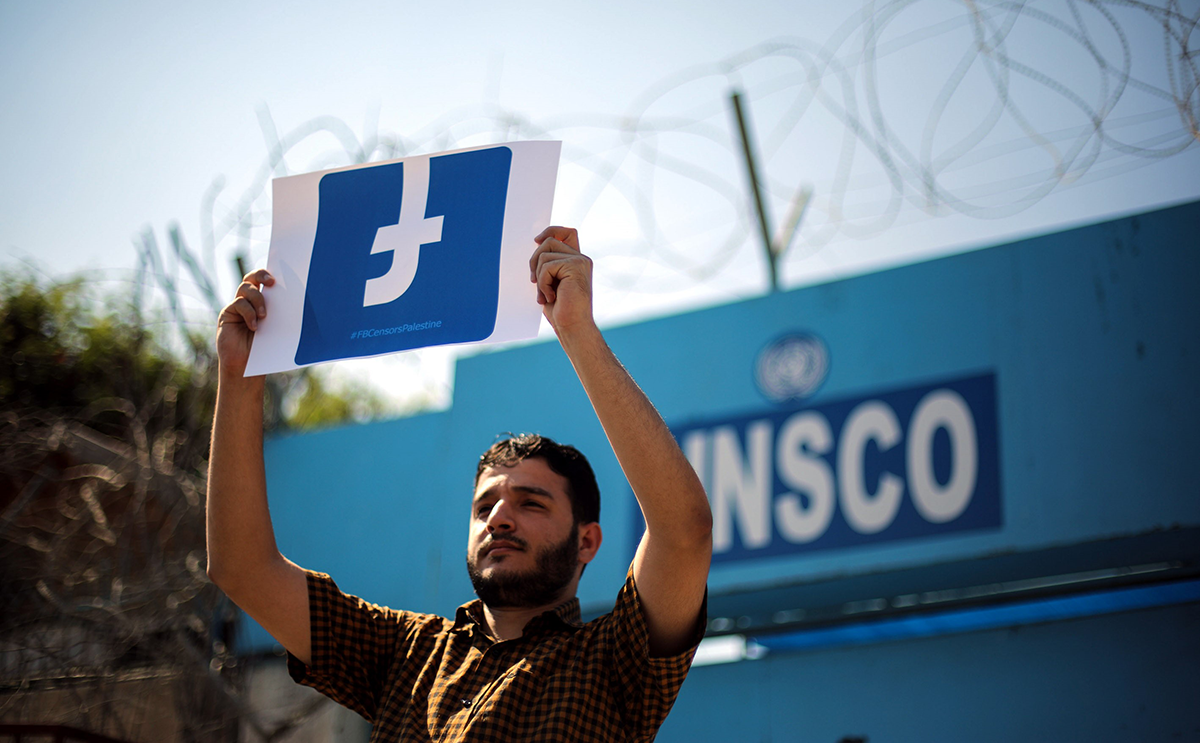
    How social media is failing Palestinians
    Photo by Mohammed Talatene/Anadolu Agency/Getty Images
  • Analysis
  • How social media is failing Palestinians

    Facebook’s latest failures reveal how social media companies fail their most vulnerable users — something Palestinians have been saying for years

    October 25, 2021