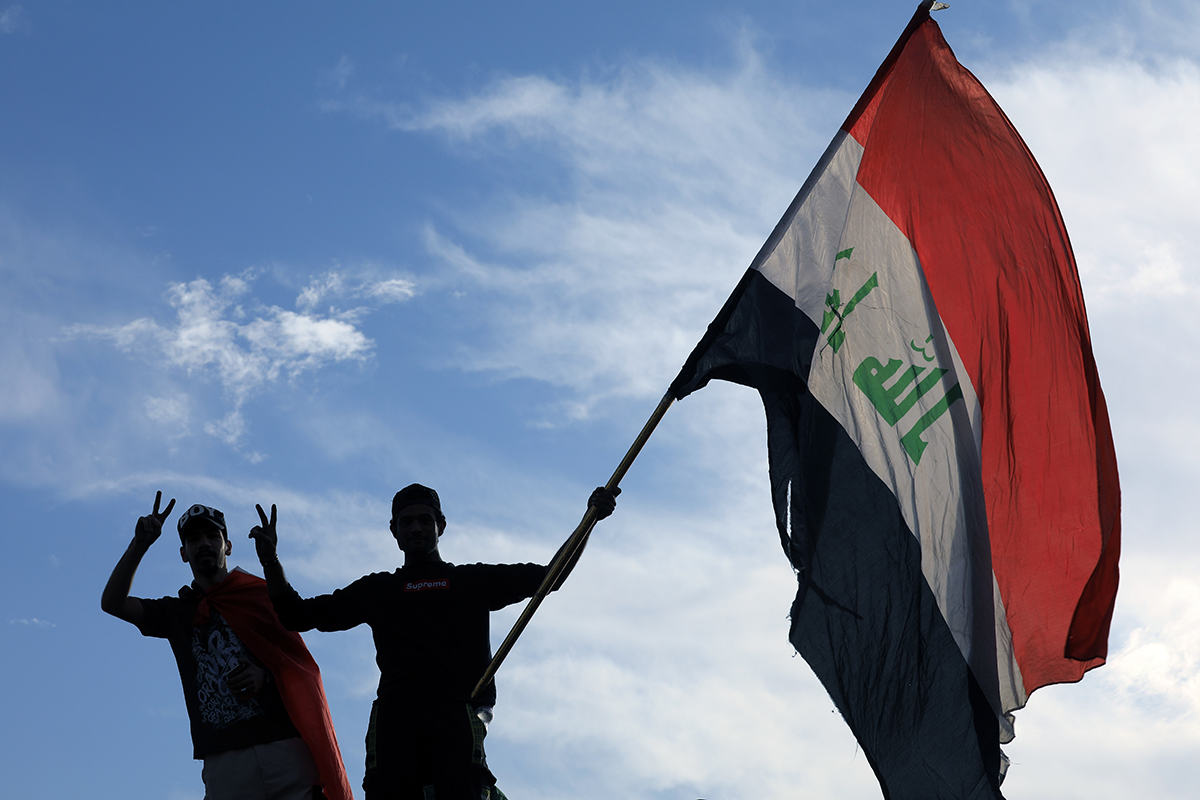
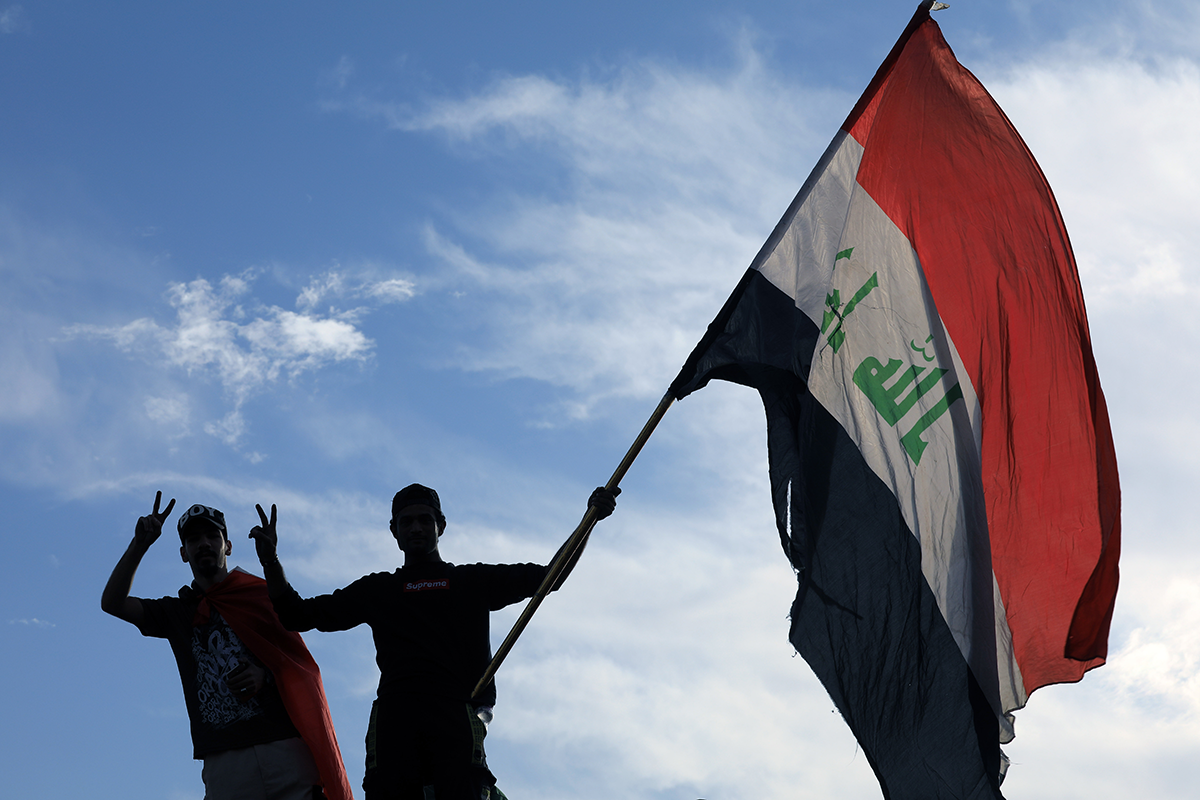
في عام 2003 ، بعد الإطاحة بنظام صدام حسين ، كان لدى العراقيين آمال كبيرة في إحداث تغيير جوهري في حياتهم بعد ثلاثة عقود ونصف من الاستبداد. لكن في السنوات التي تلت ذلك ، لم تتحقق الكثير من هذه التوقعات.
“Death by a thousand cuts”: Syrian refugees face dire conditions as Lebanon unravels
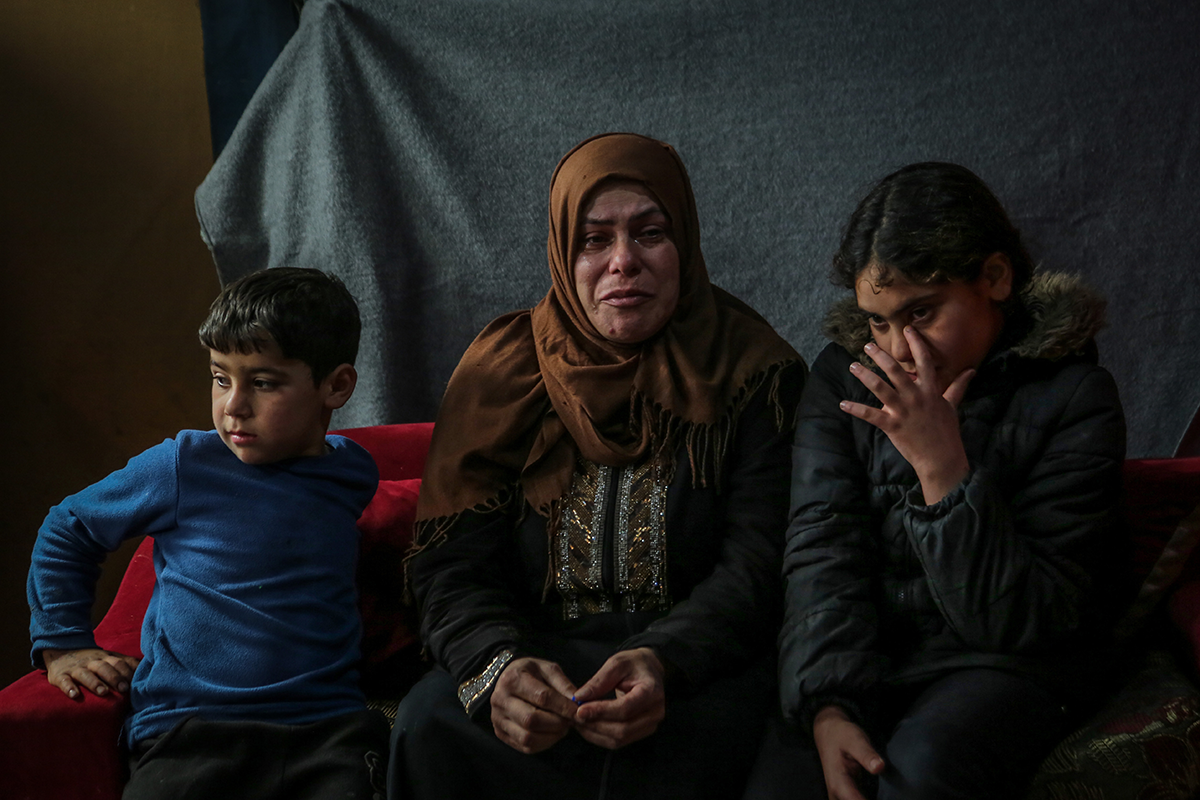
Syrian refugees in Lebanon are now in a state of legal limbo and have been pushed further to the margins of society and into the arms of smugglers and profiteers as they, along with most Lebanese, desperately try to survive in a country described by one of its own political leaders as a sinking ship.
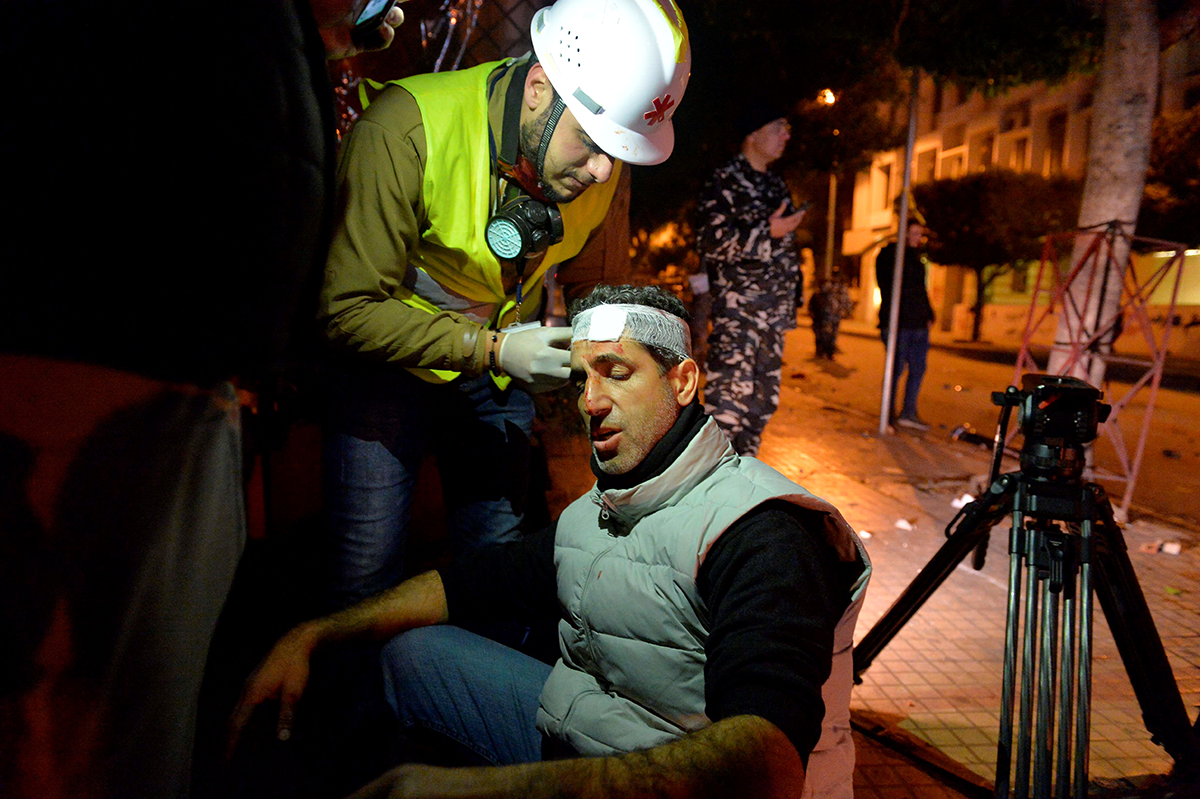
Journalists, media workers, and activists in Lebanon — especially critics of the ruling elite and established political parties — are coming under increasing threat both by private parties, with the authorities unwilling or unable to protect them, and directly by government authorities, often with impunity.
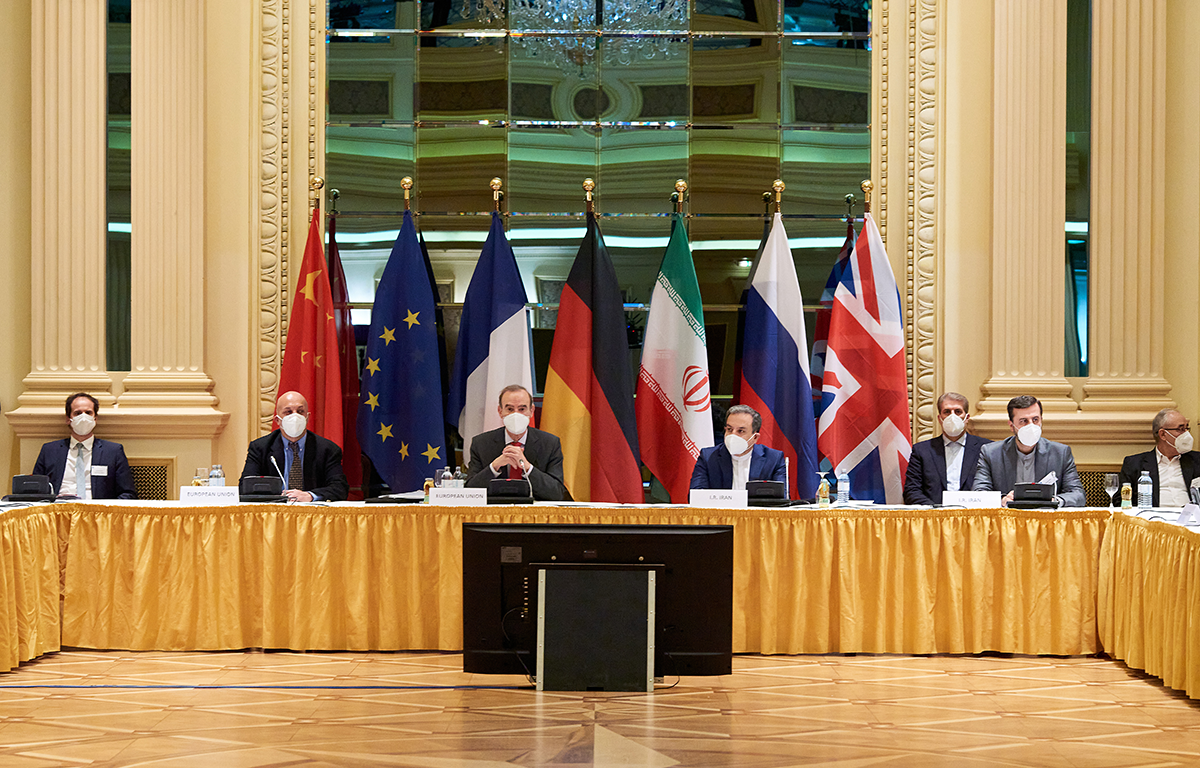
The future of Javad Zarif: A foreign asset in waiting
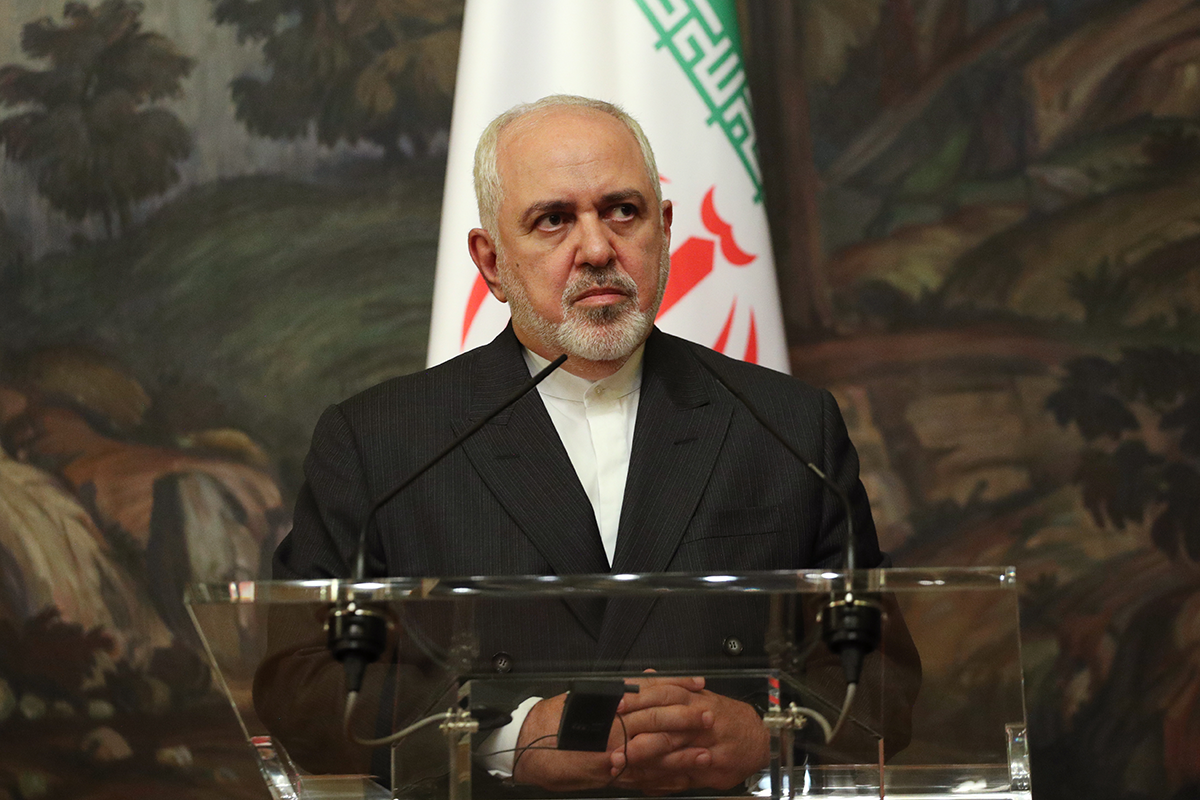
A leaked recording of Iranian Foreign Minister Mohammad Javad Zarif criticizing the role and influence of the regime’s ideological army, the Islamic Revolutionary Guard Corps (IRGC), and its late leader, Gen. Qassem Soleimani, has been making the rounds in international and Iranian media. For Zarif, the Islamic Republic’s shrewdest political mind, who once said he “ensures the details of private meetings are not disclosed,” the recording, of a three-hour interview in March with the journalist Saeed Leylaz, was extremely frank and generous in detail. The timing of the leak also appears to be key.
Iran’s pre-election social media buzz: Toward avoiding a repeat of 2020
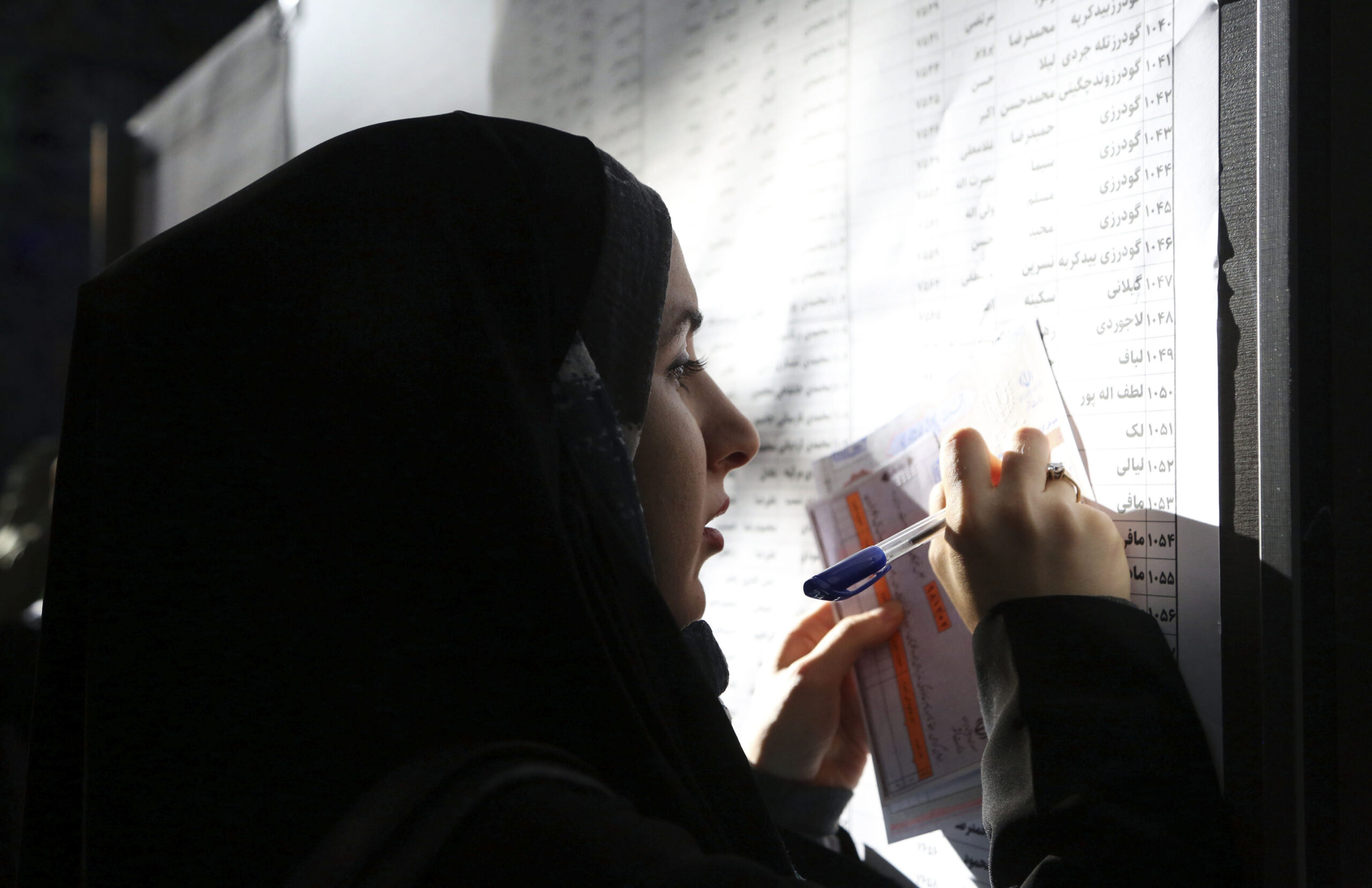
Iran’s presidential election is set to be held in less than two months, but the dynamics in the country’s domestic politics have changed significantly compared to 2017. The parliamentary elections of February 2020 saw the lowest voter turnout since the 1979 revolution, with only about 40% of Iranians casting a vote. Now, with the June presidential elections on the horizon, Tehran fears a repeat.
The Autonomous Territorial Unit of Gagauzia: A new focal point for Russo-Turkish competition?
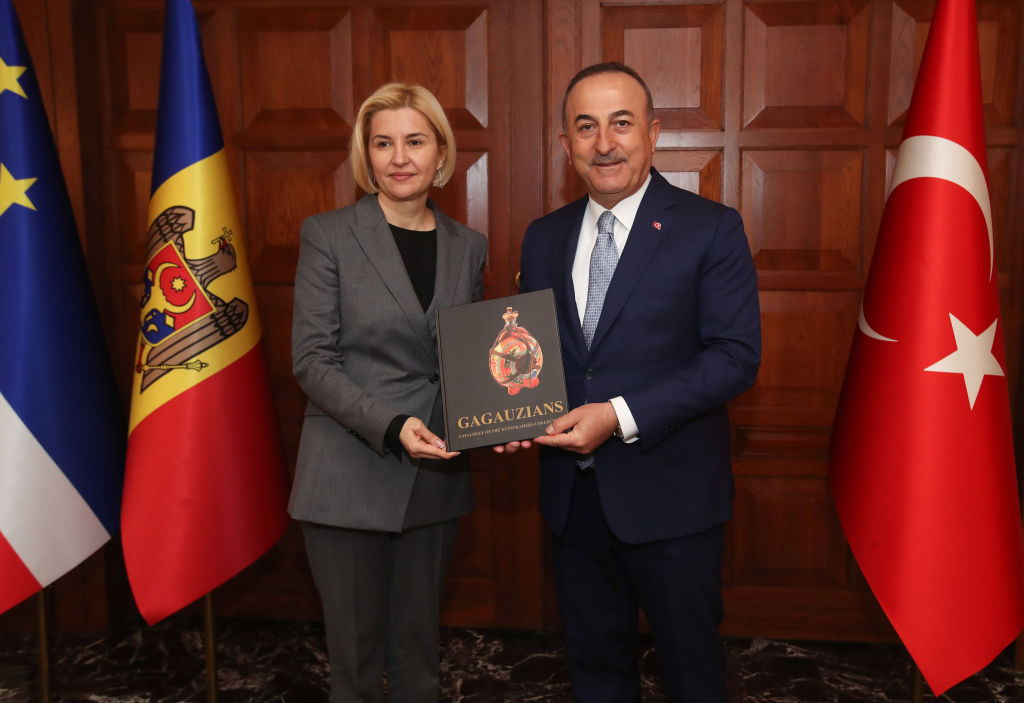
Although many policymakers and commentators in the West tend to see Turkish President Recep Tayyip Erdoğan and Russian President Vladimir Putin as often working together, history shows us that the natural state of affairs between Russia and Turkey is one of competition, confrontation, and even conflict.
Recent geopolitical events remind us of this. However, there is another area to keep an eye on that serves as a historical and cultural fault line of Turkish and Russian geopolitical rivalry: the Autonomous Territorial Unit of Gagauzia located in southern Moldova.
Expert Views: The Biden administration and the Middle East: Reflecting on the first 100 days
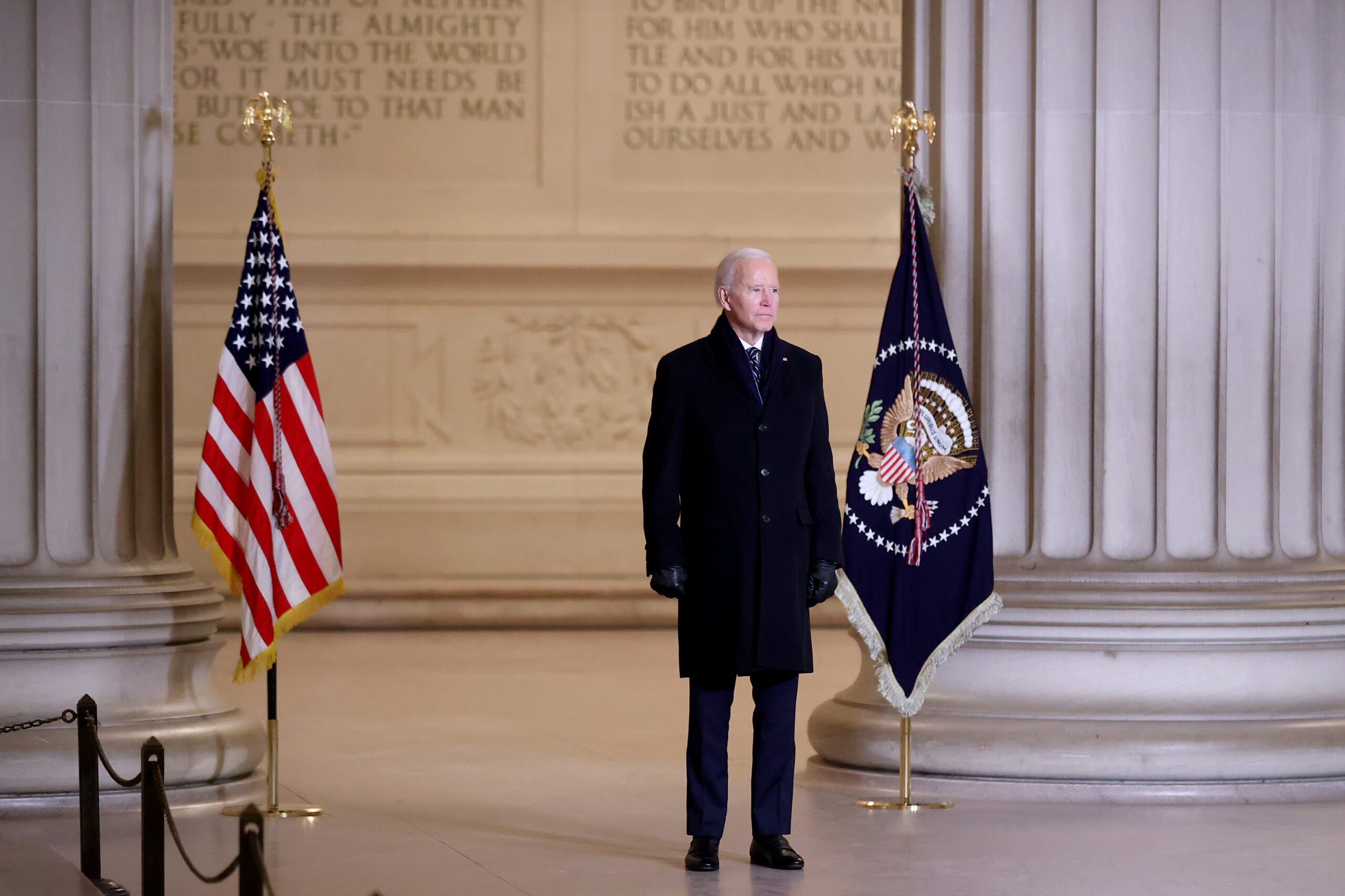
At the end of Joe Biden’s first 100 days as president of the United States, where do things stand when it comes to U.S. policy toward the Middle East and North Africa? We asked experts and scholars from across MEI to weigh in with their thoughts on the changes we’ve seen so far, the new challenges that have emerged, and what we know about the administration’s key priorities for the region.
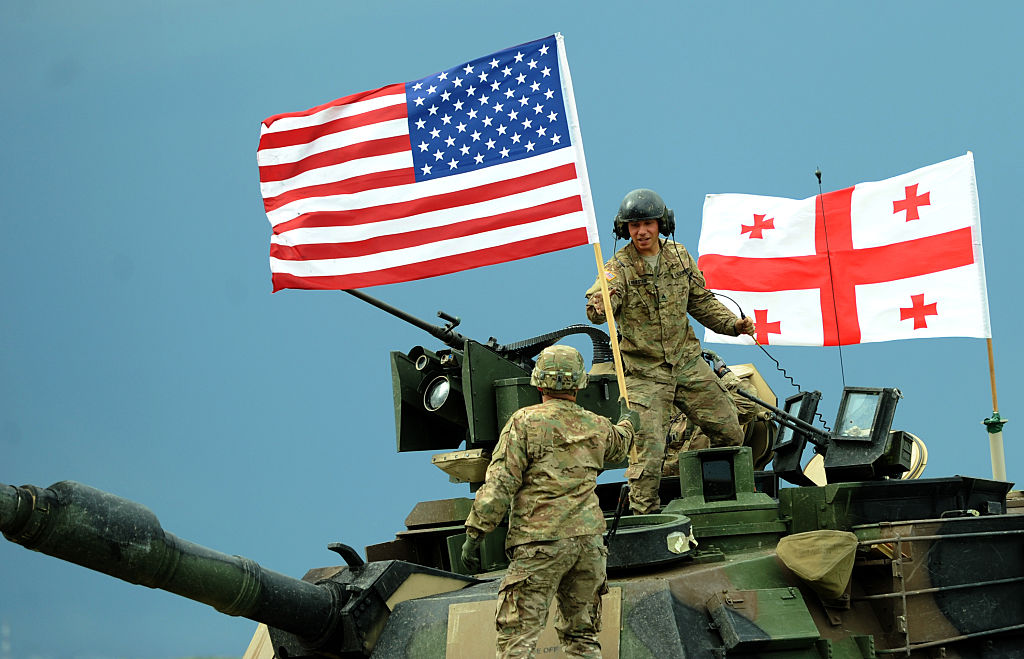
United States partnerships with Georgia and Ukraine: Prospects for advancing military cooperation
A spotlight has been cast over the Black Sea region for the past two decades. Located at the geopolitical junction of Western Europe, Russia, and the Middle East, the Black Sea littoral states have partnered with Western powers on global counterinsurgency and anti-terrorism efforts. Simultaneously, the Black Sea region continues to face insecurities triggered by enduring great power competition. The importance of stability in the Black Sea region has long been recognized by the West.
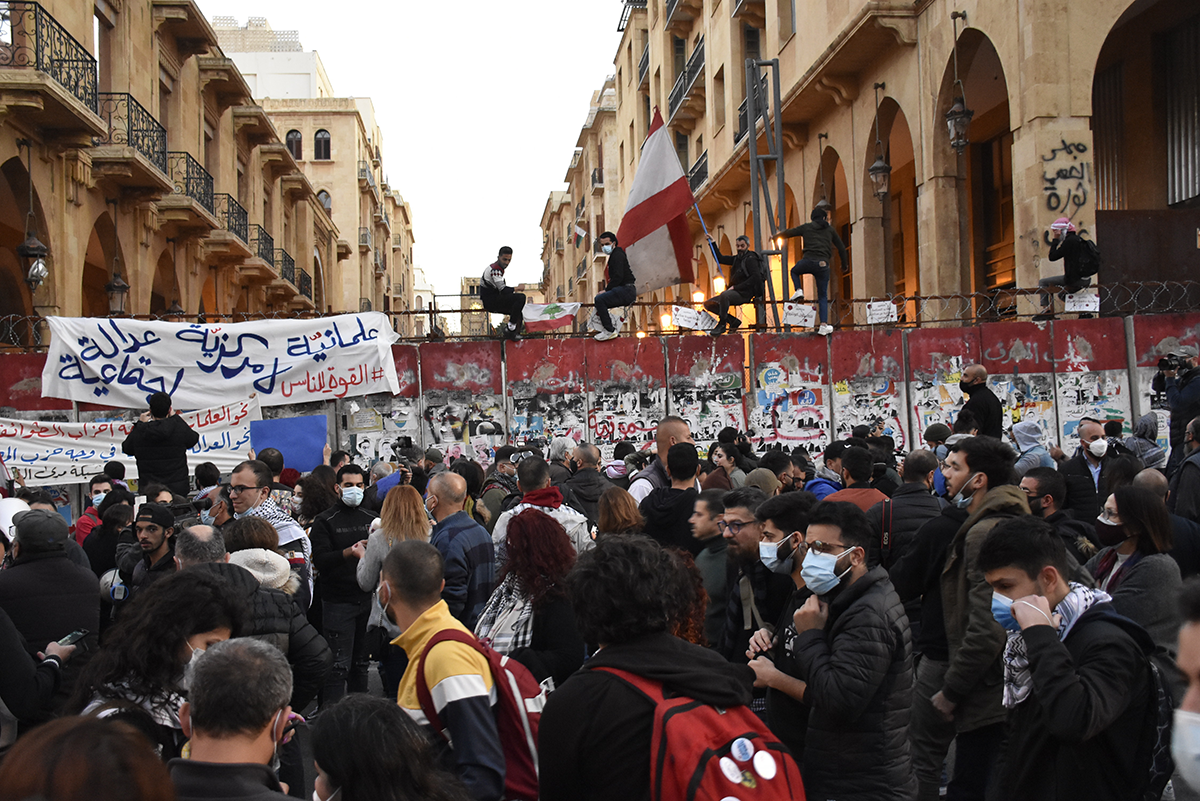
The unfolding struggle for political survival in Lebanon
Lebanon’s political leaders are getting deeper into trouble, and they know it. This does not make them any less dangerous. Recurring skirmishes over cabinet formation — namely those referencing constitutional powers, cabinet size, sectarian representation, and ministerial allocation — continue to dominate the public discourse and waste precious time. They remain, however, peripheral to the central issue that establishment parties currently face: an all-out struggle for political survival at a time when tough and unapologetic decisions need to be made.
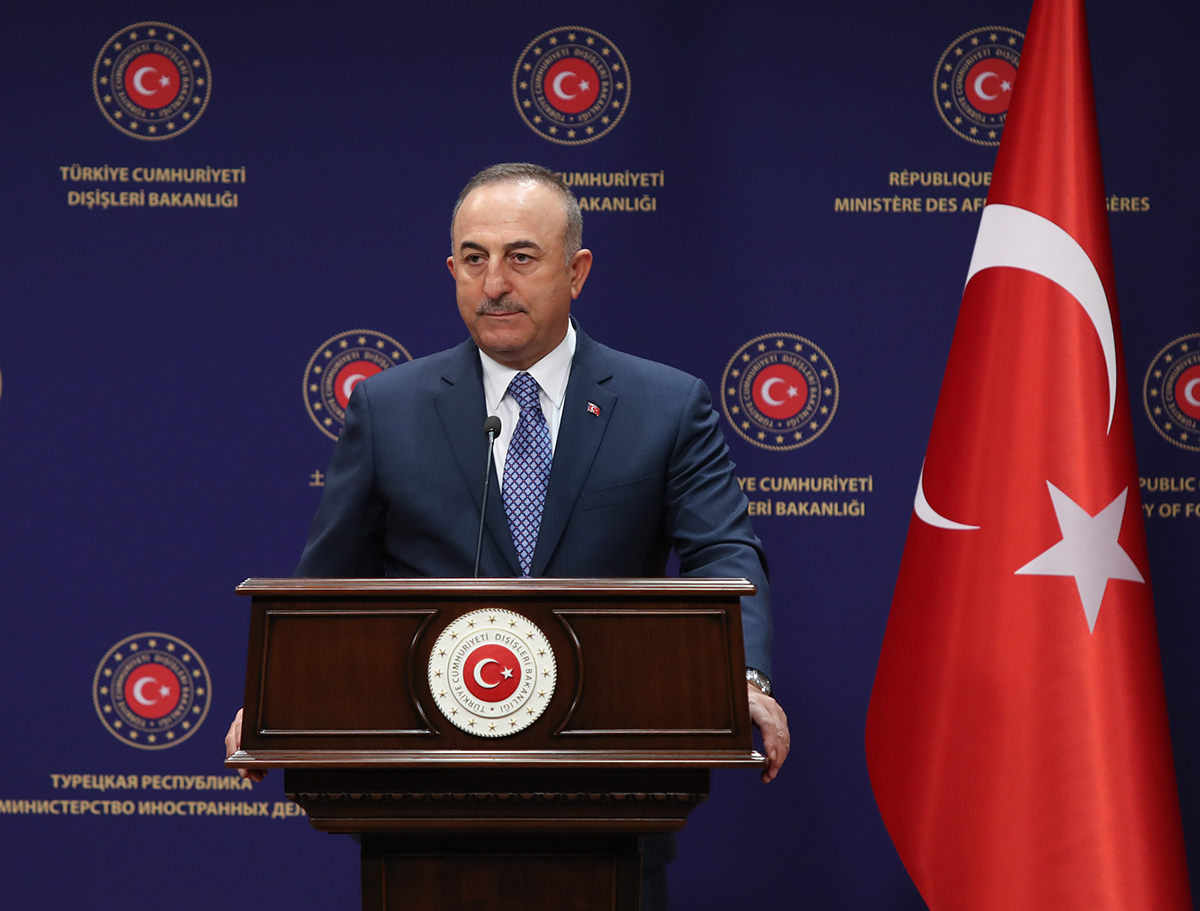
The new wave of normalization in Turkey’s Middle East foreign policy
In the past several weeks, news has been coming out of Ankara regularly about normalization in relations with countries with which Turkey has had problematic relationships for some time.
The Roadblocks to a Regional Security Dialogue in the Middle East
It’s easy to see why there’s an enduring attraction for a regional security dialogue in the Middle East. Countries in the region face shared and borderless challenges — including terrorism, insurgency, environmental safety, arms races, cybersecurity, maritime piracy, and the proliferation of weapons of mass destruction — that can be dealt with more effectively through multilateral measures.
Making sense of the Iran-China strategic agreement
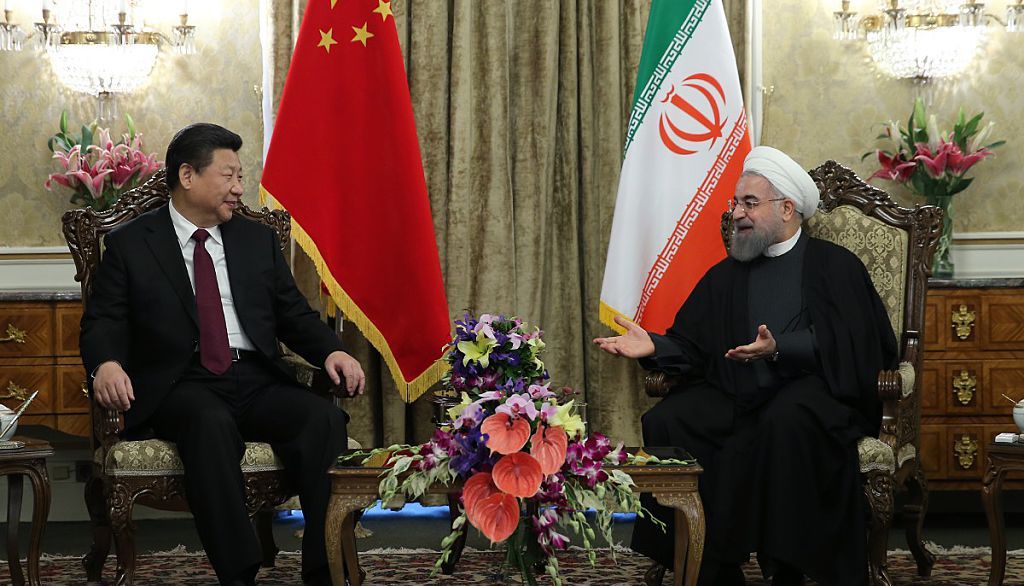
The 25-year agreement between Iran and China that made headlines this past month is far from new. It was first announced in 2016 during a state visit by President Xi Jinping to Tehran, at a time when sanctions on Iran were being lifted as part of the 2015 nuclear deal. Chinese and Iranian officials have been working out the details of the deal ever since as part of a slow process of consultation and negotiations. The timing of the latest announcement about the agreement is, therefore, less about developments in relations between Beijing and Tehran and more about the fast-deteriorating relations between Beijing and Washington. China is looking to identify areas where it can cultivate leverage, and Iran is a prime opportunity.
What does the transition in Chad mean for Middle Eastern regional powers?
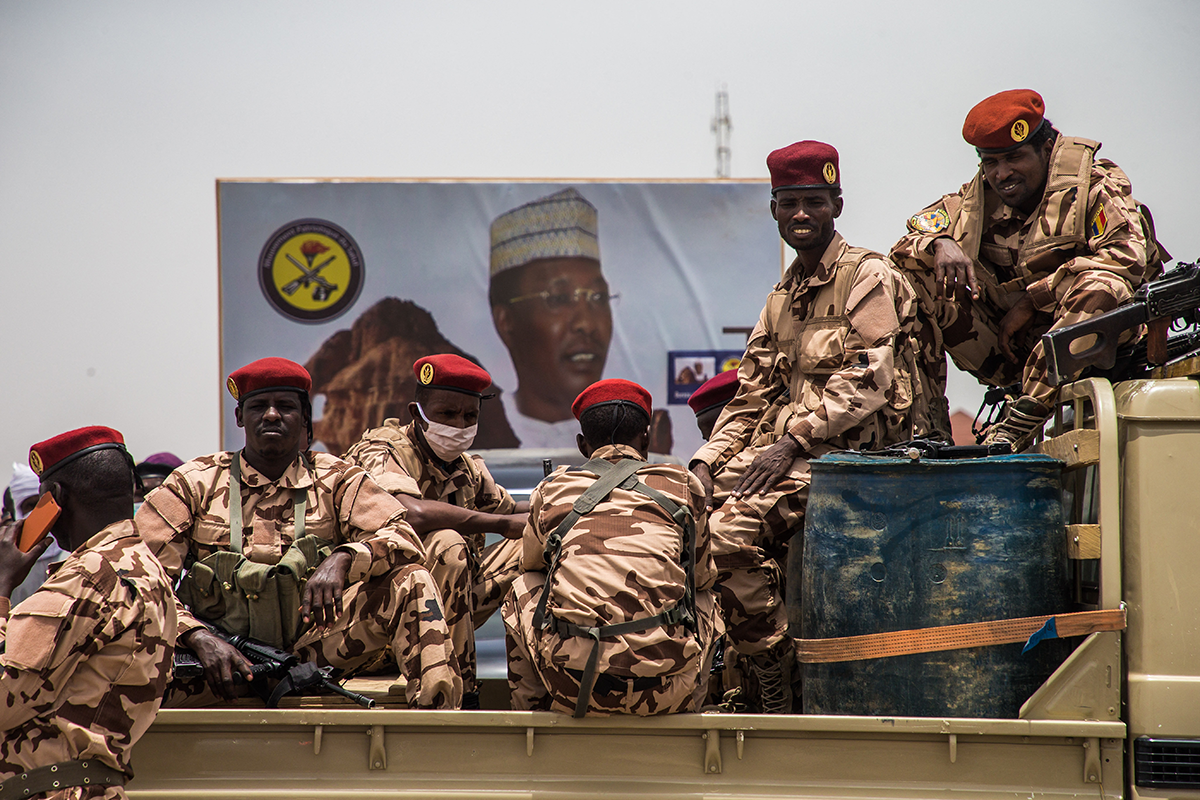
On April 20, Chadian President Idriss Déby was killed by Front for Change and Concord in Chad (FACT) rebels in the country’s northwestern Tibesti region. The sudden death of Déby, who seized power in Chad via a military coup in December 1990 and was re-elected on April 11 with 79.3% of the vote, risks plunging Chad into a state of prolonged instability.
Peacebuilding in the Time of War: Tribal Cease-fire and De-escalation Mechanisms in Yemen
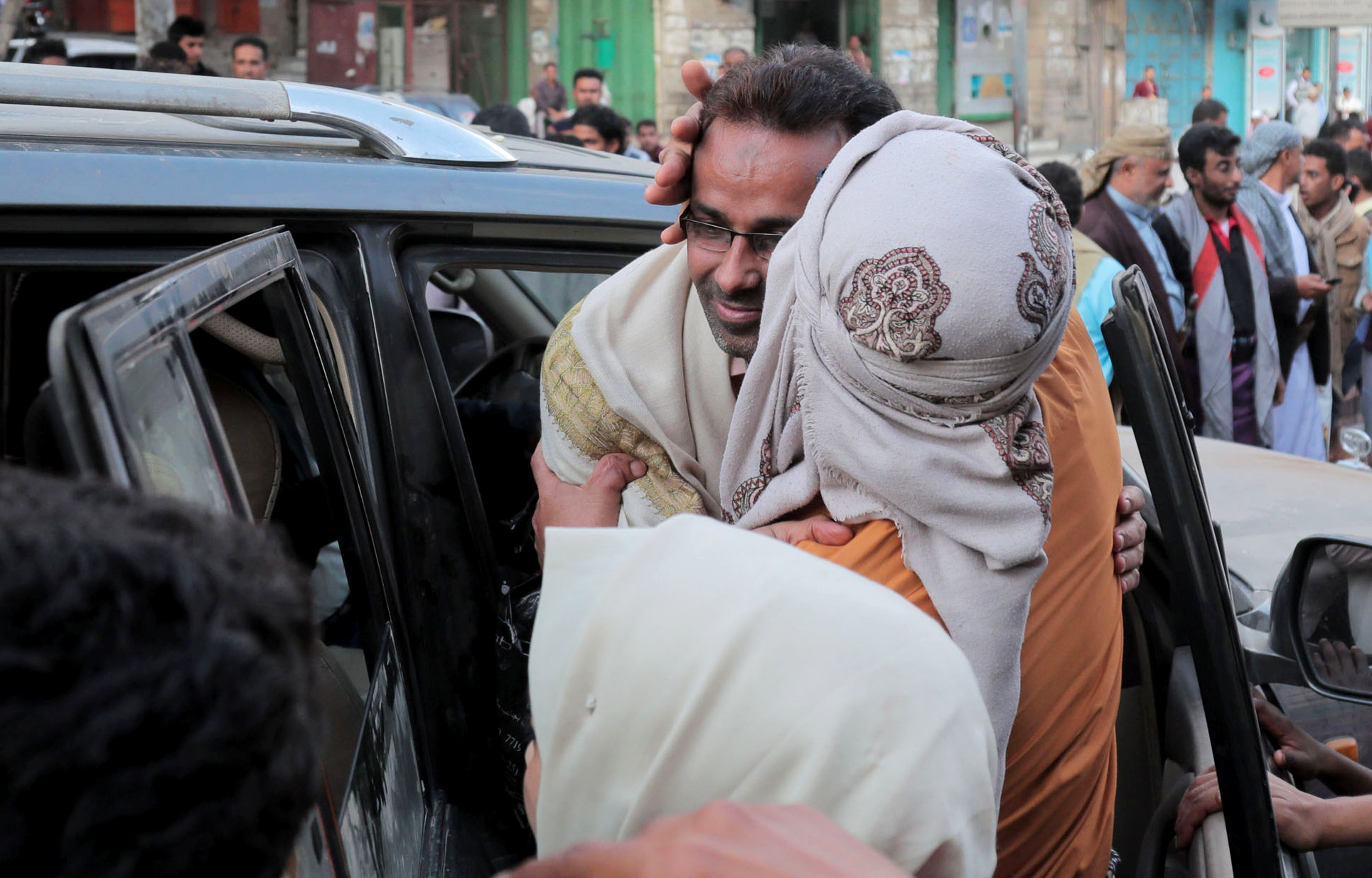
As the current U.N.-led political negotiations between the Yemeni government and the Houthis seem to have hit a dead end, there has been growing interest in exploring the role tribal leaders and local tribes can play in ending Yemen’s conflict. The role of Yemeni tribes, however, remains largely misunderstood, and the authority of tribal leaders and the influence of tribes on national political decision making are often overestimated. This report looks into the possibilities and limitations of tribal mediation on de-escalation and cease-fire. It argues that while the tribes developed relatively effective mechanisms to limit the spread of violence into their areas, there are major limitations to their ability to mediate the national-level and political conflict.
It looks like 1939 in Kyiv. Is Ukraine this century’s Poland?
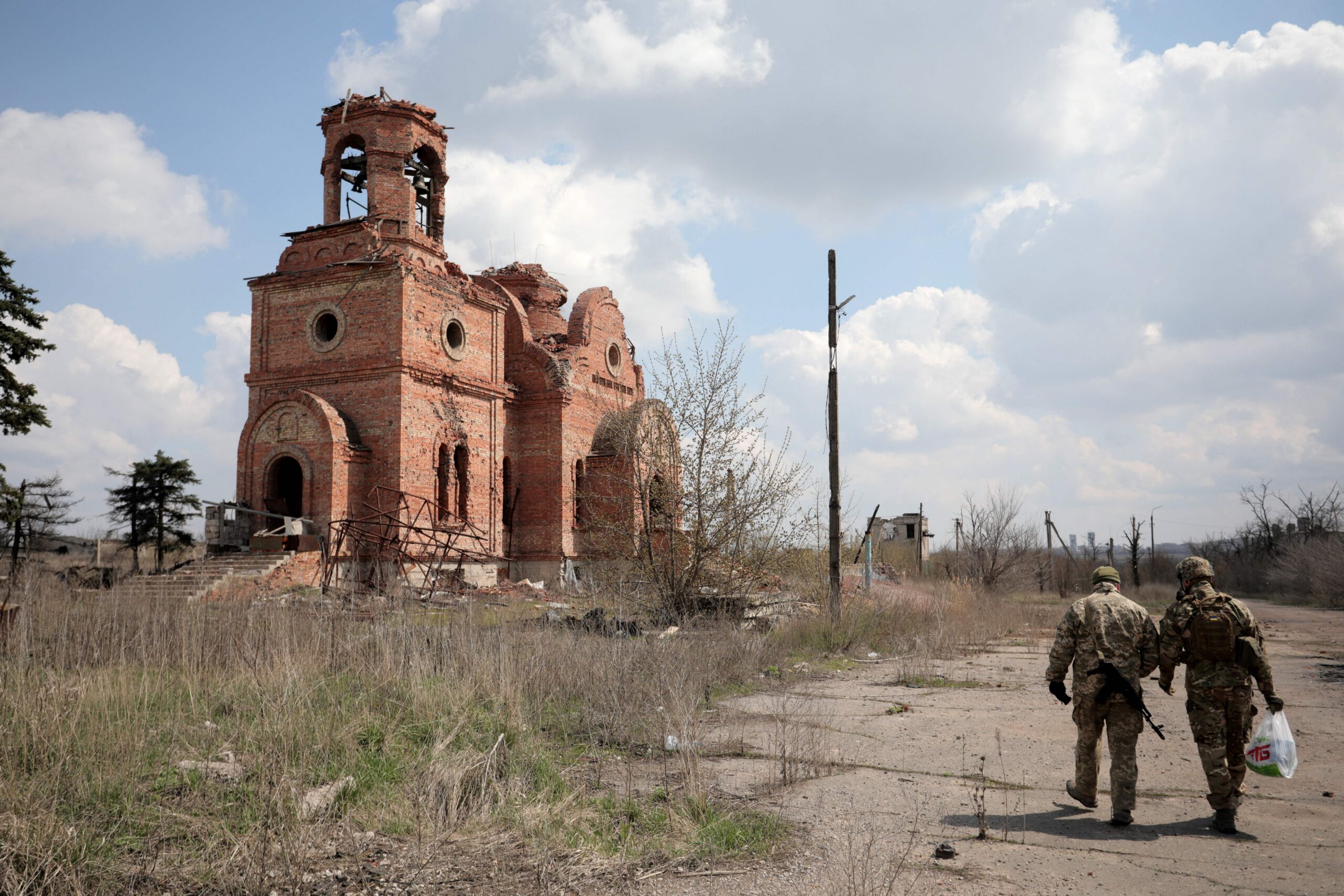
Up until late on Tuesday, April 13, Russia seemed poised to invade Ukraine. An eleventh hour phone call between U.S. President Joe Biden and Russia’s President Vladimir Putin – and a non-specific agreement between the two to hold a bilateral summit – seems to have halted Moscow’s military for now. But an expanding presence of Russian troops on the border with Ukraine in the Eastern Donbas region and Crimea continues. Concurrently, the Black Sea is turning into a Russian lake due to a buildup of Russian naval power. This has more than one observer asking just how soon a full-scale invasion of Ukraine could become reality – and what follows next from such a conflict.