Could Russia support US-Iran negotiations? The risks outweigh the benefits.
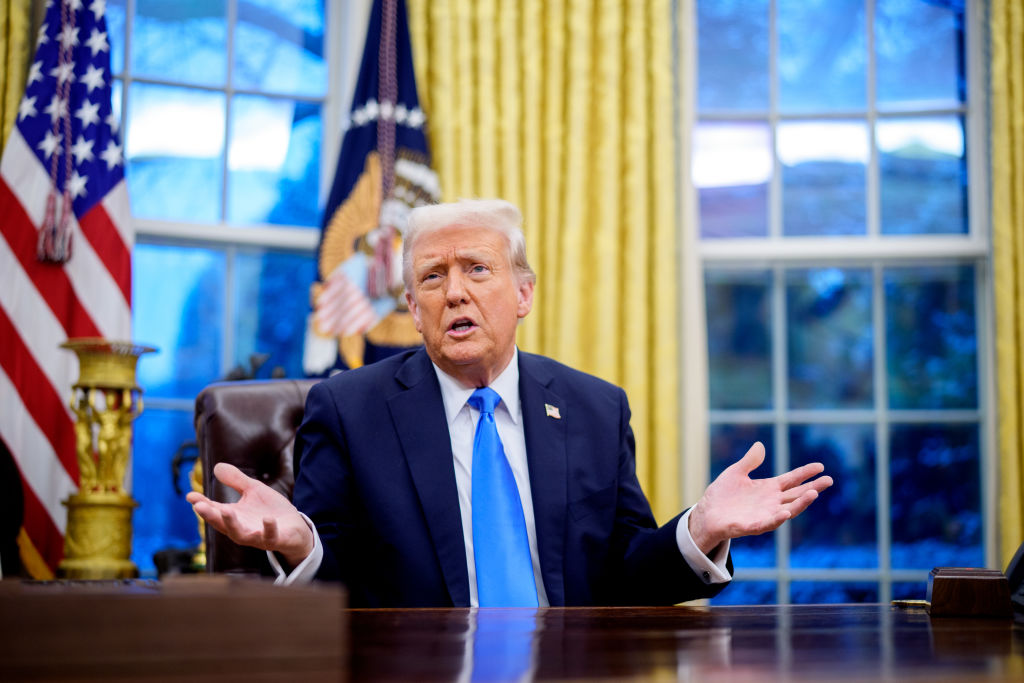
President Donald Trump wants a deal with Iran. Russia has offered to mediate. But an agreement negotiated by Moscow would turn the Middle East upside down as well as negate years of Western efforts to impede and deter further aggression by the Kremlin.
Thinking the unthinkable: Improved US-Iran relations under Trump?
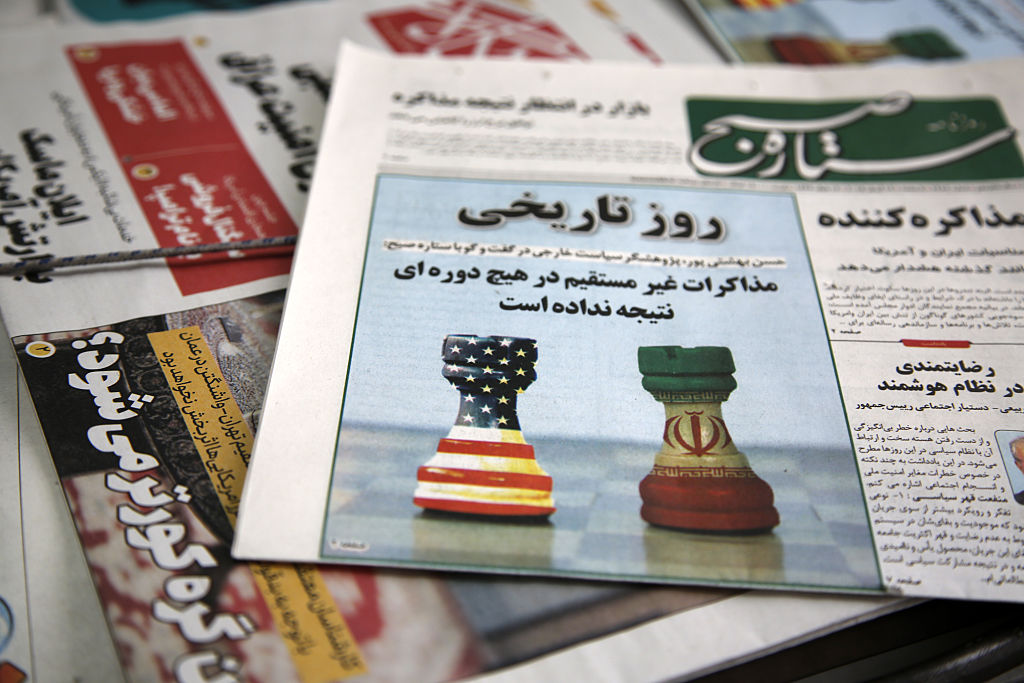
It is no surprise that both Iran and the United States have approached their first diplomatic engagement in four years with wariness. There are plenty of reasons to be skeptical about the probability of the negotiations culminating in a deal. But it would be a mistake to assume that the conditions in 2025 are the same as existed in 2015. Time is not on the Iranians’ side now and changes afoot in the Middle East and the broader global community give Iran an incentive to move toward an agreement, assuming that Washington is sincere and realistic in its negotiations with Tehran.
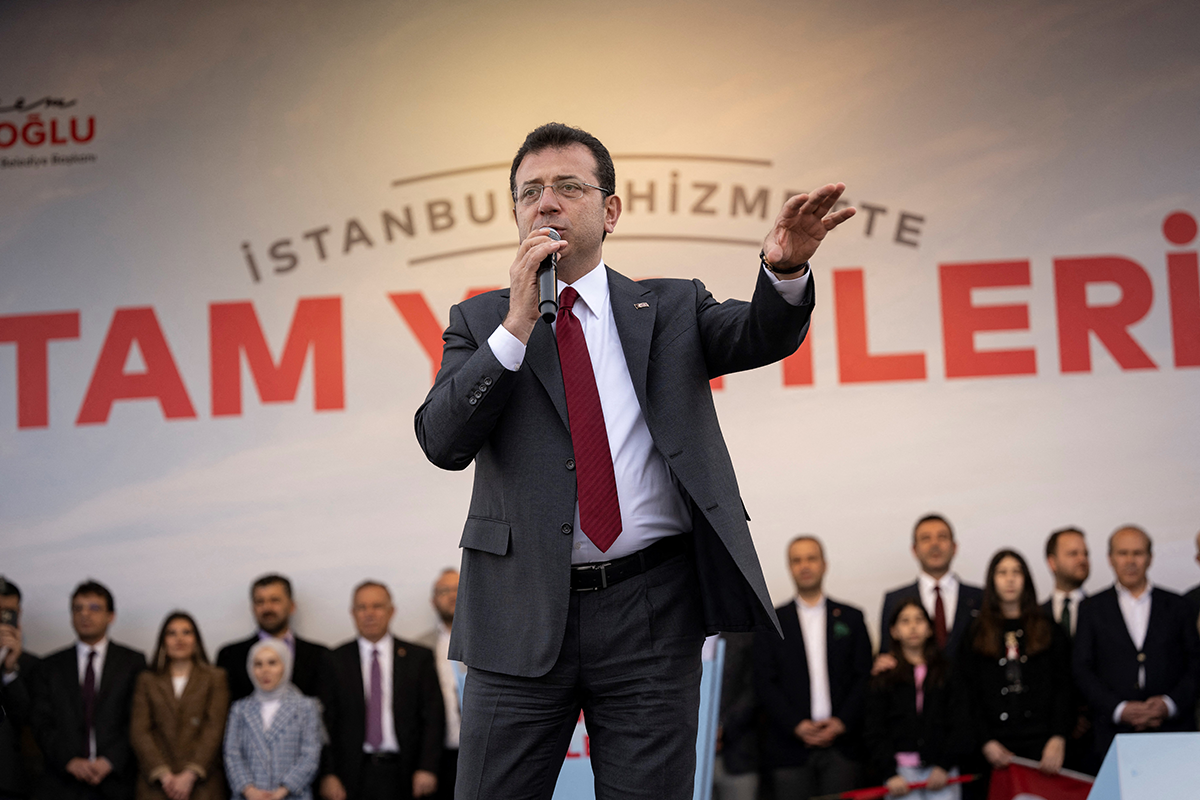
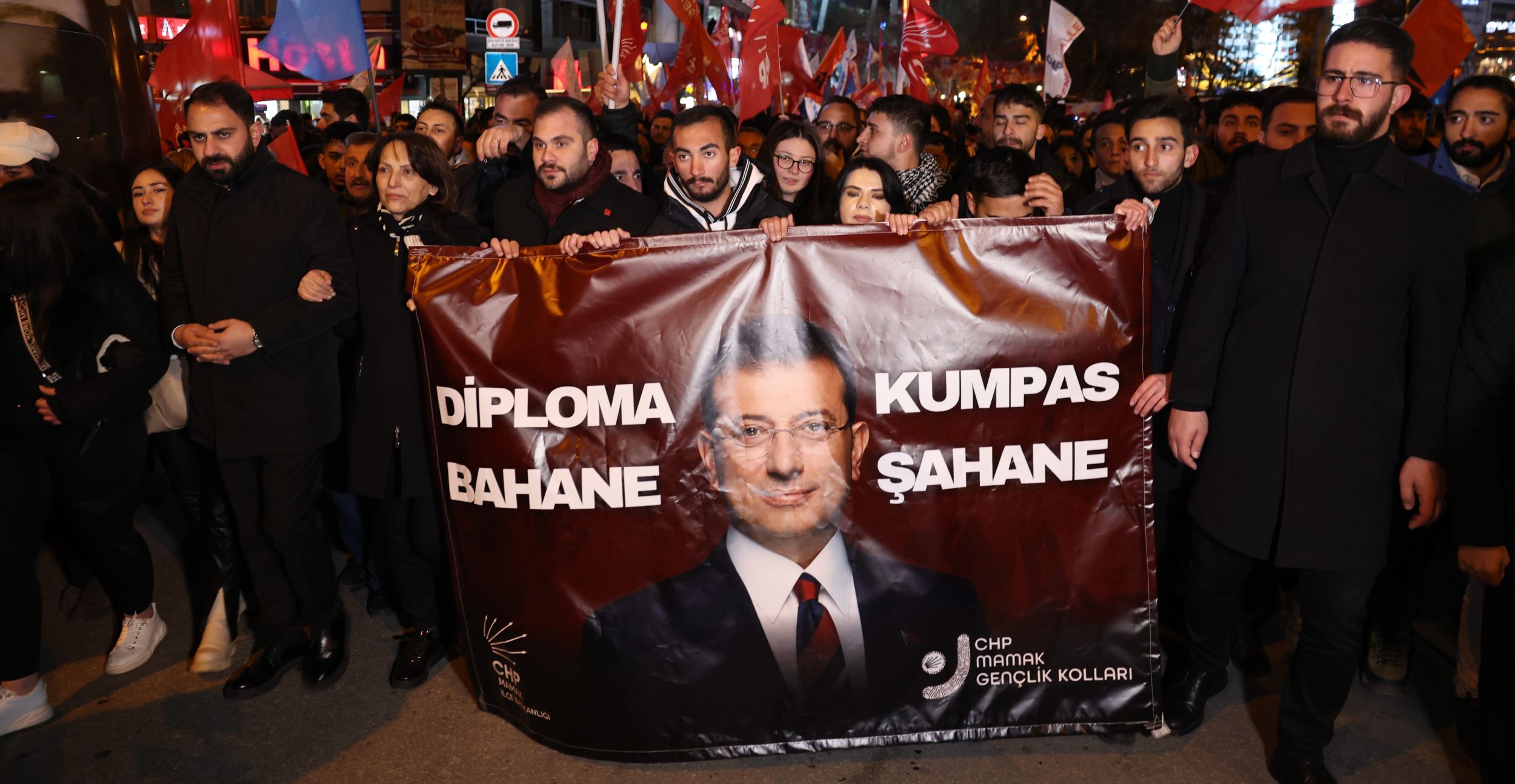
For months, Turkey’s government has been trying to accomplish three major tasks simultaneously or nearly so to solidify its hold on power at home and enhance its influence in the broader region. Its three-pronged approach to fulfilling that goal consists of seeking to 1) crush democracy and destroy the political opposition in Turkey by bringing serious criminal charges against Ekrem İmamoğlu, the popular mayor of Istanbul; 2) bring Turkey’s pro-Kurdish party into a coalition to win the next national election with current President Recep Tayyip Erdoğan continuing his 22-year rule; and 3) leverage its new and powerful influence in Syria to neutralize Kurdish power in the northeast and in the Syrian national government.
Three issues to watch in Trump’s emerging Iran policy approach
The biggest development this past week in the Middle East policy of Trump’s second administration was the initiation of talks between the United States and Iran. This small sign of hope for diplomatic progress comes at a time when the administration continues to implement an assertive and unpredictable economic unilateralism that has roiled global markets and reduced trust and confidence between the United States and most close international partners. Brian Katulis unpacks three things to watch closely as Trump’s Iran policy evolves and his broader national security approach unfolds.
Sheikh Tahnoon in Washington: UAE-US relations reimagined for the 21st century with technology at the core
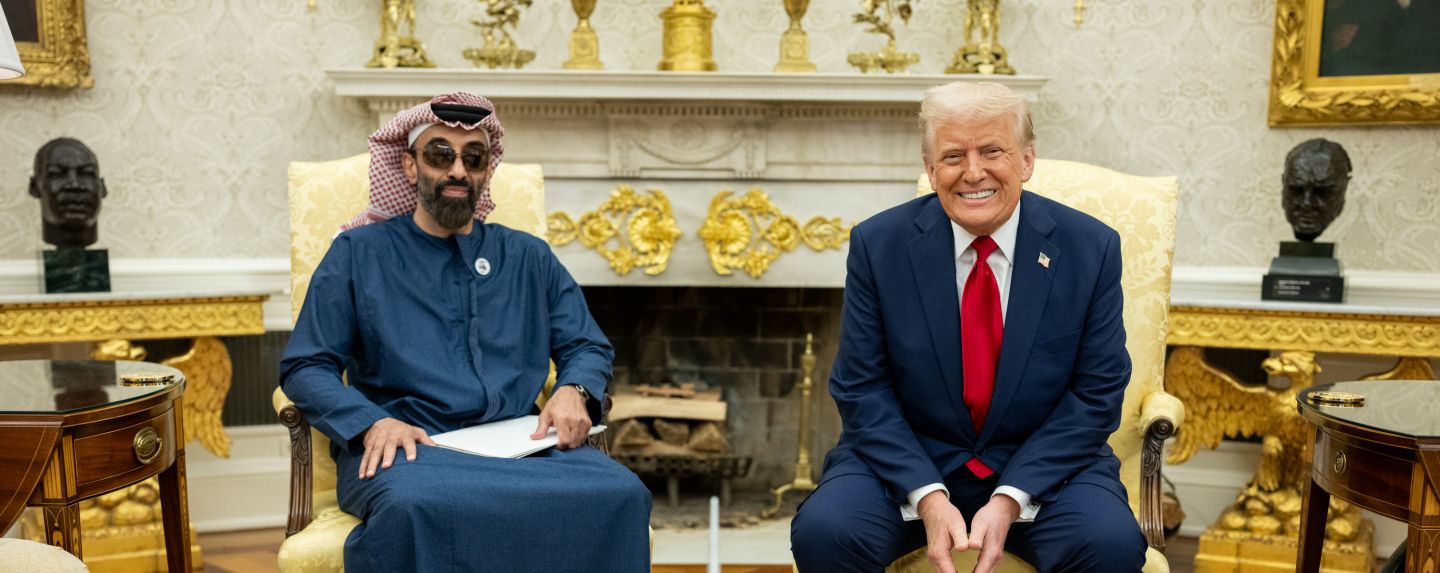
Sheikh Tahnoon bin Zayed, the United Arab Emirates’ national security adviser and a central figure in its tech and security landscape, visited Washington for high-level engagement with President Donald Trump’s team late last month, signaling a transformative shift in UAE-US relations.
MENA Energy Recap, Q1-2025: Tariffs and Sanctions Loom Large as Trump Returns
The MENA Energy Recap is a quarterly review of key energy developments that took place in the Middle East and North Africa region from January to March 2025 and what they signal for the months ahead. The Recap views these developments through the lenses of policy and strategy, energy security, and markets.
Le Pen vs. İmamoğlu? Why the comparison fails — and matters
Marine Le Pen, leader of France’s far-right National Rally, was convicted of embezzling EU funds and barred from running for office for five years, effectively disqualifying her from the 2027 presidential race. Meanwhile in Turkey, Ekrem İmamoğlu, mayor of Istanbul and President Recep Tayyip Erdoğan’s most formidable rival, was arrested on corruption charges and jailed, just as he was poised to become the opposition’s presidential candidate. Both Le Pen and Turkish officials are now pointing to each other to justify their own actions.
Trump’s upcoming Middle East trip presents opportunities at a time of increased risks
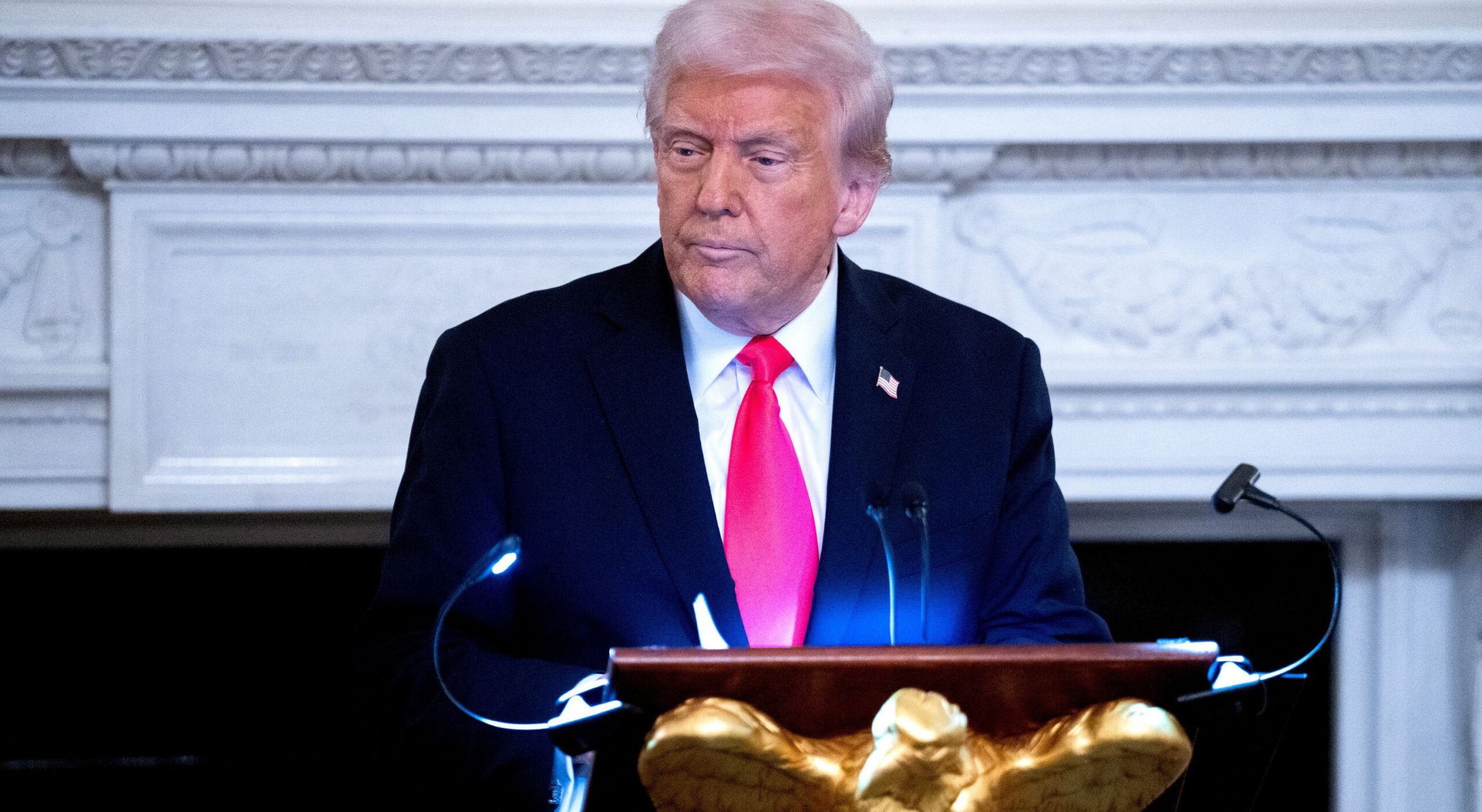
President Donald Trump confirmed this week that he plans to travel to Saudi Arabia and other Middle East countries later this spring. This visit will bring the region into sharper focus at a time when Trump’s priorities have focused closer to home and on his unique brand of economic warfare.
The first two months of Trump 2.0 in the Middle East: Hard push for elusive breakthroughs
President Donald Trump is focused on realizing two transformative breakthroughs that his predecessors failed to accomplish: an end to the Arab-Israeli conflict, centered on a tripartite US-Saudi-Israeli deal, and an agreement between the US and Iran. Both would be historic achievements. So far, however, progress in each case has proven difficult and plodding.
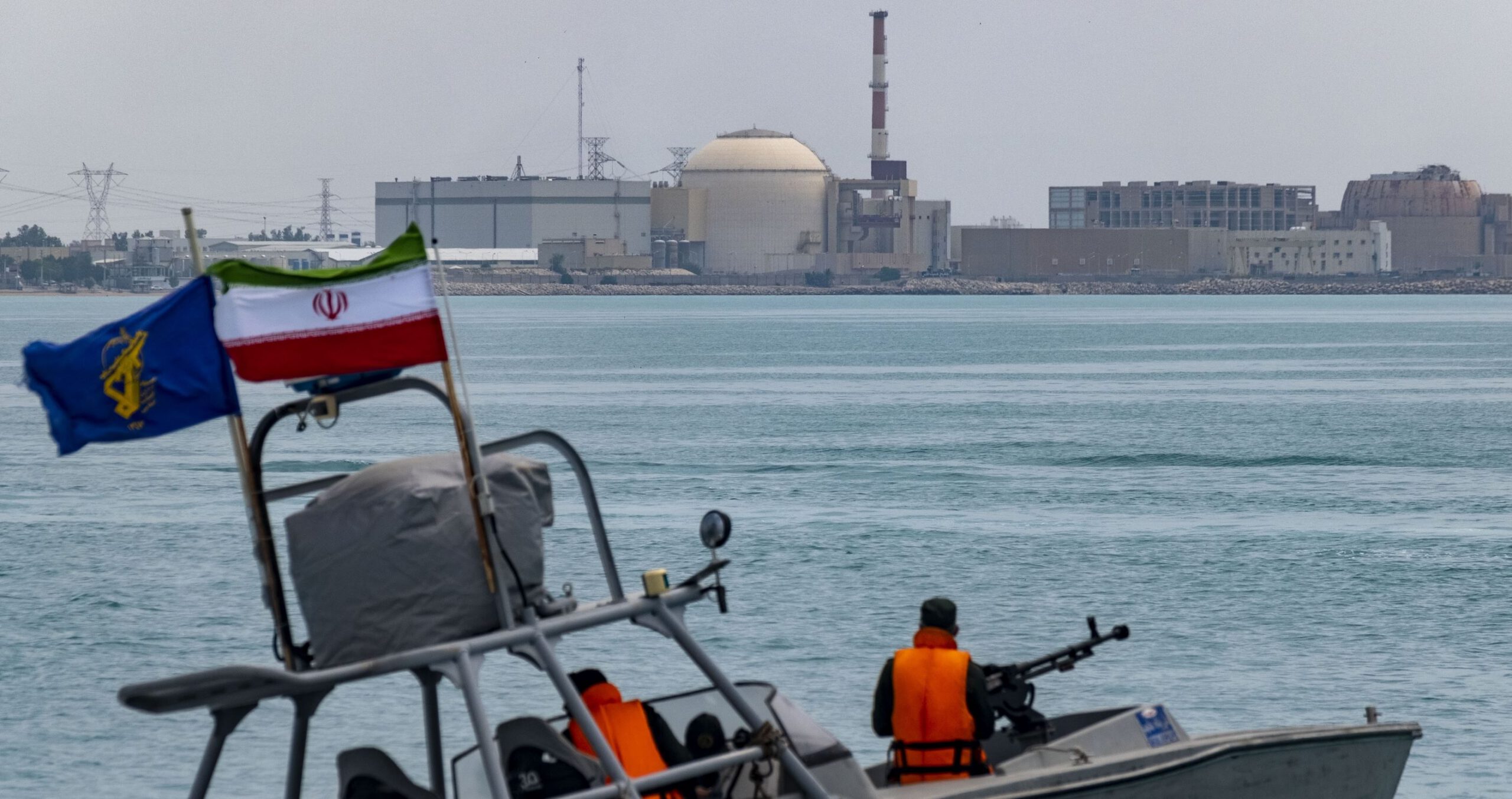
Iran is accumulating enough near-weapons-grade enriched uranium to build a nuclear weapon within weeks or months, not years. President Donald Trump, having withdrawn the United States in 2018 from the nuclear deal that would have postponed that possibility, is now appealing for negotiations with Tehran. But in the Middle East, the nuclear question does not concern only Iran.
Just days before Turkey’s main opposition party was set to select its next presidential candidate, the leading contender, Istanbul Mayor Ekrem Imamoglu, was arrested and jailed, effectively removing him from the race.
Roadmap for America’s Leadership in AI Action Plan
In response to the request for information (RFI) from the National Science Foundation (NSF) and the Office of Science and Technology Policy (OSTP) regarding the “Development of an Artificial Intelligence Action Plan” in support of the objectives set forth in Executive Order (EO) 14179, the Middle East Institute (MEI) offers five recommendations to solidify the United States’ position as the global leader in AI innovation while addressing critical ethical, regulatory, and infrastructural imperatives.
War of words as Turkey-Iran tensions escalate over Syria, Iraq
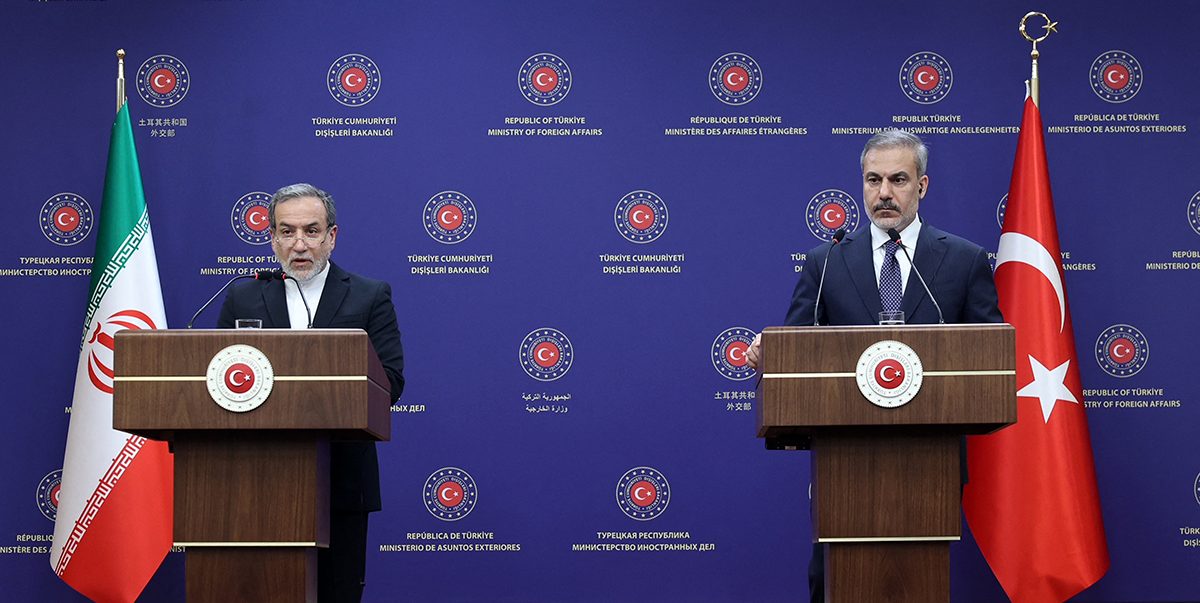
After decades of managing tensions through careful balancing, Turkey and Iran now find themselves increasingly at odds following recent shifts in the regional balance of power. With Ankara emboldened and Tehran on its back foot after the fall of the regime of Bashar al-Assad, the struggle for influence between the two neighbors and long-time rivals is escalating in both Syria and Iraq and could spread well beyond their borders.
A chaotic foreign policy on overdrive risks alienating key US partners in the Middle East
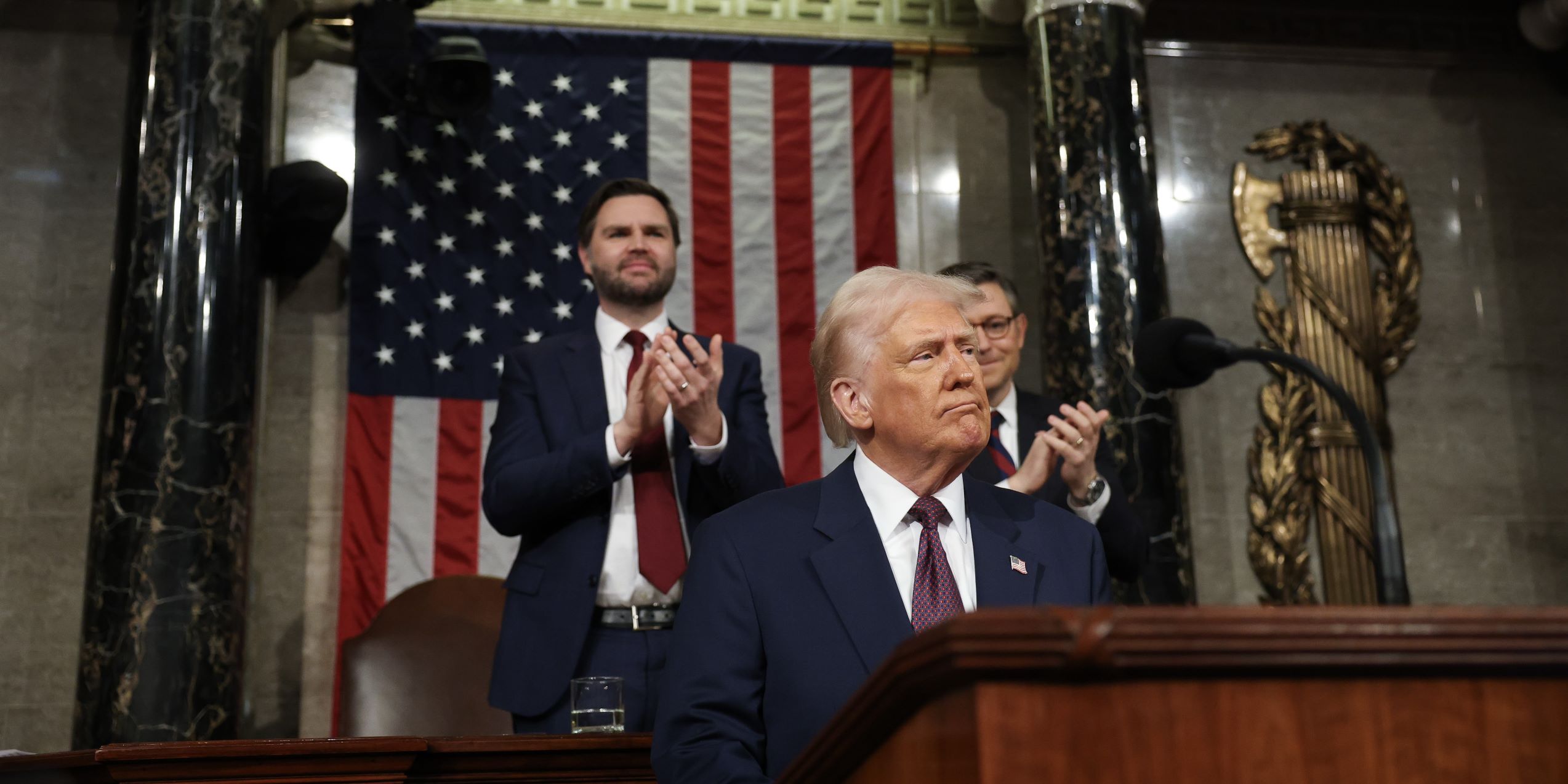
President Donald Trump’s joint address to Congress on March 4 doubled down on his disruptive and contentious domestic policy agenda. Foreign policy, including Trump’s approach to the Middle East, was mostly an afterthought. Though he said little about Middle East policy in his speech, Trump’s team is taking an irregular approach on the twin issues of Israel-Arab ties and Iran that may not produce the stability and prosperity it seeks.
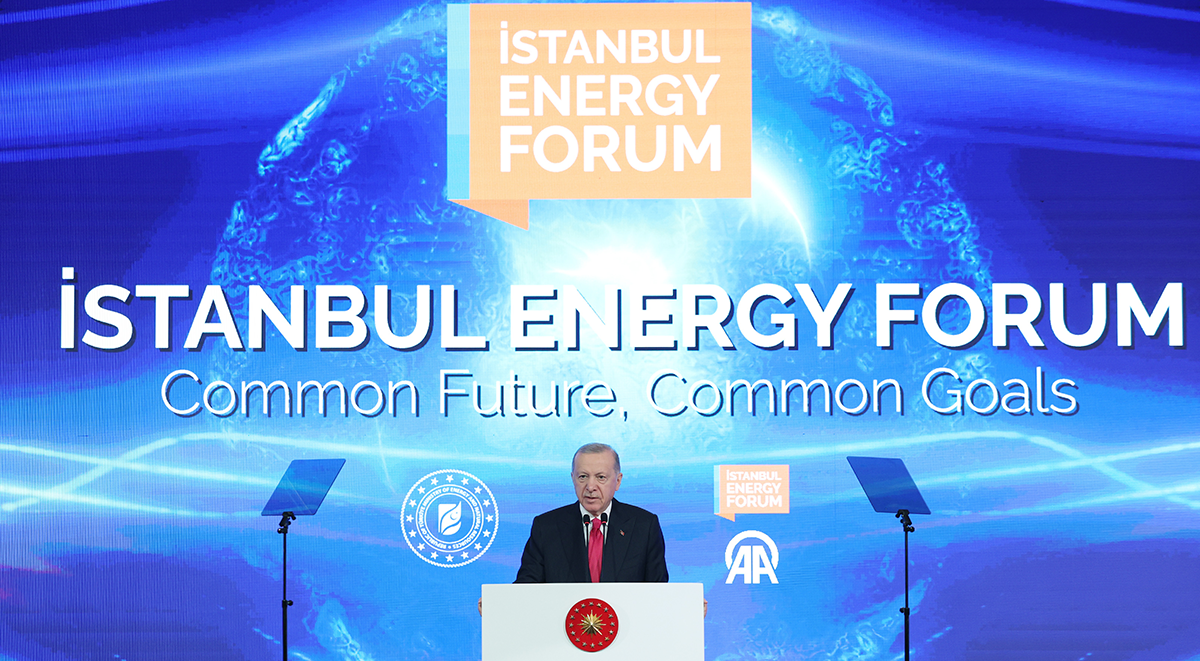
Amid regional upheaval, Turkey looks to energy to secure strategic autonomy
President Recep Tayyip Erdoğan has sought to position Turkey as an energy hub, connecting gas producers to its east and south and markets to the west. Turkey’s geographical position and infrastructure give it an advantage. But becoming an energy center also requires Ankara to dust off a long-abandoned foreign policy approach: “zero problems with neighbors” and the West. Amid changing regional dynamics, Ankara sees an opportunity to achieve that and revive its plans to become an energy hub.