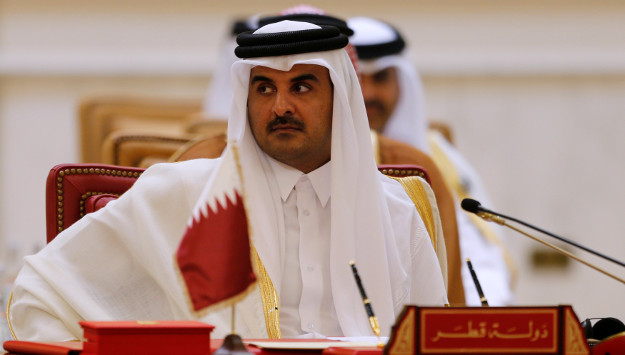
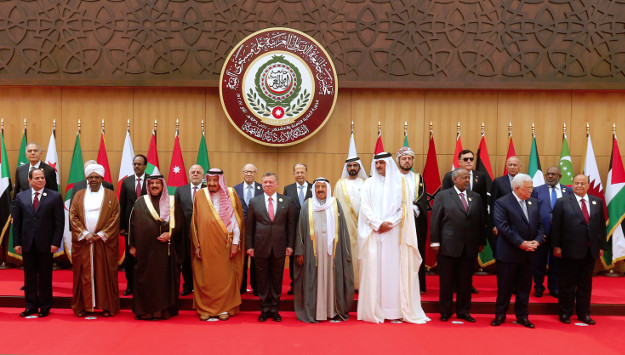
Citizens of the Gulf Cooperation Council (GCC) states woke up on Monday morning to what is the most severe crisis in the regional block’s 38 year history to date. In a closely coordinated series of statements, Saudi Arabia, Bahrain and the UAE, along with Egypt, announced the severing of ties with the peninsular state of Qatar.
G.C.C. Conflict Could Further Complicate U.S.-Turkey Relations | MEI Flash
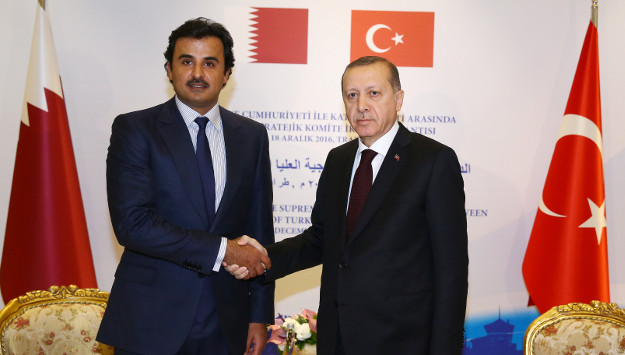
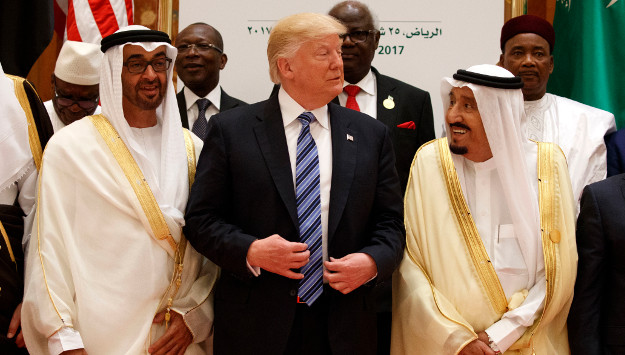
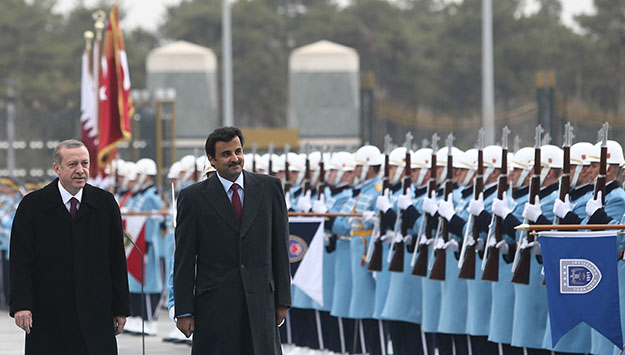
A fierce spat between Qatar and leading Arab nations could add another complication to the already strained relationship between the United States and Turkey. Ankara wants to calm the tension, and Turkish President Recep Tayyip Erdogan has spoken by phone with the leaders of Qatar, Russia, Kuwait, and Saudi Arabia to reduce tensions. He has also expedited legislation to deploy troops to Qatar as part of a military agreement signed in 2014. President Donald Trump, however, supports, and even takes credit for, the Saudi move to isolate its smaller neighbor.
Iranian Officials and Media Outlets React to Gulf Crisis by Blaming U.S. and Saudi Arabia
Iranian leaders and media outlets today reacted to a decision by Saudi Arabia and several other Arab nations to sever diplomatic and commercial ties with Qatar by blaming Washington and Riyadh for regional tension and discord. Alaeddin Boroujerdi, the chairman of Iranian Parliament’s Committee on National Security and Foreign Policy, said the rising tension is a direct result of President Donald Trump’s visit to the Middle East.
Iran Hopes Riyadh-Doha Tension Will Weaken anti-Iran Alliance
The Iranian media sees the heightening tension between Qatar and Saudi Arabia – two member states of the Gulf Cooperation Council (G.C.C.) – as an opportunity to weaken the U.S.-Arab alliance against Iran and its proxies in the region.
Final Phase of Mosul Battle Begins | Weekly Briefing
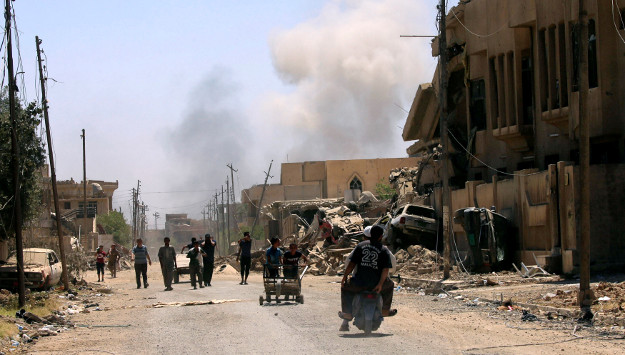
In this week’s Briefing, MEI experts Charles Lister, Gonul Tol, and Gerald Feierstein provide analysis on recent and upcoming events including the beginning of the final phase of the battle to retake Mosul, Germany’s consideration for withdrawing troops from Turkey, and Qatar’s fragile relations within the G.C.C.
When I was approached last summer by New York University’s Hagop Kevorkian Center for Near Eastern Studies to teach a class this spring, I did not imagine the changes that would take place in the American political landscape. Since Donald Trump took office, his promise to place “America first” has manifested itself in numerous ways. Although I am committed to the university and the students, traveling to the United States is becoming less and less enticing.
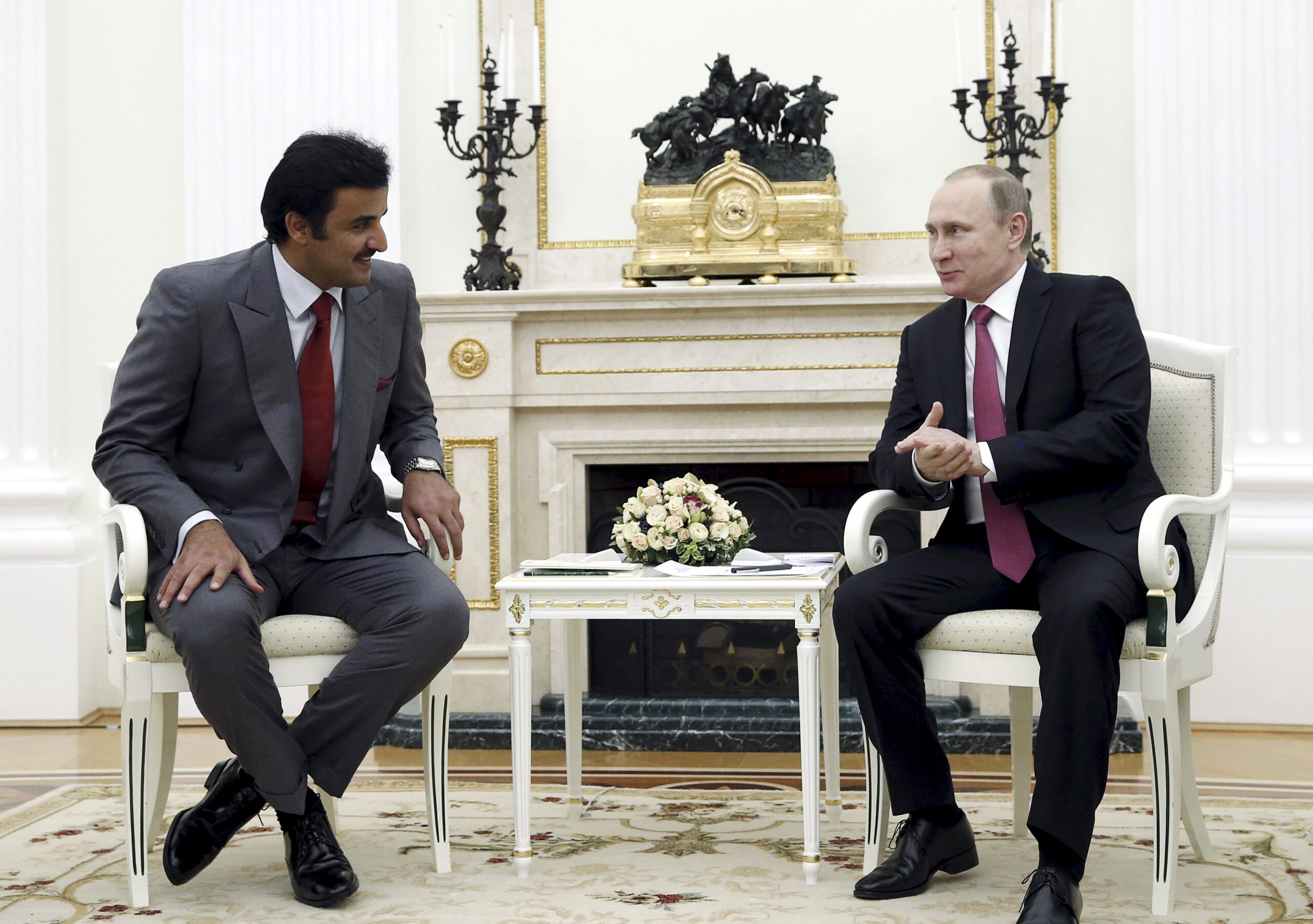
Qatar is throwing its financial muscle to woo Russia in a bid to regain lost political influence in the Syrian conflict, and the broader Middle East. Qatar’s Emir Sheikh Tamim bin Hamad al-Thani visited Russia in January to address Middle Eastern geopolitics and energy issues.
Turkish President Recep Tayyip Erdogan’s official trip to Bahrain, Saudi Arabia and Qatar has prompted anxiety in Tehran. Erdogan arrived in Riyadh on Monday night after a visit to Bahrain, and he is scheduled to go to Qatar next.
The introduction of the draft in Gulf monarchies — after decades of sovereign statehood — presents an interesting puzzle. What are the reasons behind the newly implemented conscription? What broader implications does this phenomenon have for the Gulf? This essay addresses these questions.
Between the rise to power of the Justice and Development Party (A.K.P.) in the early 2000s and the eruption of the Syrian crisis in 2011, Turkey’s “zero problems with neighbors” approach to foreign policy seemed commendable. Today, however, Ankara’s foreign policy is perhaps best described as “zero neighbors without problems.” In response to the Arab uprisings of 2011, Ankara’s projection of primarily soft power has evolved into the embrace of hard power—most notably in Iraq and Syria.
The Potential for Intra-Regional Energy Cooperation
Regional Cooperation Series
This Policy Paper is part of The Middle East Institute’s Regional Cooperation Series. Throughout 2016, MEI will be releasing several policy papers by renowned scholars and experts exploring possibilities to foster regional cooperation across an array of sectors. The purpose is to highlight the myriad benefits and opportunities associated with regional cooperation, and the high costs of the continued business-as-usual model of competition and intense rivalry.
Qatar’s Cabinet Reshuffle and a New Regional Approach
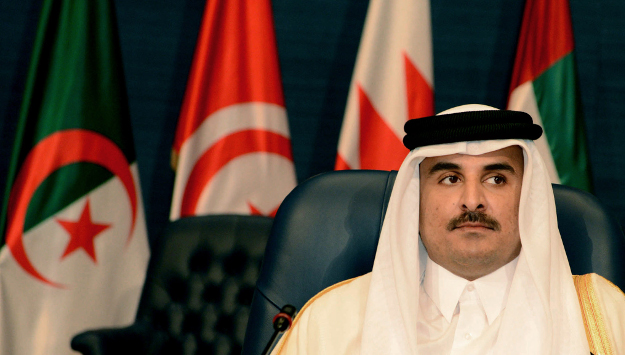
Qatar’s recent cabinet reshuffle marks the latest step in the tiny emirate’s shift away from its high-profile regional activities under former emir, Sheikh Hamad bin Khalifa al-Thani, to the more discreet role of his son and current emir, Sheikh Tamim bin Hamad al-Thani.
Emir Sheikh Tamim bin Hamad Al Thani warned Qataris in November that due to tumbling oil prices, the government could no longer “provide for everything.” The following month he addressed “wasteful spending, overstaffing and a lack of accountability,” sending a clear message that austerity measures were on the way.