Gulf Decisionmakers' Perceptions of Security Ties with China
The essays featured here are the products of a workshop series analyzing China’s position in the context of Gulf security, organized by the Department of International Affairs and the Center for Humanities and Social Sciences of Qatar University under the direction of Dr. Imad Mansour.
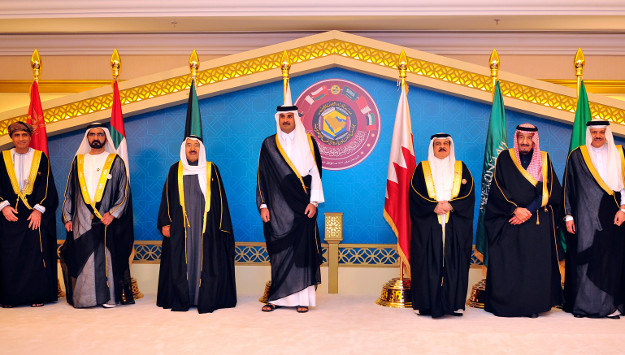
Saudi-Iran Tensions Place Pressure on Smaller GCC States
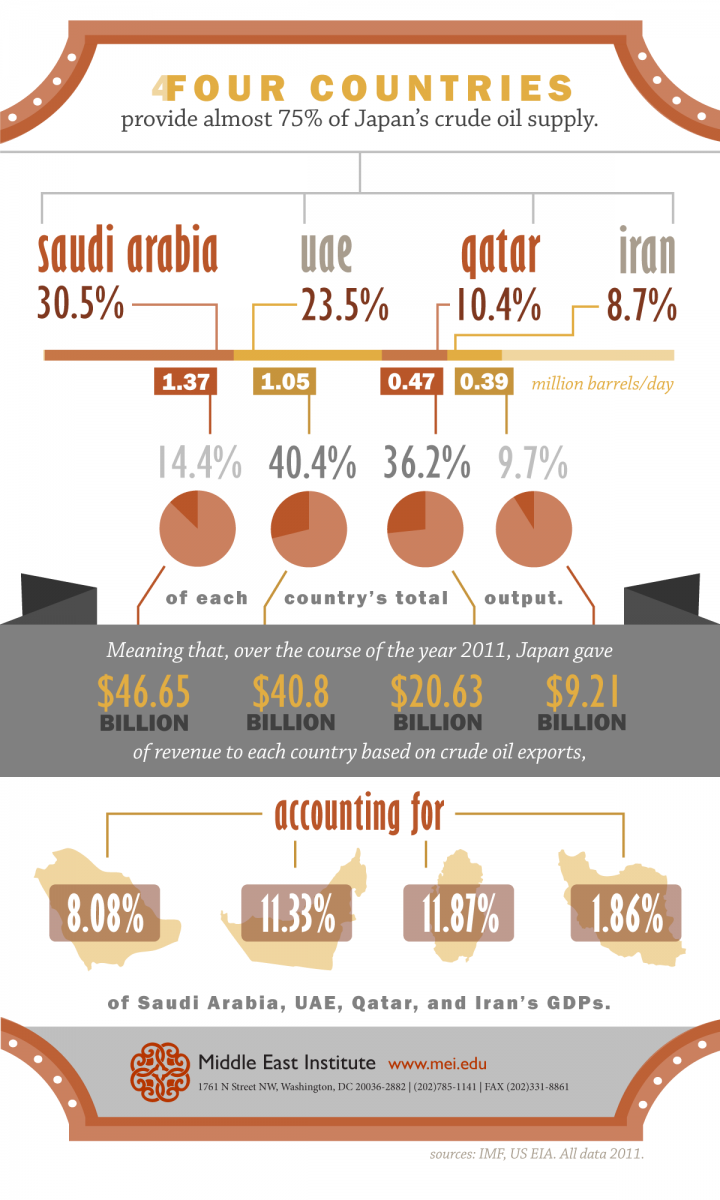
The recent escalation in tension between Saudi Arabia and Iran is throwing the GCC into a crisis of unity. Riyadh’s actions in particular are built on the frustration of the Yemen war and the perception of Iranian encroachment in Arab lands that the Saudi kingdom believes is its domain. King Salman and his son, Deputy Crown Prince Mohammad bin Salman, feel the kingdom is being ignored by the international community in other hot zones, namely Syria, where the outcome of the war is being determined by Washington and Moscow.
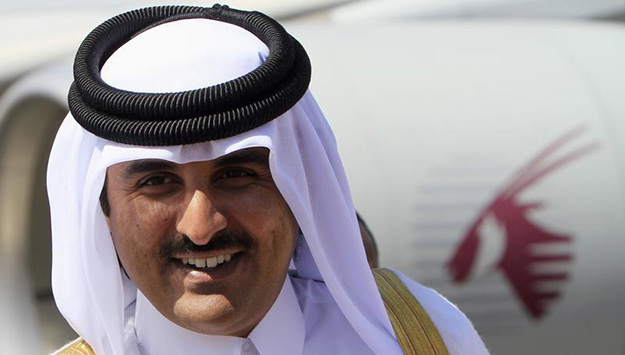
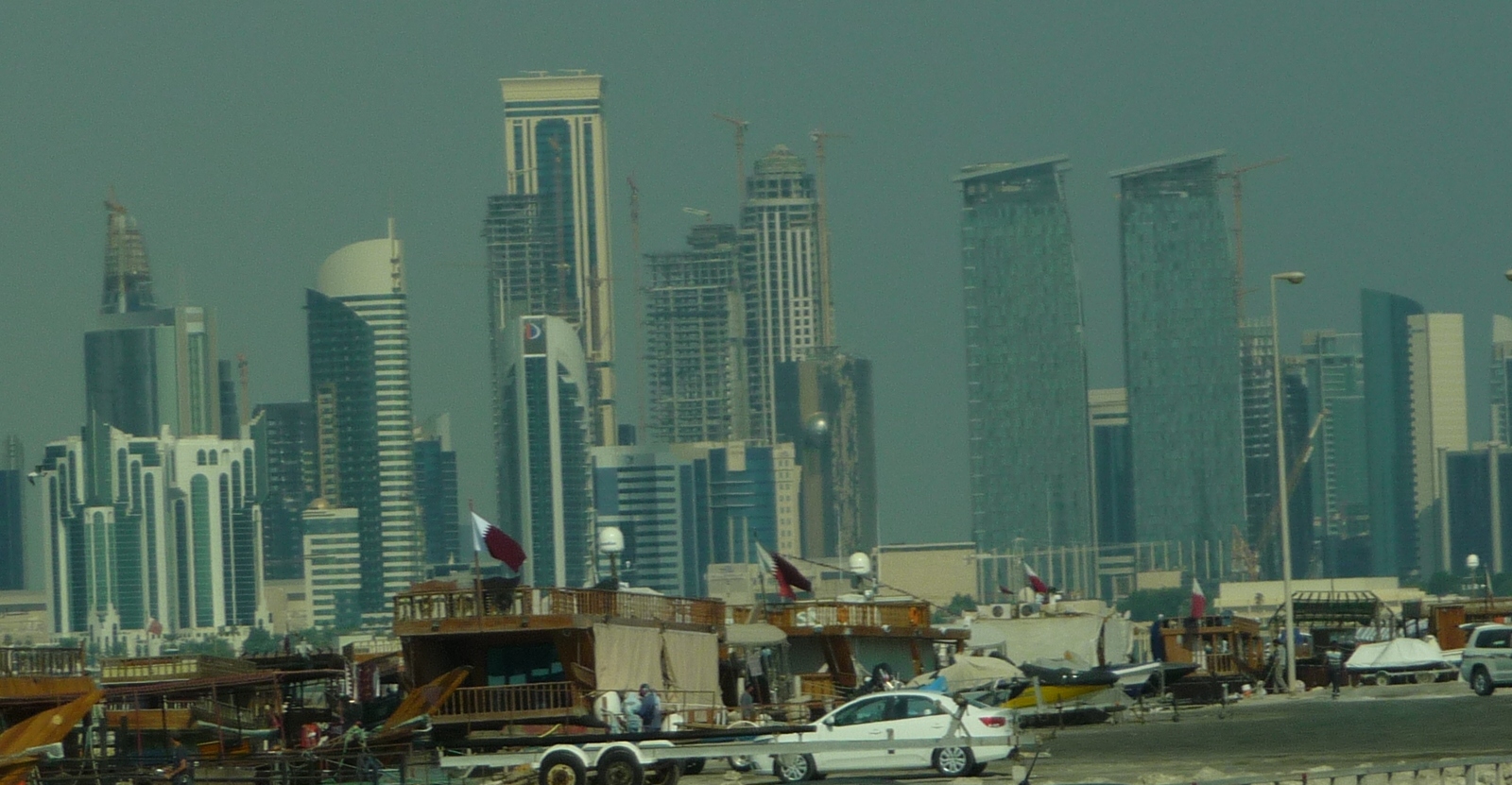
When Qatar’s Sheik Tamim bin Hamad al-Thani came to power after his father, Sheik Hamad bin Khalifa al-Thani, abdicated in late June 2013, he assumed a tricky diplomatic situation. While Sheik Hamad had been interested in promoting Qatar’s international position and had pursued a robust policy of regional engagement, even at the cost of alienating his neighbors, Sheik Tamim is more inclined to focus on regional collaboration and neutrality.
Gulf Governments Offer Financing for U.S. Strike on Syria
Like pieces fitting together in a jigsaw puzzle, Arab governments – presumably from the oil-rich Gulf Cooperation Council – offered to finance a U.S. military strike on Syria, according to comments made by Secretary of State John Kerry during testimony September 4 with the House Foreign Affairs Committee. In an exchange with Representative Ileana Ros-Lehtinen (R-FL) on the potential cost of U.S. military action in Syria, Kerry said,
Since the 1970s oil boom, the Gulf region has been one of the principal destinations for workers from South Asia, with the result that today Indians constitute a large percentage of the non-nationals living in the region. Indeed, at five million out of an estimated 15 million people, the Indian community forms the largest expatriate group in each of the Gulf countries. Most Indian immigrants are from the south Indian state of Kerala, while many of the rest originate from Tamil Nadu, Punjab, Uttar Pradesh, and Bihar.
When the young Shaykh Tamim bin Hamad al-Thani became ruler of Qatar last month after his father stepped aside in a seamless transition, one of his first official acts was to seal the generational shift by appointing a new prime minister.
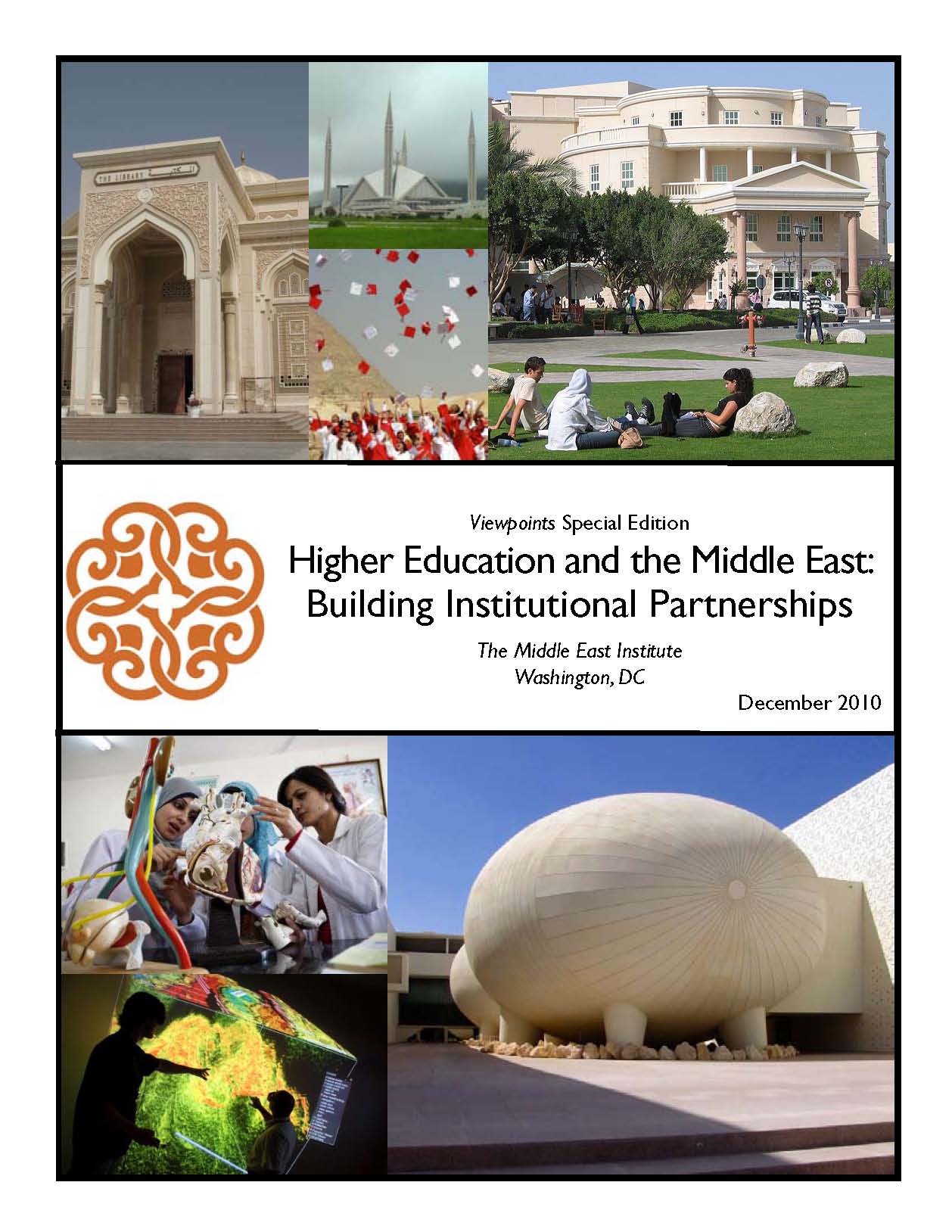
Higher Education Reform in the Arab World: The Model of Qatar
Higher education—and its successful reform—is essential to the long term stability and prosperity of the Arab world. The youth uprisings which triggered the Arab Spring in Tunisia and Egypt have highlighted the urgency of defusing the region’s ticking demographic time bomb: young, growing populations facing uncertain futures. To combat high unemployment and sluggish private sector growth, the Arab world must focus on building a knowledge society quickly in order to create three million more jobs annually than it currently generates, according to World Bank estimates.
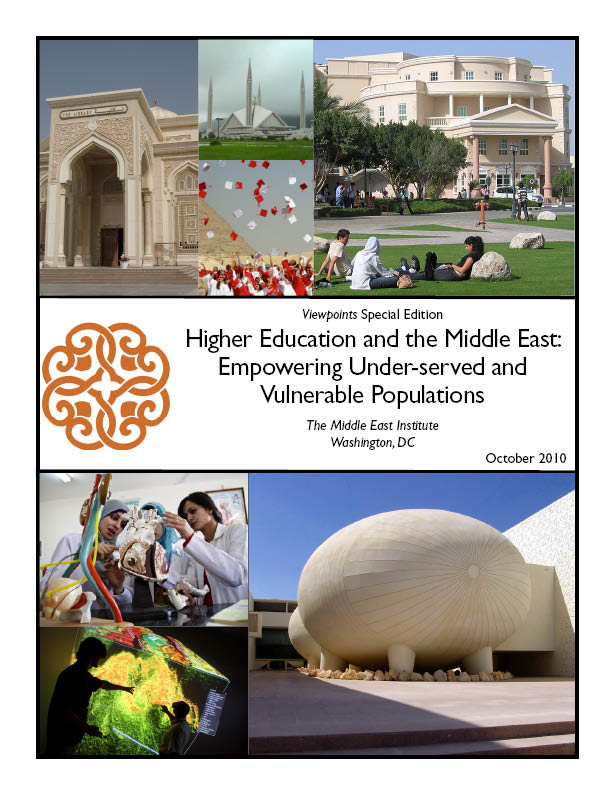
Introduction to Higher Education and the Middle East: Empowering Under-served and Vulnerable Populations
Originally posted October 2010
This second edition of the MEI Viewpoints series on Higher Education and the Middle East focuses on Empowering Under-served and Vulnerable Populations.
The Dearth of Qatari Men in Higher Education: Reasons and Implications
Originally posted October 2010
That education is a major force for socialization is indisputable. Education has the power to shape views of the world, to challenge long-held beliefs, and, therefore, to impact the social order. Its influences on the course of a society’s development are far-reaching, from the public realm of employment patterns and economic development to the private sphere of marriage and childbearing.