
The Economic Determinants of Arab Democratization
- Introduction.
Reflections on the Role of American Universities in the Middle East
Podcast 6, Reflections on the Role of American Universities in the Middle East 21 February, 2012 Alisa Rubin Peled, Phil Frayne
Reflections on the Role of American Universities in the Middle East
Podcast 6, Reflections on the Role of American Universities in the Middle East 21 February, 2012 Alisa Rubin Peled, Phil Frayne
Reflections on the Role of American Universities in the Middle East
Podcast 6, Reflections on the Role of American Universities in the Middle East 21 February, 2012 Alisa Rubin Peled, Phil Frayne
Reflections on the Role of American Universities in the Middle East
Podcast 6, Reflections on the Role of American Universities in the Middle East 21 February, 2012 Alisa Rubin Peled, Phil Frayne
Audio Encounter: "Shisha Cafes of Egypt"
Audio recording from “Shisha Cafes of Egypt”
Audio Encounter: "Shisha Cafes of Egypt"
Audio recording from “Shisha Cafes of Egypt”
Audio Encounter: "Shisha Cafes of Egypt"
Audio recording from “Shisha Cafes of Egypt”
Audio Encounter: "Shisha Cafes of Egypt"
Audio recording from “Shisha Cafes of Egypt”
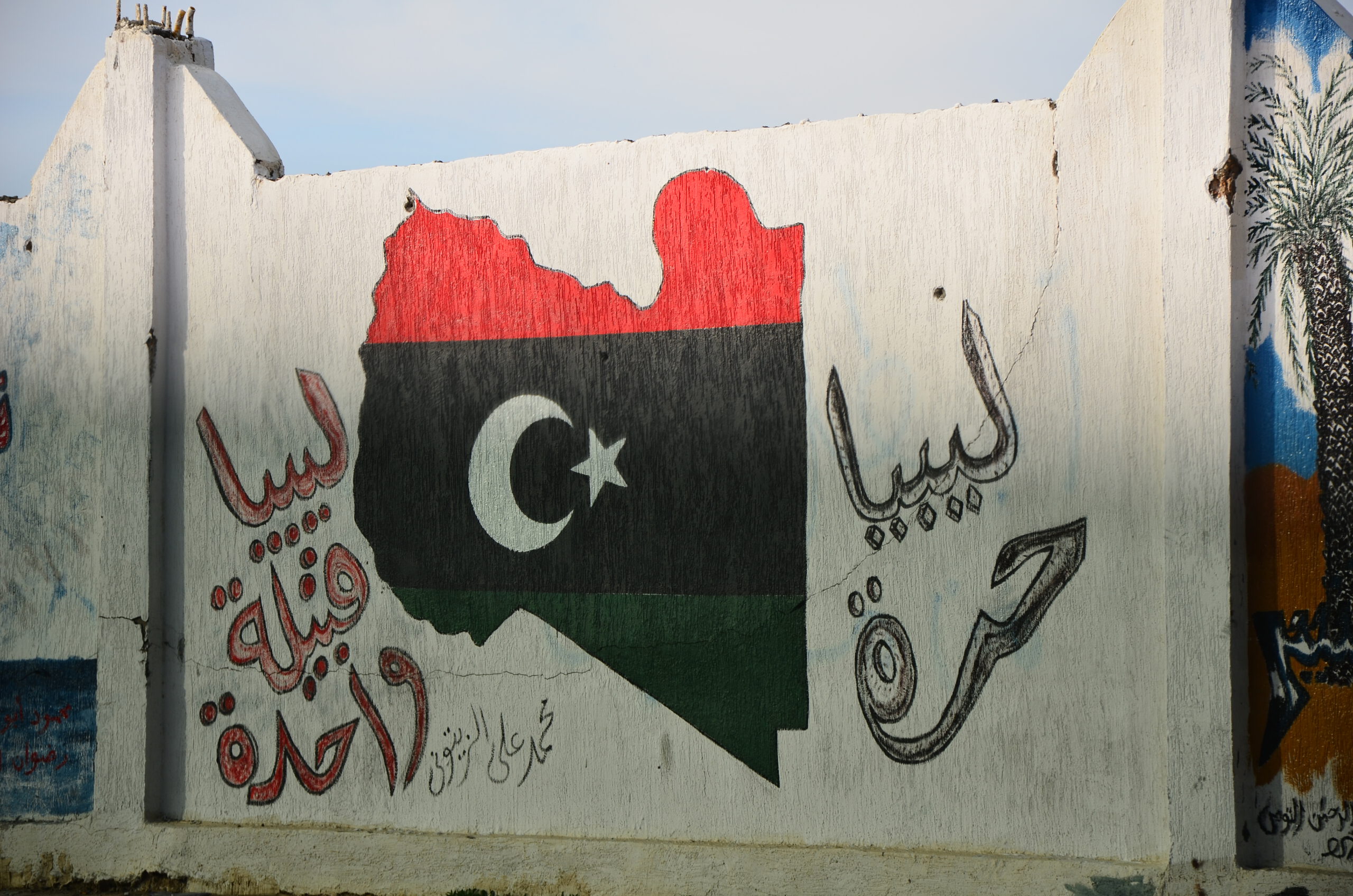
The Arab Spring: Implications for US Policy and Interests
The Arab Spring: Implications for US Policy and Interests
Environmental Science at Qatar University: Realizing Qatar's 2030 Vision
Environmental Challenges for the Countries of the GCC
A New Paradigm of Educational Borrowing in the Gulf States: The Qatari Example
More than in any other world region, the Arab Gulf states are experiencing a “higher education boom” in terms of the quantity and quality of institutions and programs now available. Over the past two decades, the Gulf states have imported a Western, largely American, model of higher education to address inefficiencies in labor markets and invest in their economic futures, to meet national reform agendas, and in some cases, to function as profit-making ventures.
Labor Migration to the GCC States: Patterns, Scale, and Policies
“In some areas of the Gulf, you can’t tell whether you are in an Arab Muslim country or in an Asian district.”
— Majeed al-Alawi, Bahrain Minister of Labor (October 2007)
Labor Camps in the Gulf States
Over the past decade, migration to the wealthy states of the Arabian Peninsula has emerged as an increasingly central facet of scholarly attention to the region. This attention has resulted in the exponential expansion of our collective knowledge, and the near future promises even more nuanced and microcosmic analyses as recent and current fieldwork in the region bears fruit. Nevertheless, there has been little discussion of the “labor camps” in which many of the unskilled migrants dwell during their sojourn in the Gulf states.