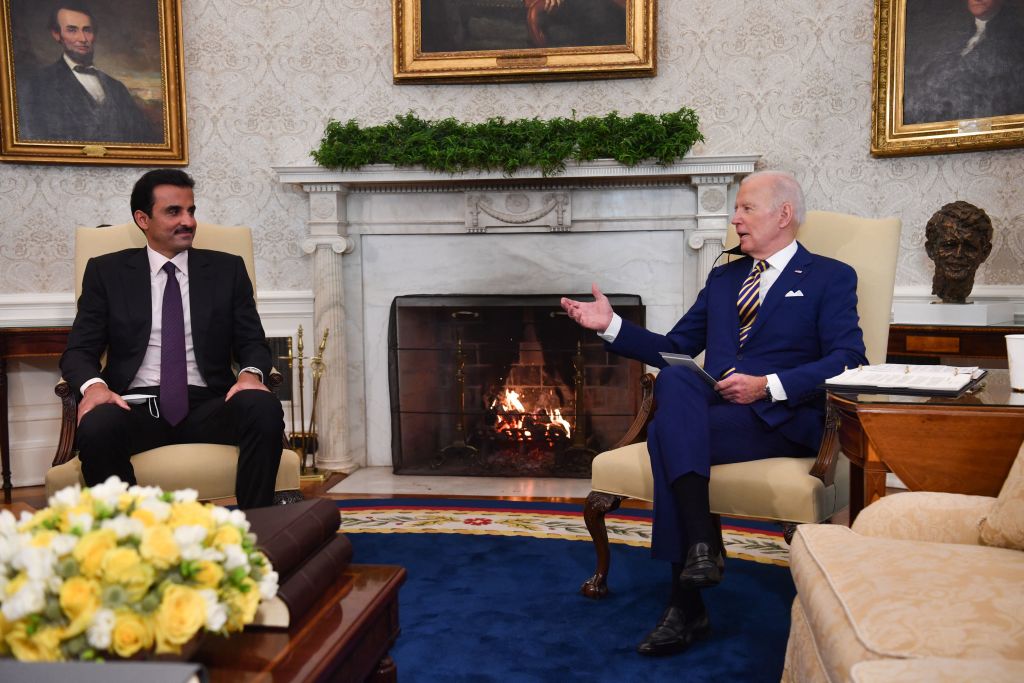
Monday Briefing: Qatar’s Sheikh Tamim becomes first Gulf leader to visit Biden White House
Expert regional analysis by MEI scholars and contributors.
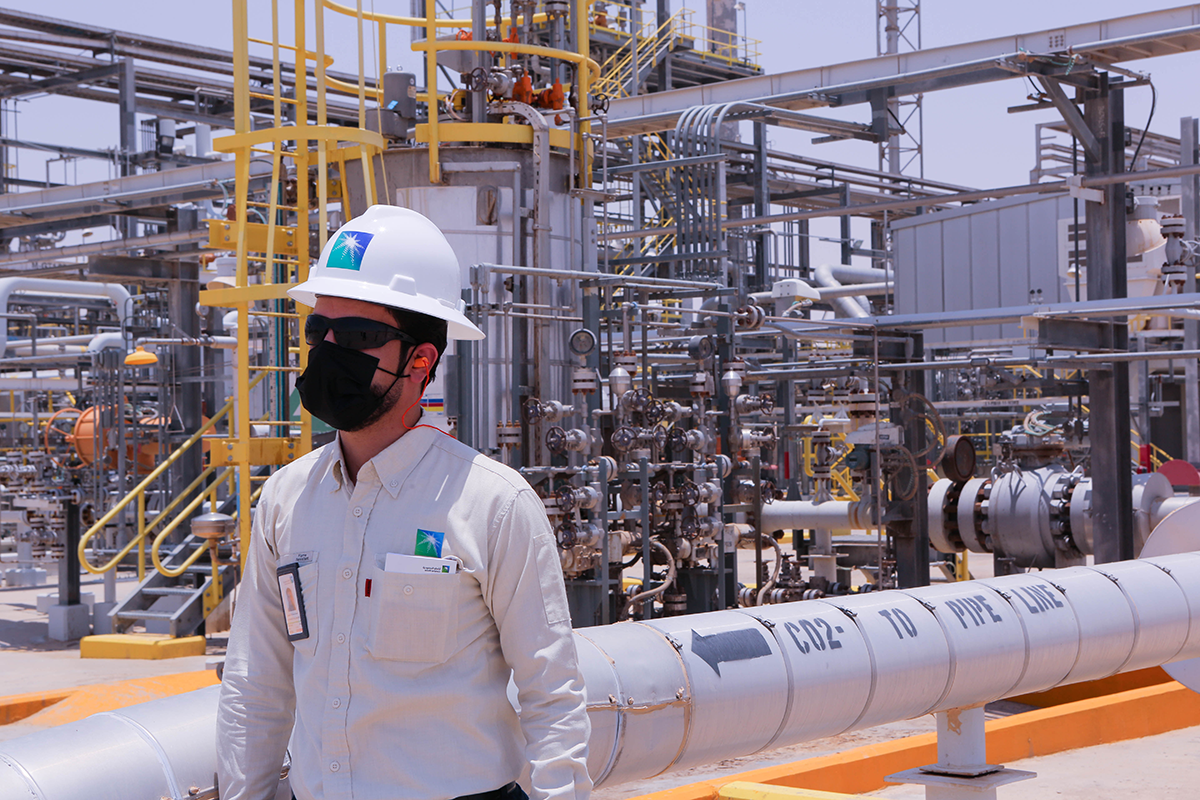
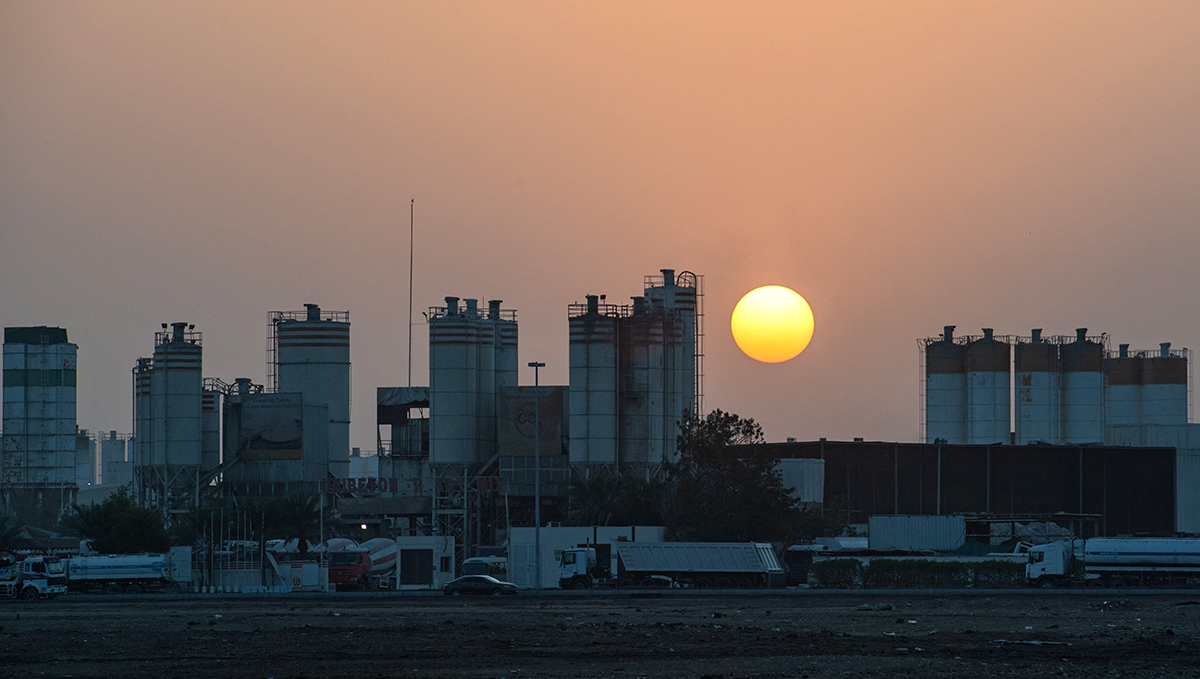
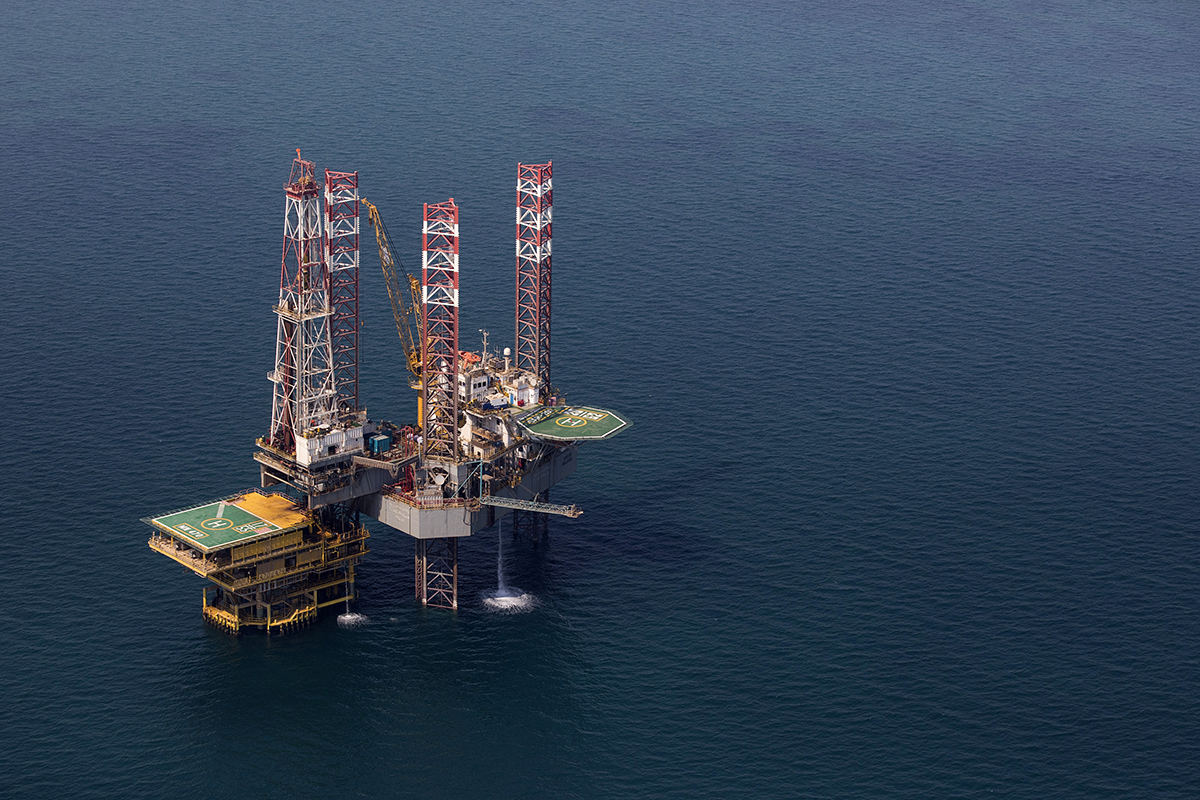
Gulf oil producers do not envisage a post-2050 world devoid of hydrocarbons, even though two of the region’s biggest producers, the UAE and Saudi Arabia, have committed to net-zero carbon emissions by 2050 and 2060, respectively. Reconciling their future environmental commitments with their current reliance on hydrocarbons is going to be an arduous and expensive journey that starts with decarbonizing their oil and gas production to reduce their carbon footprint and increasing their domestic green energy production. With demand for oil and gas forecast to continue post-2050 — albeit at lower levels than now — their net-zero target does not equate to zero oil and gas production. Instead, their transition will differ from that of other countries and will happen at a different pace.
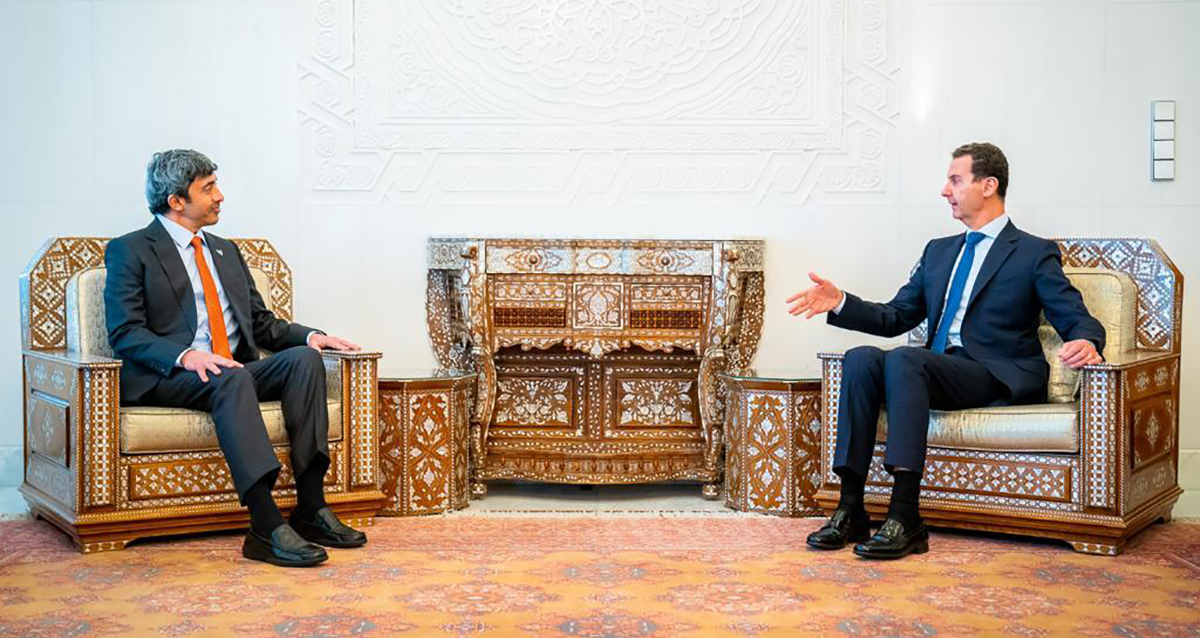
The UAE has made bold strides to normalize relations with embattled Syrian President Bashar al-Assad, opening itself up to criticism as many countries remain reluctant to reconcile with Damascus. Despite this measured reintegration of Assad into the Arab fold, many serious complications and challenges lie ahead. The most important of these is the lack of support from a hesitant Saudi Arabia, which would impede the crucial next step of Syria’s restoration to full membership in the Arab League before its upcoming summit.
What these attacks and many others in the region have in common is Iran’s irrefutable involvement. They may have different local contexts and their perpetrators, all loyal to Iran, may have different motivations, but every single one of those attacks was possible only because Iran provided either the weapons or the know-how to assemble and use them.
Three days have passed since the Houthi attack on the UAE, yet there’s still a lot we don’t know about what really happened. Here’s what we do know: The Houthis officially stated that they were the ones who struck Abu Dhabi, and unlike in September 2019 when they made the same claim, this time they might not be lying. Yet this is not enough to help us answer what in my opinion is the ultimate question: to what extent were the Iranians involved in this attack?
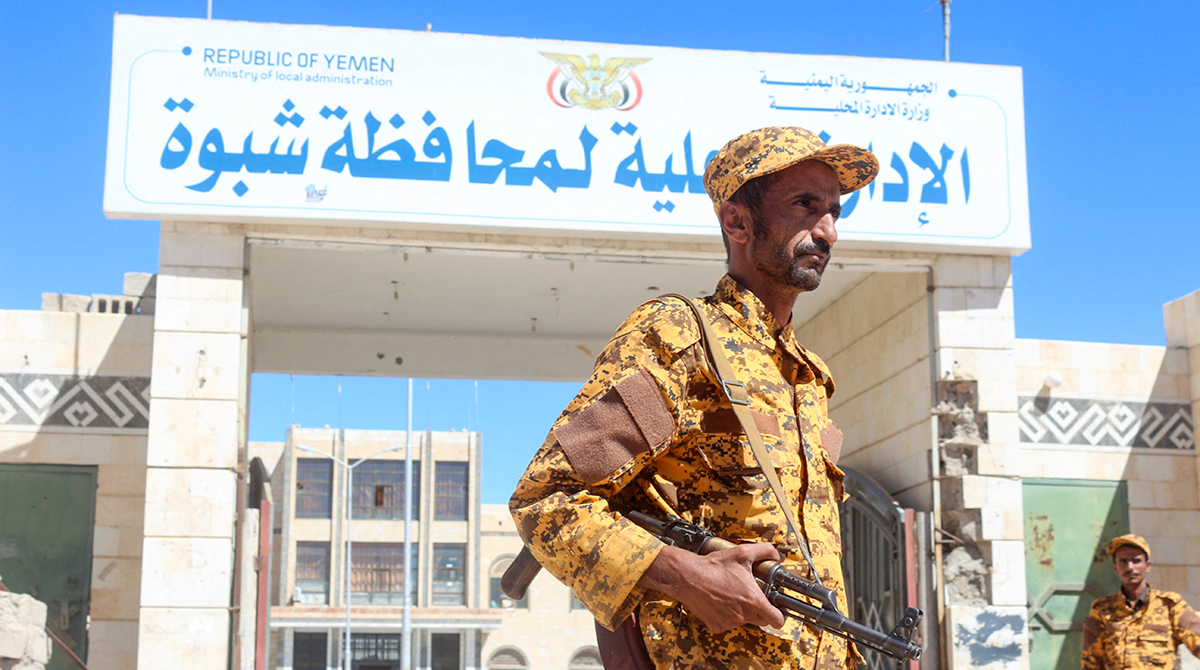
On Jan. 10, the governor of Shabwa announced its liberation from the Iran-backed Houthis. This victory followed a seemingly successful Houthi military campaign over the past couple of years to expand their influence around the city of Marib, weaken the internationally-backed government of Abed Rabbo Mansour Hadi, and solidify their grasp on strategic northern areas. However, while significant, the victory in Shabwa is unlikely to be replicated in the rest of the country, given the very specific political and regional dynamics that helped to bring it about. Moreover, the Houthis’ drone attack on Abu Dhabi on Jan. 17 presents a further challenge to the advance of pro-UAE forces into Marib.
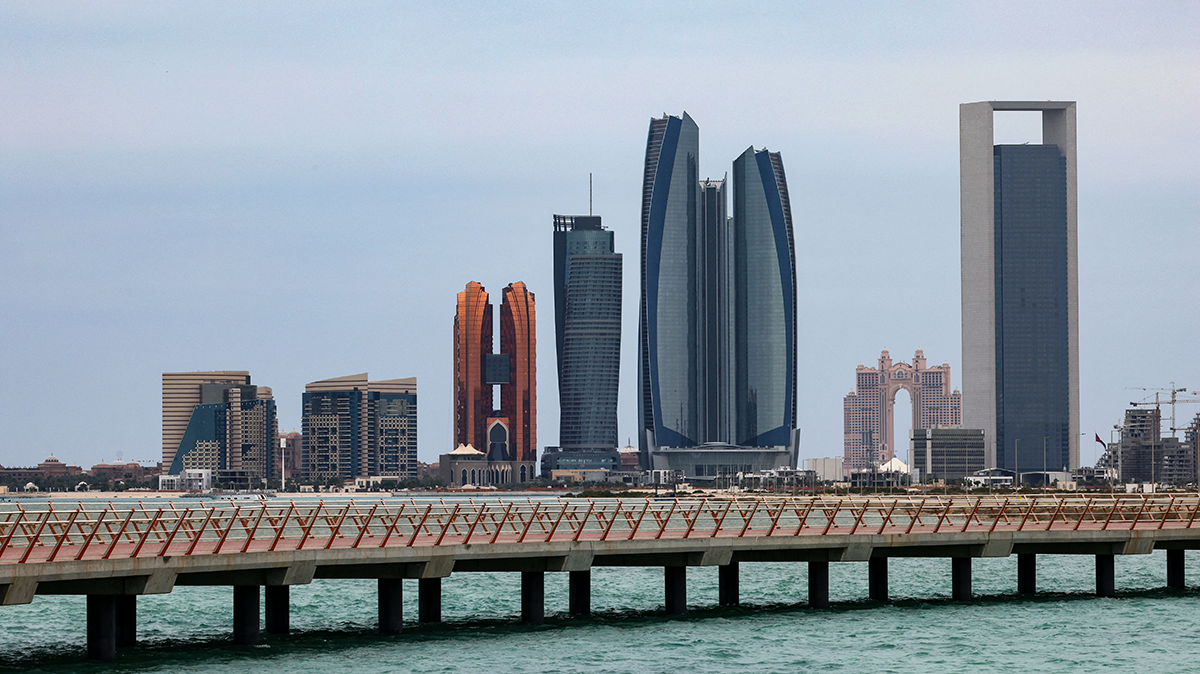
On Jan. 17, the Houthis perpetrated another attack, targeting an Emirati oil facility in Abu Dhabi, killing three international citizens, and damaging infrastructure. The story here is unfortunately all too familiar and begs a coherent response now. After all, what is becoming routine in the Gulf will likely be copied and repeated in other locations.
Long-simmering economic and political tensions between the U.S. and China have continued to spill over into the technology sector, where the two superpowers have made this ever-more vital industry the site of a new Cold War. The acrimony looks poised to only get worse moving forward, potentially leading to a tech decoupling, and 5G is at the heart of it. Some third parties have sought to find a way to navigate this divide and the dilemma is particularly acute for the Gulf states. As they seek to balance their relationships with both Washington and Beijing, several have chosen to stake out their own territory by building an Open Radio Access Network (RAN). This initiative could be a potential solution to the current conundrum that would give states 5G sovereignty in an era of great power competition, with a digital twist.
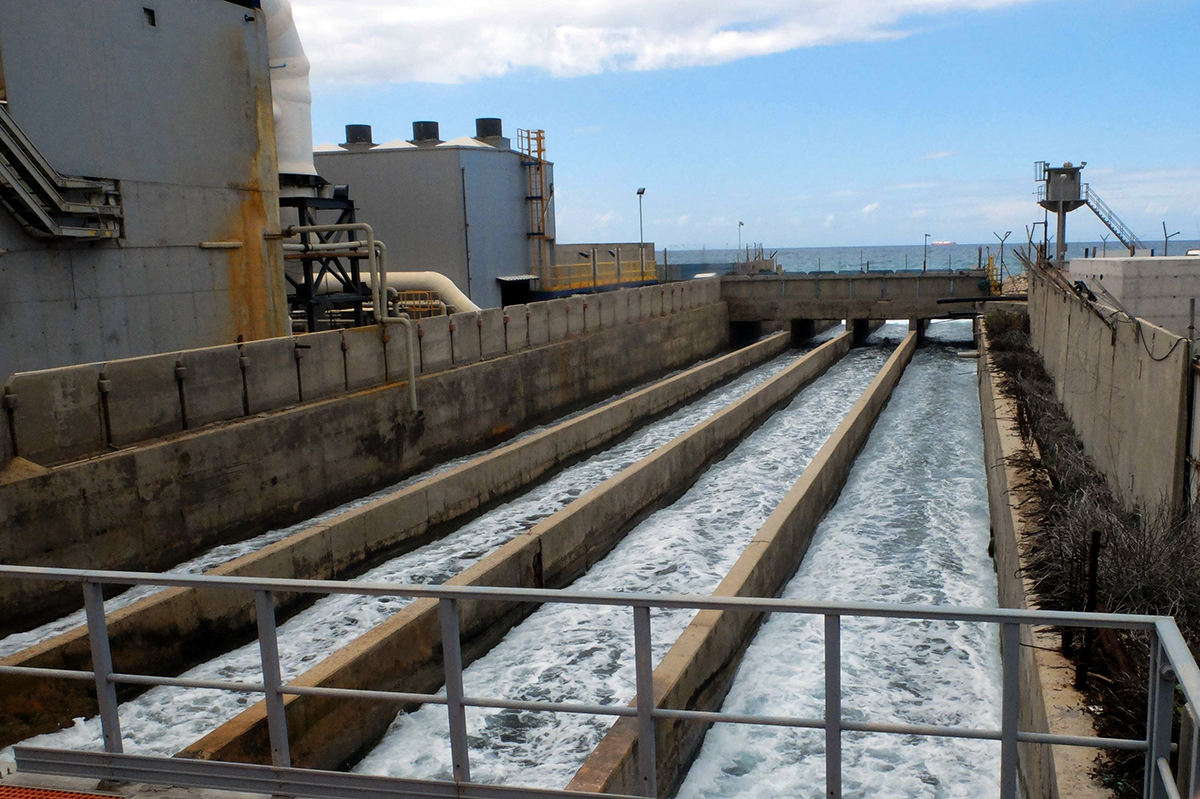
On Nov. 22, the Dubai Expo hosted an event where the United Arab Emirates (UAE), Jordan, and Israel signed a cooperation agreement that would broker an exchange of renewable energy and water between Jordan and Israel. The signing of the agreement between the respective minsters of the three countries took place in the presence of Abu Dhabi Crown Prince Mohammed bin Zayed and U.S. Climate Envoy John Kerry, who played a role in getting the deal done.
Gerald Feierstein, Afshin Molavi, and Courtney Freer discuss the state of the United Arab Emirates as the country celebrates its 50th anniversary, including its history, economic development, and domestic and regional policy objectives.
As the countries of the Gulf Cooperation Council (GCC) work to transform from hydrocarbons-driven to data-driven economies, they will need to make significant and well-planned invest-ments in digital infrastructure, particularly when it comes to the complex issue of data govern-ance. They must take the lead in establishing regulatory and legal frameworks aligned with international standards in terms of data gathering, processing, and storing procedures. This report highlights the existing laws and regulations that govern data protection in the GCC while addressing their potential and limitations, along with the similarities and differences between the GCC’s legislative frameworks and the EU’s General Data Protection Regulation, and the impact of the GCC’s current data protection laws on individuals, the private sector, regulators, and governments.
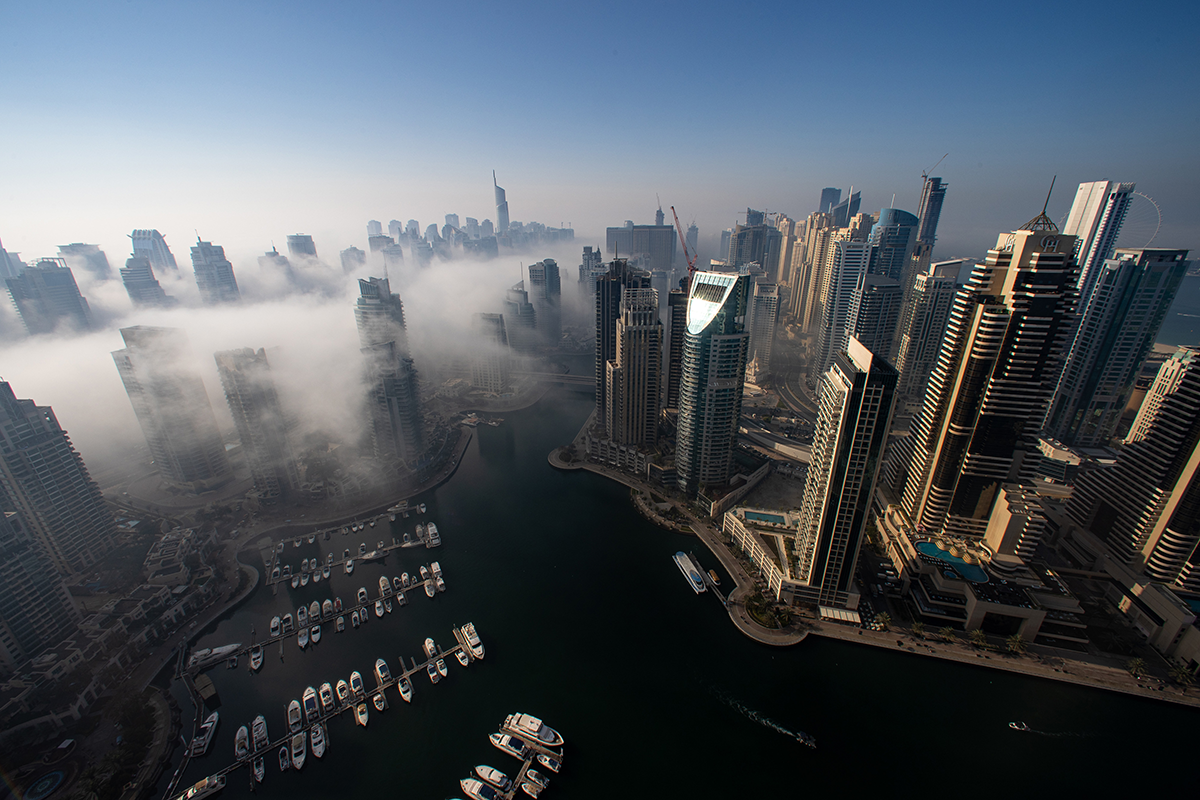
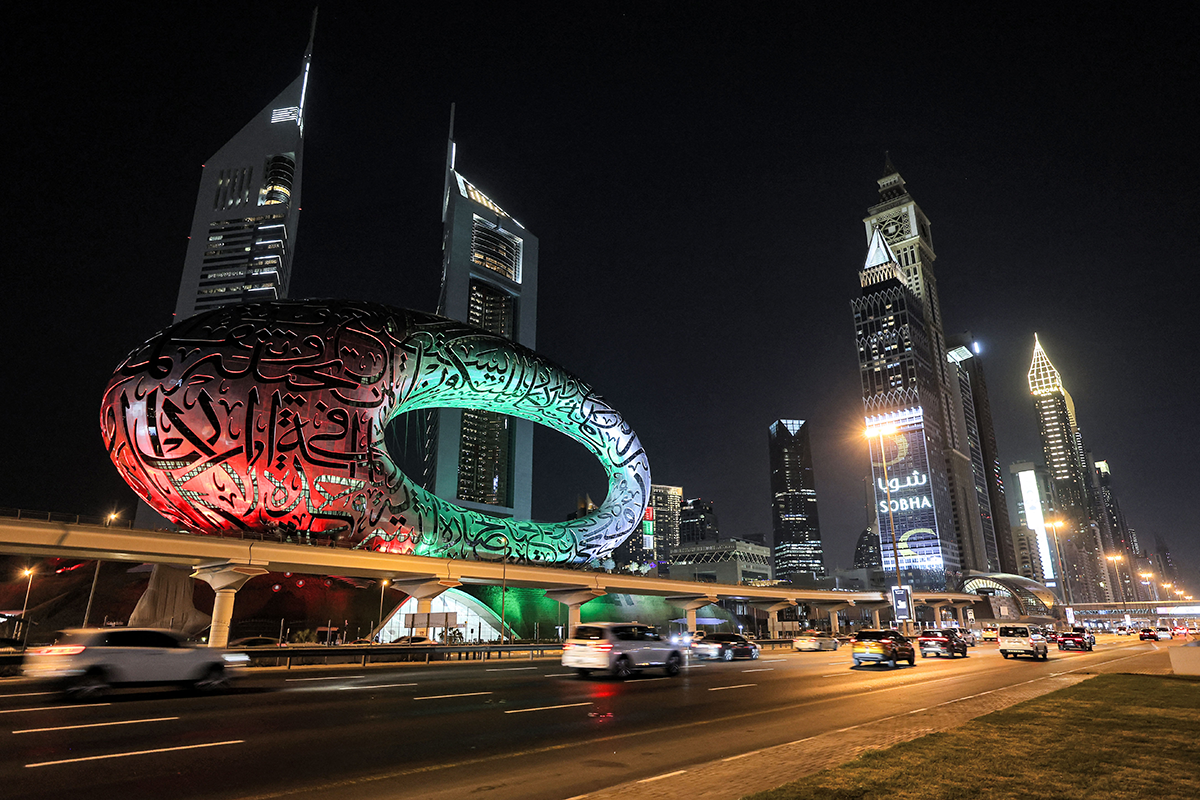
The UAE will celebrate the 50th anniversary of the qiyam al-dawla (establishment of the state) and qiyam al-ittihad (establishment of the federation of seven emirates) on Dec. 2. Since 1971, the Emirati political elite has addressed the complex responsibilities of building a functional bureaucratic apparatus while shaping the nation’s identity. An oil-based model informed this state-building process and the expectations of citizens for decades, but the country now faces a more complex environment. New challenges such as the growing youth population, the drive toward sustainability, and changing patterns within the global economy affect the current Emirati political agenda; however, the UAE leadership must balance the urgent search for innovative strategies with Emirati haweeya al-watani (national identity) and turath (heritage).
While oil prices have rebounded before soaring since the depths of collapse in the spring of 2020 — with Brent crude prices skyrocketing from $19 per barrel in April 2020 to a three-year high of $86 per barrel in October 2021 — the prospects for a sustained high oil price for Gulf producers is unlikely.
Read MEI’s weekly briefing featuring expert analysis of key regional developments for the week ahead.
Jason Pack on the 2021 Oasis Backgammon Championship, the first major international backgammon tournament to be hosted in the Arab World in recent memory, and how it reflects broader changes in the Middle East.