Locals fight their own war on drugs in Syria’s Daraa Province
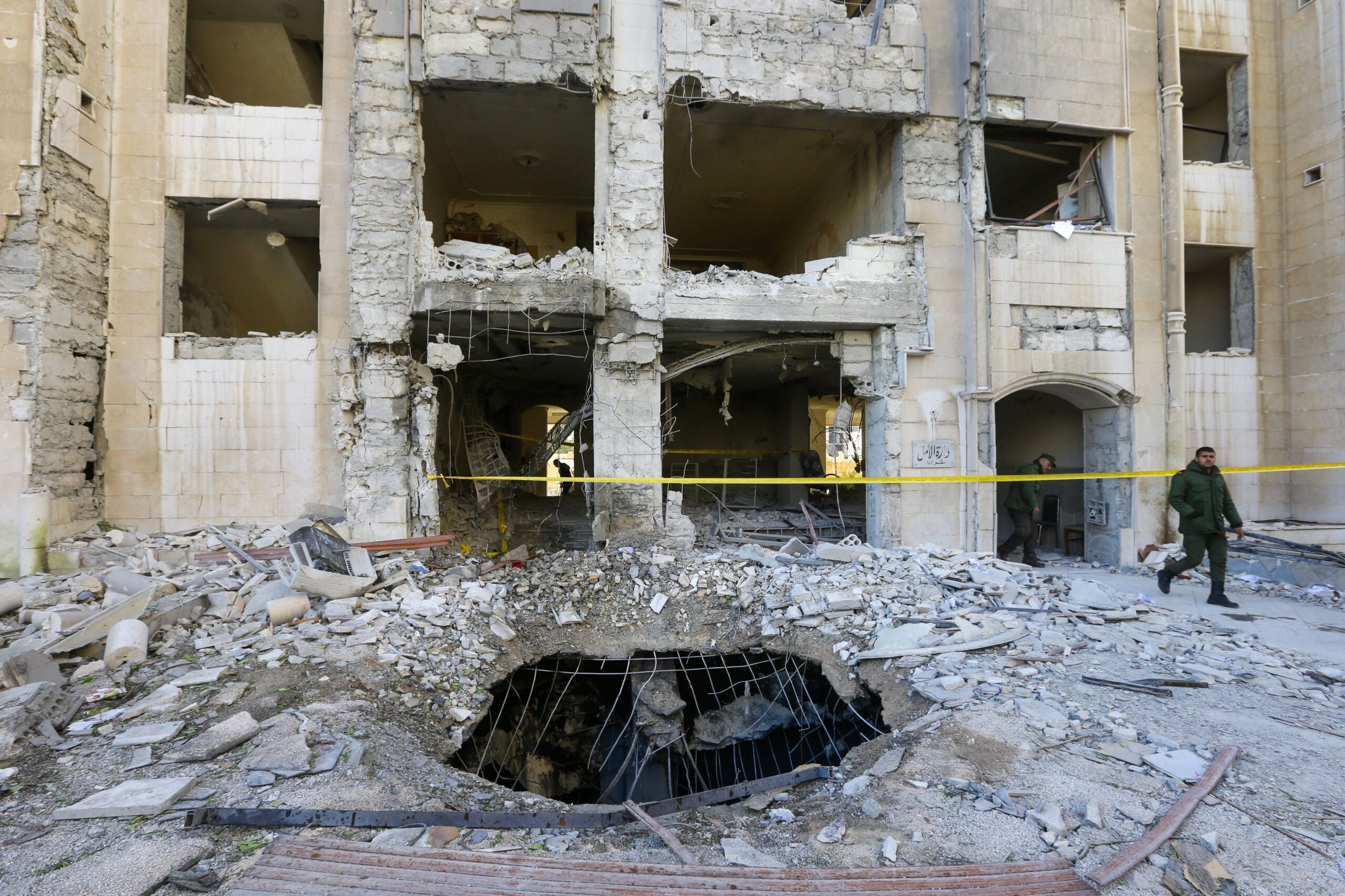
Since early last year there has been a surge in drug-related assassinations in Syria’s southwestern Daraa Province, adding a new layer to the region’s persistent violence. The regime’s complicity, driven by financial and political motives, has fostered a climate where drug networks operate with impunity, spurring locals to take matters into their own hands.
Israel’s Response to Iran in Syria: Choosing Between Escalation and Accommodation
The following quantitative analysis explores the core of Israel’s strategic airstrikes in Syria between 2013 and August 2023, a critical aspect of its defense policy during this time, aimed at mitigating Iranian influence in the region and protecting its national borders.
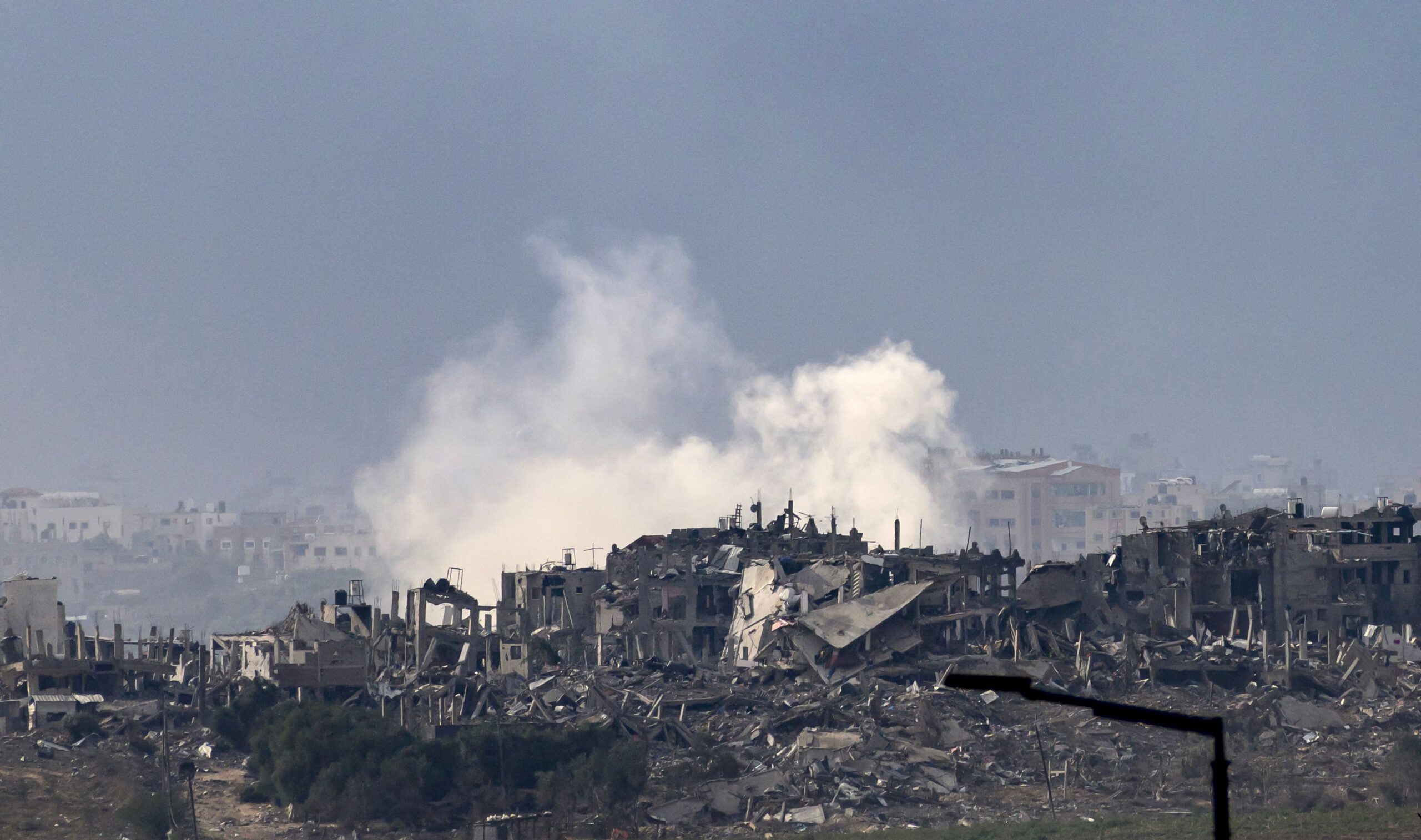
Why Russia has been openly critical of Israel's war on Gaza
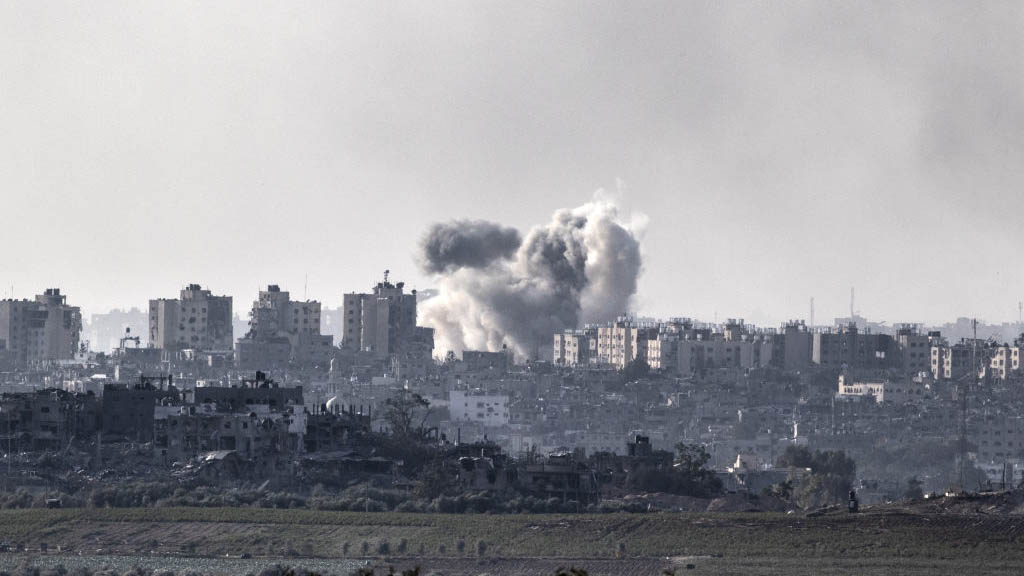
There are many signs of a deterioration of relations between Russia and Israel since the start of the war in Gaza, and they have stoked concern about potential flashpoints between the two countries, not least in Syria, where both have a military presence.
Representatives from both sides have been openly bickering at various diplomatic meetings in clashes that have become almost commonplace.
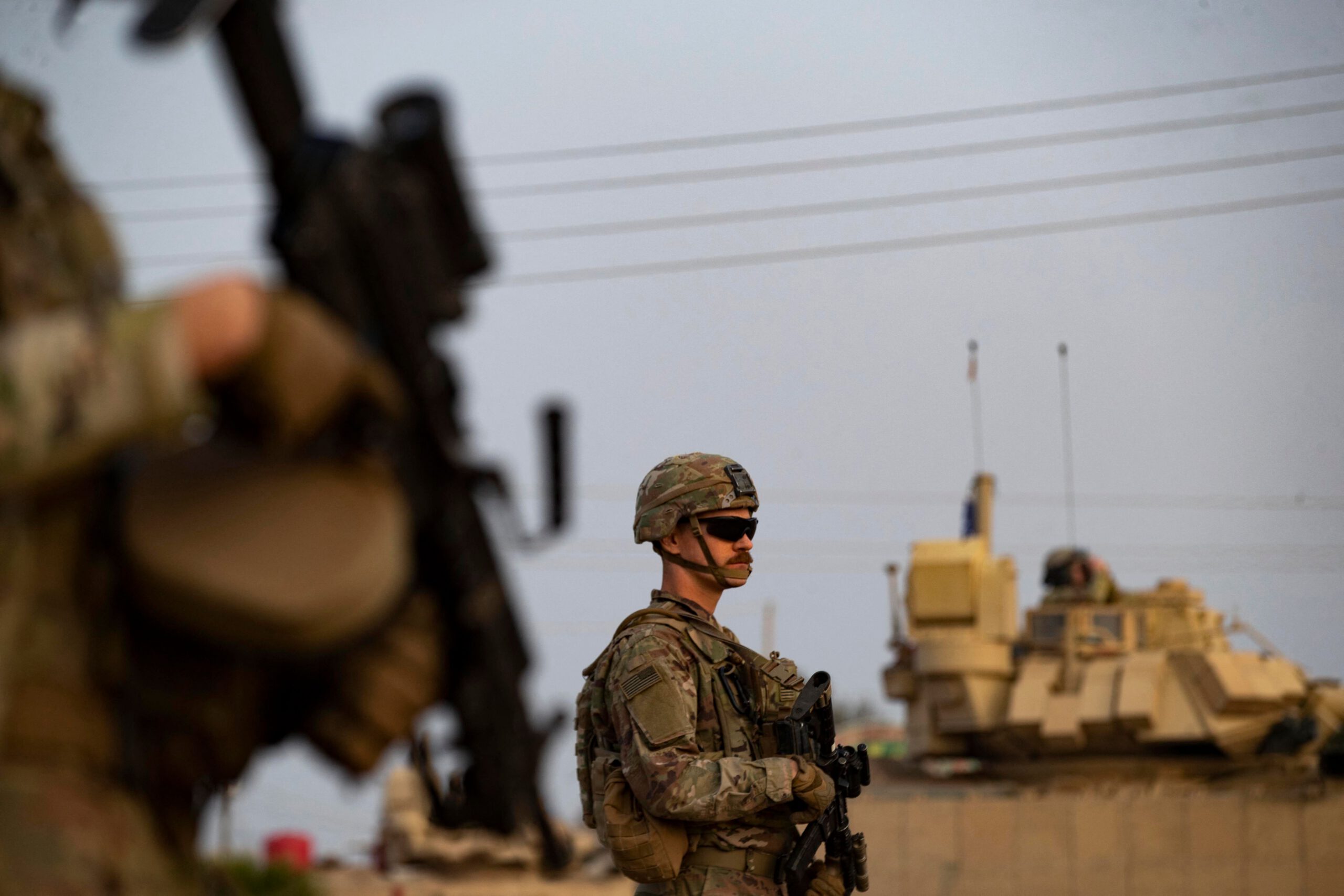
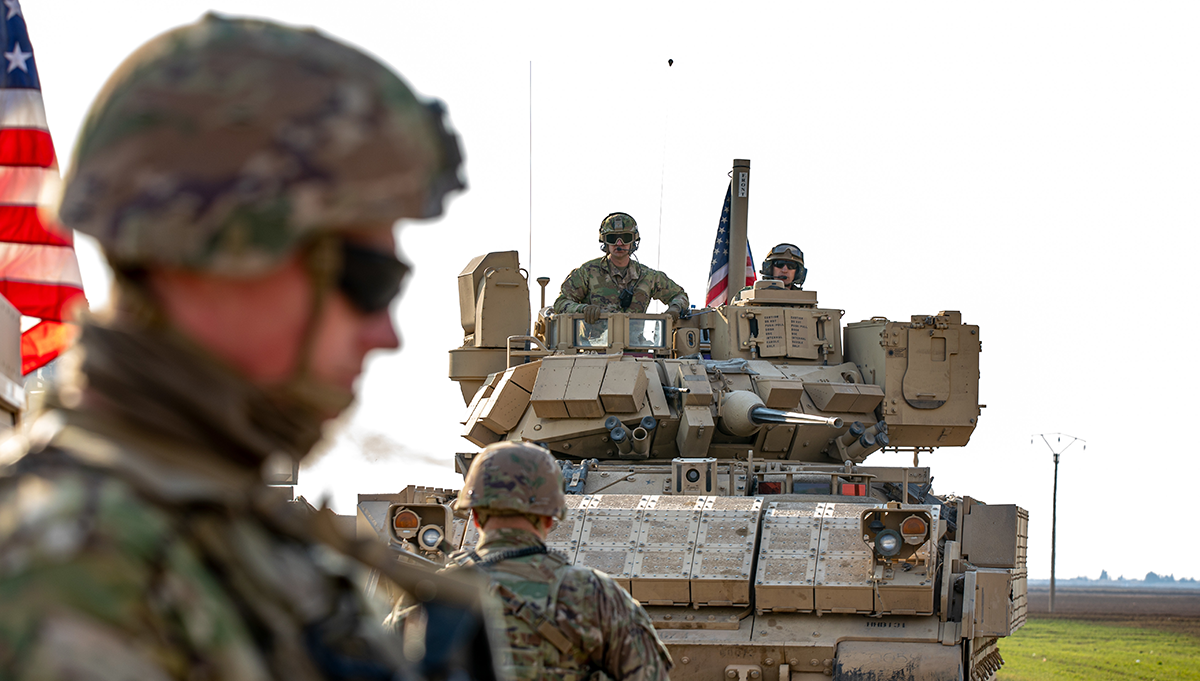
Iranian-backed militia attacks on coalition forces threaten to ignite eastern Syria
Over the last three weeks, there has been a notable escalation in attacks targeting international coalition bases in northeastern Syria orchestrated by Iranian-backed militias operating in Iraq and Syria. Concurrently, there have been reports indicating the establishment of operational centers aimed at coordinating these strikes. These developments appear to be part of an effort to exploit the widespread popular discontent with the United States and Israel, with the strategic aim of expanding and consolidating Iranian influence in Syria.
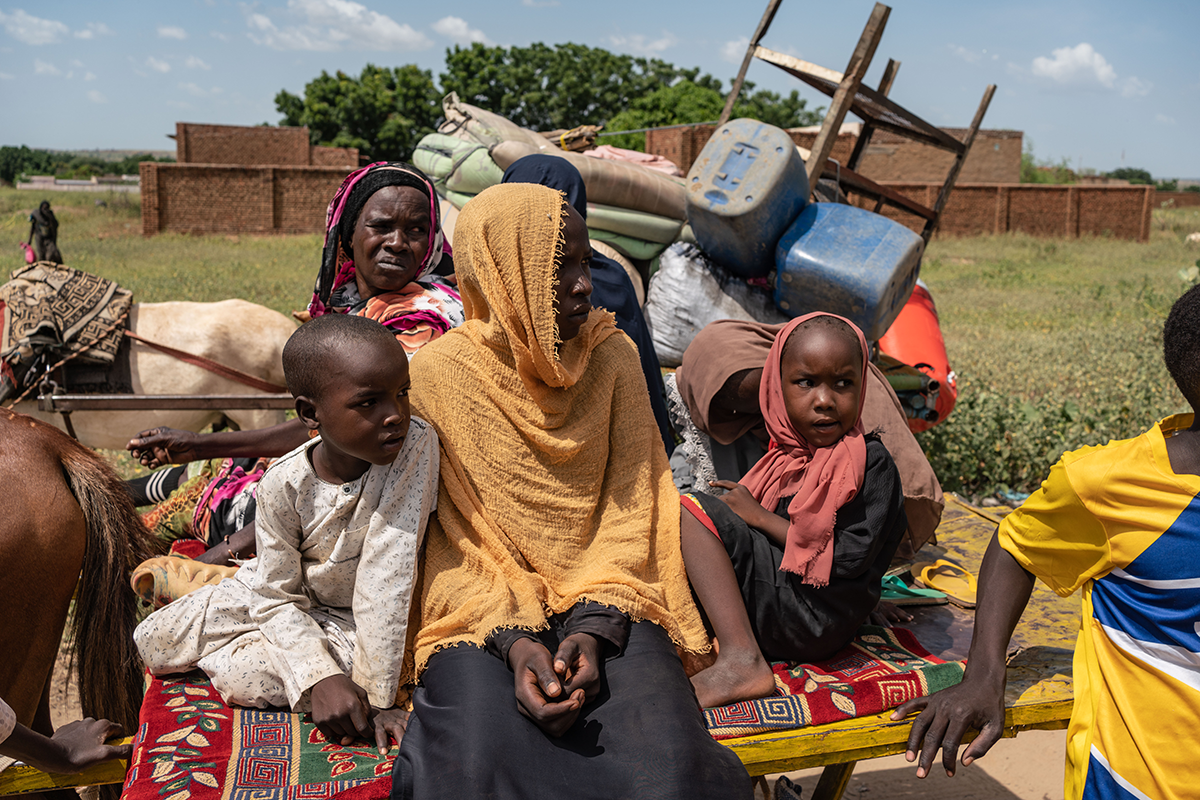
It isn’t a surprise that Sudan’s two warring sides — the Sudanese Armed Forces and its sprawling paramilitary Rapid Support Forces — did not agree to a ceasefire. When they resumed talks in Jeddah, mediated by the U.S. and Saudi Arabia in late October, the RSF was busy launching a major offensive on the vast western region of Darfur.
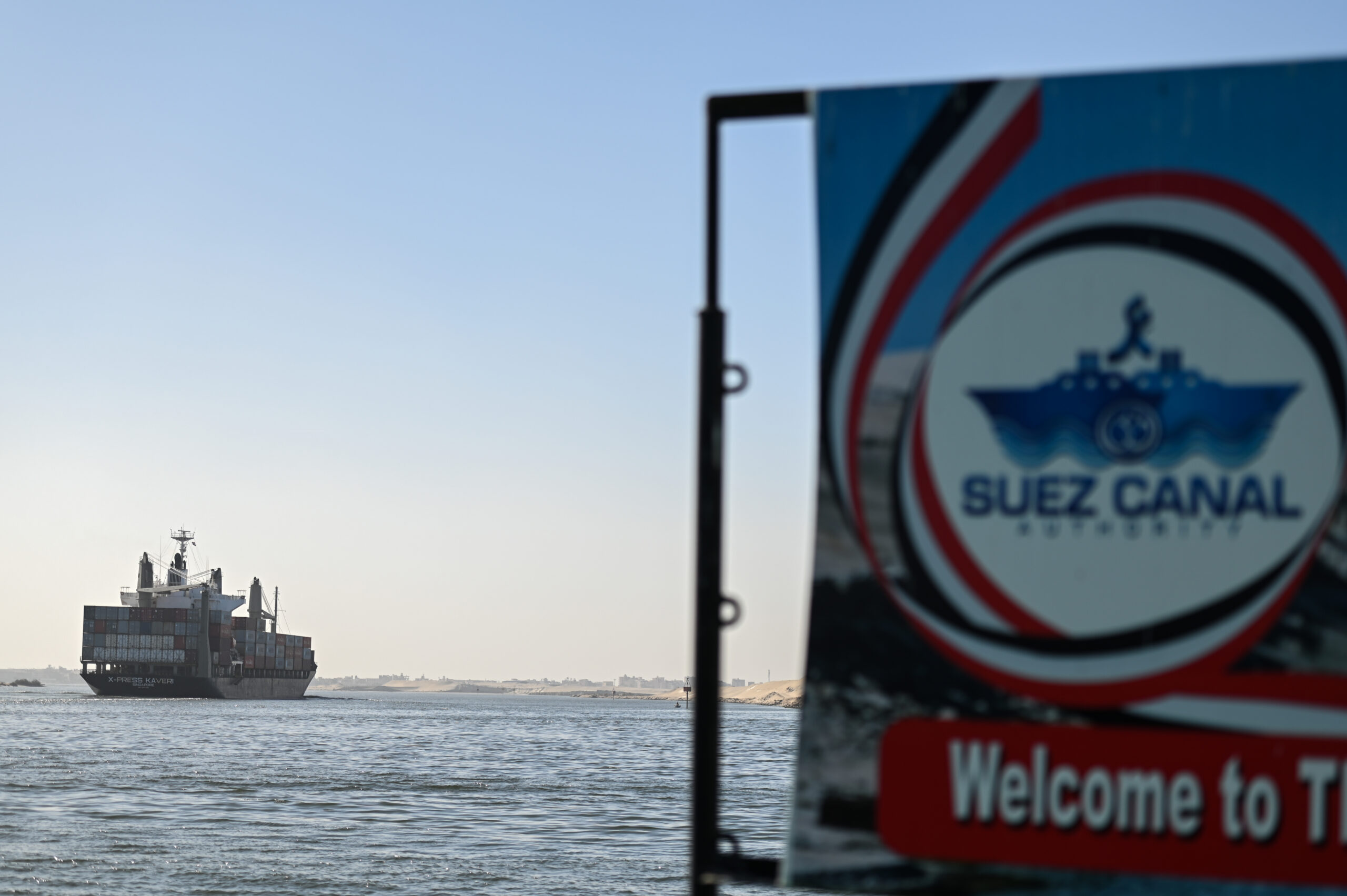
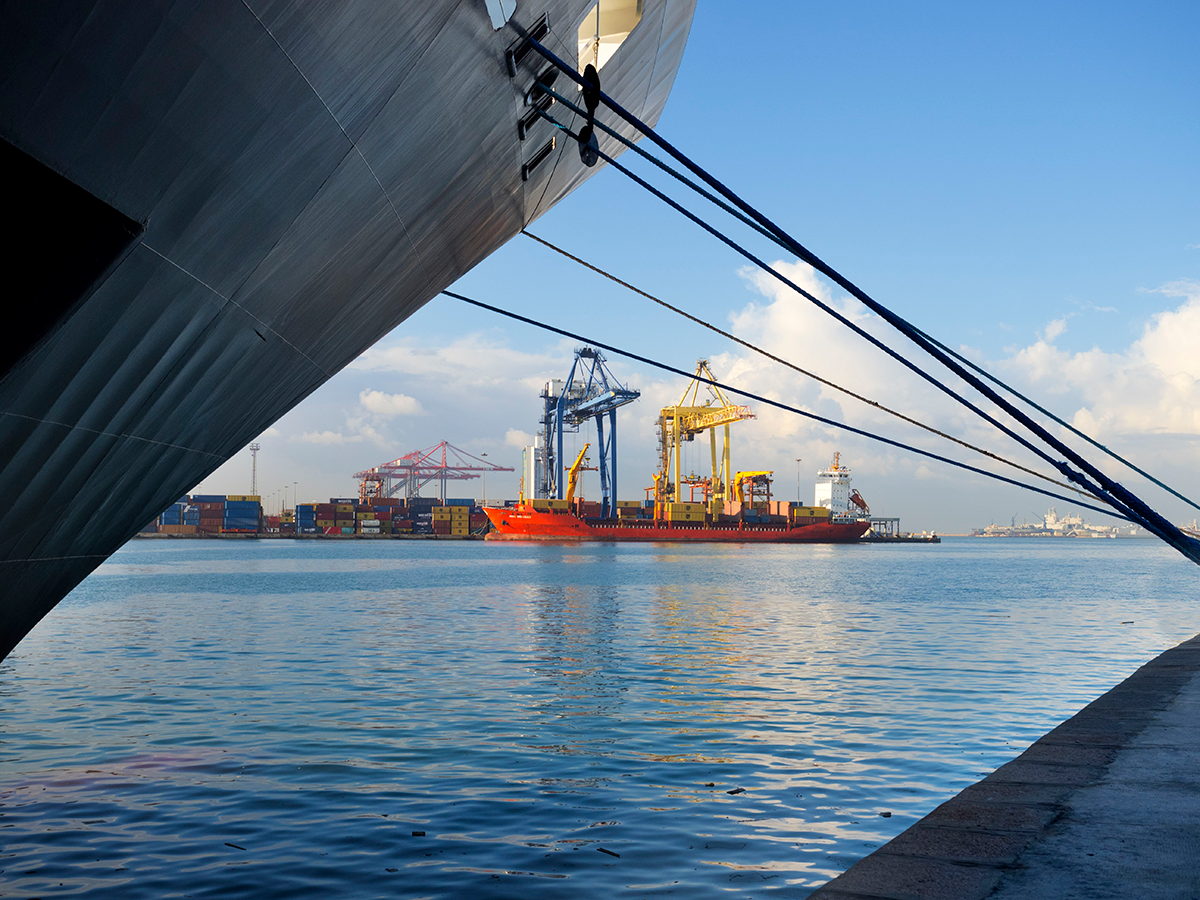
China’s growing maritime presence in Egypt's ports and the Suez Canal
In recent years, China’s presence in Egypt’s strategic ports has grown noticeably, including the involvement of both private and state-owned Chinese companies. While this reflects Beijing’s growing ambitions in the region, the opacity of the Sino-Egyptian agreements and the blurry lines between China’s commercial ports and its military aspirations raise questions about the potential implications.
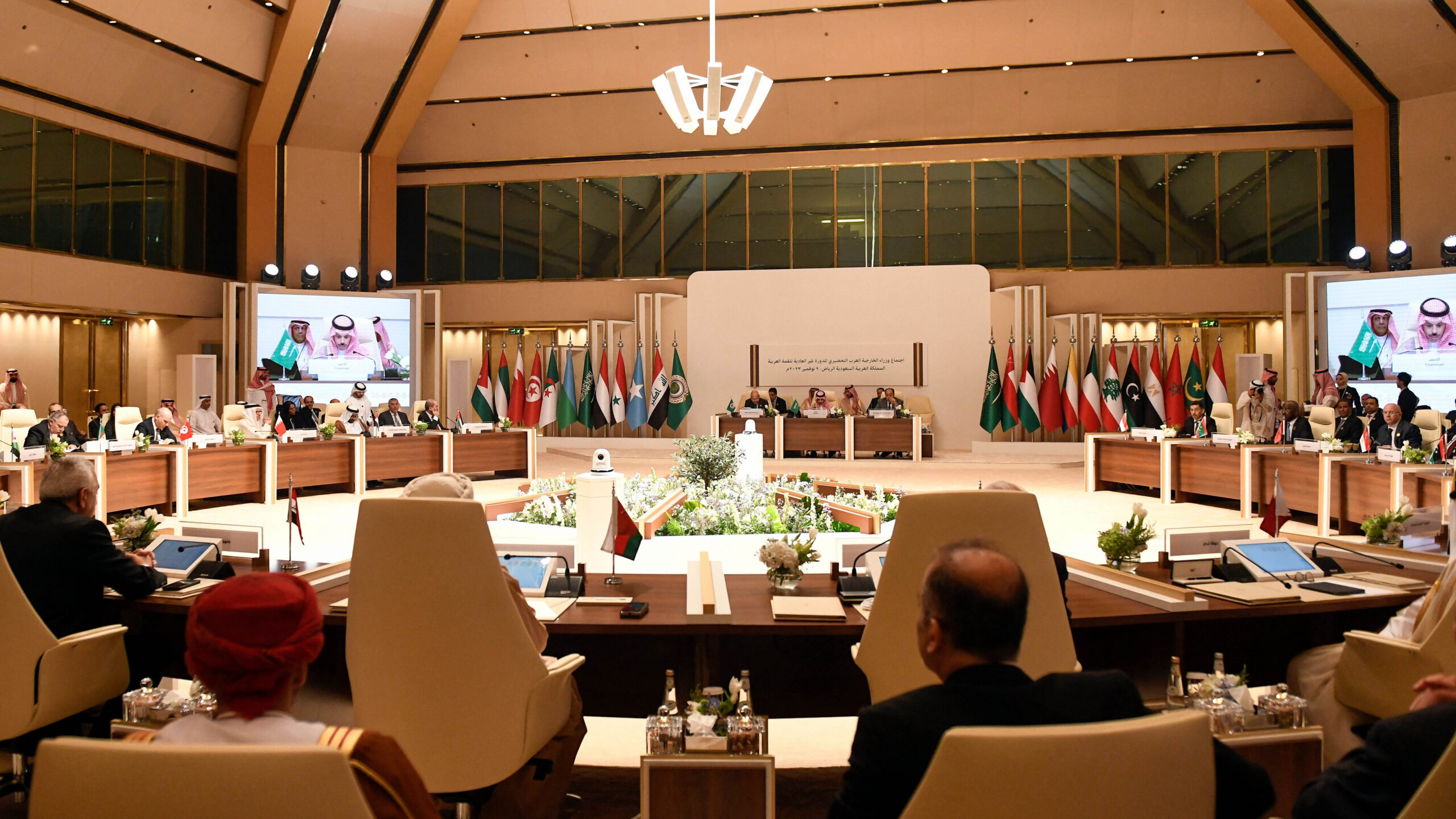
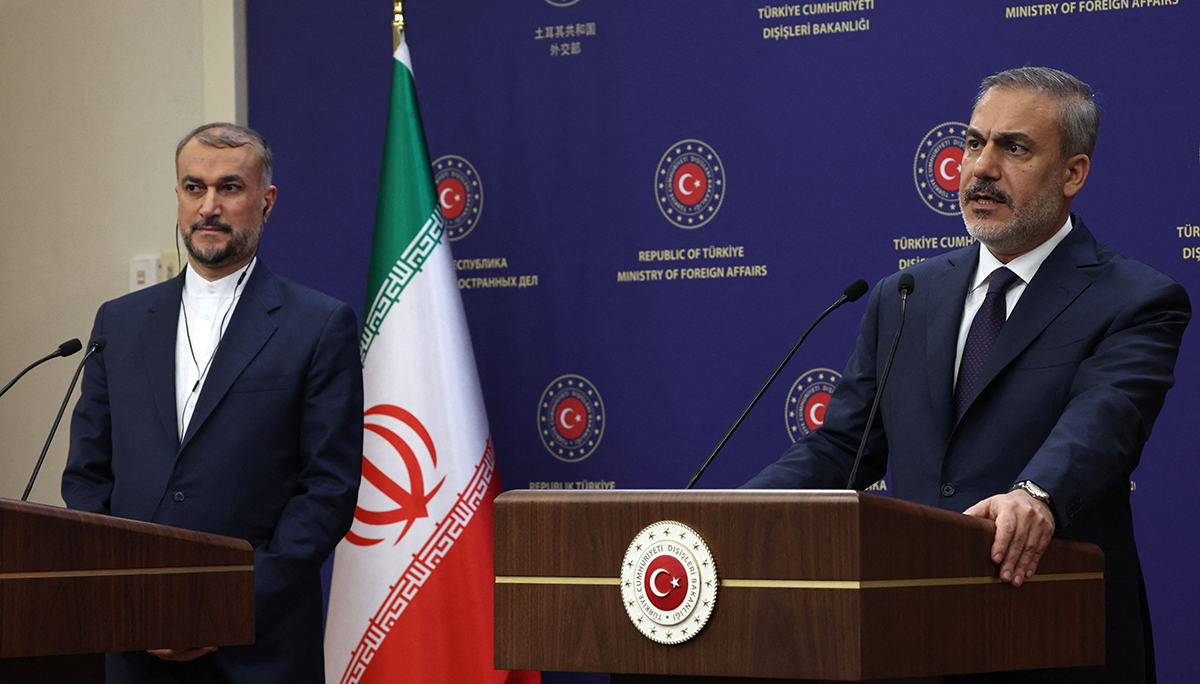
Turkey and Iran: Toward an “Axis of Revisionism” amid the war in Gaza?
Hamas’ violent and unexpected Oct. 7 attack on Israel has shaken a fragile regional order in the Middle East. Ankara and Tehran are worried that a stronger U.S. presence in the Middle East is detrimental to their regional interests. The war in Gaza might help close the ranks between Turkey and Iran, yet there are serious limitations to a sustainable alliance between the two countries.
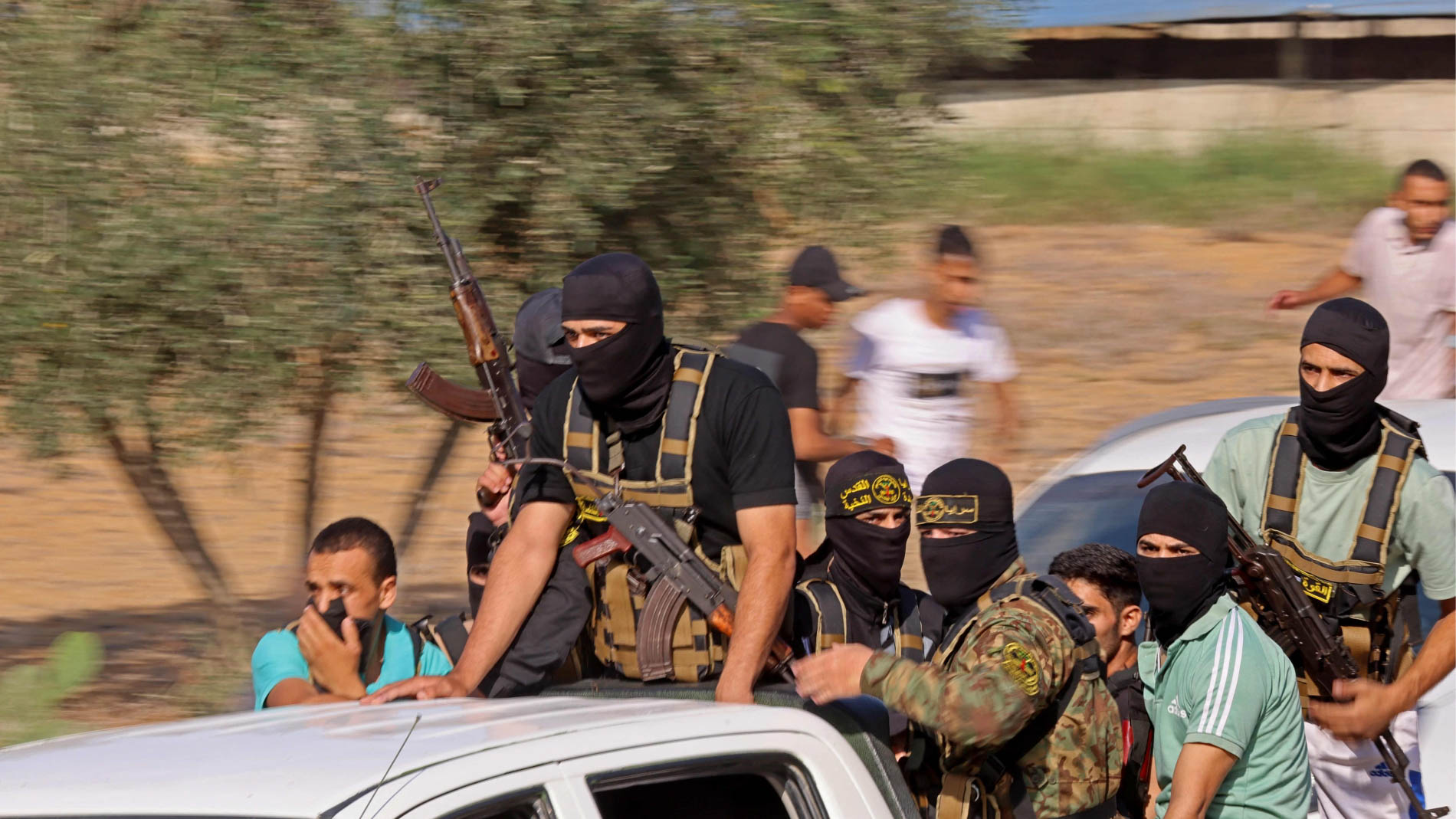
On 7 October, Hamas shocked the world, when thousands of its militants invaded southern Israel, taking control of territory, massacring civilians and kidnapping hundreds.
The attack itself demonstrated an unusual level of complexity, with a first wave seeing drones taking out Israeli reconnaissance equipment and observation posts and cyber attacks creating distractions, opening a path for amassed militant incursions from the air, sea and ground.