Skip to Content

Research & Commentary Results

Filter by
296 Results
Trends to Watch in the Middle East in 2020
Middle East Institute
  • Podcast
  • Trends to Watch in the Middle East in 2020

    MEI experts Robert S. Ford, Fatima Abo Alasrar, and Emad Badi join host Alistair Taylor to survey what lies ahead for the Middle East in 2020, with particular attention to Iran, Syria, Yemen, Libya, Iraq and Algeria.

    January 17, 2020

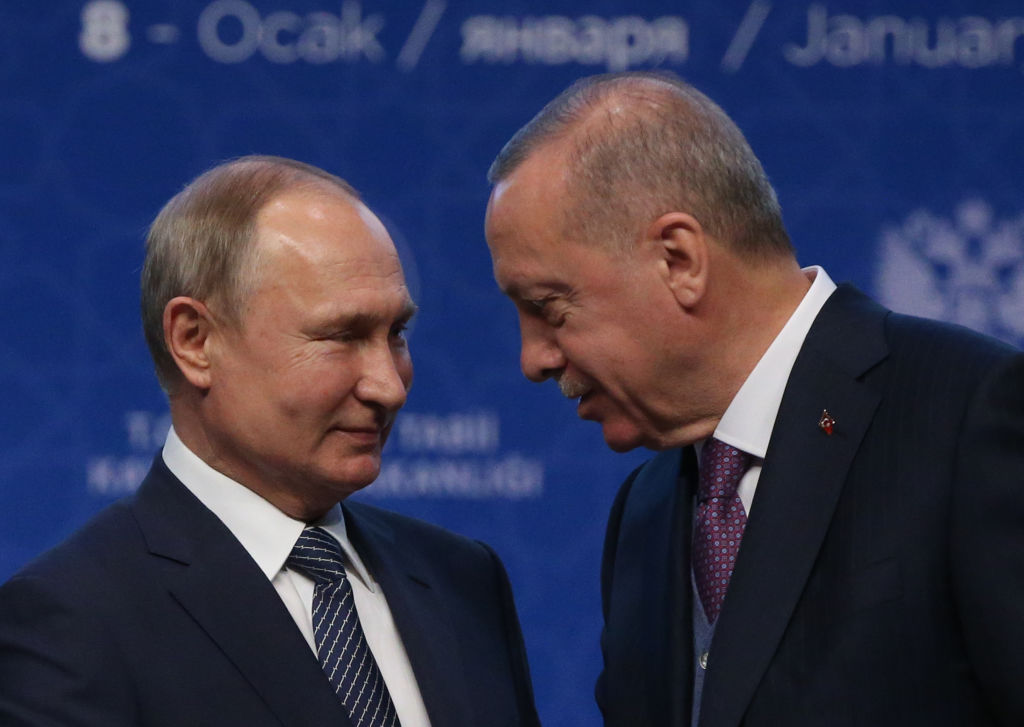
    Cease-fires in Idlib and Libya as Turkey looks to buy time
    Russian President Vladimir Putin (L) and Turkish President Recep Tayyip Erdogan (R) attend the opening ceremony of the TurkStream on January 08, 2020 in Istanbul, Turkey.
  • Commentary
  • Cease-fires in Idlib and Libya as Turkey looks to buy time

    It is increasingly the case that the Russian-Turkish decisions on Idlib or Syria need to be understood as part of a broader Russian-Turkish partnership.

    January 13, 2020

    The future of the UK’s relationship with the Maghreb
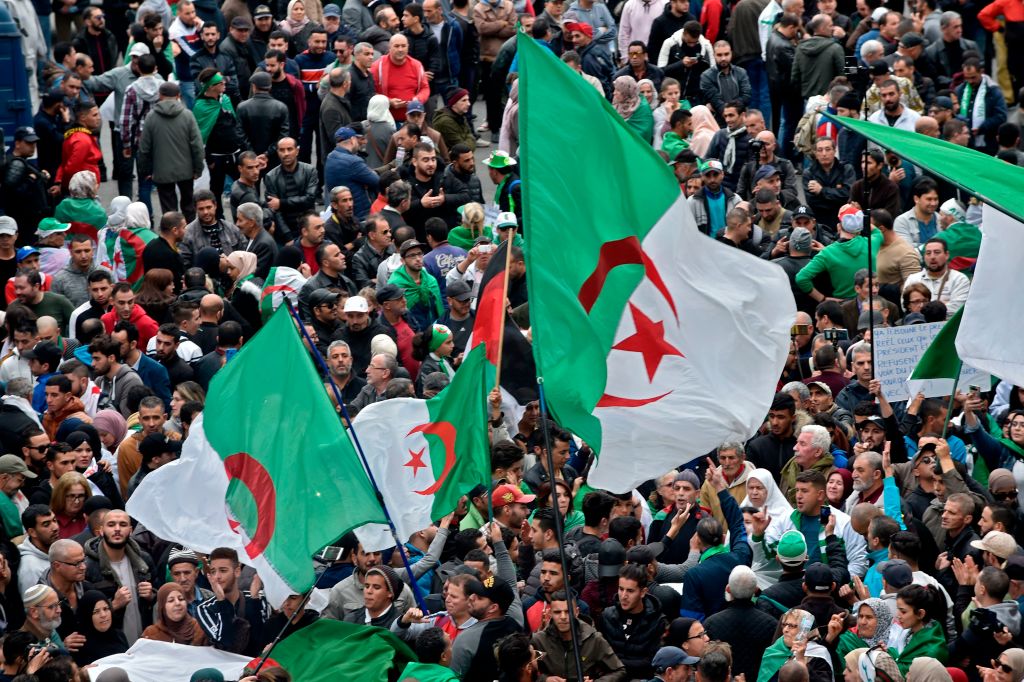
    Algerian protesters wave national flags during an anti-government demonstration in the capital Algiers, on December 20, 2019.
  • Analysis
  • The future of the UK’s relationship with the Maghreb

    The UK’s impending exit from the EU will present a new chapter for British interests in and posture toward the region. If the UK is to find a trade-off for loss of diplomatic and economic heft, it will need to re-prioritize its engagement efforts. Policy continuity toward Morocco and Tunisia appears inevitable; Algeria, in contrast, promises great opportunity for an evolving relationship.

    January 6, 2020

    Big questions for Libya in 2020
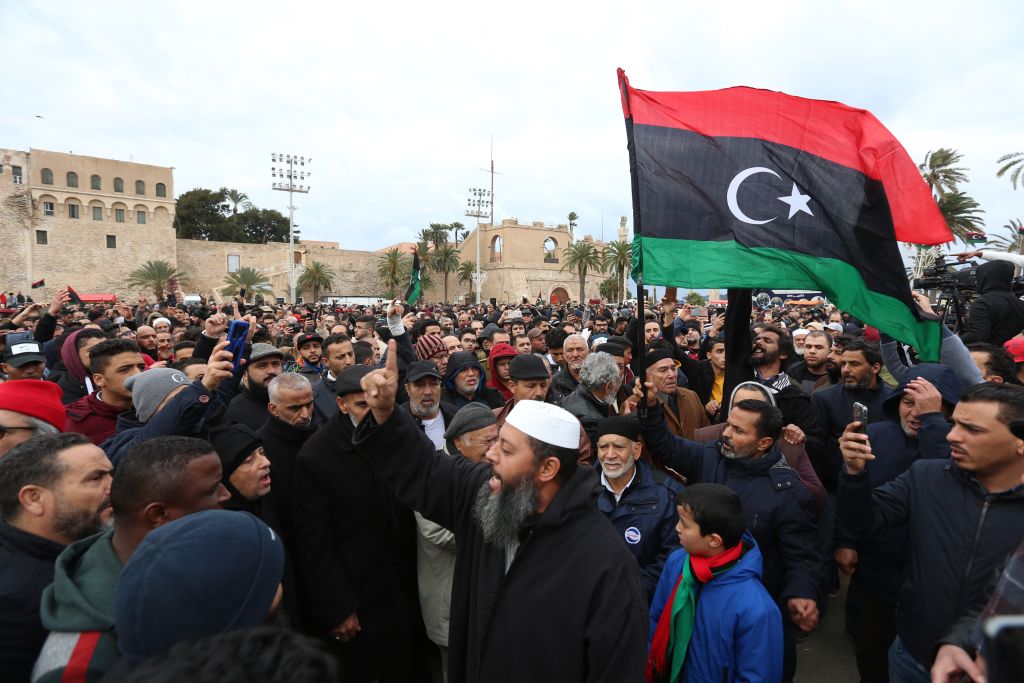
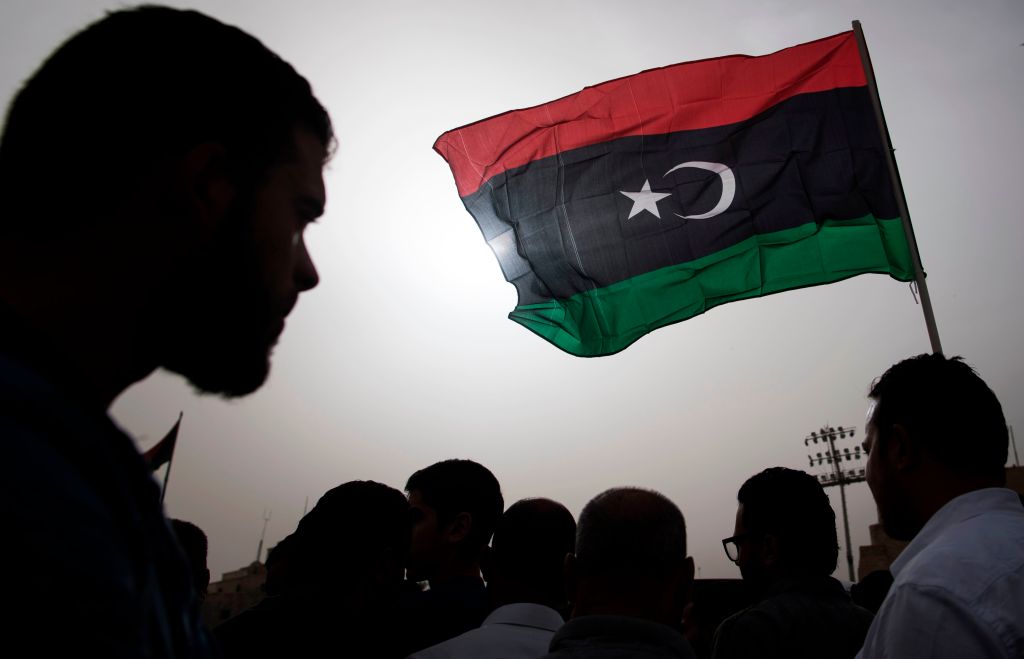
    Thousands of people gather at Martyr's Square within a funeral ceremony held after an airstrike on a military school in the south of the Libyan capital of Tripoli by jets loyal to renegade military commander Khalifa Haftar, in Tripoli, Libya on January 05, 2020.
  • Commentary
  • Big questions for Libya in 2020

    Strong U.S. leadership could still make a difference to counter the threats arising from the ongoing proxy war, but the Trump White House appears mainly to have other things on its mind.

    Libya’s descent into civil war
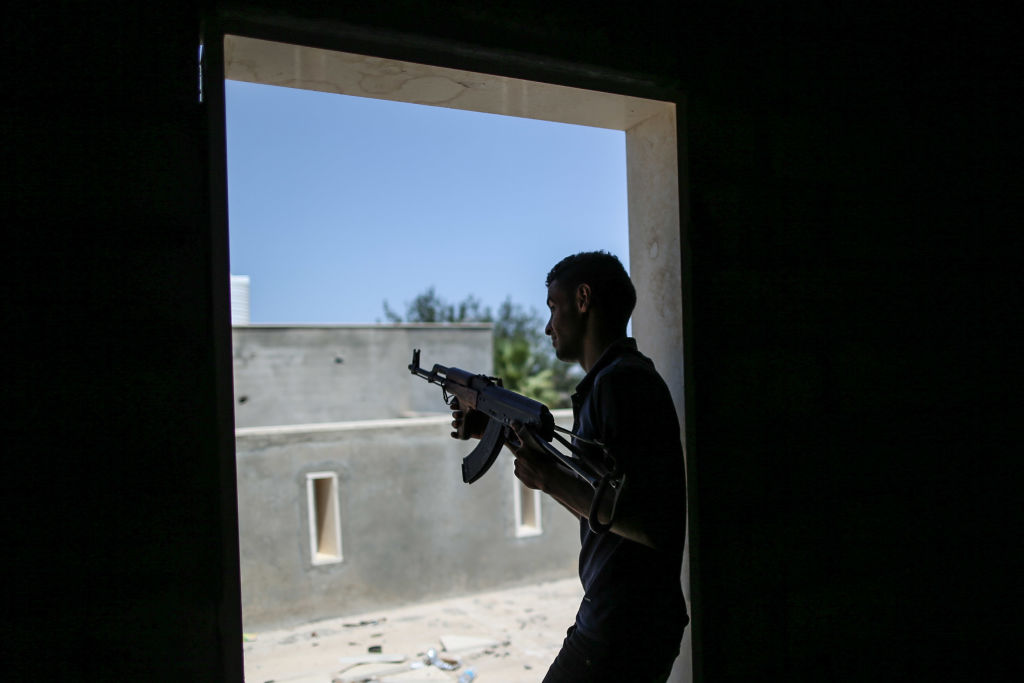
    A fighter of Libya's UN-backed Government of National Accord (GNA) of Fayez Serraj, fires his rifle during clashes with forces of the self-styled Libyan National Army (LNA) led by Libyan strongman Khalifa Haftar, at Al-Khalla frontline.
  • Commentary
  • Libya’s descent into civil war

    The question as 2019 ends is whether foreign forces supporting the conflict will rethink their commitment to military victory and instead work to secure political solutions through compromise.

    Turkey doubles down on Libya
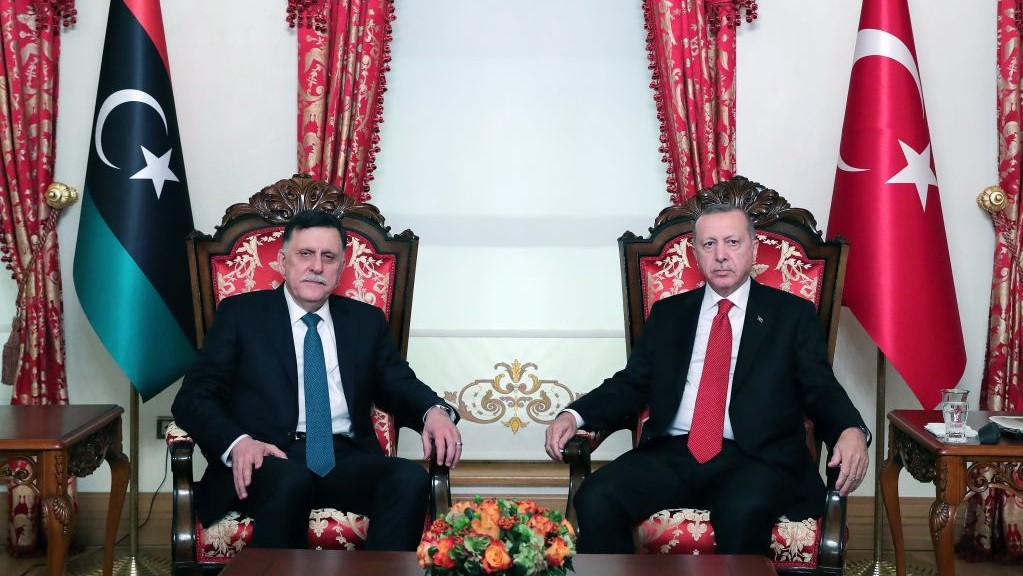
    President of Turkey, Recep Tayyip Erdogan (R) meets chairman of the Presidential Council of Libya, Fayez Al-Sarraj (L) at Dolmabahce Office in Istanbul, Turkey on November 27, 2019.
  • Analysis
  • Turkey doubles down on Libya

    On Nov. 27 the GNA signed an MoU with Turkey seeking to create a shared maritime boundary in the Mediterranean Sea between southwestern Turkey and northeastern Libya. In an overt quid pro quo, this maritime agreement was signed along with a separate MoU to expand security and military cooperation. Thus, it seems clear that Turkey was only able to persuade the GNA to agree to the maritime deal in exchange for increased security support for the GNA-aligned forces fighting the self-styled LNA in Tripoli.

    December 10, 2019

    Resilience amid turmoil: Russia and Sudan maintain strong ties despite political upheaval
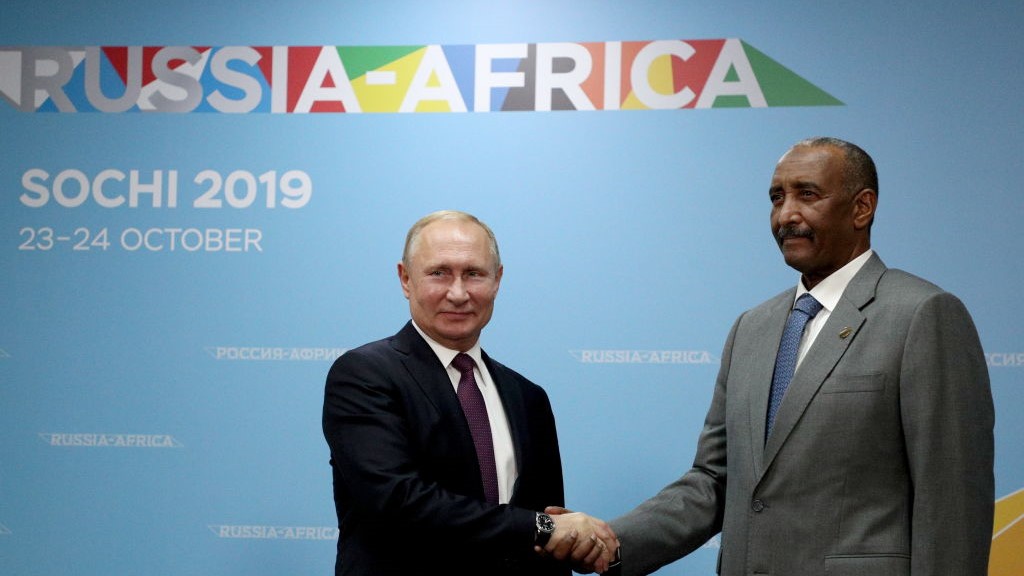
    Russias President Vladimir Putin and the Chairman of the Sovereignty Council of Sudan, Abdel Fattah al-Burhan shake hands during a meeting on sidelines of the 2019 Russia-Africa Economic Forum at the Sirius Park of Science and Art.
  • Analysis
  • Resilience amid turmoil: Russia and Sudan maintain strong ties despite political upheaval

    On Oct. 23, Russian President Vladimir Putin met with Chairman of Sudan’s Sovereign Council Abdel Fattah al-Burhan in Sochi. After their meeting, Putin praised Sudan’s reliability as a Russian ally and said that the formation of the council was a critical step toward a path of “sustainable development” in Sudan. The cordial meeting between Putin and Burhan came less than one month after Russian Foreign Minister Sergey Lavrov met with Prime Minister Abdalla Hamdok on the sidelines of the UN General Assembly and underscored the resilience of the Russia-Sudan bilateral relationship.

    November 26, 2019

    Seized Russian-printed dinars highlight an opportunity to reform Libya’s civil war economy
     Libyans gather during the funeral of fighters loyal to the Government of National Accord (GNA) in the capital Tripoli, on April 24, 2019, after they were reportedly killed during clashes with forces loyal to strongman Khalifa Haftar in al-Hira region, about 70 kilometres south of Tripoli.
  • Analysis
  • Seized Russian-printed dinars highlight an opportunity to reform Libya’s civil war economy

    The Nov. 1 seizure by Malta of two 2000-cubic-foot containers full of Libyan currency printed by the Russian state printer, Goznak, that was intended for delivery to Libya’s non-internationally recognized eastern government, highlights the continuing importance of the economic aspects of Libya’s ongoing civil war.

    The UN deliberately (albeit mistakenly) accorded sovereignty to post-Gadhafi Libya’s economic institutions
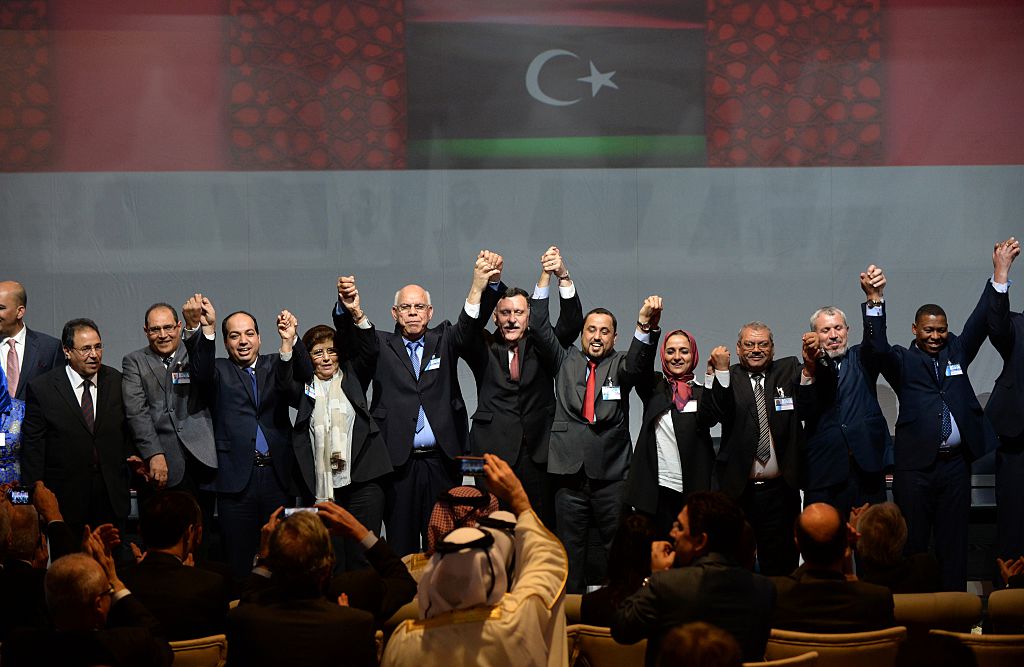
    Libya's General National Congress (GNC) deputy president Saleh al-Makhzoum (C-R), the new national government head, Prime Minister, Fayez al-Sarraj (C) and the head of the Tobruk-based House of Representatives Mohammed Ali Shoeb (C-L) celebrate after signing a deal on a unity government on December 17, 2015, in the Moroccan city of Skhirat.
  • Analysis
  • The UN deliberately (albeit mistakenly) accorded sovereignty to post-Gadhafi Libya’s economic institutions

    The crux of today’s Libya problem in international foreign policy lies in an underappreciated UN misstep in the most important international treaty concerning Libya, the 2015 Skhirat Agreement, and the decision to vest sovereignty in the heads of independent and semi-independent sub-state institutions like the Central Bank of Libya. The negative implications of this decision must now be addressed and it is time to move onto something new, after Skhirat.
    September 26, 2019

    How Libya’s economic structures enrich the militias
    Members of the Tripoli Protection Force, an alliance of militias from the capital city, patrol an area south of the Libyan capital on January 18, 2019, during clashes with the Seventh Brigade group from the town of Tarhuna.
  • Analysis
  • How Libya’s economic structures enrich the militias

    Largely overlooked in international policymaking toward Libya’s current conflict is the role of corruption as a key driver of violence, as opposed to merely its byproduct. The high-level debate on Libya at the UN General Assembly (UNGA) in late September and the proposed follow-on international conference to be hosted by Germany in October or November are the perfect opportunities to correct this oversight.

    September 23, 2019

    Does a brighter chapter await Sudan?
    Sudanese people chant slogans and wave national flags as they celebrate after protest leaders struck a deal with the ruling generals on a new governing body, in the capital Khartoum's eastern district of Burri on July 5, 2019, - The deal, reached in the early hours of July 5 after two days of hard-won talks brokered by Ethiopian and African Union mediators, provides for the interim governing body to have a rotating presidency, as a compromise between the positions of the generals and the protesters. The blu
  • Analysis
  • Does a brighter chapter await Sudan?

    The celebratory scenes in Khartoum last month were a marked contrast from the bloodshed in Sudan’s capital earlier this year. After eight months of unrest following the ouster of former Sudanese President Omar al-Bashir in April, Sudan’s military council and the Alliance for Freedom and Change — represented by Ahmed al-Rabie — signed a power-sharing agreement on Aug. 17. This deal offers hope that Sudan can complete a peaceful transition to civilian rule.

    September 5, 2019

    Libya’s Hifter and the false narrative of authoritarian stability
    Self-proclaimed Libyan National Army (LNA) Chief of Staff, Khalifa Haftar arrives for a conference on Libya on November 12, 2018 at Villa Igiea in Palermo. - Libya's key political players meet with global leaders in Palermo on November 12 in the latest bid by major powers to kickstart a long-stalled political process and trigger elections. (Photo by Filippo MONTEFORTE / AFP) (Photo credit should read FILIPPO MONTEFORTE/AFP/Getty Images)
  • Analysis
  • Libya’s Hifter and the false narrative of authoritarian stability

    Khalifa Hifter has managed to garner outside support by appealing to foreign states’ desire for a stable Libya, but this rogue former general and would-be authoritarian has proven a troublesome proxy. In supporting his ongoing offensive on Tripoli, foreign states are undermining their own narrative of authoritarian stability.

    September 3, 2019