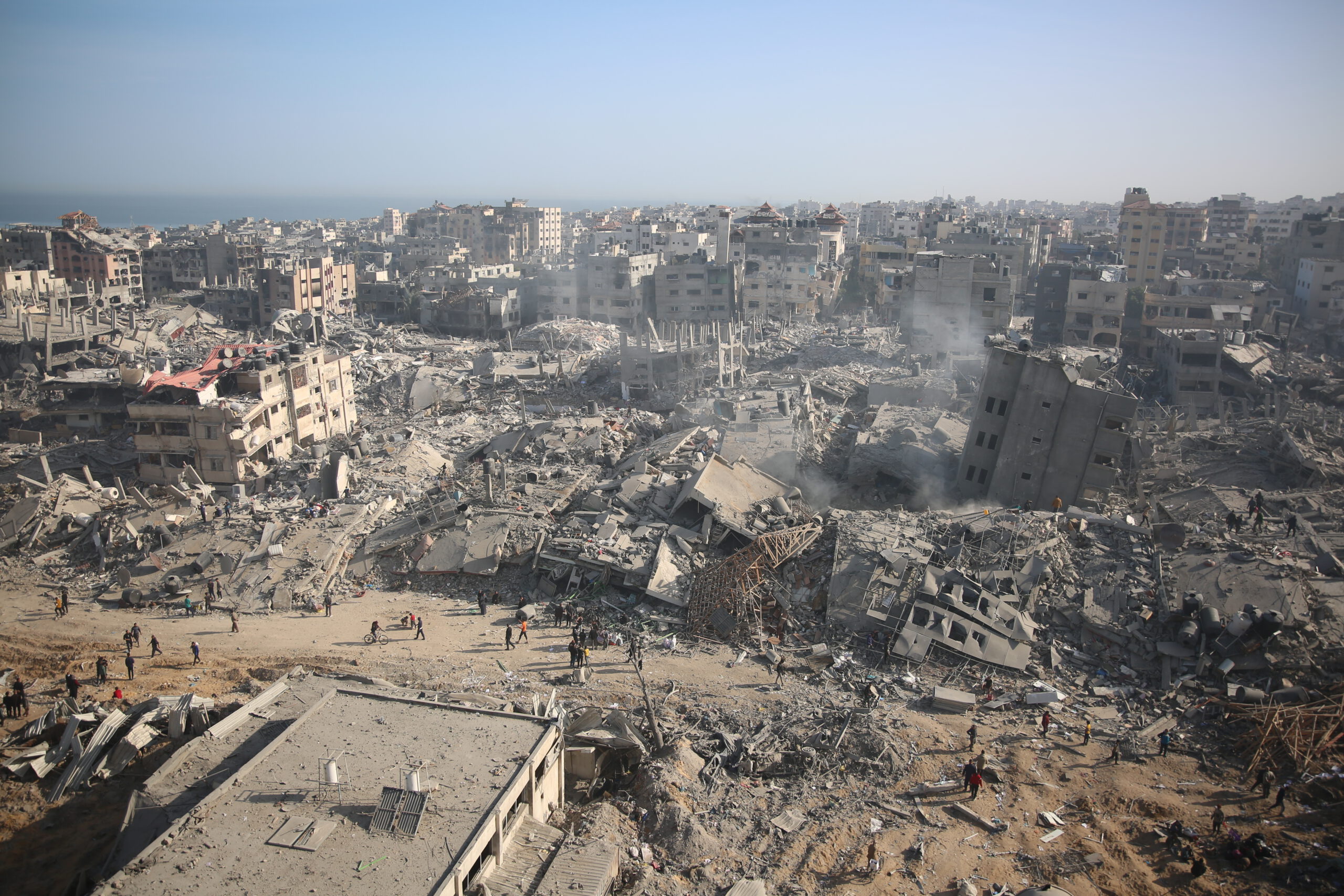
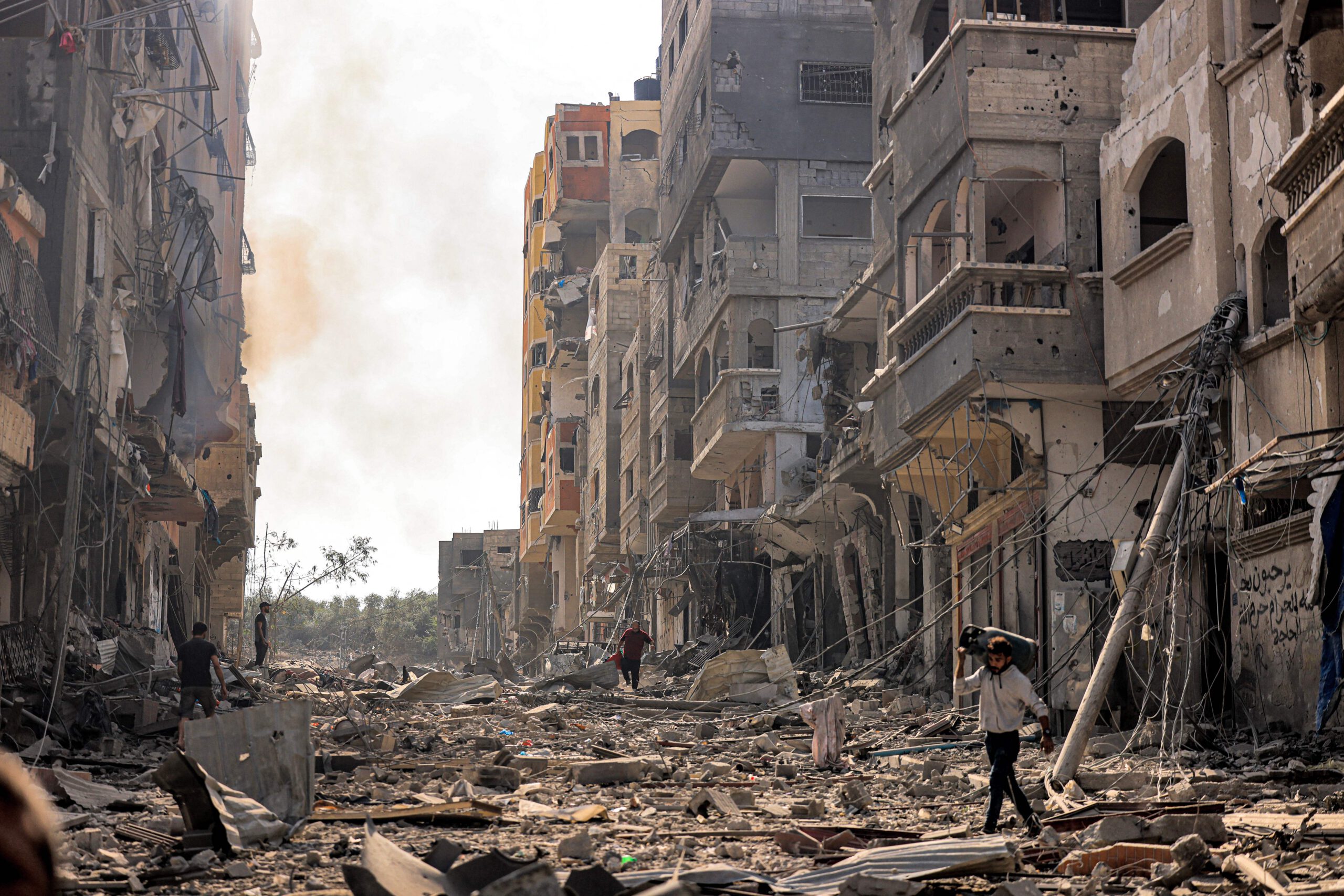
Despite a few hiccups, the cease-fire between Israel and Hamas has achieved its initial milestones. Much will depend on the upcoming negotiations regarding the next phases of the agreement. Yet for now, the fundamental questions of who will govern Gaza, who will provide security, and who will deliver the funding to rebuild it have yet to be definitively resolved.
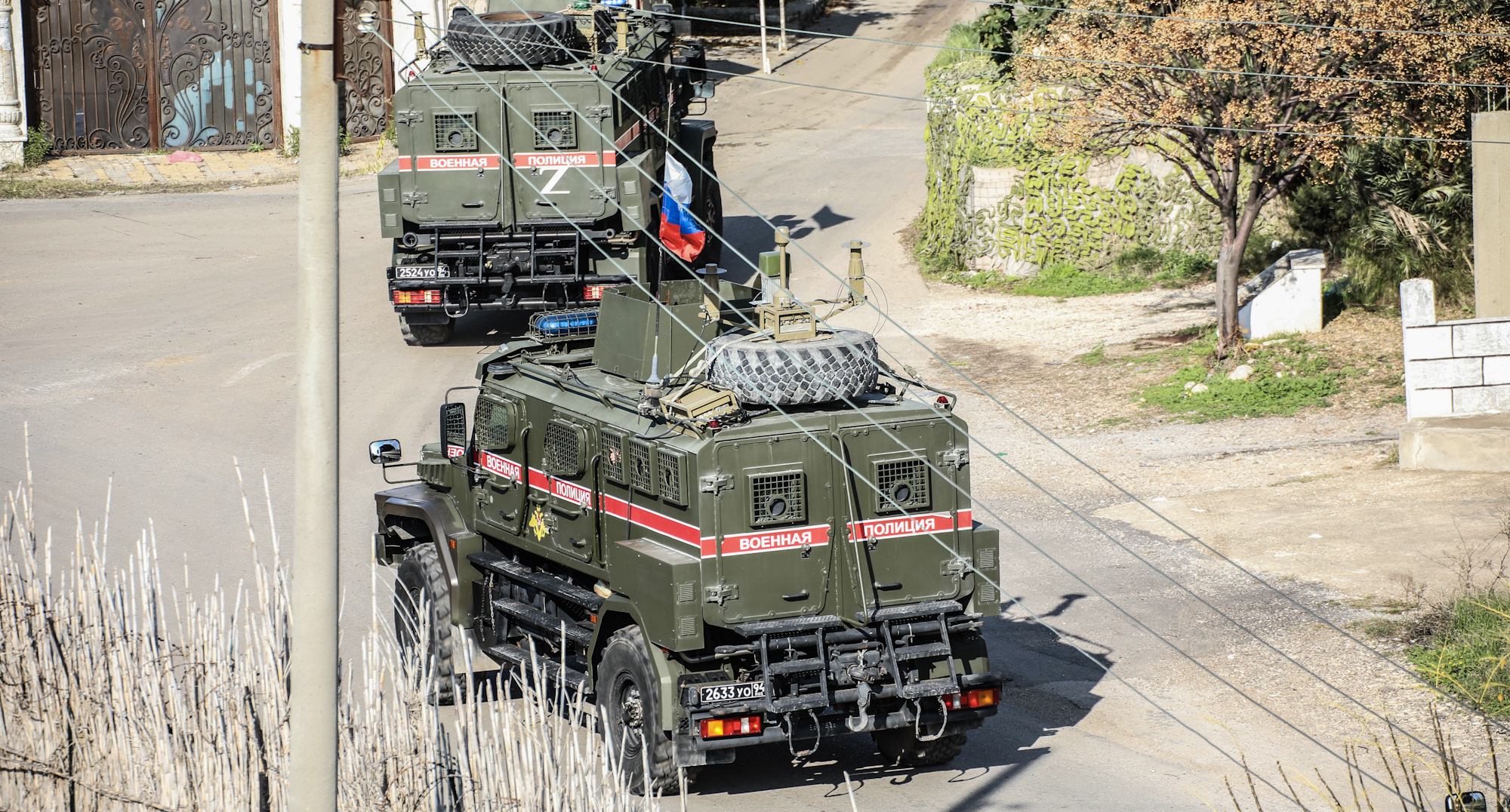
Rebalancing Russia’s Mediterranean strategy: From showing the flag to retreating to the gray zone
Either maintaining Russia’s military bases in Syria or finding an alternative outpost in the Mediterranean will prove extremely difficult for Moscow. And part of the problem with pursuing the latter option, particularly if in Libya, is that it would require a full-on transformation of Russia’s military presence model — from more traditional bases designed to establish deterrence by showing the flag in the region to building up a military and logistical operation inside a security “gray zone.”
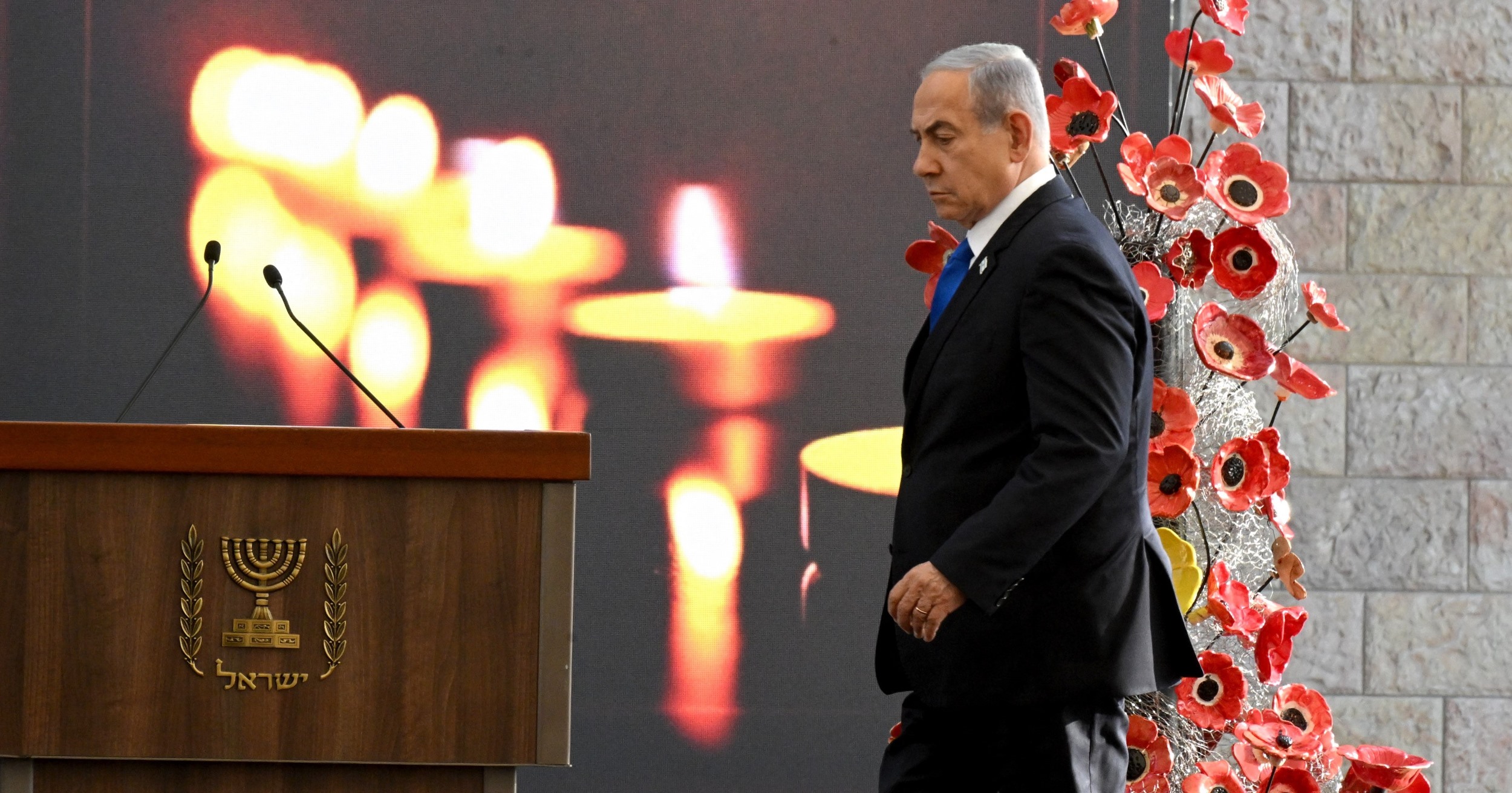
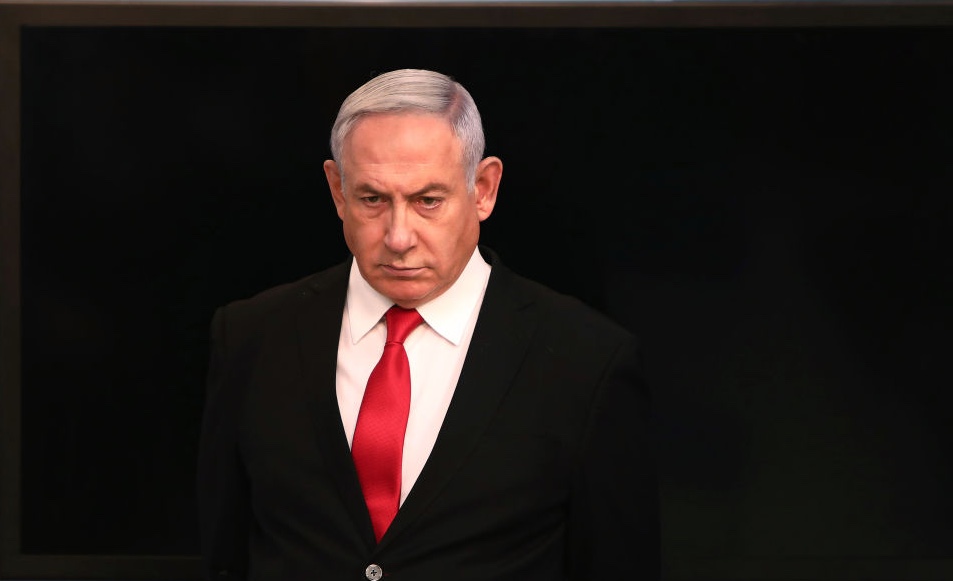
Israeli Prime Minister Benjamin Netanyahu faces a potentially disastrous showdown within the next month that could shake his hold on power, unless he manages to deter the strongly held positions of the foreign and domestic politicians and political forces on which he is dependent.
Beyond “Maximum Pressure” in US Policy on Iran: Leveraging Regional Partners to Contain Iran's Actions and Shape its Future Choices
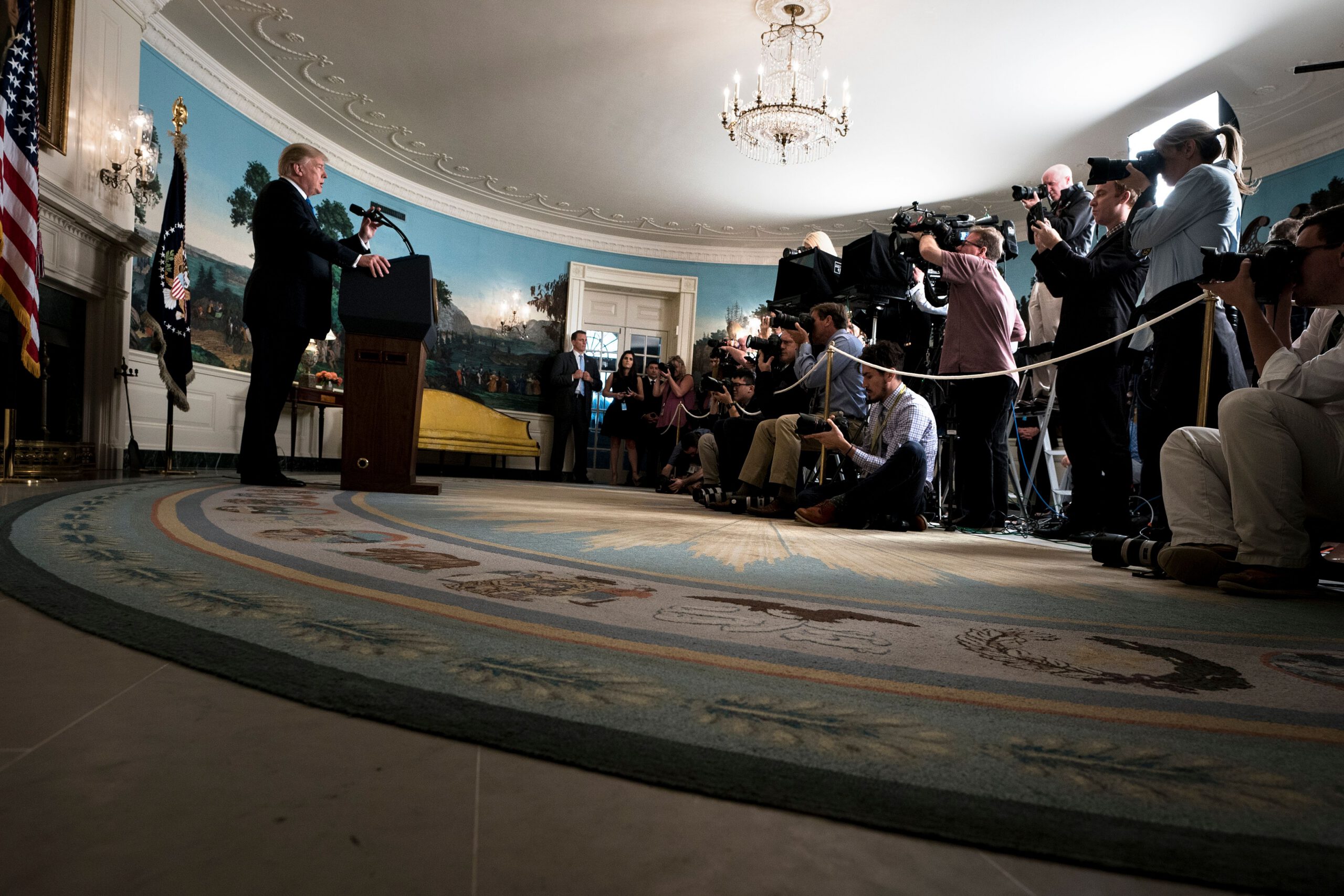
In his second term in office, President Donald Trump faces a Middle East undergoing multifaceted upheaval and an Islamic Republic of Iran currently in its weakest and most isolated position since the founding of the regime in 1979. Yet far from permanently subdued, Tehran continues to move closer to building a nuclear weapon, and it is trying to preserve its regional network of proxies and non-state allies. Trump now faces an important strategic choice on Iran policy. This report analyzes three overarching dynamics: the shifting strategic landscape across the Middle East in 2023-24; the impact of these shifts on Iran and its Axis of Resistance network; and Iran’s current position and standing at home and in the region. It concludes with a series of strategic-level recommendations for the new administration.
The election of President Joseph Aoun and Prime Minister Nawaf Salam is a political breakthrough in Lebanon and a harbinger of what could happen in a country long dismissed as unsalvageable. Beirut’s new leadership reflects the aspiration of a majority of the Lebanese people to live in a functioning state free from the dual drivers of its failure: political violence and pervasive corruption. Those leaders must now deliver on their commitment to establish a state committed and accountable to its people and rise to meet the responsibility that comes with holding the promise of a nation’s future.
Normalizing regular contacts and building relationships with the Taliban leadership can offer a more effective way to hold the Islamic Emirate to account for its actions. It also gives greater promise of realizing American hopes for an Afghanistan inhospitable to global terrorists and more respectful of the human rights of its citizens.
Gaza cease-fire: A first step on a very long road ahead
The cease-fire deal between Israel and Hamas announced on Jan. 15 took more than a year to reach and almost certainly will take much longer to fully realize than the four-plus months outlined in the framework. Like many things in life, this agreement was hard to build and will be easy to tear down. Indeed, the deal has already run into issues even before it is set to take effect on Jan. 19, with a dispute within the Israeli cabinet delaying a vote on it to Jan. 17.
A different Middle East: How should Washington respond?
A very different Middle East will greet President-elect Trump this month compared to the region he experienced during his first term. However, there are opportunities to advance American interests for a more stable and less conflictual Middle East, which might not require the kind of intense US commitment we have seen over the last quarter-century.
Saudi Arabia’s diversified support for a two-state solution
More than a year has passed since the horrific attacks that took the lives of 1,200 innocent Israeli citizens on Oct. 7, 2023, a devasting day that led to many more devasting days in Gaza, where tens of thousands of innocent people have died and countless more have experienced suffering on an industrial scale. All hopes that the war might soon wind down are fading, as the conflict has expanded regionally and internationally and attention has been diverted to a hot cease-fire in Lebanon and the dramatic events unfolding in Syria. Saudi Arabia can help support a credible path to peace.
Preserving evidence and securing justice for Assad’s crimes
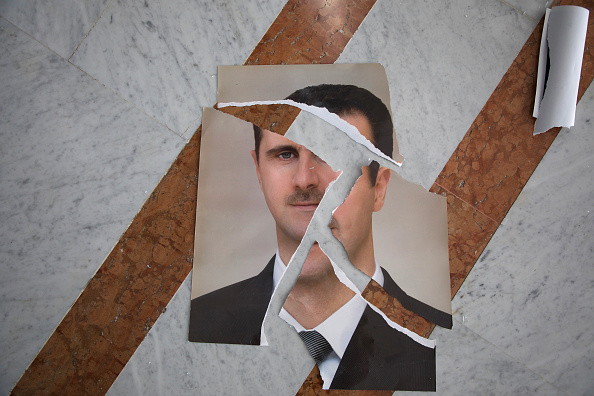
Under former President Bashar al-Assad’s regime, the Syrian security sector kept meticulous records of their crimes. The international community must now step up to help Syria’s new authorities secure and protect the documents, provide information to the loved ones of those who suffered in Assad’s prisons, and pursue justice.
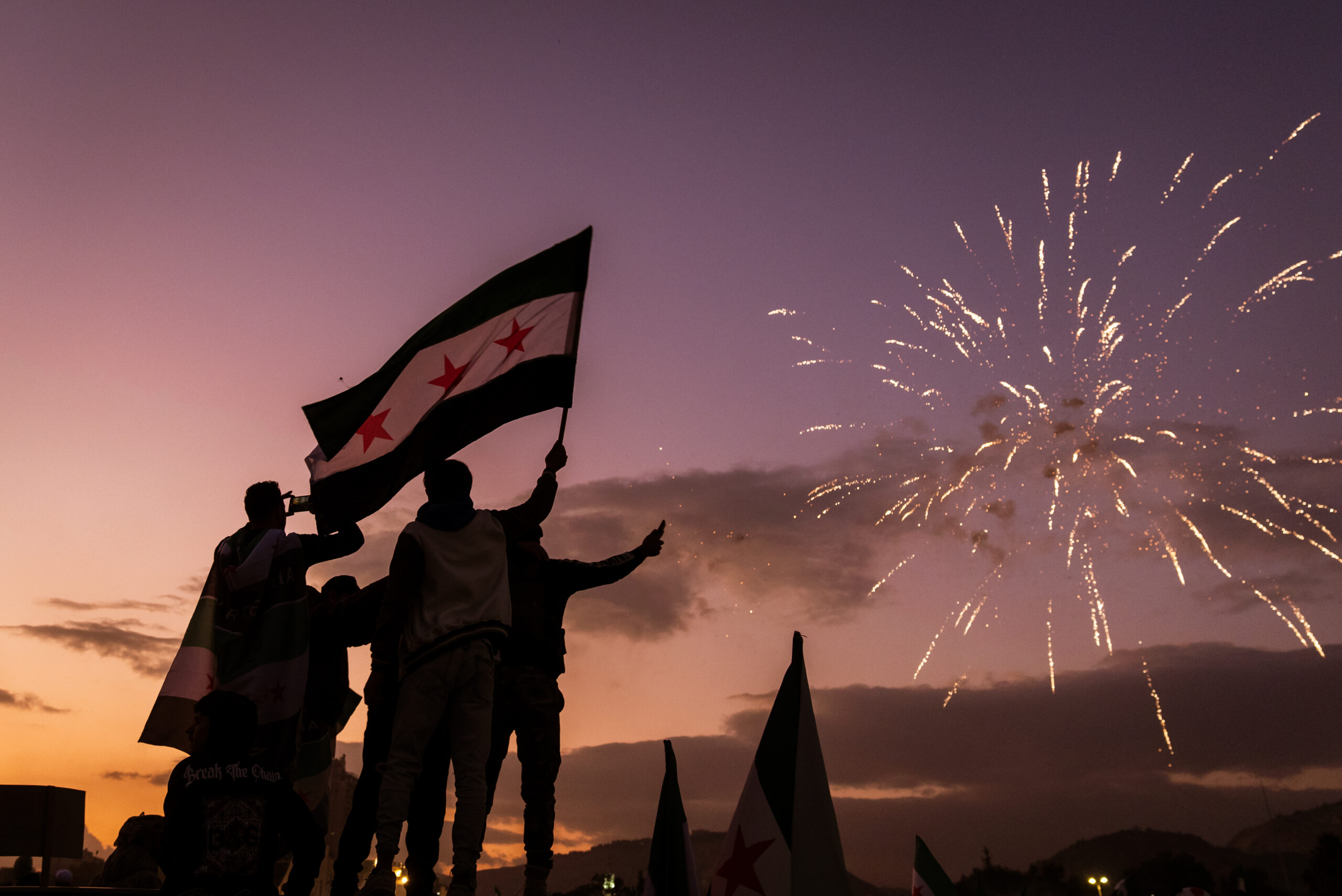
On Dec. 8, 2024, Bashar al-Assad’s regime fell. This is a fact, but it woefully understates the enormity, speed, and consequences of what has transpired. The brutal dictatorship that ruled Syria for more than 50 years disintegrated in fewer than 10 days. Celebrations erupted across public squares, thousands of Syrian refugees lined up at the borders of Turkey, Jordan, and Lebanon eager to return, and the release of political prisoners fueled hope for a new era after decades of despotism and conflict. However, concerns about Syria’s political future and territorial integrity quickly surfaced.
The current Israeli government’s extremism encompasses two entwined trends in Israeli political culture. The first is the rise and mainstreaming of the ideological settler movement and far-right nationalism. The second is Israel’s growing authoritarian tendencies, manifested in systematic efforts to reshape state institutions. As democratic institutions are weakened, the government faces fewer barriers to implementing its expansionist territorial agenda, while the mainstreaming of far-right ideology helps justify the erosion of democratic safeguards. Yet the vast majority of Israelis fail to recognize the connection between these trends, as do most policymakers in the United States.
Iran’s growing influence in the Black Sea region: Consequences and Western responses
Russia’s full-scale war against Ukraine has provided several strategic opportunities for Iran to increase its foothold in the Greater Black Sea Region. A closer analysis of Iran’s deepening footprint there is necessary to inform how the next administration in Washington and the new European Commission can strengthen and better coordinate their policy responses.
In only six days, a broad coalition of advancing opposition forces coordinated by Hayat Tahrir al-Sham has captured all of Idlib province, almost all of Aleppo province, and a sizeable stretch of northern Hama — a humiliating defeat for Bashar al-Assad and illustrative of the fragility of regime rule in Syria.