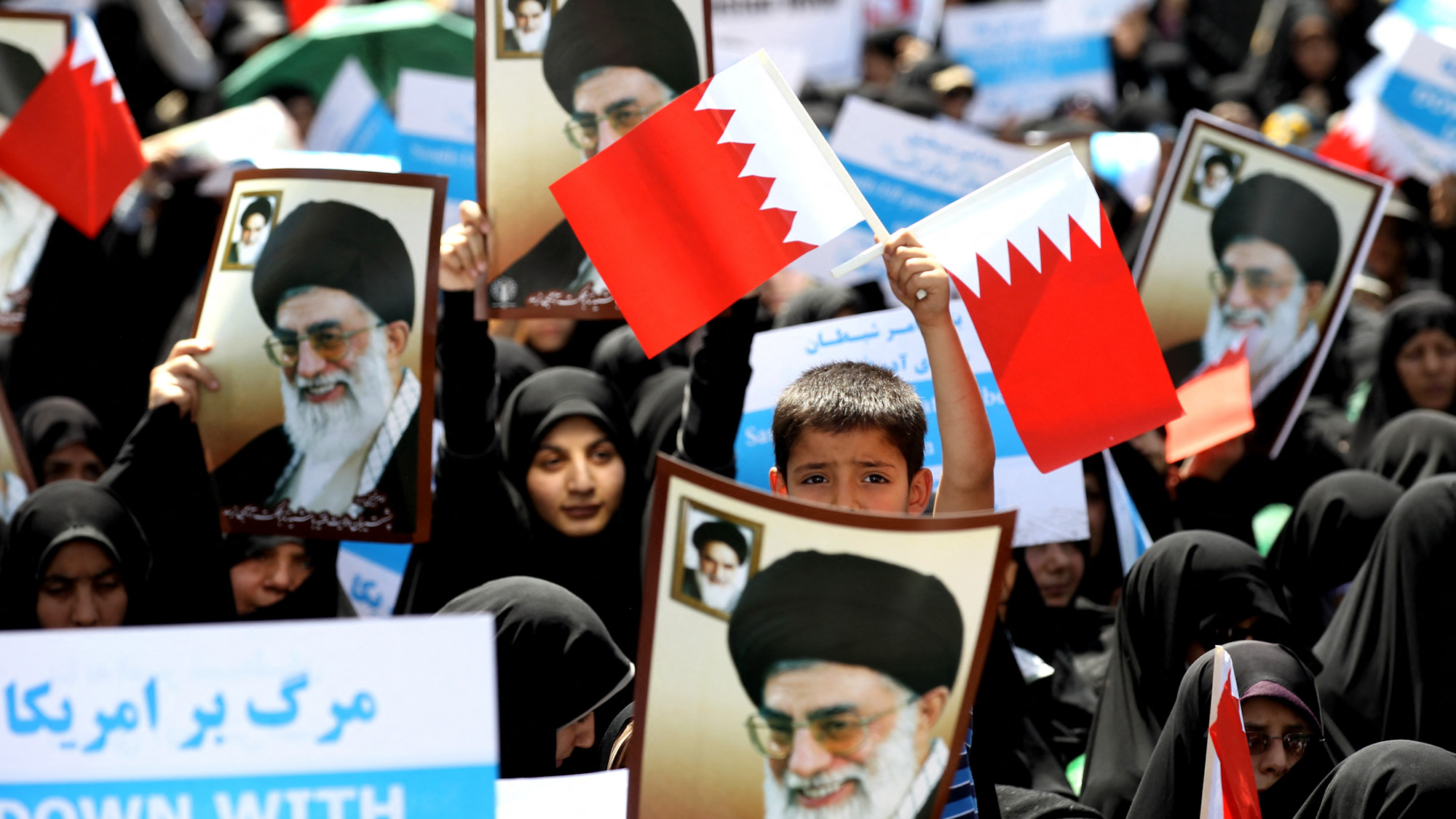
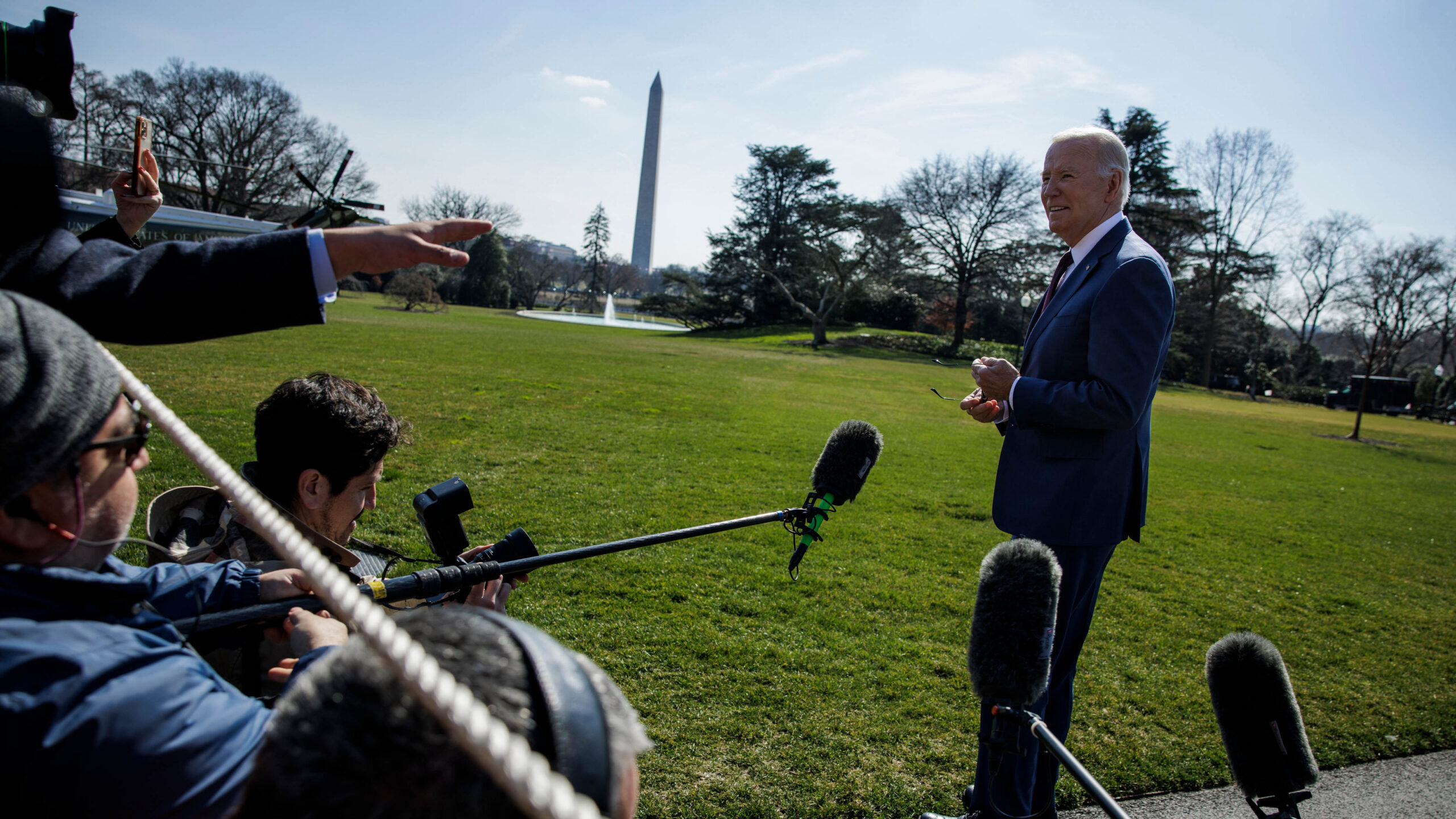
On March 12, the United States Department of the Treasury sanctioned four individuals for supporting the Iran-linked al-Ashtar Brigades in Bahrain. This US announcement might suggest that Iranian-Bahraini relations are about to take a nose-dive. But in reality, that is unlikely to happen — at least not while Iranian-Saudi détente continues.
The great financing gap: The state of climate funding in MENA
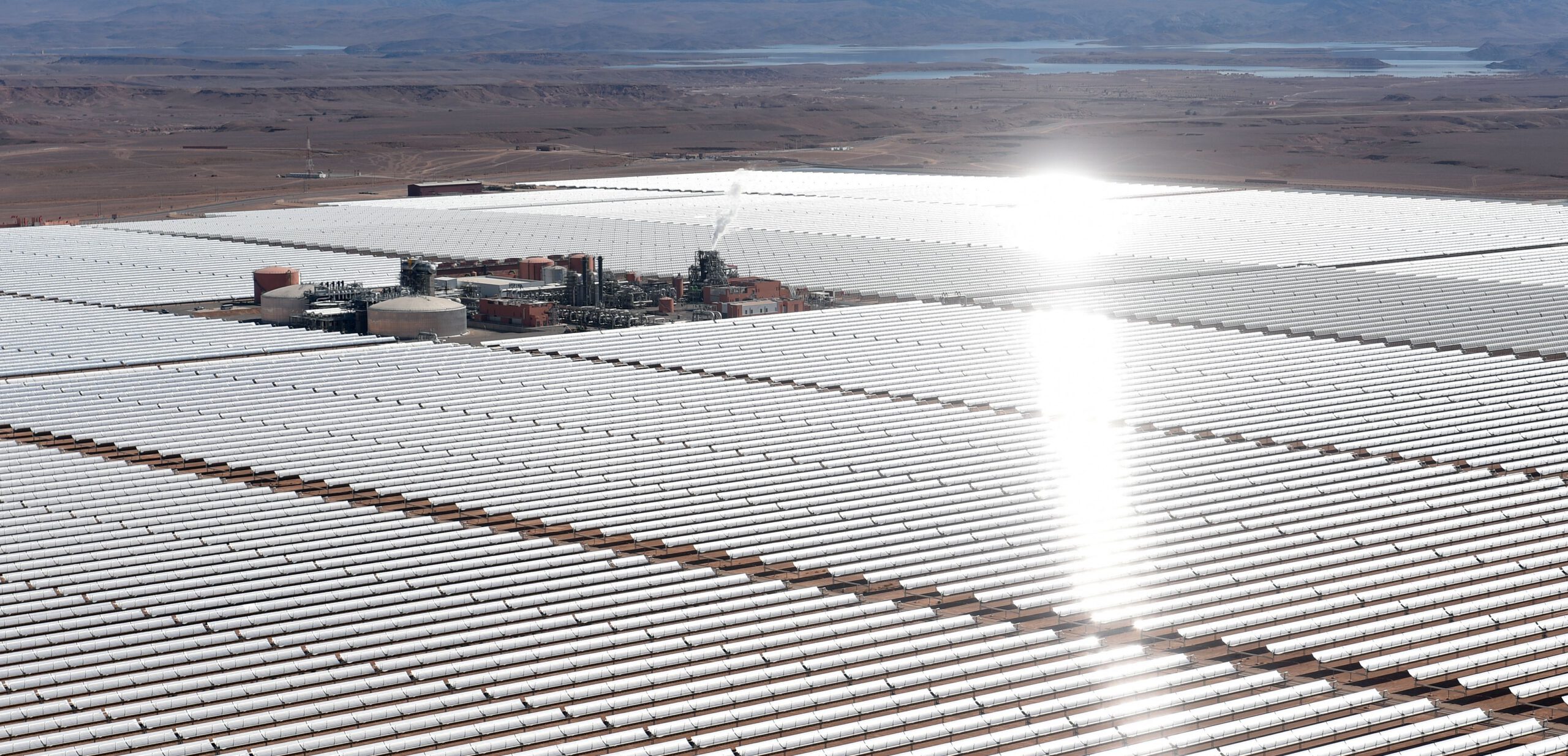
The Middle East and North Africa region is one of the lowest recipients of climate finance compared to other areas of the globe, such as East Asia and the Pacific Islands, despite MENA’s exposure to extreme climate risks. The MENA region’s share of climate financing from the big three global climate funds — the Green Climate Fund (GCF), the Climate Investment Funds (CIF), and the Global Environment Facility (GEF) — and their sub-funds made up only 6.6% of their cumulative global financing through 2023.
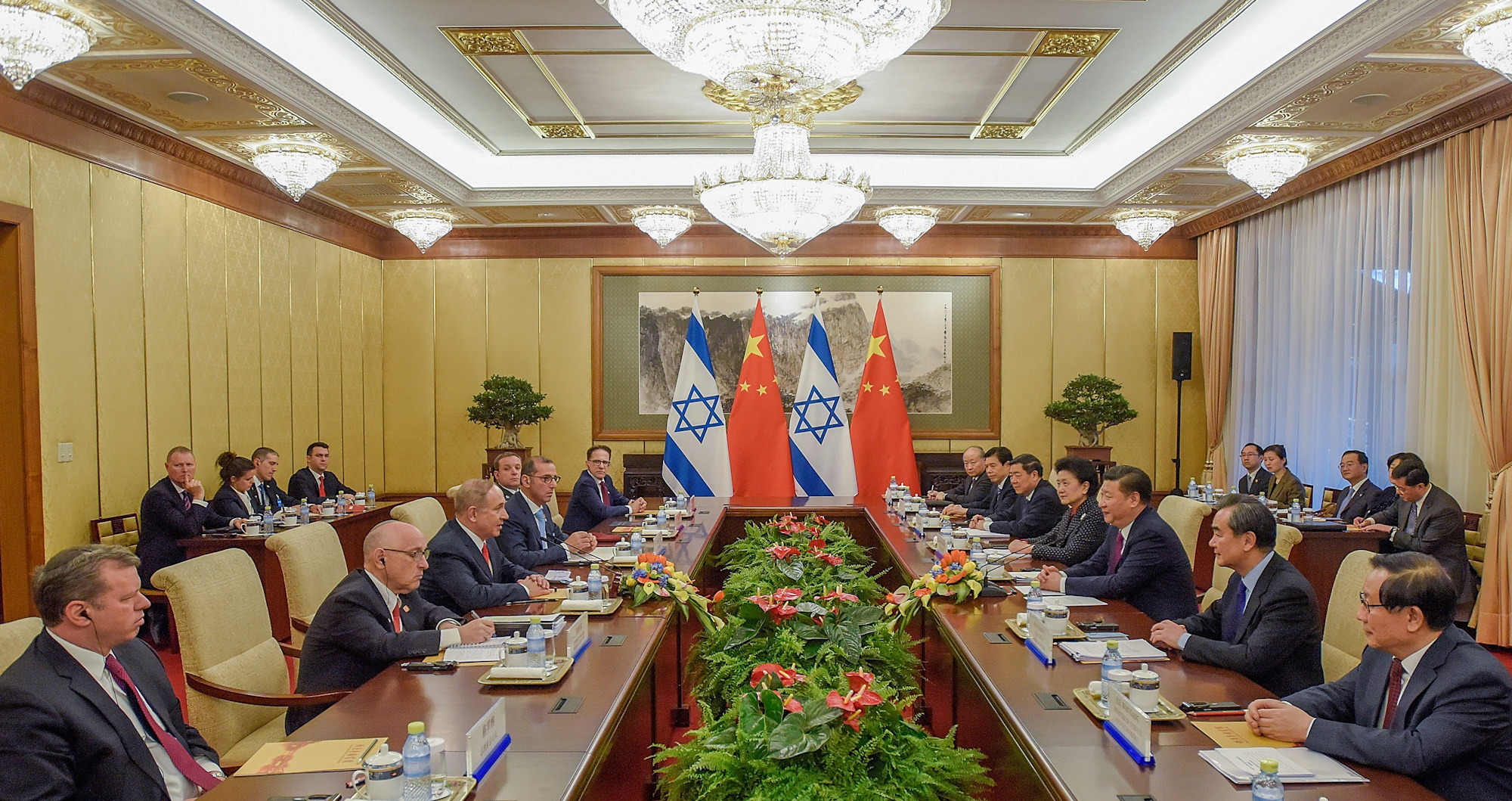
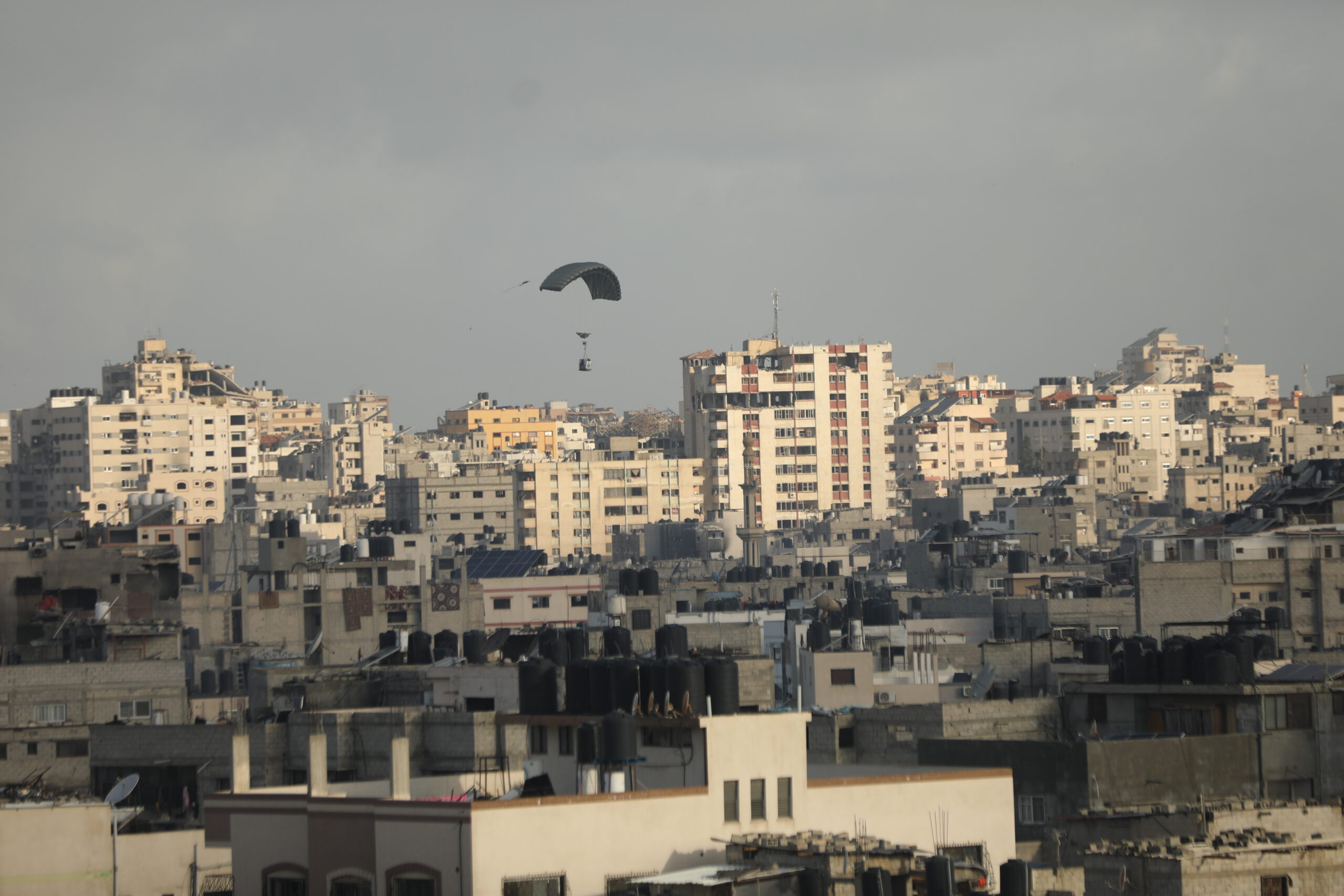
Over the past two decades, relations between Israel and China expanded significantly. Since then, however, there have been indications that the growth prospects for the bilateral relationship have diminished. China’s stance on the Oct. 7, 2023, Hamas attack and on Israel’s conduct during the ensuing war in Gaza, in particular, has further cast doubt on the future trajectory of the relationship.
A better development funding model for Lebanon: Prospects, challenges, and applicable lessons
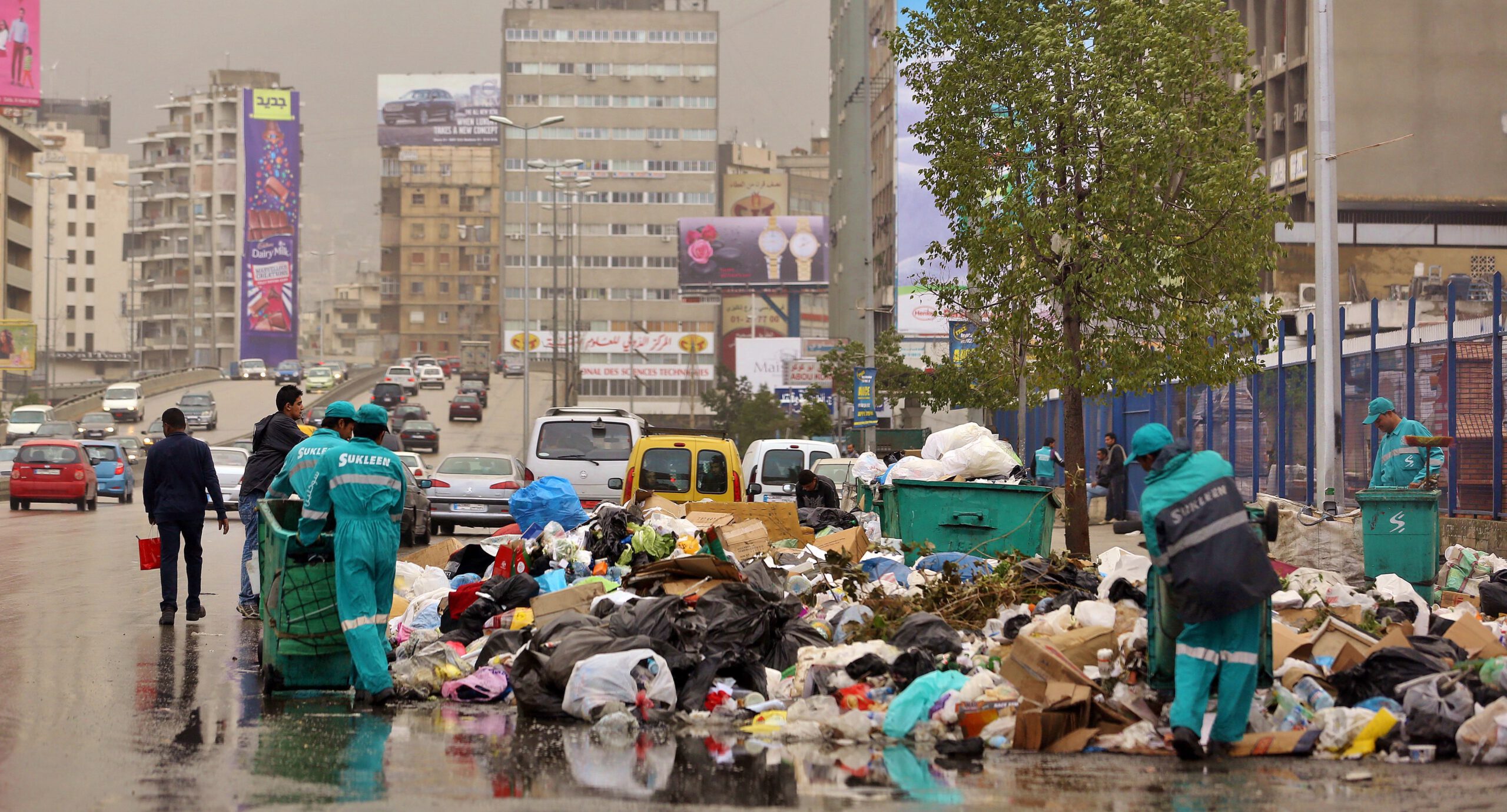
International funders have often called upon recipients to carry out reforms before any funding can be made available or the amount increased. But in many crisis-wracked countries, such as Lebanon, the prospect of reforms may be too distant, with intervention needed immediately. This is why greater emphasis must be placed on risk mitigation measures over which funders can exercise control.
Women’s rights under the Taliban: The socio-economic consequences of political exclusion
One of the first things the Taliban did after capturing power in August 2021 was to abolish the Afghan Ministry of Women’s Affairs and re-establish the Ministry for the Propagation of Virtue and the Prevention of Vice. The environment within which Afghan girls and women had found avenues of employment, education, and empowerment over the previous two decades had been lost. Many families now had to deal with acute poverty, mental health issues, and even suicides.
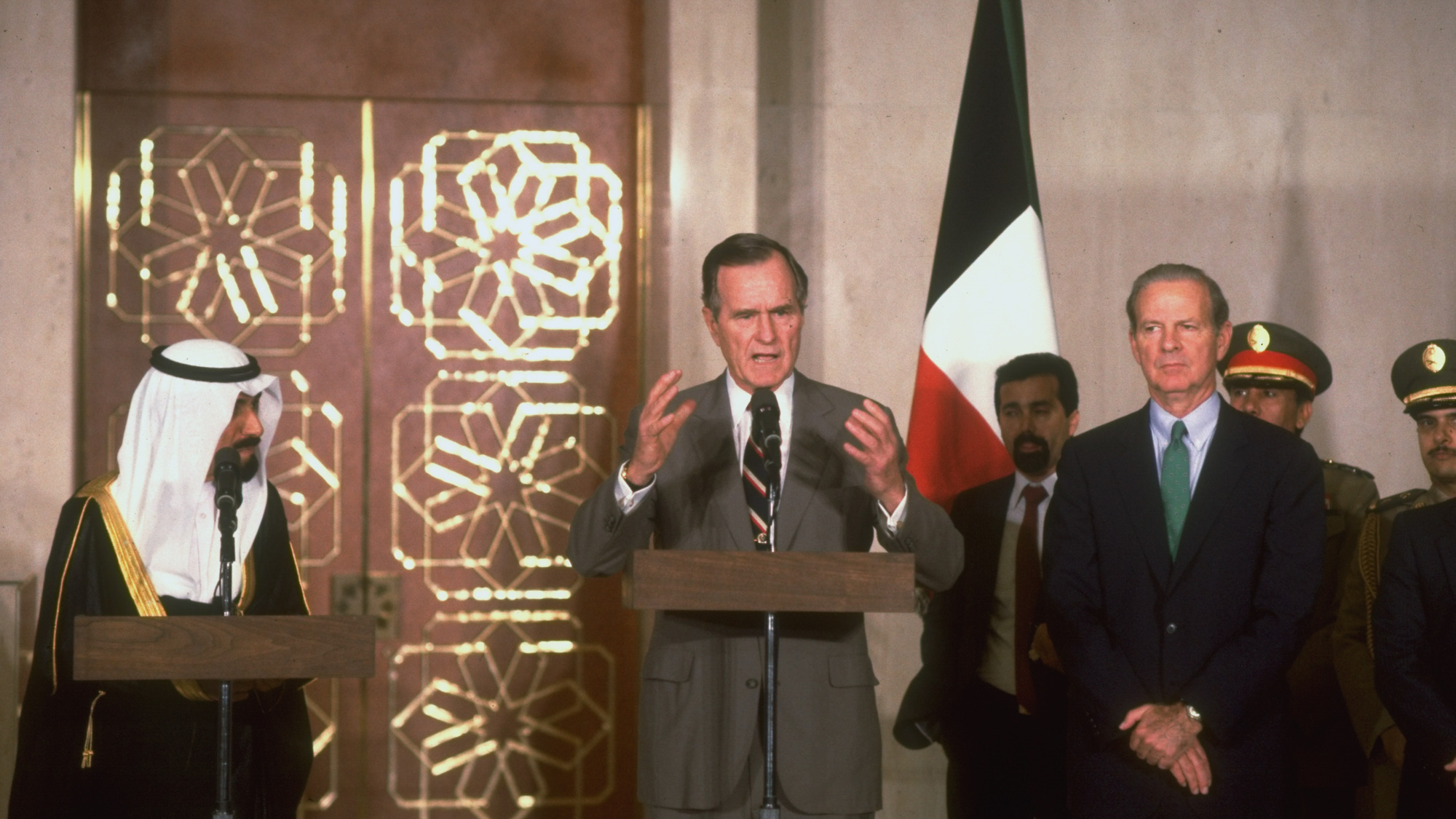
In his new book, Steve Coll casts doubt on whether Iraqi intelligence had actually tried to assassinate former President George H. W. Bush in Kuwait in April 1993. If the Kuwait plot were a fabrication, it would fit yet another brick in the wall of many well documented falsehoods and misunderstandings that led to the US invasion. Unfortunately for that allegation, the plot was very likely to have been quite real.
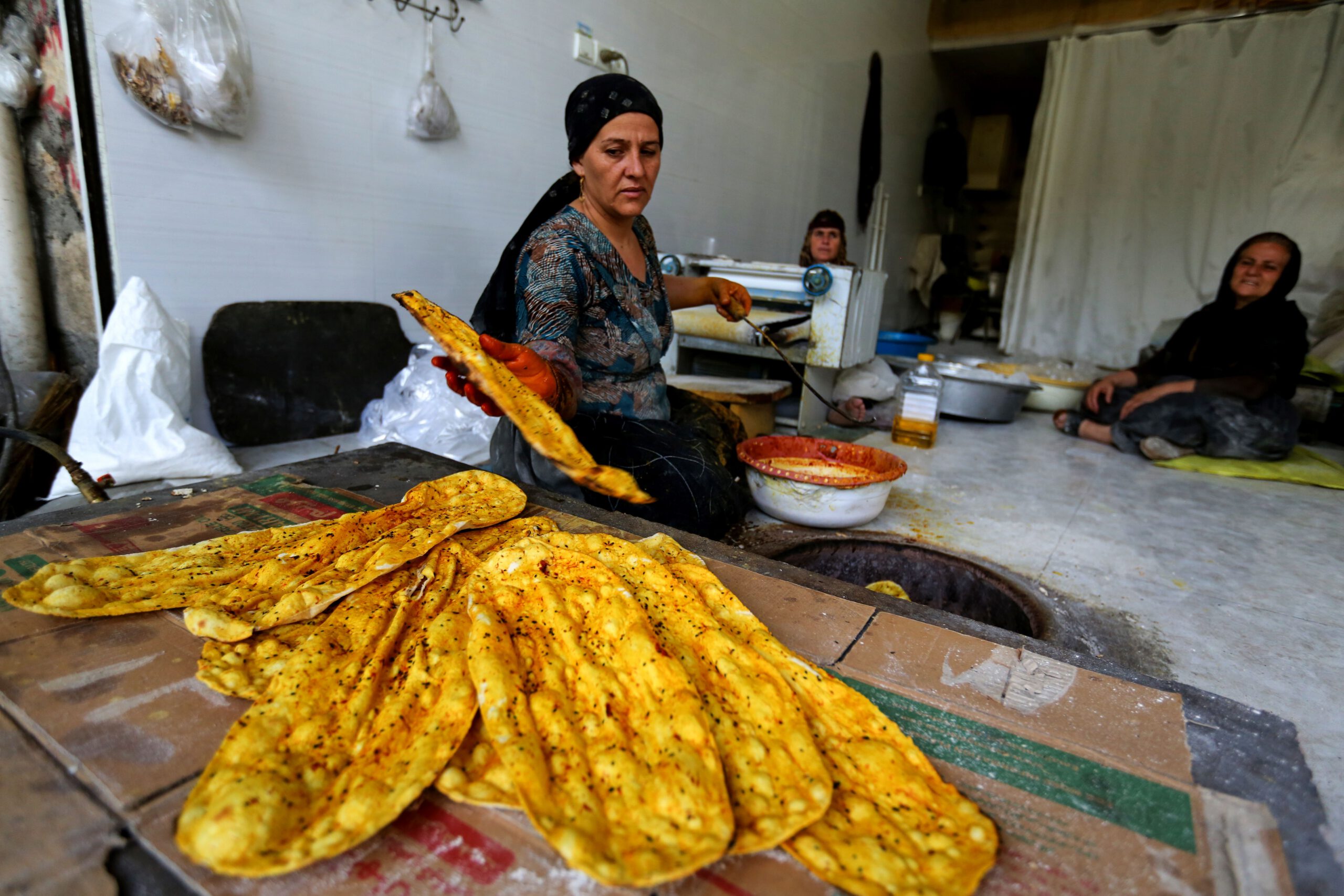
Are Iran and Turkey on a collision course over West Azerbaijan?
Over the centuries, Iran and Turkey have engaged in an ebbing and flowing, but continual, rivalry for regional influence and supremacy. Yet such potentially escalatory dynamics have not been limited to geopolitical competition by proxy; they have also spilled over into efforts to meddle in each other’s internal affairs.
“Exporting its internal problems”: Understanding Iran’s January missile salvos against its neighbors
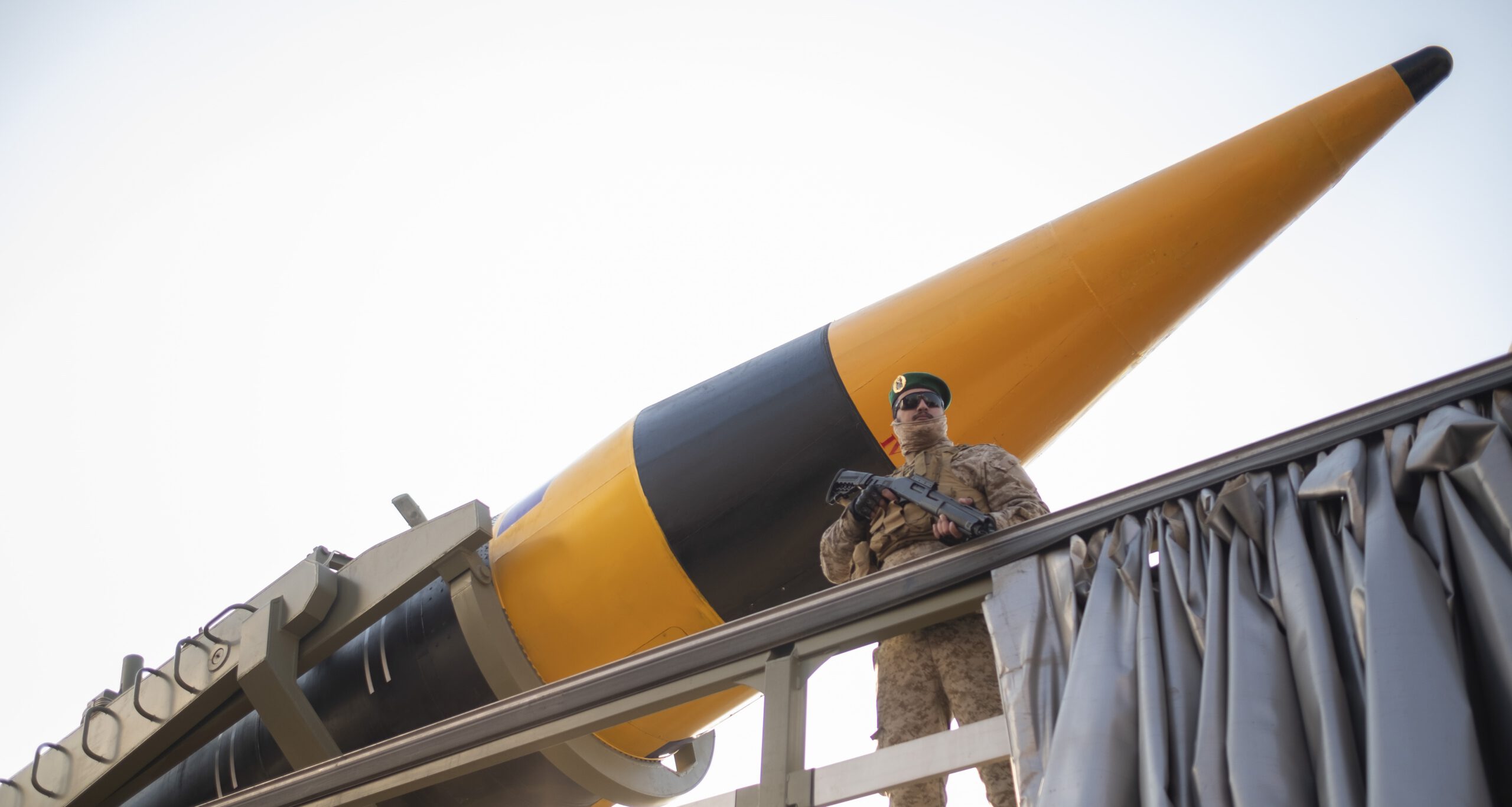
In mid-January, with the war in Gaza continuing to rage on, Iran launched a series of surprise missile attacks on its immediate neighbors Iraq, Syria, and Pakistan over two days. Taken together, these attacks illustrate that the Islamic Republic puts regime survival above national interest in its foreign policy calculations, which undermines its efforts to engender solidarity and good relations with other Muslim-majority states in the region.
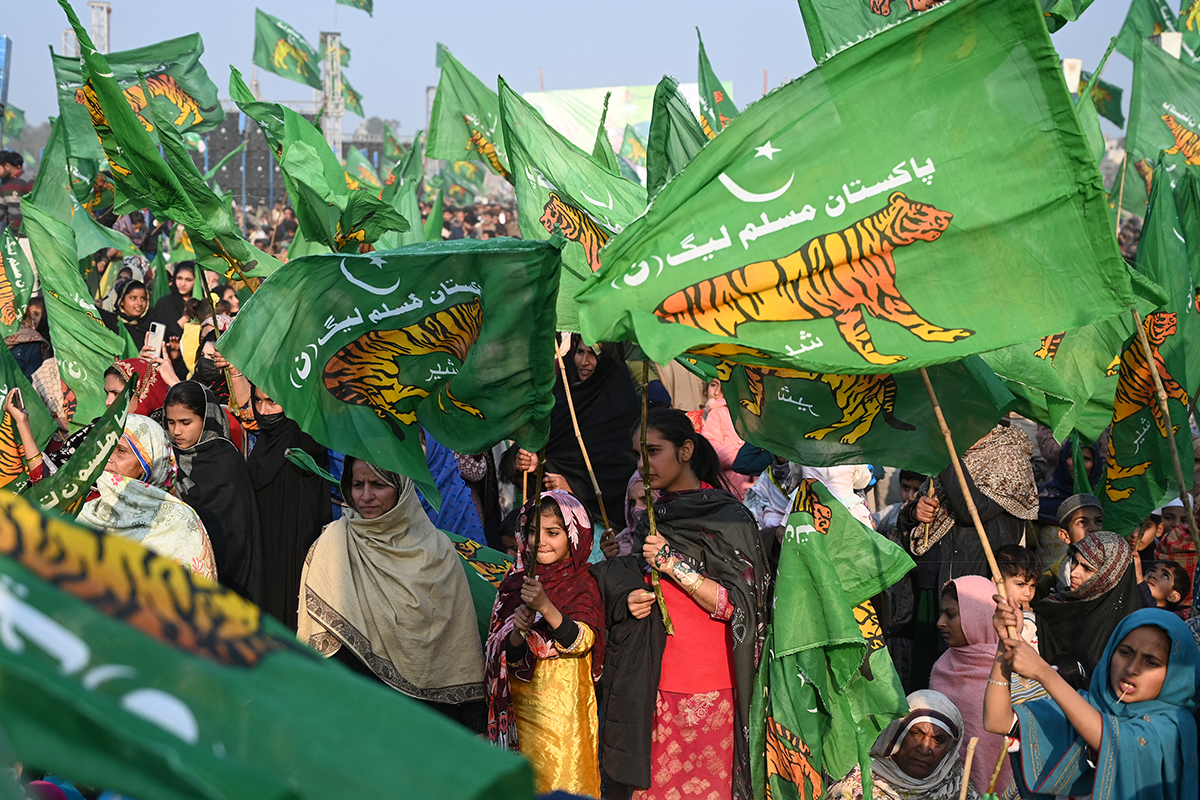
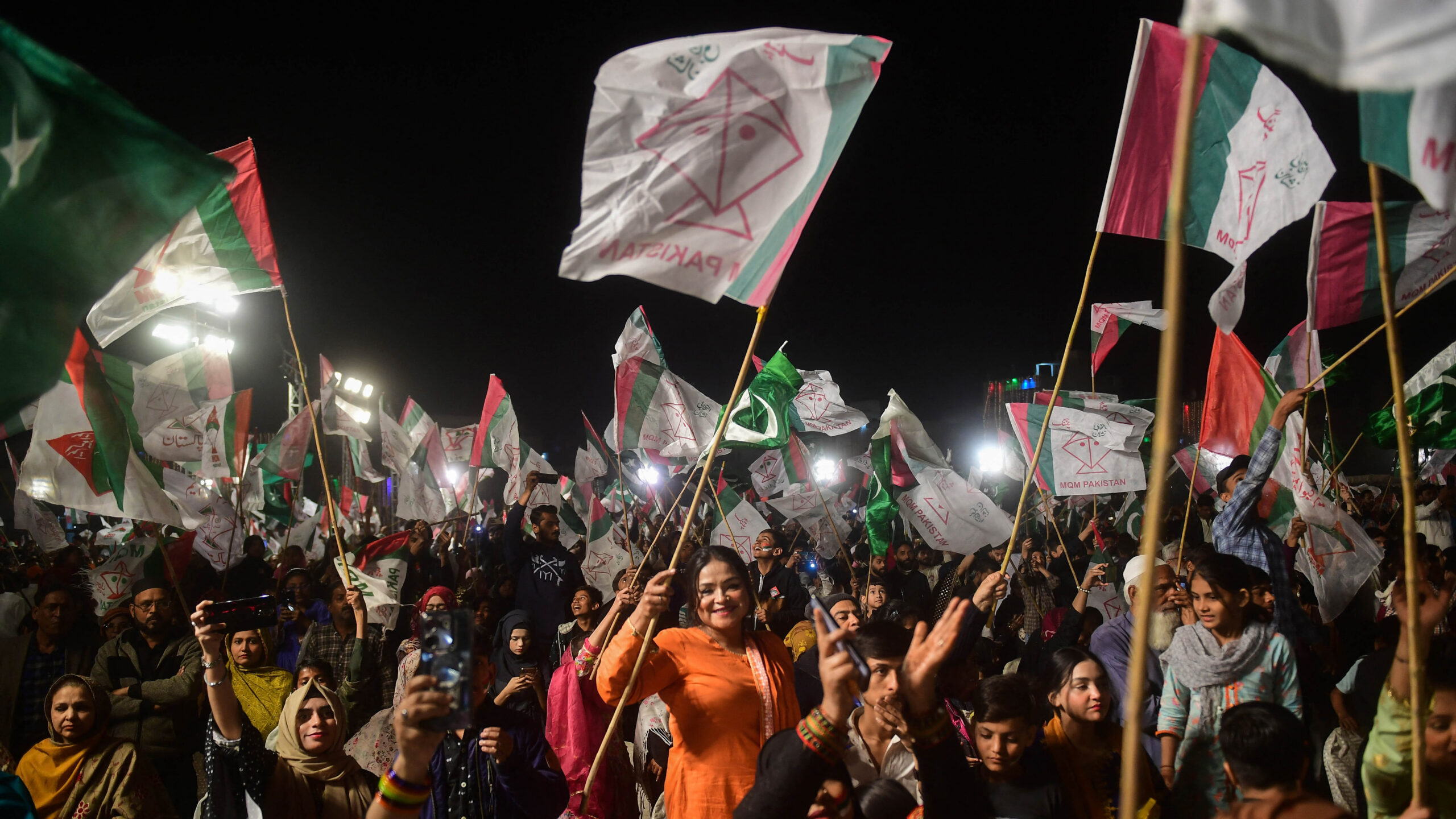
On this week’s episode Tamkinet Karim, Syed Mohammad Ali, and Alistair Taylor discuss the results of Pakistan’s Feb. 8 elections and where things might be headed moving forward. Over the past two years, Pakistan has gone through a particularly turbulent period, following the removal of Imran Khan’s government in a no-confidence vote in April 2022 — a time marked by political instability, intense polarization, a worsening economic crisis, and growing threats to internal security.
Contrary to what many political observers predicted, Pakistan’s general election on Feb. 8 delivered many surprises and ushered in an even higher level of political uncertainty than what already prevailed. And with the current formation of the new coalition government, an end to political volatility doesn’t seem to be in sight.
The Political Economy of Climate Governance in Afghanistan: An Analysis of the Context and Challenges
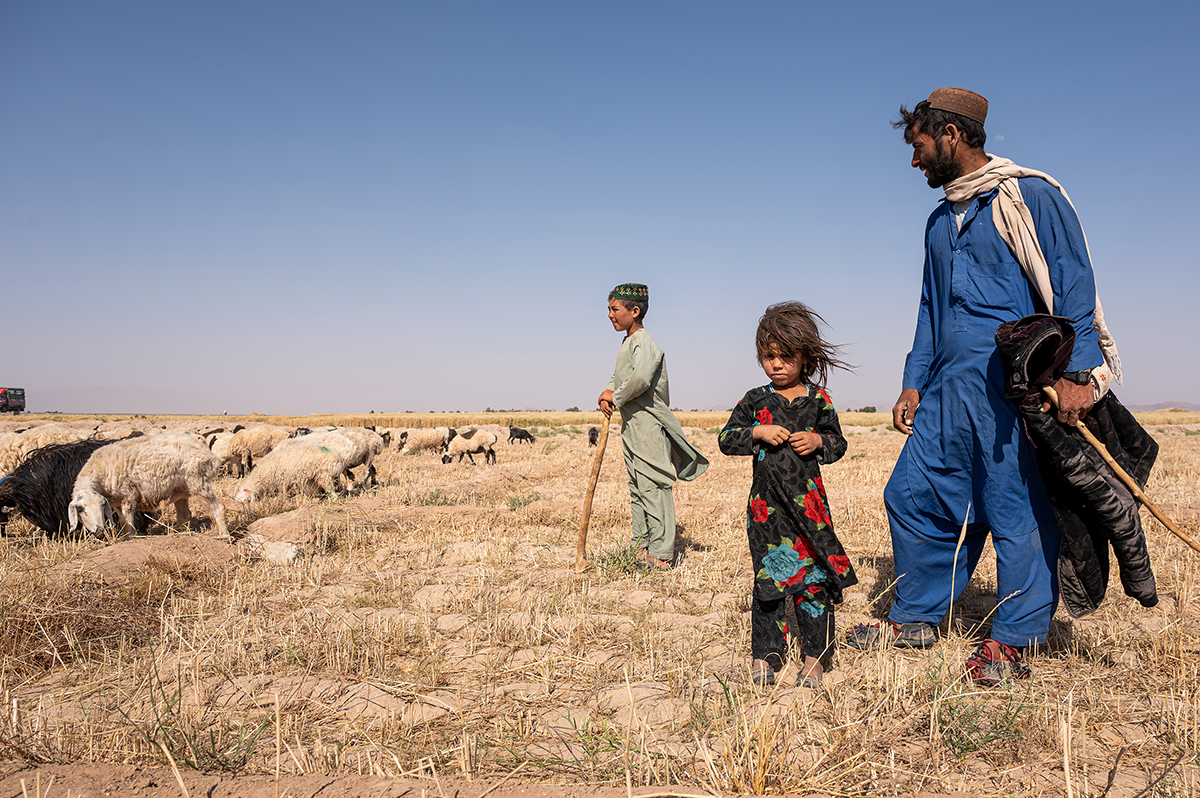
Even though it is one of the world’s lowest emitters of greenhouse gases, Afghanistan is among the 10 countries most vulnerable to climate change and severe weather conditions. Recent economic and humanitarian challenges, compounded by a political crisis of legitimacy and governance, exacerbate the situation, limiting the country’s ability to mitigate climate-induced fragility and build long-term resilience.
Expelling MK Cassif: A warning sign for Palestinian representation in the Knesset
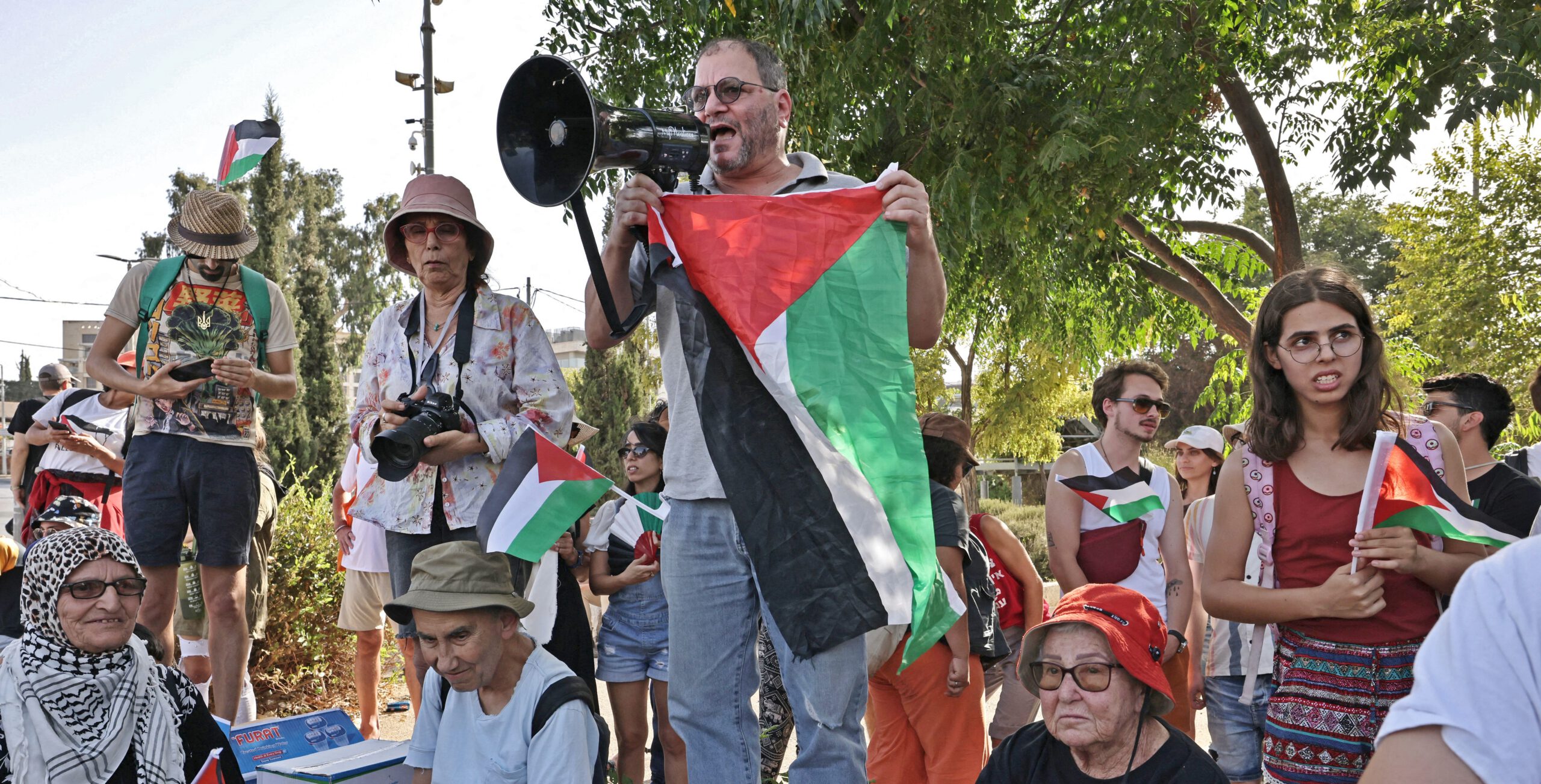
If the Knesset expels lawmaker Ofer Cassif, it will represent the national legislature’s first use of the Suspension Law and signal a sharp curtailing of legal space for non-Zionist players in Israeli politics.