Hospitable Thoughts: Saudi artist Abdulnasser Gharem’s New York show explores control and authority
When acclaimed Saudi artist Abdulnasser Gharem opened his first solo show in New York City last week, it closed the circle on a story that began more than two decades ago on Sept. 11, 2001, and the wars and chaos that followed. The 49-year-old Gharem, a seminal figure in and pioneer of Saudi Arabia’s contemporary art scene, hopes his exhibition Hospitable Thoughts, at the Marc Straus Gallery through Oct. 16, will spark a “new cultural dialogue.”
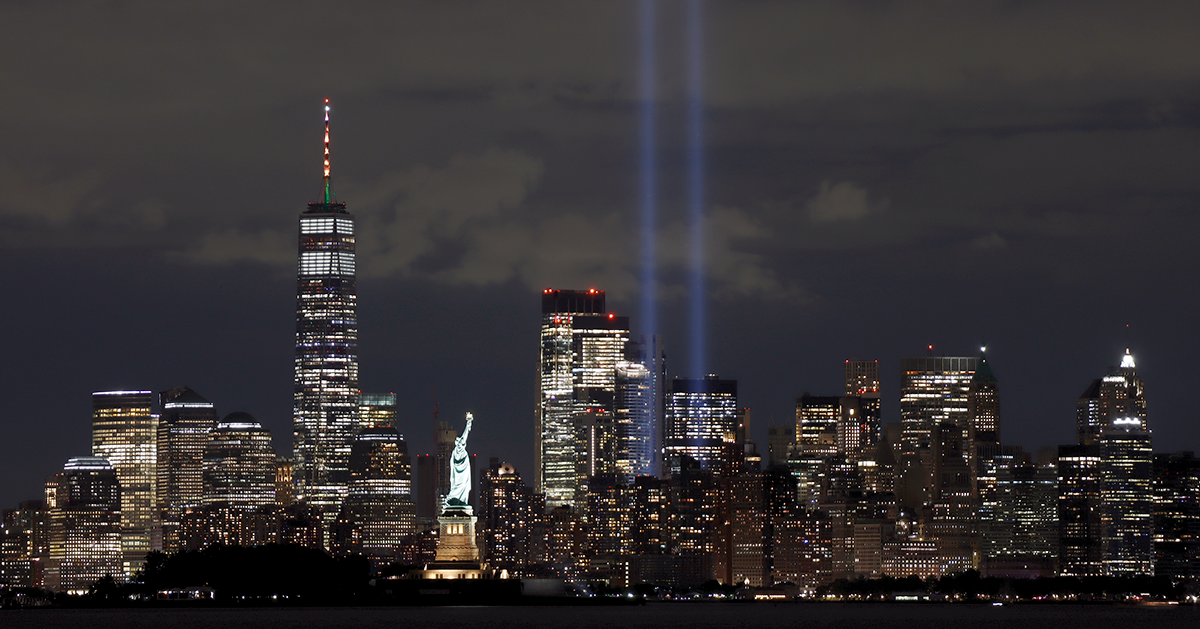
More than two decades on from 9/11, the threat posed by jihadist terrorism is greater than ever
As the world prepares to mark the 21-year anniversary of the Sept. 11 attacks, public perceptions and policy attention on the threat posed by terrorism are arguably at an all-time low. However, it would be a mistake to assume that the challenges and threats posed by terrorism are over. In fact, terrorist groups have grown in number, geographic scope, and technical and military sophistication over the past two decades.
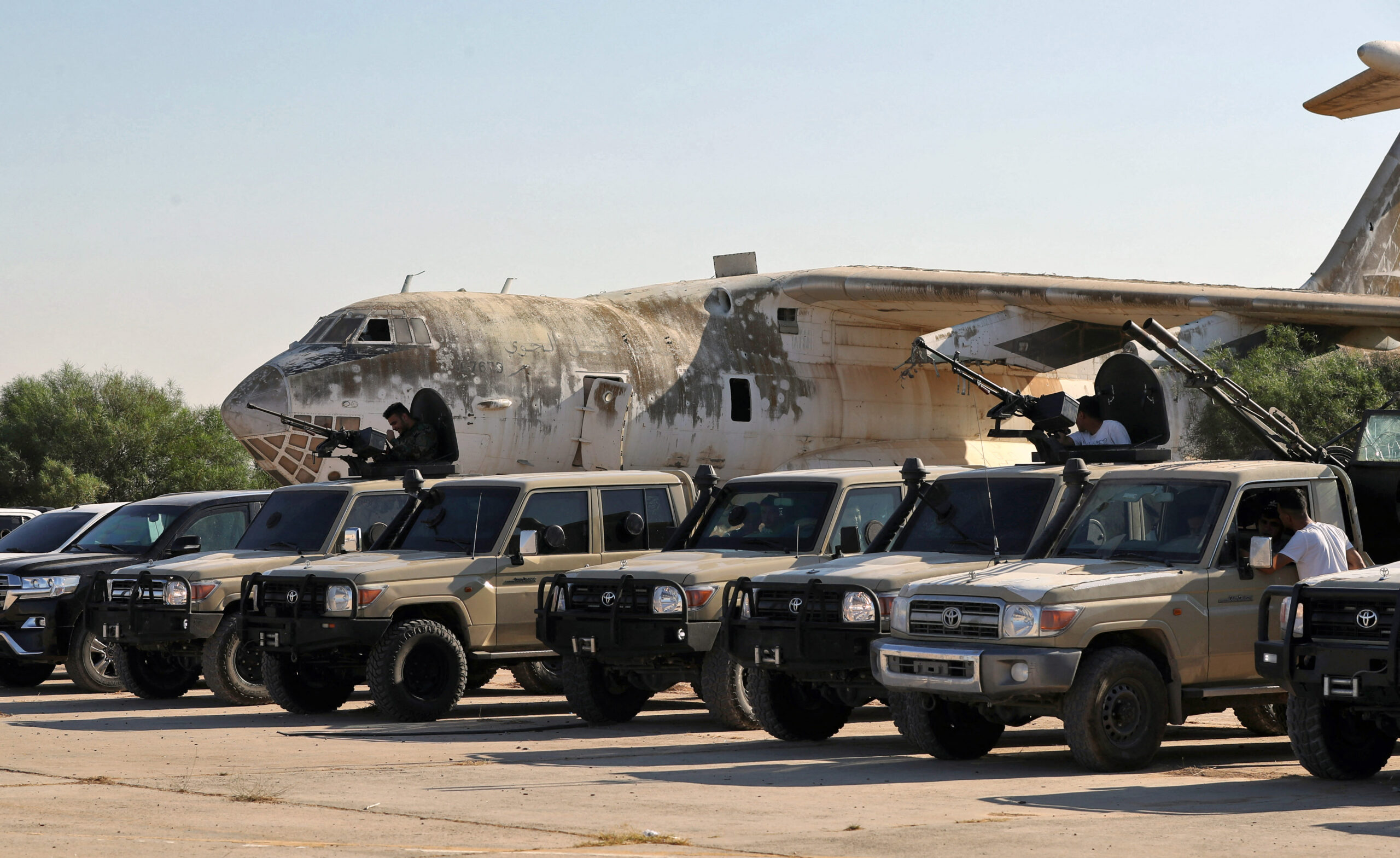
On Sept. 2, the United Nations appointed a new special envoy for Libya, Senegalese diplomat Abdoulaye Bathily. But to have any chance of success, Bathily will need to reach out to local-level Libyan leaders who oppose the status quo preferred by Libya’s national politicians.
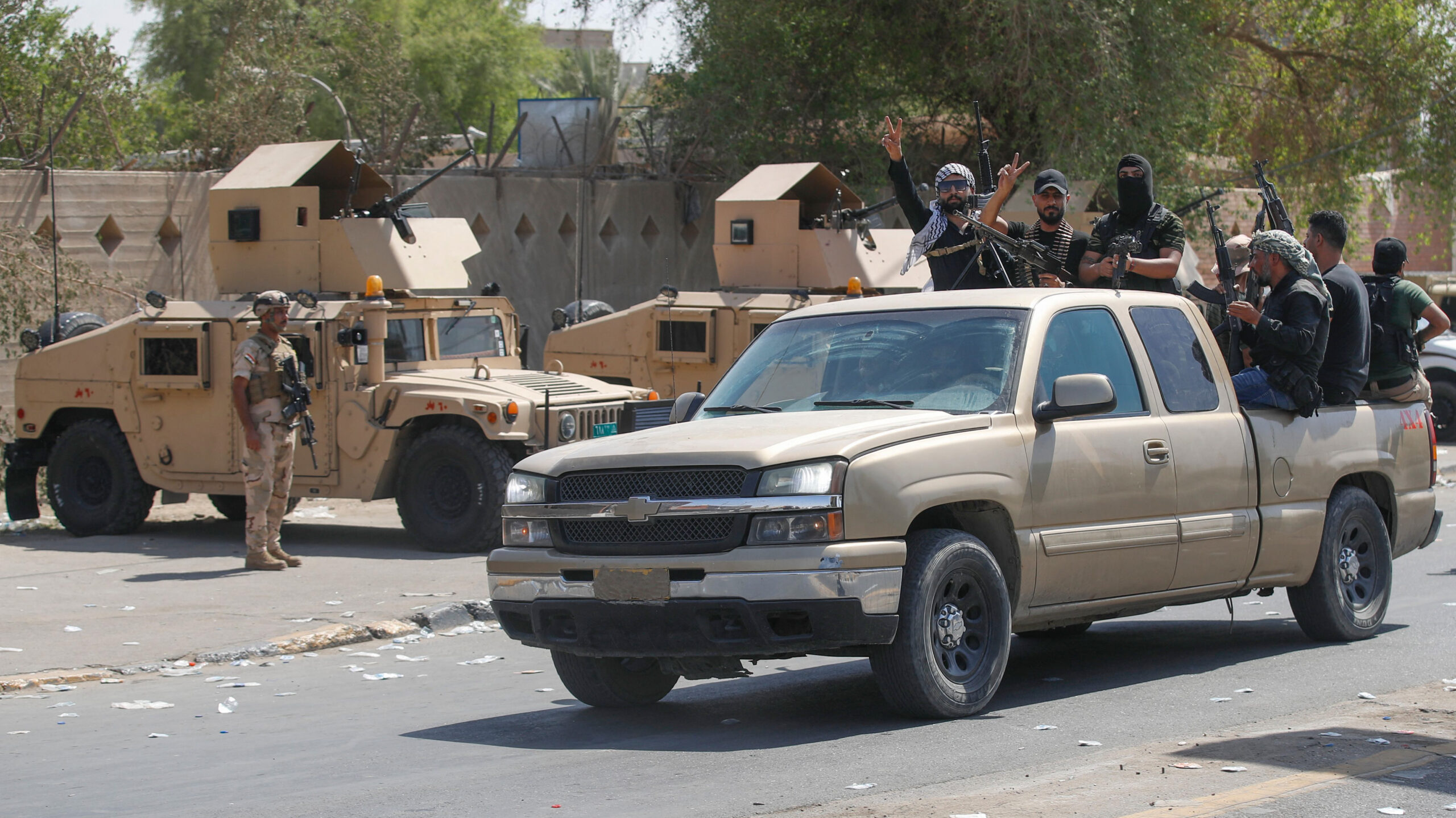
Followers of Iraqi Shi’a cleric and political leader Muqtada al-Sadr and those of the Iran-aligned Coordination Framework clashed in downtown Baghdad on Aug. 29. Iraqis spent that evening wondering whether the country was descending into an intra-Shi’a civil war.
Pakistan at 75: The clock has run out for business as usual
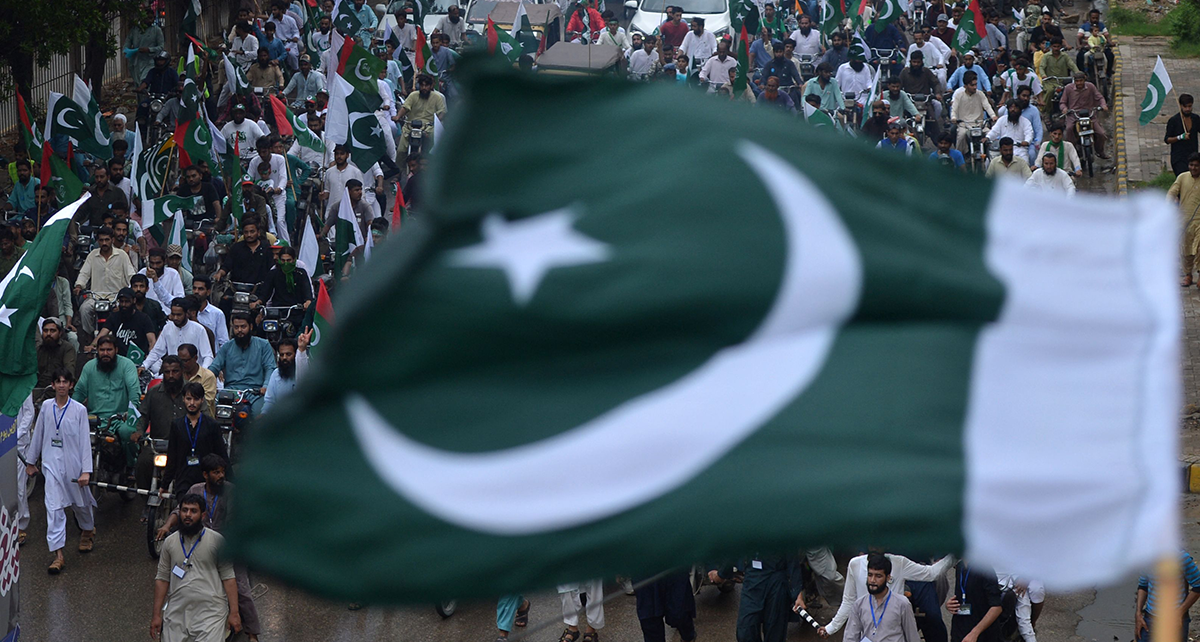
On Aug. 14, Pakistan marked its 75th independence day, like many of the preceding 74, in a state of political and economic crisis. Days later, epic floods would befall the country, submerging a third of it under water. Pakistan can no longer afford business as usual.
Dysfunctional centralization and growing fragility under Taliban rule
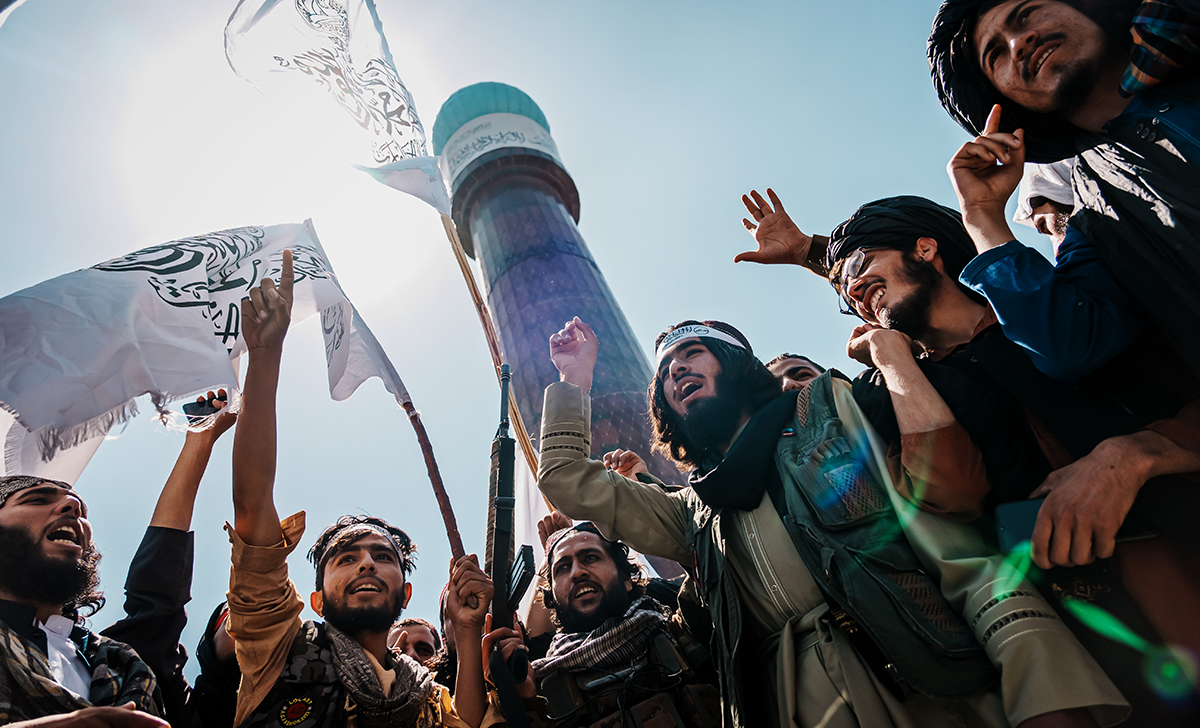
One year ago, on Aug. 31, 2021, the last foreign soldier left Afghanistan. Since then, the situation in the country has only grown more fragile, marked by deteriorating living conditions, widespread human rights violations, and increasing political instability. One key contributing factor to the crisis is a dysfunctional centralized governance structure that has become more paralyzed and unresponsive under Taliban control.
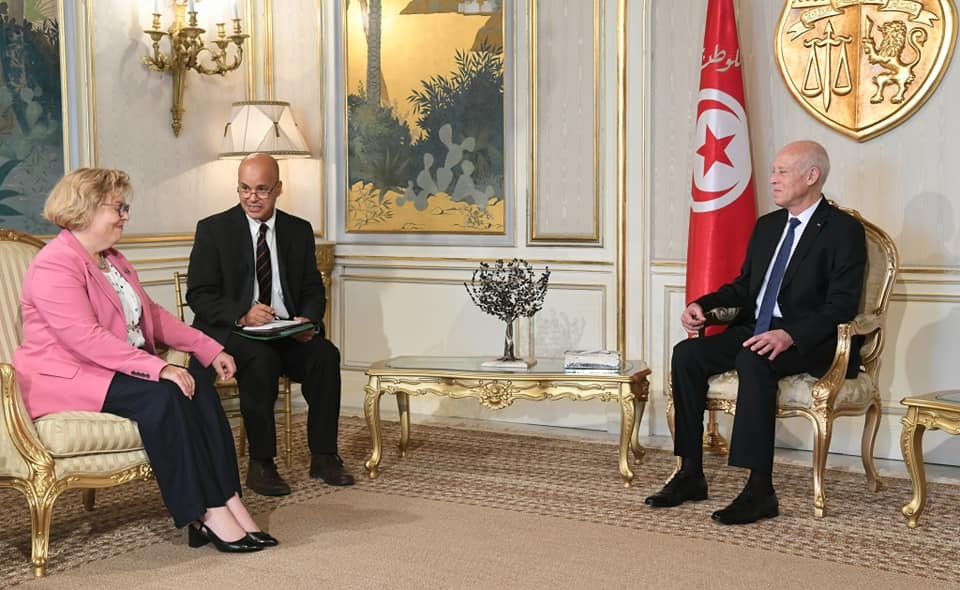
French President Emmanuel Macron’s recent visit to Algeria brought talks of cooperation and reconciliation to the fore in an otherwise fraught relationship. France and Algeria share a long and painful history, including 132 years of colonial occupation and an eight year war of devastation. In an effort to unpack the motivations and context behind Macron’s visit, MEI Senior Fellow and Director of the North Africa and the Sahel Program Intissar Fakir speaks with Francis Ghilès, Senior Research Fellow with the Barcelona Center for International Affairs.
The causes and consequences of Israel’s latest attack against Islamic Jihad in Gaza
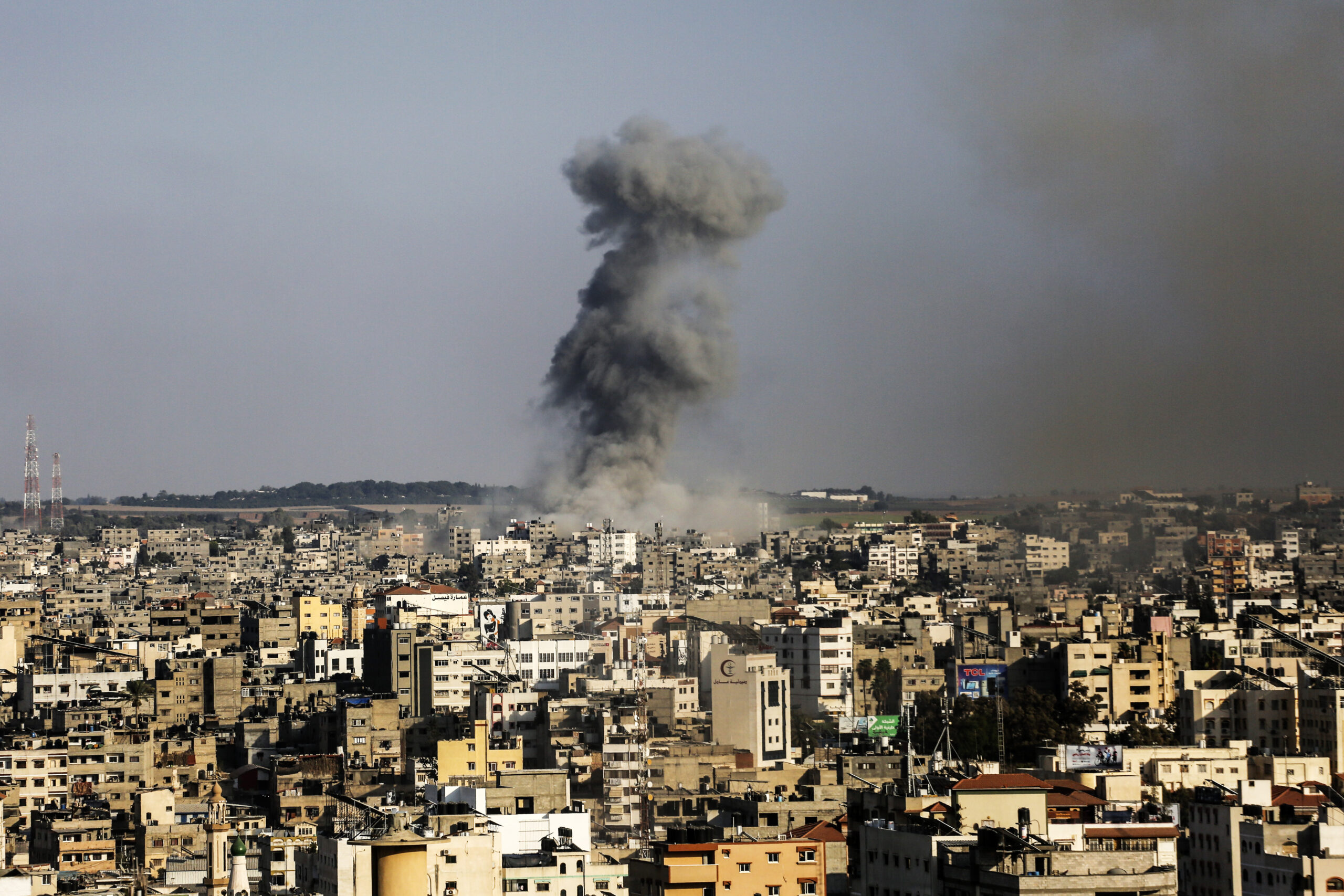
Israel’s early August offensive against Palestinian Islamic Jihad in Gaza achieved several strategic and tactical goals, but it failed to entirely sever the PIJ’s relationship with Hamas.
Expert Views: The implications of this summer’s scorching heatwaves
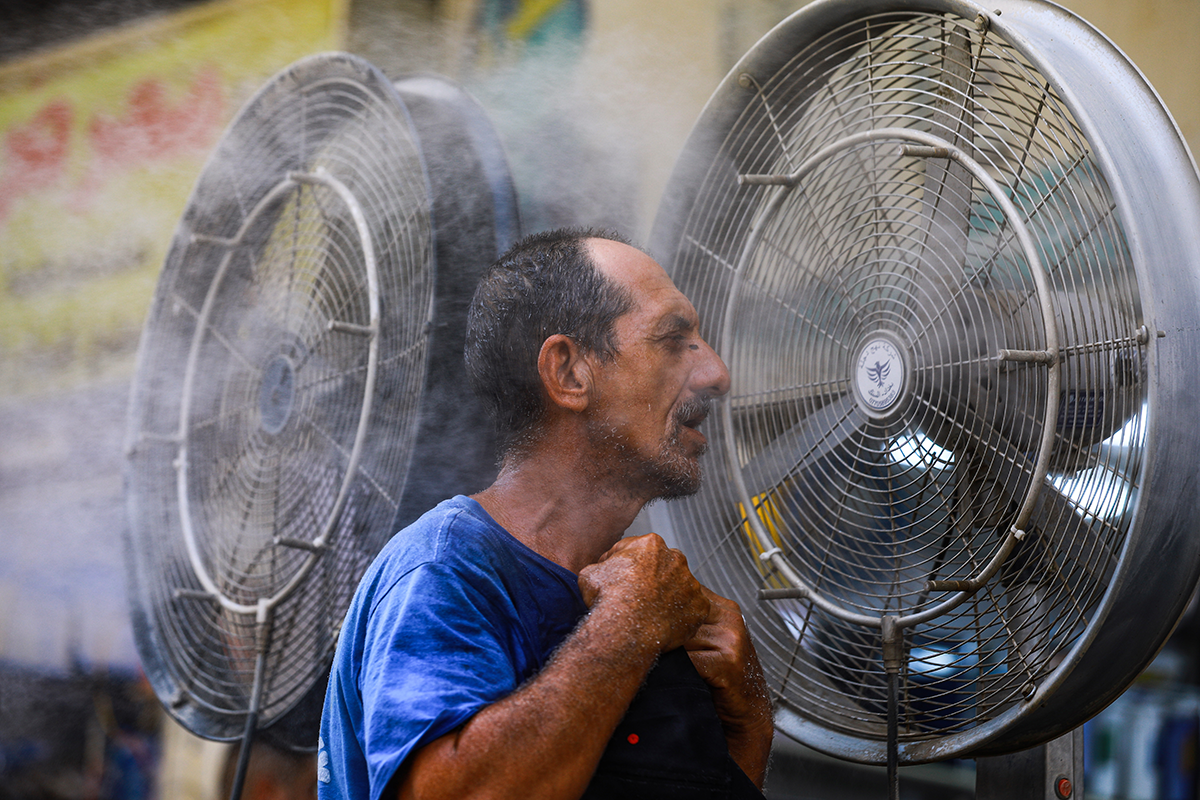
What began as a summer heatwave of significantly above-normal temperatures in Europe expanded to a series of successive heatwaves that has afflicted most of the northern hemisphere. Temperatures reached and remained at substantially elevated levels in the months of June and July, breaking historical records in many countries across Europe, Asia, North America, and the Middle East.
On the anniversary of the US withdrawal from Afghanistan
On Aug. 30, 2021, the commander of the 82nd Airborne Division, Maj. Gen. Chris Donahue, boarded the last U.S. military flight out of Hamid Karzai International Airport in Kabul. For many, the image of the final American soldier stepping onto a C-17 military transport plane marked the end of the war. But even as we remember the chaotic end of America’s longest war, we should also recall the sublime acts of loyalty and resolve that took place simultaneously.
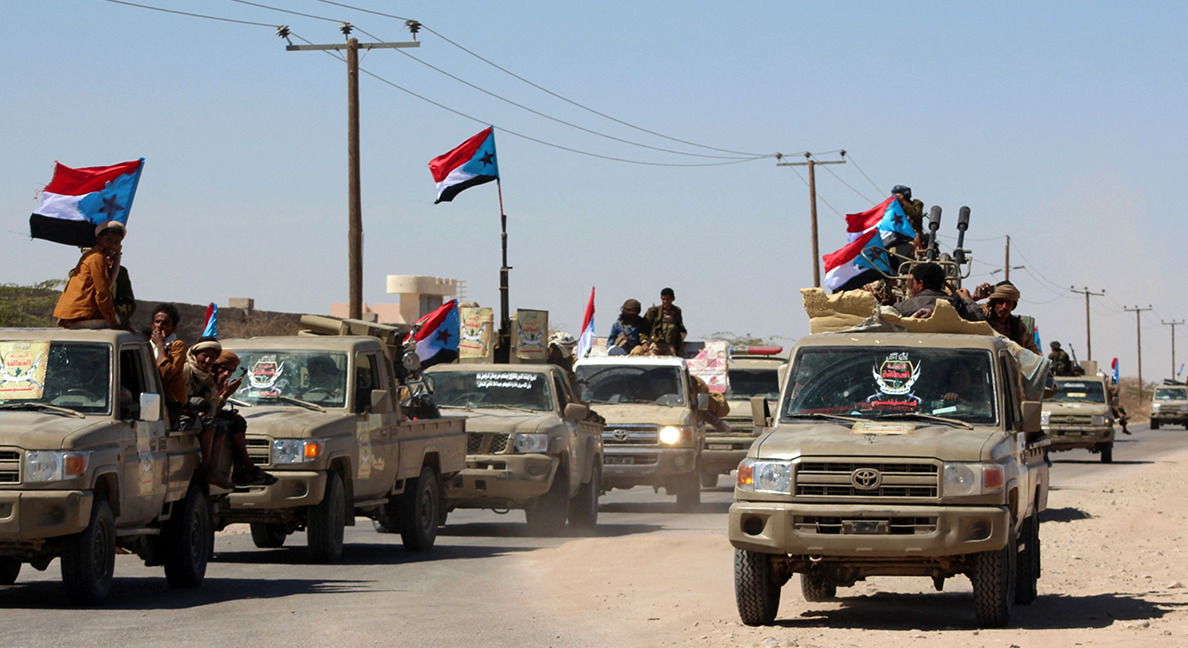
Emirati-backed forces eye Yemen’s energy heartland
The battle for control of the Yemeni heartland and its energy resources has reached a turning point. Yemen’s internationally recognized institutions are, once again, in crisis. In fact, the current infighting within the “government camp” threatens both the long-stalled implementation of the 2019 Riyadh Agreement and the political legitimacy of the newly-established Presidential Leadership Council.
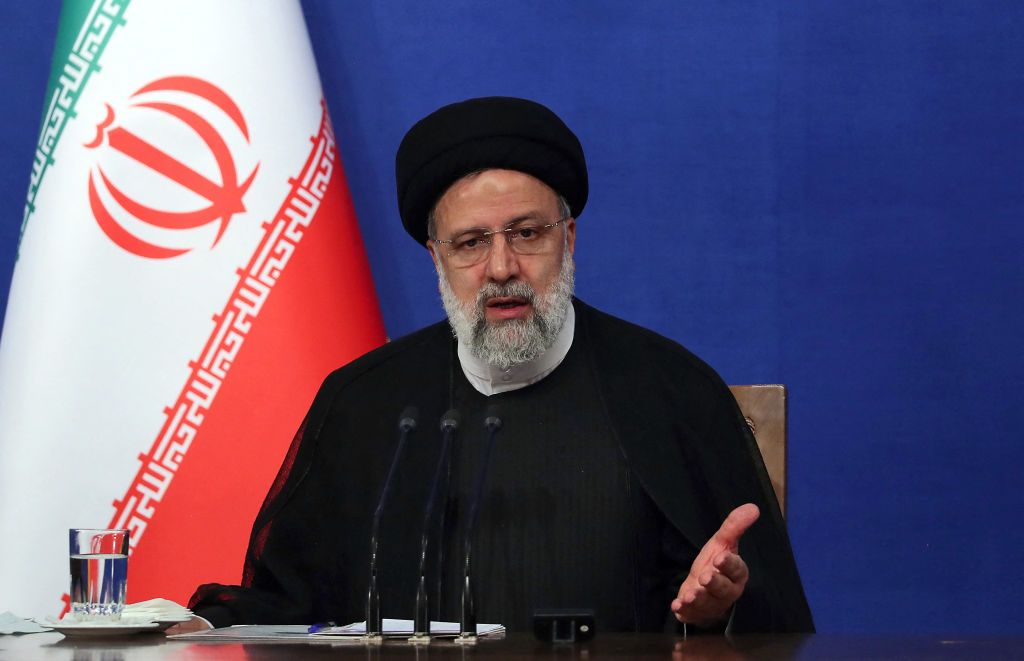
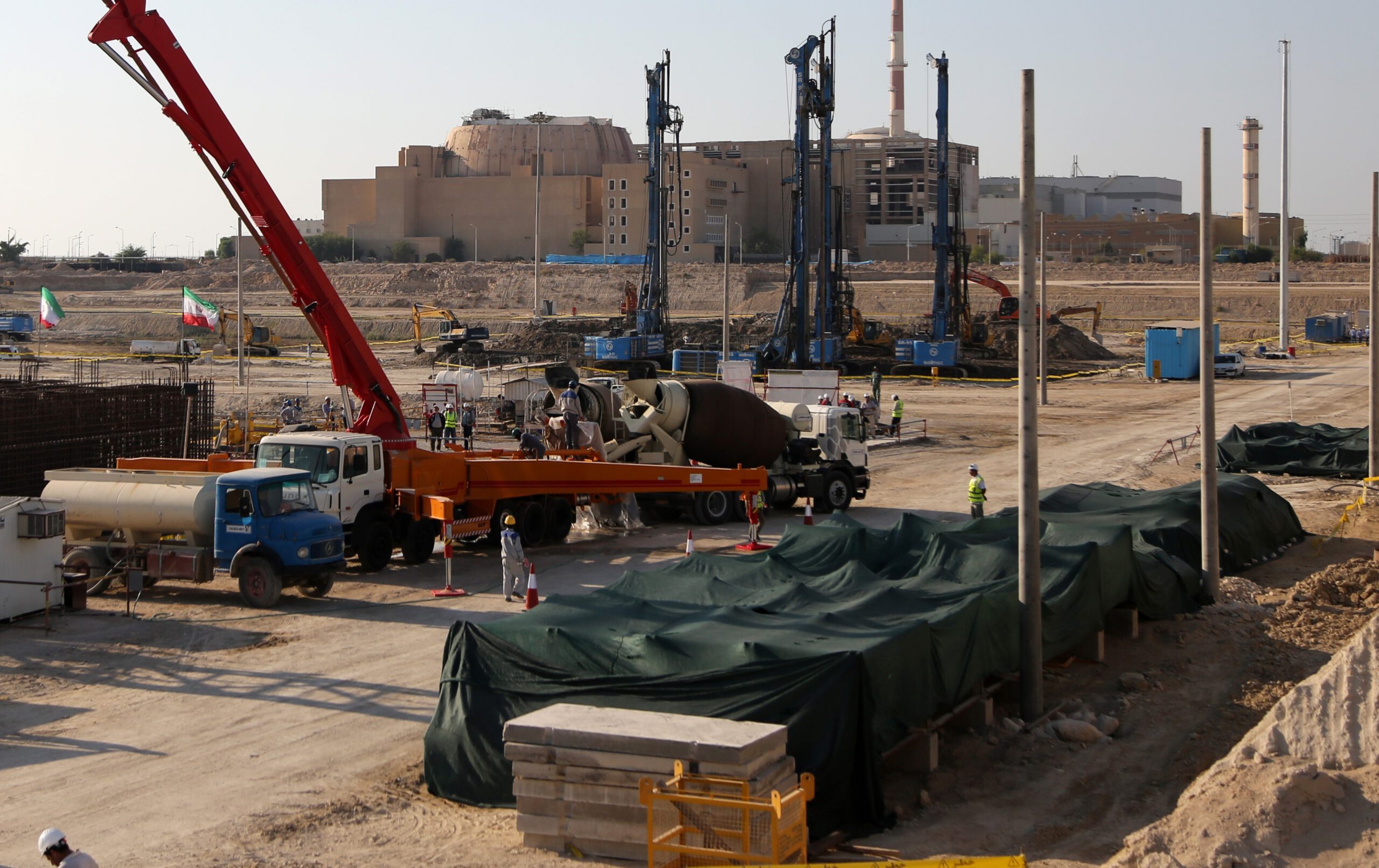
The renewal of the international agreement on Iran’s nuclear program does not undermine Israeli national security per se but rather a longstanding tenet of Israel’s strategic thinking: that it must be able to fully eradicate any challenge to its military superiority deep inside enemy territory.
Morocco’s green mobility revolution: The geo-economic factors driving its rise as an electric vehicle manufacturing hub
Rabat’s recent announcement that it would soon sign an agreement for the construction of a “gigafactory” to make electric vehicle (EV) batteries has placed Morocco in pole position to become a green mobility leader in the Middle East and North Africa.