Since the overthrow of King Mohammad Zahir Shah in 1973, Afghanistan has been plagued by war — either war waged among ideologues (Marxists v. nationalists) or war marked by foreign invasion and occupation. The Soviet occupation of Afghanistan, which began in 1979, lasted a full decade.
This Opinion first appeared in Foreign Policy on May 30, 2012
The massacre in al-Houla, where Syrian military forces and allied militiamen massacred more than 100 civilians in cold blood, leaves no doubt about the intentions of President Bashar al-Assad’s regime: survival at any cost and through any means. Assad does not have a Plan B.
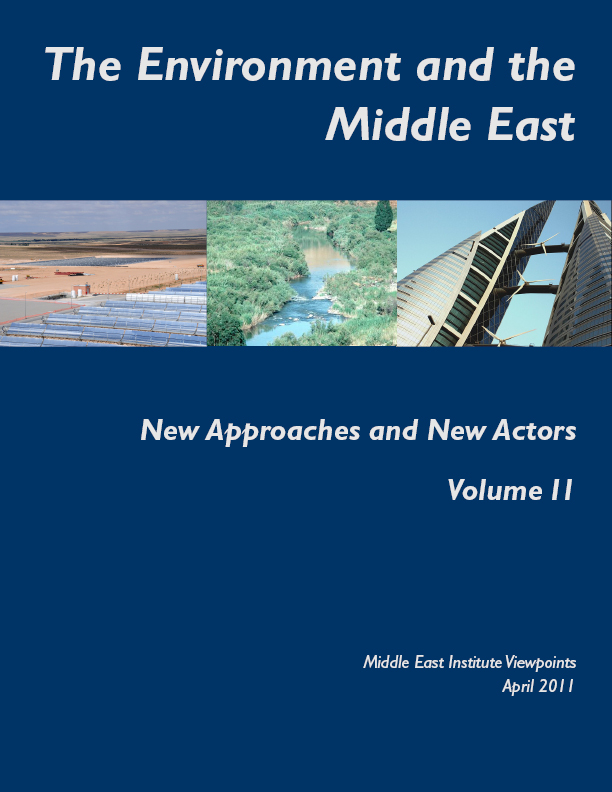
Introduction to The Environment and the Middle East: New Approaches and New Actors , Volume II
The tumultuous political changes taking place across the region dominate the news — deservedly so. Yet, there are other changes taking place throughout the Middle East which, though less prominent, also merit attention. Indeed, the region has no shortage of creative and committed “change agents” who in ways great and small have taken meaningful steps to address the myriad challenges to the sustainability of the region’s physical environment. Volume II in this series offers snapshots of a small selection of the many efforts aimed at cultivating responsible environmental stewardship.
This Opinion first appeared on CNN.com on April 20, 2012
The six-point peace plan for Syria proposed by Kofi Annan is doomed to fail for one simple reason: Neither President Bashar al-Assad nor the government opposition is interested in making it work.
The Middle East Institute is proud to host Georgetown University professor Paul Pillar for a discussion about Iran and how best to address its nuclear ambitions. Pillar argues that the acceptable range of opinion on Iran has narrowed around the idea that all options, including a military strike, must be pursued to prevent the country from acquiring nuclear weapons. And yet, Pillar argues, if the combination of nuclear talks and sanctions do not yield the outcome the West and Israel seek, containment is preferable to war.
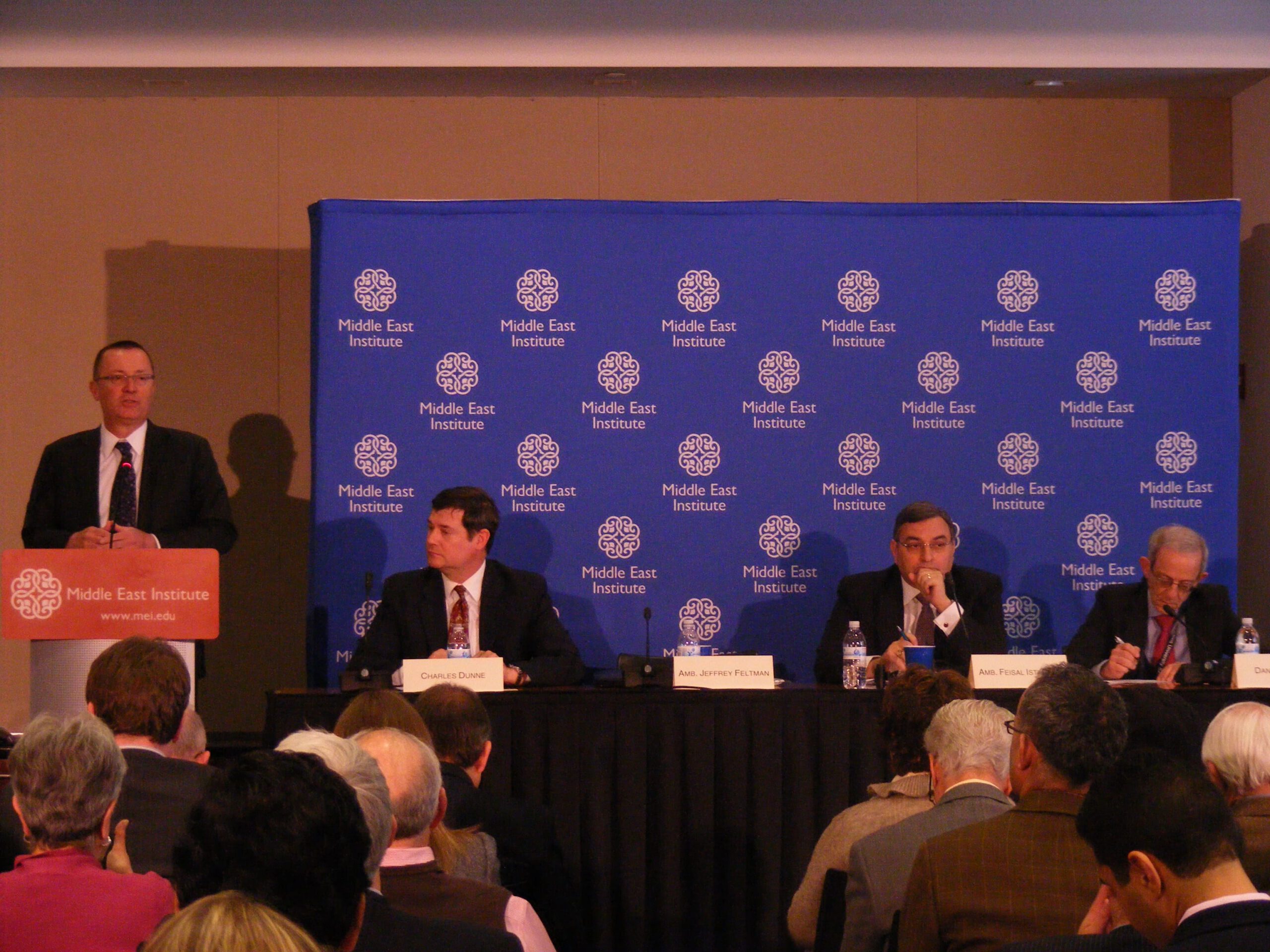
Panelists will explore both the challenges and opportunities presented by the transition of the U.S.-Iraqi partnership from a mainly military to a diplomatic one. What sort of working relationship is emerging between the U.S. and Iraqi governments? What kind of cooperation is taking place in the areas of domestic and regional security, diplomacy, trade, energy, and reform? How has the troop drawdown affected U.S. influence in Iraq and the region in general? Feltman, Istrabadi and Serwer will explore strategies and policies resulting from the new bilateral dynamics.
Women's Prospects in Afghanistan: Oppression or Opportunity?
Recent media reports indicate that fewer Afghan women turned out to vote for a President on August 20, 2009 than went to the polls five years ago, when in some districts female turnout had been even higher than that of males. Apprehension, convention, ennui, and disorganization led to families keeping their women home on election day, even as men dared to vote. The reversal of women’s rights, which they had only recently begun to exercise, is an ominous sign.