Turkey's Dual Track Approach Toward the Kurdistan Regional Government
Turkey’s policy toward the Kurdistan Regional Government (KRG) in northern Iraq has undergone an important shift since 2009. Only a few years ago, Turkey did not recognize Iraq’s Kurdish Regional Government and refused to meet with its representatives in any official capacity due to its fear that recognition would embolden Turkey's own Kurdish minority to demand similar home-rule status.
Women’s education in the Arab world has increased substantially in the last several decades, both in absolute terms and relative to men. However, when looking at the Arab world, understanding that there are vast differences culturally, politically, and socially among the countries is essential. This essay looks at the Gulf Cooperation Council (GCC) countries, where women share a similar cultural and socio-economic context.
The Middle East Institute is proud to host Ambassador Robert E. Hunter, Senior Adviser at the RAND Corporation, to present a new study that lays out the criteria and parameters for a new security structure for the Persian Gulf region. His recent study, Building Security in the Persian Gulf, makes recommendations for a new security structure for the region in order to promote long-term stability while also reducing
The government formation stalemate in Iraq—well into its seventh month and counting—may at last be nearing an end. The next few weeks could seal a deal between rival electoral blocs that will produce the next national government.
Two scenarios with very different outcomes appear to be jockeying for rail position in the race to produce the next Prime Minister.
Where Does the US Stand After Its Retreat from Iraq?
This piece first appeared as a op-ed in The National on August 30, 2010
The last American combat troops rolled across the Kuwaiti border from Iraq on August 19, nearly two weeks ahead of schedule. The Obama administration has spoken of this milestone as a promise fulfilled and the first major step toward bringing a “responsible” end to the war in Iraq, setting the stage for the final withdrawal of American troops at the end of next year.
The Middle East Institute is proud to host Rochelle Davis, professor of Anthropology at the Center for Contemporary Arab Studies in the School of Foreign Service at Georgetown University, to discuss US military conceptions of culture and the war in Iraq.
US Interest Wanes in the Mission that Remains in Iraq
This Commentary first appeared as an op-ed in The National, July 25, 2010.
After the March 2003 invasion of Iraq by United States and coalition forces, a short but sharp war, and the declaration of “Mission Accomplished” aboard an American aircraft carrier, Iran felt isolated and encircled on all sides by US might. Not so today.
Tehran has closely observed US travails in Iraq over the years, and watched with satisfaction as the US began withdrawing its forces in anticipation of a full withdrawal by the end of 2011.
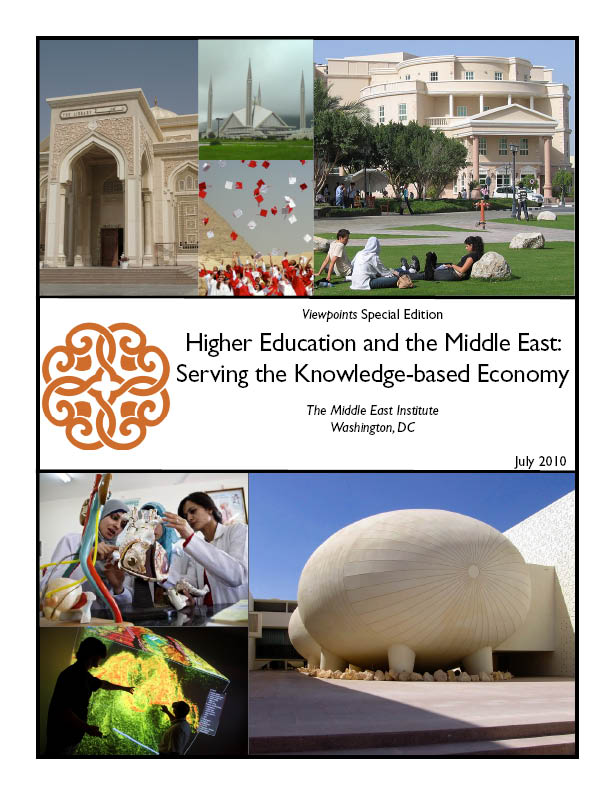
Higher Education and the Middle East: Serving the Knowledge-based Economy
This is the first of three volumes examining the internationalization of higher education and the Middle East. The 12 essays included in this volume explore some of the changes that are taking place and the challenges that lie ahead as Middle Eastern countries seek to build sustainable higher education systems and strengthen their economies. Within the dynamic global higher education landscape, is the Middle East a stagnant backwater or a center of creative initiative? What are, and should be the roles of foreign partners and providers?
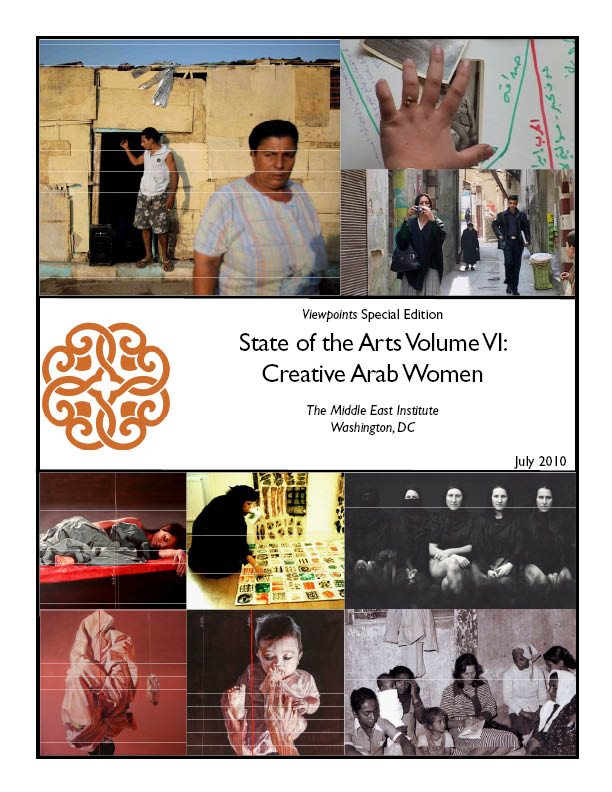
Introduction to The State of the Arts in the Middle East: Volume VI: Creative Arab Women
Creative Arab Women is the sixth edition of the MEI Viewpoints series on the State of the Arts in the Middle East. The 14 essays in this collection offer a glimpse into the rich and varied cultural output of Arab women in the region and the diaspora. Partly reminiscences and partly calls to action, they are essays of survival and empowerment that add a deeply personal dimension to the subject of the role of Arab women as cultural producers. MEI is grateful to Dr.
The Middle East Institute is proud to host Thomas W. Donovan, an expert in Iraqi business law, specializing in international investment. Drawing upon his background as a corporate attorney and managing partner of the Iraq Law Alliance, PLLC, Mr. Donovan will discuss the particular nuances of doing business in post-war Iraq and how the 2009 Status of Forces Agreement may change the way in which international investors interact with their Iraqi partners. Mr.
The Middle East Institute is proud to host Justin Dargin, research fellow at the Dubai Initiative, for a discussion of greenhouse gas (GHG) emissions in the Gulf and the pursuit of an effective carbon trading plan. Dargin will also examine the effect which this hot-button issue has upon the region's geopolitical relations, energy efficiency, natural gas utilization, renewable energy, and conservation of natural resources.
As the US Plans Its Exit, the Iraqis Find Reason to Worry
This Commentary was originally published as an op-ed in The National May 31, 2010.
‘What does the US want from Iraq?” This was the question of a university educator during a large gathering of Iraqi politicians, students, journalists and activists we met during a 10-day trip to Baghdad and Kurdistan sponsored by Washington’s Stimson Center earlier this month.
The Republic of Yemen occupies the southwest corner of the Arabian Peninsula. Unlike its oil-rich neighbors, Yemen is the poorest country in the Arab world. Like other countries football (soccer) is Yemen’s most popular sport. Football has been played in parts of Yemen since before the turn of the 20th century, and since the 1970s, the game’s popularity has increased significantly.
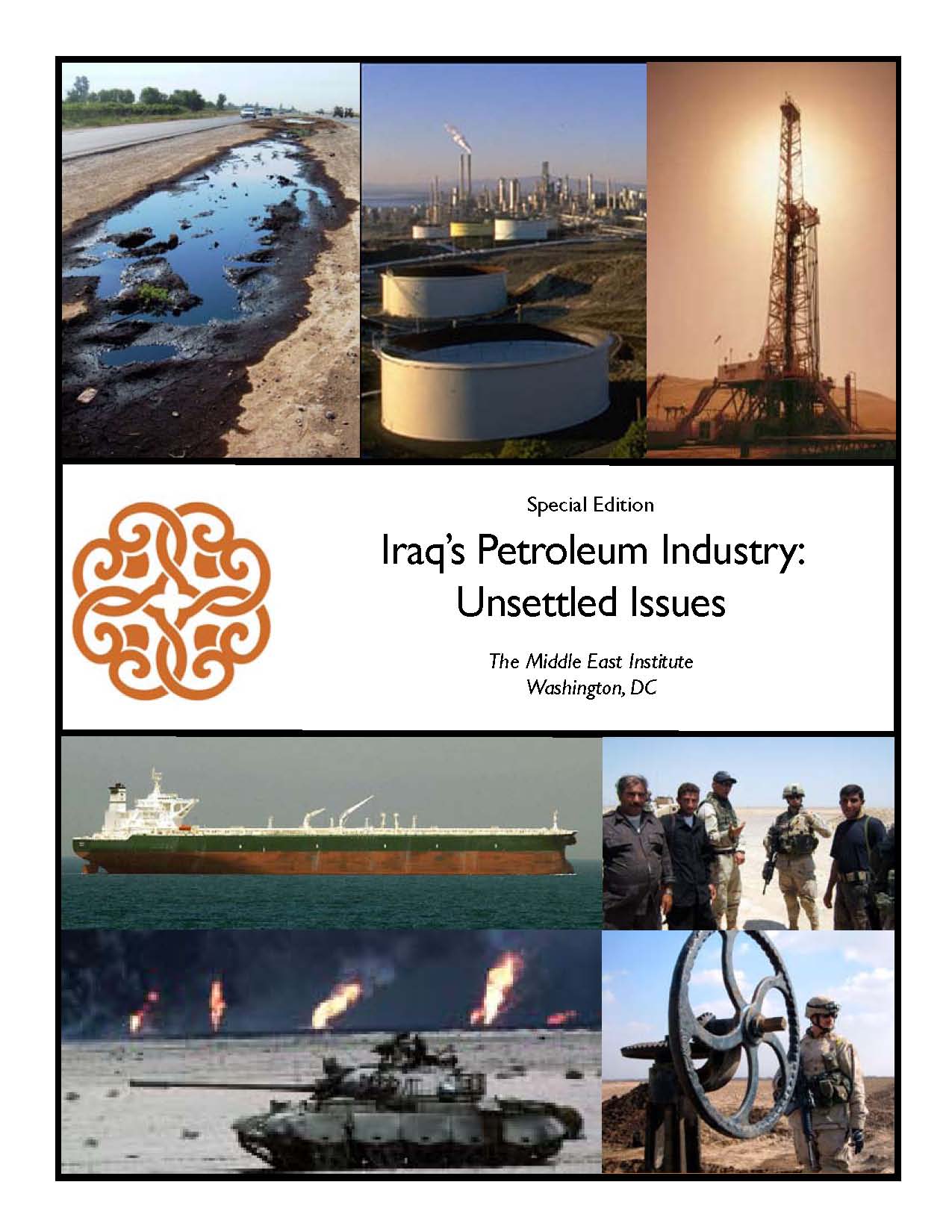
Iraq has the world’s third-largest oil reserves. However, the development of Iraq’s petroleum sector has been severely hampered by decades of war, sanctions, underinvestment, the exodus of scores of technocrats, and sabotage. Repairing Iraq’s oil infrastructure and expanding exploration, development, and production is of paramount importance to the country’s future. In June 2009, the Iraqi Oil Ministry embarked on an effort to help meet this challenge by offering service contracts to international oil companies (IOCs) in two rounds of tenders.