How Iran, China, and Russia Use the Shadow Fleet to Evade US Sanctions
Crude oil legally sanctioned by the United States and its allies today makes up an estimated 18% of global tanker capacity, or 6-7% of total unrefined petroleum flows — shares that have been growing. Increased pressure on Russian exports and US intervention in Venezuela have further constrained Russian flows and temporarily removed Venezuela, the smallest sanctioned producer, from the market. Iranian exports, however, remain largely untouched.
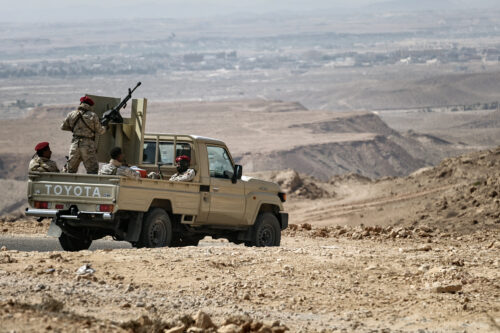
Saudi Arabia has stepped up its efforts to unify and restructure Yemen’s anti-Houthi forces after the rapid expansion and sudden implosion of the United Arab Emirates-backed secessionist Southern Transitional Council following Abu Dhabi’s military withdrawal from the country.
Iran looms large over Trump’s address to the nation
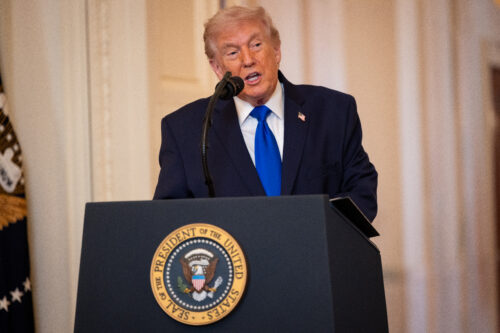
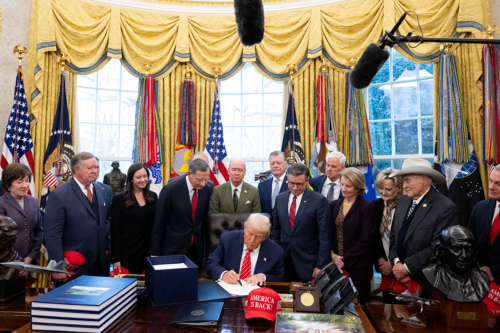
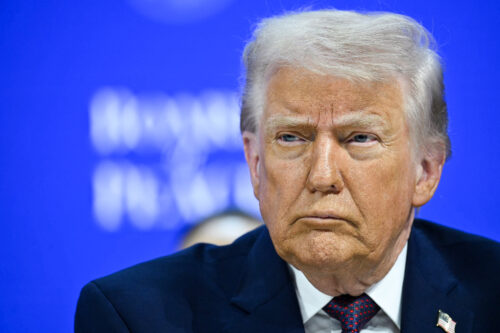
US President Donald Trump takes to the podium tonight to deliver the first State of the Union address of his second term.
“It’s going to be a long speech because we have a lot to talk about,” Trump said ahead of the address. The State of the Union—an annual speech delivered by the US president to Congress—typically focuses heavily on domestic policy issues, and that’s likely to be the case with tonight’s speech as well. Concerns about the health of America’s economy and growing public controversy about the Trump administration’s immigration policies are two of the domestic policy issues Trump will likely address.
The first year of Trump’s second term in the Middle East: The case for qualified optimism
While it may not have been perfect, the Trump administration achieved a considerable amount in the first year of its second term, and there is reason to be optimistic that additional dividends will accrue in 2026.
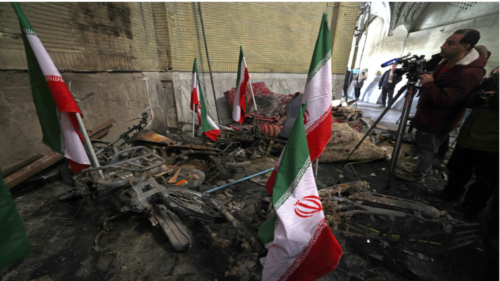
Iran considers its response to potential renewed US-Israeli strikes
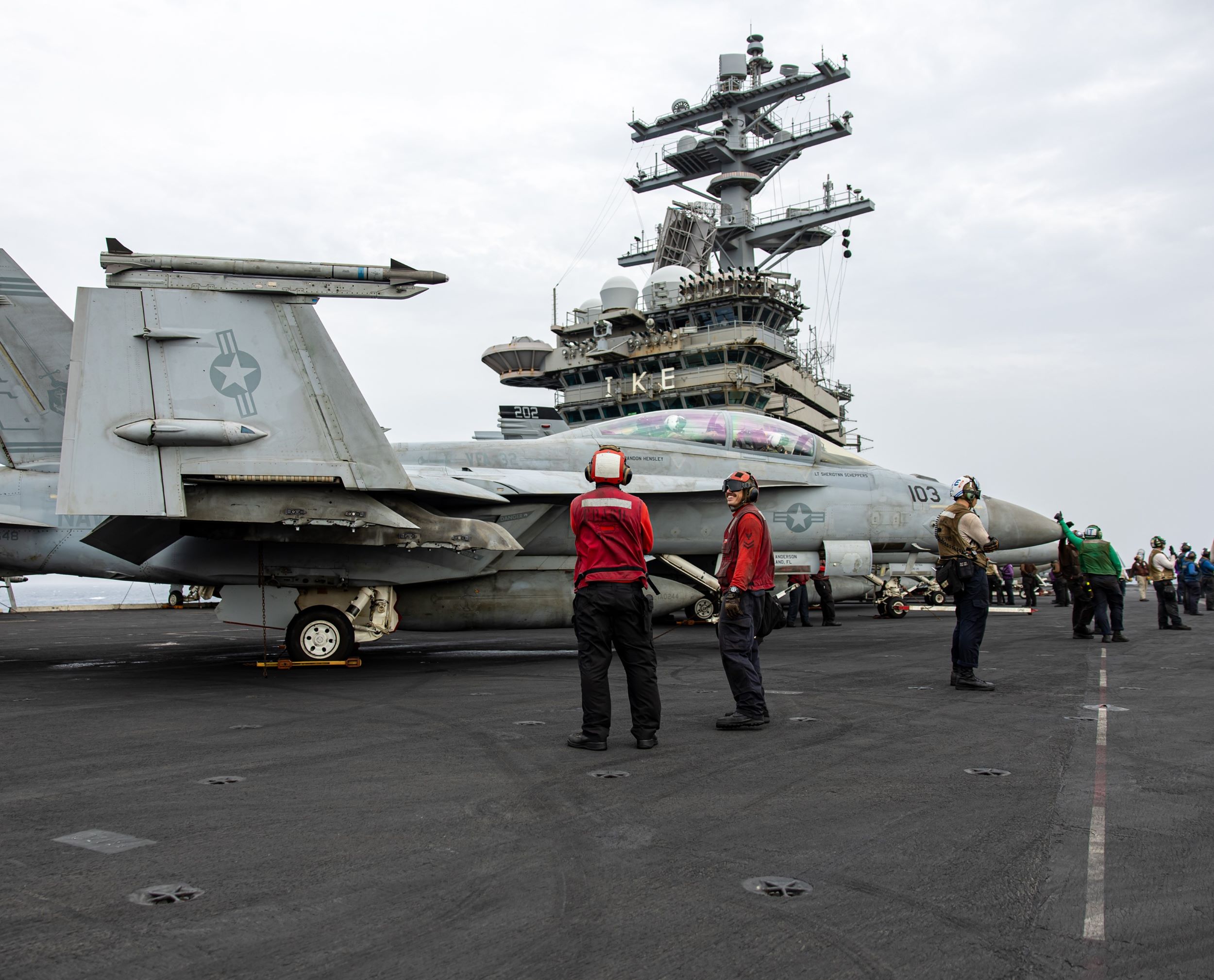
The United States’ rapid military buildup across the Gulf has triggered a familiar anxiety in Tehran, but the Iranians’ reading of American intentions has grown sharper and more layered than at any point in recent years.
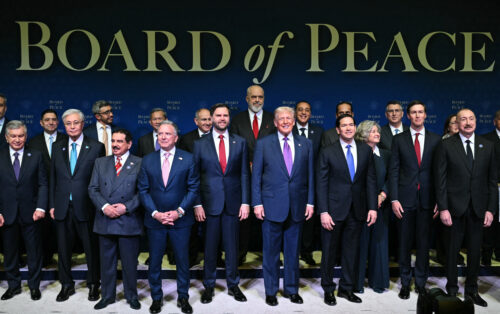
Board of Peace Meets as Storm Clouds Gather for Another Possible Middle East War
US President Donald Trump hosted an idiosyncratic gathering of global representatives in Washington on February 19 that included some key Middle East figures meeting under the banner of peace to discuss the next steps in Gaza just as the US was sending more military forces to the region to pressure and possibly target Iran.
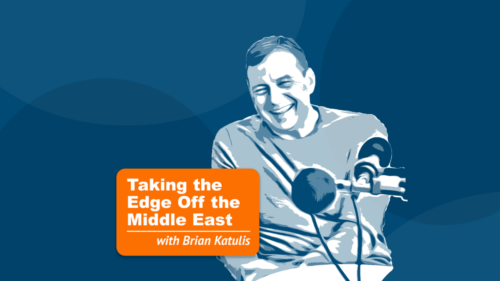
Brian sits down with Holly Dagres, Libitzky Family Senior Fellow at the Washington Institute for Near East Policy, to discuss Iranian public opinion and protest movements. Dagres, who was born in Los Angeles and moved to Iran at age thirteen, offers a rare insider perspective on the views and aspirations of the Iranian people. The conversation explores the formative experiences of her teenage years in Iran, the roots of the country’s powerful women’s movements, the power of youth voices, and US policy toward Iran.
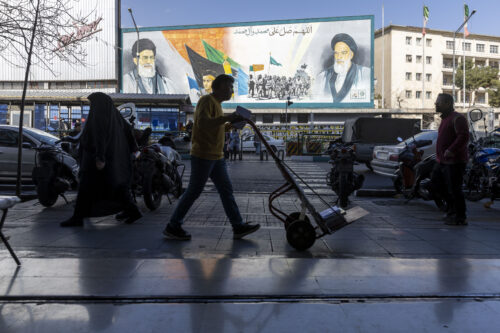
Whenever Iran is shaken by nationwide protests, as it was just last month, analysts and activists are consumed by the same two questions: will the country’s regime finally fall, and what will come next if it does? Answers abound.
What Trump’s 2026 Mideast approach could look like
Donald Trump’s first year of his second presidential term has been a roller coaster of twists and turns both at home and abroad—particularly in the Middle East. His regional focus was driven by two main factors: first, Trump’s own ego and sense of possible place in history; and second, the volatile, dynamic events driven by actors in the region.
US Policy in the Middle East in the First Year of Trump 2.0: A Report Card
In the first year of his second term in office, US President Donald Trump focused considerable time and energy on the Middle East, but the results so far have been uneven. This report assesses the US government’s actions in the region over the past 12 months, from January 2025 through January 2026.
America’s New Defense Strategy — and What It Means for Iran
Hosts Alistair Taylor and Matthew Czekaj are joined by MEI Distinguished Military Fellow Mick Mulroy to discuss the Trump administration’s new National Defense Strategy (NDS) and its implications for the Middle East. While serving as the Deputy Assistant Secretary of Defense (DASD) for the Middle East from 2017 to 2019, Mulroy helped prepare the 2018 NDS, giving him an insider perspective on US defense planning. Together, Taylor, Czekaj, and Mulroy unpack what the new strategy means for US priorities globally and for the Middle East in particular, including how it could be reflected in a potentially looming military strike on Iran.
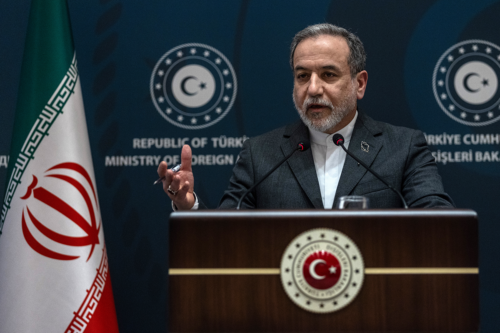
With the US and Iran on a knife-edge, can Oman once again step in to mediate?
The decision by Washington and Tehran to shift their long-anticipated meeting, set for February 6, from Istanbul to Muscat is not merely a logistical detail. It is the latest reminder that when US-Iran diplomacy is on the verge of breaking down completely, Oman is the regional player the Iranian regime trusts the most to step in and mediate.
Against the backdrop of the Iranian government’s brutal crackdown on protestors, Brian is joined by Emad Shargi, an Iranian-American businessman who was unjustly detained by the regime in 2018 until his release in 2023. Shargi recounts his firsthand experience in the notorious Evin Prison and offers rare insights into the mentality and tactics of the Islamic Republic. He and Brian also discuss his recommendations for US engagement in Iran and his hopes for the country’s future.
From a US military build-up in the region to Trump’s growing unpopularity at home, several factors could influence his decision on whether or not to attack.