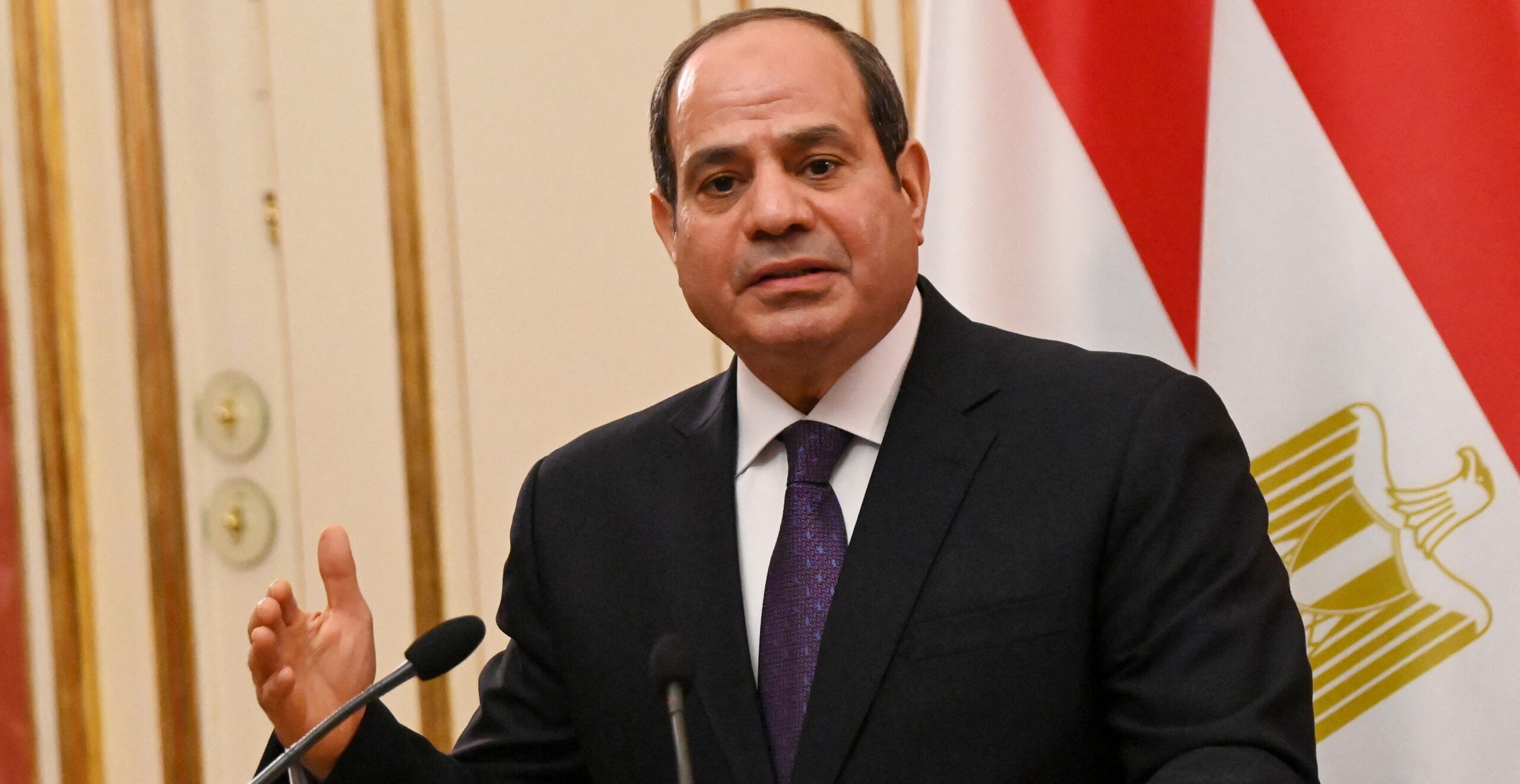
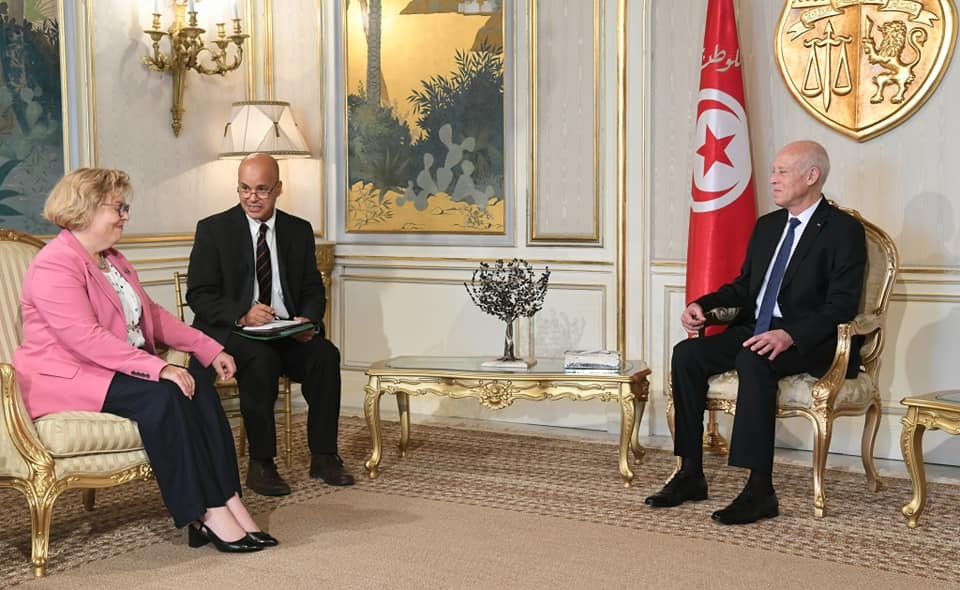
Egyptian “national dialogue” will kick off amid difficult domestic situation
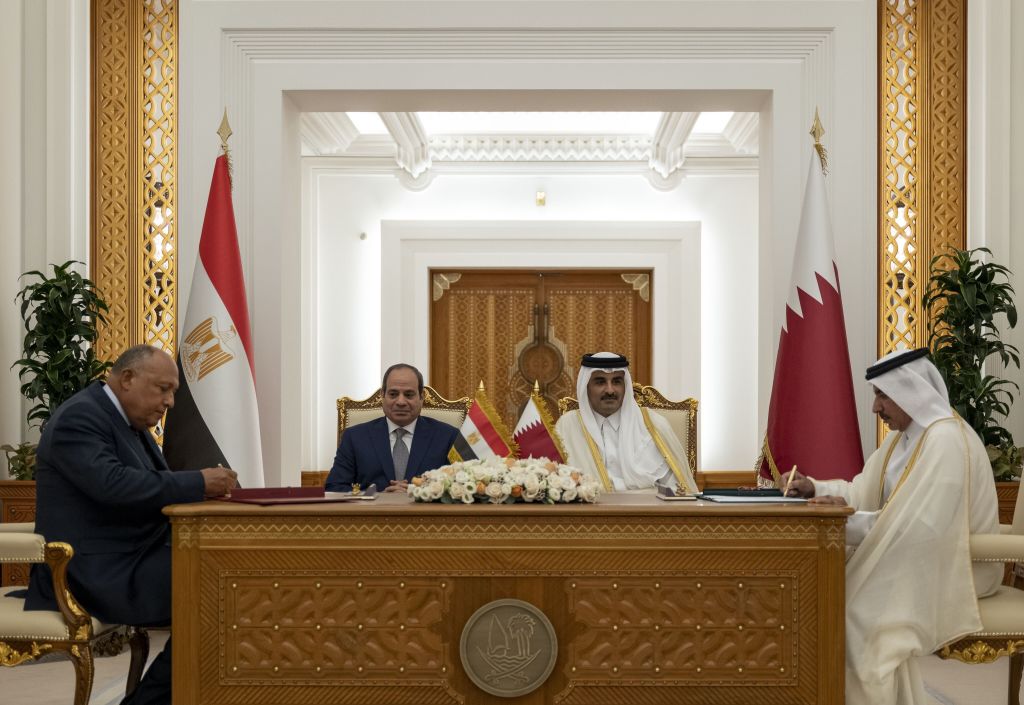
The “national dialogue” that Egyptian President Abdel-Fattah el-Sisi called for more than five months ago has nearly concluded its lengthy preparatory stage, though the official launch has repeatedly been pushed back. It will be a rare chance for opposition parties to present alternative policies to those of the president. But whether the dialogue marks a genuine change in the regime’s authoritarian policies remains to be seen.
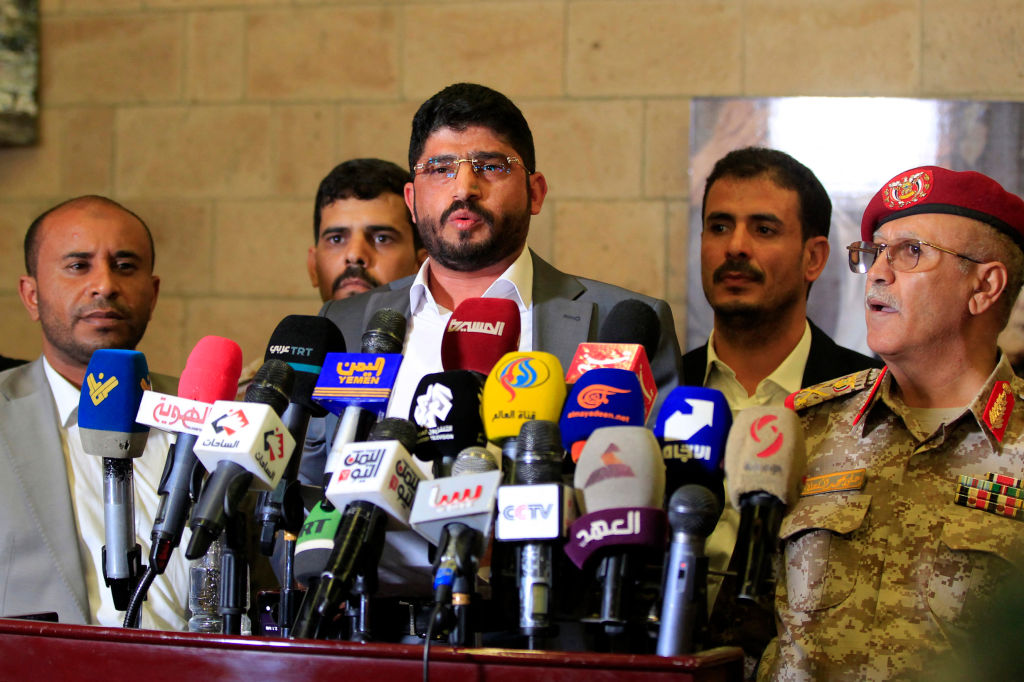
Since seizing the capital of Sana’a in September 2014, the Houthis have been transforming the portions of Yemen under their control in line with a radical political and religious ideology. The Houthis’ war is complicated and may not be resolved quickly. But for now, the main obstacles to peace are ones that only Yemenis can resolve, which are rooted in rival concerns over the distribution of political power and equitable delivery of public services.
Technology represents one potentially fruitful area where the I2U2 member states — Israel, India, the U.S. and the UAE — could cooperate together, expand their format to include more countries, deliver tangible results, and avoid agitating other global and regional powers.
Two years on, what is the state of the Abraham Accords?
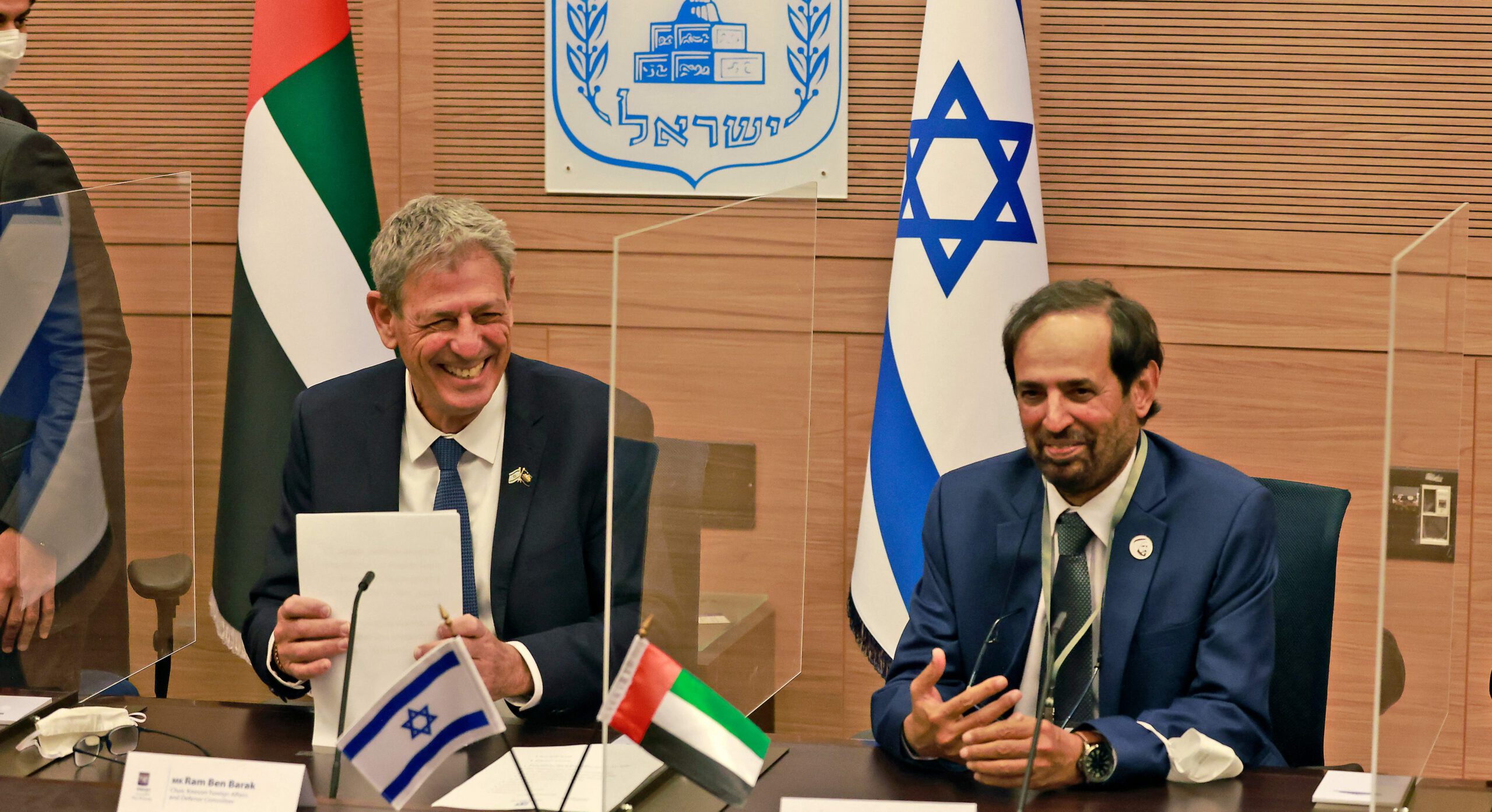
Two years after the signing of the Abraham Accords, progress in developing relations between Israel and its Arab neighbors has achieved mixed results, opening up some greater cooperation in the security sphere but failing to change Arab publics’ minds due to the lack of movement on the Israeli-Palestinian conflict.
Now in the fifth month of a ceasefire, what are the prospects for a negotiated end to the Yemeni Civil War, and the beginning of a sustained peace? MEI Distinguished Sr. Fellow on U.S. Diplomacy and Director of the Arabian Peninsula program Gerald Feierstein discusses these questions with two outstanding scholars who have followed and written extensively about Yemen over the years. Fatima Abo Alasrar is a nonresident scholar at MEI and a Senior Analyst for the Washington Center for Yemeni Studies.
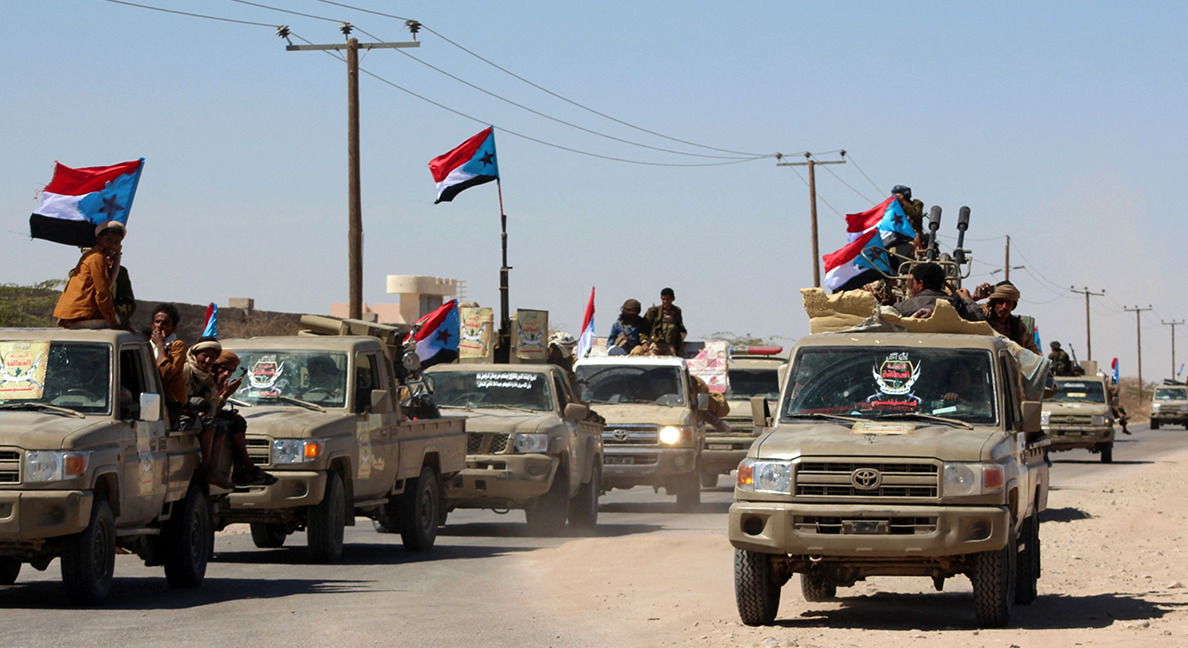
Emirati-backed forces eye Yemen’s energy heartland
The battle for control of the Yemeni heartland and its energy resources has reached a turning point. Yemen’s internationally recognized institutions are, once again, in crisis. In fact, the current infighting within the “government camp” threatens both the long-stalled implementation of the 2019 Riyadh Agreement and the political legitimacy of the newly-established Presidential Leadership Council.