Expert Views: What should be the key outcomes from COP26?
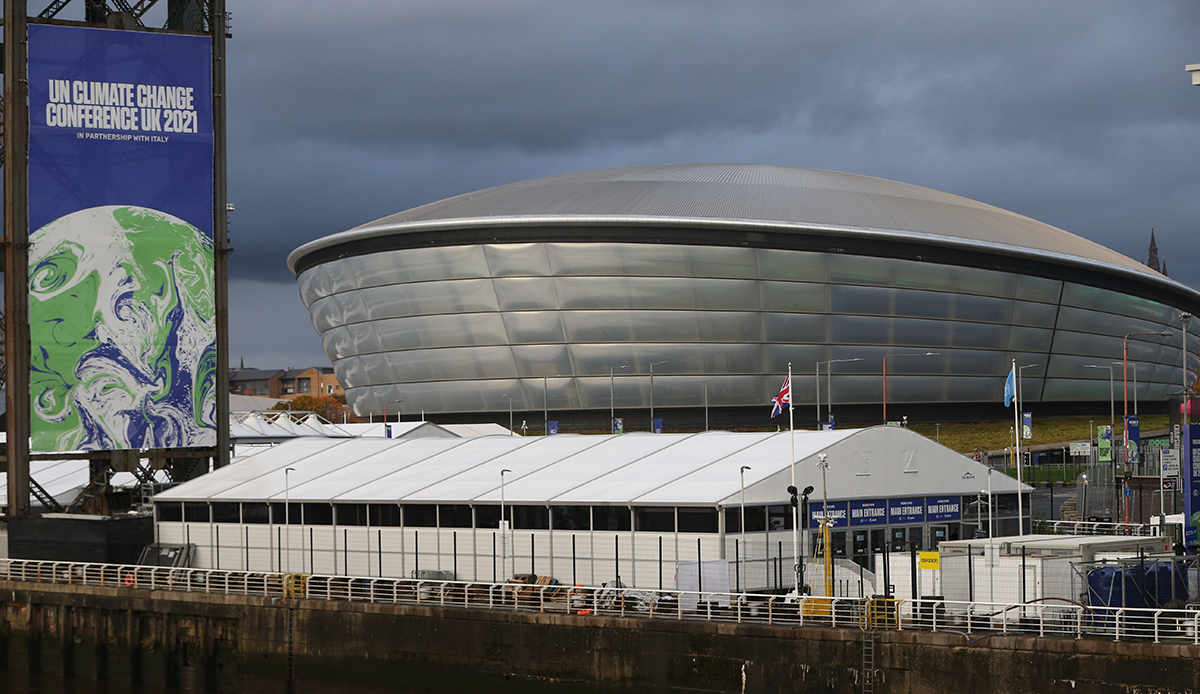
As the U.N. Climate Change Conference (COP26) kicks off in Glasgow, climate change is front and center on the global agenda. Few regions of the world have more at stake than the Middle East and North Africa, given the current environmental and sustainability challenges and potential future scenarios. Experts from across MEI weigh in with their thoughts on what should be the key outcomes from COP26.
The US competes to be the “partner of choice” in the Gulf
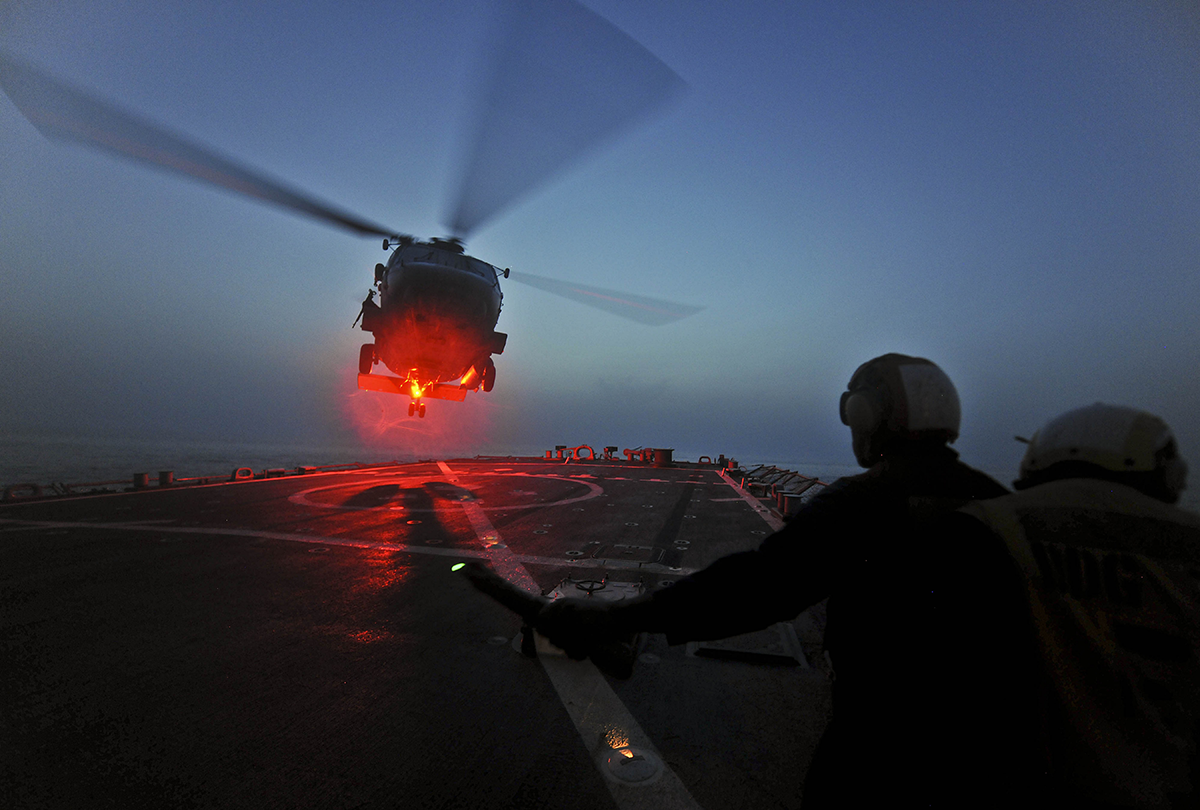
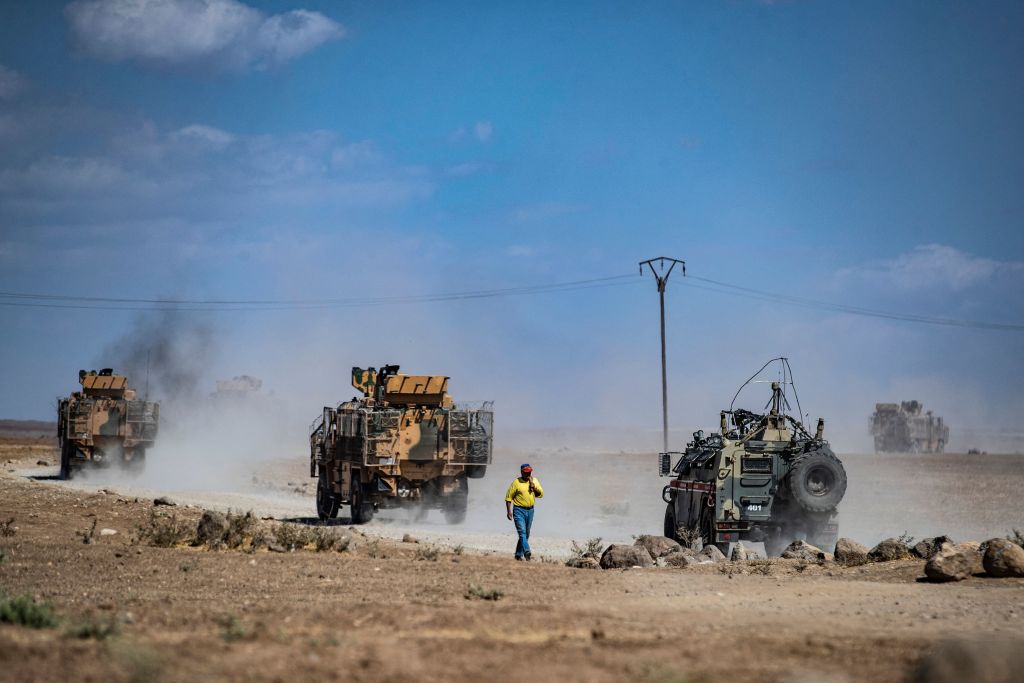
Even as the United States continues the strategic pivot to the Pacific inaugurated by the Obama administration, the competition for security and control of maritime space in the Red Sea and eastern Mediterranean is intensifying.
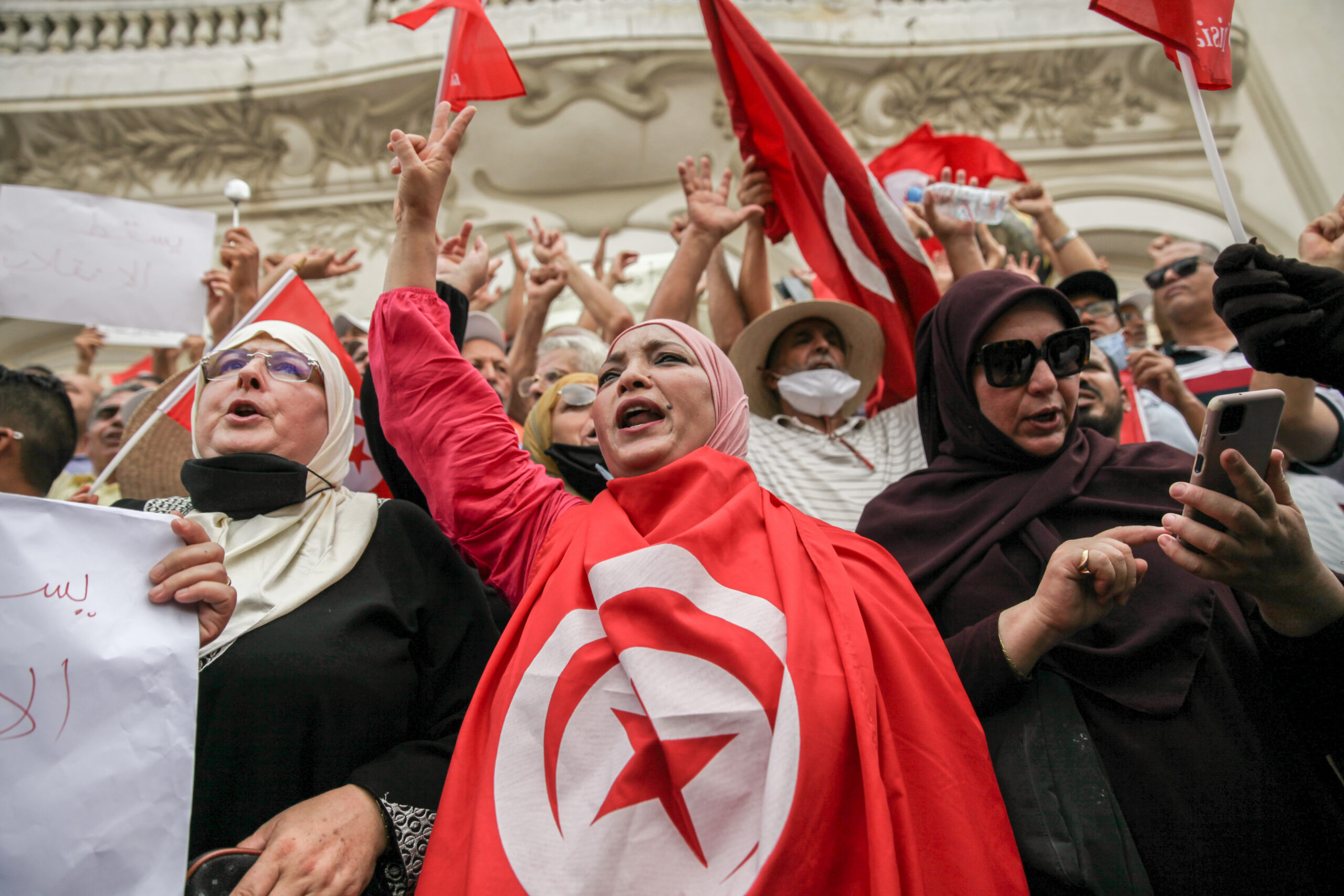
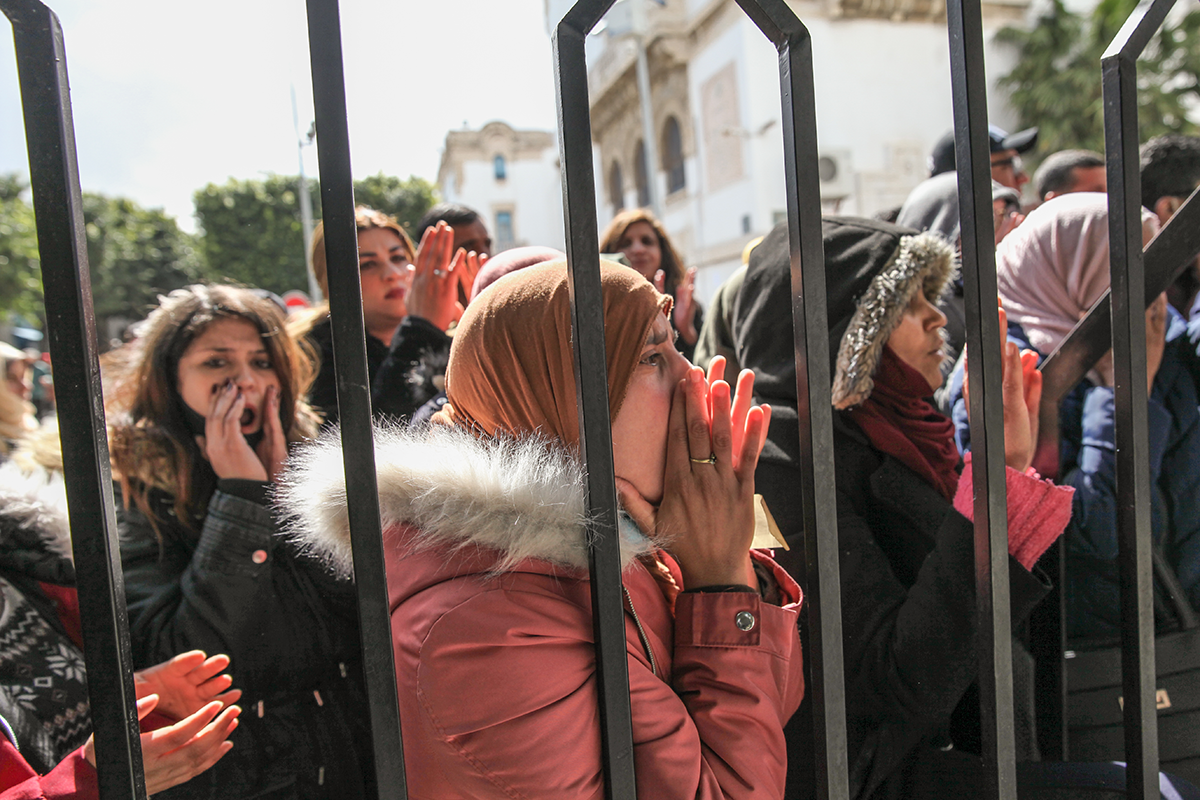
Lilia Blaise and Fadil Aliriza join Intissar Fakir for a discussion on Tunisia’s political turmoil following President Kais Saied’s series of moves since July to reshape the country’s government.
Far from a benefactor, the Turkish government is exploiting Somalia’s fragility
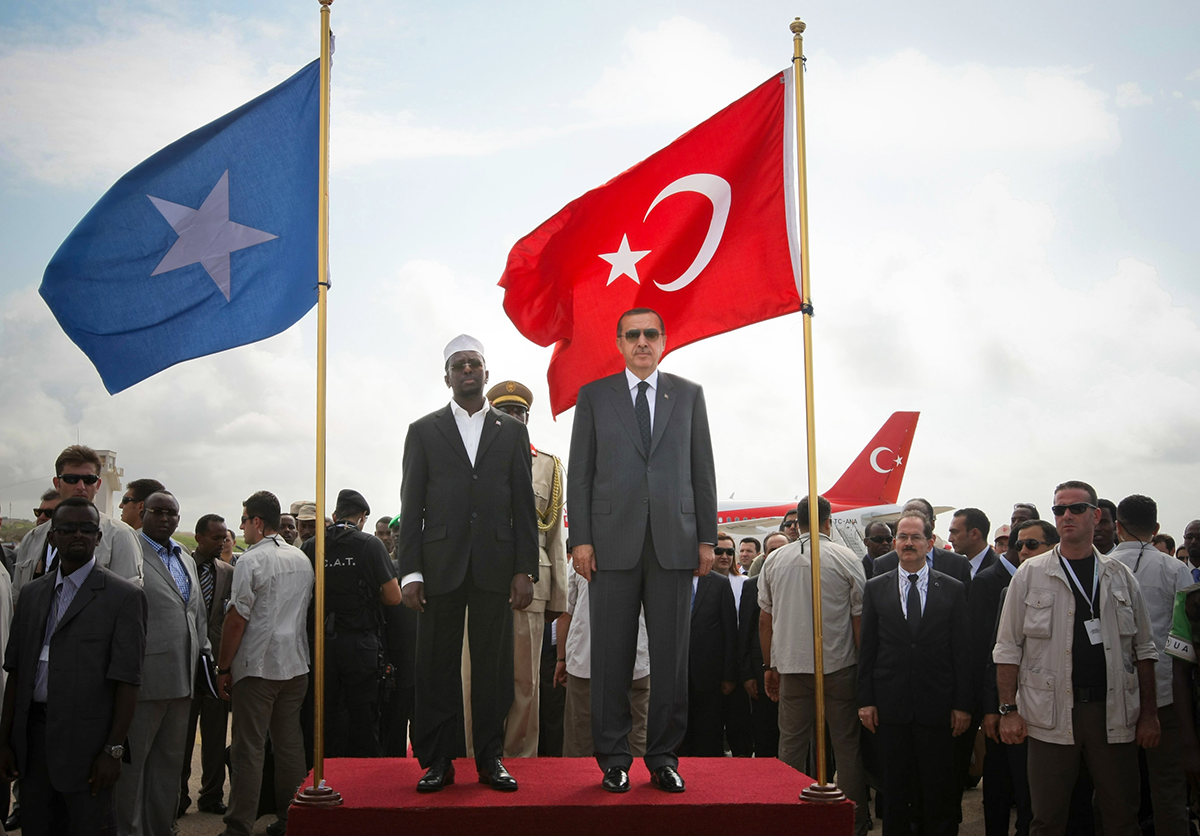
A decade has passed since Turkish President Recep Tayyip Erdoğan landed in Mogadishu at the height of one of Somalia’s worst famines, announcing grandiose projects like the launch of Turkish Airlines flights to the Somali capital, the remodeling of a hospital, and the opening of the biggest embassy in Africa, all designed to show that Turkey’s mission goes well beyond aid and that Ankara is an alternative to Somalia’s traditional donors. Erdoğan’s historic visit earned him high praise throughout Somalia. Although his trip appeared to be a heartfelt humanitarian mission, in reality it was part of a long-term, strategically planned effort. A decade on, Somalis are starting to realize that Turkey has evolved from friend to foe, trade partner to trade protectionist, state builder to outright spoiler.
On Oct. 4, MEI hosted a discussion with Dr. James Zogby, president of the Arab American Institute and founder of Zogby Research Services (ZRS); Elizia Volkmann, a British freelance journalist based in Tunis; and Dr. Eya Jrad, researcher and assistant professor of security studies at the Ministry of Higher Education and Scientific Research Tunisia. The conversation revolved around the findings of a ZRS survey of 1,551 Tunisians conducted between Aug. 15 and Sept. 5 covering their attitudes and optimism regarding the future.
Across the Maghreb, support for all outside actors, including China and Russia, remains low
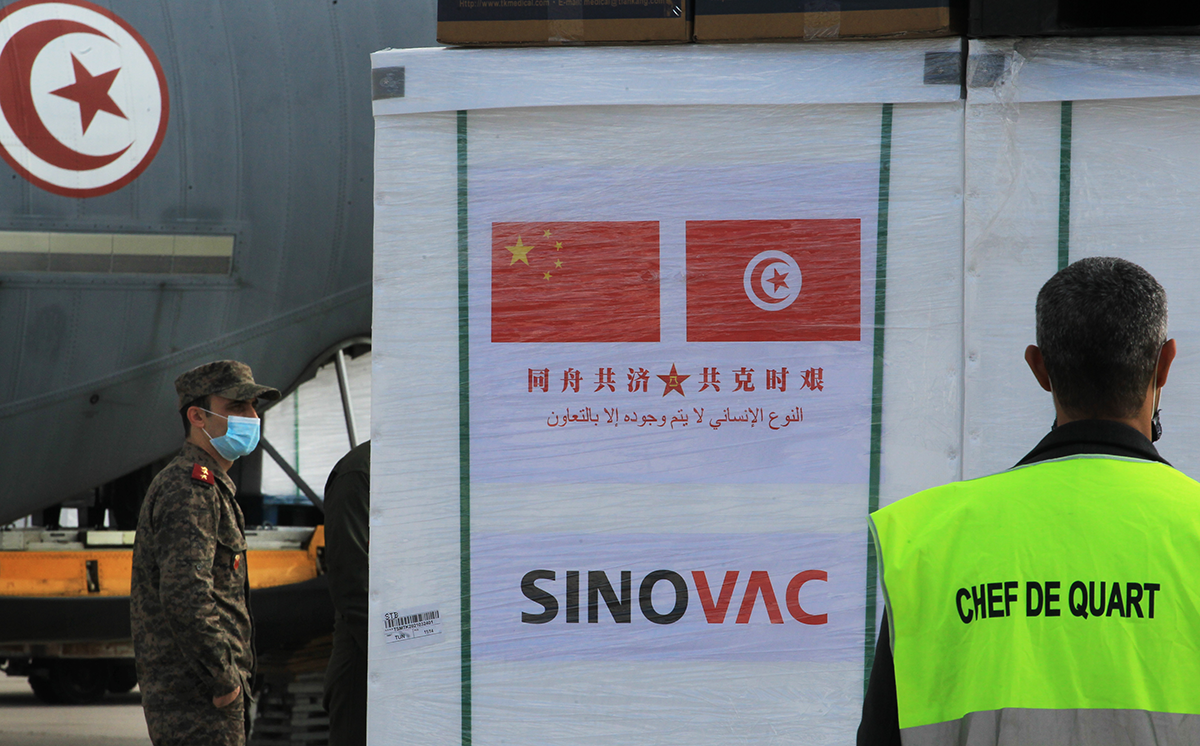
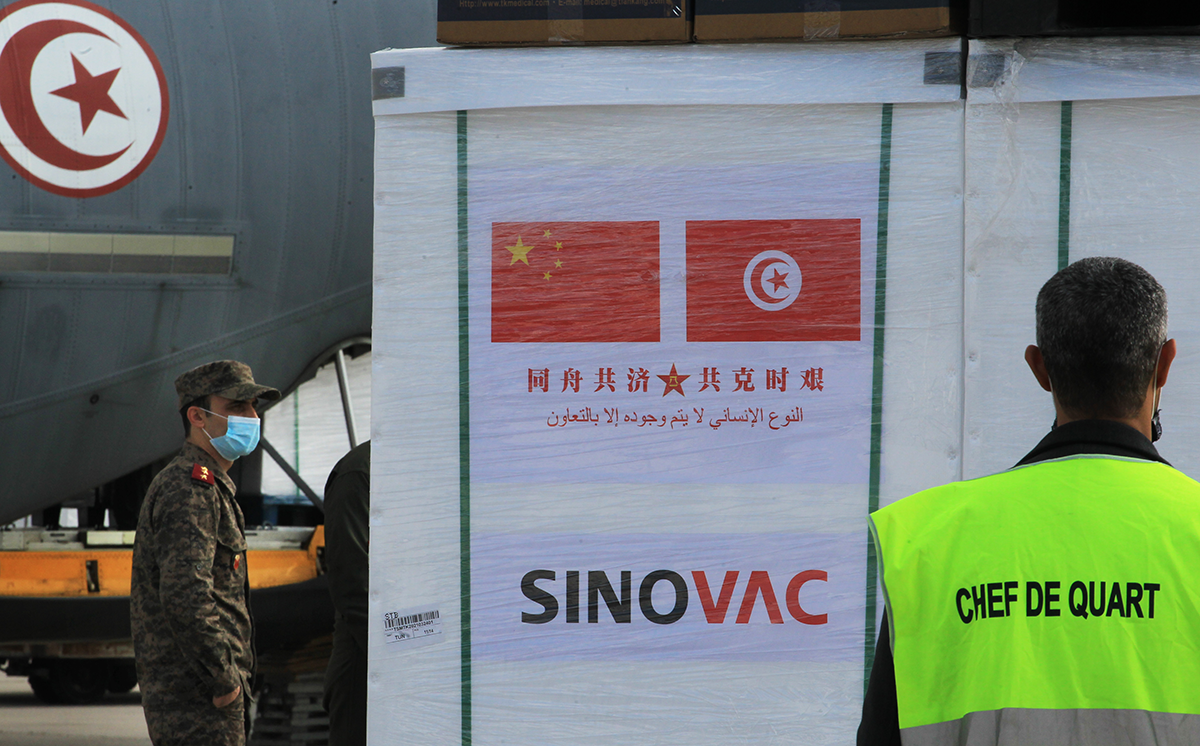
In recent years, China and Russia have gradually increased their influence in the Maghreb. The two powers, relative newcomers to the regional scene compared to Europe and the U.S., have been building stronger commercial, security, and diplomatic ties to the Maghreb countries of Morocco, Algeria, and Tunisia. However, these ties have not yet translated into significant popular approval or support.
In surveys, Tunisians tell of continuous economic grievances
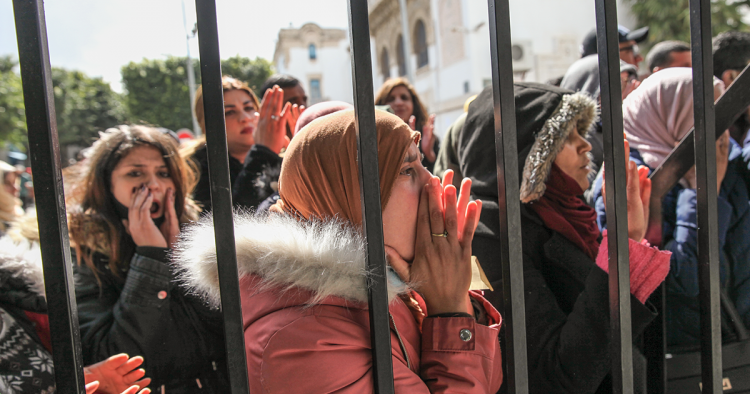
The latest round of public opinion surveys conducted by Arab Barometer confirms that the deterioration of the economy — or more specifically a continuing collapse in living standards — has been at the forefront of people’s minds in Tunisia.
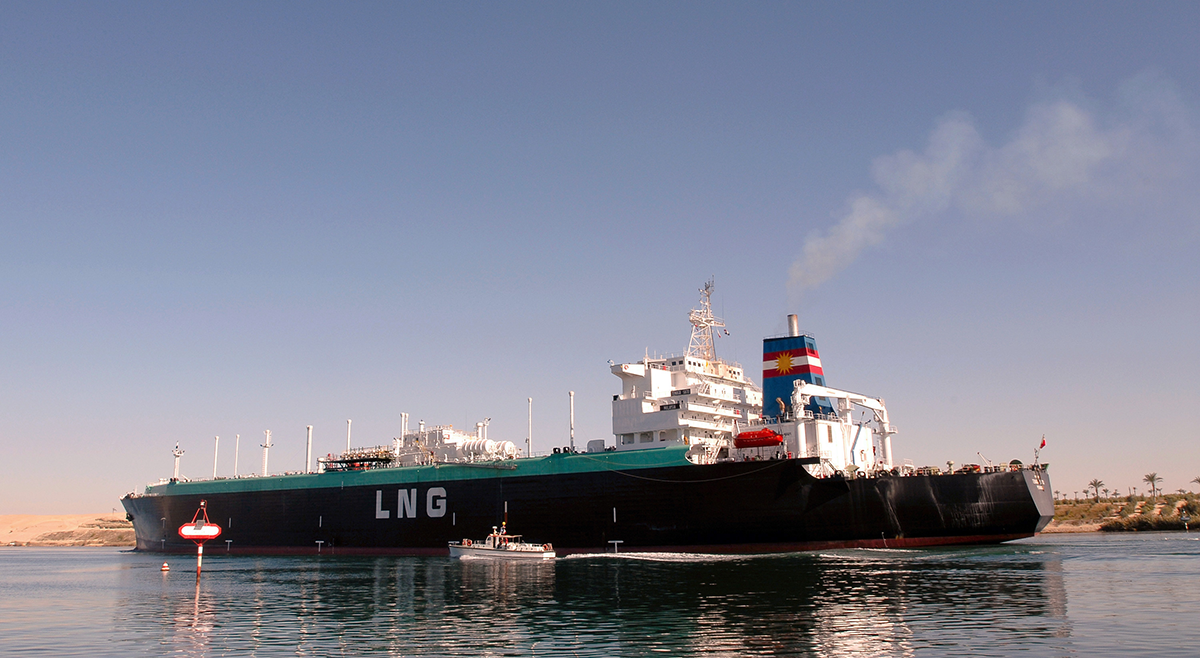
Egypt is currently the fastest-growing Arab exporter of liquefied natural gas (LNG), according to a report released by the Organization of Arab Petroleum Exporting Countries on Aug. 16. The report showed that Egypt exported around 1.4 million tons of LNG in the second quarter of 2021, having not exported any LNG during the same period in 2020.