Press Syndicate elections provide a rare chance for Egypt’s journalists to celebrate
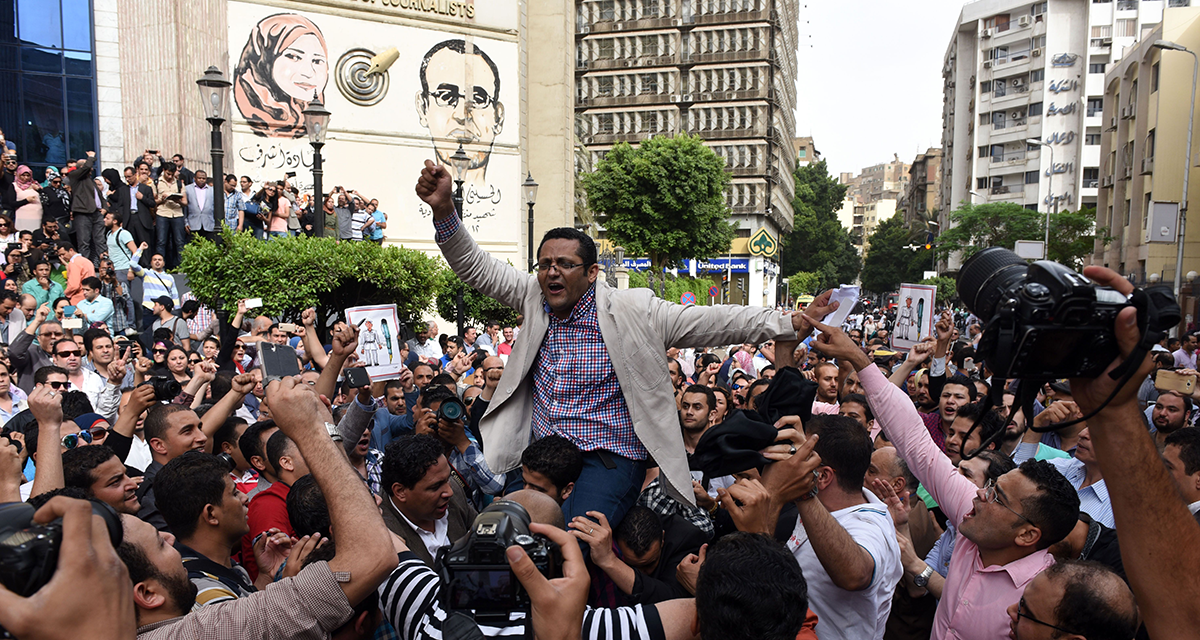
Since Egyptian President Abdel-Fattah el-Sisi took office nearly nine years ago, placing all forms of media under total state control has been a top priority. So when seasoned opposition journalist Khaled el-Balshy narrowly won the Egyptian Press Syndicate election on March 17, it was considered a major surprise, and provided a glimmer of hope for weakened opponents that they could still challenge the heavy-handed tactics of the state.
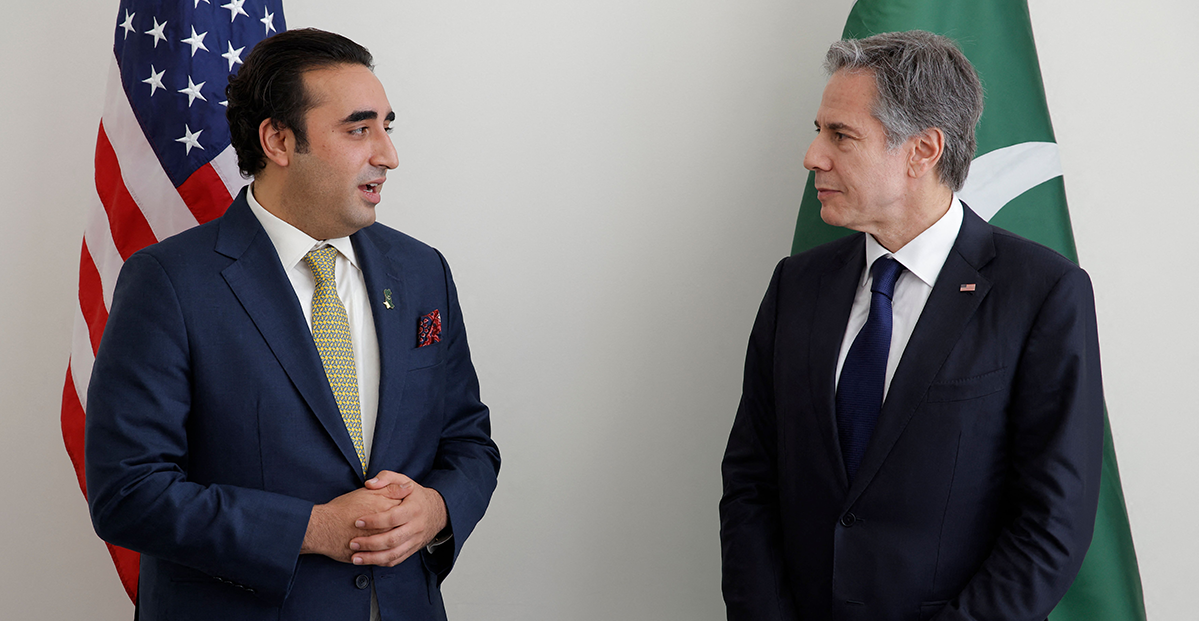
The multipolar moment has arrived in Pakistan’s backyard. Like China and India, Pakistan too is attempting its own geopolitical rebalancing. It seeks to revive ties with the United States and other Western countries. This pivot to the West comes after an earlier one to the East that began more than a decade ago. But, like the previous pivot, Pakistan’s efforts to rekindle ties with the West are unlikely to succeed unless it embraces the imperatives of economic reform and political stability.
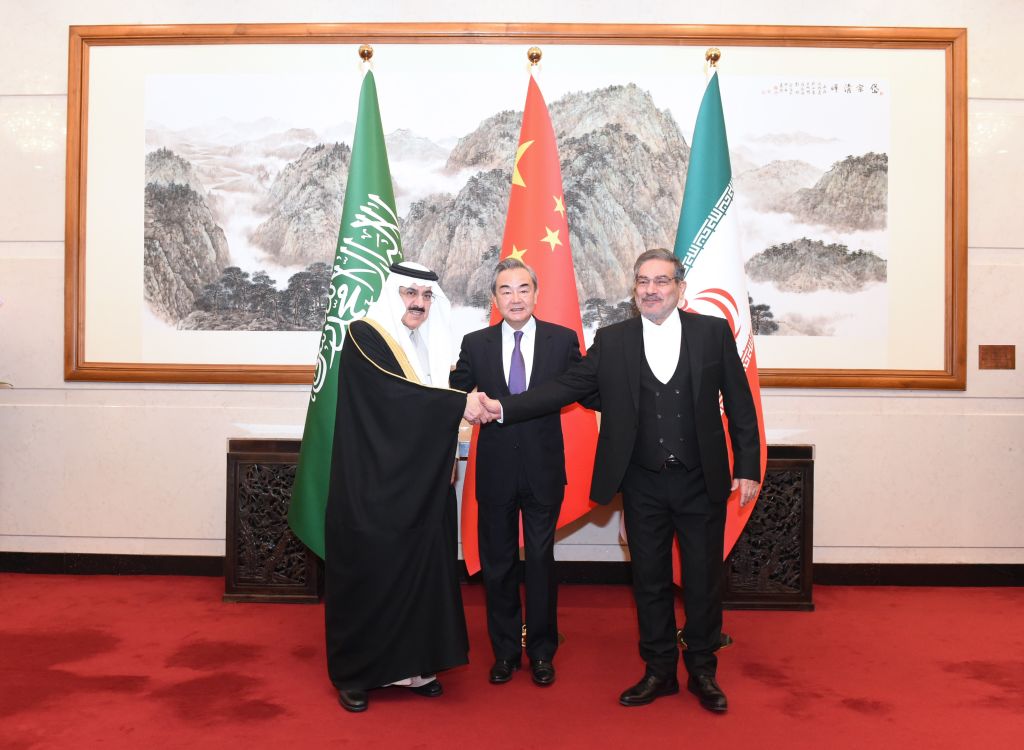
Unexpected beneficiary: The implications of the China-brokered Saudi-Iran deal for Pakistan
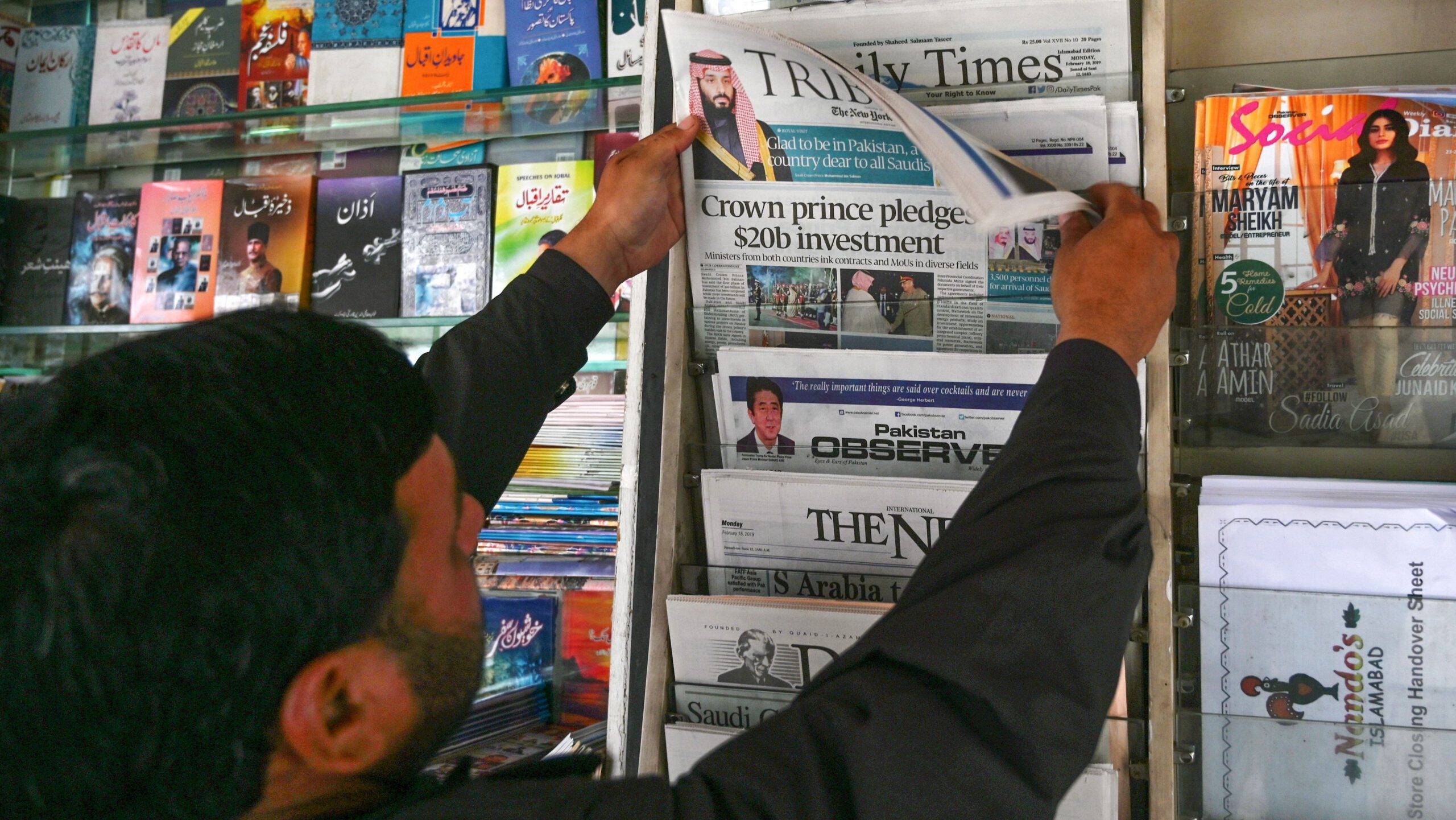
The implications of the apparent rapprochement between Saudi Arabia and Iran are likely to have significant consequences for vital neighboring regions like South Asia and other populous Muslim countries, including, notably, Pakistan.
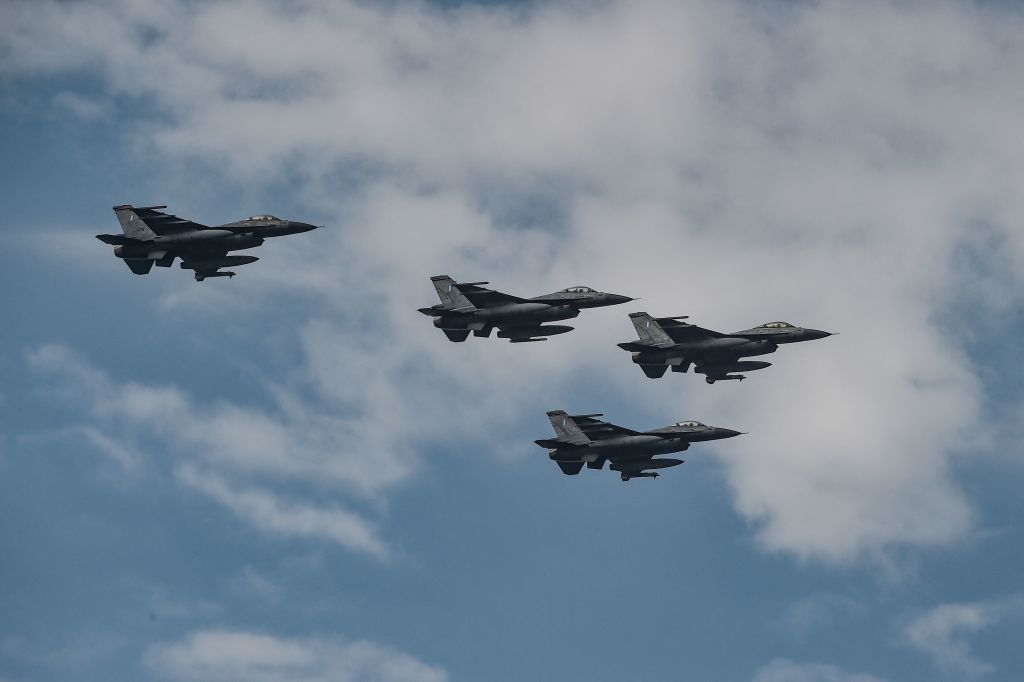
Arab women break boundaries and stereotypes in Middle Eastern militaries
As Women’s History Month in the U.S. draws to a close, women in the armed forces of several Middle Eastern countries continue to achieve historic milestones, with many now serving as pilots, engineers, peacekeepers, and in special forces units. The role of women is steadily increasing as the result of new initiatives, policies, and gradually changing mindsets in the Middle East.
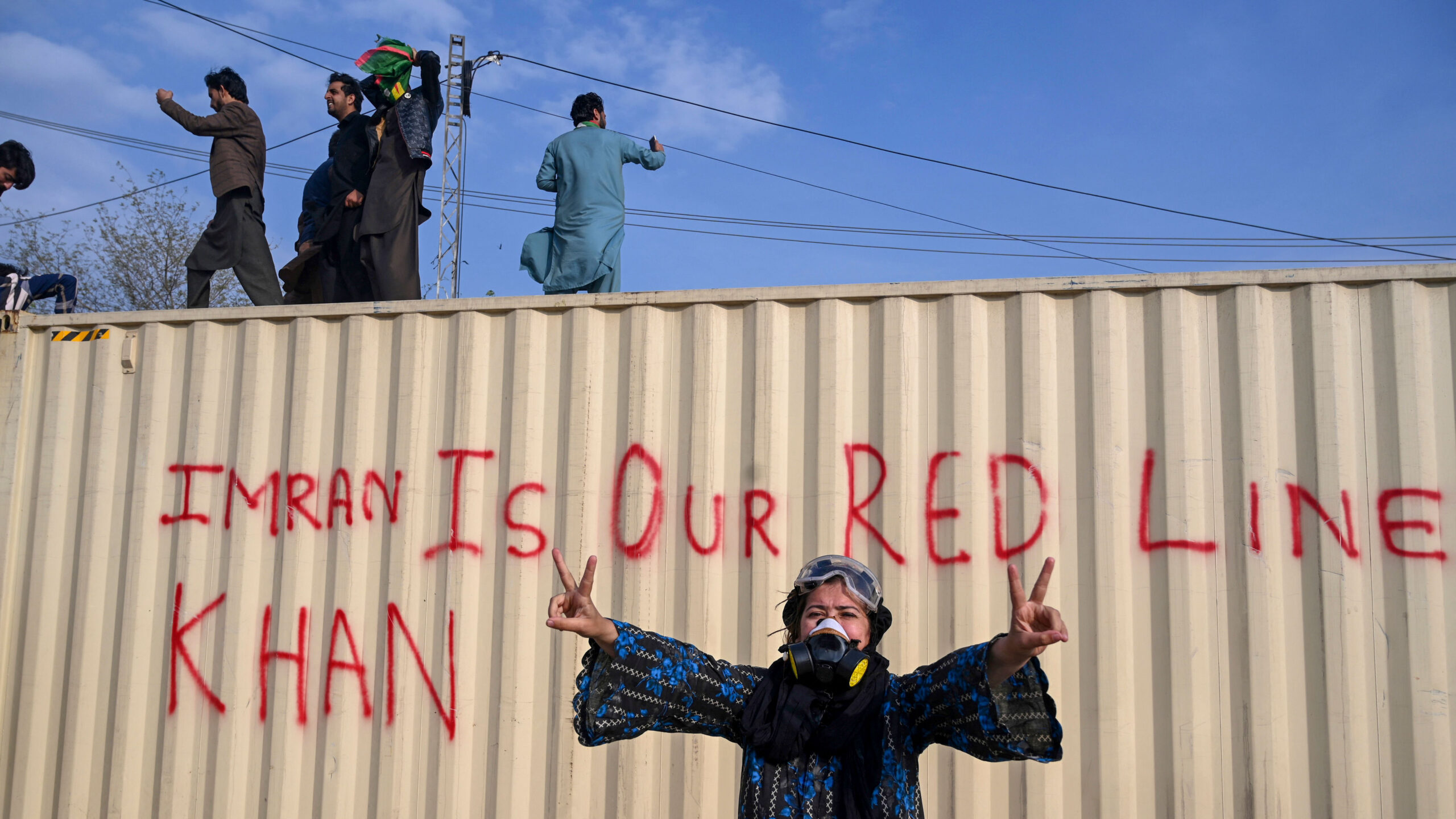
Pakistan’s democratic dilemma at the edge of a political precipice
The ongoing conflict in Pakistan between Imran Khan’s Pakistan Tehreek-e-Insaf (PTI) and Prime Minister Shehbaz Sharif’s coalition government has escalated to new heights, widened the political chasm even more, and multiplied social fragmentation in the face of public hostility to state institutions. It has also increased the likelihood of anarchy and civil war.
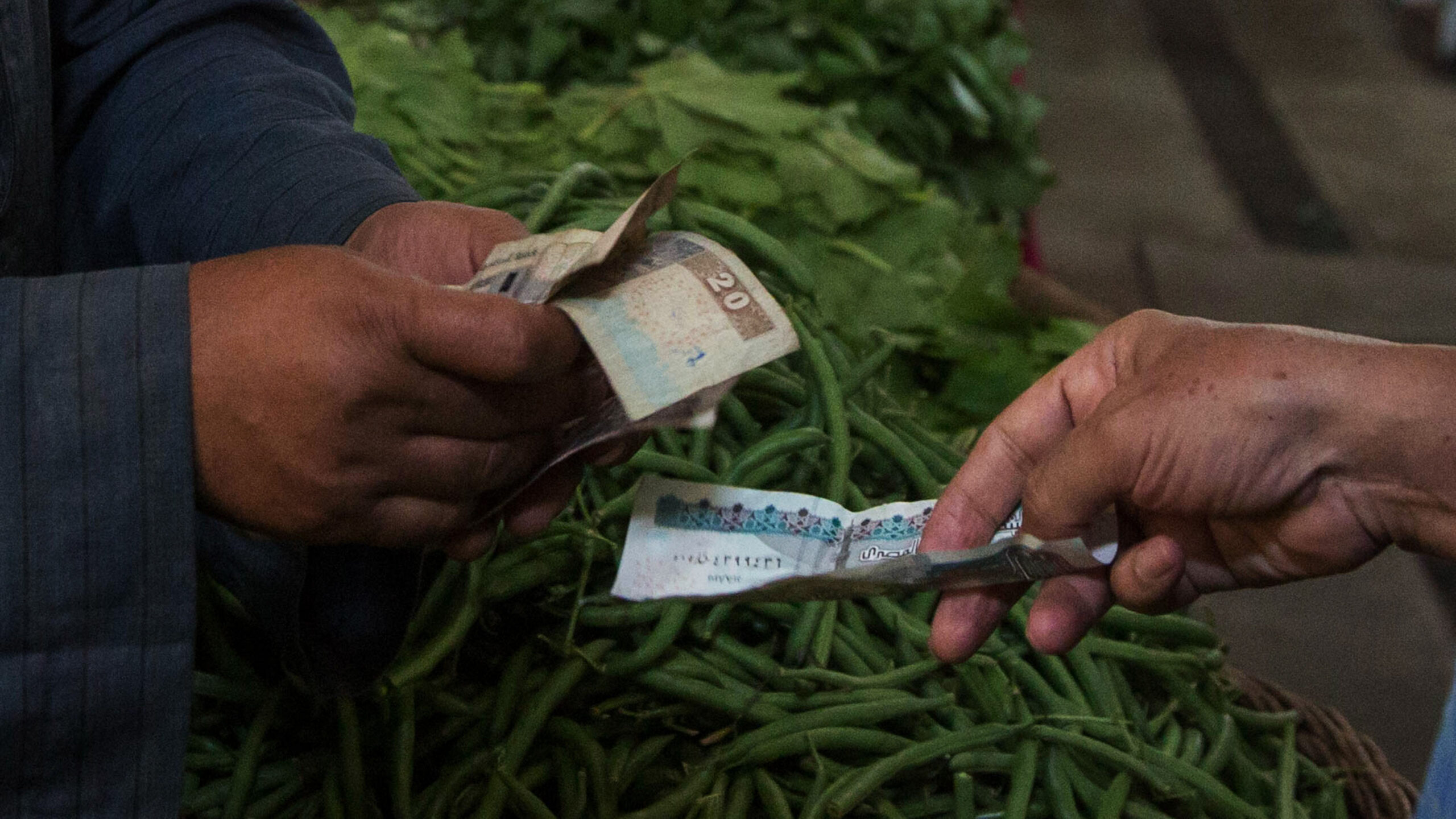
Egyptian government walks risky economic tightrope to fulfill its loan conditions to IMF
As a condition of its $3 billion loan from the IMF, the Egyptian Central Bank confirmed its pledge to maintain a durably flexible exchange rate. The Egyptian pound quickly and sharply dropped, but economists are cautiously optimistic that Egypt can sustain the current crisis and repay its debts. The government is walking a tight rope, attempting to raise revenues and attract investments without exacerbating the tough living conditions at home.
Eastern Mediterranean gas discoveries, progress, and what to watch in 2023
The challenge of developing export strategies for the offshore natural gas resources concentrated in the Eastern Mediterranean predates the Russo-Ukrainian war. Yet over the course of 2022, Europe’s intensifying energy crisis created a new and more immediate incentive to solve those export challenges, despite a great deal of work still to be done.