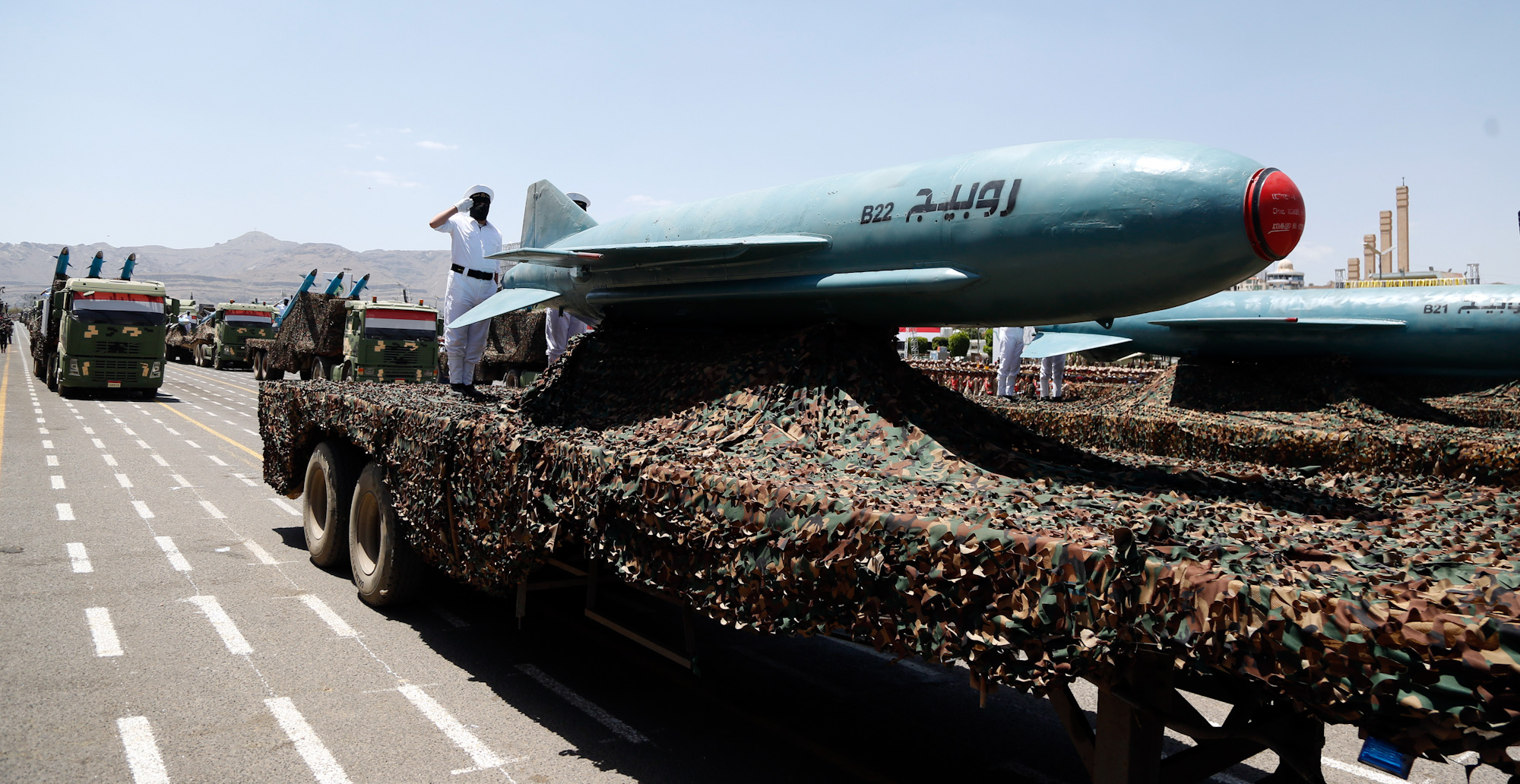
Despite the Houthis’ geographical distance from Israel and perceived limited capabilities, the threat they represent is all too real and if underestimated, they have the potential to derail diplomatic efforts and destabilize the region, with potentially catastrophic consequences.
“The worst is coming”: Jordan braces for spillover effects of Israel-Hamas war
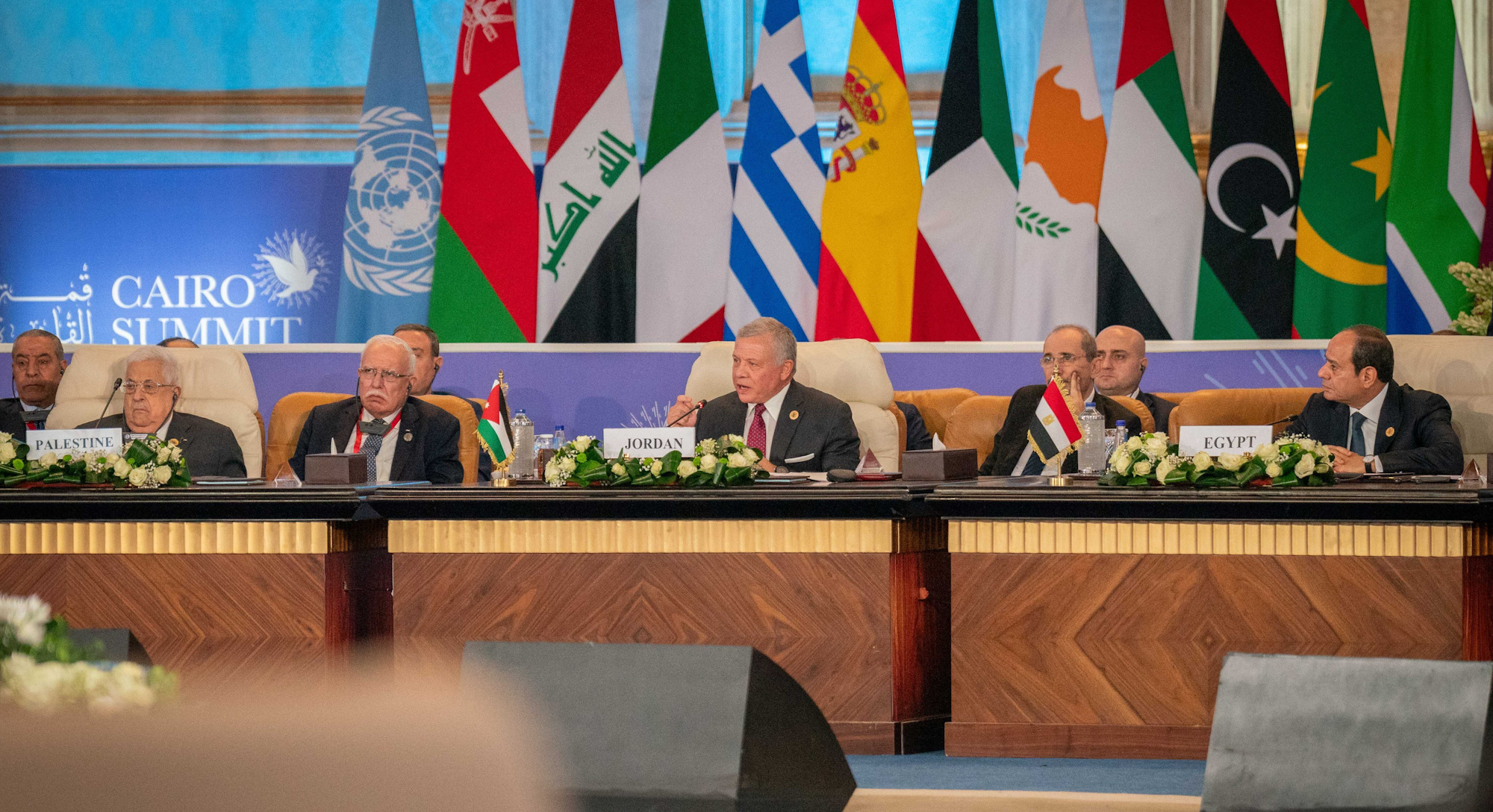
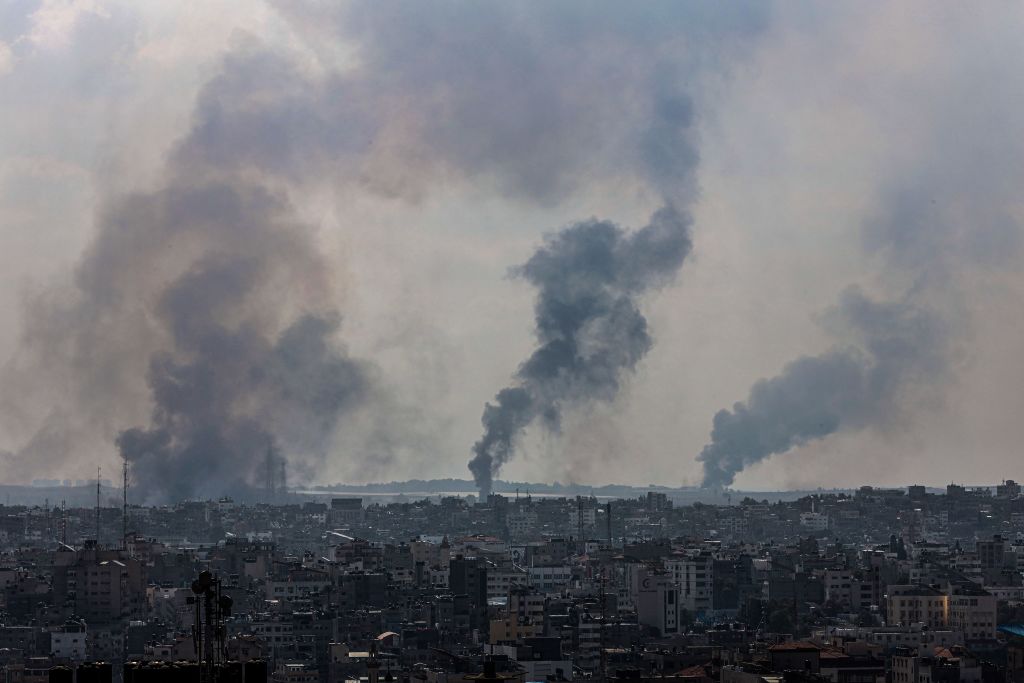
As the Israel-Hamas war enters its fourth week, the Kingdom of Jordan finds itself on the frontline of the conflict and King Abdullah II a central figure in the regional and global diplomatic efforts to contain it. The Hashemite Kingdom braces for a broader conflict and multiple spillover effects, having little leverage and few policy options.
Expert Views: US diplomacy and the Israel-Hamas war
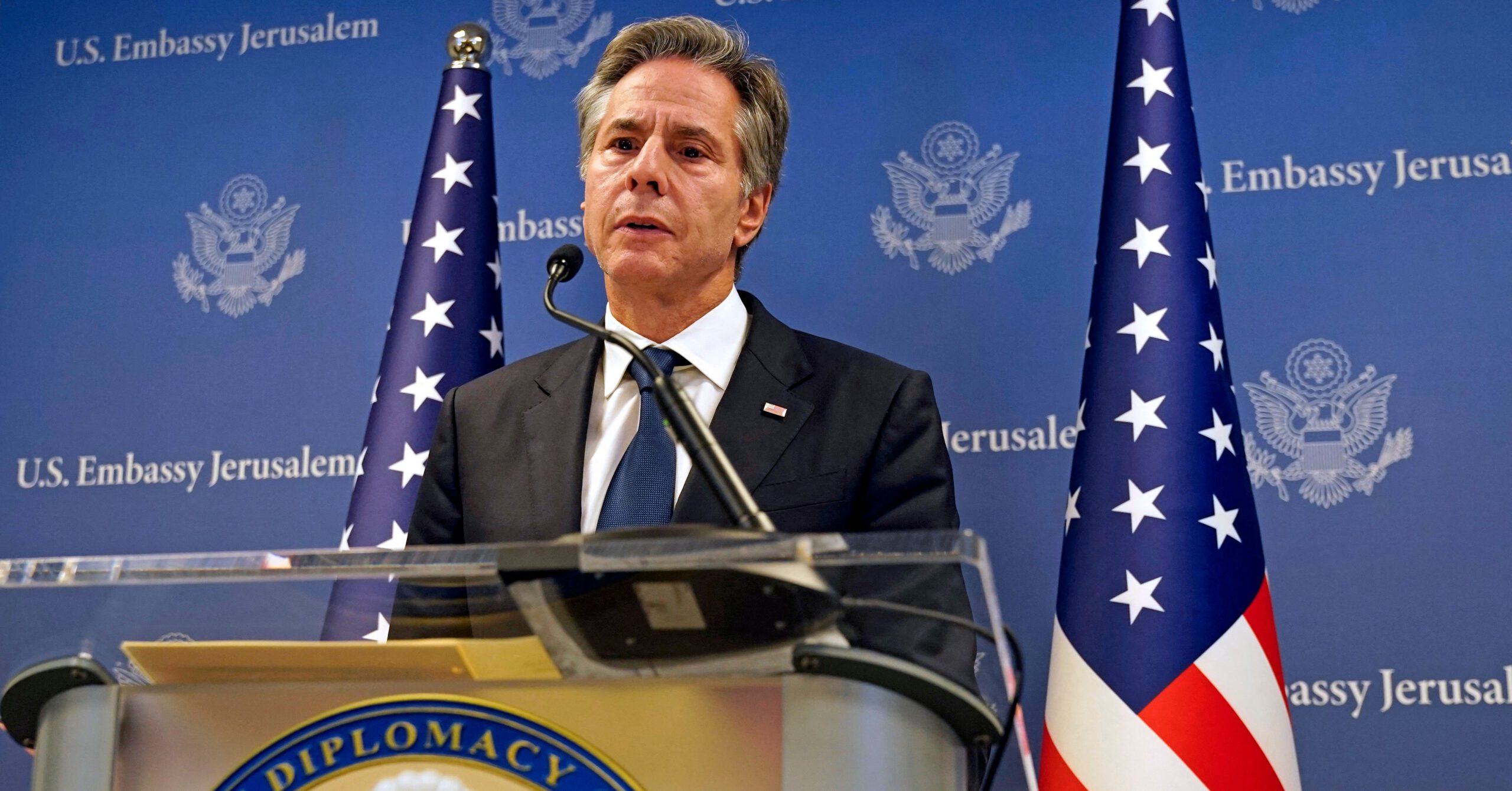
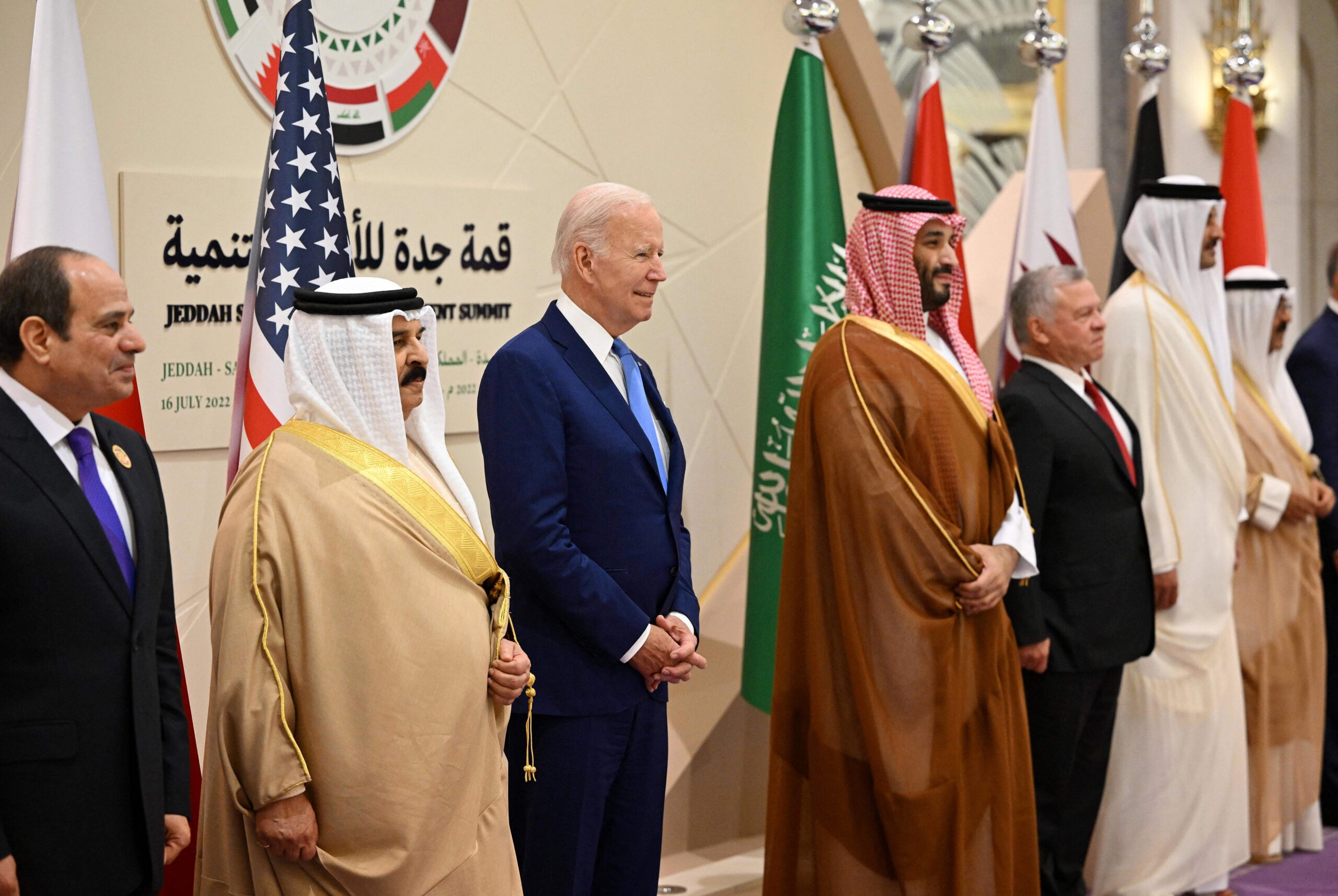
What further diplomatic steps should the U.S. take to respond to the Israel-Hamas war and its broadening regional reverberations? MEI has asked a group of former U.S. ambassadors and senior government officials specializing in the region to weigh in.
The war in Gaza as a major test of China’s Middle East peace diplomacy
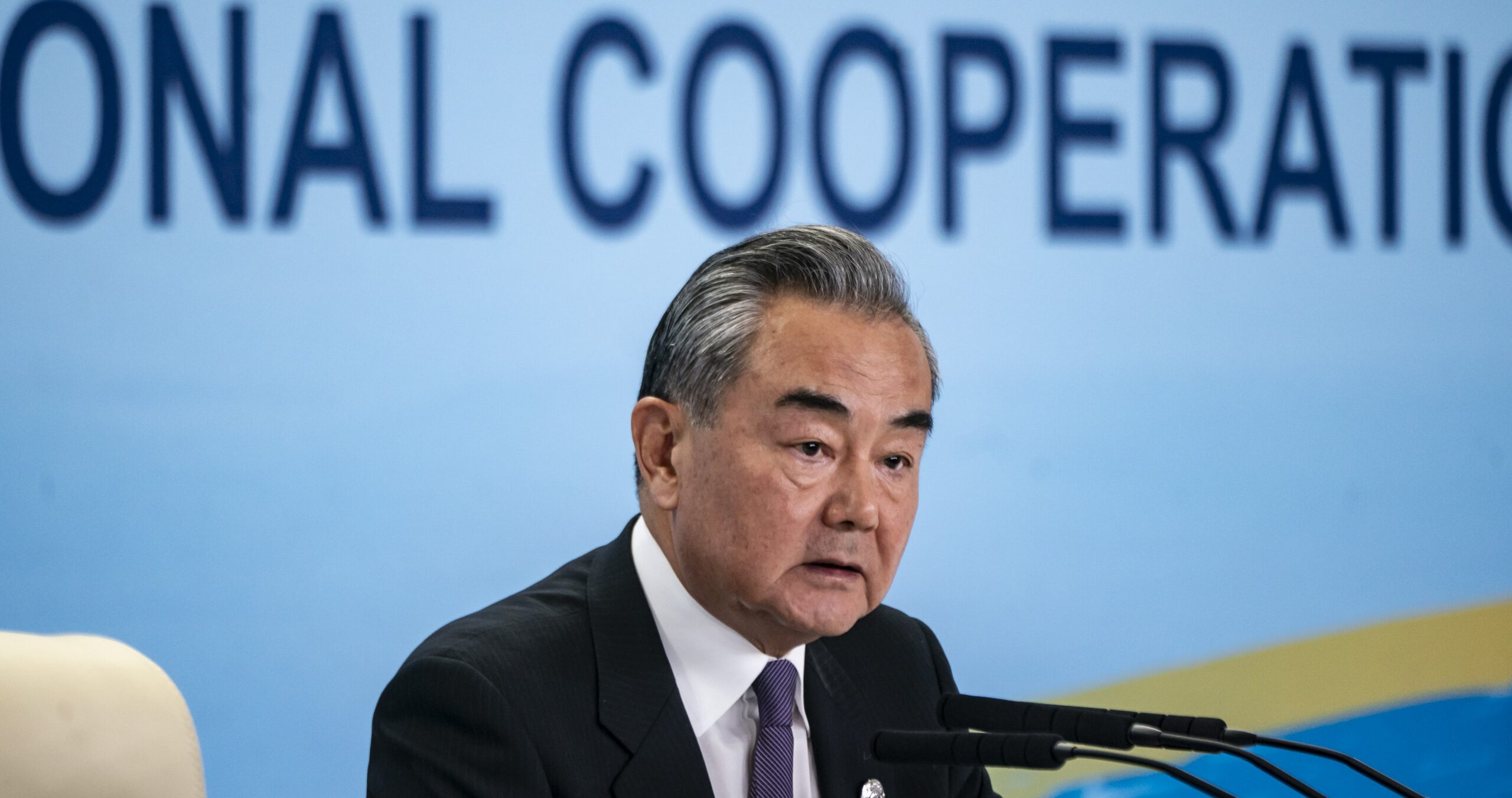
China has long sought to brand itself as a “neutral” player and force for peace in the Middle East and elsewhere, willing and able to talk to “all sides.” Beijing’s nascent ambition to play the role of peacemaker and its potential to shape regional events was on display when it succeeded last March in brokering the détente between Riyadh and Tehran. The Israel-Hamas war offers no such low-hanging fruit. On the contrary, it poses a major test of China’s Middle East peace diplomacy — and an opportunity to examine some of our own, perhaps faulty assumptions.
As Israel-Hamas war begins, it’s not too late to shape this historic inflection point
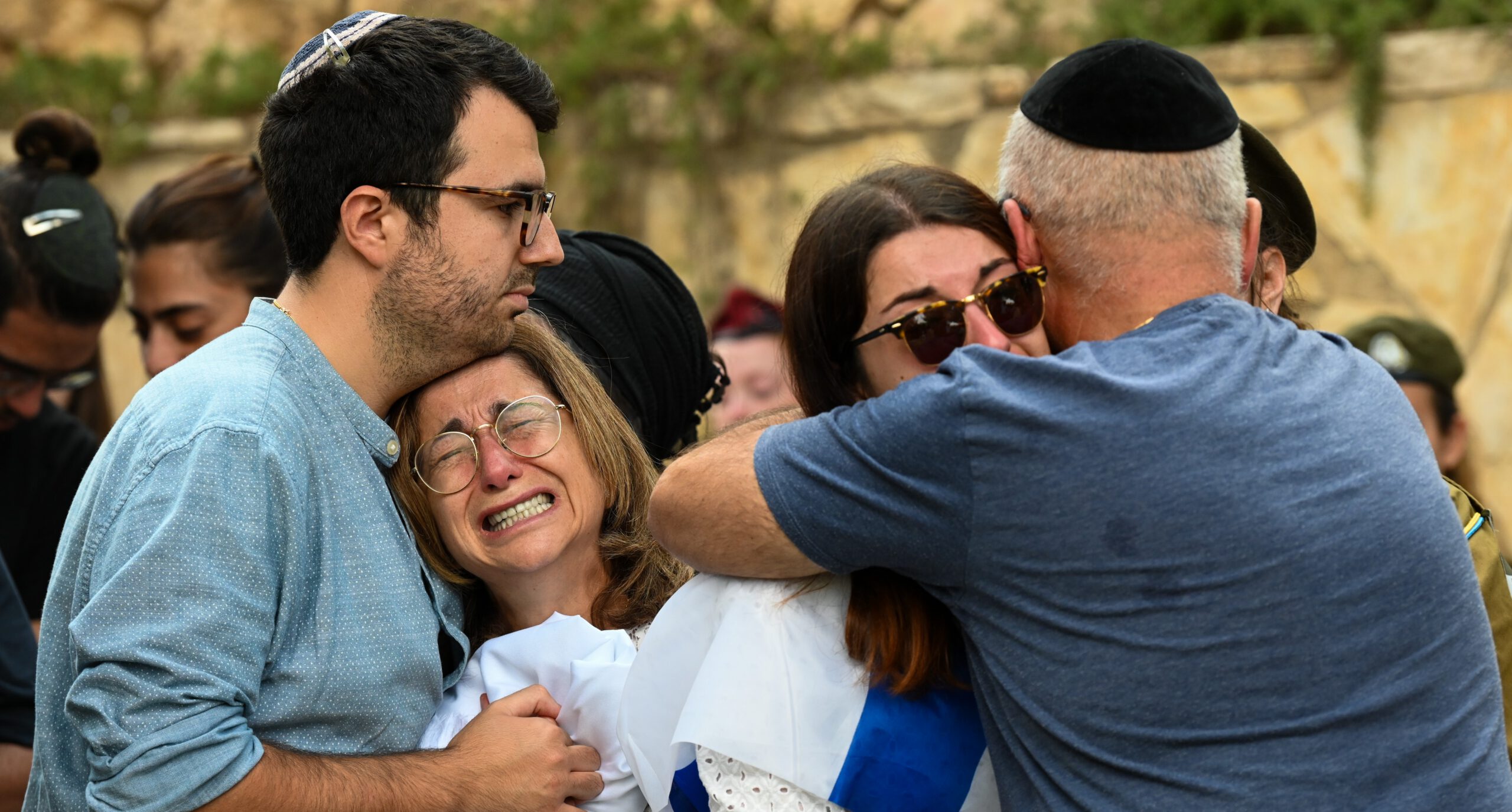
Hamas’ murderous raid on Oct. 7, resulting in the deaths of more than 1,300 Israelis, mostly civilians, may well turn out to be a consequential inflection point, having unleashed political and popular forces that could lead in a positive or, just as likely, extremely negative direction.
Treading Cautiously on Shifting Sands: An Assessment of Biden’s Middle East Policy Approach, 2021-2023
This report provides an interim assessment of the Biden administration’s overall Middle East strategy and examines the strategic opportunities and risks for U.S. policy in the broader region.
Impossible choices and routine tragedies: The Syrian refugee crisis at 13
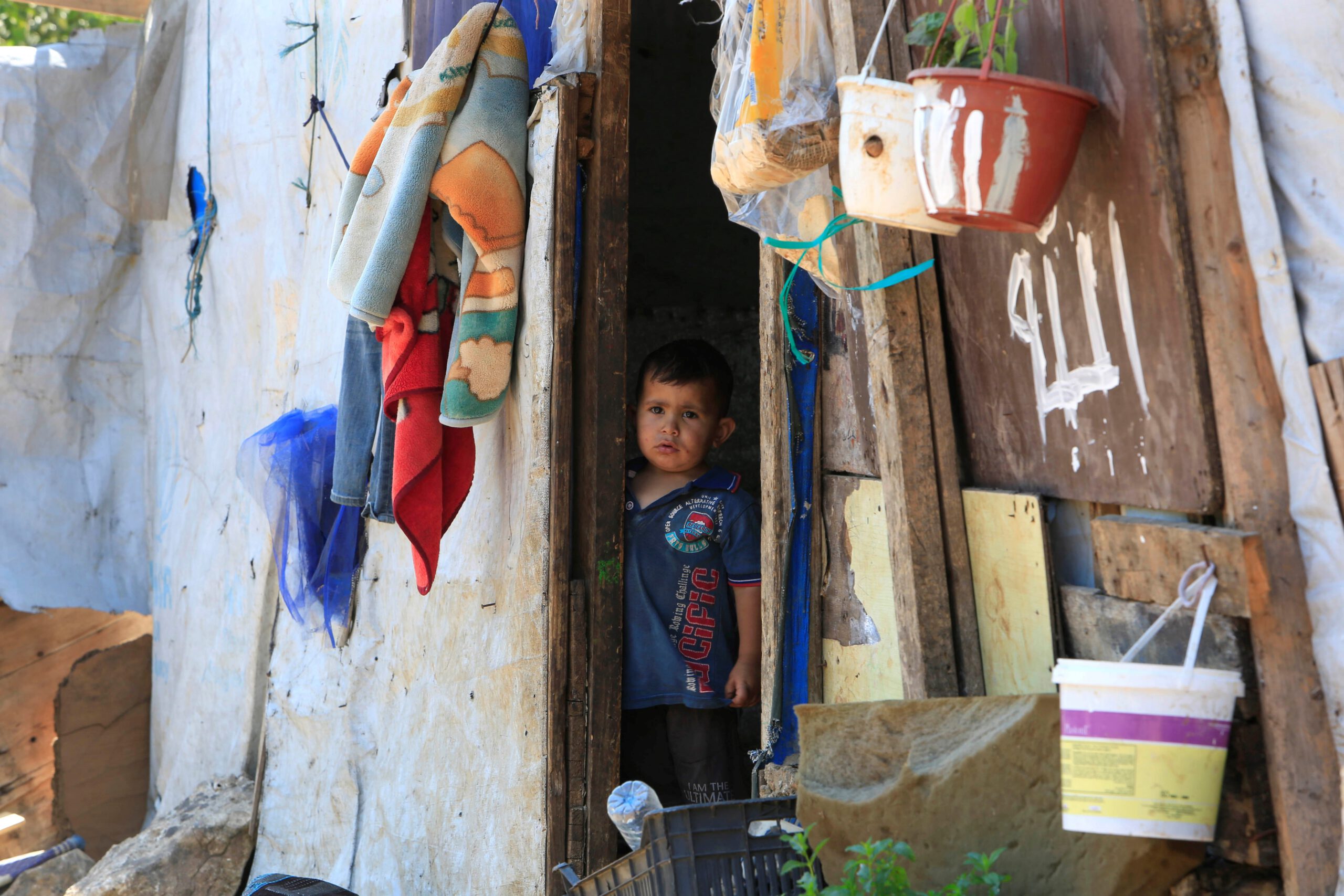
There are currently over 5.34 million Syrian refugees dispersed in camps, collective shelters, and poor neighborhoods across Lebanon, Turkey, Iraq, Jordan, and Egypt. Many make desperate attempts to find refuge in Europe. Instead of adopting repressive measures and discriminating against these individuals, the U.S. and European countries should work with regional partners and non-governmental organizations to limit the danger to refugees and IDPs.
The Beirut blast three years on: The case for international accountability
Three years on from the Beirut port blast, Hezbollah, with the support of Lebanon’s political elite, has managed to obstruct and even quash the domestic judicial process for holding those responsible for the explosion accountable and delivering justice to both victims and a battered nation. The international community must uphold its responsibility toward the Lebanese people by enabling a U.N. fact-finding mission to investigate the blast, sanctioning those responsible for obstructing justice, and making ending impunity the centerpiece of international mediation on the Lebanese crisis.
Pilgrims and profits: Jordan looks to holy baptism site to boost religious tourism
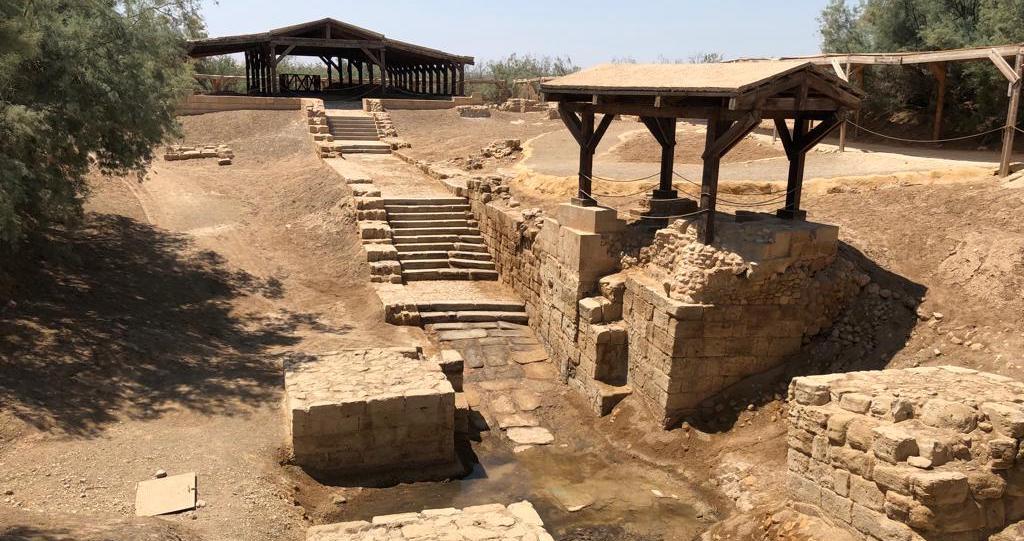
The Jordanian government has sought to further develop the Bethany Beyond the Jordan baptism site in an effort to boost the tourism sector and the broader economy. But striking the right balance between economic, religious, political, and environmental considerations won’t be easy.
Regional Environmental Cooperation Between Israel and Its Neighbors
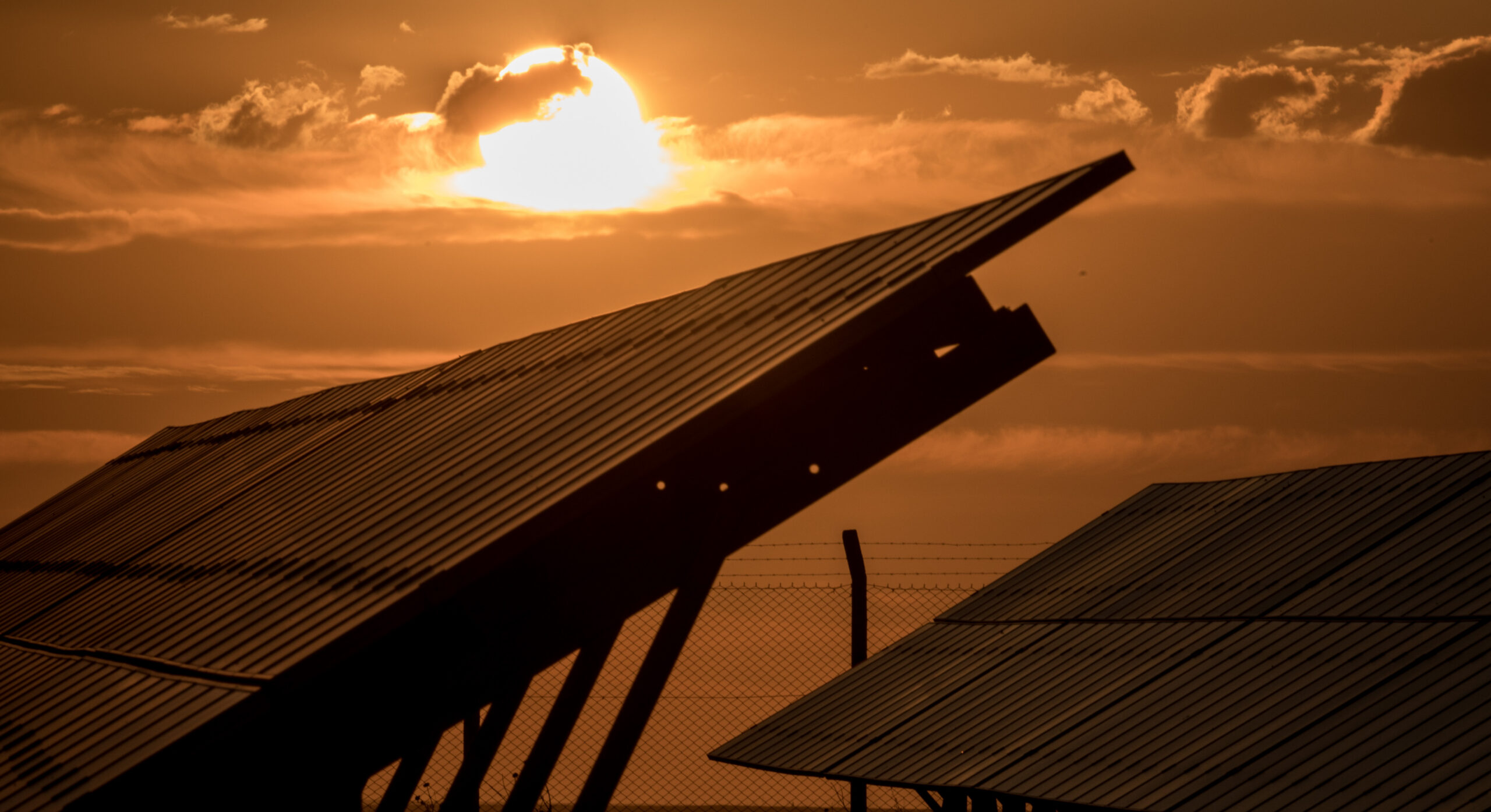
As environmental challenges become a priority for countries across the Middle East and the Mediterranean, this creates new opportunities for regional environmental cooperation, including between Israel and its neighbors. Despite being limited in scope and facing several key obstacles, regional cooperative endeavors are taking place, including on both the bilateral and multilateral levels, and efforts to sustain and expand them are underway. This new report, written under the auspices of the Israel Climate Forum, addresses the importance of regional environmental cooperation in the Middle East and Mediterranean, examines the scope of such cooperation between Israel and its neighbors, and spells out opportunities, obstacles, and recommendations for increased coordination and joint action, including the role the U.S. and Europe can play.
July 4 from abroad: The many ages of America in the Arab world
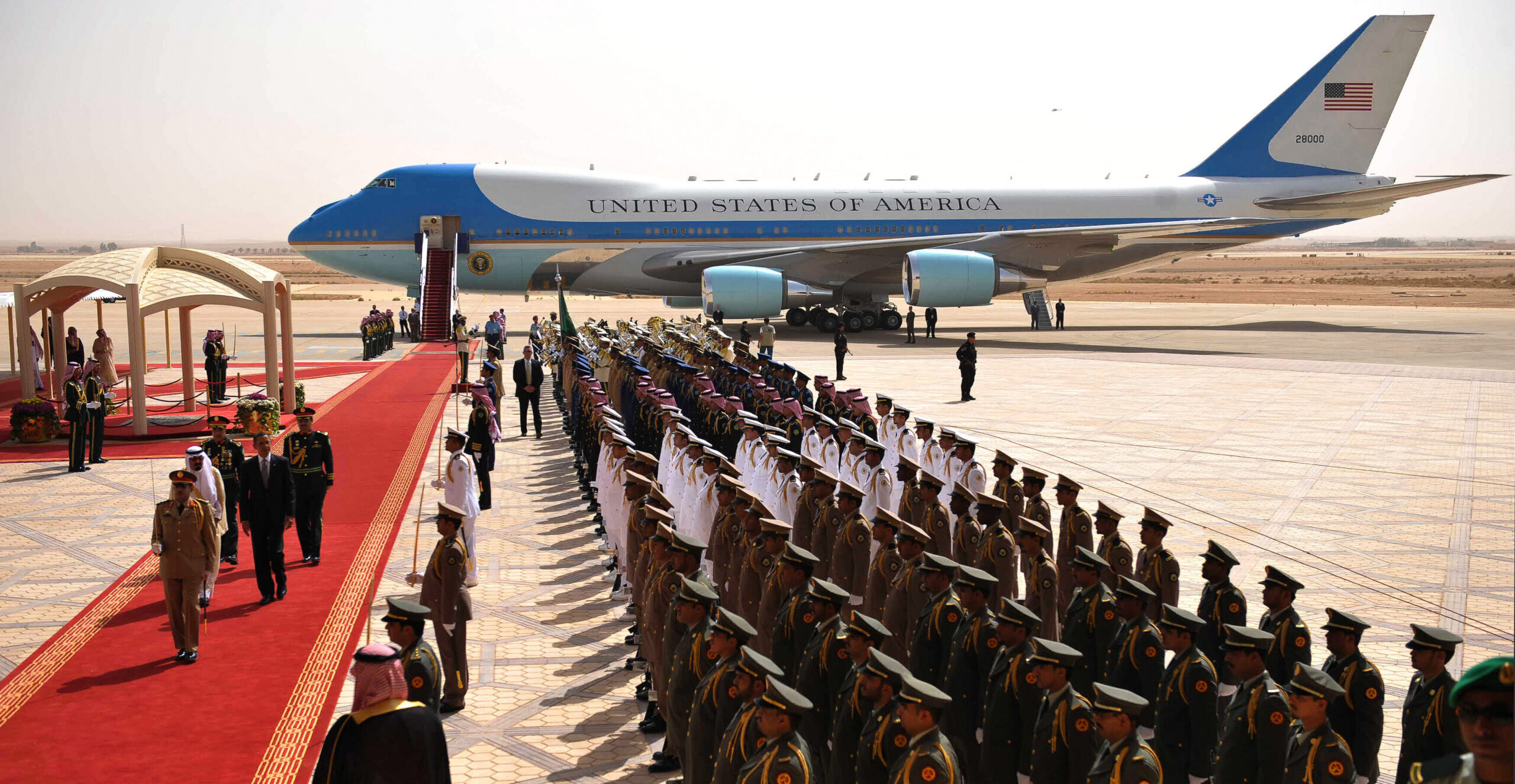
From the past century until today, the U.S. has cast a long shadow in the Middle East region and relations have gone through many highs and lows. It is important to be aware of this trajectory to better understand the relationship today; and perhaps there are lessons to inform the future of the relationship in the coming century.
Gender parity in the Middle East is still many decades away, but it will largely determine the future of economic, social, cultural, and political development in the region.
The US and France must push back on Iran to break Lebanon’s political gridlock
Jean-Yves Le Drian, French President Emmanuel Macron’s envoy to Lebanon, made a preliminary diplomatic visit to Beirut last week. Le Drian’s appointment marks a potential though uncertain opening to consolidate international support for Lebanon to facilitate an end to the political gridlock and leadership vacuum. A short but timely boost in robust diplomacy on the part of Washington, strengthened by clear coordination with Paris and regional partners, can play a decisive role in preventing the unraveling of another failed authoritarian state that could further destabilize the region and force even more costly engagement in the future.