Can oil and water mix?: Creating opportunities for Iraq-Turkey cooperation
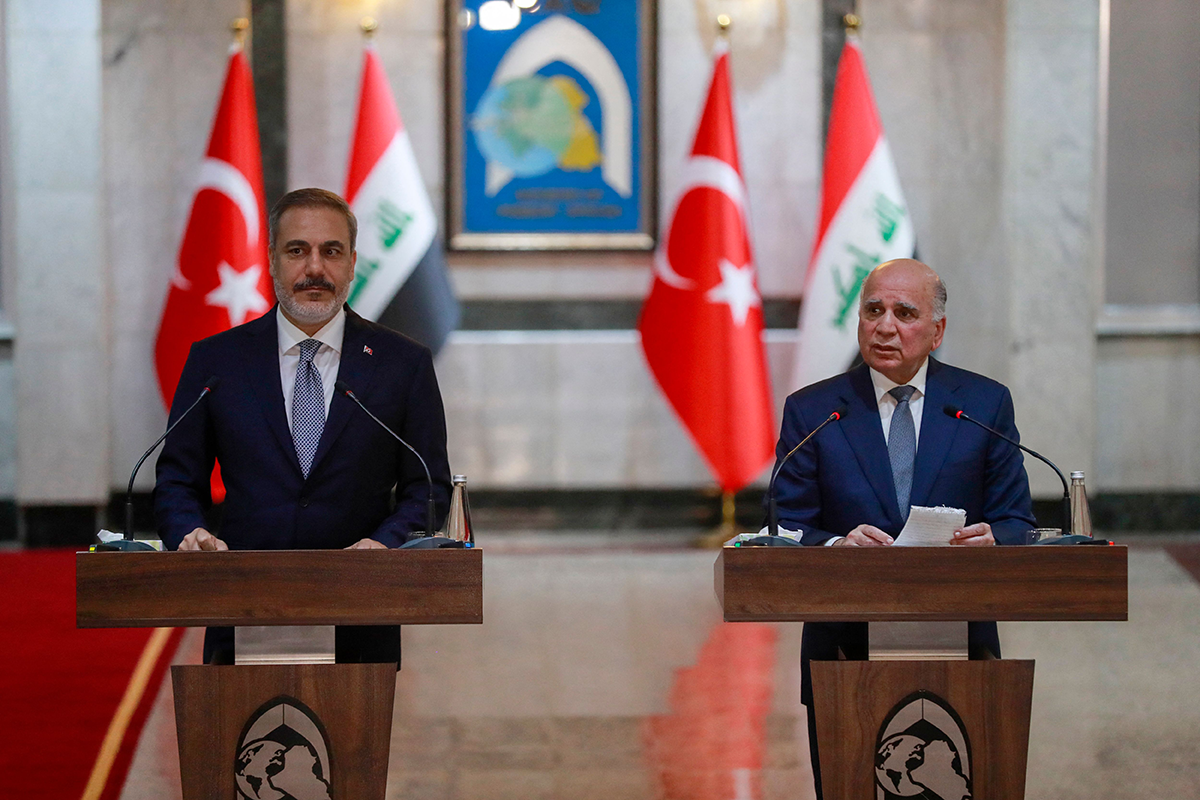
Last week saw a flurry of diplomatic activity between Baghdad and Ankara. The top priorities in the talks were oil exports, the presence of the PKK in Iraq, and Iraq’s water crisis. The outcomes have been unimpressive, but there is an opportunity for Iraq to shake things up and improve its bargaining position, at least on the oil export issue, possibly more.
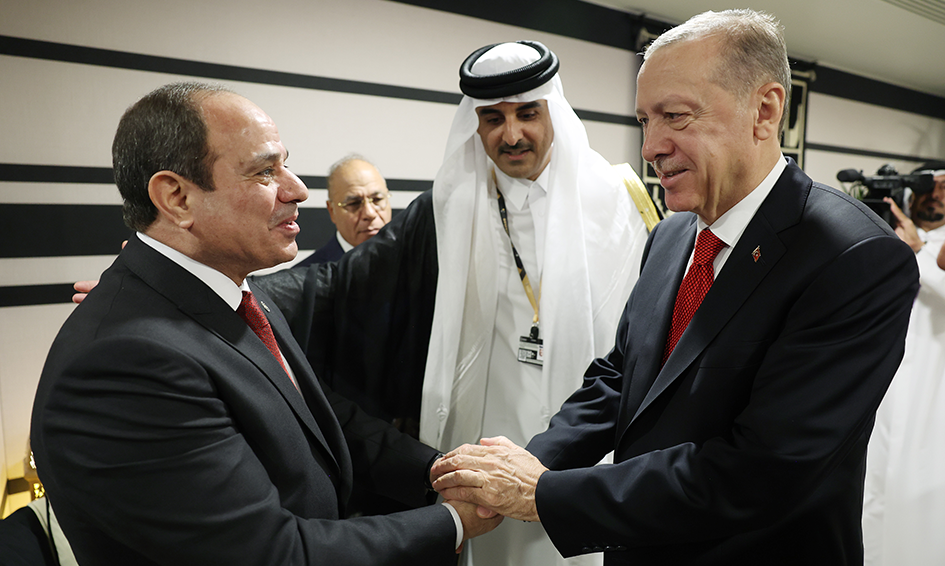
Putting Egypt-Turkey relations on a sustainable footing
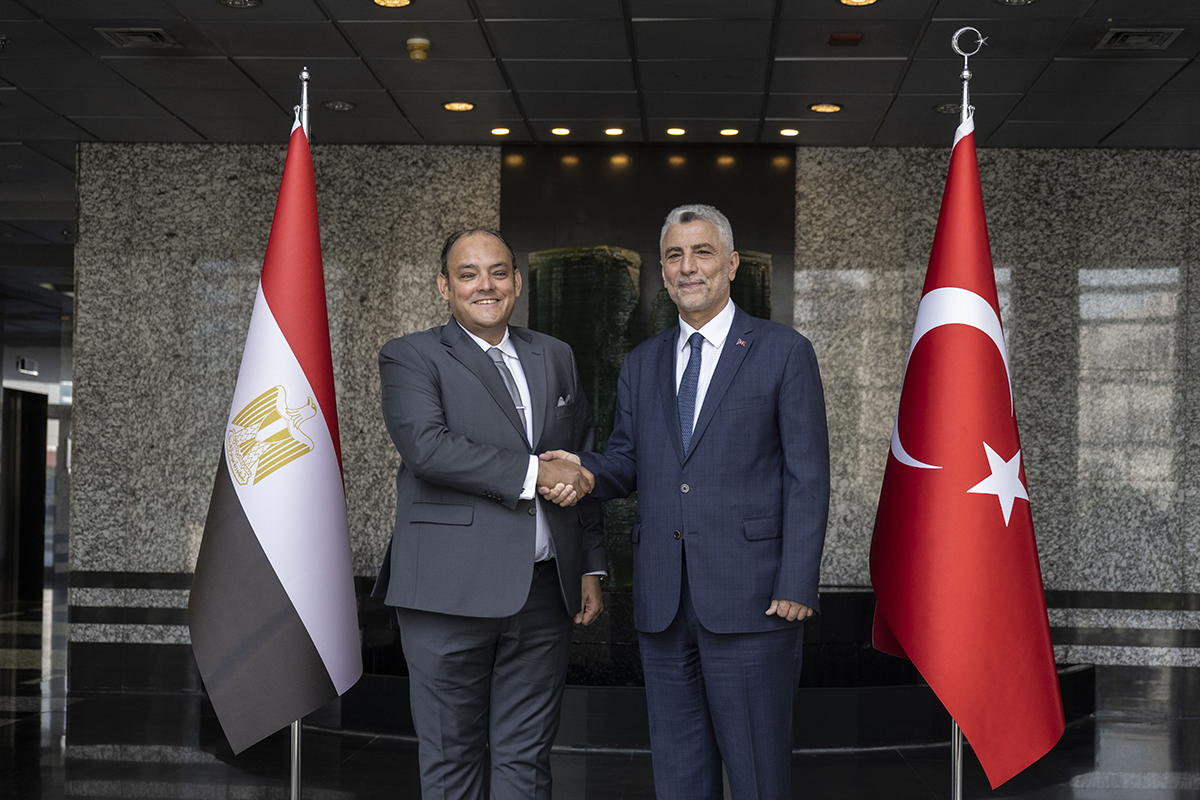
Turkey and Egypt, two influential regional players with a complex history of cooperation and conflict, are now working on mending their ruptured ties. As officials navigate this process, it is essential to identify practical steps to capitalize on the diplomatic breakthrough. Sustainable peace can only be ensured by shifting the focus from political ideology to shared interests. One way to do that is by creating an inclusive, multi-track process that involves state institutions, businesses, NGOs, academics, and the grassroots.
The Niger Coup and Turkey’s Military Industrial Complex in Africa
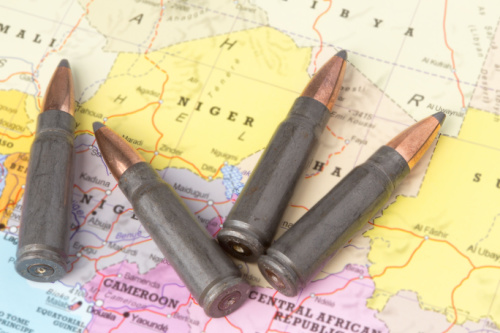
The recent military coup in Niger marks the point of no return for the unraveling of France’s dominant economic and military influence across West Africa. Turkey is the foreign actor that stands to benefit most, with the potential to emerge as a leading strategic partner for the nations of the region. Turkey’s engagement with West Africa is a unique, dual approach that blends military and economic engagement while deftly intertwining humanitarian aid and cultural outreach.
Pakistan’s interim government: A challenging road ahead
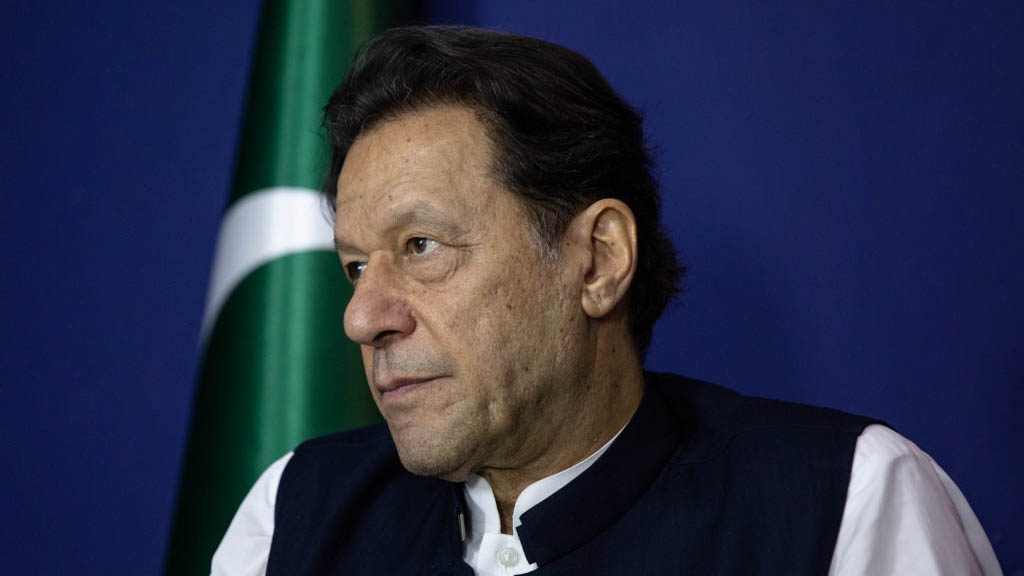
After the conclusion of the 16-month rule of the Pakistan Democratic Movement (PDM), the appointment of a new caretaker government has created uncertainty. This raises doubts about whether Pakistan will smoothly transition to another democratic government or if the caretaker setup will exceed its constitutional mandate.
Building back better with gender in mind: Centering Turkey’s women and girls in earthquake recovery
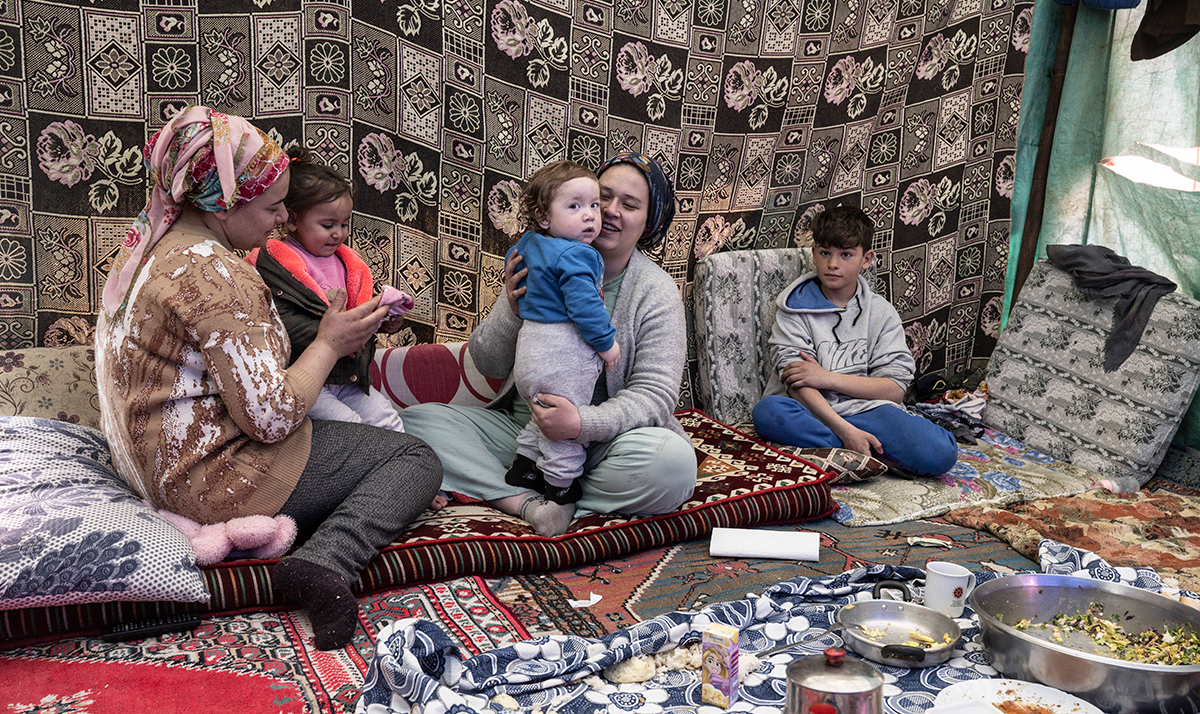
Gender-blind development policies leave women and girls behind and exacerbate their vulnerabilities before, during, and after disasters, as was made clear by the Feb. 6, 2023 earthquake that struck southeastern Turkey and northwestern Syria. By viewing disasters as gendered development problems, we can better understand the differential impact the Feb. 6 earthquake had on women and girls in Turkey and make more impactful policy recommendations.
Making sense of the Taliban’s counterterrorism assurances
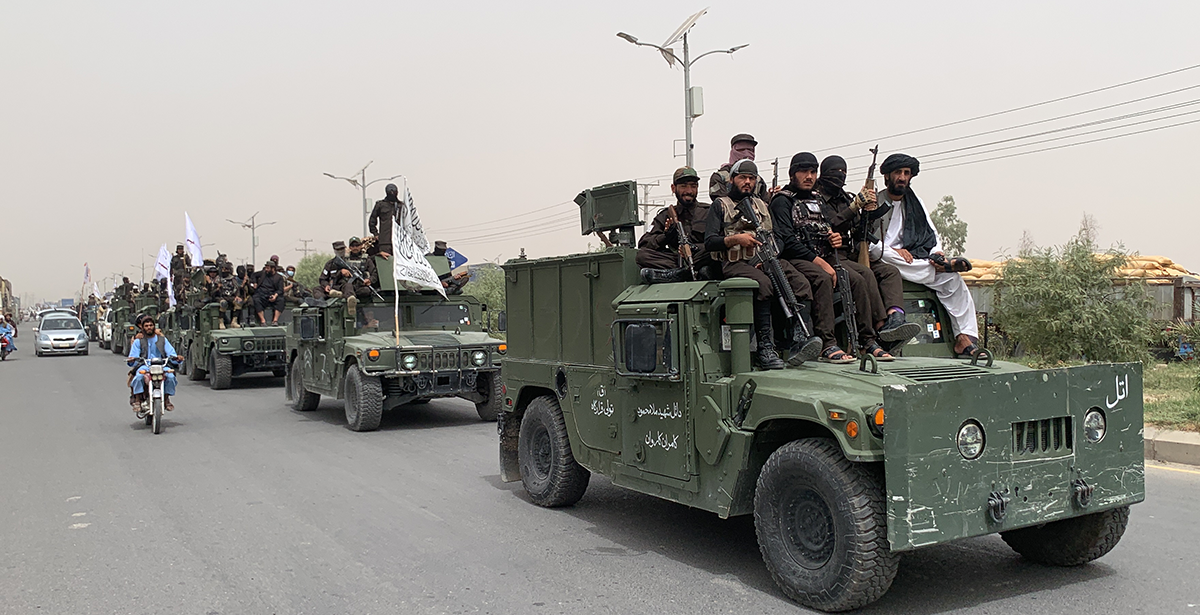
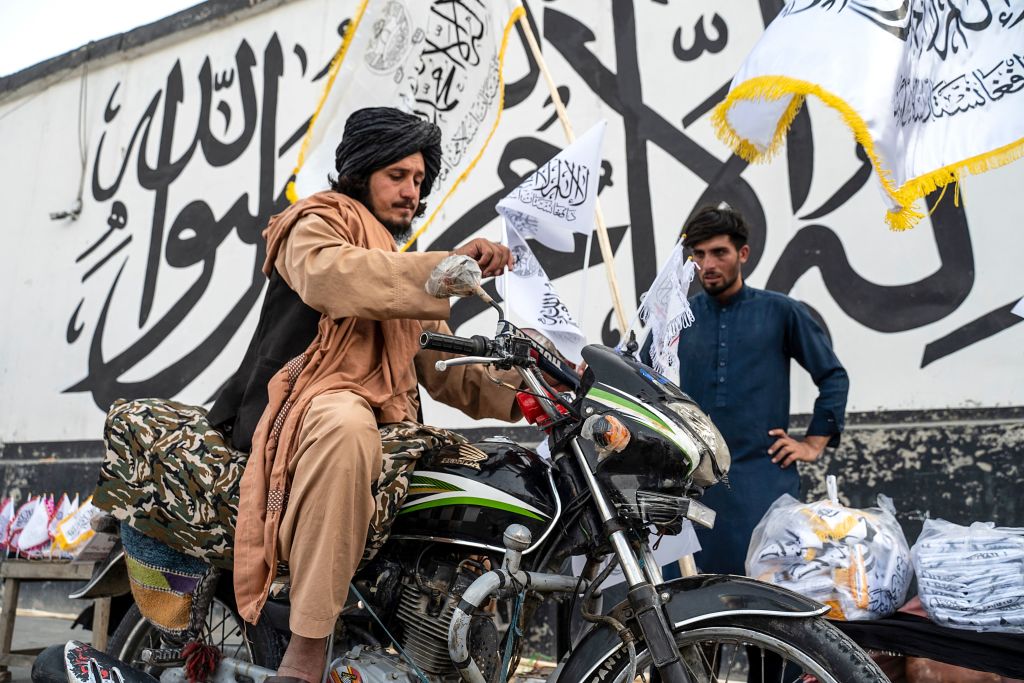
Two years on from the Taliban’s takeover of Kabul, Afghanistan’s neighbors are increasingly concerned that their return to power has emboldened terrorist groups and networks, which are using the hospitable environment to regroup, rearm, and recruit substantially. The main question now for Afghanistan’s neighbors in the region, and the international community more broadly, is just how reliable the Taliban’s counterterrorism assurances to other states really are.
Impossible choices and routine tragedies: The Syrian refugee crisis at 13
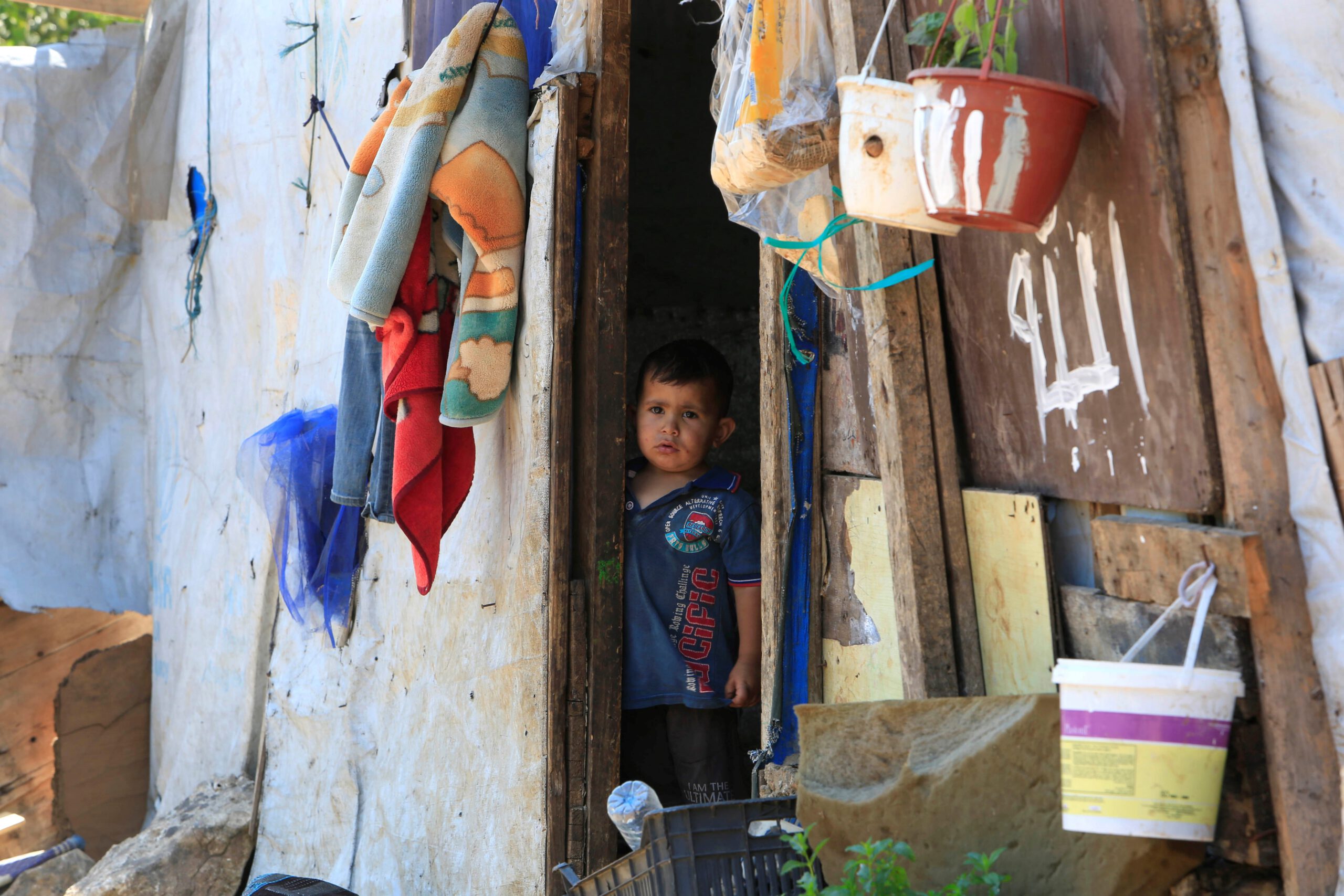
There are currently over 5.34 million Syrian refugees dispersed in camps, collective shelters, and poor neighborhoods across Lebanon, Turkey, Iraq, Jordan, and Egypt. Many make desperate attempts to find refuge in Europe. Instead of adopting repressive measures and discriminating against these individuals, the U.S. and European countries should work with regional partners and non-governmental organizations to limit the danger to refugees and IDPs.
The successes and failures of Turkey’s new economic team
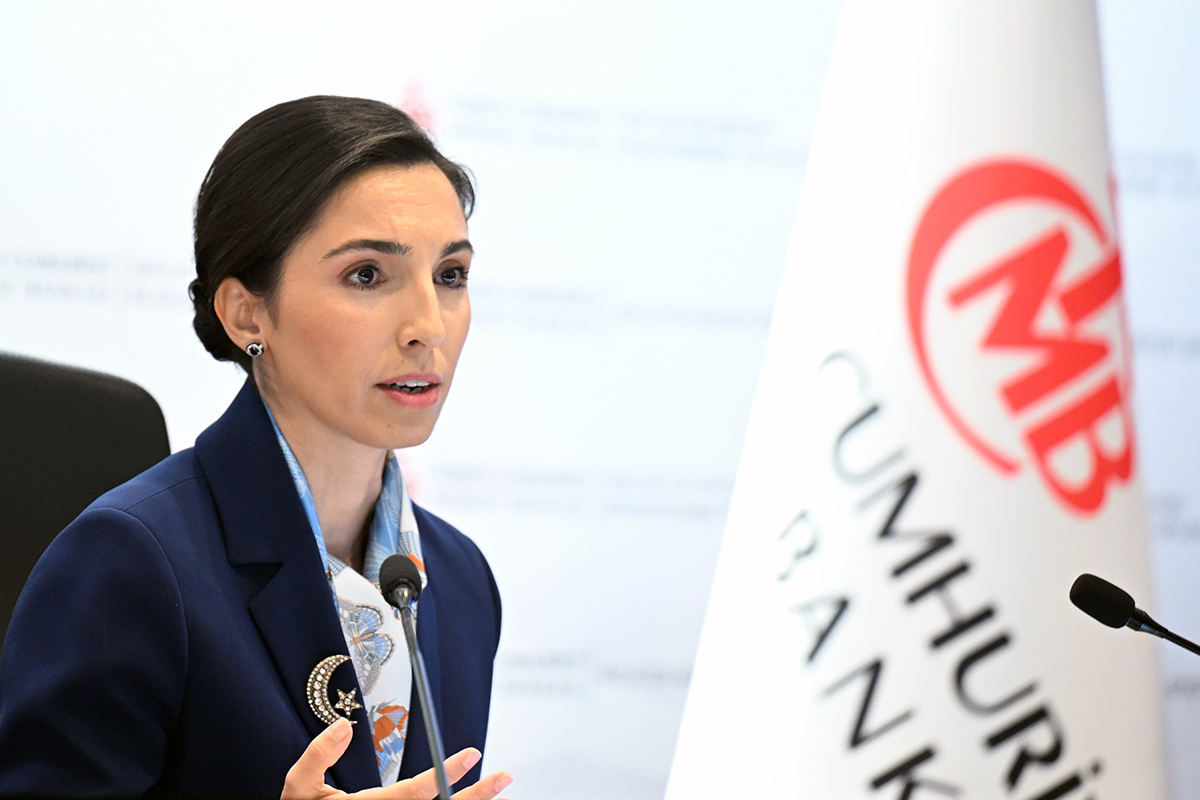
It has been two months since Turkey’s new economic team took over and some progress has been made. Market normalization has begun and the risk of a balance-of-payments crisis has been reduced. At the same time, however, inflation is gaining new momentum, the budget deficit is sharply worsening, and no reform agenda has yet been announced to tackle these threats.
Realigning priorities: Egypt's strategic shift toward Qatar, Turkey, and Iran
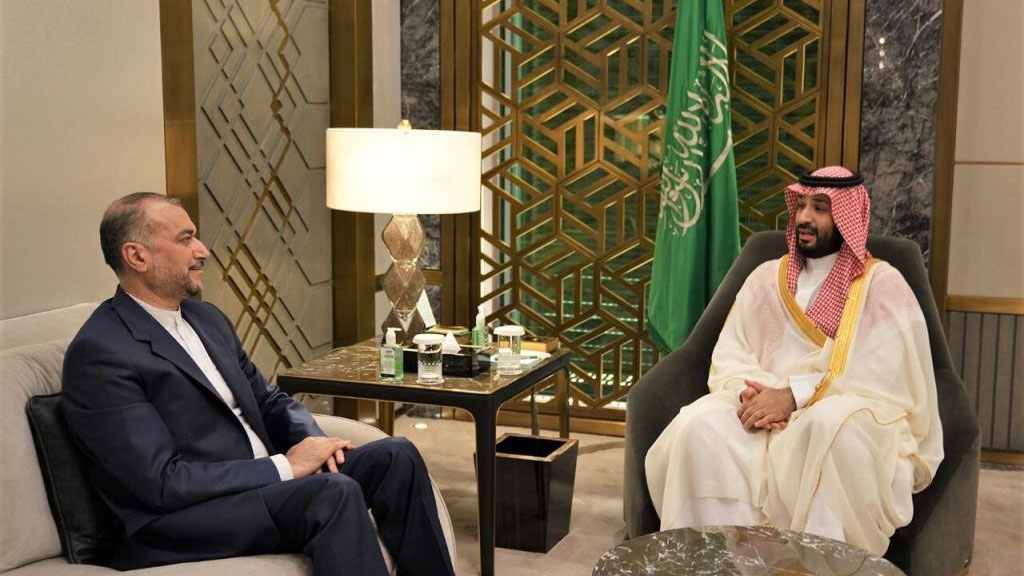
While some analysts attribute Egypt’s realignment toward Turkey, Qatar, and Iran to a change in the foreign policies of its influential allies, the UAE and Saudi Arabia, it can be argued that Egypt’s shift is primarily motivated by its domestic dynamics and its unfulfilled foreign policy objectives between 2014 and 2018. Egypt’s realignment, in that sense, seeks to achieve multiple unmet domestic and regional aims.
Turkey's role after the Black Sea grain deal collapse has become even more critical
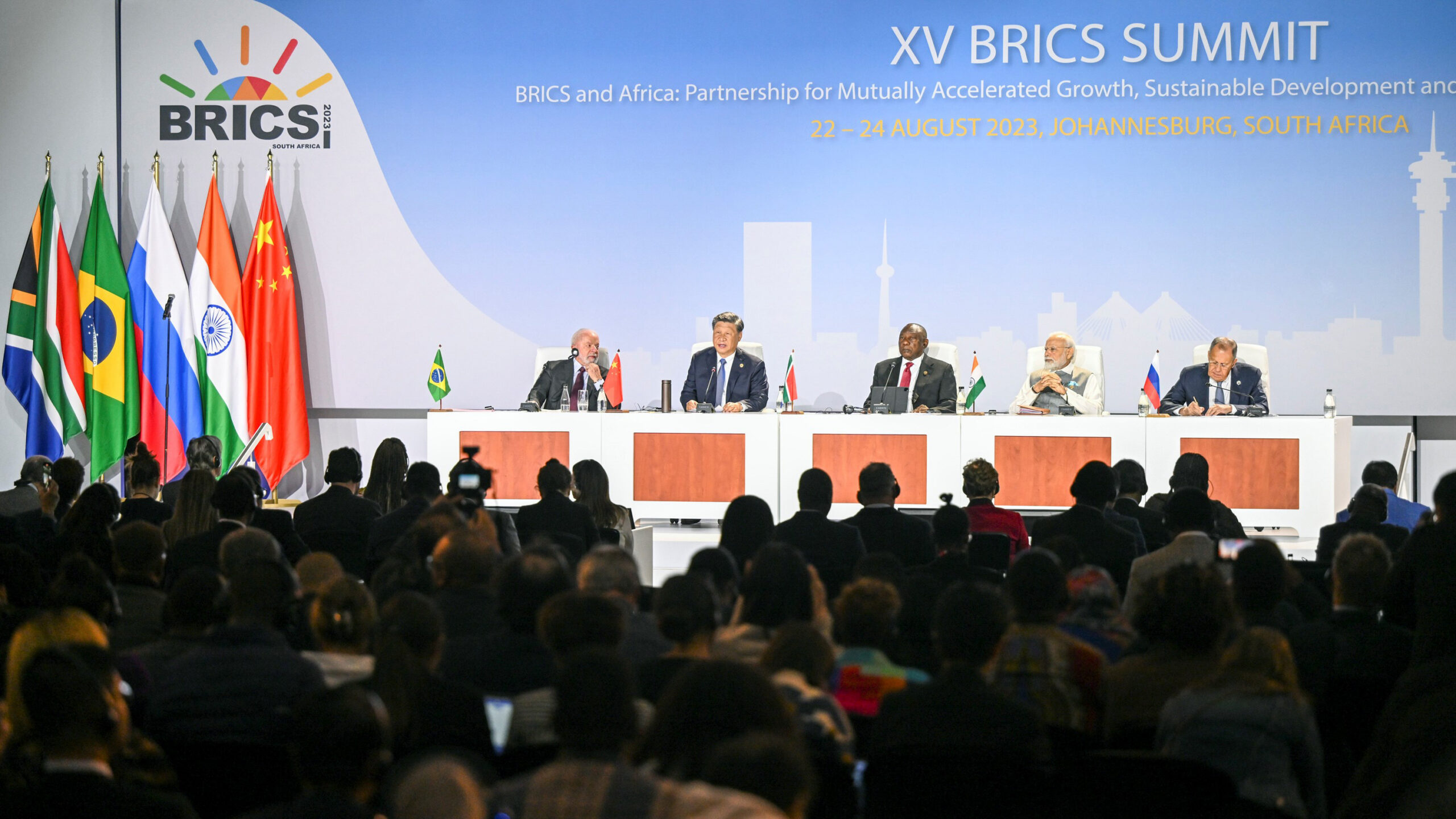
During the 500 days since Russia’s invasion of Ukraine, the Middle East avoided a catastrophic food crisis, thanks in part to the Black Sea grain initiative. Russia’s decision to cancel that agreement is raising fears that the return of supply shortages and skyrocketing wheat prices could quickly plunge the most vulnerable countries of the region into crisis.