Understanding Moldova’s ethnic dynamics: Minority rights, external influence, and pathways to unity
Moldova is a country with a rich tapestry of multiple ethnic identities and linguistic traditions, but one where policymakers have long grappled with the complexities of preserving minority rights, fostering national unity, and addressing regional autonomy through engagement with the Gagauz minority.
What do China’s economic woes mean for the Middle East?
At the start of 2023, optimism was high that China would see a rapid recovery in consumer spending and an acceleration in GDP growth. Since then, however, the world’s second-largest economy has been in the doldrums. China’s ailing economy is a problem not just for China but for the entire world. A prolonged slowdown or a sudden financial crash, were it to occur, would ripple across global markets — including the countries of the Middle East, whose economies have become increasingly intertwined with that of China.
Navigating development in Moldova: The role and challenges of foreign donor organizations
This study on community leadership and social resilience factors in Moldova in the context of the war in Ukraine is based on in-country interviews with 15 Moldovan experts and community leaders, conducted in May-August 2023.
Deepening defense-industrial cooperation on NATO’s eastern flank
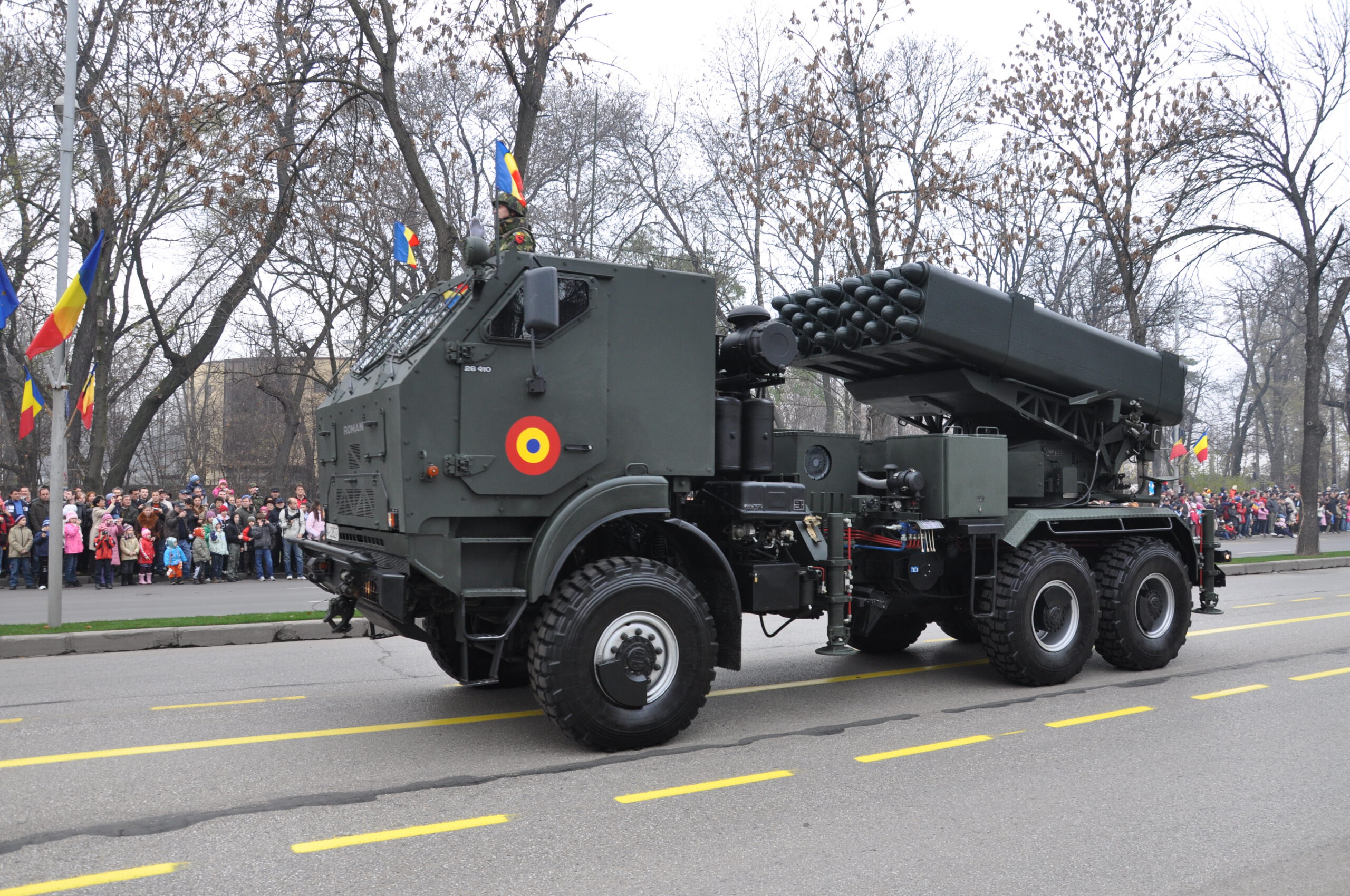
The war in Ukraine has turned policymakers’ eyes back toward the Euro-Atlantic arena and highlighted the need to reinvigorate NATO’s defense-industrial base. This analysis describes the macro policy environment that shapes the current relationship between Romania and the United States, and considers what steps the U.S. could take to improve Romania’s integration with the Euro-Atlantic defense-industrial base.
Polish and Romanian responses to Russian aggression: Lessons for a US CEE Strategy
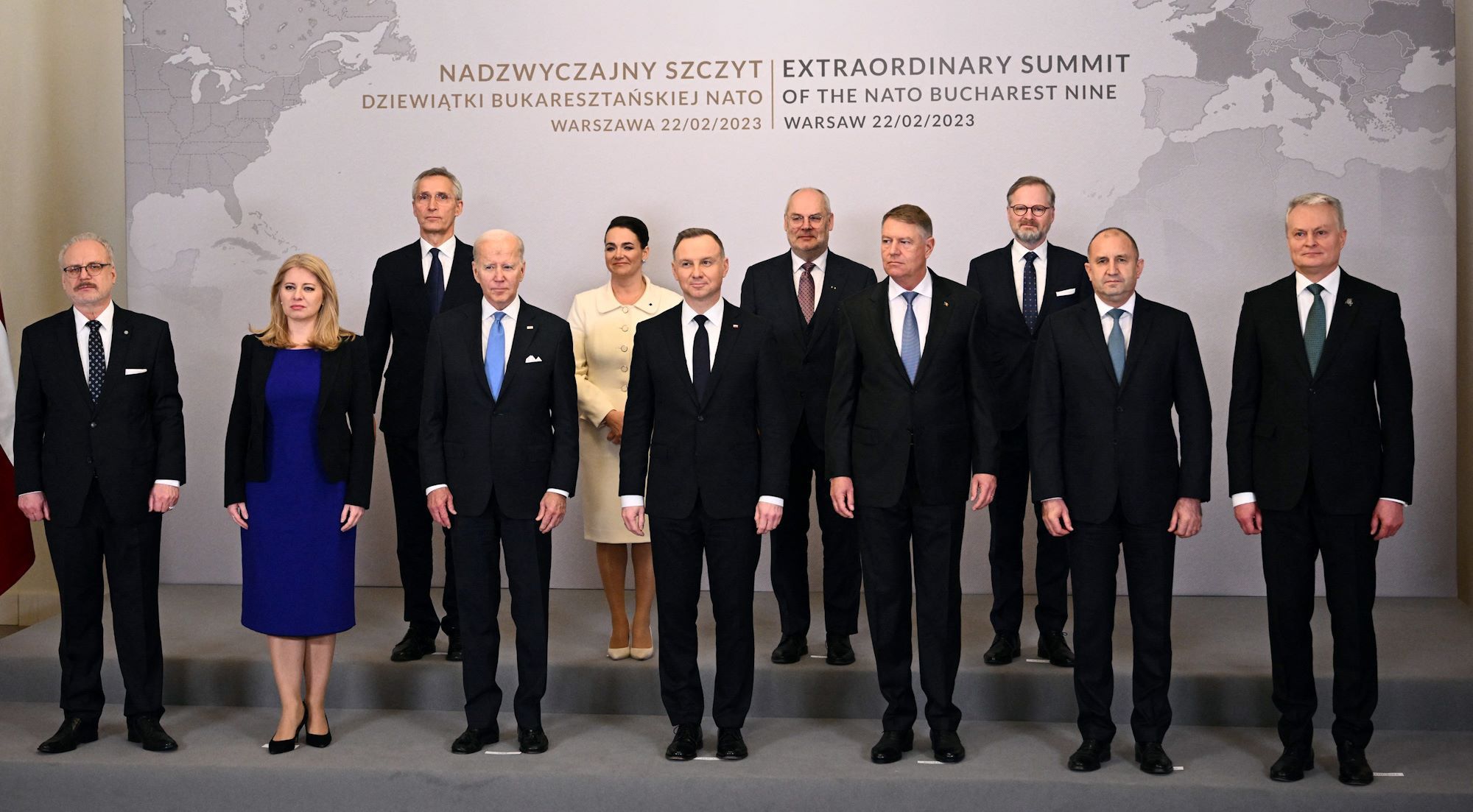
The following analysis provides an overview of Poland’s and Romania’s engagement with NATO priorities on its eastern front line since 2022 and outlines their advocacy for increased regional security in multilateral formats. Drawing on the expertise of over two dozen Polish and Romanian security experts, it offers recommendations for an enhanced CEE security strategy for the United States, the leading member of the NATO alliance.
Russia’s aggressive behavior in the Black Sea can be challenged
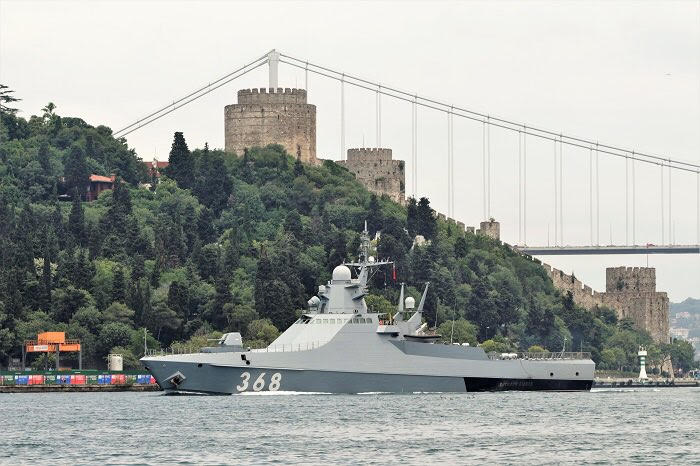
Russia’s malign behavior in the Black Sea includes piracy, plunder, petroleum price cap violations, and actions to prevent the free transit of foreign commercial and naval vessels. Its largely unchallenged position in the Black Sea also helps Russia maintain access to foreign-made products and components, circumventing sanctions. The West and the broader international community have yet to act to decisively rein in these flagrant violations of international laws and norms.
Iran, Russia, and the Caspian environmental crisis: A need for collaboration
The Caspian Sea, the world’s largest inland body of water, is steadily shrinking. The lack of a solid legal framework surrounding the management of the sea among the littoral states, and particularly by Iran and Russia, has created a degree of ambivalence about where and how to limit ambitions related to oil, gas, fishing, and other environmentally harmful economic activities. If the impacts are not appropriately addressed, the consequences could be irreversible. But efforts to deal with shared environmental problems and maintain the Caspian Sea could also serve as an area for mutually beneficial cooperation between Moscow and Tehran, with a positive impact for other littoral states.
Russia, Ukraine, and the Reshuffling of the European Security Order
In a 1994 article for Foreign Affairs, former US national security advisor Zbigniew Brzezinski famously argued that “without Ukraine, Russia ceases to be an empire.” His analysis is no less valid today.
At the time, Brzezinski was arguing against the United States pressuring Ukraine to give up its nuclear weapons. It seems reasonable to say that there would be no war in Ukraine today if the country had not done so under the terms of the flawed Budapest Memorandum.
Mastering the growing crisis in the South Caucasus: A role for the West and Turkey
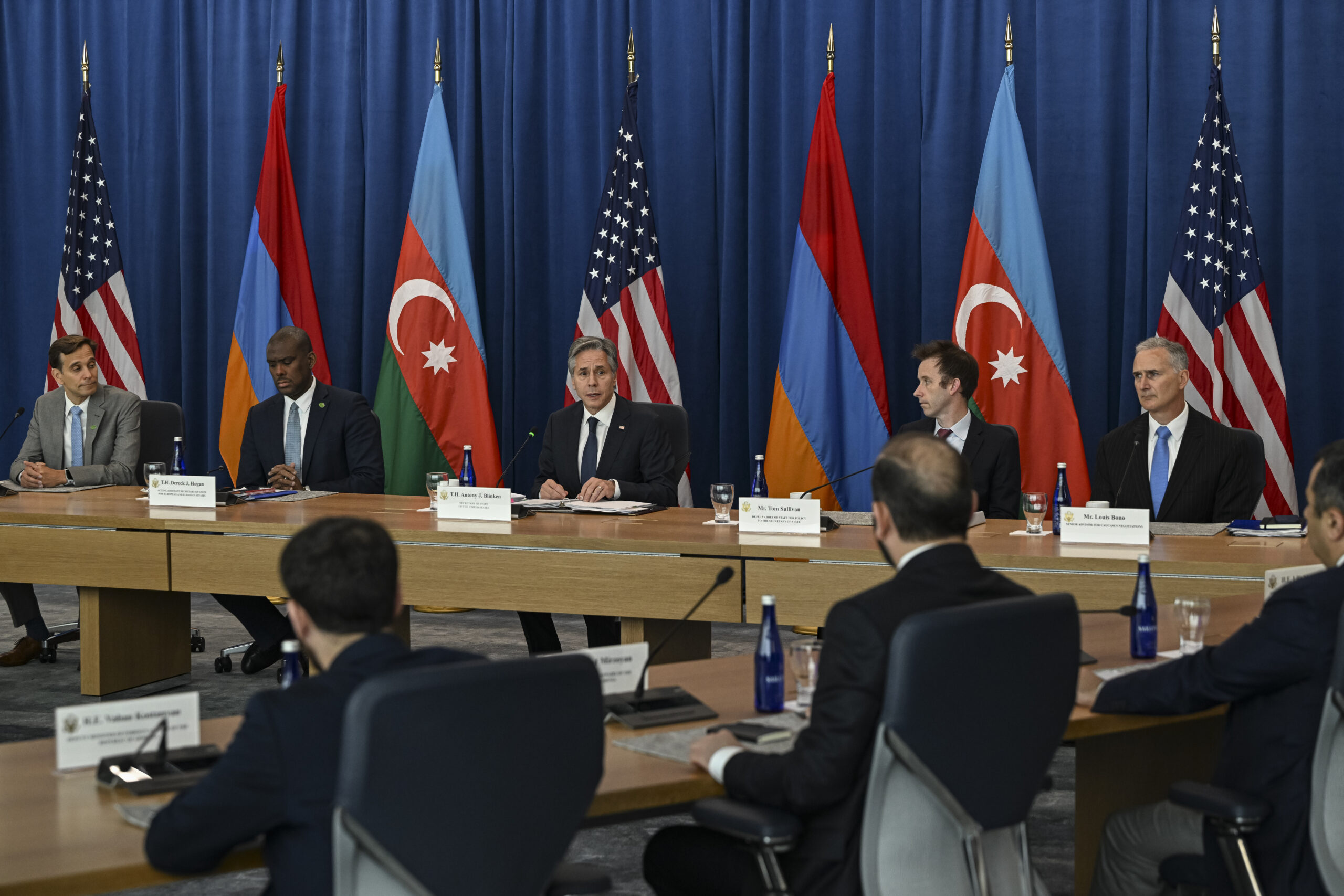
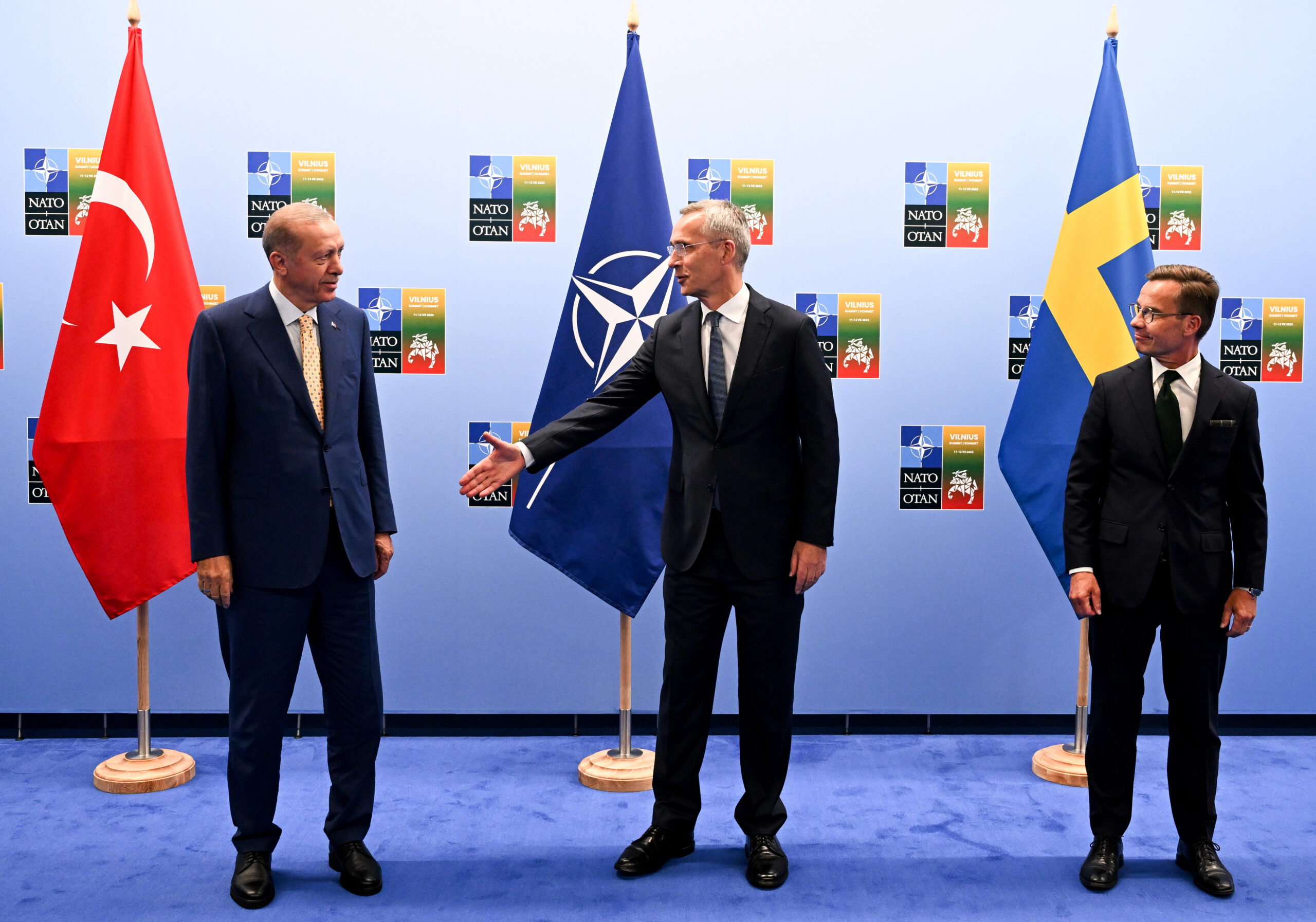
The South Caucasus region needs a clear push from the West to ensure its long-term stability and achieve a pro-Western orientation. But no lasting solutions in this space will be possible until there is an end to the war in Ukraine that fulfills the interests of both Ukraine itself and the broader West. The United States and the European Union, in cooperation with other key players — foremost Turkey — must showcase greater determination, flexibility, and coordination when it comes to their policies toward the region.
Georgia the interconnector — but where’s Washington?
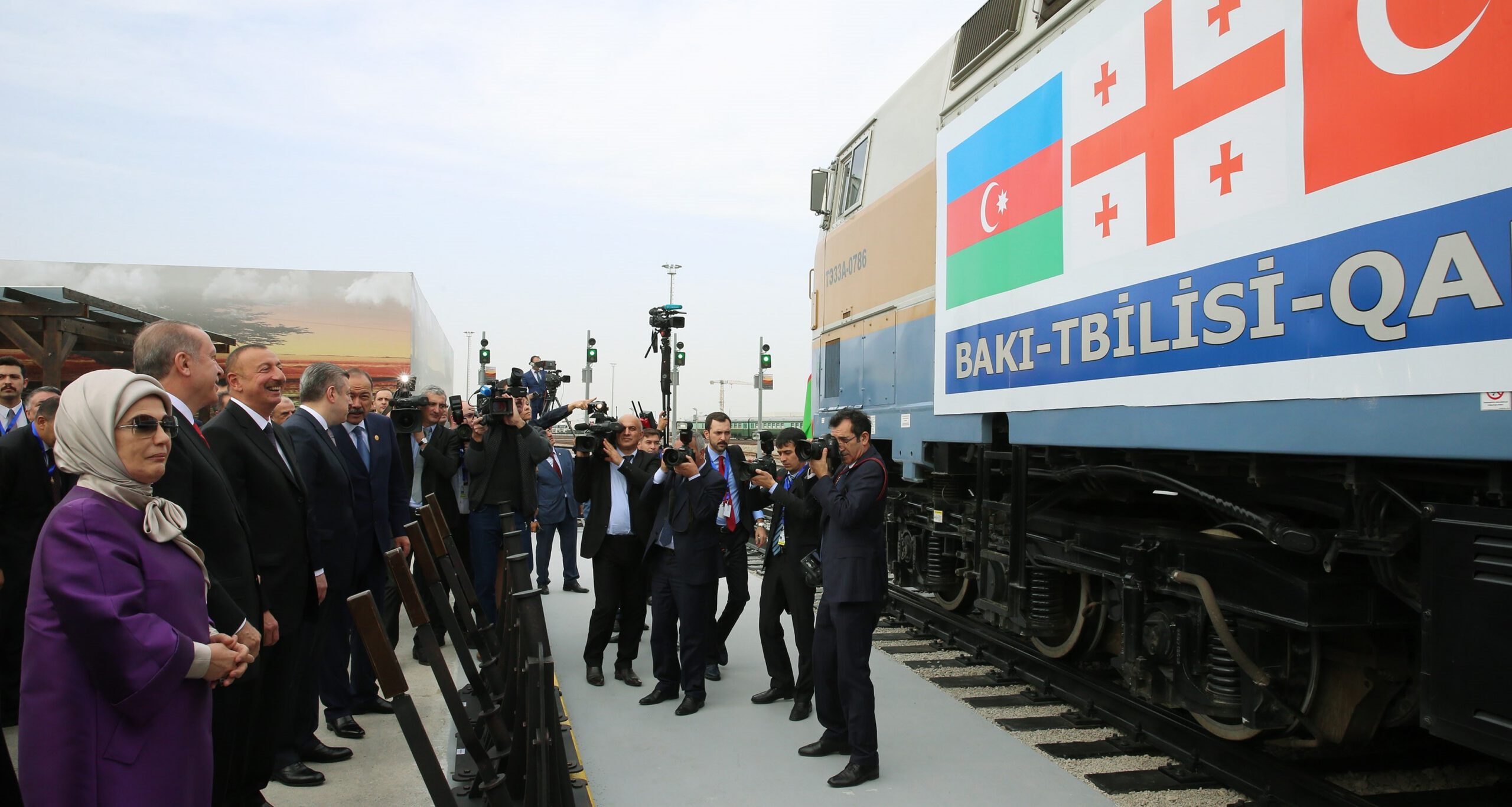
For the sake of safeguarding transatlantic — and thus also American — security interests in the South Caucasus, it is becoming increasingly imperative that the United States better anchor itself economically, politically, and militarily in the eastern Black Sea region, especially strategically placed Georgia.
How the rumble in Russia reverberates around the Middle East
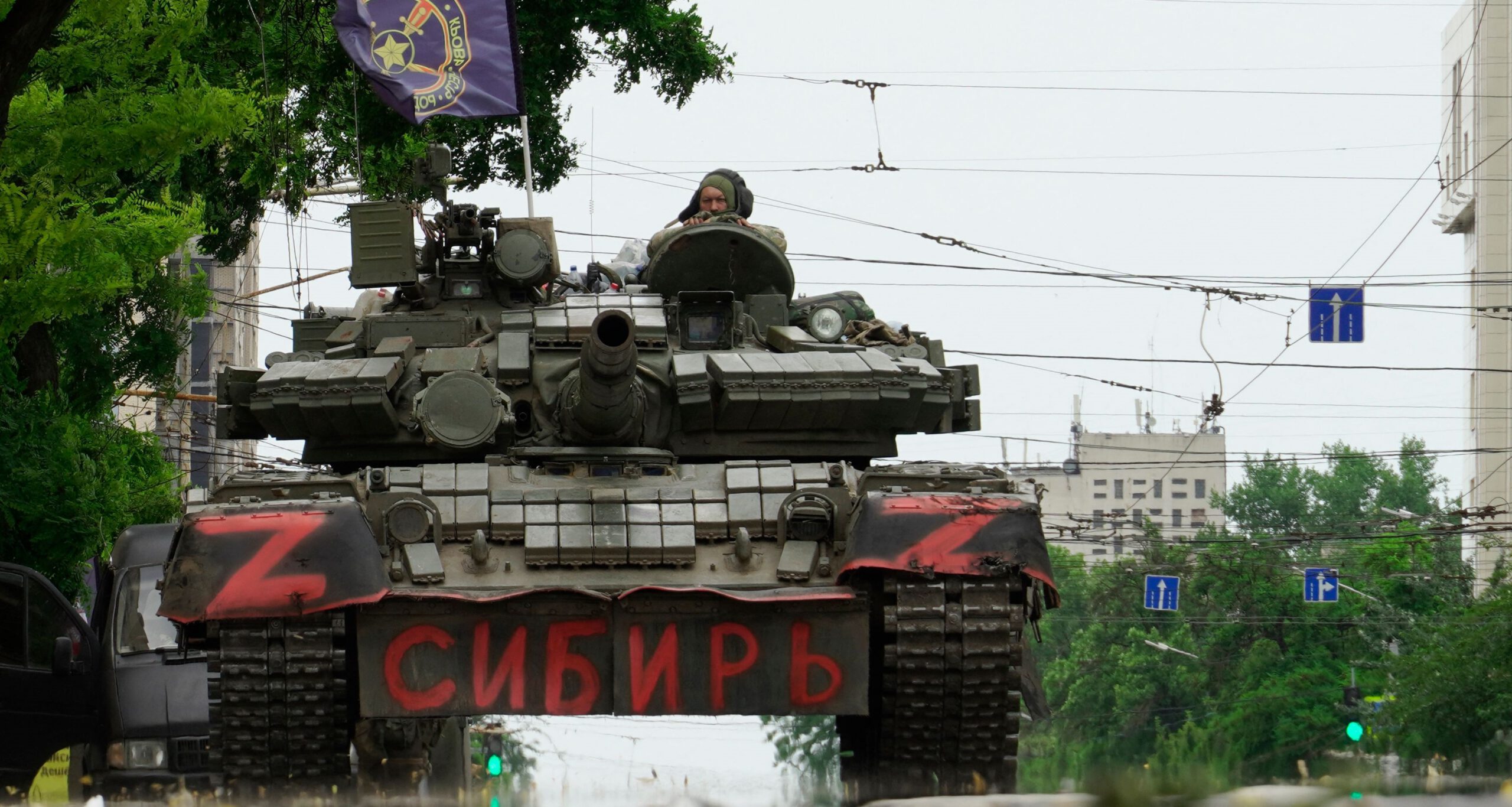
It is too early to tell whether the Wagner “uprising” is a one-off or foreshadows further cracks and the eventual collapse of Putin’s presidency, but the latter outcome would have lasting consequences in the MENA region.
Disease, destruction, flooded fields, and hunger: The far-reaching consequence of the Kakhovka dam collapse in Ukraine
Last week’s collapse of the Nova Kakhovka dam on the Dnipro River in Ukraine is one of the largest environmental disaster the Black Sea region and Europe has faced in decades. Its far-reaching environmental, economic, and humanitarian consequences will affect not just Ukraine and the Black Sea region, but also the Middle East and Africa.
The potential and limitations of Russia-China cooperation in the Middle East
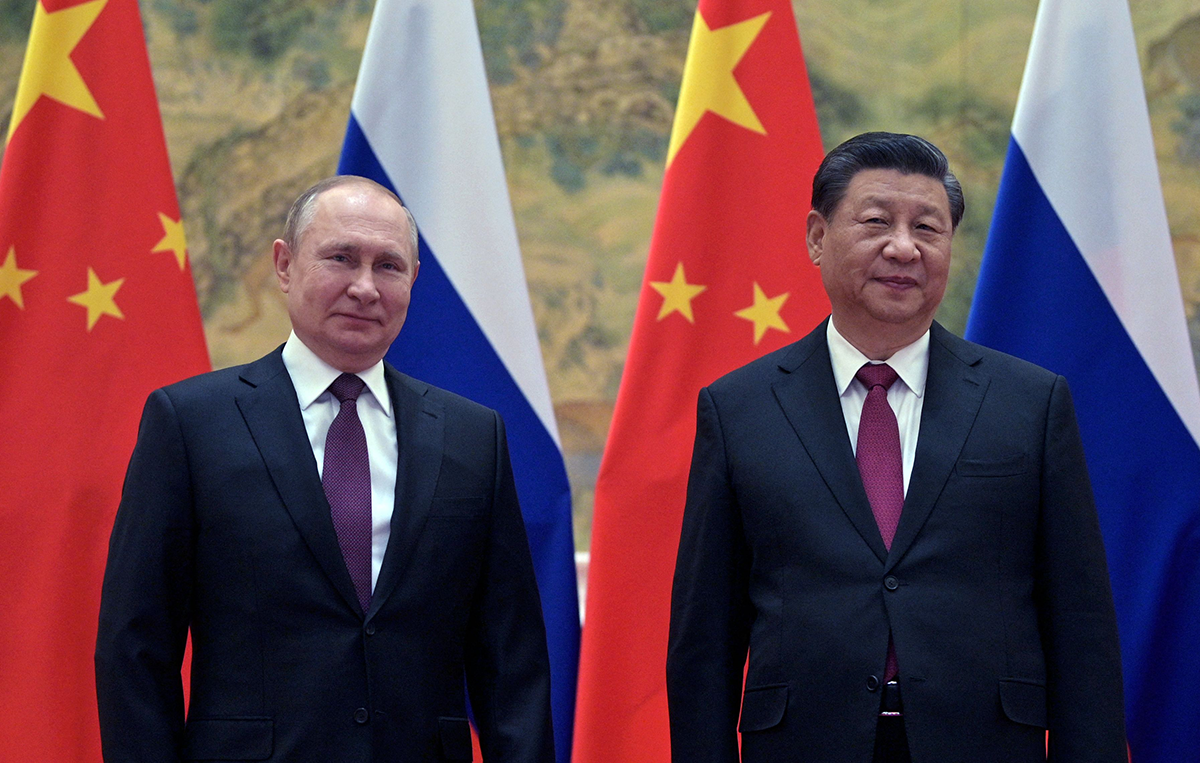
Even though Russia and China’s strategic partnership has strengthened in recent years, the leaderships of both countries infrequently engage on Middle East affairs. Russia views China’s growing diplomatic assertiveness in the Middle East as a positive step toward a multipolar regional order. Nevertheless, Russia is trying to avoid being completely eclipsed by China as a prospective conflict arbiter. While the two countries concur on opposing unilateral sanctions and democratic uprisings in the Middle East, Beijing does not universally approve of Moscow’s positions on regional crises and its power projection strategy.