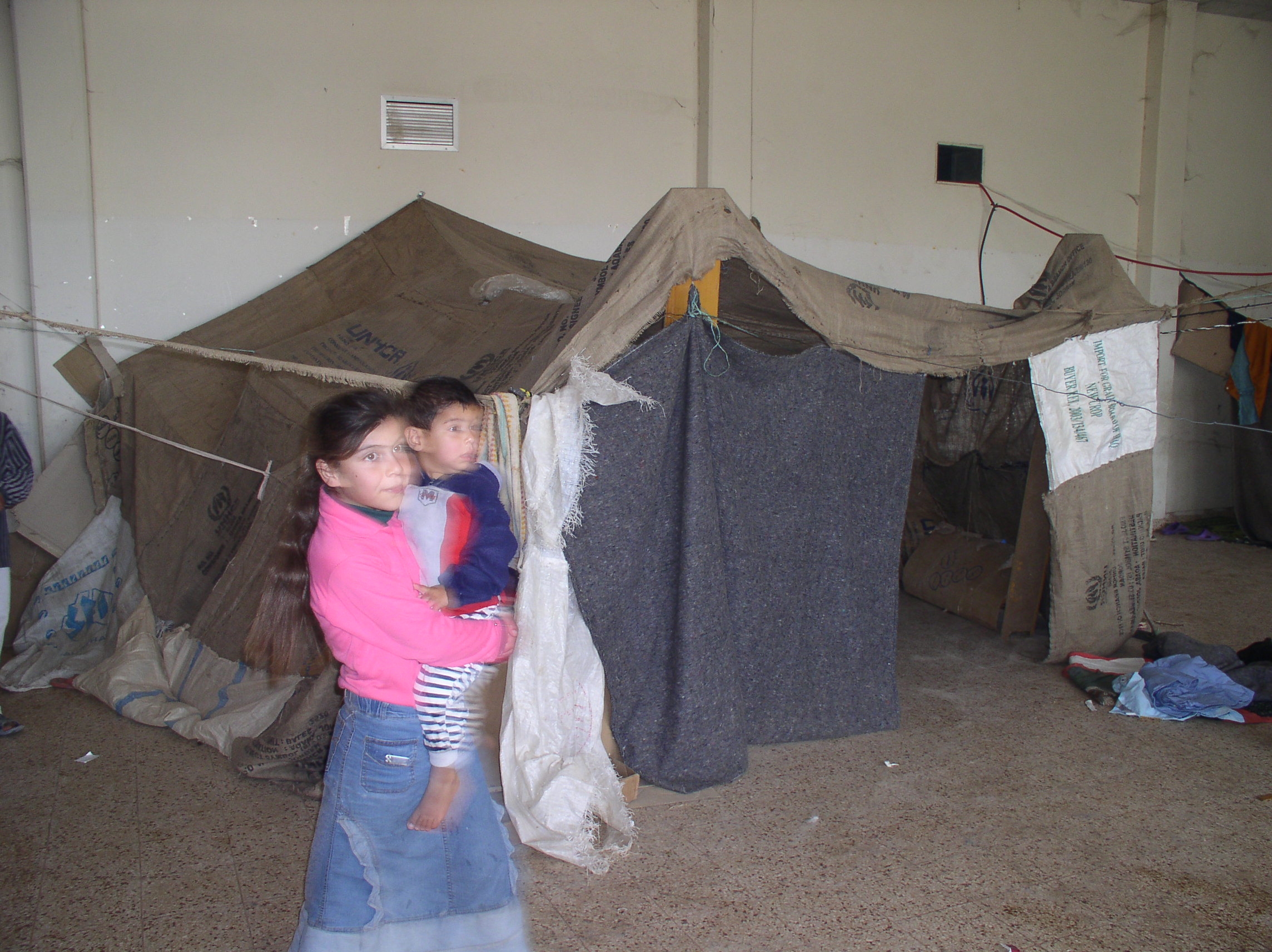
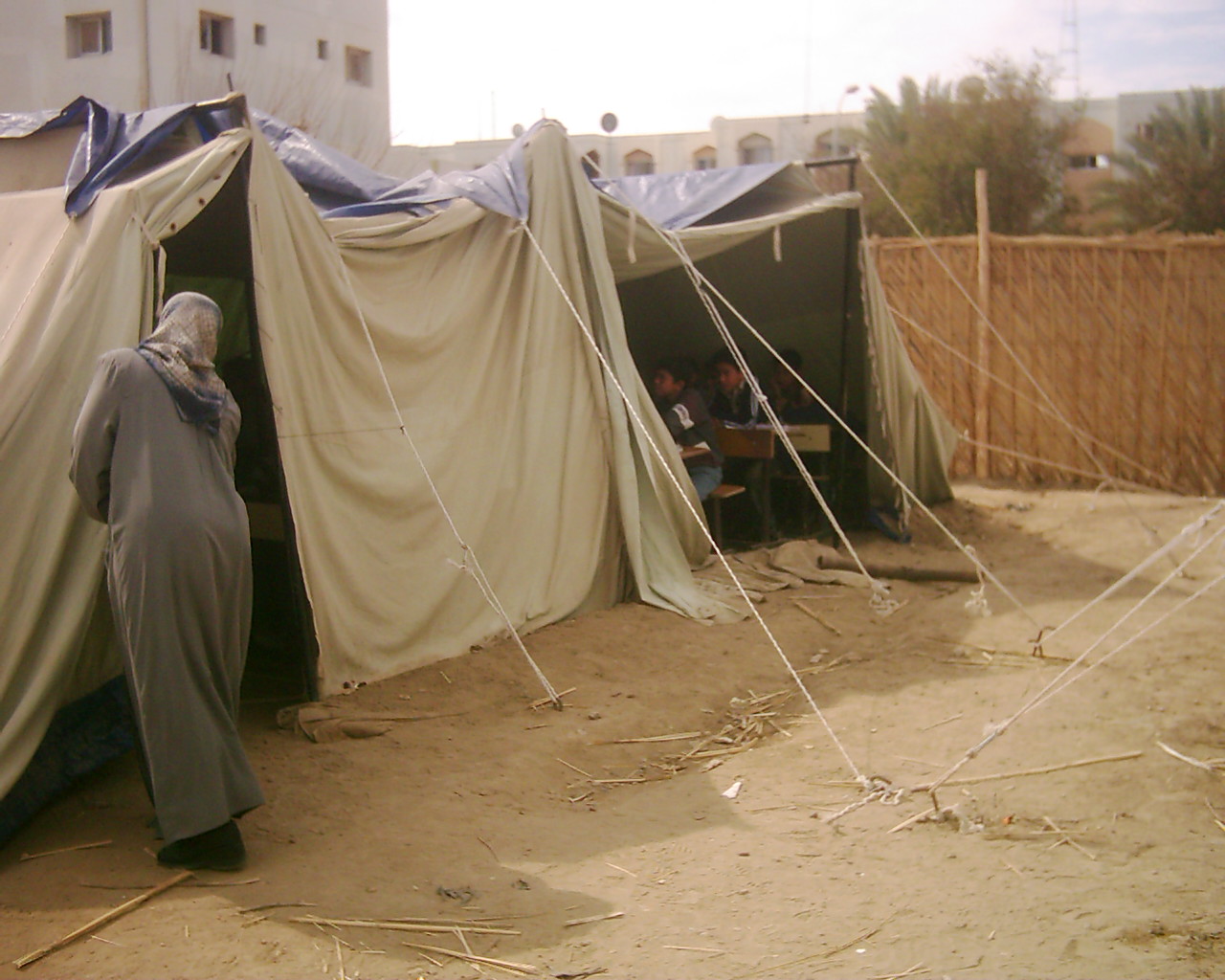
Nur, an Iraqi refugee who has been in the States for four days, is dipping parsley in a china cup of salt water in Bethesda, Maryland. The salt water signifies tears shed over slavery and displacement; the parsley stands for spring and hope. Another interpretation likens the act in the Passover Seder to a biblical moment of betrayal: Joseph’s brothers sold him into slavery and dipped his striped garment in blood to feign his death.
Preface to Iraq's Refugee and IDP Crisis: Human Toll and Implications
Originally posted July 2008
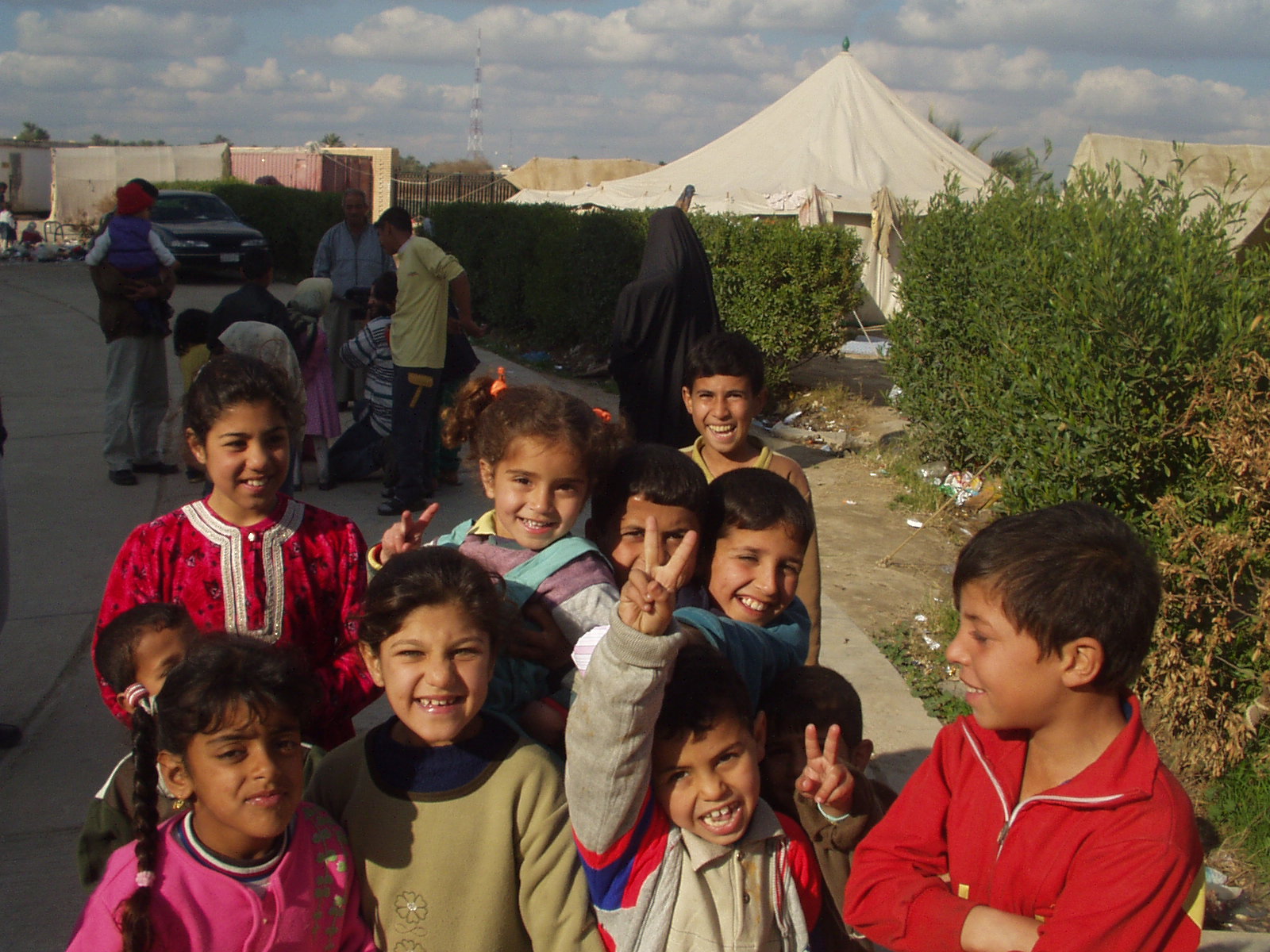
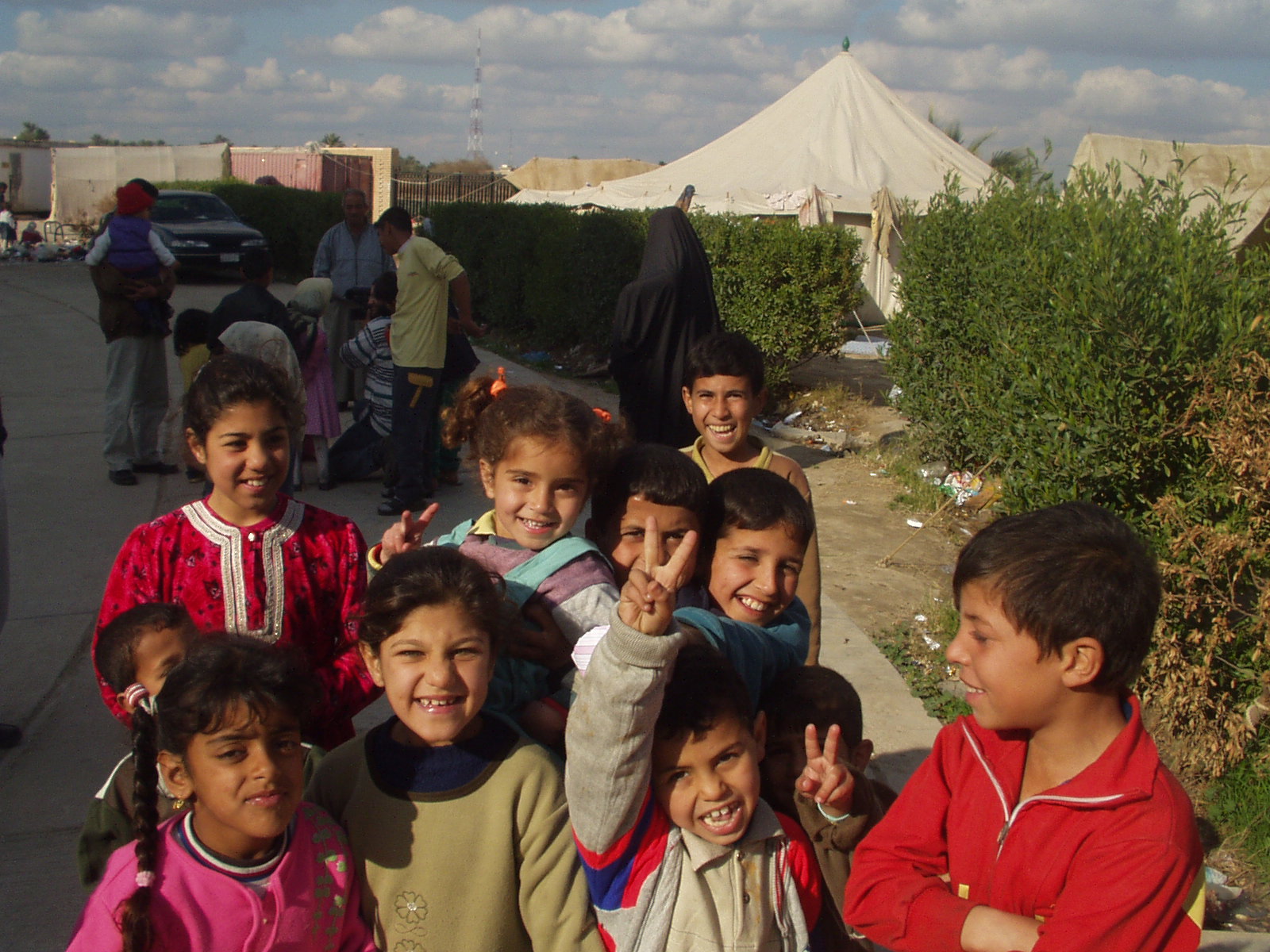
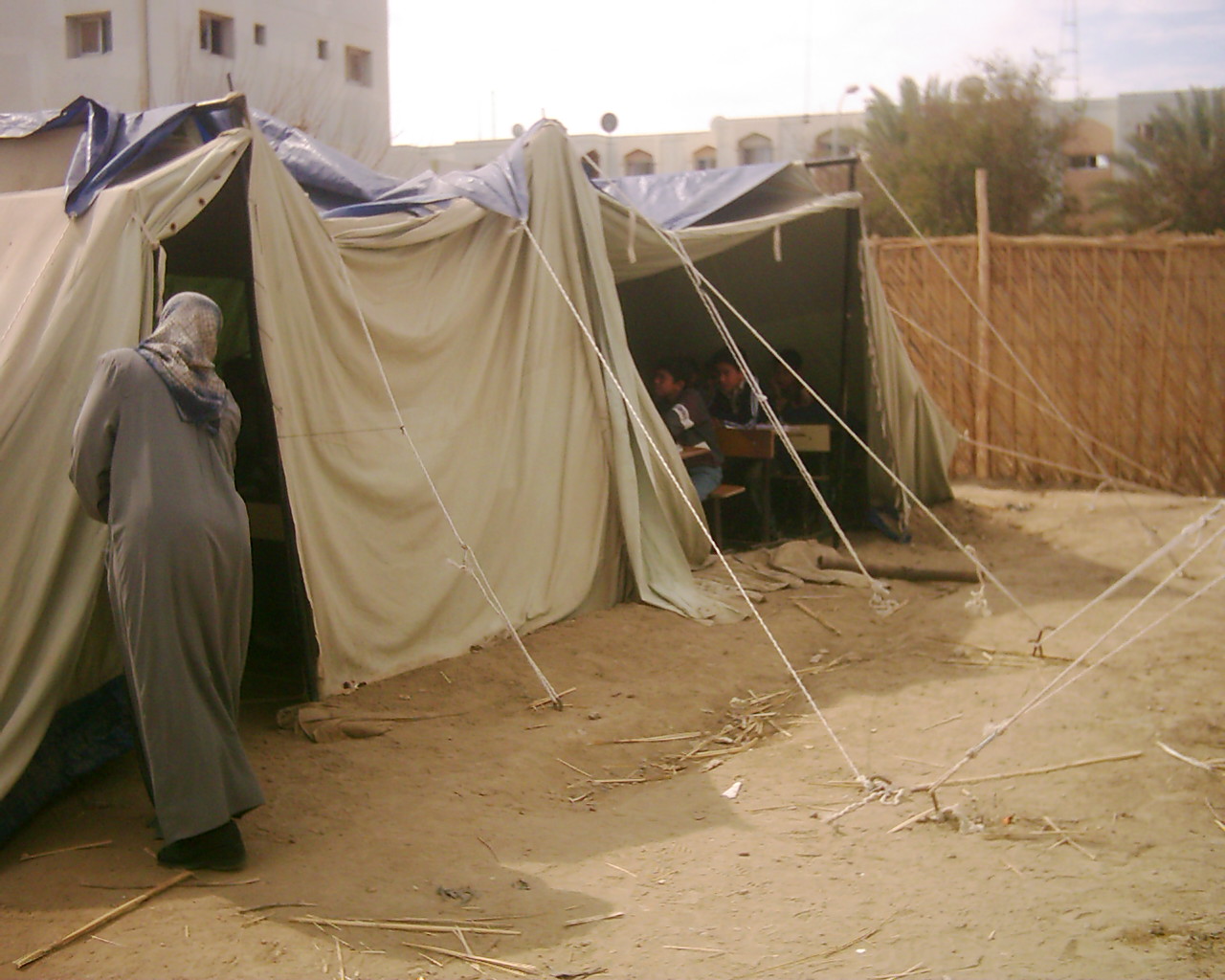
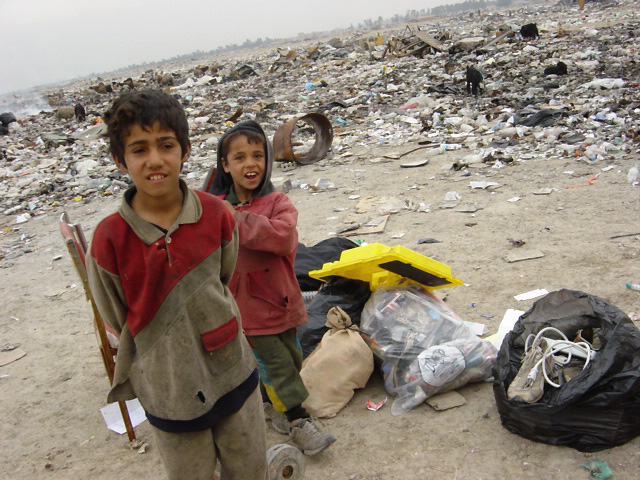
In the comparatively short time since the establishment of the Iraqi state in 1920, the country has experienced successive waves of forced migration. Yet the magnitude of the forced displacement of Iraqis from their homes since 2003 is unprecedented. In addition to the still dire humanitarian situation are the potentially far-reaching negative implications of the refugee/IDP crisis for the future of Iraq and the Middle East as a whole.
From Conflict Transformation to Conflict Resolution?
Originally posted June 2008
Intra-basin dynamics amongst the Euphrates and Tigris co-riparians — Iraq, Syria, and Turkey — are better described as leading to conflict transformation rather than conflict resolution. The process of interaction has effectively seen the de-securitization of water issues, but the roots of the conflict have not yet been fully addressed.
The Jordan Valley is a lush, wetland ecosystem that is the biological heart of the Middle East region at large. As the meeting point of the Asian, African, and European continents, the valley is at the crossroads of biodiversity. In addition to the unique flora and fauna, the valley is one of the world’s most important migratory pathways for birds. Over 500 million birds migrate from Europe to Africa twice a year, dependent on the Jordan Valley as a stopping ground on their long journey.
Within a mere few years after World War II the Middle East was remade. The creation of the State of Israel in 1948 and its consequences helped propel that part of the world to what seems to be a permanent and unenviable spot on any list of world crises.
Many Americans, Israelis, and Palestinians are convinced that the Israeli-Palestinian conflict is intractable because neither side has abandoned the goal of defeating the other, and neither really believes in compromise. This is a myth.