The Gulf states: Beneficiaries of the Russia-Europe energy war?
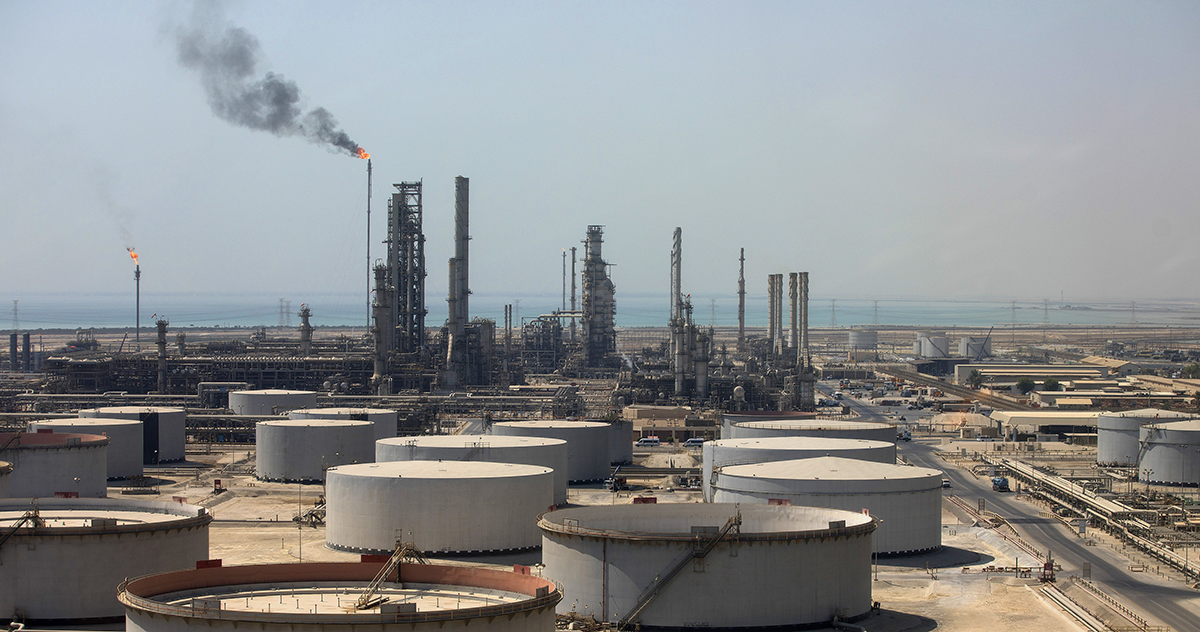
The Gulf states are often overlooked as indirect beneficiaries of the Russia-Europe energy war. In what ways and to what extent have they leveraged it? Are these benefits sustainable?
Eastern Mediterranean gas discoveries, progress, and what to watch in 2023
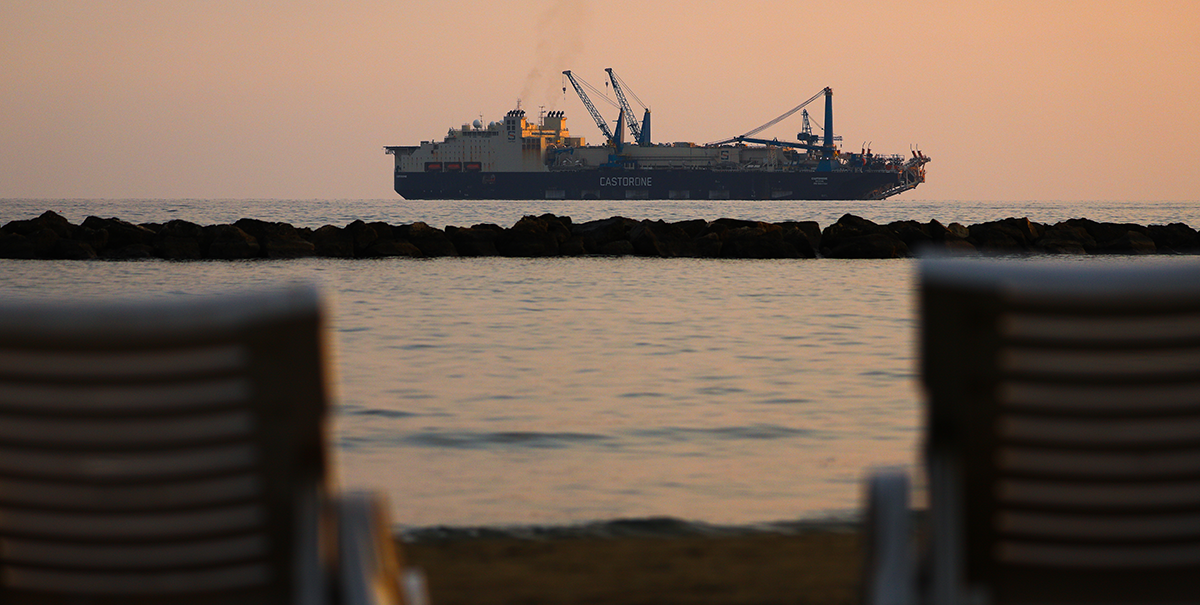
The challenge of developing export strategies for the offshore natural gas resources concentrated in the Eastern Mediterranean predates the Russo-Ukrainian war. Yet over the course of 2022, Europe’s intensifying energy crisis created a new and more immediate incentive to solve those export challenges, despite a great deal of work still to be done.
On today’s episode, Middle East Focus kicks off the new year with Danny Hajjar, whose newsletter Sa’alouni El Nas brings diverse music and perspectives from the MENA region to inboxes worldwide. Interviewing Danny is Fadi Nicholas Nassar, U.S.-Lebanon Fellow at the Middle East Institute, Director of the Institute for Social Justice and Conflict Resolution, and Assistant Professor of Political Science and International Affairs at the Lebanese American University (LAU).
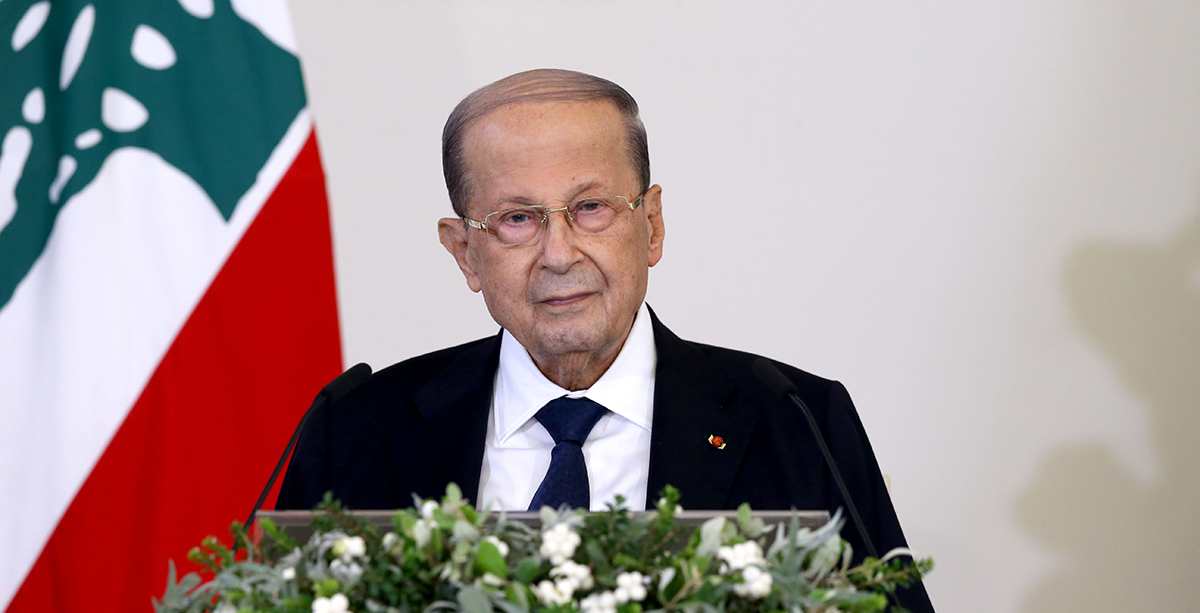
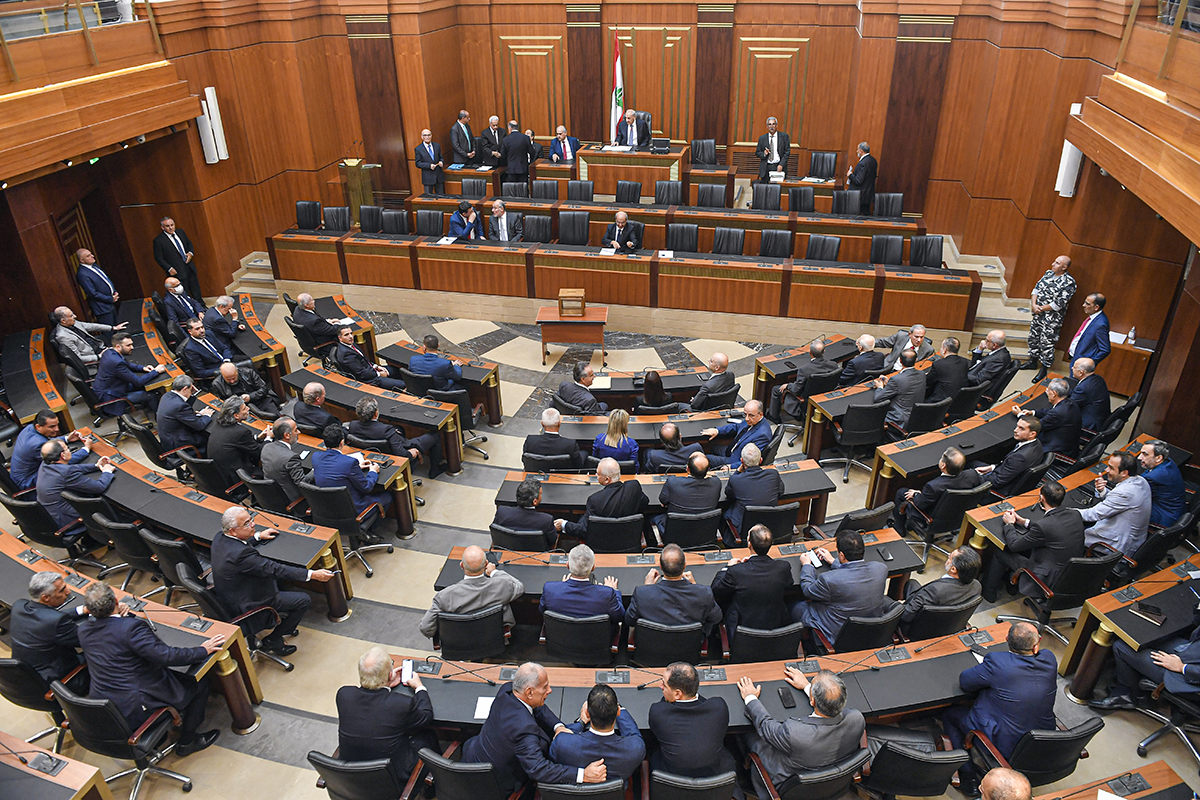
Aoun promised Lebanon a “modern state” — he left it in ruins
Aoun’s talk of a modern state appeared to be a smokescreen to mislead those who followed him into thinking the path to reform lay with the general. As the past six years have made all too clear, his objective seemed squarely fixed on gaining a permanent seat for himself at the table of Lebanon’s sectarian elite and securing his legacy.
Alliance: Lebanon needs “Change” and “Opposition” to work together
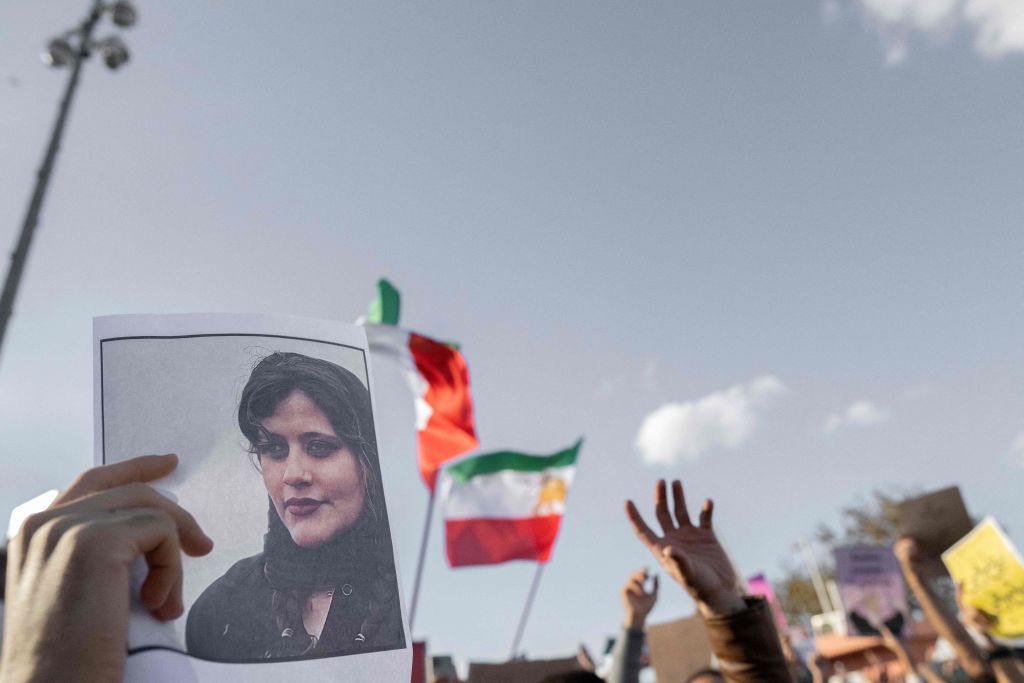
“Change” is an economics-driven pursuit for local accountability and social justice, and “Opposition” is a politically focused mission with geopolitics at its heart. “Change” cannot reform the system on its own, and “Opposition” cannot challenge regional considerations alone. Together, however, they potentially hold a narrow majority — 65 seats, combined — against the 63 belonging to a Hezbollah-led coalition. And there is an opportunity, today, to bring these two movements together through a parliamentary alliance.
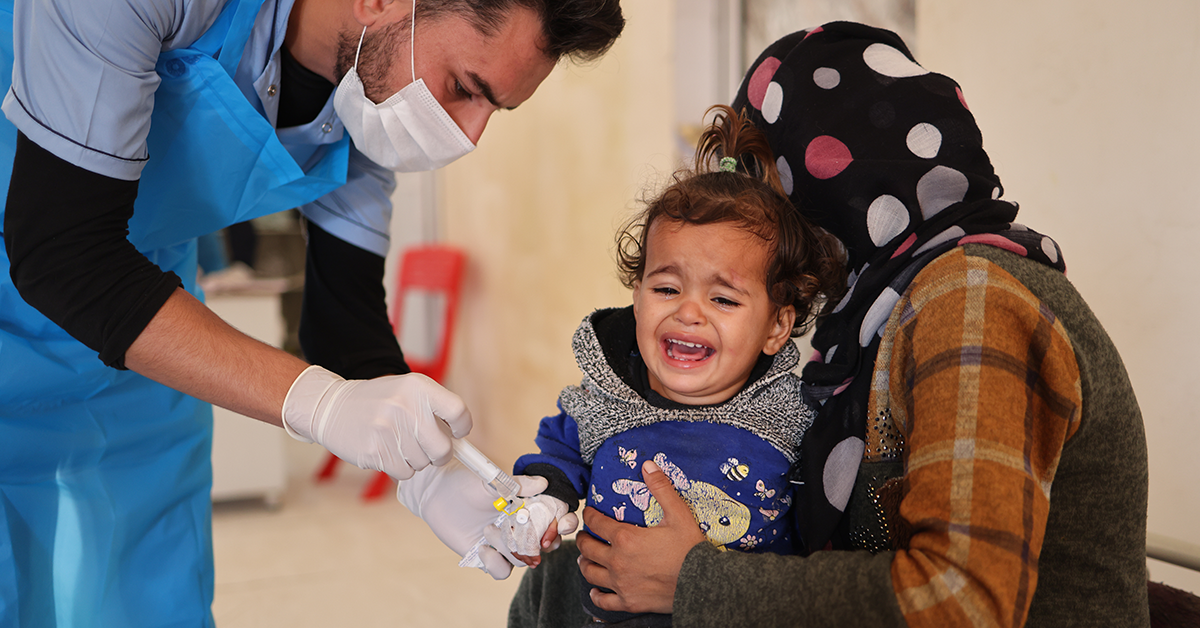
Syria and Lebanon at risk from rapidly spreading cholera epidemic
Cholera continues to sweep through Syria and Lebanon at an alarming pace, leaving thousands sick and hundreds dead in its wake, with only a small fraction of cases officially registered in databases.
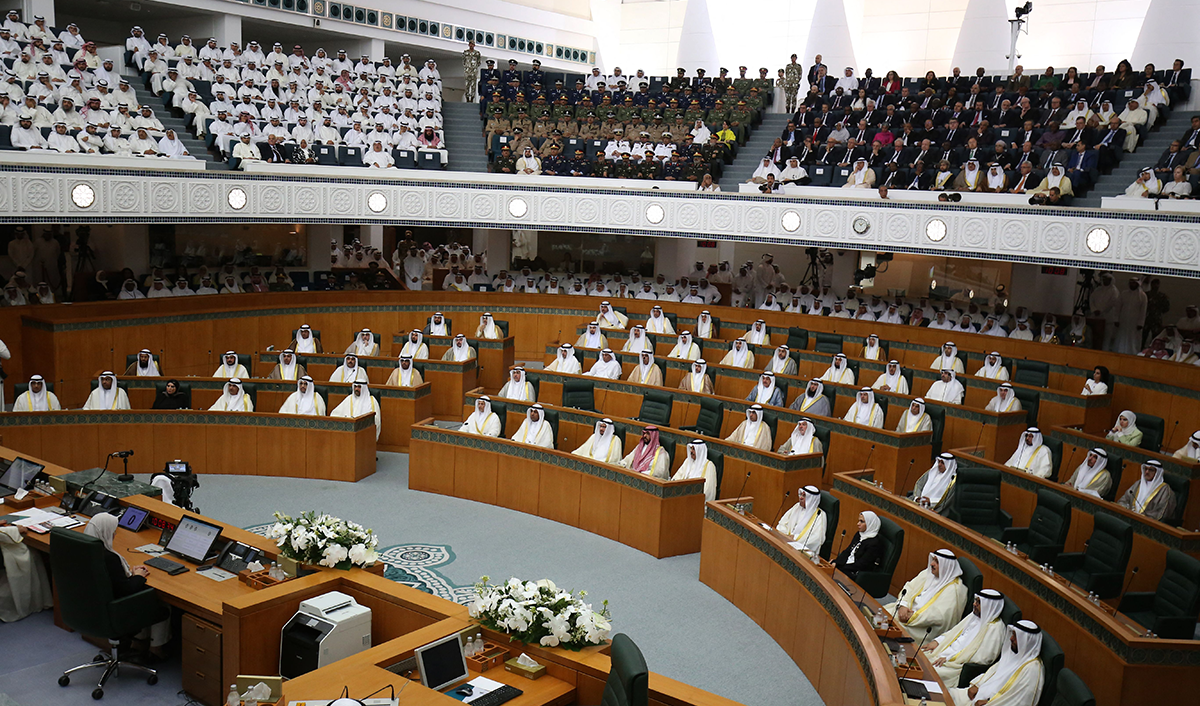
Will Kuwait’s new parliament resolve its political impasse?
Kuwait’s Sept. 29 parliamentary elections were supposed to bring change to the gridlock and governmental churn that had plagued the country in recent years. Kuwaitis initially appeared optimistic about the results, calling on the amir to appoint a strong government to work with the National Assembly. Questions remain, however, as to how well the government and the majority opposition parliament will be able to cooperate to implement the necessary reforms.
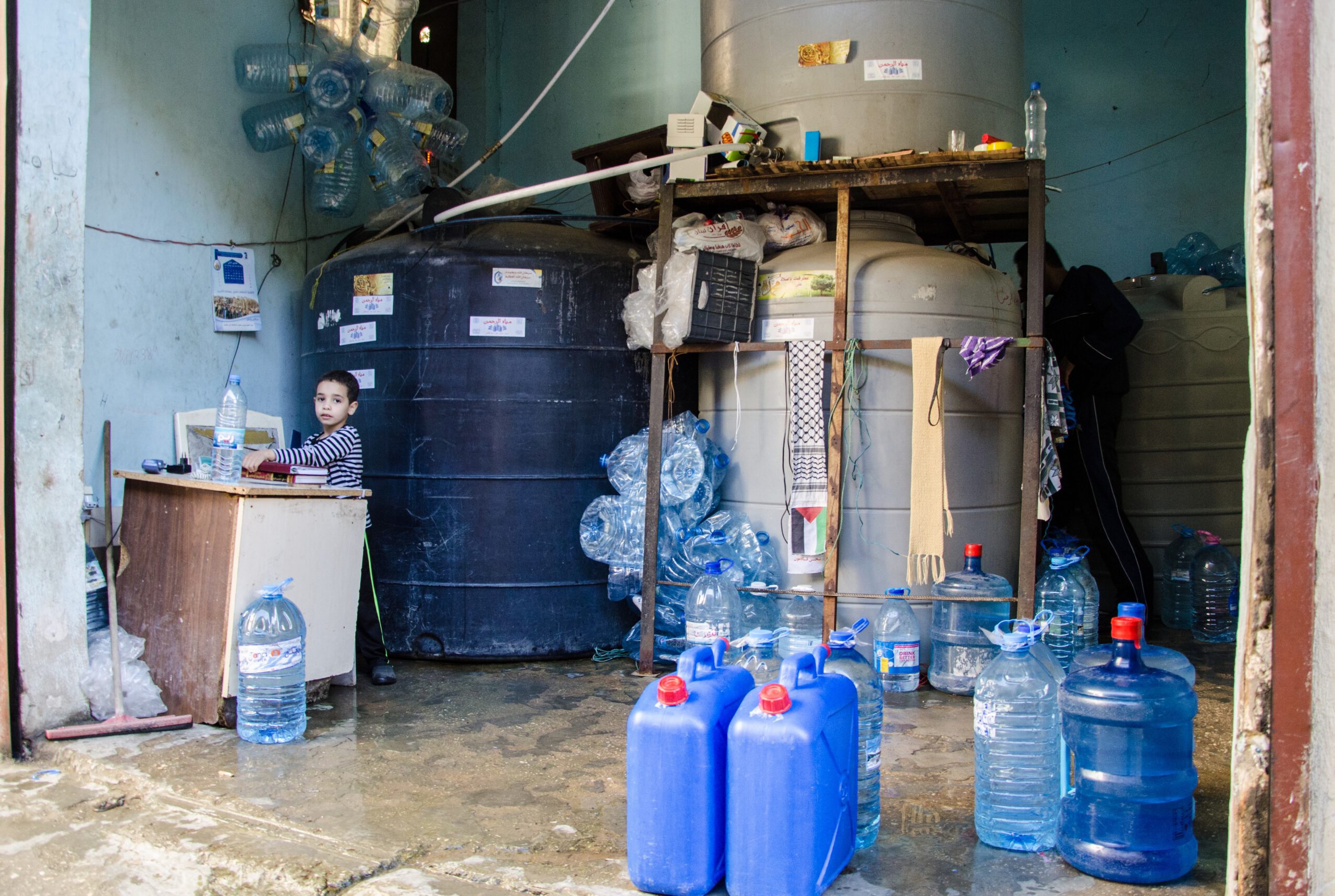
Amid Lebanon’s perfect storm of crises, water demands attention
Lebanese crises have repeatedly made international news since October 2019, when the country witnessed the start of a popular revolution against a stagnant and corrupt political elite. Much less discussed but no less critical is the issue of water. The problem has been slumbering for years but has recently come to light along with other failings of the Lebanese government.
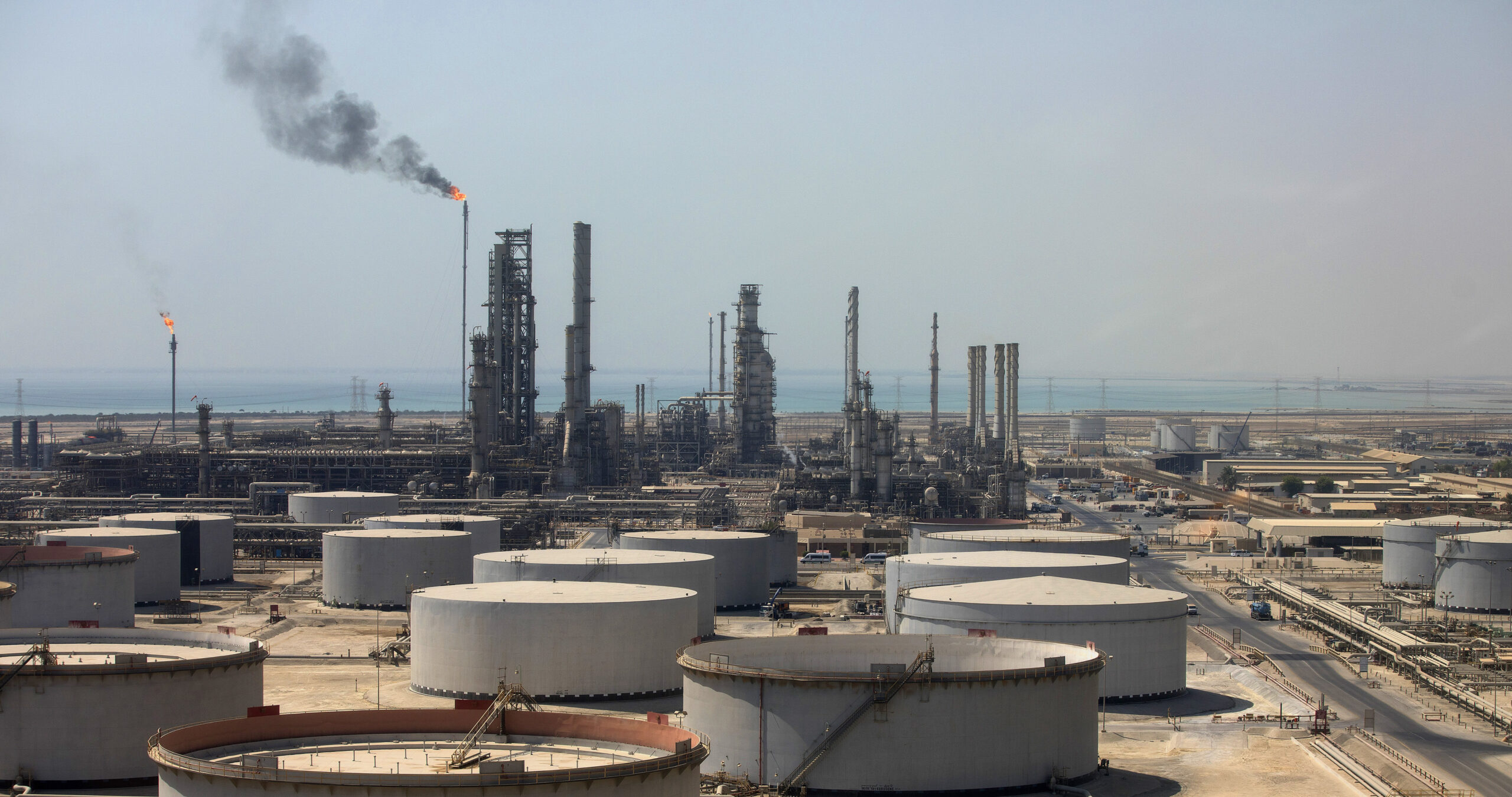
Under current, highly unpredictable market conditions, it is unreasonable for OPEC to make sharp movements to saturate the oil market or withdraw a significant number of barrels from it to meet divergent Western interests of lowering prices and punishing Russia.
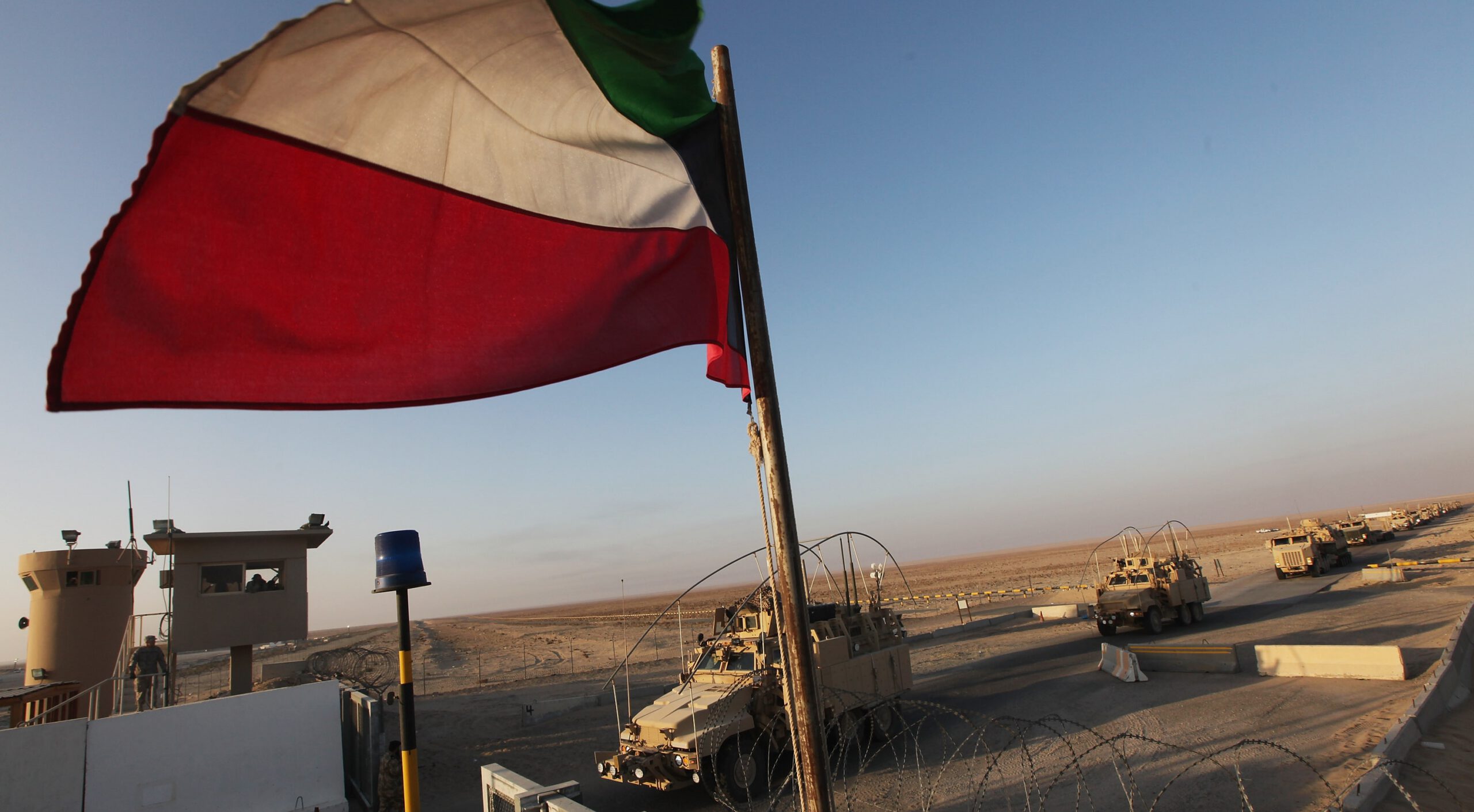
Beyond Post-Desert Storm: How to Elevate the US-Kuwait Security Partnership
Kuwait plays a larger role than is often assumed in America’s present and future military plans in the Middle East. But as Washington prioritizes the Indo-Pacific, it is critical that the security arrangement between the United States and Kuwait is thoughtfully reconfigured.
The renewal of the international agreement on Iran’s nuclear program does not undermine Israeli national security per se but rather a longstanding tenet of Israel’s strategic thinking: that it must be able to fully eradicate any challenge to its military superiority deep inside enemy territory.
The diplomatic ice is breaking in the Gulf. What does that mean for the region?
The announcements in mid-August that both the United Arab Emirates and Kuwait will be returning their ambassadors to Tehran after six years provided the latest indication that the diplomatic ice has started to break in the Gulf region.