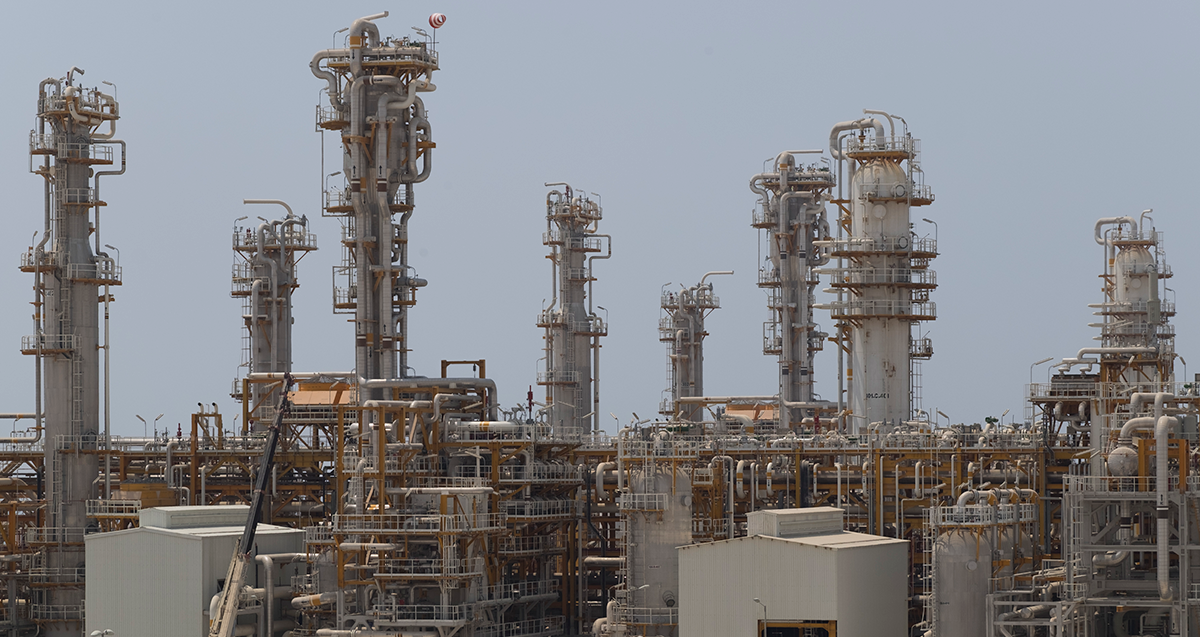
Making the most of Iran’s reserves will require it to develop shared fields like Dorra/Arash, a gas field located offshore in the northern Gulf, where Iran must vie with competing claims from neighboring Kuwait and Saudi Arabia. In the past, Iran has often neglected its joint gas fields as a result of sanctions and focused instead on meeting its rapidly growing domestic needs through exploiting non-shared fields, but the country says this must change going forward.
The CMF-153: Rebuilding US-GCC confidence through maritime security
Efforts to restore confidence between the U.S. and the Arab Gulf states took a first step with the recent formation of a new naval task force, known as the Combined Maritime Forces-153 (CMF-153), to improve maritime security in the Red Sea, Bab el-Mandeb, and the Gulf of Aden, including the hotspot of Yemen. Established in mid-April, the new task force intends to target weapons smuggling for Ansar Allah, as the Houthi militias are officially known, as well as human trafficking and the drug trade.
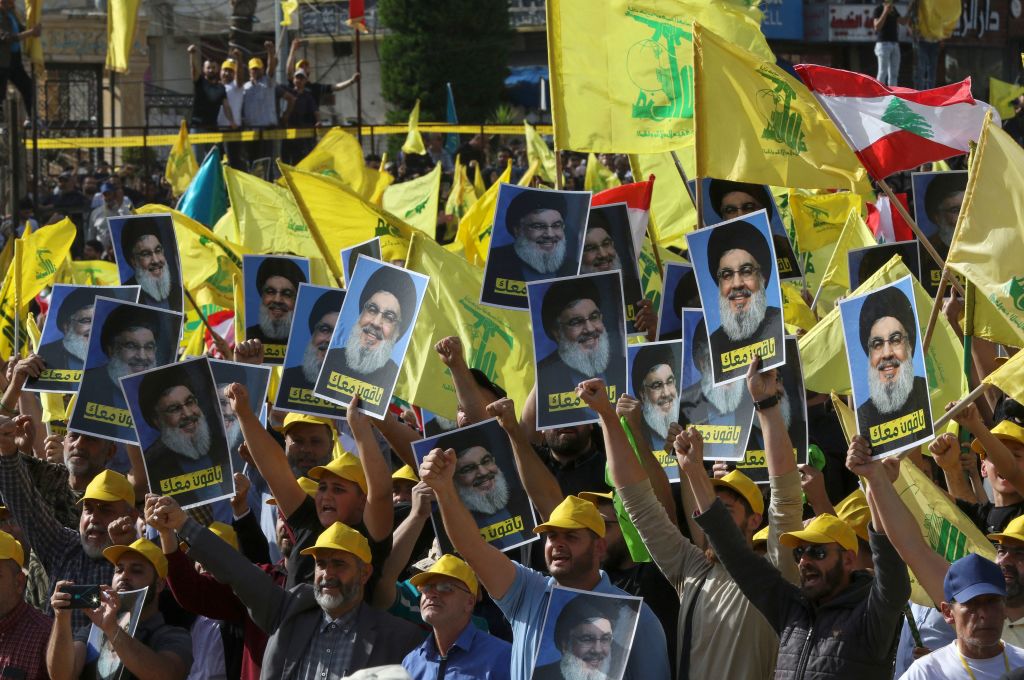
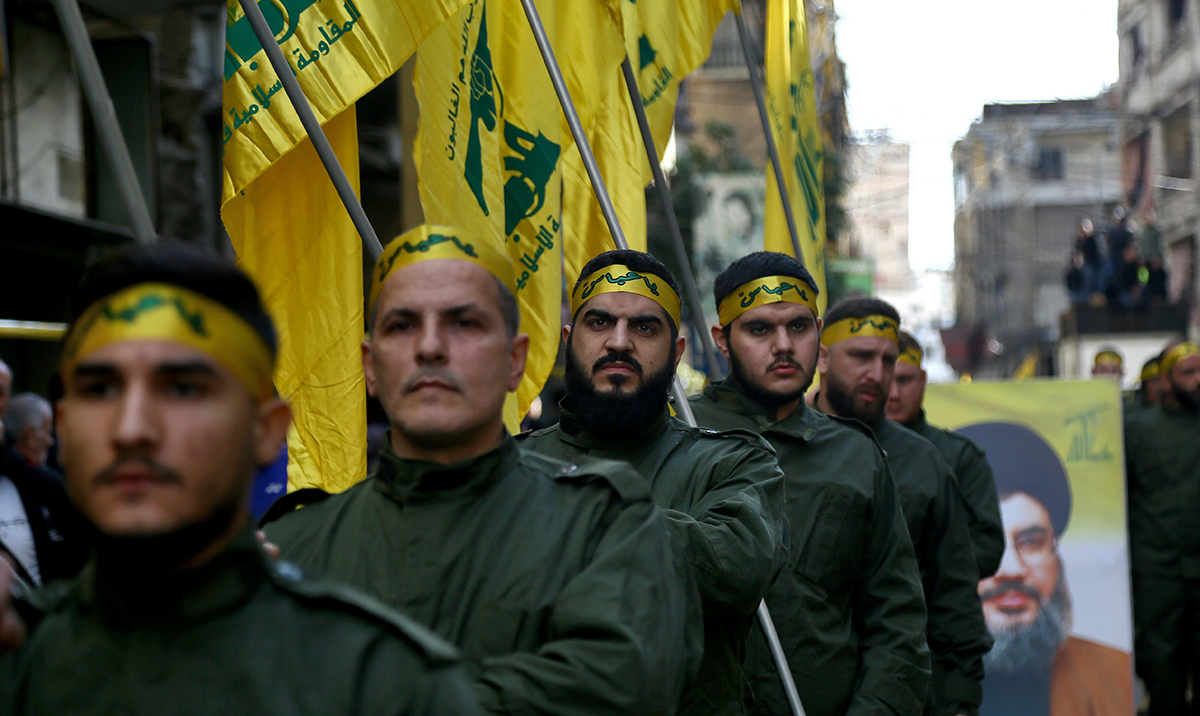
هزینه سنگین حمایت حزب الله برای اقتصاد و امنیت ایران
در جمهوری اسلامی ایران, این فرضیه وجود دارد که حمایت از سازمان حزب الله در لبنان, امنیت و قدرت بازدارندگی ایران را افزایش داده است. در عین حال, شواهد و قرائنی وجود دارند که نتایج انان برعکس این فرضیه را نشان می دهند.
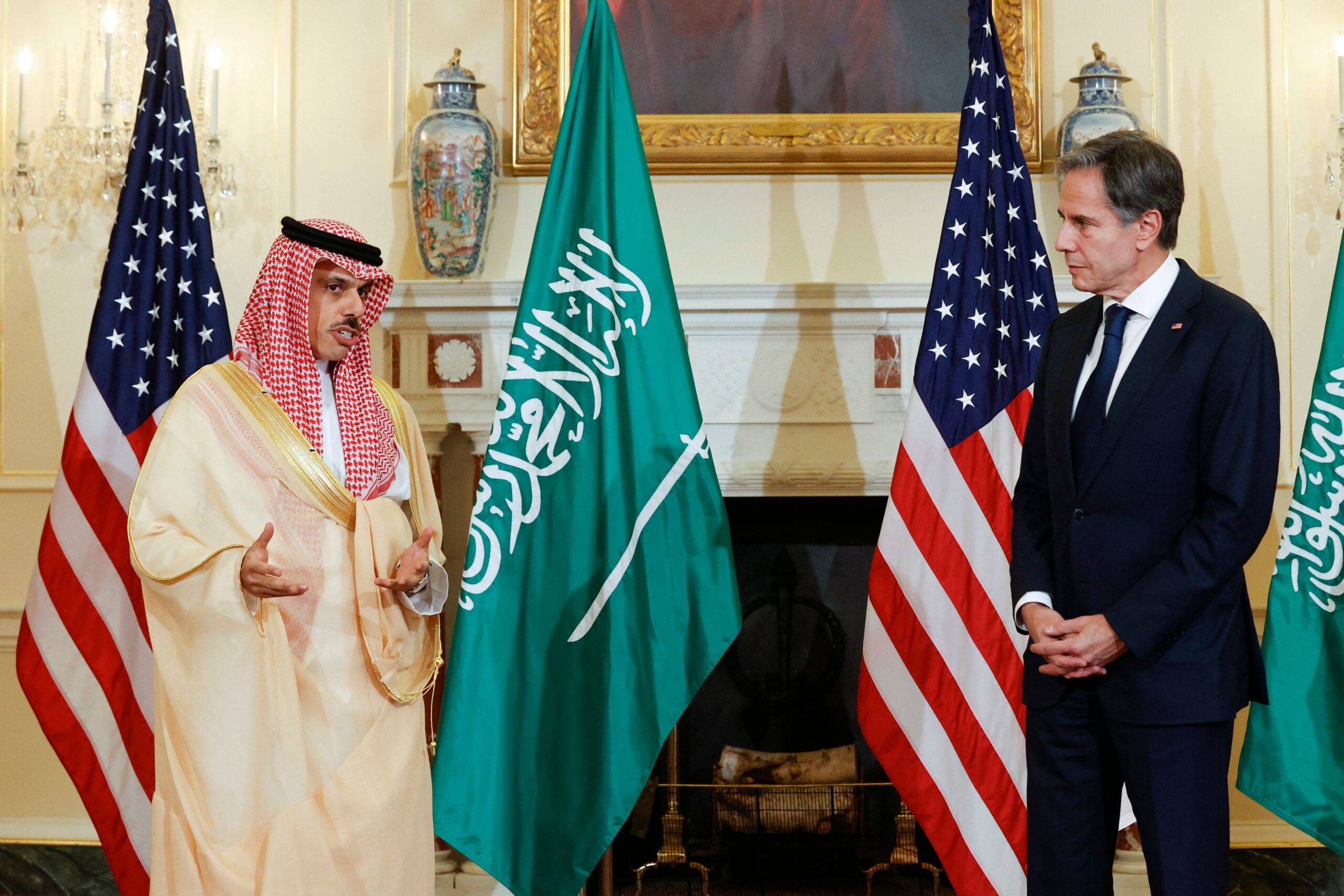
US-Gulf Relations at the Crossroads: Time for a Recalibration
The global response to Russia’s invasion of Ukraine has focused new attention on friction between the United States and its traditional partners in the Gulf and reinforced skepticism regarding the United States’ status as the dominant international partner in the region. It’s time for both sides to identify a realistic way forward that sheds outdated notions of mutual obligation without becoming merely transactional.
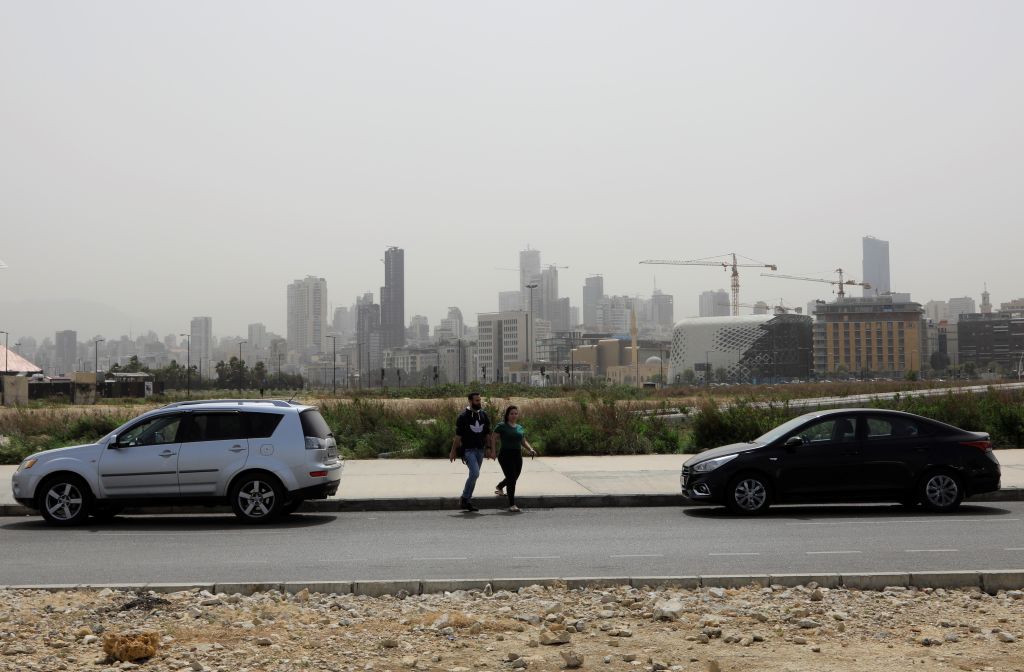
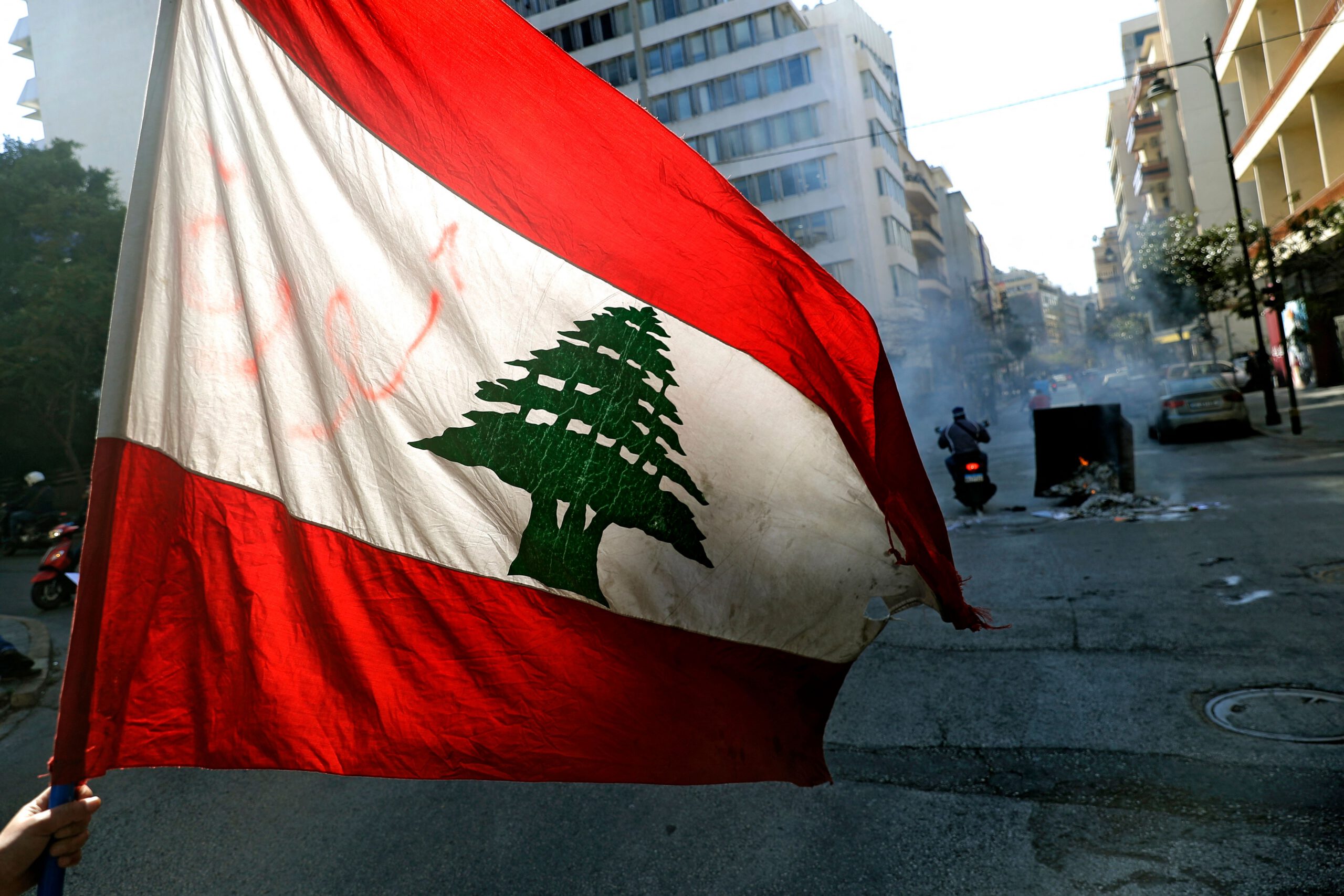
In two months, Lebanon is scheduled to hold parliamentary elections in the midst of a continuing economic meltdown and total failure of governance. The outcome of the vote is likely to be disappointing for anyone expecting to elect new leaders capable of reforming Lebanon.
Lebanon is running out of time to avert starvation
As Russia’s two-week-old war against Ukraine has brought Lebanon’s wheat imports from the besieged Black Sea nation to a complete standstill, the government in Beirut is racing against the clock to avert a catastrophic food crisis.
Randa Slim and Amb. Edward Gabriel discuss the daunting trifecta of economic, financial, and political crises Lebanon currently faces and what they anticipate for the country’s future.
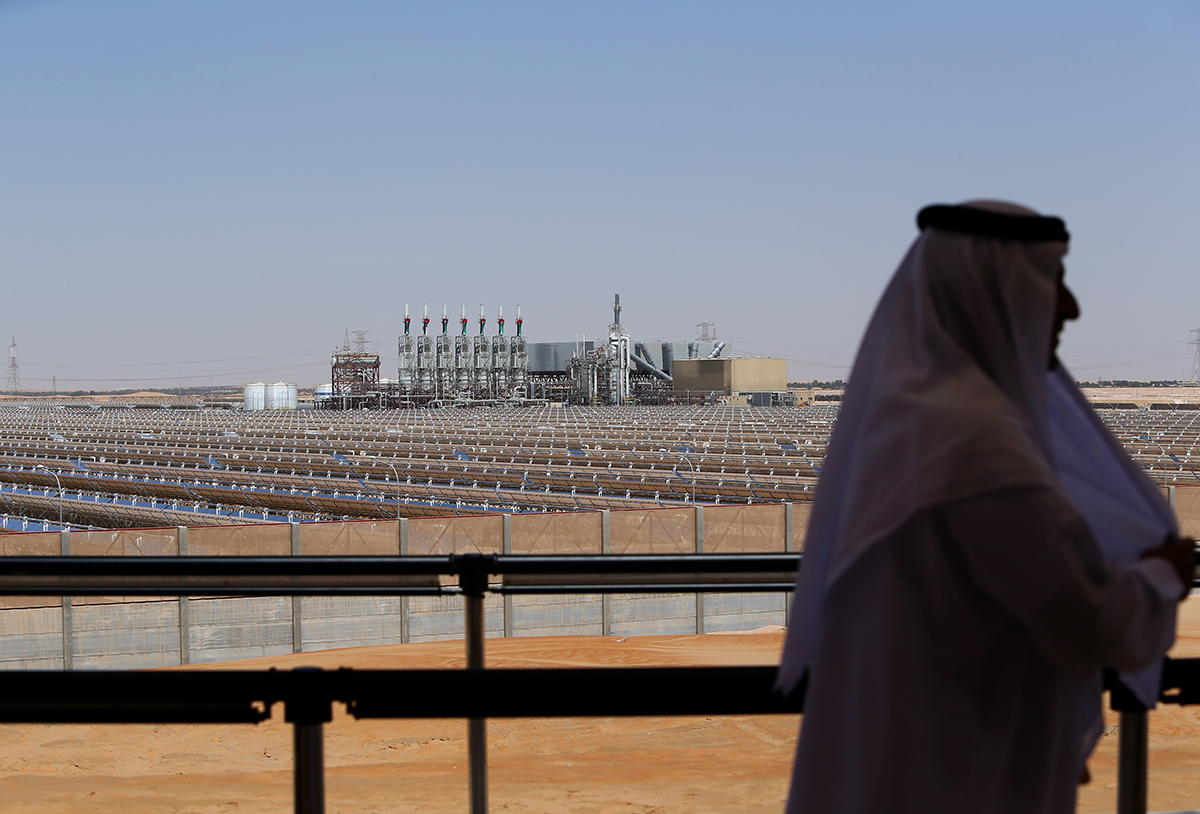
The Arab Gulf states appear to be following a common template in responding to the global transition toward an energy system in which renewables play an increasingly central role. They are publicizing renewable energy targets, decarbonizing upstream and downstream oil and gas operations, commissioning renewable energy projects, and improving energy efficiency, among other strategies. A closer look, however, reveals differences in how they have deployed solar and wind power capacity.
Helping the Lebanese People Move Toward Recovery: Recommendations for US Policy
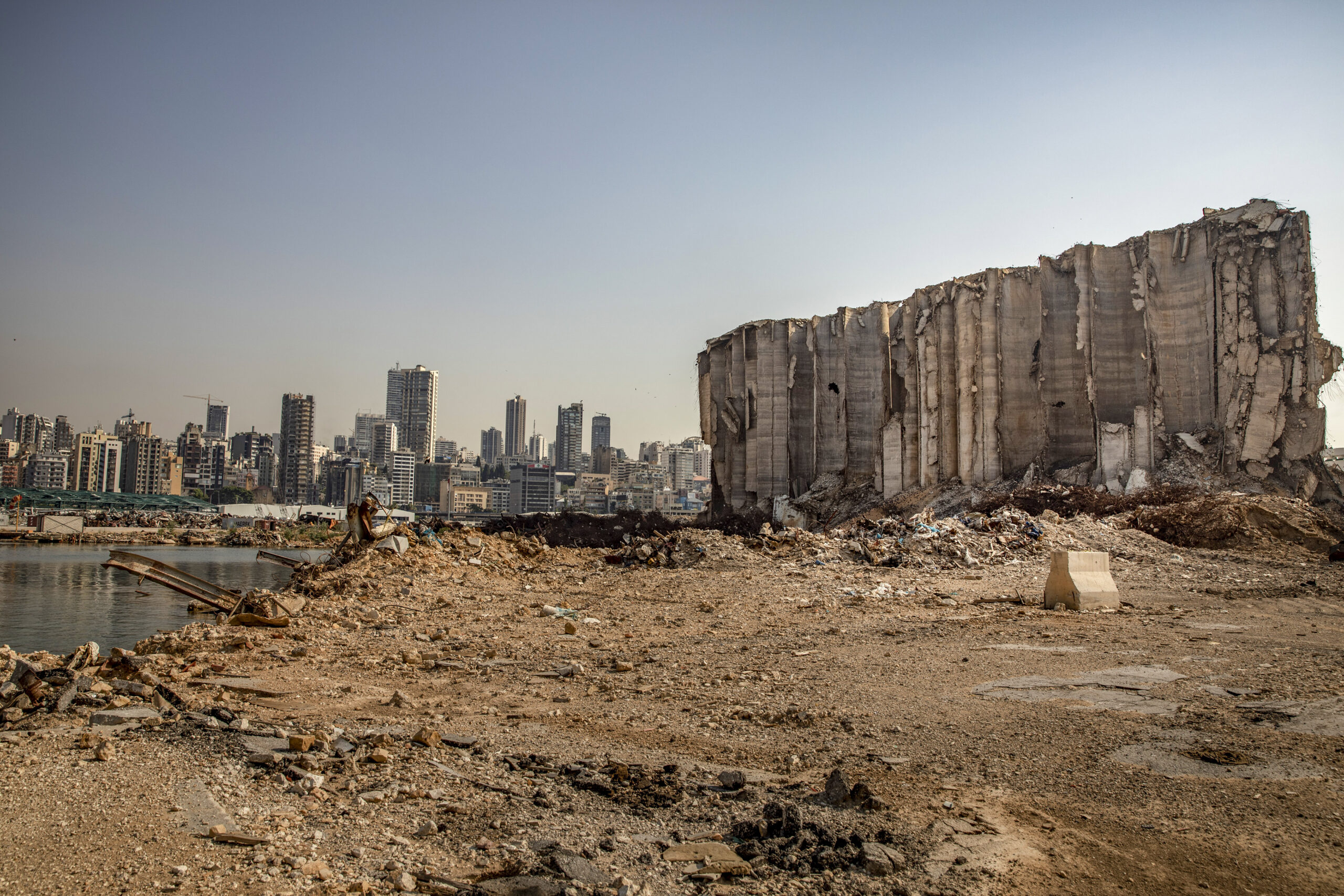
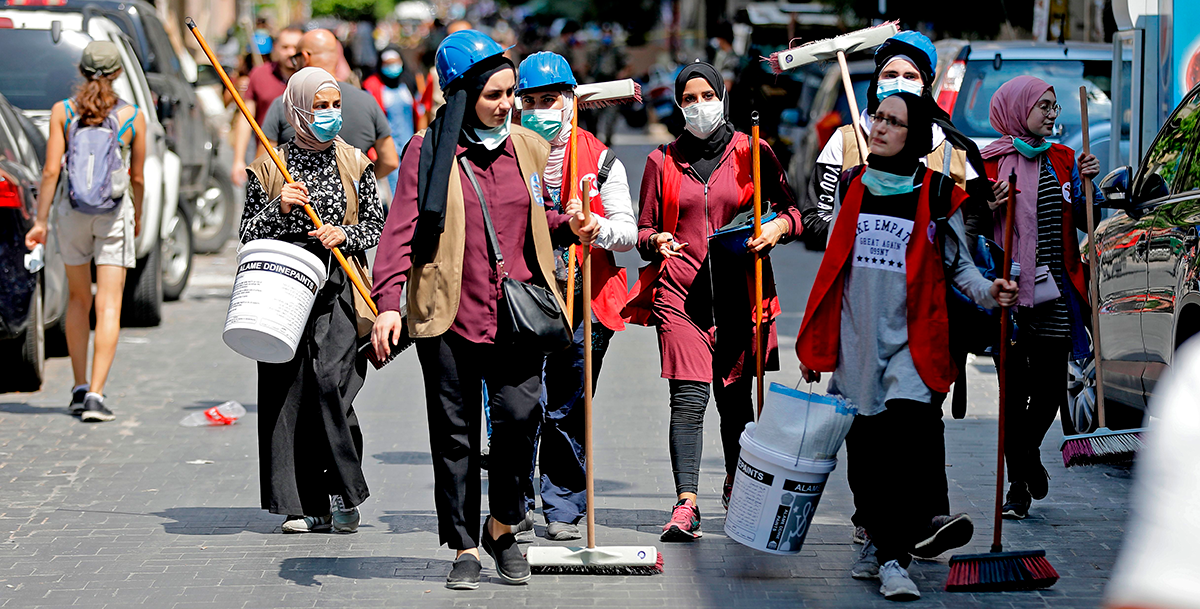
Lebanon is currently at a crossroads as the government faces the daunting tasks of rebuilding the economy, restoring public trust, and clearing the way for free and fair parliamentary elections in May of 2022. The country finds itself spiraling downward — an agreement with the IMF is yet to be realized, poverty and emigration are increasing, and there are growing threats to stability due to a failing economy and widespread corruption. Given this critical situation, it is worthwhile to review U.S. interests in Lebanon’s survival and consider key recommendations for U.S. policy to help Lebanon avoid complete collapse and help the Lebanese people move toward economic recovery, political legitimacy, and a more capable, transparent, and sovereign state.
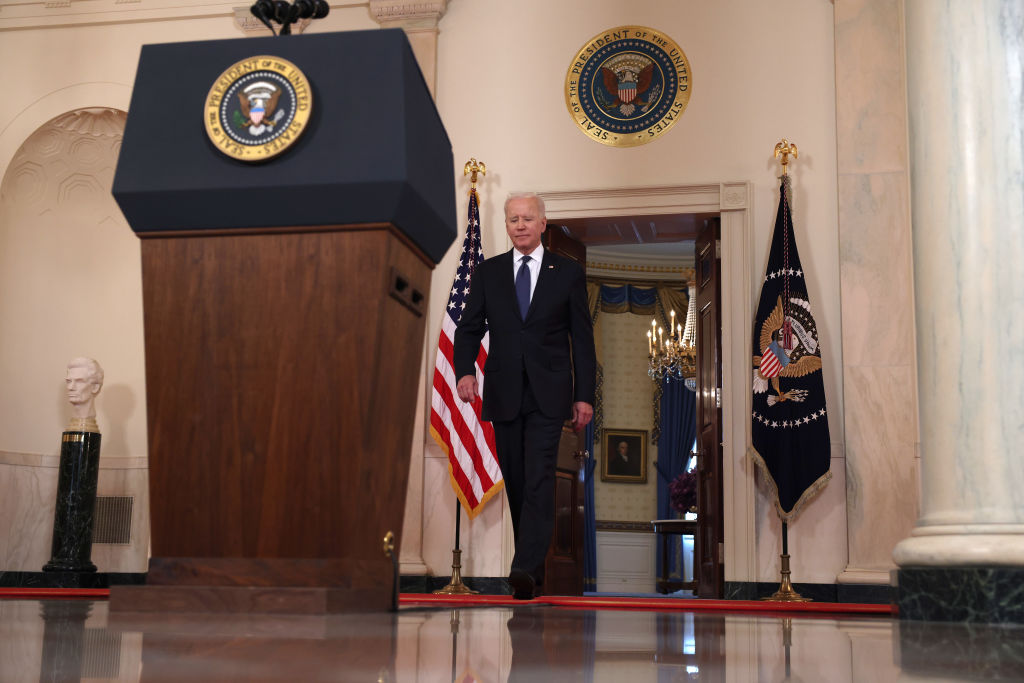
Back to basics? Lebanon’s critical role in Biden’s Middle East
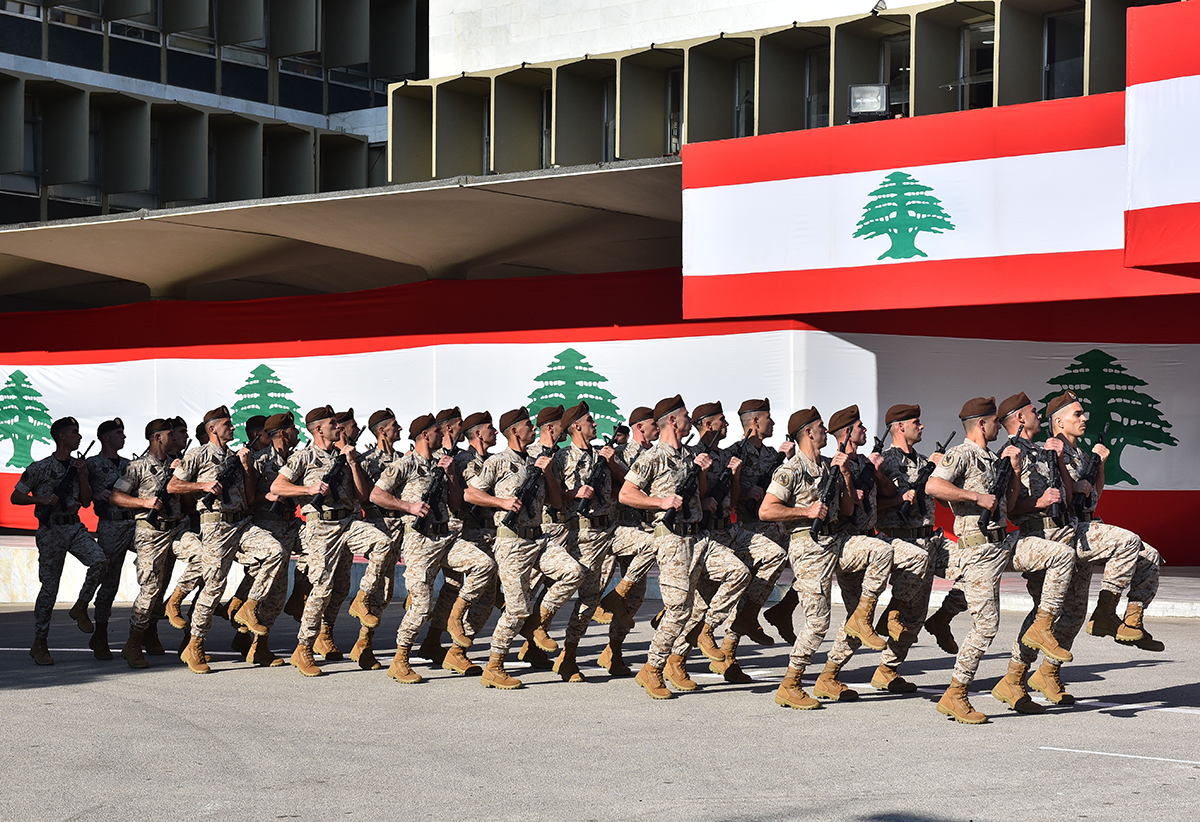
In the past several months, Biden administration officials have been pushing back against an encroaching narrative that the United States has abandoned the Middle East. But deepening partnerships built on a shared threat are not enough to assuage the concerns of all valuable allies in the region given the increasing perceptions of U.S. unreliability. To address these concerns, the U.S. needs to identify positive nexuses across policy priorities as well. One ripe option in this frame is Lebanon, where the United States has a reliable and long-standing partner in the Lebanese Armed Forces.
The case for COVID-19 public inquiries for the Arab world
The COVID-19 pandemic has revealed a number of weaknesses in government response, including a fragmentation of the decision-making process, inadequate consultation with experts, opacity of epidemiological data, as well as a lack of health care capacity, collective action, and general preparedness. Perhaps above all though, the pandemic has highlighted the inadequacy of communication with the public and their lack of involvement in the decision-making process. While the novel coronavirus caught all governments by surprise, some governments, especially those that enjoy high levels of trust (and not necessarily the wealthiest ones), have fared better than others. This has prompted some countries to hold public hearings to gain more insight into decision-making during the pandemic and rebuild trust in institutions. Strikingly but unsurprisingly, no country in the Arab world has yet called for a public inquiry into COVID-19. While this is even more relevant for countries that have traditionally enjoyed democratic governance and for countries that have suffered disproportionately rom the pandemic, this exercise could be useful for all Arab countries in regaining the trust needed to better respond to future crises.