US-Gulf Relations at the Crossroads: Time for a Recalibration
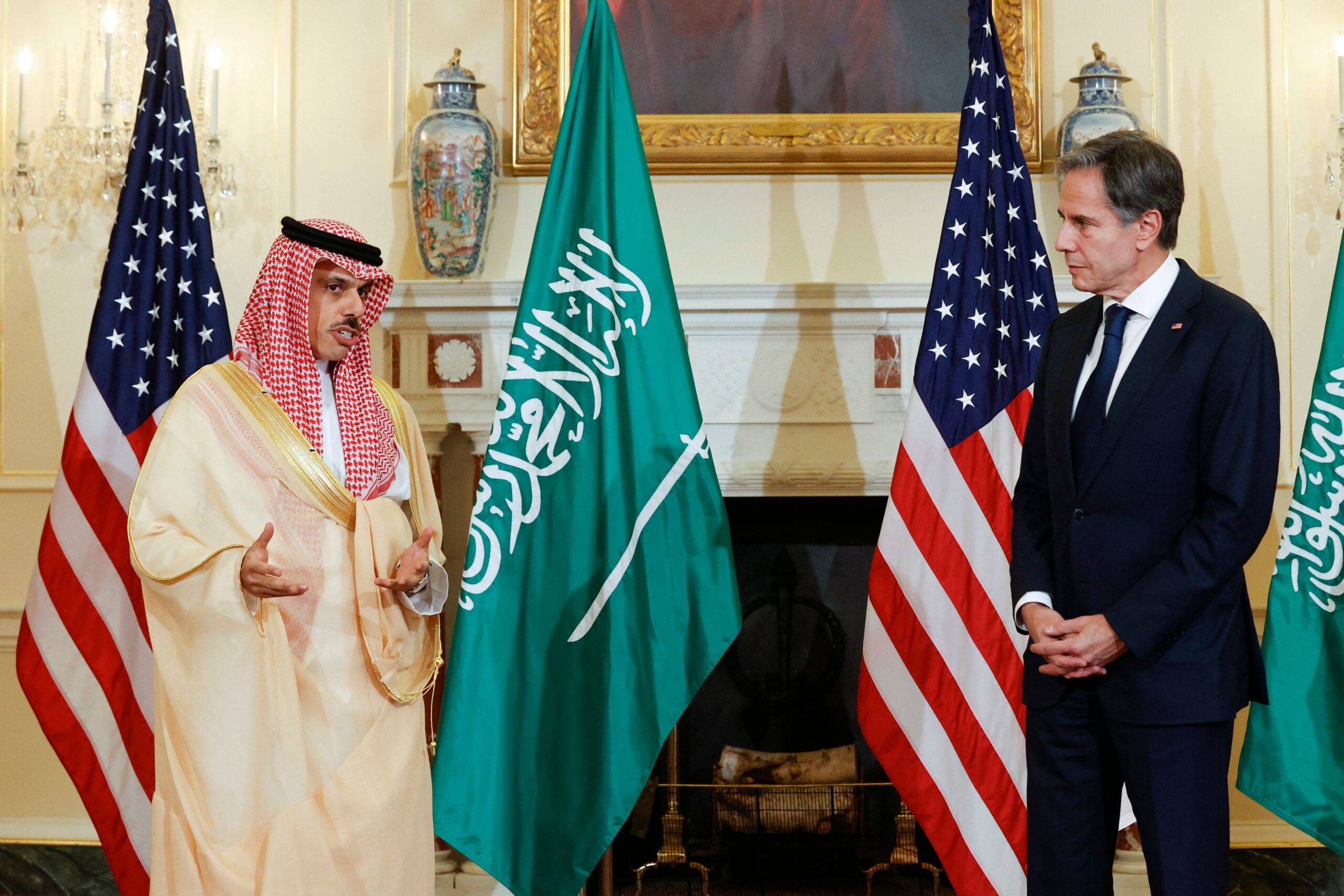
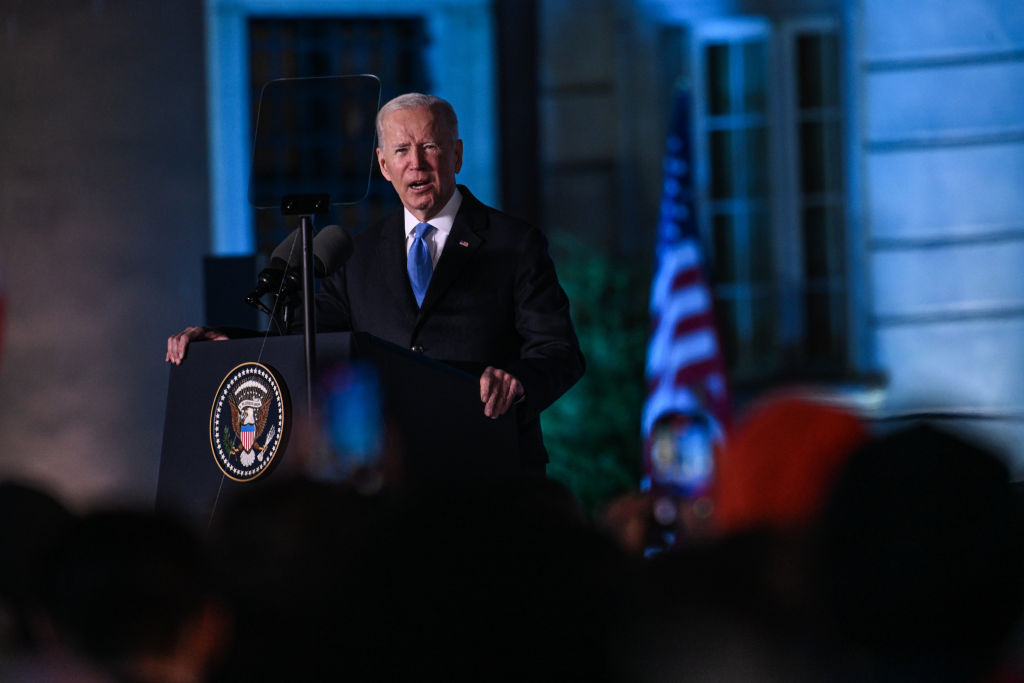
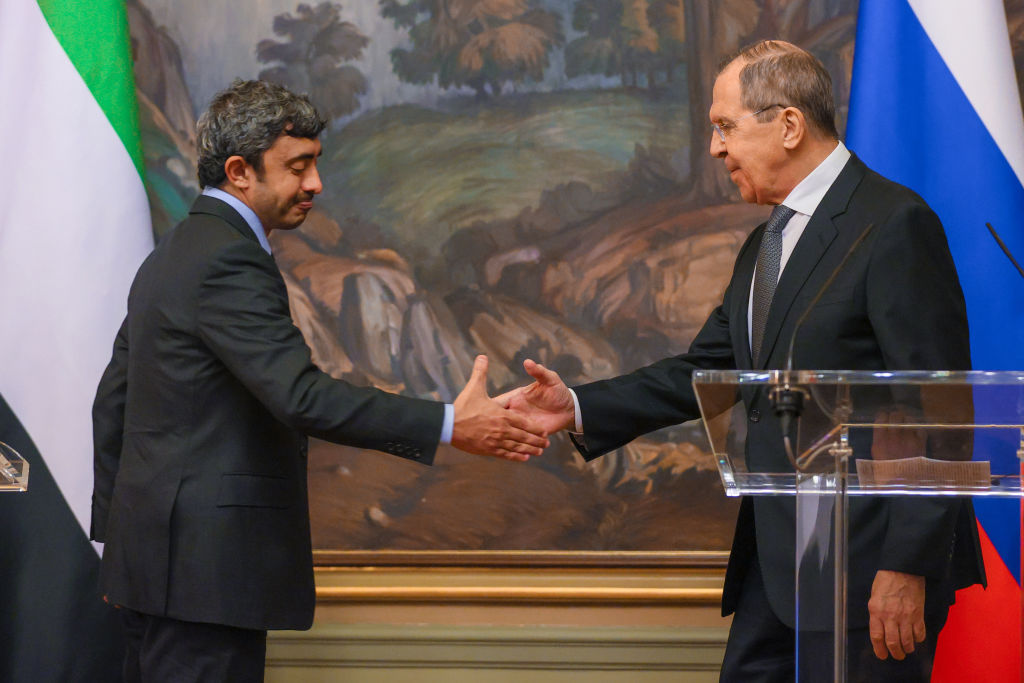
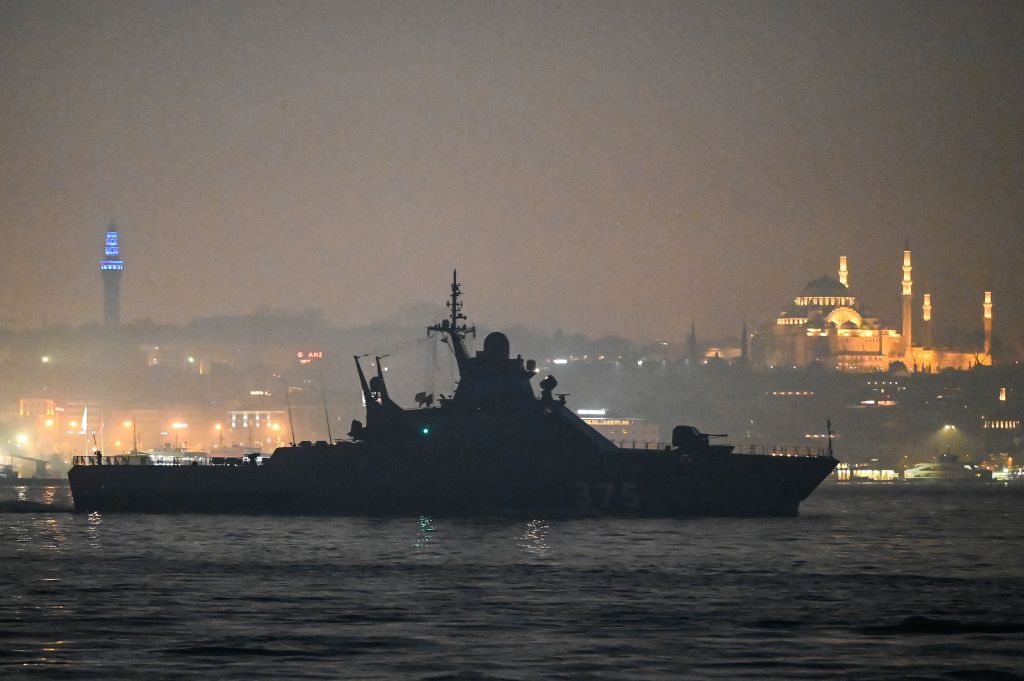
The global response to Russia’s invasion of Ukraine has focused new attention on friction between the United States and its traditional partners in the Gulf and reinforced skepticism regarding the United States’ status as the dominant international partner in the region. It’s time for both sides to identify a realistic way forward that sheds outdated notions of mutual obligation without becoming merely transactional.
Despite expectations that China, Russia, and other states would try to exploit the Western military departure from Afghanistan, the Taliban’s regime remains unrecognized by any other government. Neighboring countries have not gone beyond limited diplomatic engagement, economic detachment, and security containment.
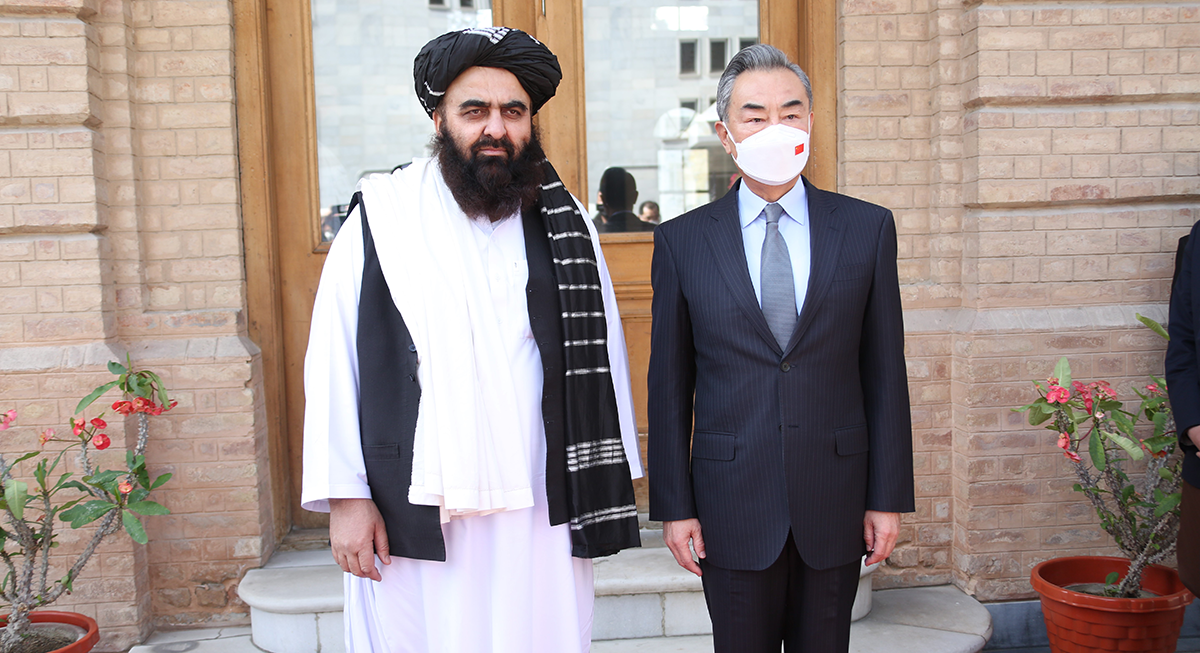
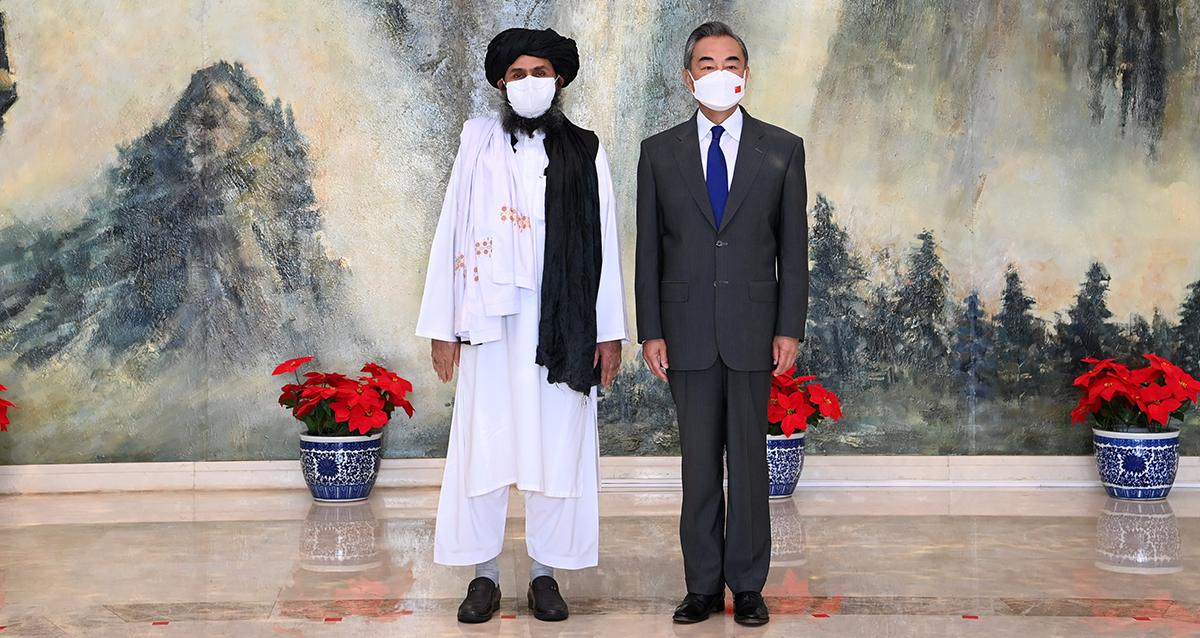
China draws closer to the Taliban as regional foreign ministers prepare to meet in Beijing
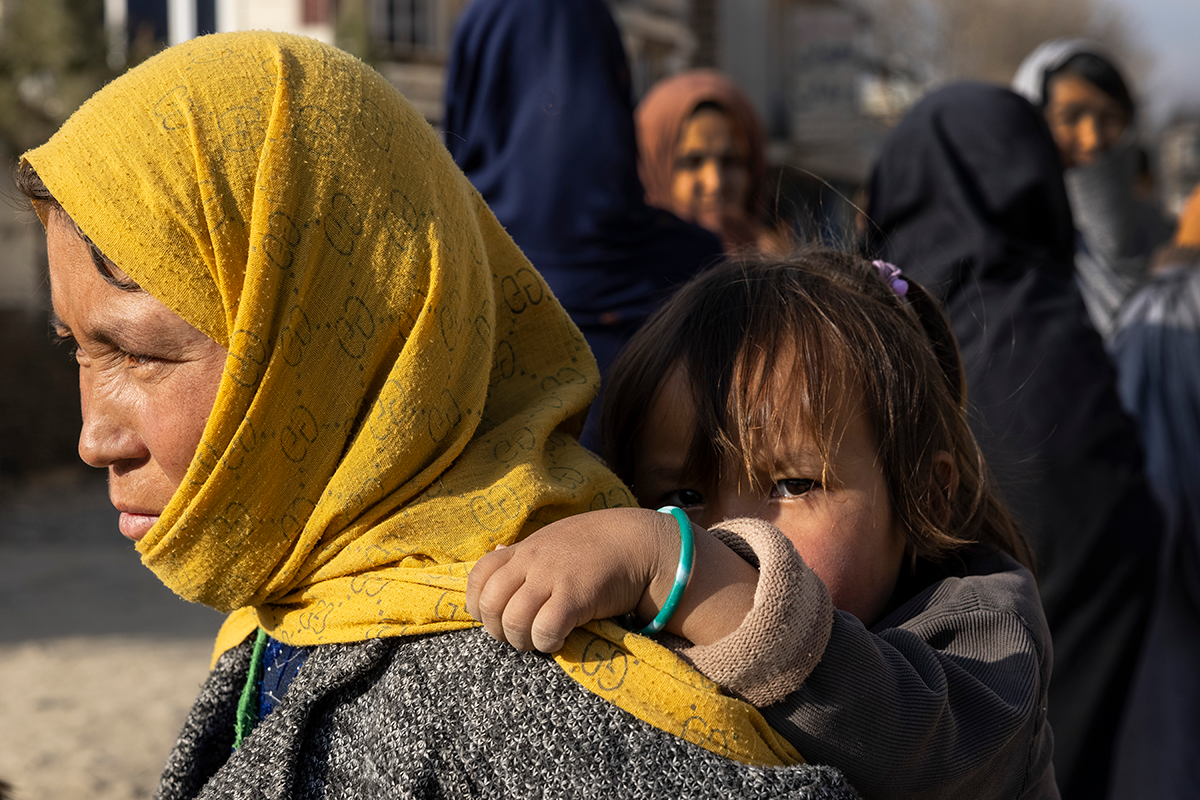
Despite the loss of crucial foreign aid, a deepening food crisis, and a sinking economy, little attention has been given to the effects of Afghanistan’s current political instability on the Taliban’s international relations. The international community has certainly taken an interest in Afghanistan, urging the Taliban to implement reforms, such as political representation for all Afghan ethnicities and respect for women’s rights, particularly when it comes to education and work. For its part, however, China has not let such concerns get in the way of establishing strong ties with the Afghan Taliban.
As global attention shifts further away from Afghanistan to Ukraine and elsewhere, time is running out to change course before the country’s freefall under the Taliban becomes irreversible. The international community needs a two-pronged, interlinked approach to normalize the economy and stabilize the political scene.
Connecting Beijing’s global infrastructure: The PEACE Cable in the Middle East and North Africa
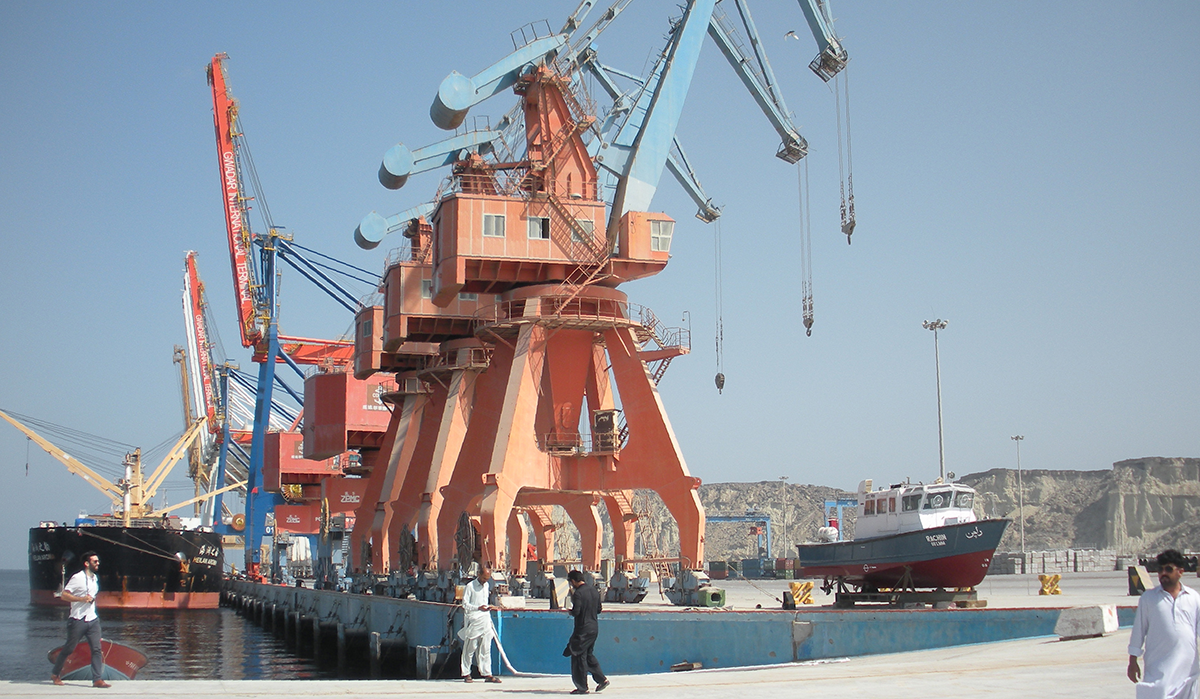
One of the most ambitious elements of China’s Digital Silk Road is the Pakistan & East Africa Connecting Europe (PEACE) fiber-optic cable. China has long expressed its ambition to connect the greater Middle East, Africa, and Europe with Chinese fiber optics in order to expand its presence in the region, and Beijing now boasts strategic infrastructure assets in geopolitical hotspots, such as the Pakistani port of Gwadar.
Marvin Weinbaum and Sayed Madadi discuss Afghanistan’s worsening economic and humanitarian crises six months after the Taliban reclaimed control of the country.
The Pakistani Taliban’s radical rebranding: Is there more than meets the eye?
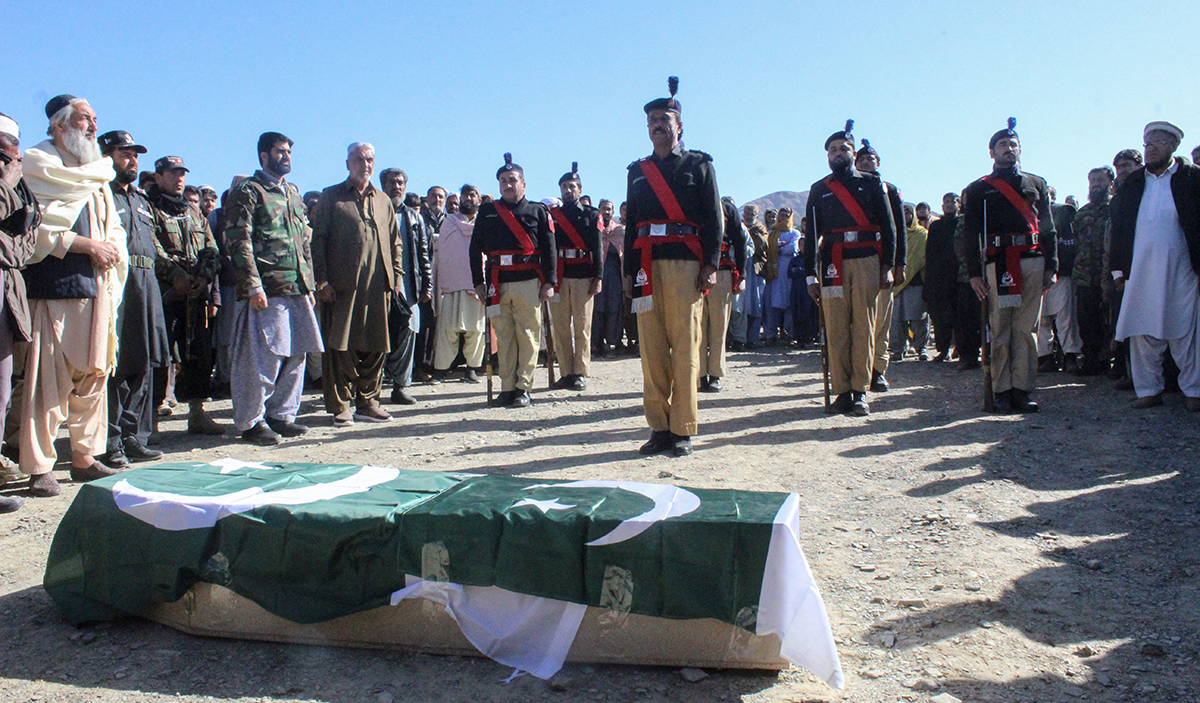
In a statement released on Feb. 12, the Tehreek-e Taliban Pakistan (TTP) distanced itself from international terrorism, declaring that its violence was singularly focused on Pakistan. While the TTP’s recent comments on America are unprecedented, they do fit into its broader rebranding effort under the leadership of Noor Wali Mehsud, who took over the group in 2018.