Iraq: A crisis of elite, consensus-based politics turns deadly
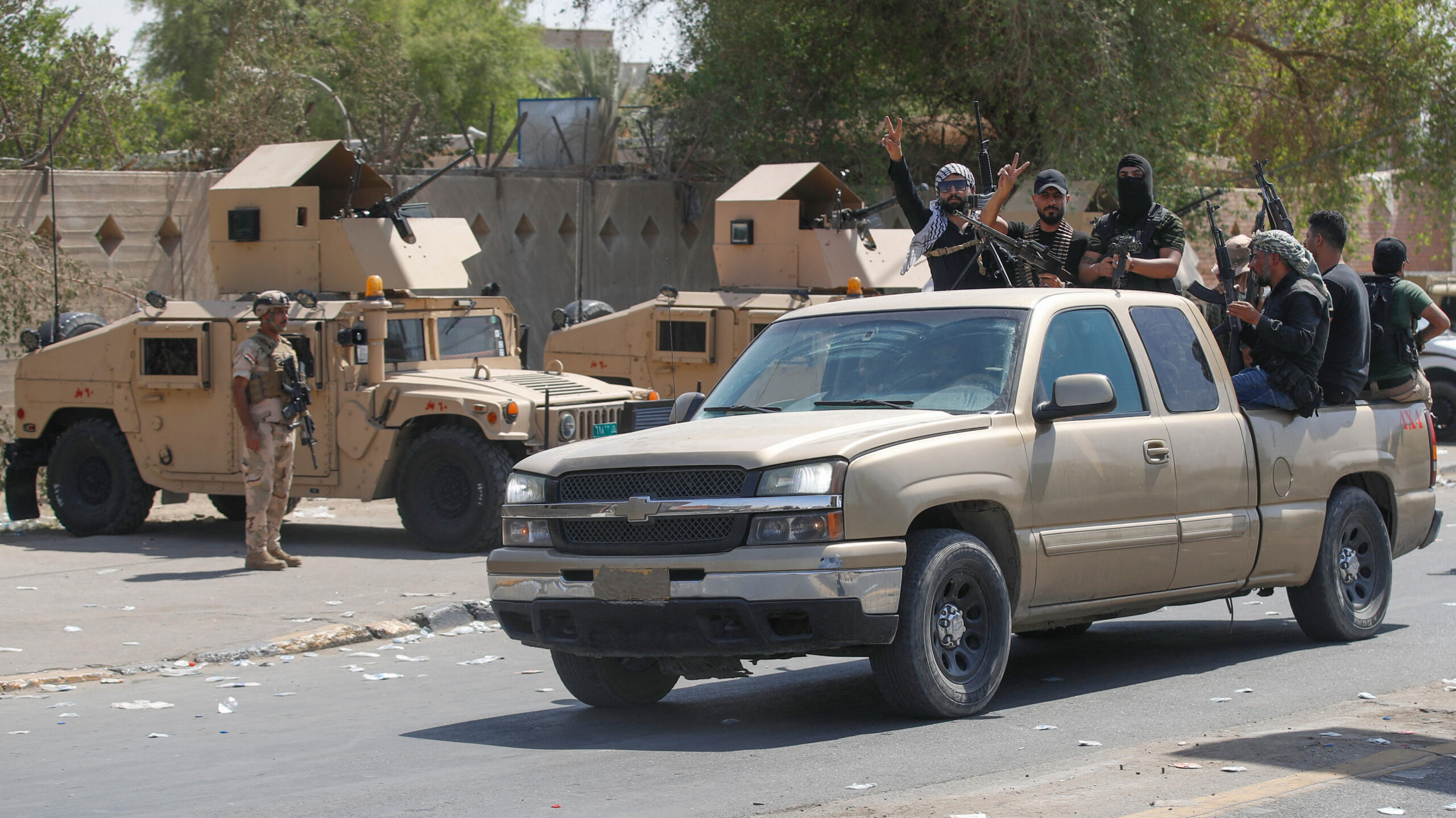
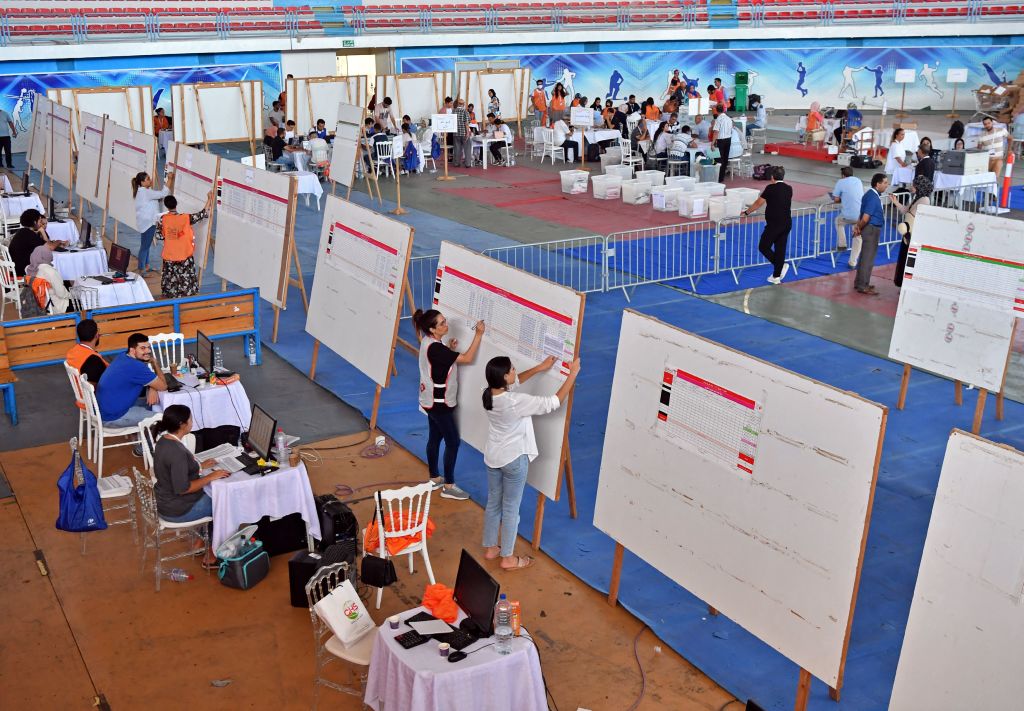
Iraq is facing one of its worst political crises in years. Following the bloody street battles at the end of August that left more than 30 dead, violence has stopped, for now, but the political crisis is far from over, even if superficial solutions may be found in the interim. Iraqis anxiously await the end of the Arba’een holiday on Sept. 17 to see what will happen next.
Domestic Political Chaos Is Not the Only Thing Happening in Iraq
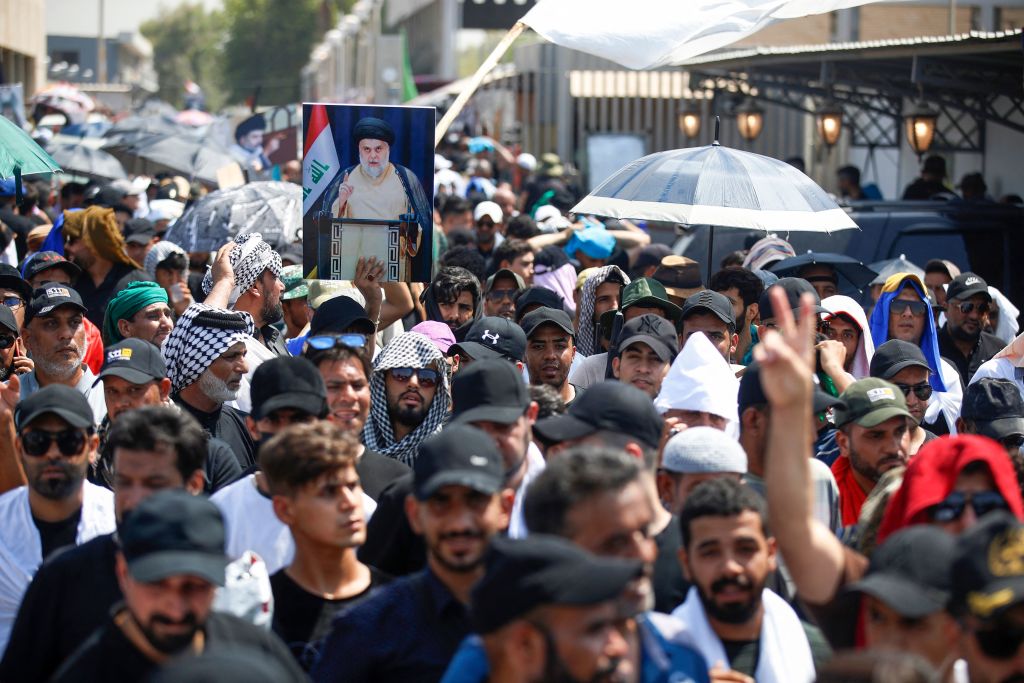
It appears that calm has returned to Iraq after the reported intervention of Ayatollah Ali al-Sistani, the country’s chief and widely respected Shia cleric. In recent weeks, violence had occurred in and near parliament, which has been unable to implement last October’s election results. The clashes involved demonstrators and armed forces loyal to Moqtada al-Sadr, the leading candidate in the elections, and militias loyal to a loose array of rival Shia political parties calling themselves the Coordination Framework.
Two years on, what is the state of the Abraham Accords?
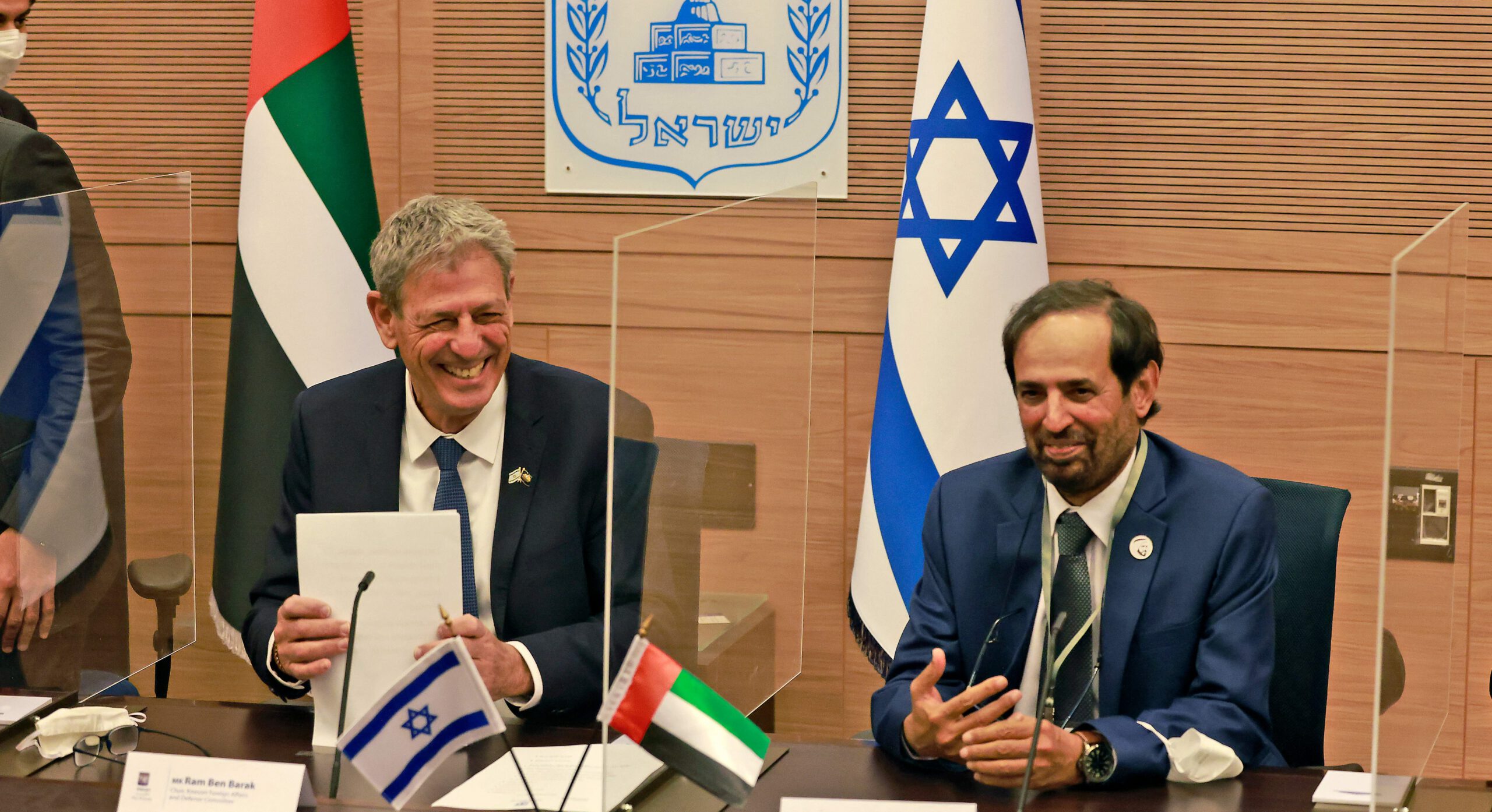
Two years after the signing of the Abraham Accords, progress in developing relations between Israel and its Arab neighbors has achieved mixed results, opening up some greater cooperation in the security sphere but failing to change Arab publics’ minds due to the lack of movement on the Israeli-Palestinian conflict.
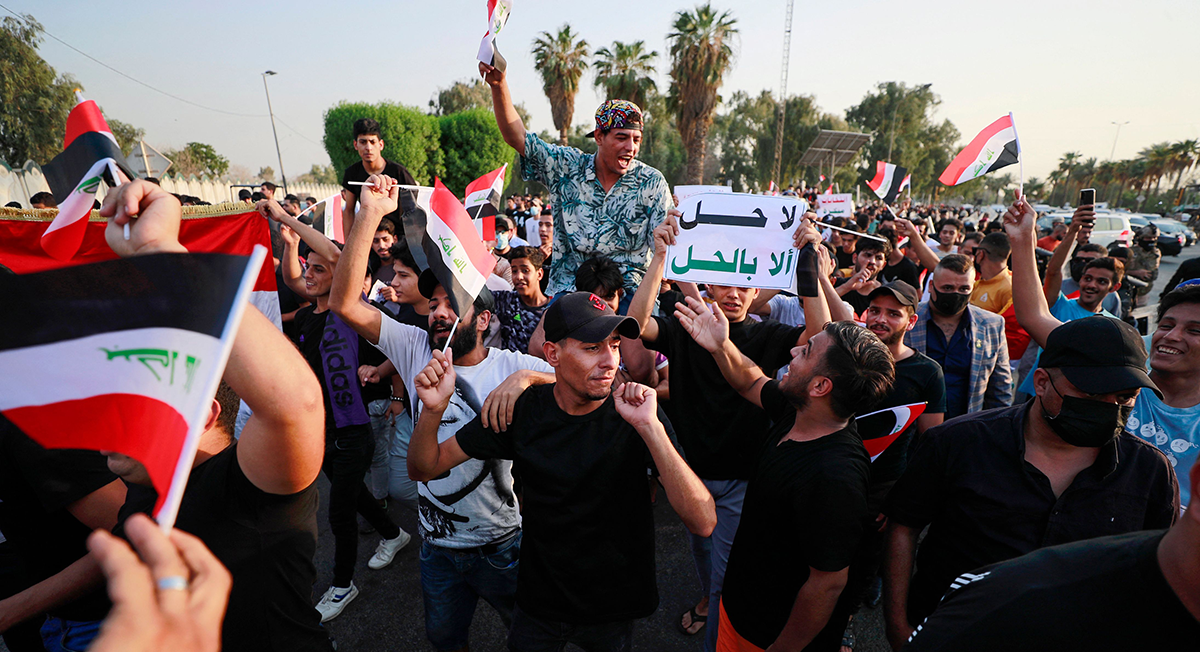
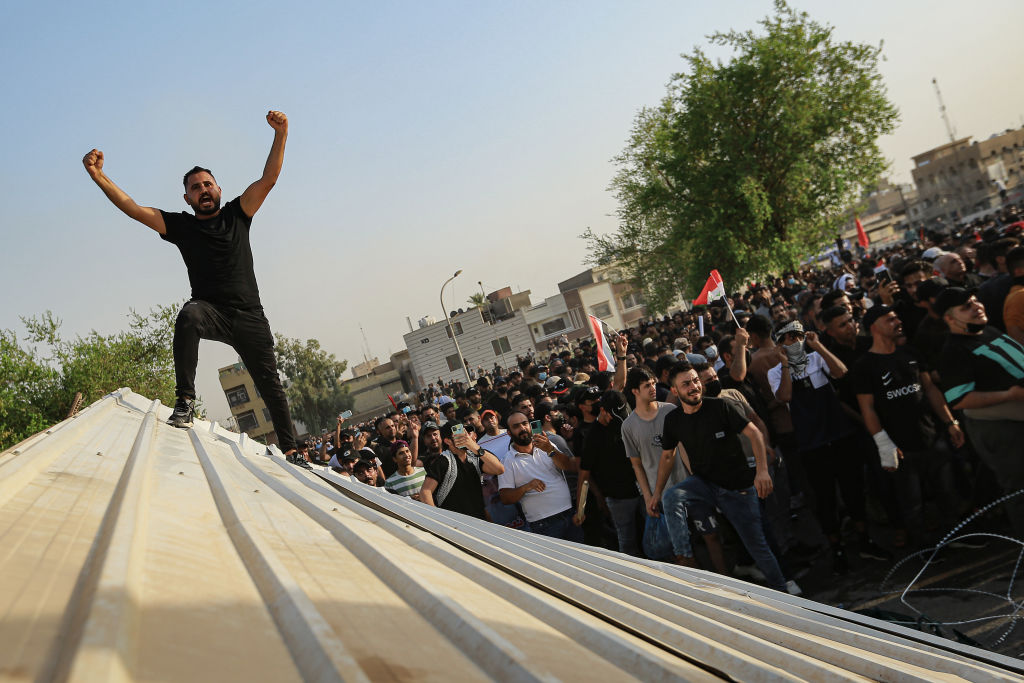
Followers of Iraqi Shi’a cleric and political leader Muqtada al-Sadr and those of the Iran-aligned Coordination Framework clashed in downtown Baghdad on Aug. 29. Iraqis spent that evening wondering whether the country was descending into an intra-Shi’a civil war.
Ten months on from last October’s elections, Iraq still does not have a new government and faces a deepening political crisis. To understand the current situation’s perils and what may be next for the future of the country, we are joined by Farhad Alaaldin, chairman of the Iraq Advisory Council, and Robert Ford, MEI Senior Fellow and former Ambassador to Syria and Algeria.
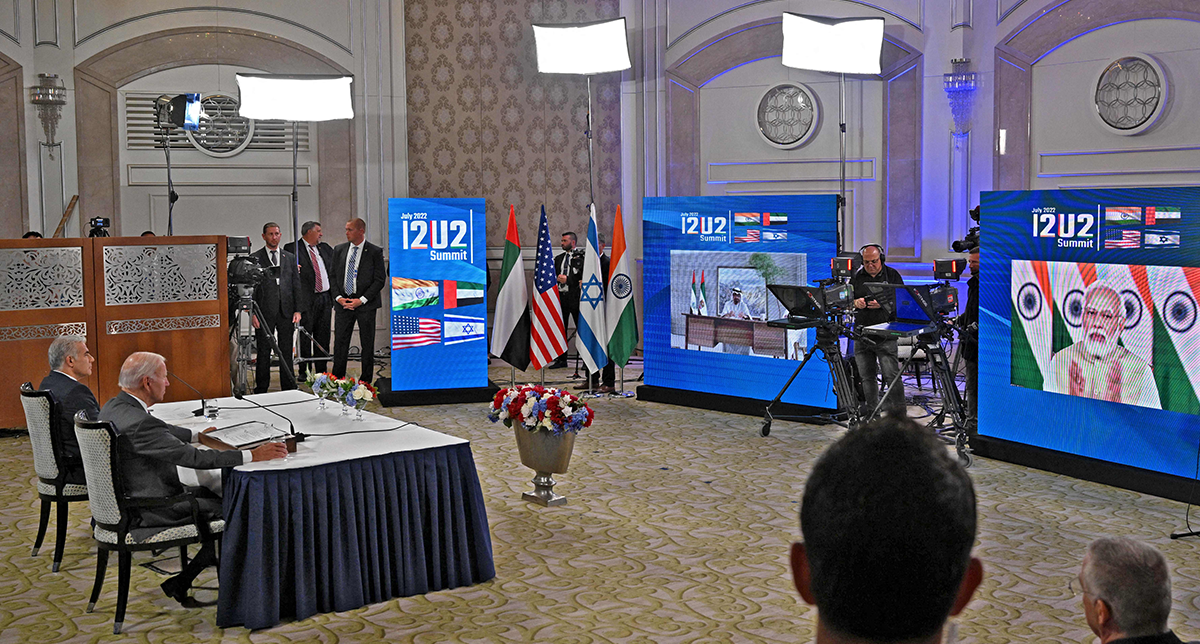
The July 2022 leaders’ meeting took good steps on energy and food security, but Egypt and Saudi Arabia can help take the I2U2 to the next level when it comes to regional security.
Sisi’s call for dialogue cautiously welcomed by Egypt’s opposition
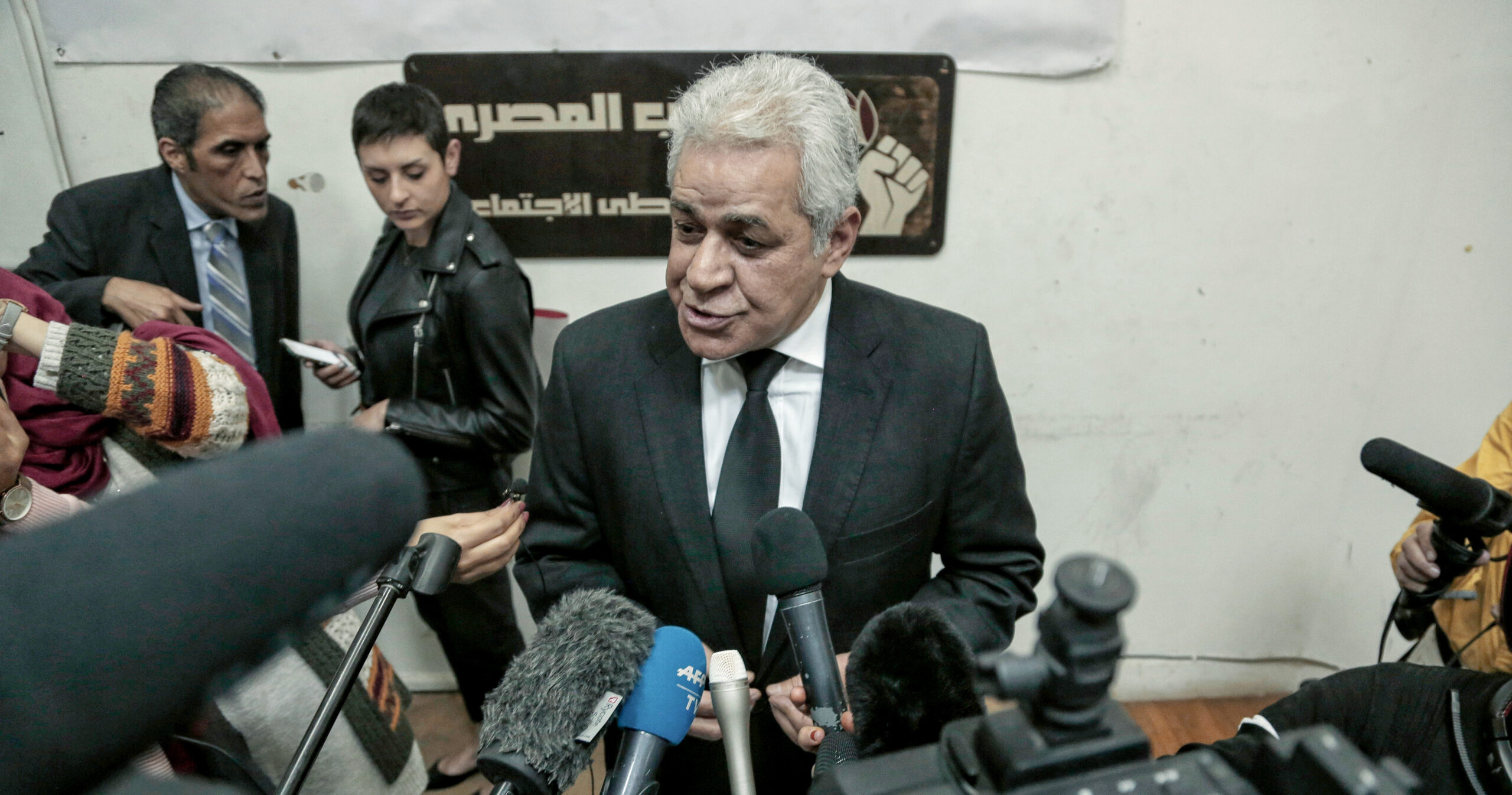
On Apr. 26, Egyptian President Sisi launched a call for political dialogue with all opposition parties except for the Muslim Brotherhood. Many opponents remain skeptical of the government’s recent change of heart. But some regime opponents have started being released from prison, and state media has again begun allowing critics of Sisi back on the air.
Egypt’s President Sisi makes a comeback on the world stage with a three-stop European tour
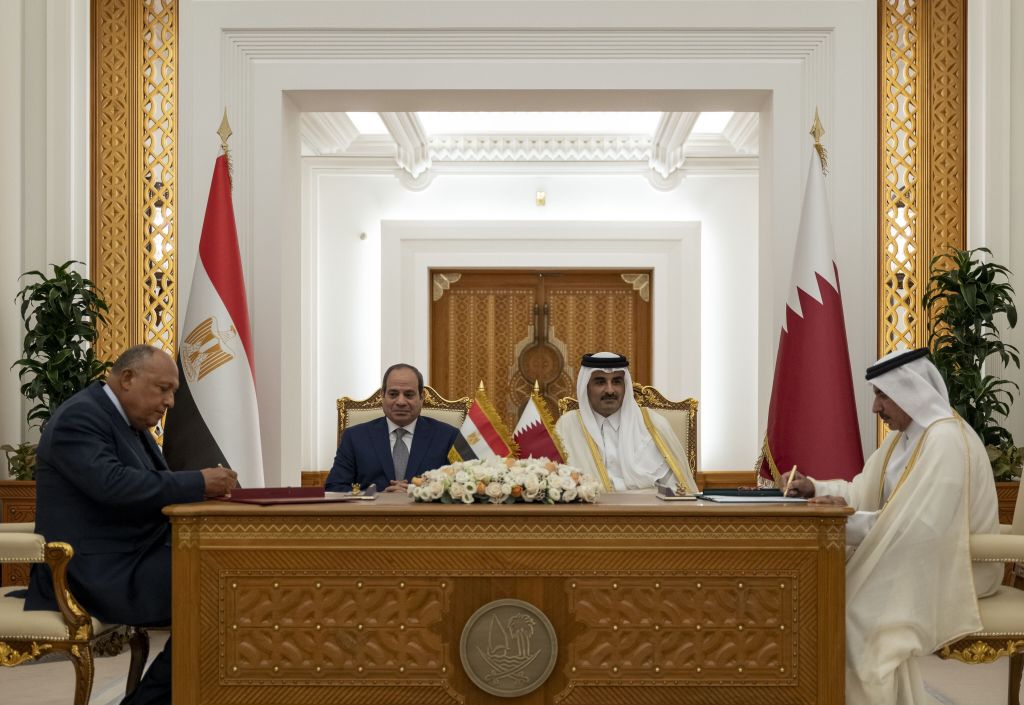
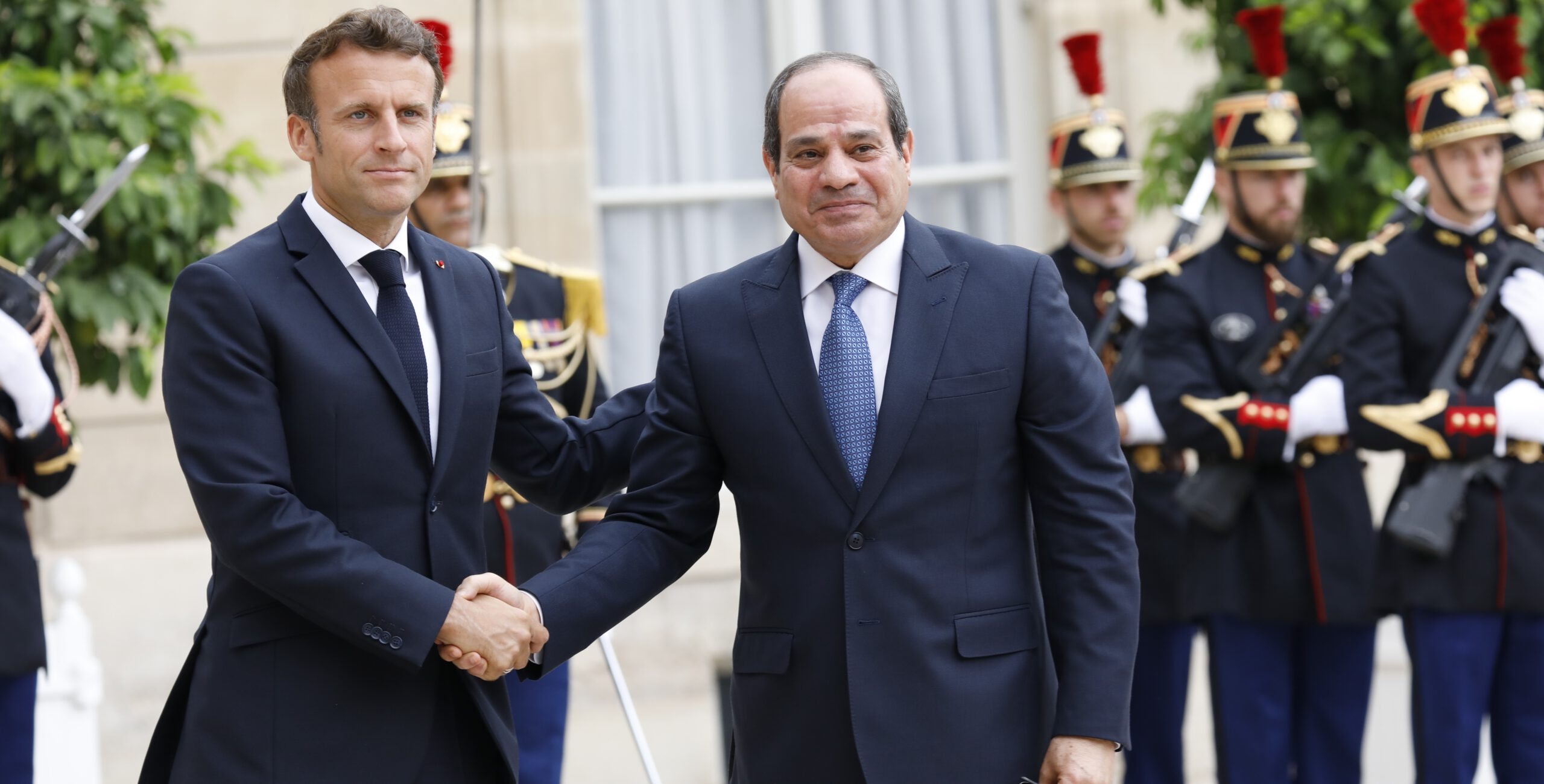
Egyptian President Abdel-Fattah el-Sisi’s recent, six-day European tour, which took him to Germany, Serbia, and France, aimed to boost his image and status as a central player on the world stage despite widespread criticism of his regime’s human rights record.
Egypt as an Eastern Mediterranean power in the age of energy transition
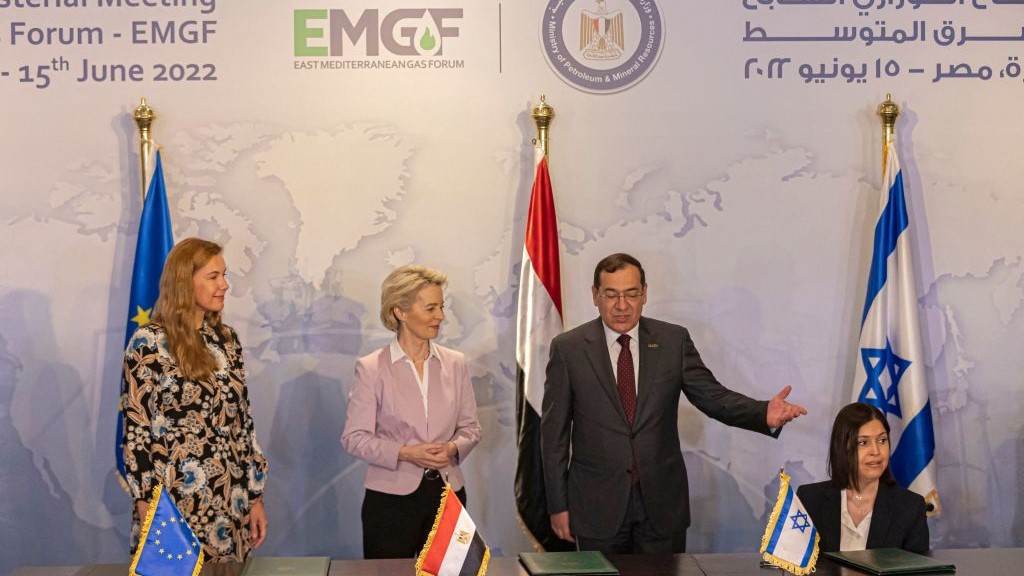
The emergence of Egypt as an Eastern Mediterranean energy hub resulted from a culmination of years of deliberate efforts. Increasingly, Egypt will be able to re-export Israeli natural gas or convert it into blue hydrogen, generate green electricity for export, or utilize its growing wind and solar power capacity to produce green hydrogen.