The war next door: Omani foreign policy toward Yemen
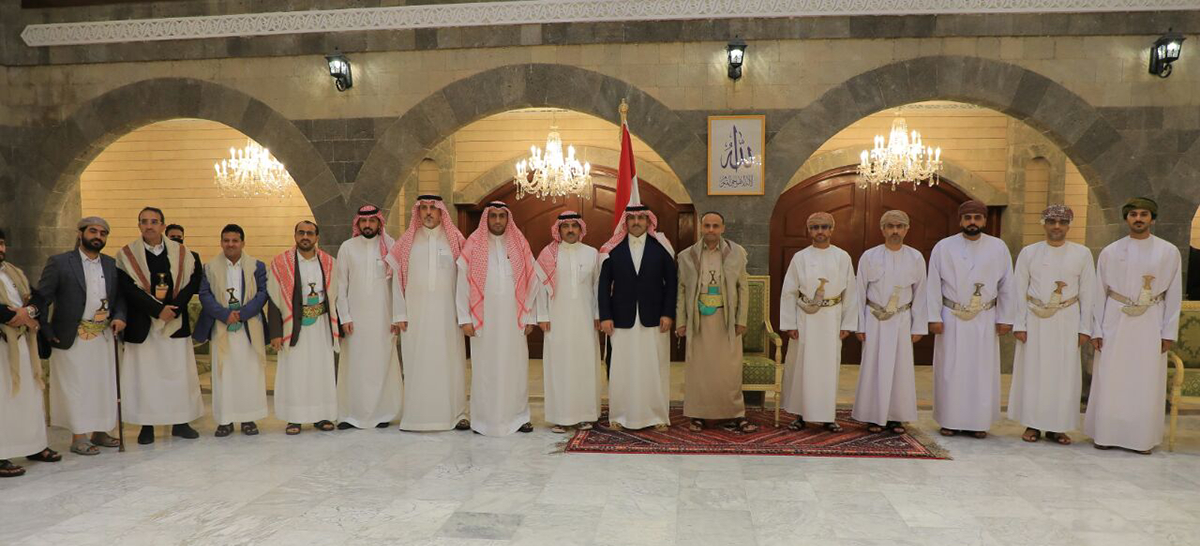
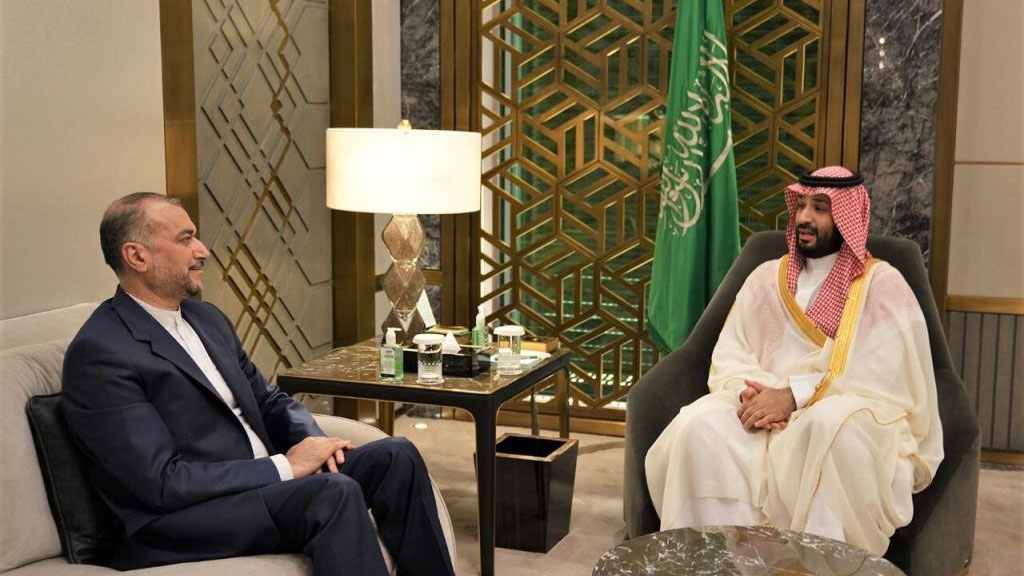
Over the past decade of turmoil, conflict, and external military intervention in Yemen, Oman’s foreign policy has emerged as the Gulf exception. Muscat has pursued a unique role, driven by both pragmatic concern and opportunity. It has harnessed its relations with most of the actors involved, including armed non-state actors, and sought to access new economic opportunities as part of its policies of strategic hedging, omni-balancing, and undeclared alignment.
How northern Syria’s triple water crisis is exacerbating its people’s woes
As the humanitarian, political, and economic challenges in Syria are occurring simultaneously with increasingly hot and dry summers, conflict- and climate-related factors have compounded, resulting in the emergence of a so-called “triple water crisis.”
After an uprising and violent crackdown, Syria’s Deir ez-Zor is at a critical juncture
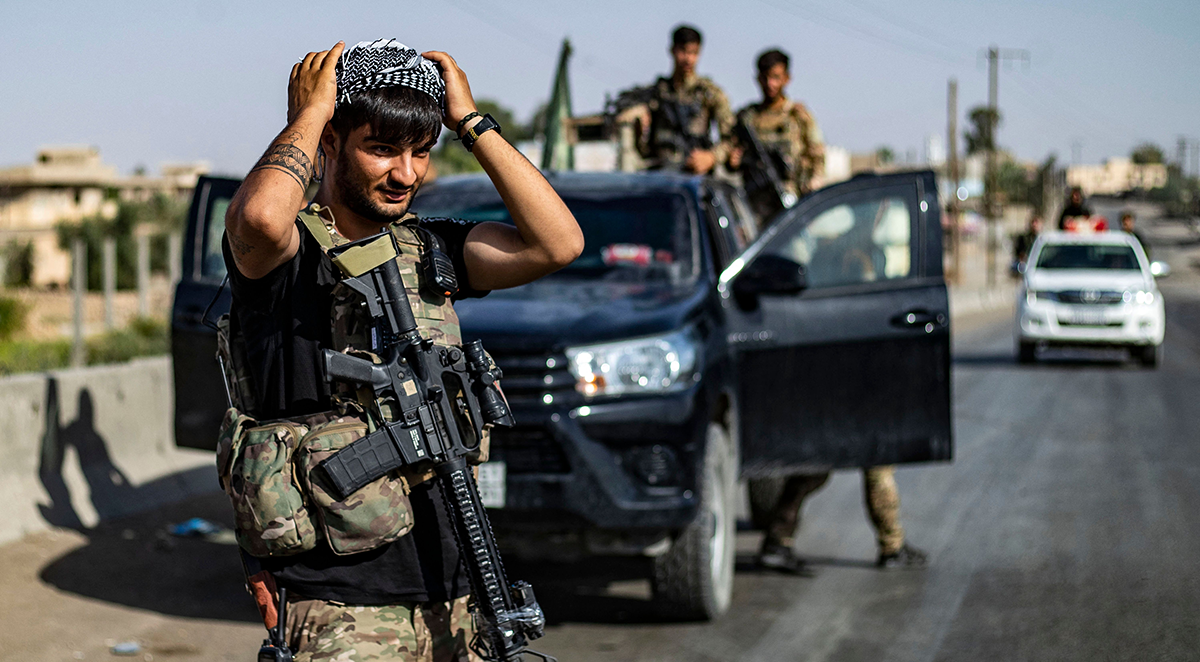
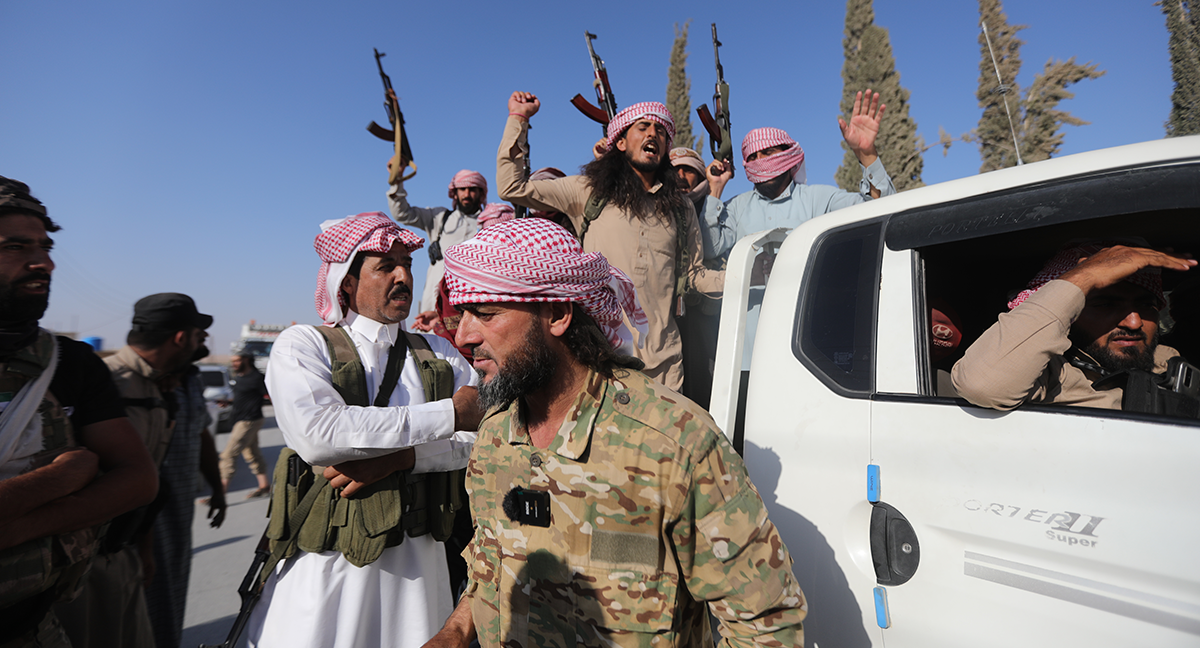
On Sept. 8, the Kurdish-led SDF, a key U.S. ally, announced the end of its “Operation Security Enhancement” in Deir ez-Zor in northeast Syria. While framed as an operation targeting ISIS sleeper cells and criminals, it aimed at quashing an armed uprising led by Arab tribesmen, particularly members of the Akidat tribe. While multiple factors may have contributed to fueling the uprising, the importance of the region’s longstanding grievances cannot be overstated.
Deir ez-Zor torn between Arab tribes’ struggle for independence and the SDF’s efforts to subdue them
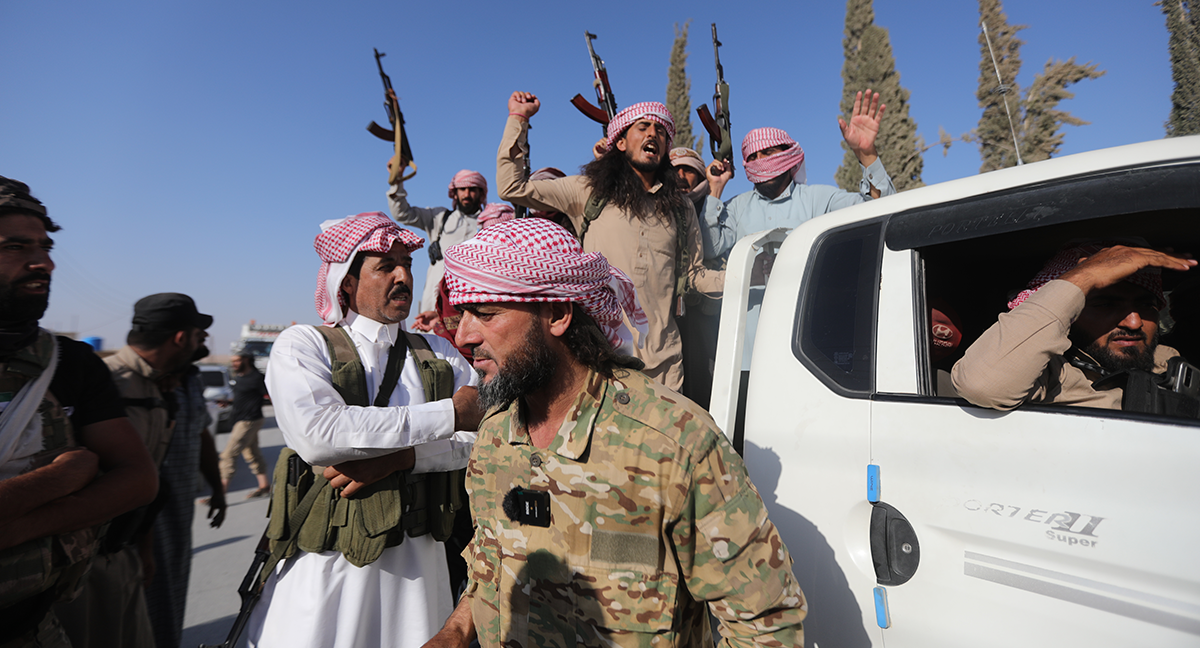
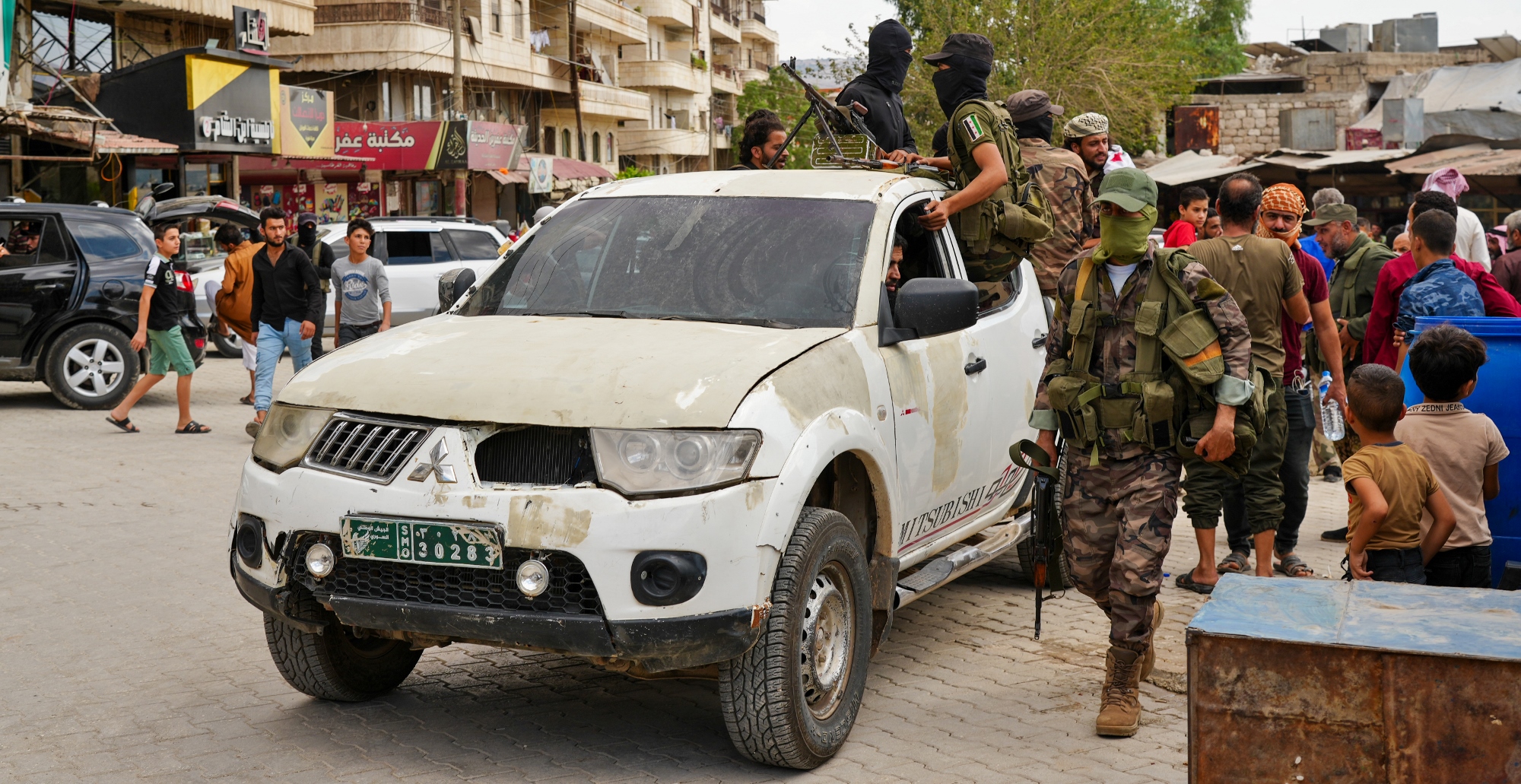
On Sept. 8, the Syrian Democratic Forces were able to enter the villages and towns of Deir ez-Zor’s eastern countryside, stretching from al-Tayyanah to al-Baghouz, regaining control of all of the areas that had witnessed an uprising against their forces beginning on Aug. 27. But what sparked the fighting in the first place, how did things play out, and what might it mean for the region going forward?
صراع ديرالزور بين دفاع العشائر عن الاستقلالية ومخطط "قسد" للإخضاع
تمكنت قوات سوريا الديمقراطية في الثامن من أيلول/سبتمبر، من الدخول إلى قرى وبلدات ريف ديرالزور الشرقي الممتد من بلدة الطيانة حتى الباغوز، بذلك أعادة السيطرة على جميع المناطق التي شهدت حالة تمرد ضد قواتها، التي بدأت في السابع والعشرين من شهر آب/ أغسطس الماضي.
Years of simmering tensions between the Syrian Democratic Forces (SDF) and local populations in northeast Syria have exploded this week into still-expanding battles across much of Deir ez-Zor. Conflict resolution requires the international coalition to engage with the Kurdish administration on deep political and administrative reforms. However, the violence in Deir ez-Zor may demand a more creative and locally driven approach to the northeast to foster a more resilient governance and security structure.
After Prigozhin: The future of Wagner and Russian gray zone activities in MENA
As the Wagner Group has an entrenched military presence in Syria, Libya, and Sudan, the evisceration of its senior leadership will have serious repercussions for Russia’s influence in the MENA region. Wagner’s military contractors are unlikely to depart, since they guard strategically valuable oil and mining facilities; but they are likely to now be swiftly integrated into the regular Russian Armed Forces.
The SDF has always been a diverse coalition of localized actors. Over the past eight years, it has managed to contain these persistent frictions, but that may now be coming to an end. In the past three days, at least 50 people have been killed in fighting between Arab tribal fighters and the SDF in the region where Syria’s Khabur and Euphrates rivers meet. The catalyst for this fighting occurred late on Aug. 27, when Ahmed al-Khubayl, the leader of the SDF’s Deir ez-Zor Military Council, was lured north to Hasakah for a purported meeting, only to be arrested alongside his brother and four other commanders.
Impossible choices and routine tragedies: The Syrian refugee crisis at 13
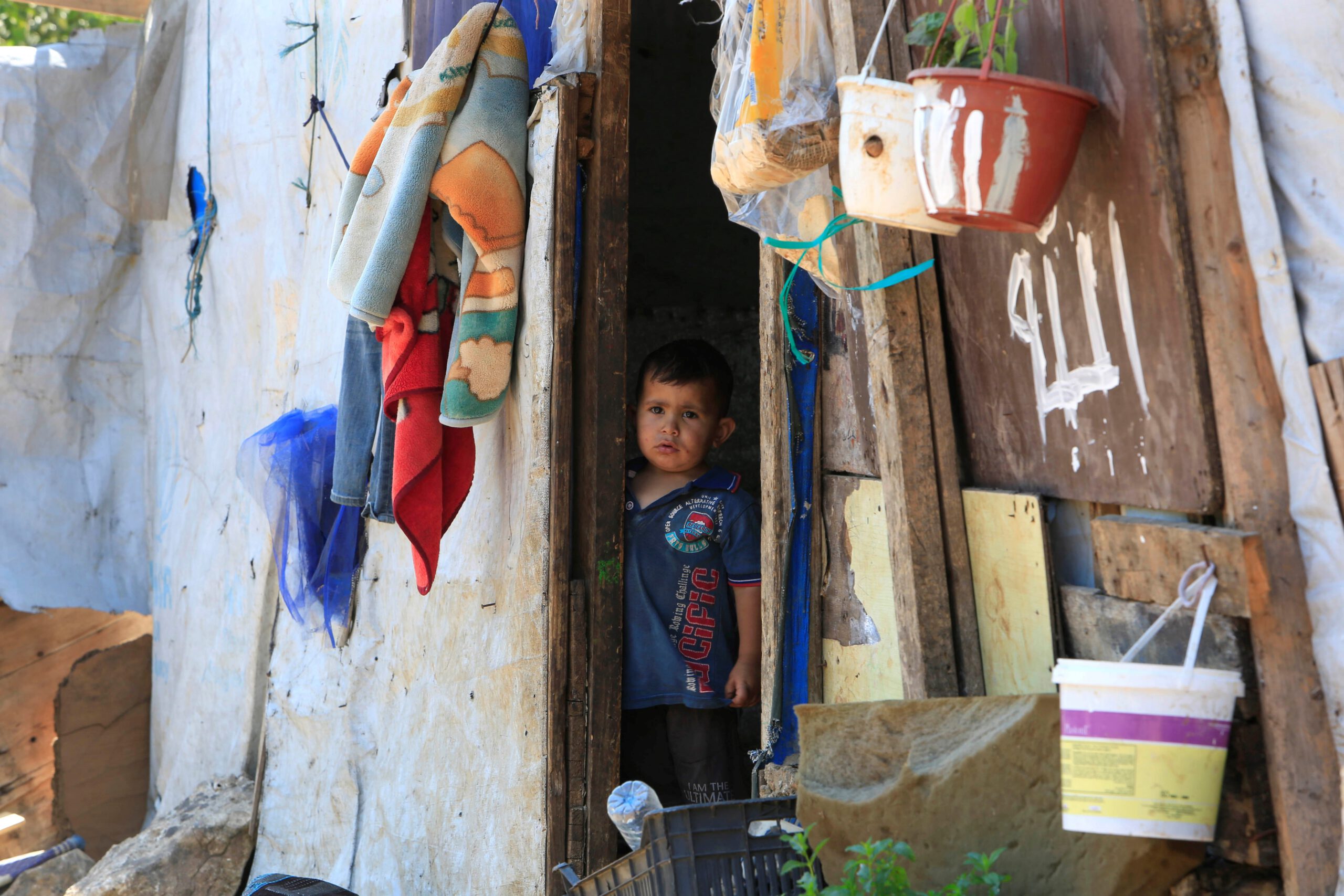
There are currently over 5.34 million Syrian refugees dispersed in camps, collective shelters, and poor neighborhoods across Lebanon, Turkey, Iraq, Jordan, and Egypt. Many make desperate attempts to find refuge in Europe. Instead of adopting repressive measures and discriminating against these individuals, the U.S. and European countries should work with regional partners and non-governmental organizations to limit the danger to refugees and IDPs.
Syria’s economic freefall continues despite Arab League return
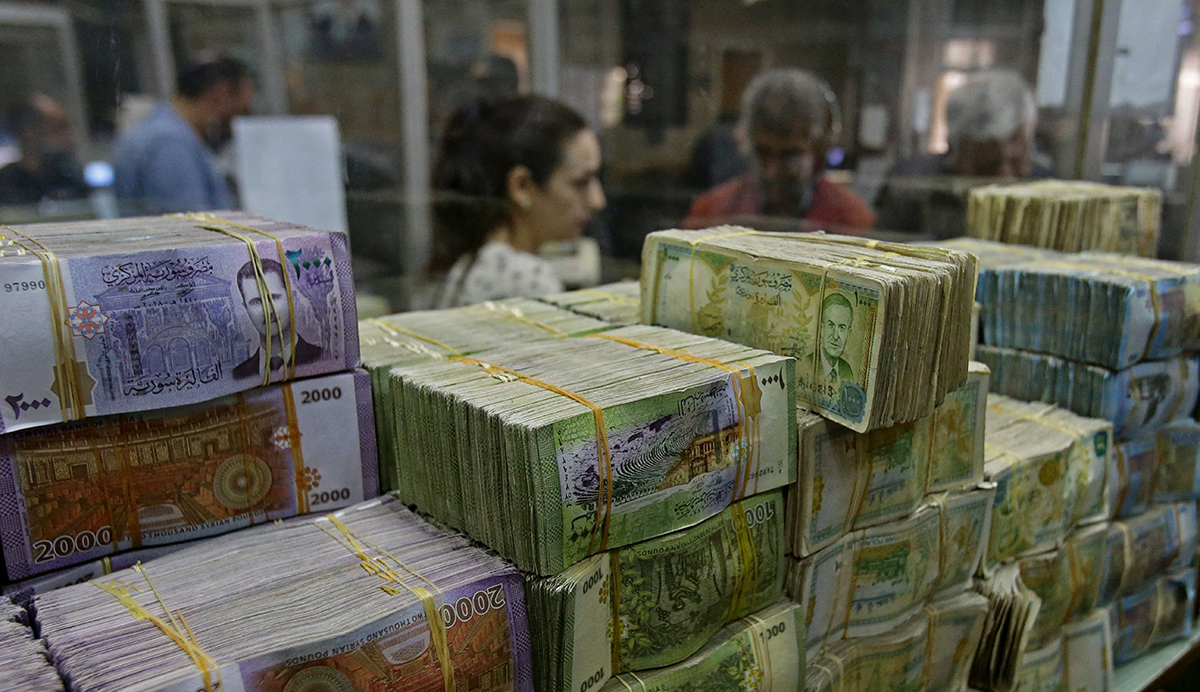
Syria’s dramatic readmission into the Arab League in May was perceived as a turning point for the country’s fortunes. Although Damascus may have come in from the cold diplomatically, there has been little change on the economic front, where the situation remains dire. Since the start of May, the Syrian pound has lost over 70% of its value and shows no sign of stabilizing.
Alawites in Syria breaking silence?: Criticizing the dictatorship from within
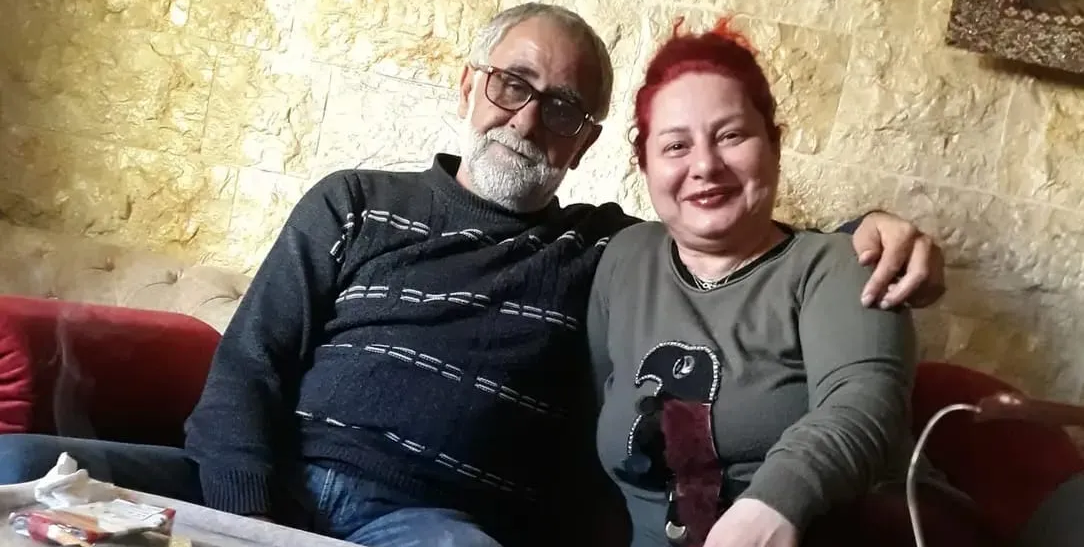
Recently, a notable trend has emerged among Alawites in Syria’s Assad regime-held areas, including those from powerful families. Writers, journalists, and rank-and-file Alawites have taken to social media platforms to express their deep frustration with the regime’s economic policies and the centralized nature of the dictatorship under President Bashar al-Assad, as well as his wife Asma al-Assad’s outsized influence and corruption linked to her secretive “economic council.”
Normalizing Assad has made Syria’s problems even worse
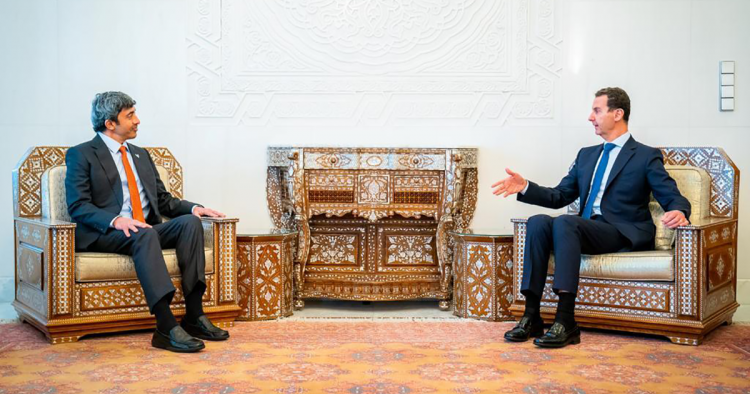
Three months ago, Saudi Arabia kick-started a concerted regional effort to reengage and normalize Syria’s regime within the Middle East and, Riyadh hoped, farther afield. On April 18, Saudi Foreign Minister Faisal bin Farhan met with Syrian President Bashar al-Assad in the Syrian capital of Damascus. Just one month later, on May 19, the Arab League embraced one of the world’s most notorious war criminals for the first time since 2011.