Understanding Moldova’s ethnic dynamics: Minority rights, external influence, and pathways to unity
Moldova is a country with a rich tapestry of multiple ethnic identities and linguistic traditions, but one where policymakers have long grappled with the complexities of preserving minority rights, fostering national unity, and addressing regional autonomy through engagement with the Gagauz minority.
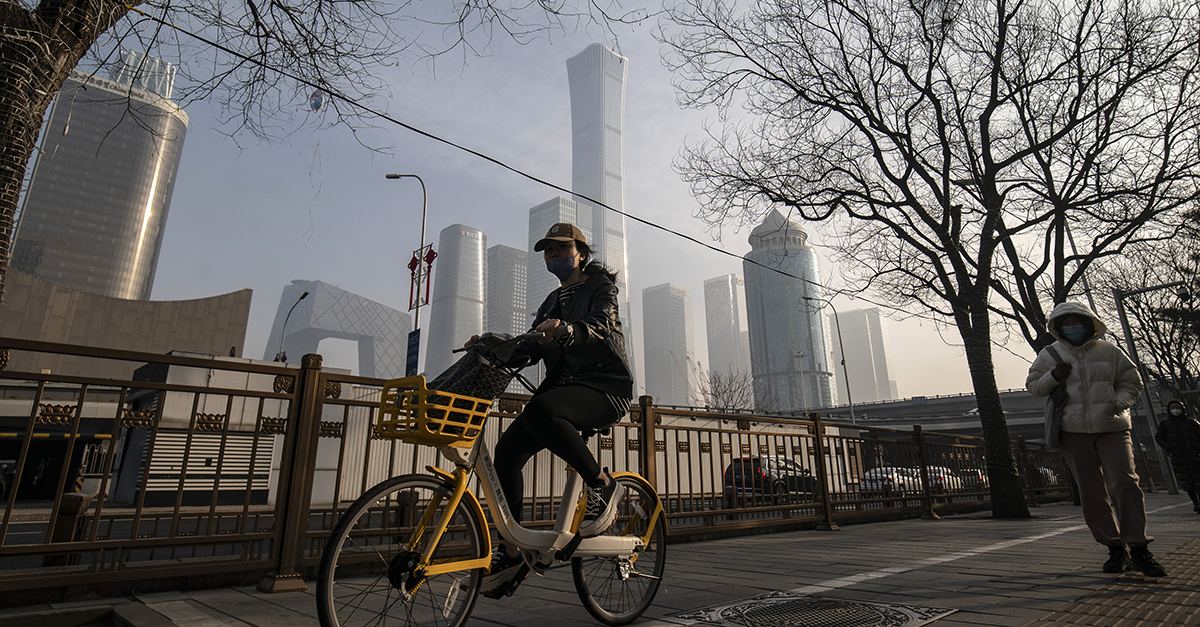
What do China’s economic woes mean for the Middle East?
At the start of 2023, optimism was high that China would see a rapid recovery in consumer spending and an acceleration in GDP growth. Since then, however, the world’s second-largest economy has been in the doldrums. China’s ailing economy is a problem not just for China but for the entire world. A prolonged slowdown or a sudden financial crash, were it to occur, would ripple across global markets — including the countries of the Middle East, whose economies have become increasingly intertwined with that of China.
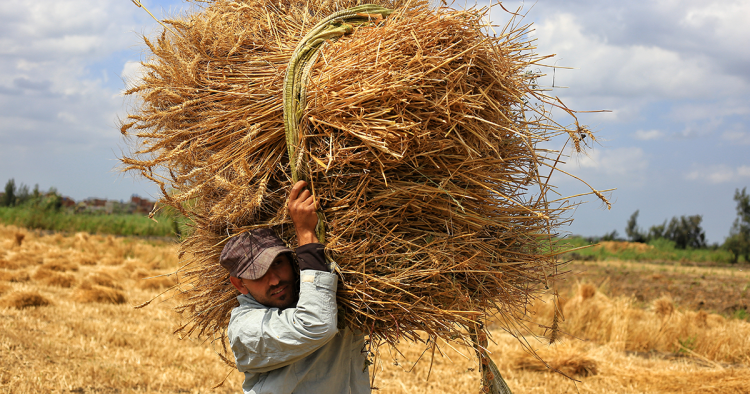
Georgia Can End Russia’s Stranglehold Over its Wheat Supply with NATO Assistance
Georgia’s near total reliance on imported Russian wheat forms an extremely dangerous vulnerability that compromises both its food security and sovereignty. Fifteen years after the 2008 Russia-Georgia war, Tbilisi finds itself depending on Russia for over 90 percent of its wheat supply amidst a growing global shortage. In 2022, NATO reiterated its commitment to Georgia, pledging to help build Georgia’s resilience and uphold its political independence.
Navigating development in Moldova: The role and challenges of foreign donor organizations
This study on community leadership and social resilience factors in Moldova in the context of the war in Ukraine is based on in-country interviews with 15 Moldovan experts and community leaders, conducted in May-August 2023.
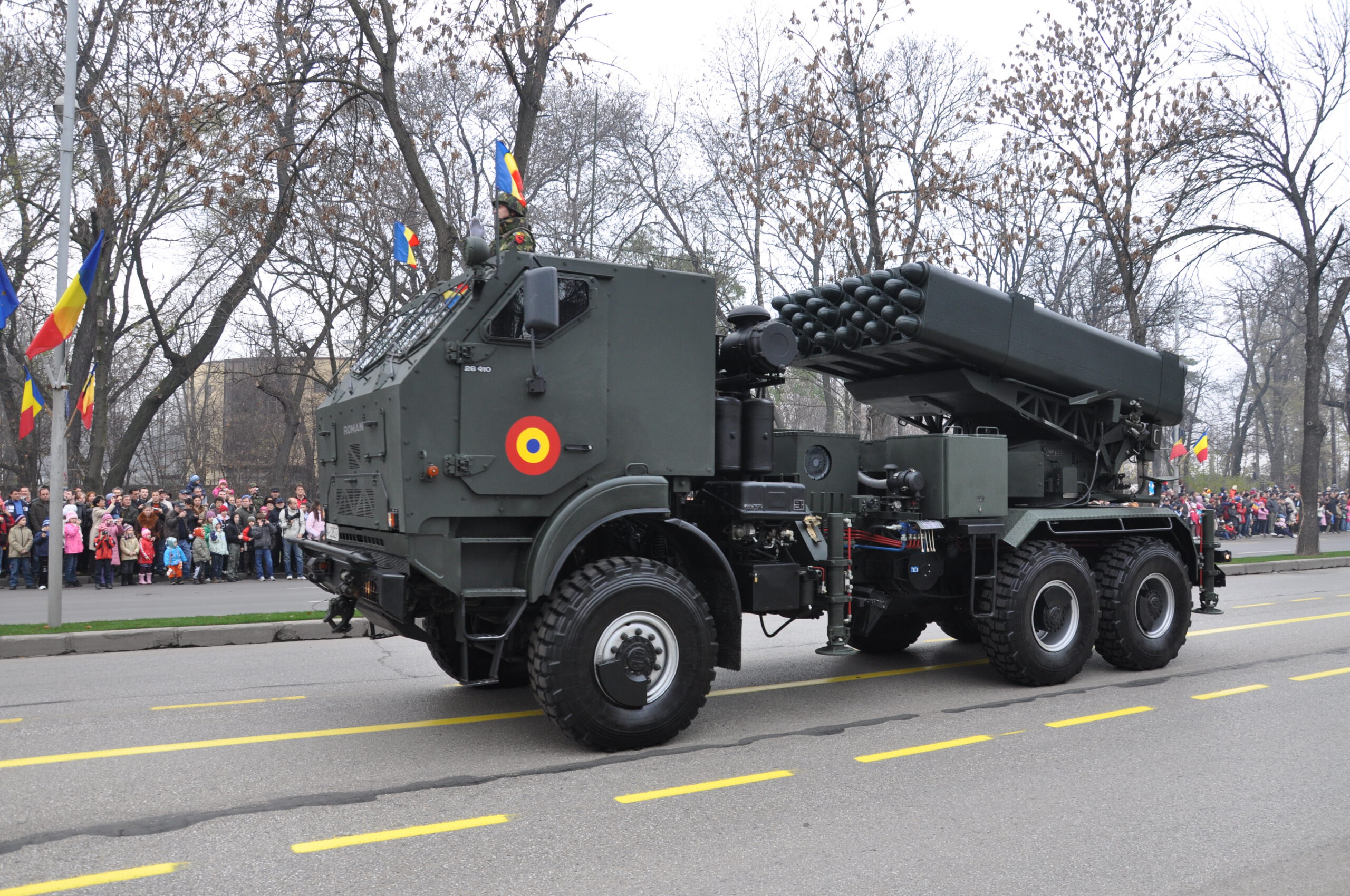
Deepening defense-industrial cooperation on NATO’s eastern flank
The war in Ukraine has turned policymakers’ eyes back toward the Euro-Atlantic arena and highlighted the need to reinvigorate NATO’s defense-industrial base. This analysis describes the macro policy environment that shapes the current relationship between Romania and the United States, and considers what steps the U.S. could take to improve Romania’s integration with the Euro-Atlantic defense-industrial base.
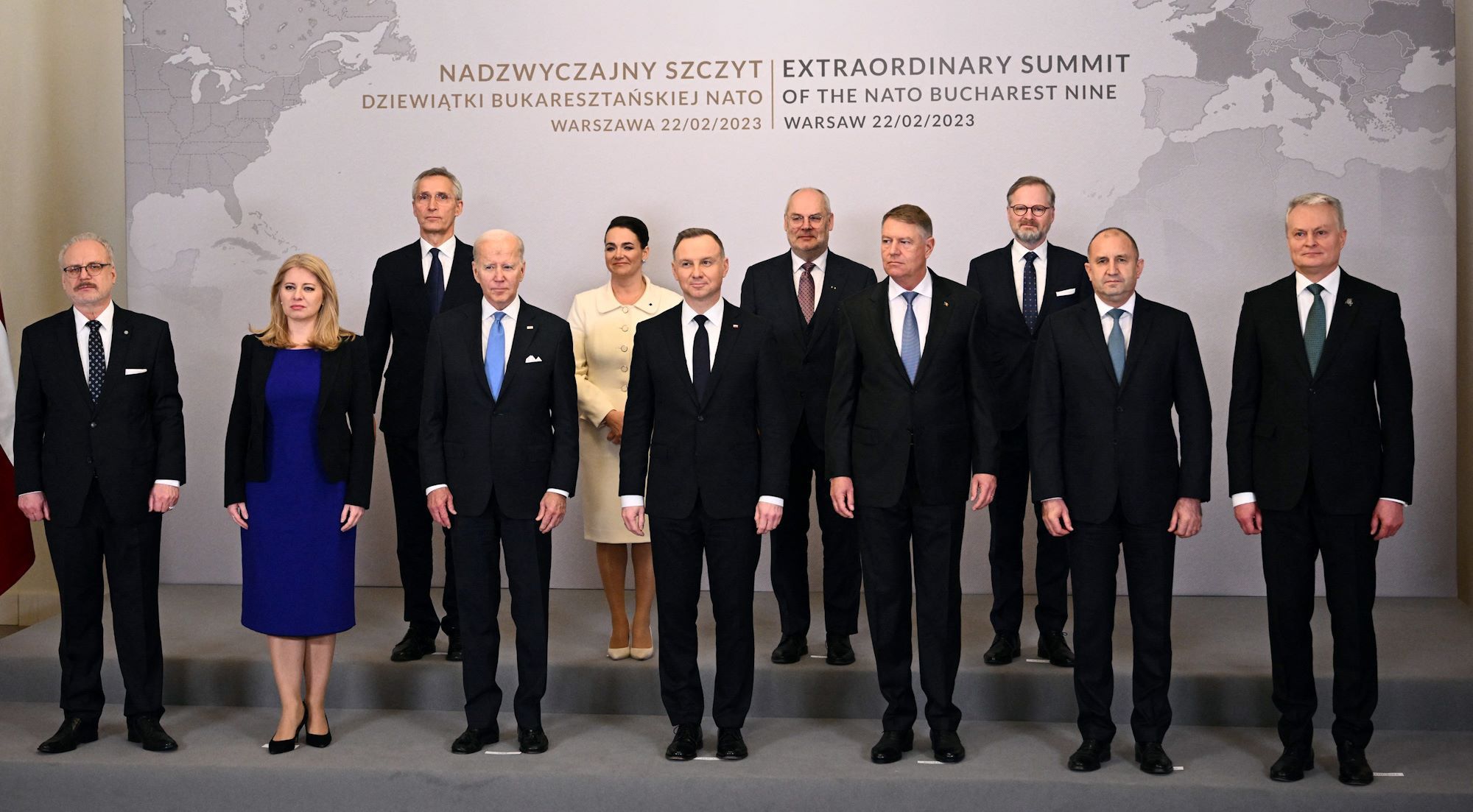
Polish and Romanian responses to Russian aggression: Lessons for a US CEE Strategy
The following analysis provides an overview of Poland’s and Romania’s engagement with NATO priorities on its eastern front line since 2022 and outlines their advocacy for increased regional security in multilateral formats. Drawing on the expertise of over two dozen Polish and Romanian security experts, it offers recommendations for an enhanced CEE security strategy for the United States, the leading member of the NATO alliance.
Russia’s aggressive behavior in the Black Sea can be challenged
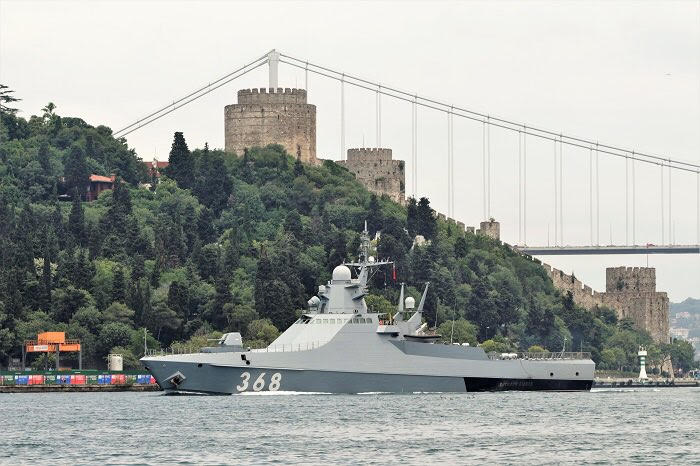
Russia’s malign behavior in the Black Sea includes piracy, plunder, petroleum price cap violations, and actions to prevent the free transit of foreign commercial and naval vessels. Its largely unchallenged position in the Black Sea also helps Russia maintain access to foreign-made products and components, circumventing sanctions. The West and the broader international community have yet to act to decisively rein in these flagrant violations of international laws and norms.
Hydrogen as a fuel of the future: Moving the GCC’s climate mitigation agenda forward
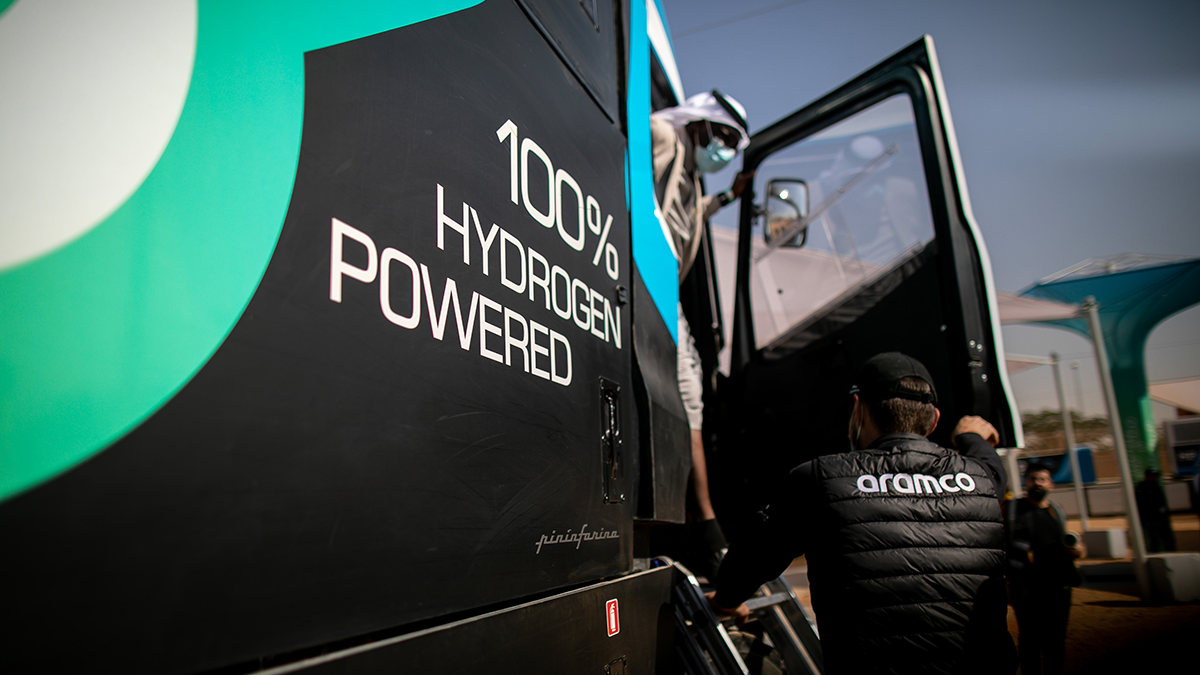
Hydrogen has been touted as an energy solution for the future and a leading mitigation technology against climate change. Among the states of the GCC, it has come to be seen as central to their energy transition strategy and a means to retain the region’s hegemonic position within global energy relations.
Iran, Russia, and the Caspian environmental crisis: A need for collaboration
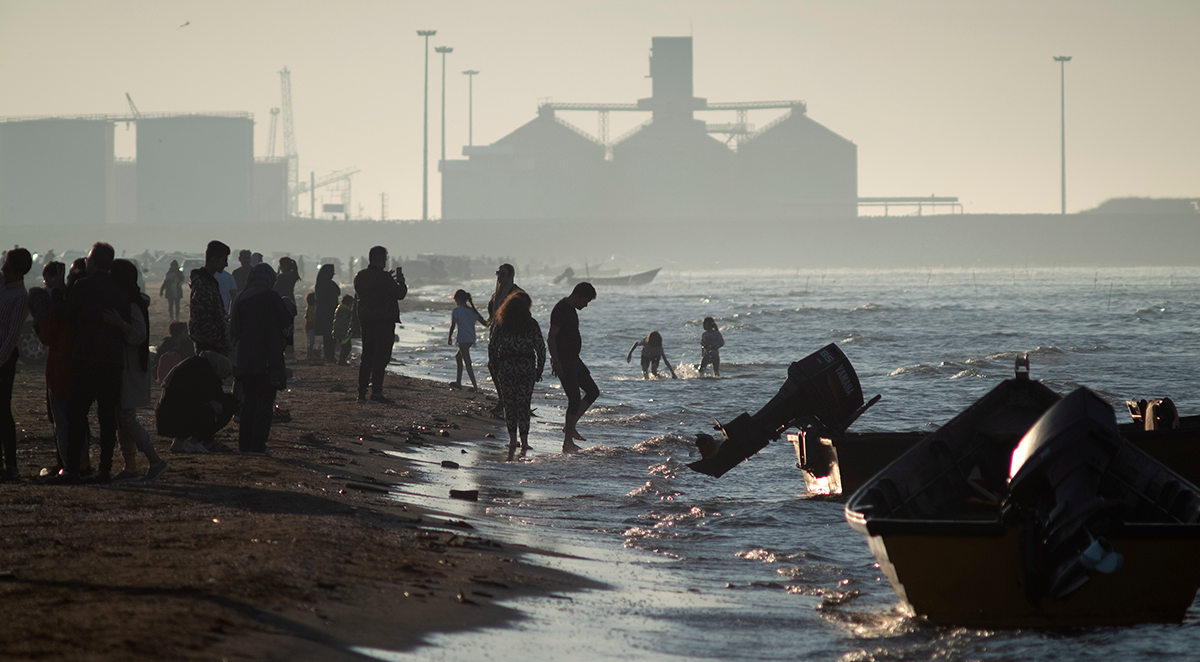
The Caspian Sea, the world’s largest inland body of water, is steadily shrinking. The lack of a solid legal framework surrounding the management of the sea among the littoral states, and particularly by Iran and Russia, has created a degree of ambivalence about where and how to limit ambitions related to oil, gas, fishing, and other environmentally harmful economic activities. If the impacts are not appropriately addressed, the consequences could be irreversible. But efforts to deal with shared environmental problems and maintain the Caspian Sea could also serve as an area for mutually beneficial cooperation between Moscow and Tehran, with a positive impact for other littoral states.
Can oil and water mix?: Creating opportunities for Iraq-Turkey cooperation
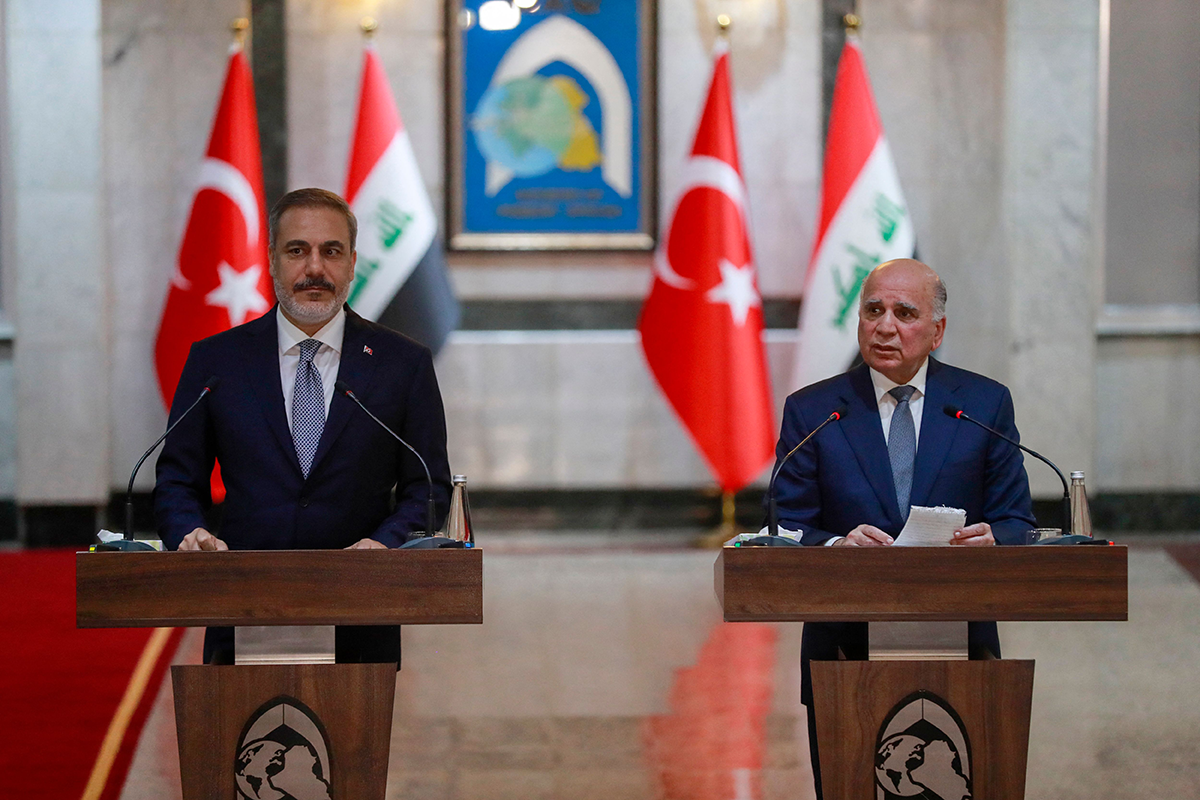
Last week saw a flurry of diplomatic activity between Baghdad and Ankara. The top priorities in the talks were oil exports, the presence of the PKK in Iraq, and Iraq’s water crisis. The outcomes have been unimpressive, but there is an opportunity for Iraq to shake things up and improve its bargaining position, at least on the oil export issue, possibly more.
Why North Africa is a natural choice for Brics expansion
In a move of unprecedented geopolitical consequence, the Brics grouping of nations has made the landmark decision to expand beyond its five founding members. Announced on Thursday at the conclusion of the Brics summit in Johannesburg, host South Africa along with Brazil, Russia, India and China invited six nations to join the bloc – Egypt, Ethiopia, Iran, Saudi Arabia, the UAE and Argentina.
The Niger Coup and Turkey’s Military Industrial Complex in Africa
The recent military coup in Niger marks the point of no return for the unraveling of France’s dominant economic and military influence across West Africa. Turkey is the foreign actor that stands to benefit most, with the potential to emerge as a leading strategic partner for the nations of the region. Turkey’s engagement with West Africa is a unique, dual approach that blends military and economic engagement while deftly intertwining humanitarian aid and cultural outreach.
From oil wells to power cells: How Saudi Arabia and its Gulf neighbors are securing their future through battery technology
As the world shifts toward a more sustainable future, the GCC states are also embracing this profound transition, moving from oil wells to power cells. With their vast resources, strategic location, and commitment to sustainability, the Gulf countries are uniquely positioned to become major players in the global battery supply chain. By embracing the potential of battery technology, these nations are not just preparing for a post-oil future but are actively shaping it.
Power cuts in Egypt: A political liability for Sisi ahead of the upcoming elections
A brutal heat wave tormenting Egypt since mid-July, resulting in lengthy and repeated power cuts, has turned into a political liability for President Abdel-Fattah el-Sisi ahead of his expected campaign to run for a third, six-year term early next year.