Assad's departure surprised Biden, US leaders. Now America must step up and seize the moment
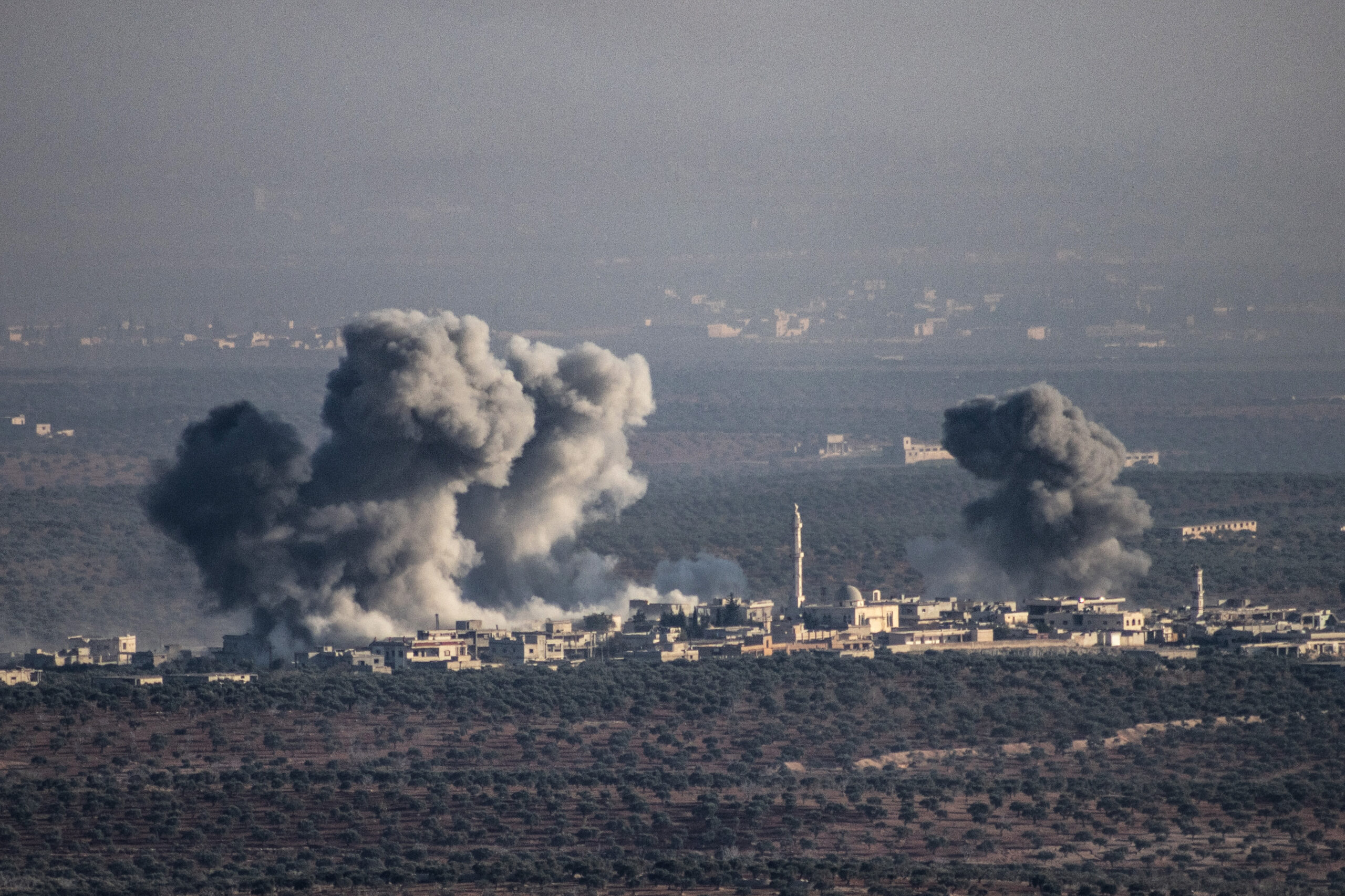
For nearly 14 years, Bashar al-Assad’s regime pursued a maniacal campaign of brutality against its own people, in order to suppress opposition through terror and mass killing. Beginning very early on, Assad’s military and security apparatus embraced what they called an “Assad or we burn the country” approach – but in truth, it was more Assad and we burn the country.
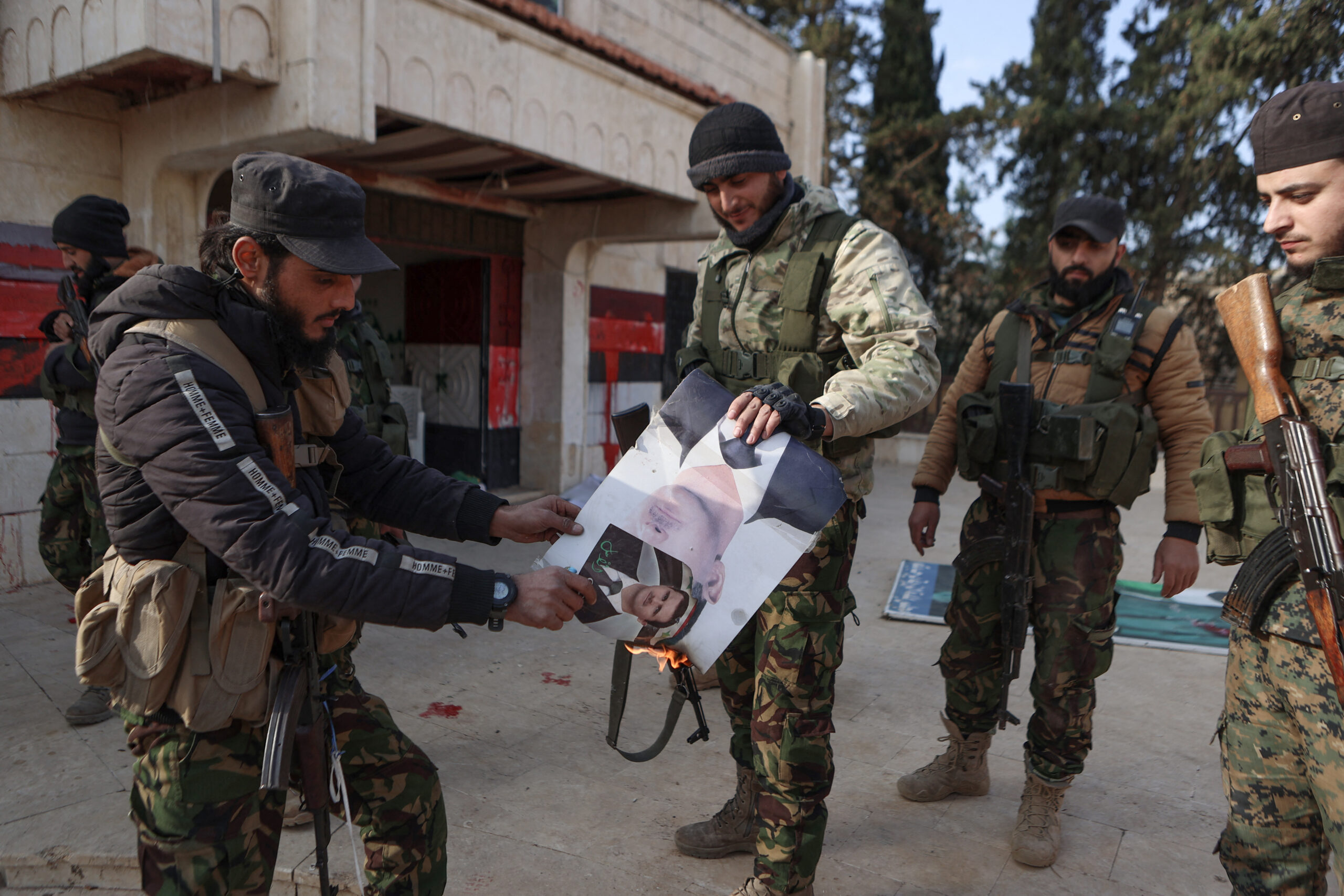
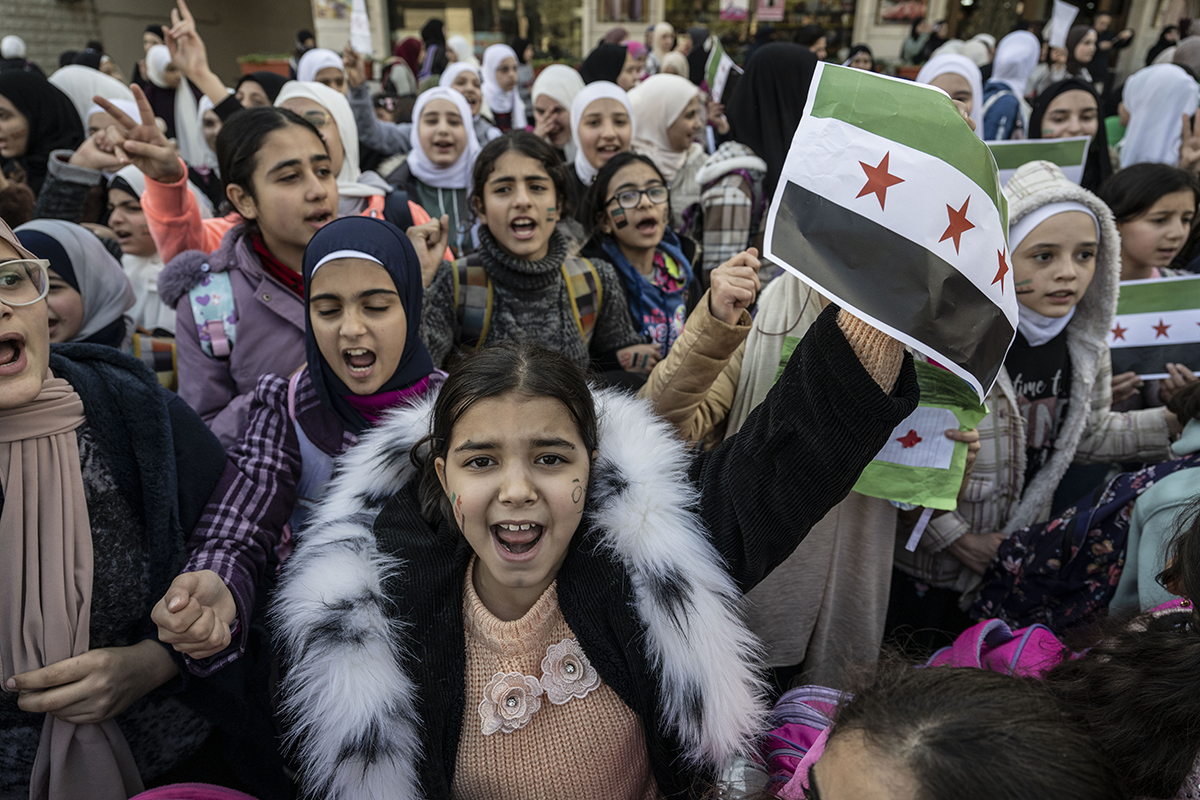
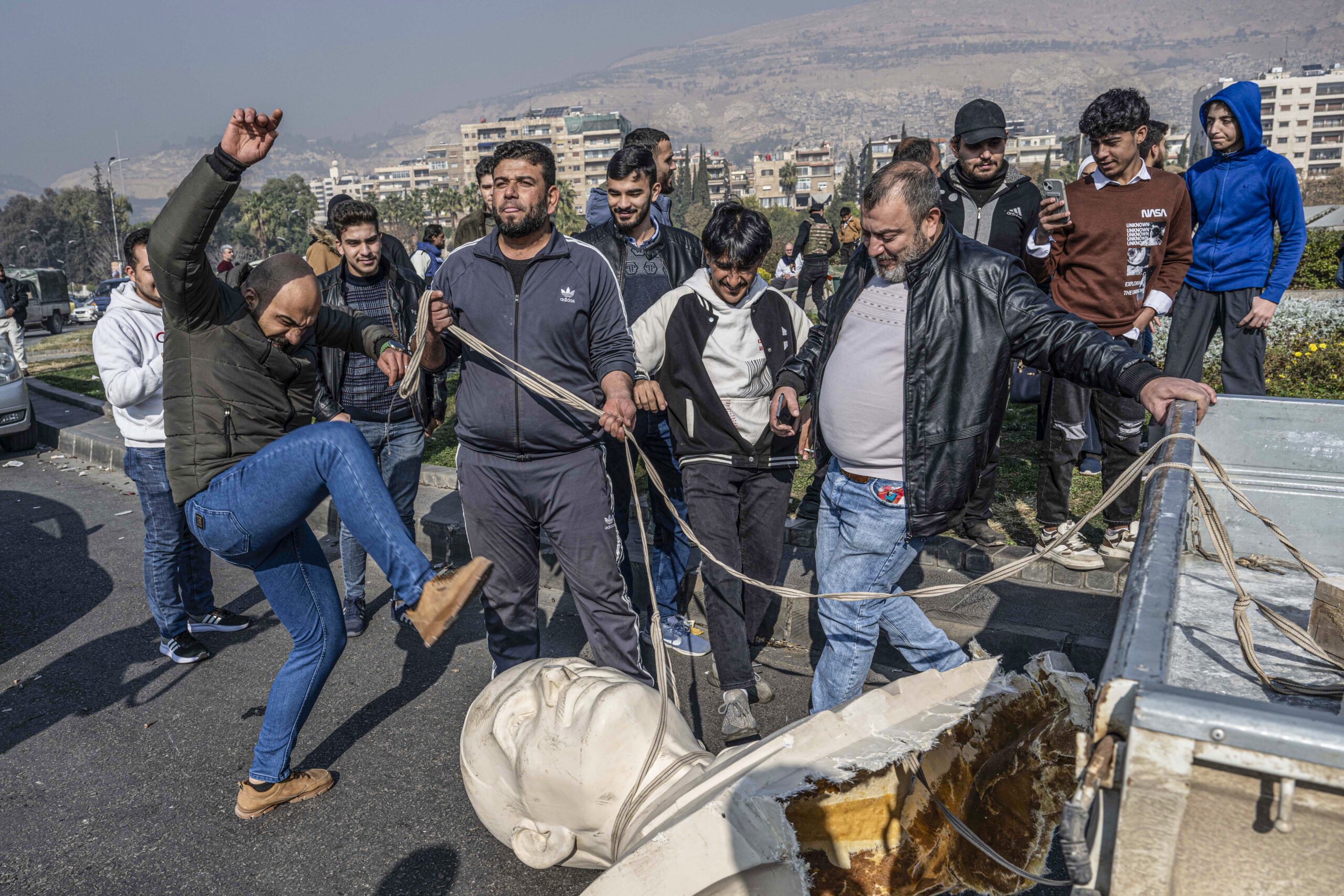
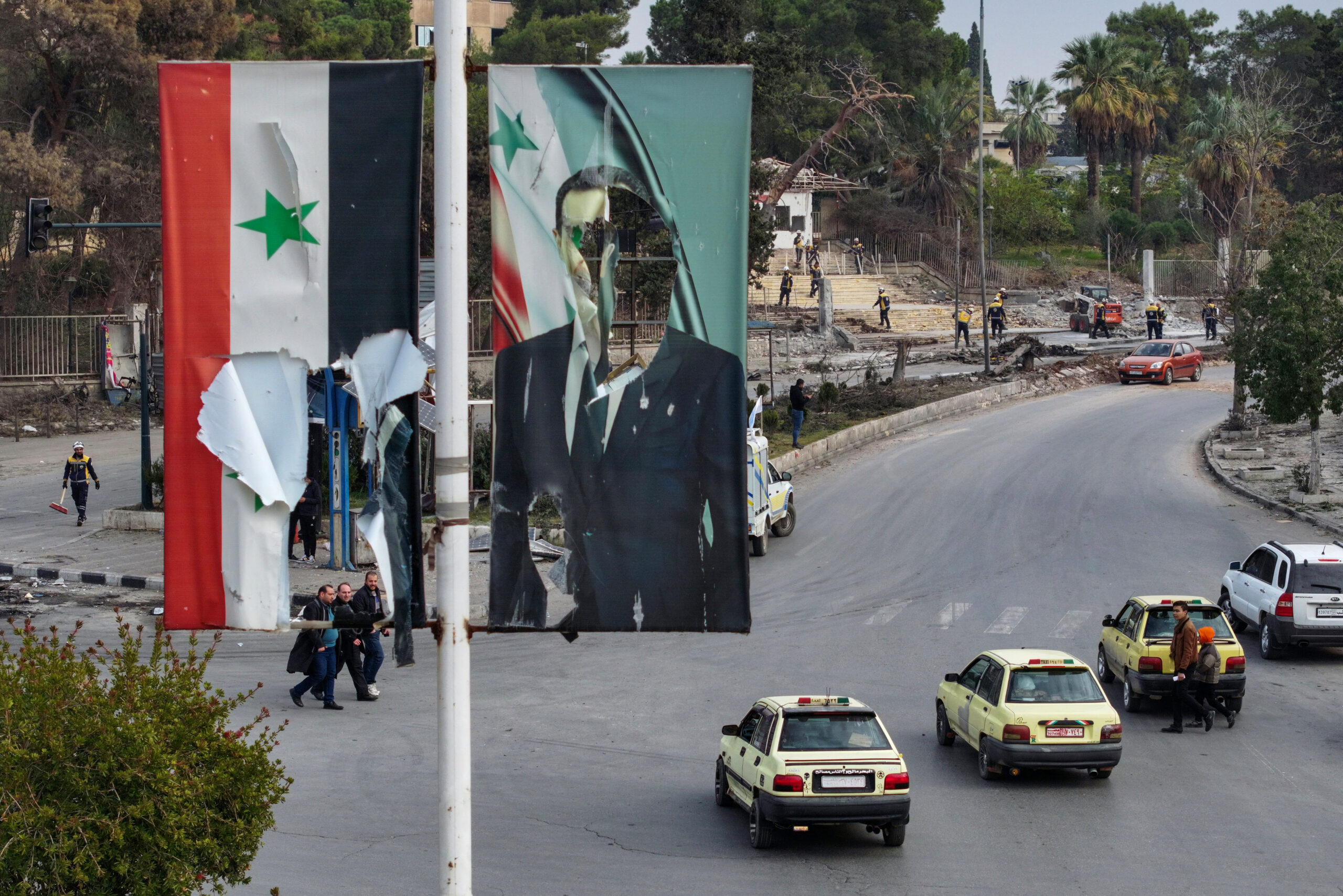
On Dec. 8, President Bashar al-Assad fled Syria, bringing an end to nearly 54 years of his family’s rule and sending millions of Syrians at home and abroad into a state of euphoria and relief. Over a dramatic 12 days, an armed opposition offensive that had begun west of Aleppo on Nov. 27 triggered the precipitous crumbling of regime front lines, one after the other. As rebels began to advance south, Syrians across the country began to rise up. By the night of Dec. 7, Assad’s defeat had been sealed.
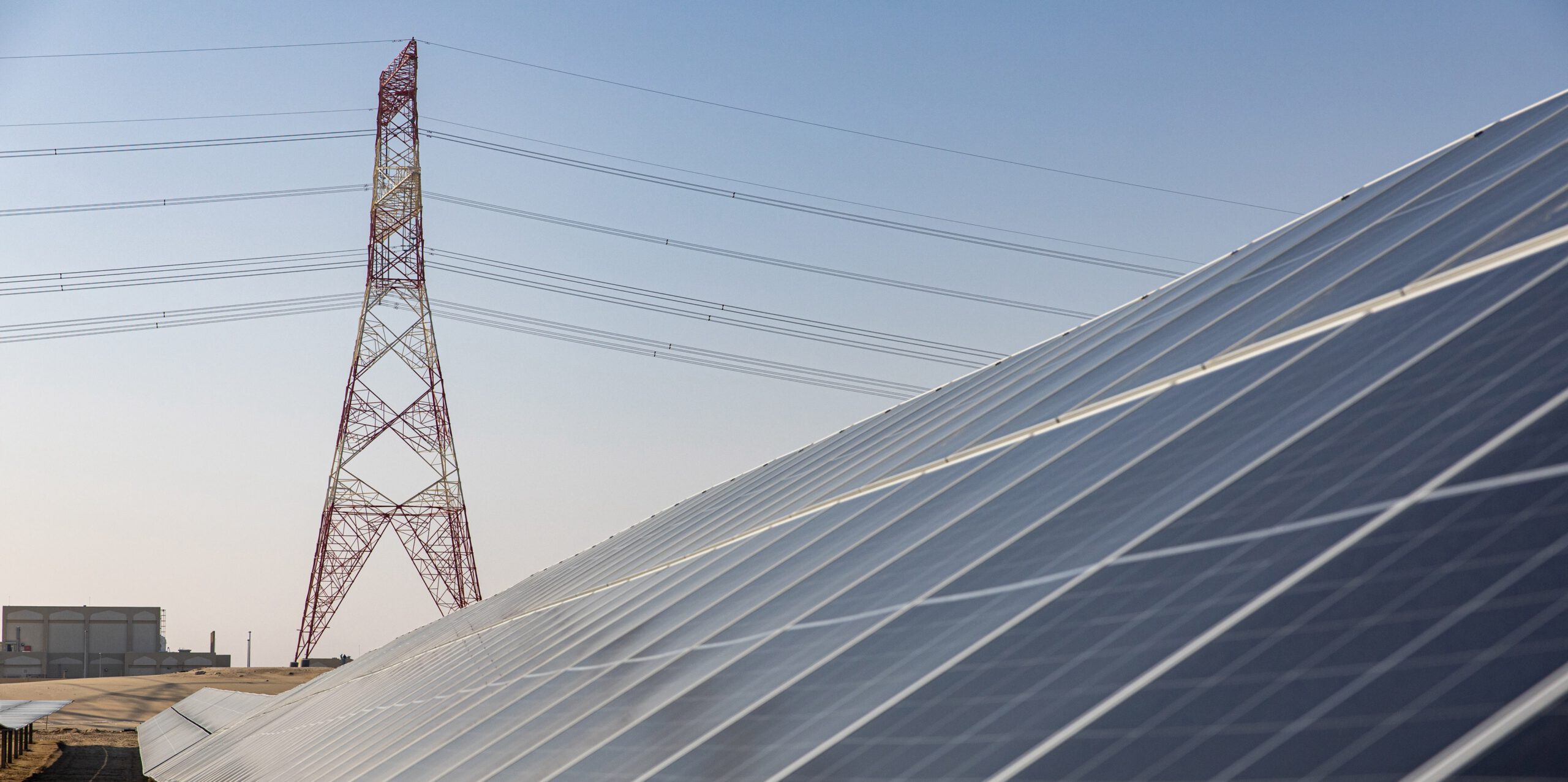
Accelerating Solar Power Deployment in the Arab Gulf States
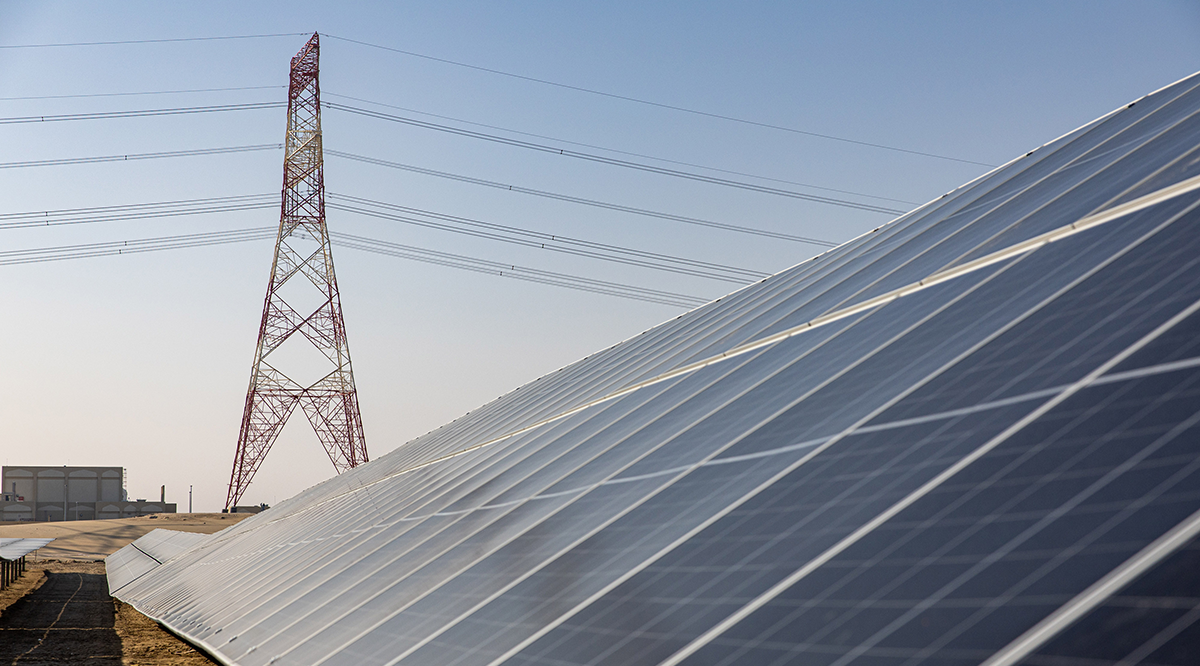
There is currently a discrepancy between the strategic objectives and enabling conditions for solar power in the Gulf and the level of actual deployment. Despite the region’s considerable promise as a potential global leaders in solar power, including one of the world’s highest levels of solar irradiance and strong supporting operating conditions, renewable power accounted for only 2% of generation capacity in 2022.
Solar Power in the Gulf: Leaders and Laggards in Regulatory Support for Solar Power Deployment
The hydrocarbon-rich Gulf states are located in the heart of the global sunbelt, endowing them with some of the greatest solar resources in the world. Peak load hours in these countries also align well with daily and seasonal solar radiation levels. Nevertheless, actual deployment of renewable power, including solar, is among the lowest in the world, even though output has increased significantly over the past five years. This paper analyzes why solar power has seen some success in a few states, while in others there has been little momentum.
Over the past week, the future of Bashar al-Assad’s regime has been placed squarely into question.
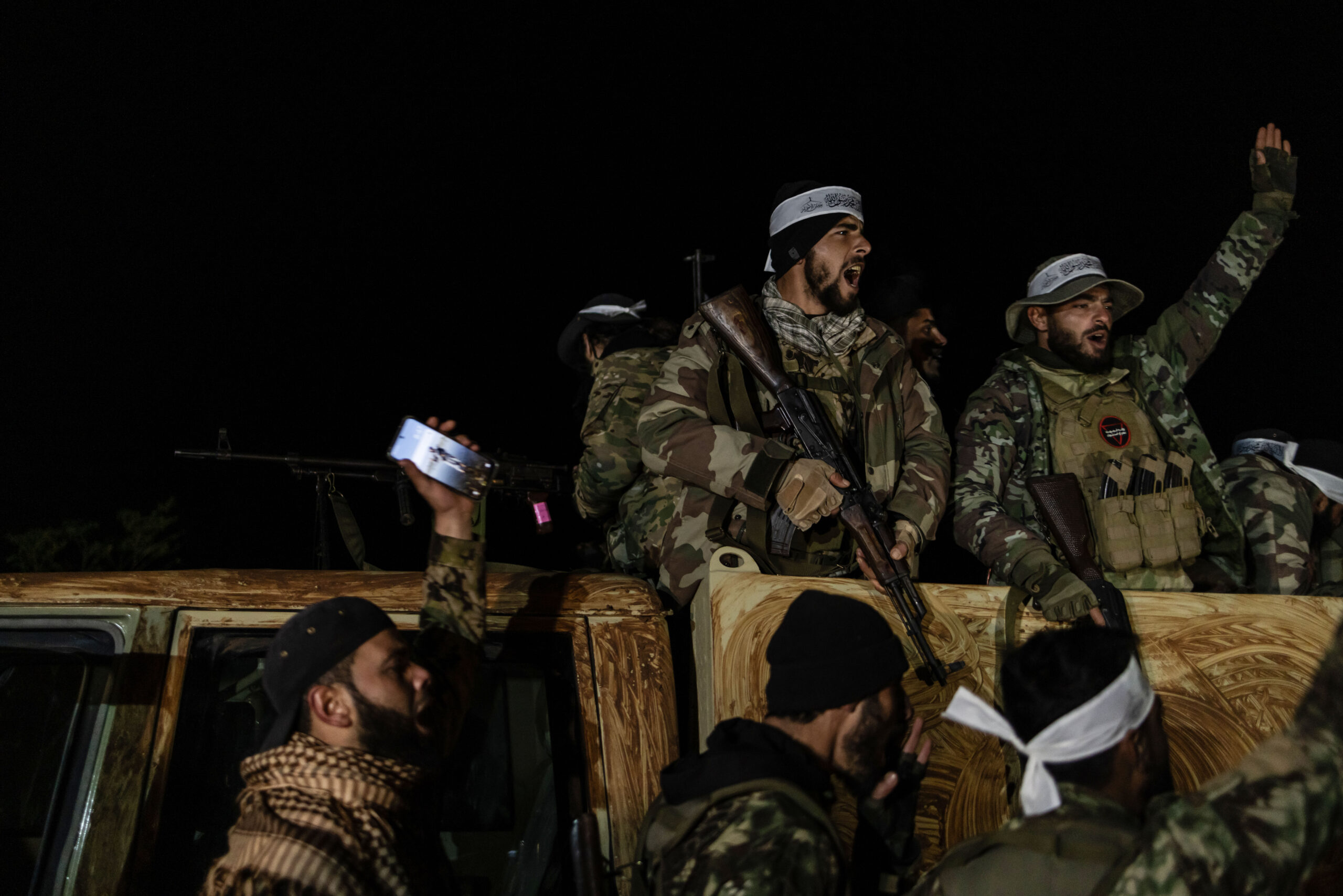
A coalition of armed opposition factions has gone on the offensive in northern Syria, capturing some 250 cities, towns, and villages and more than doubling the territory under its control. Syria’s second-largest city of Aleppo was captured in 24 hours, as Syrian regime front lines collapsed one after the other. After nearly five years of territorial lines of control being frozen across the country, these are dramatic, game-changing developments.
In only six days, a broad coalition of advancing opposition forces coordinated by Hayat Tahrir al-Sham has captured all of Idlib province, almost all of Aleppo province, and a sizeable stretch of northern Hama — a humiliating defeat for Bashar al-Assad and illustrative of the fragility of regime rule in Syria.
Since March 2020, Syria’s conflict lines have been frozen, as Russia, Turkey, Iran and the United States held together a series of ceasefires and security understandings. That all changed this week, when a broad coalition of armed opposition groups launched a surprise and daring offensive west of Aleppo city.
Dilemma for Joe Biden in dying days of his presidency
As they sweep across northern Syria, the advancing rebels are posing fundamental questions not just for the regime of Bashar al-Assad, but for watching neighbours and Western leaders.
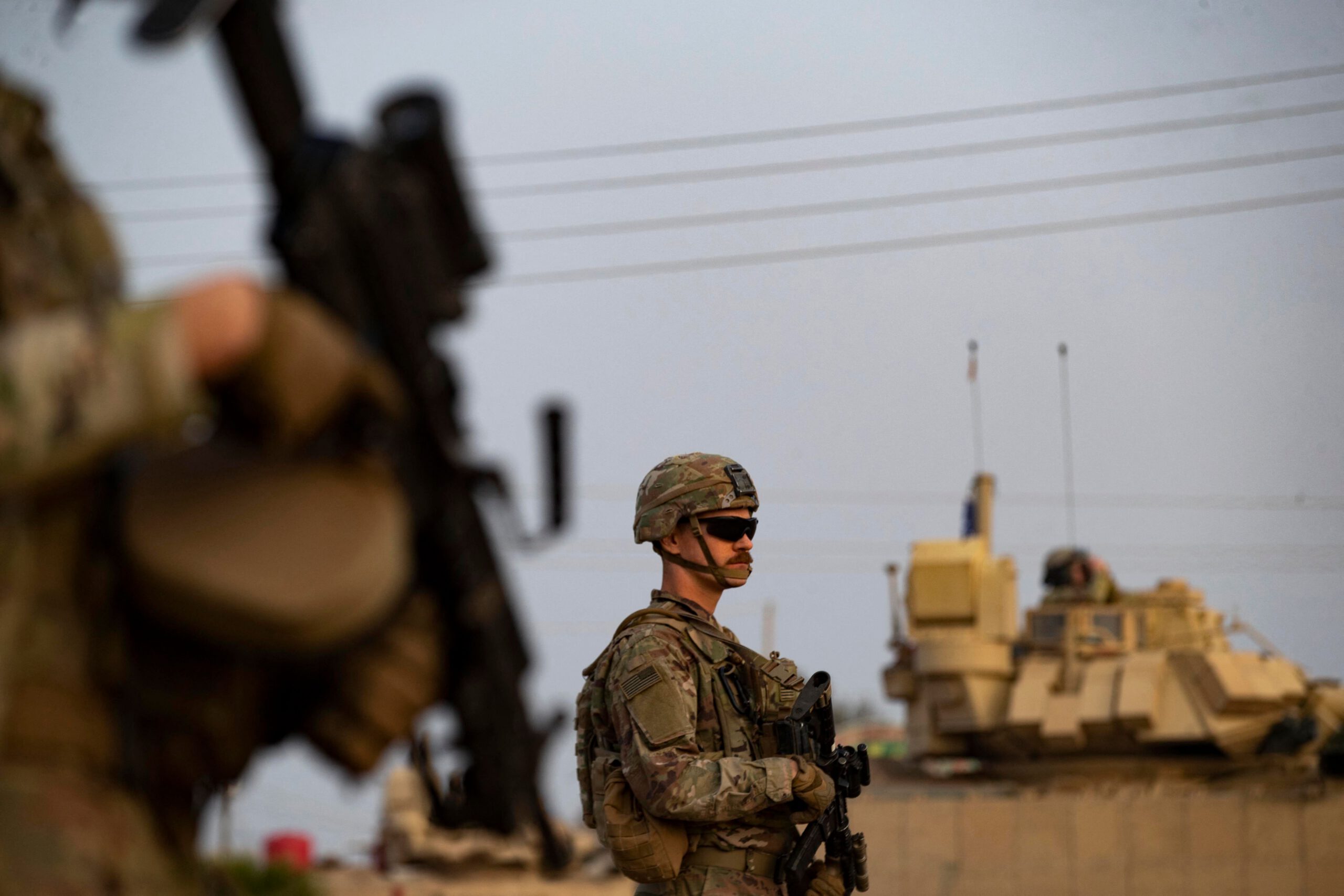
To abandon the Syria mission now would bring no meaningful benefit to the US, but it would swiftly and significantly empower America’s adversaries, like ISIS, Iran, Russia, and Assad’s regime.
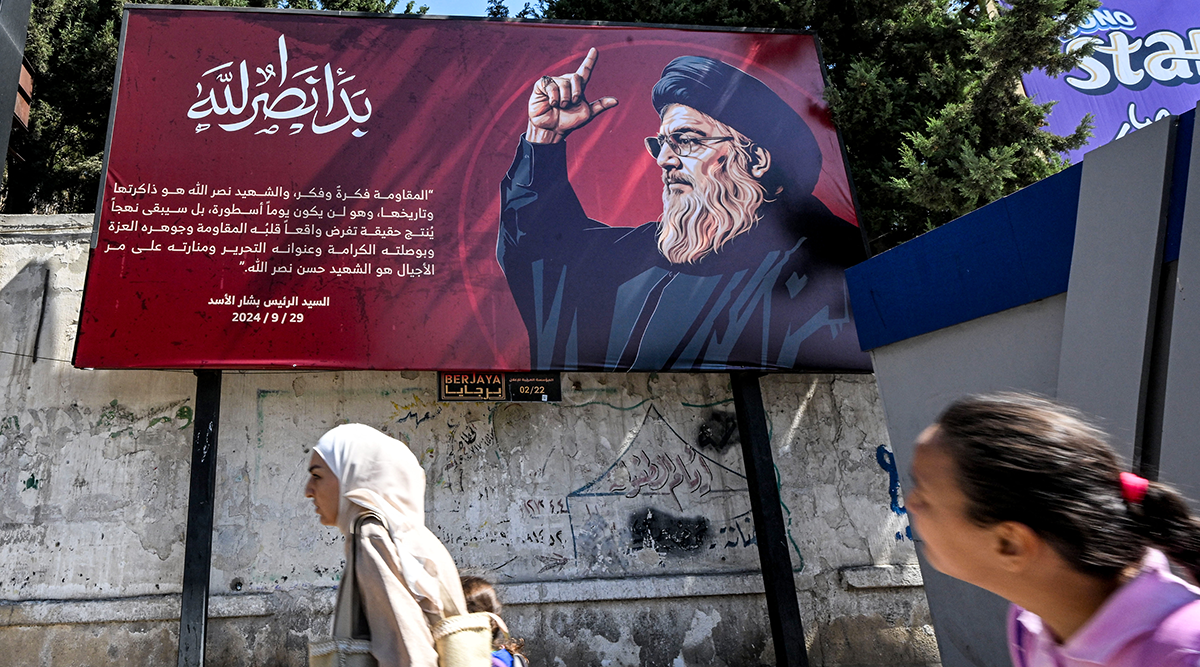
The Middle East has experienced an extraordinarily tumultuous year, as the ripples from Hamas’ assault on Israel on Oct. 7, 2023, continue to fuel hostilities in Palestine, Lebanon, Syria, Iraq, Yemen, and the waters of the Gulf. Amid all of this, Syria has received very little attention, despite its central role in Iran’s regional agenda. Now the Biden administration is reportedly “hopeful” that Bashar al-Assad will soon permanently block Iran’s ability to support Hezbollah in Lebanon and is postured to reward Damascus for doing so. At best, such calculations should be described as optimistic; at worst, fanciful.
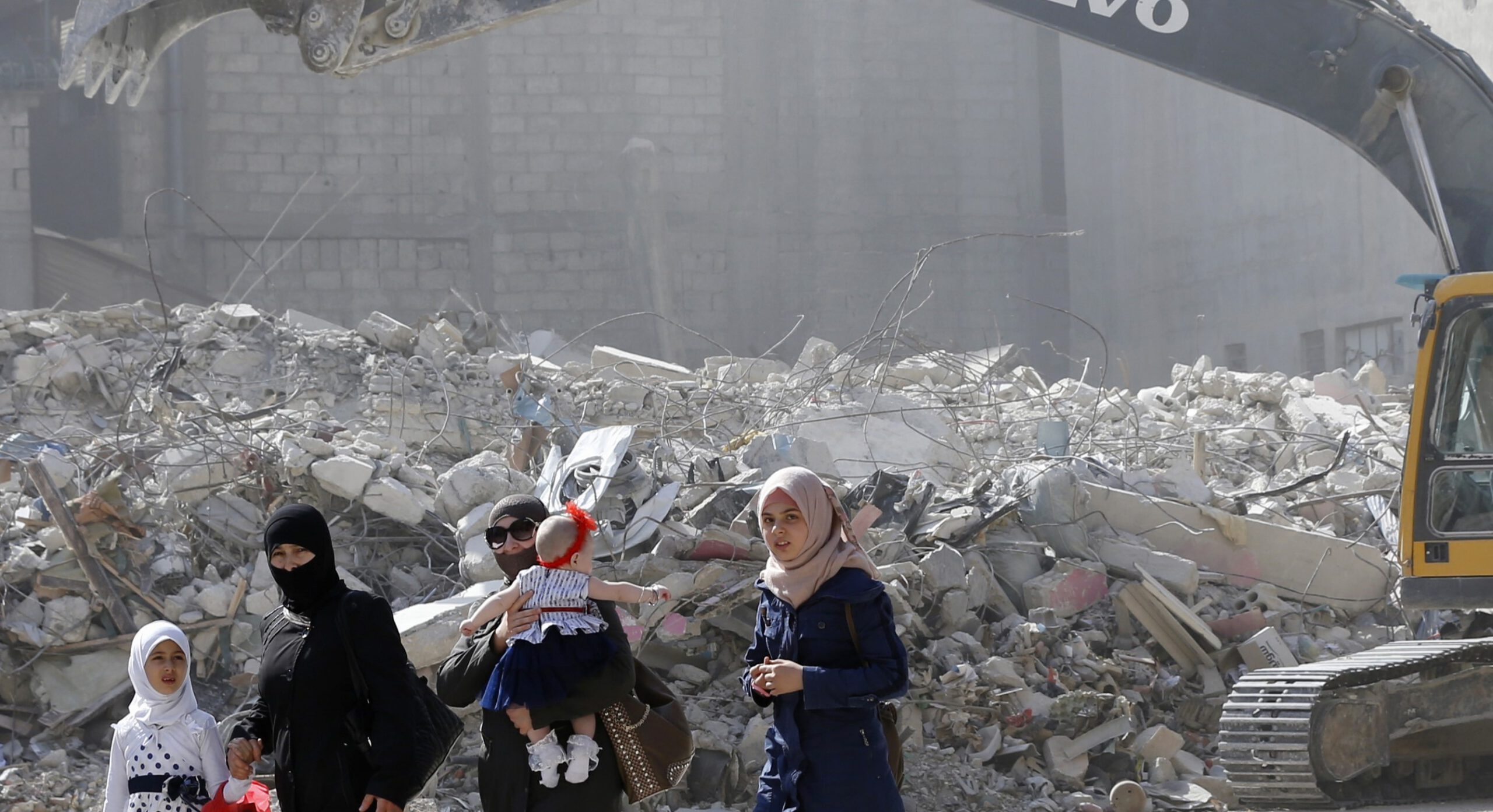
Early recovery and rehabilitation in regime-controlled areas of Syria: An assessment
The following is a short abstract, offering the main analytical findings and policy takeaways from a newly released Middle East Institute report on post-war reconstruction in Syria.