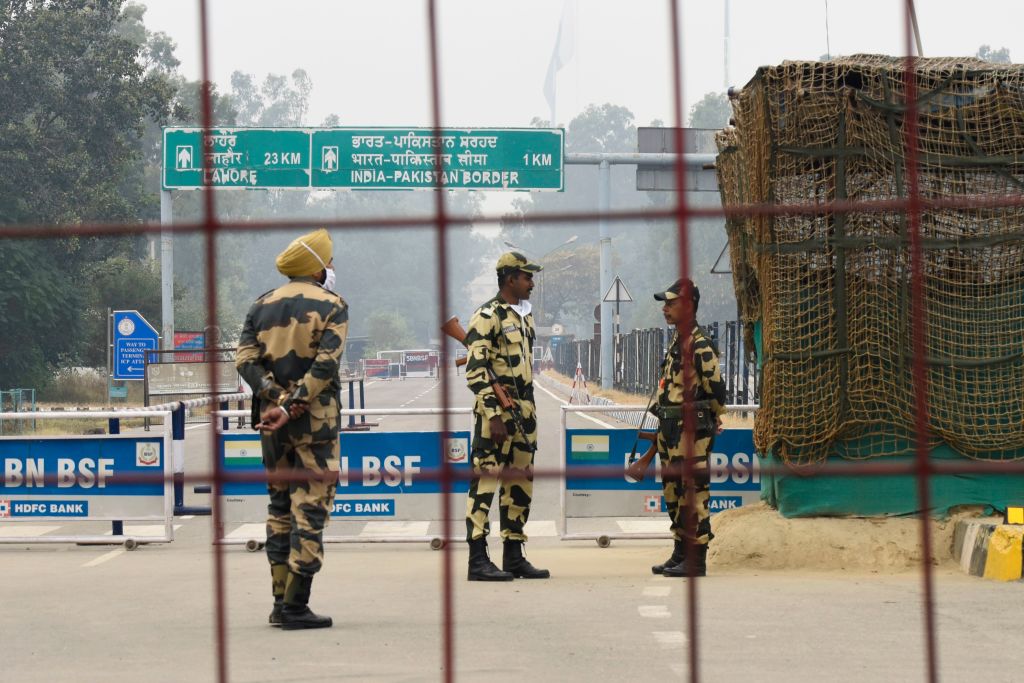
Monday Briefing: Is this the same old in Pakistan-India relations?
Read MEI’s weekly briefing featuring expert analysis of key regional developments for the week ahead.
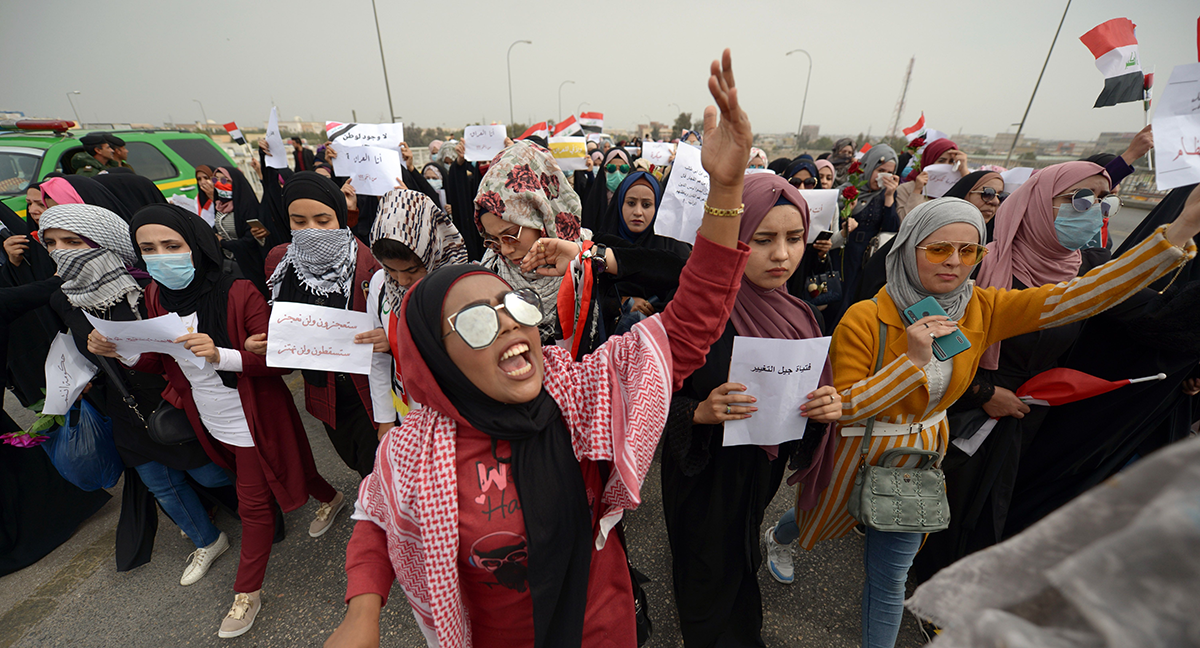
On March 8, the world came together to celebrate International Women’s Day (IWD), a barometer of annual development on global gender equality. This year, violence against women and women’s protection have been front and center on the political agenda across the world, including in the Middle East, as incidents of violence against them spark mass mobilization and anger from citizens. As civic activism grows, and citizens are increasingly politically and publicly engaged, women are fighting louder and harder than ever before to be a central voice in broader calls to action.
Read MEI’s weekly briefing featuring expert analysis of key regional developments for the week ahead.
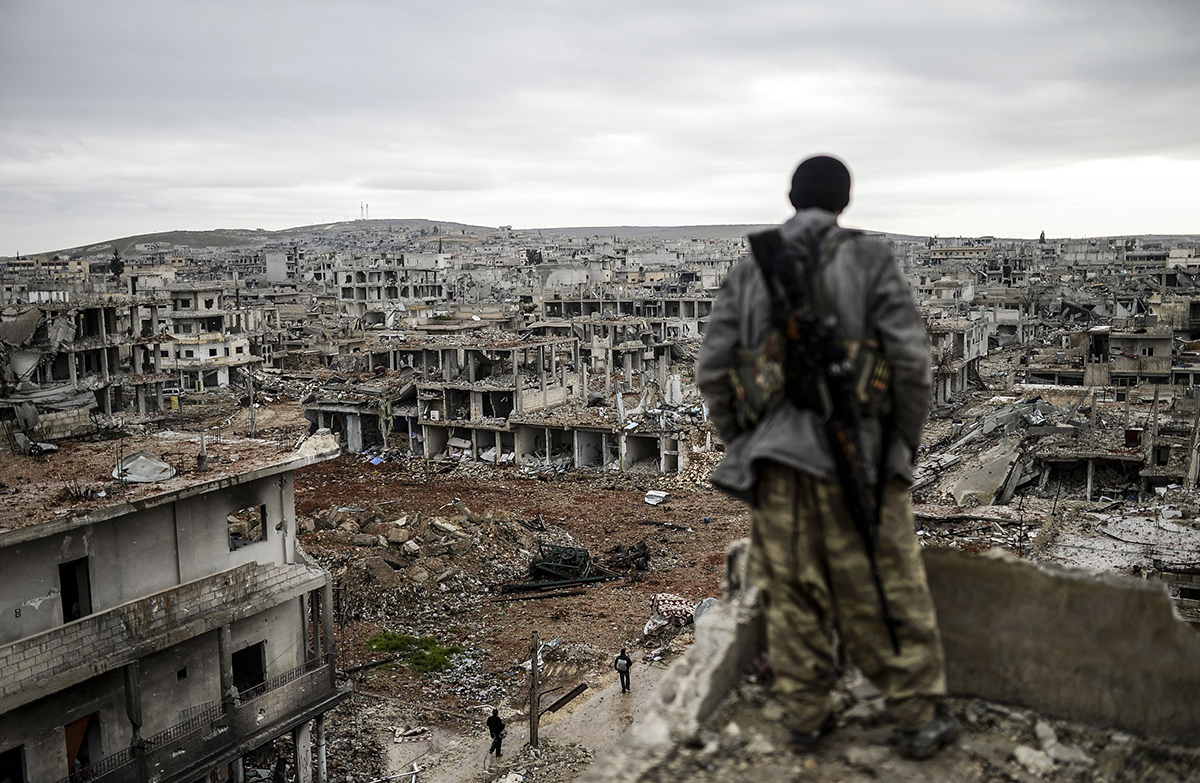
Operation Inherent Resolve (OIR) is the U.S. military’s name for the international intervention to defeat ISIS in Syria and Iraq starting in 2014. While OIR has been a success, it has necessarily been imperfect. Throughout the campaign, cost-benefit calculations made by policymakers led to missed opportunities and possibly a longer conflict. These decisions will have lasting repercussions that could undermine the hard-won victory against ISIS, as well as the ability to partner in future interventions. In particular, the United States mishandled its partner relationships in the war to defeat ISIS. Political considerations apparently won out against supporting and sustaining the SDF, our military partner forces.
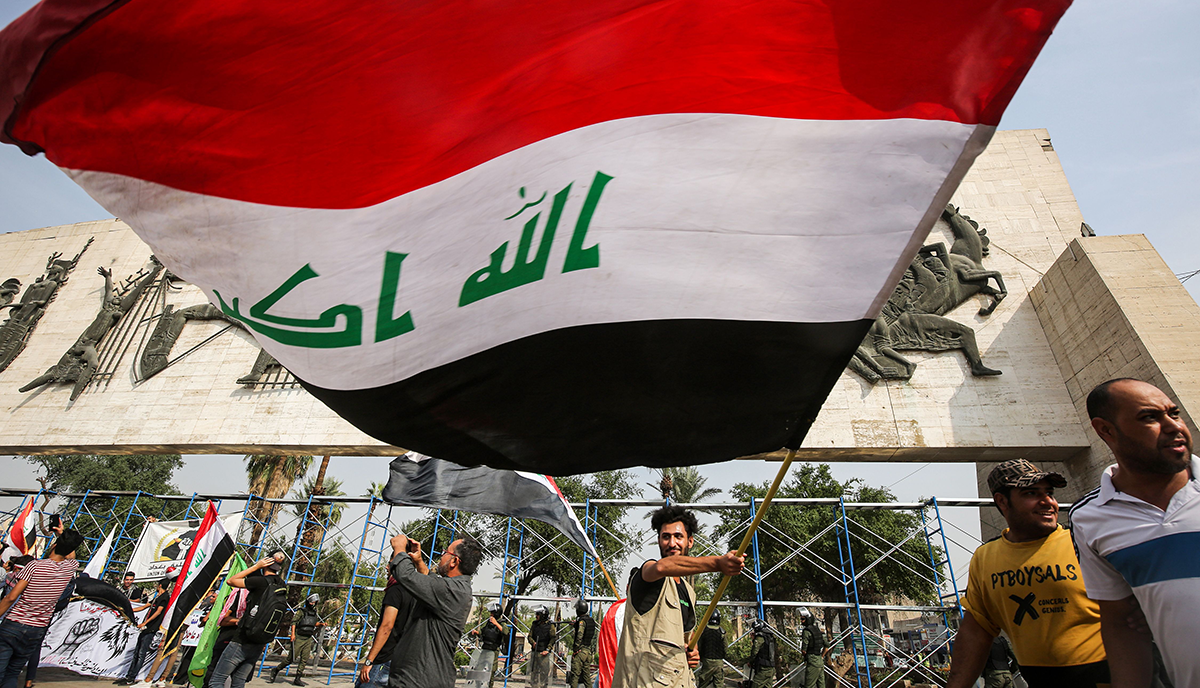
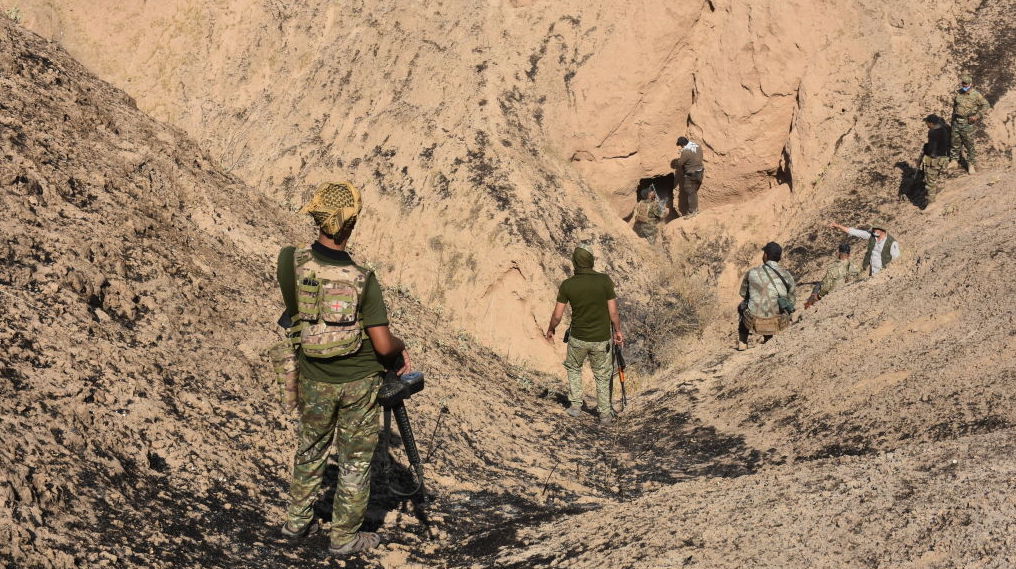
With the approach of Iraq’s next parliamentary elections in October 2021, pro-reform candidates are facing troubling obstacles as they prepare to compete against the country’s establishment parties, which include armed militias that have dominated Iraq’s parliament since 2018. To ensure a fair electoral playing field, reformers are asking the international community to quickly step up elections-related assistance and planned oversight, as well as publicly reaffirm a readiness to call out observed violations.
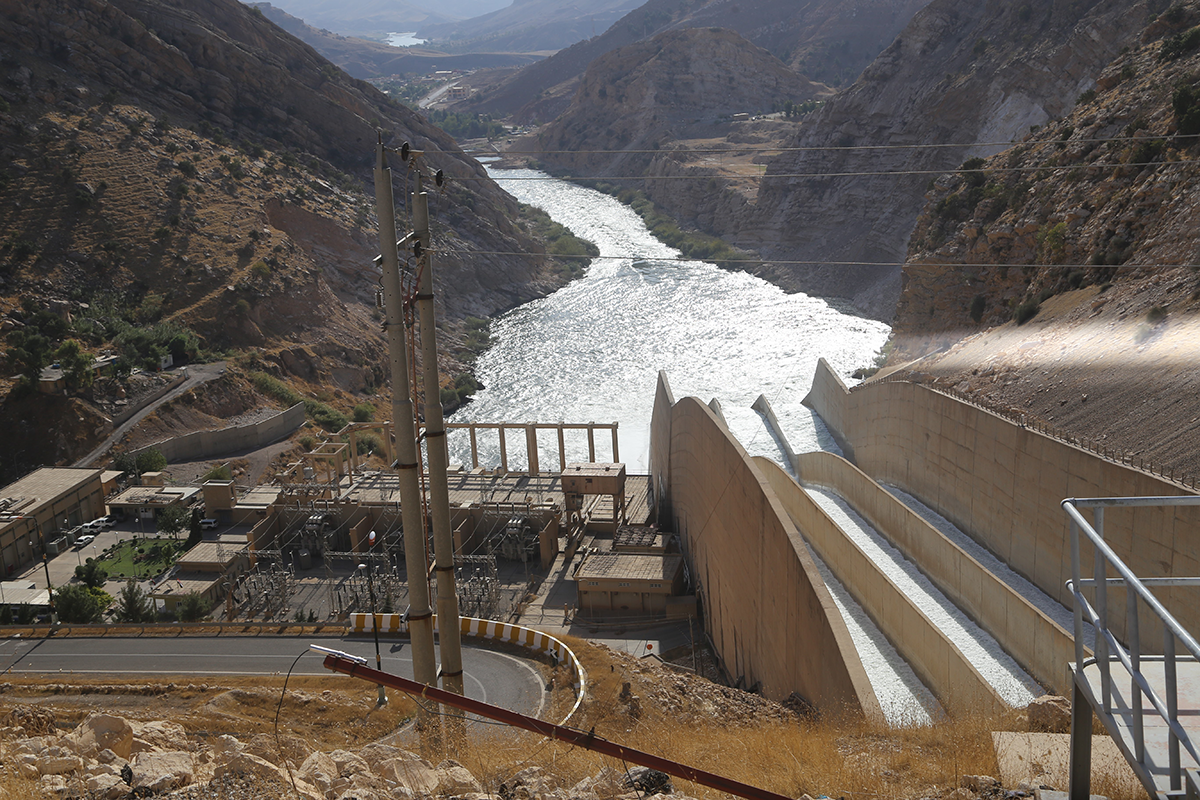
Iran and Iraq are frequently at odds over water issues. Iraq depends on the Tigris and Euphrates rivers for nearly all of its water. But Iran is building dams to redivert some of that water, causing alarm and creating major water shortages for Iraq.
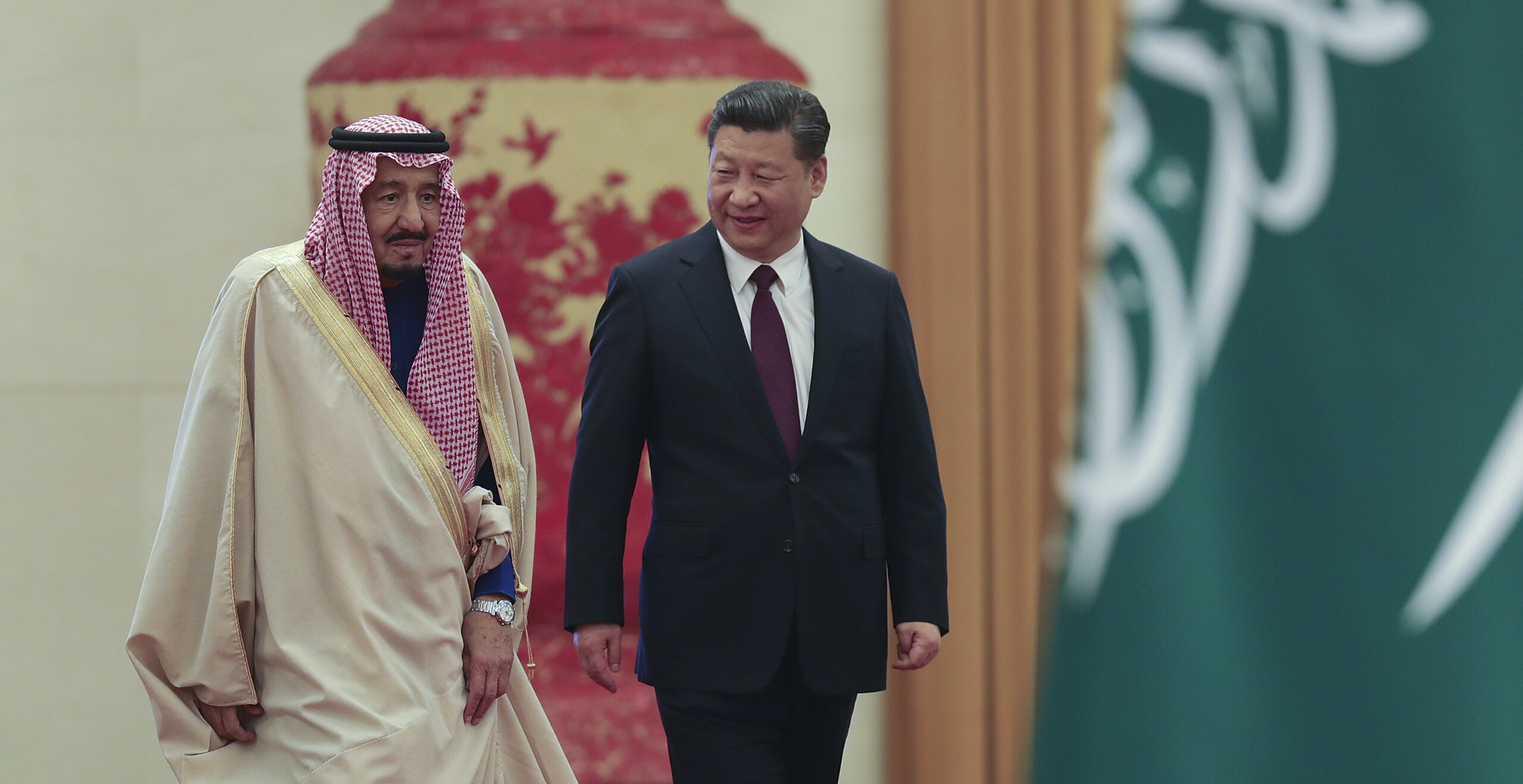
Around the world, leaders are scrambling to define their strategy for dealing with the inevitable U.S.-China cold war to come, and the Gulf is no exception. Considering the different objectives and perspectives that the region has in regard to the two superpowers, any misstep in forming alliances could be detrimental to its future.
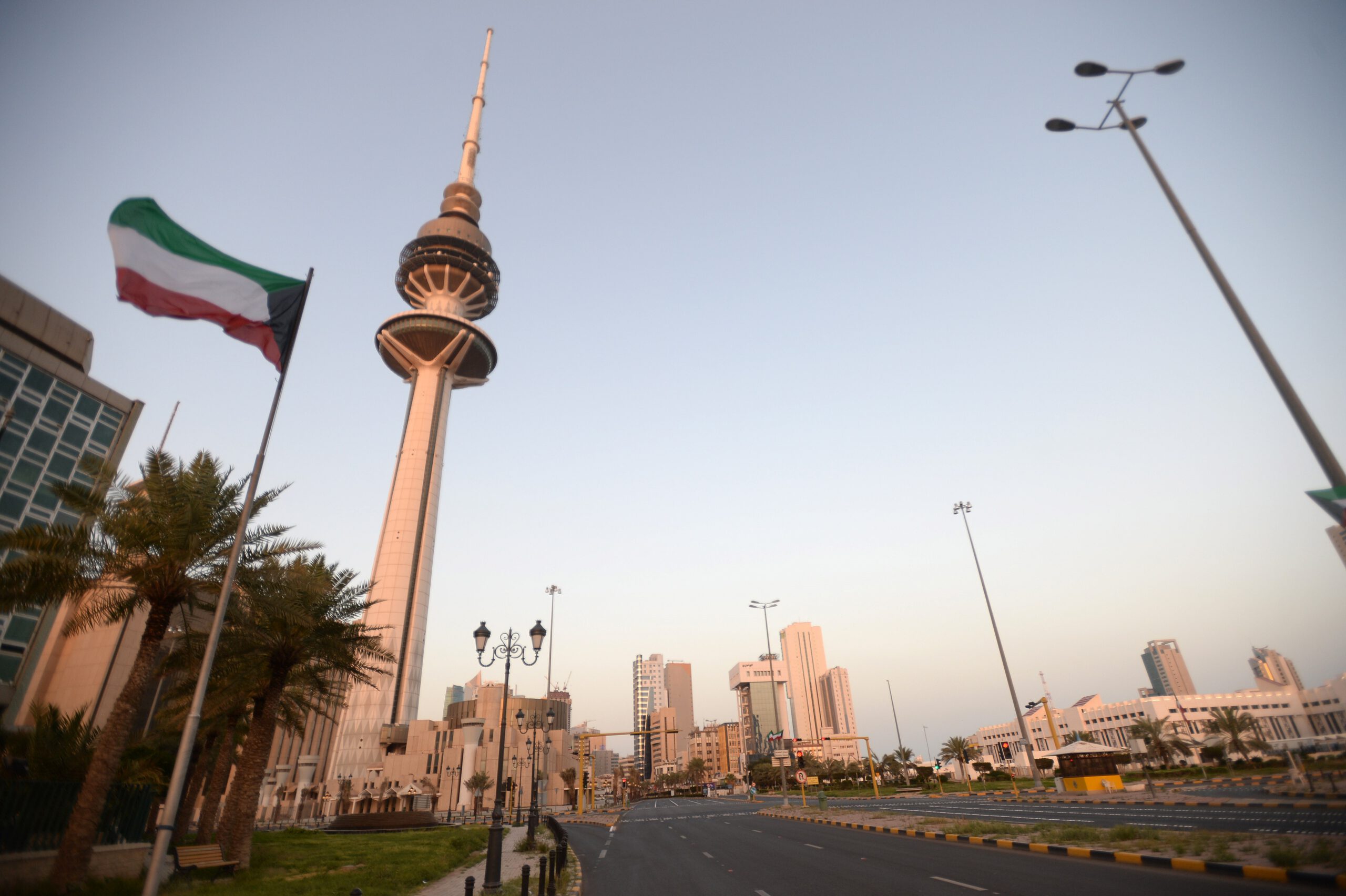
Kuwait is stuck in a major predicament. The government continues to engage in significant deficit spending, even as its readily available funds dwindle, while political gridlock limits the government’s ability to replace those shrinking financial resources.
“يواجه رئيس الوزراء العراقي مصطفى الكاظمي ما يكفيه من المشكلات؛ ولذا يسعى لاحتواء الأزمة مع الميليشيات، وحلفائها السياسيين”.
Read MEI’s weekly briefing featuring expert analysis of key regional developments for the week ahead.
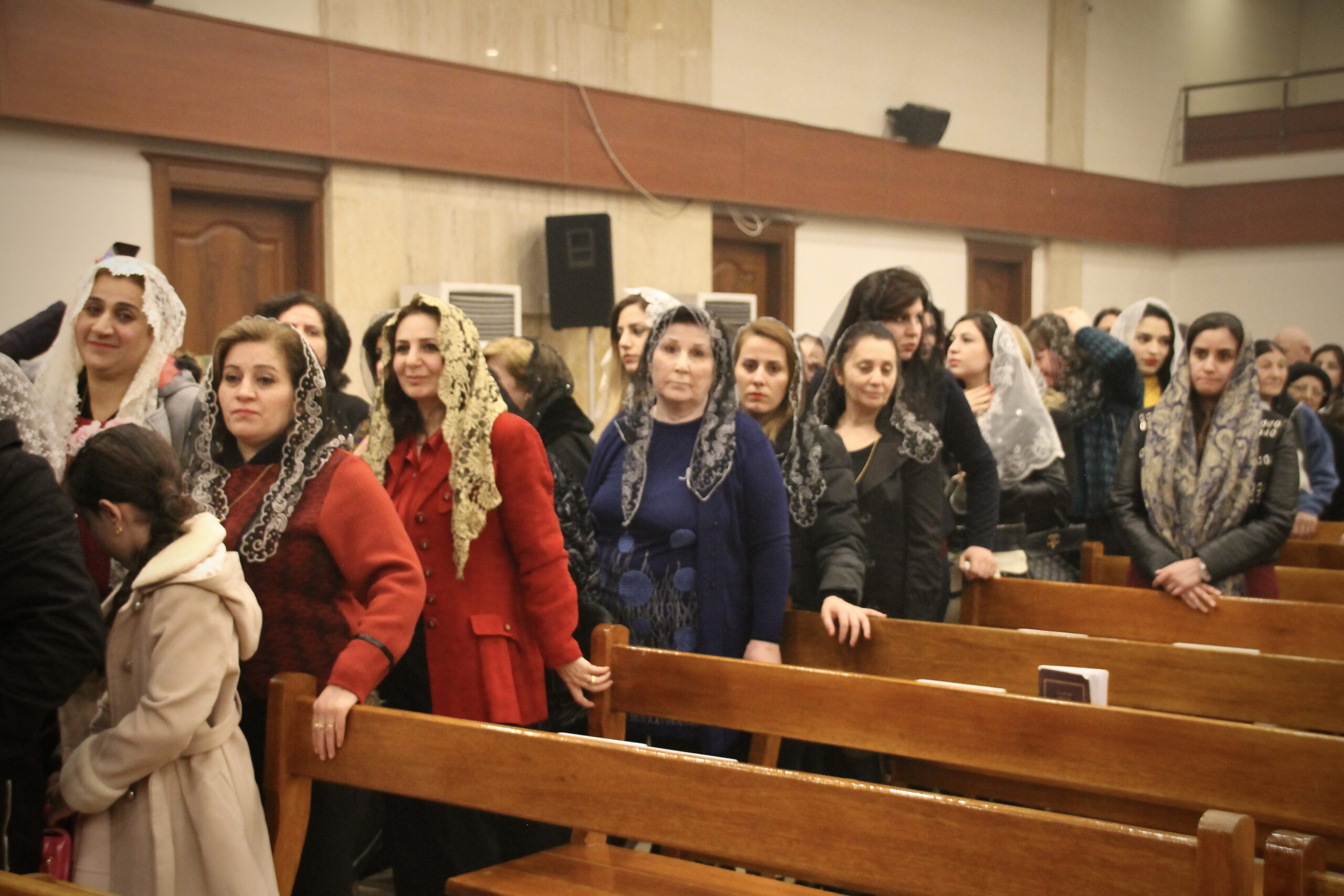
Only two days after an extremist attack that saw 14 missiles rain down on Erbil, and in the midst of a new coronavirus surge and lockdown, the Chaldean Catholic Archbishop of Mosul, Najeeb Michaeel, was optimistic about the upcoming visit of Pope Francis.
“Everyone is very happy about this historic event,” he said of Iraq’s inaugural papal visit, from his home in Ankawa, Erbil’s Christian enclave, which has given refuge to thousands of those displaced by ISIS. A previously planned visit in 2000 by Pope John Paul II to Ur, birthplace of the Prophet Abraham according to the Torah, was foiled by protracted negotiations with the government of Saddam Hussein. In 2020, Pope Francis had to cancel a trip due to security and pandemic concerns.
Read MEI’s weekly briefing featuring expert analysis of key regional developments for the week ahead.
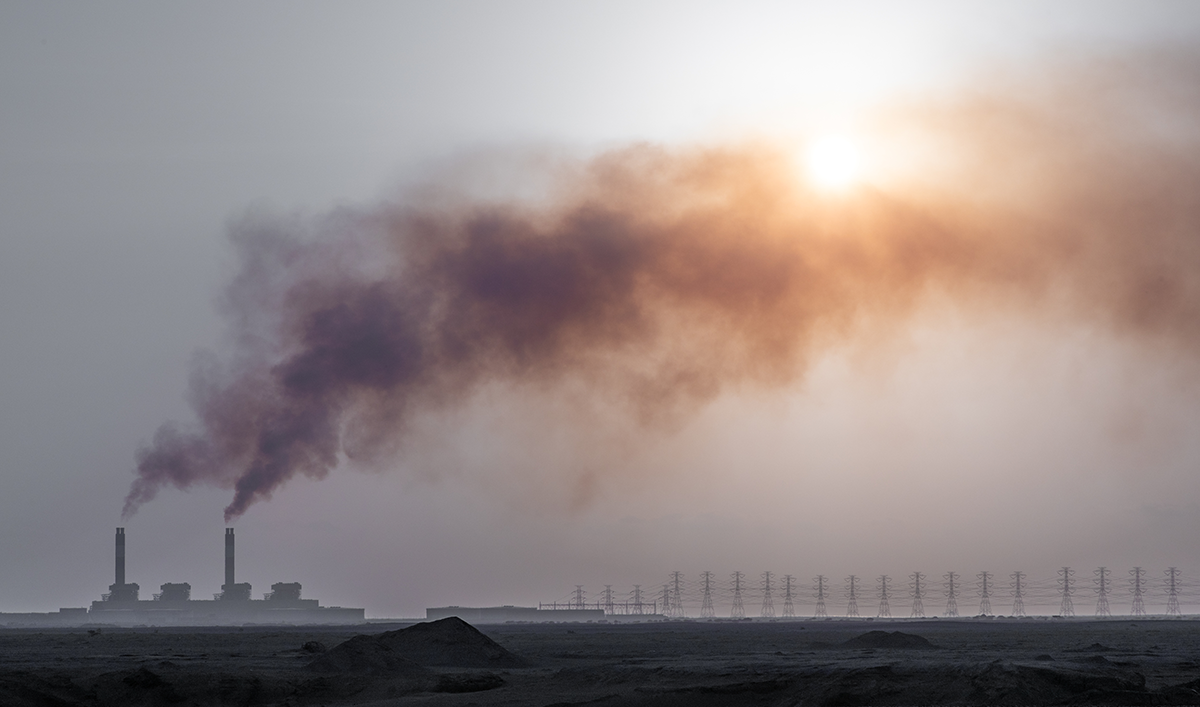
When it comes to the Persian Gulf, saving the environment might seem like it would be the last item on the to-do lists of the region’s Iranian and Arab rivals. It is an urgent matter, however — and one that could help turn these foes into friends. The United States can play an important role in this: It has helped the region to resolve conflicts over water in the past, and it could do so again.
آراء من واشنطن: حلقة 3
الواقع في العراق وسياسة تويتر لحظر الحسابات
يناقش إبراهيم الأصيل رأيين لرندا سليم ومايك سيكستون، عن الواقع في العراق وسياسة تويتر لحظر حسابات السياسيين. شاركونا بآرائكم!
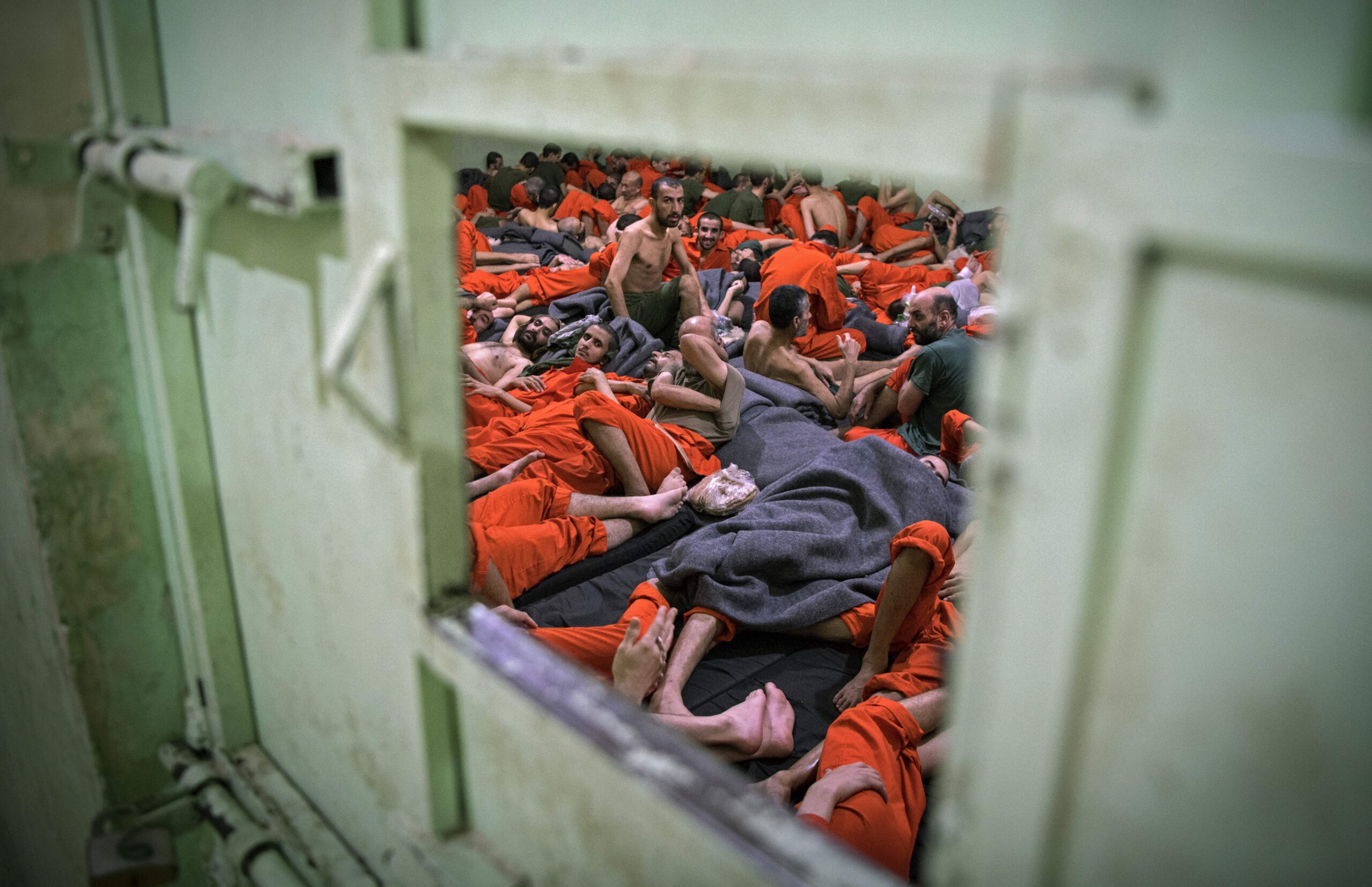
From the U.S. and the U.K. to Iraq and Syria, the way countries are handling the repatriation and prosecution of accused ISIS members echoes the policies that drove their citizens to seek a utopian Islamic State in the first place. Not only are the policies that pushed people to start joining the group in 2013 continuing, but in many cases they have increased in both scale and scope. While the current repatriation and prosecution policies are arguably counterproductive, they may also be fueling future terrorist activity and support for radical anti-government groups. To reduce the chances of such negative consequences, foreign governments must switch gears and adopt an entirely different approach before it is too late.