Why Israel’s top court is greenlighting a civil rights crackdown
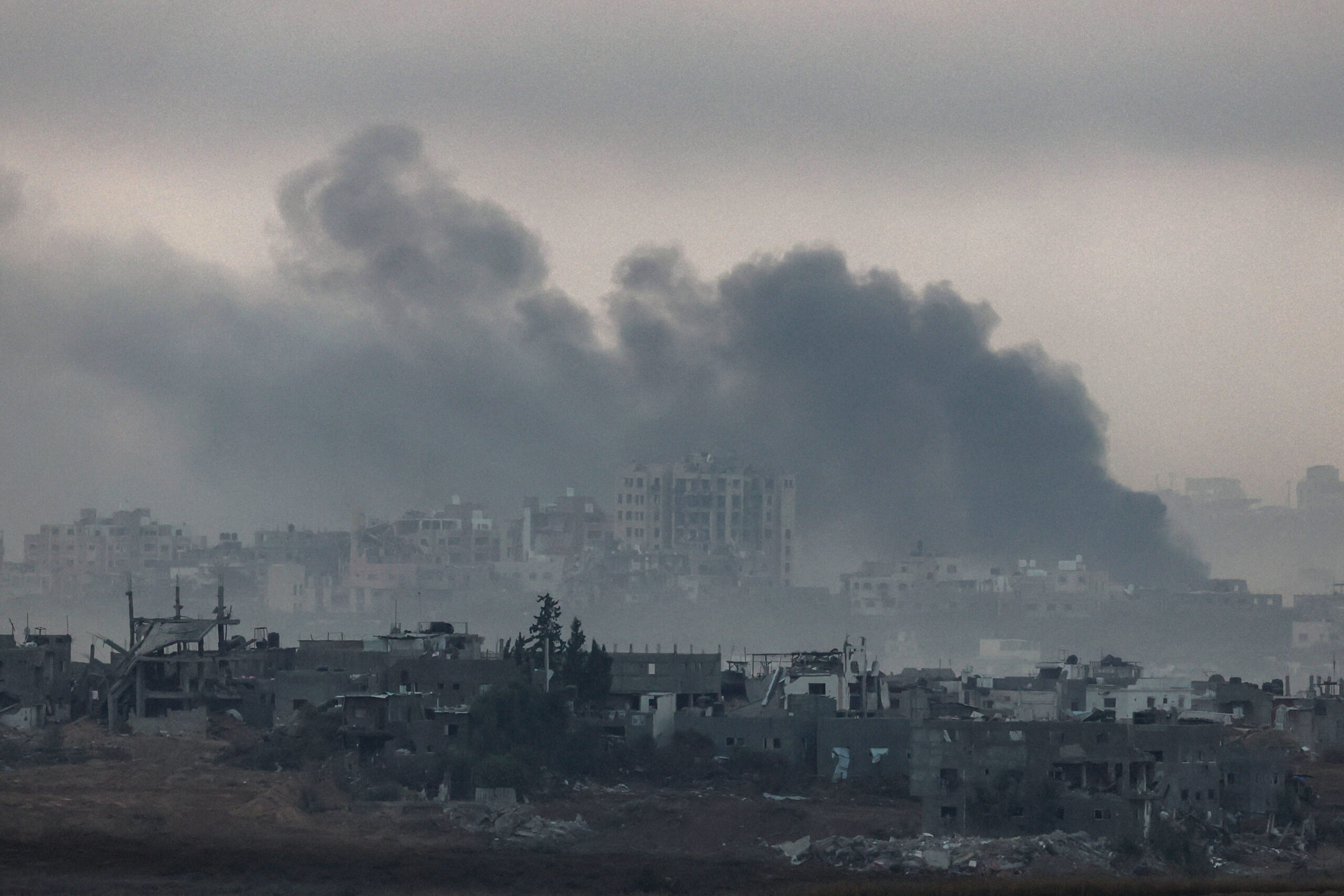
In times of war, constitutional courts frequently fail to defend civil liberties. There is no shortage of examples of this from around the world, often stemming from an impulse to avoid conflict with the national security establishment in order to avoid losing public support. In the wake of the Hamas-led attacks on October 7 and Israel’s ongoing bombardment of the Gaza Strip, the Israeli Supreme Court has been no exception.
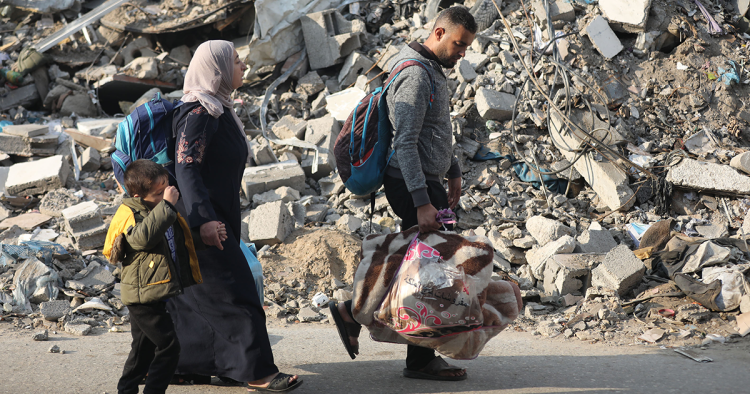
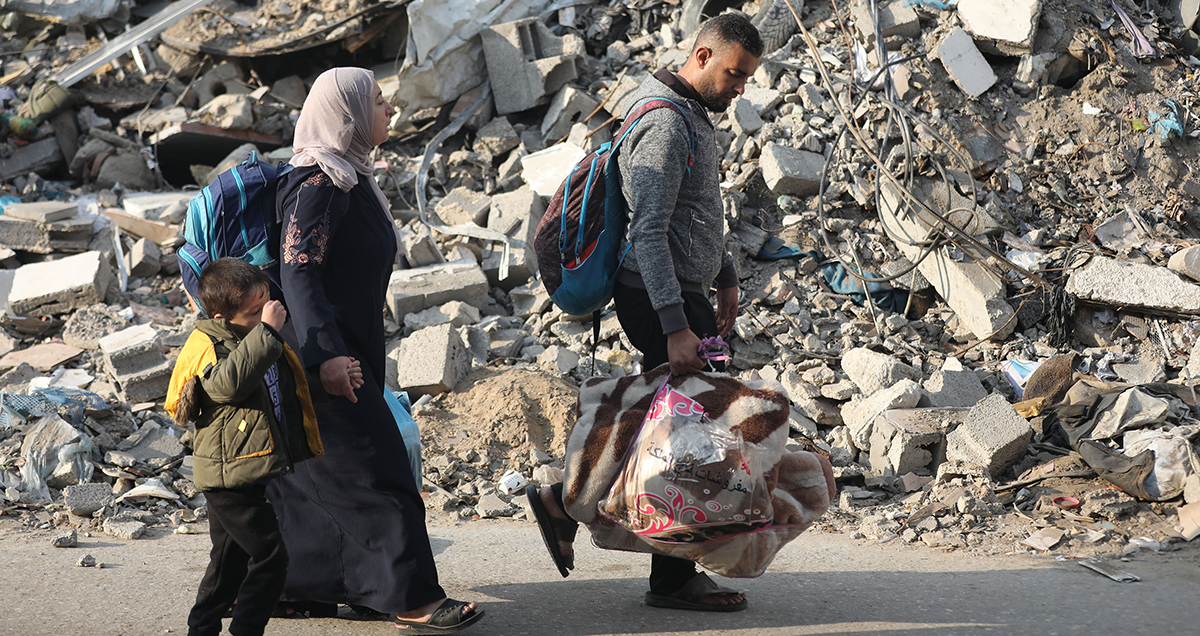
The Israeli military offensive in the Gaza Strip has led to a displacement crisis of historic magnitude. According to international assessments, about 1.9 million Palestinians are displaced in Gaza—85 percent of the population. More than a million of them have fled from the northern part of Gaza following Israel’s instructions. The pictures, stories, and videos appearing on social media since the beginning of the war, with Palestinian families fleeing with light luggage, feel to many like a national flashback to the Nakba, an Arabic word that means “catastrophe.”.
Reinventing a square wheel: Can a revitalized Palestinian Authority lead the way to a better “day after?”
As questions about regarding who can take over governance of the war-torn Gaza Strip, Washington and other are pinning their hopes on a revitalized Palestinian Authority. But such “revitalization,” if limited to “strengthening” the PA cabinet and making only minor improvements in governance, will ensure that Gaza will remain a “super camp” and a source of recurring/persistent instability for Palestine and Israel.
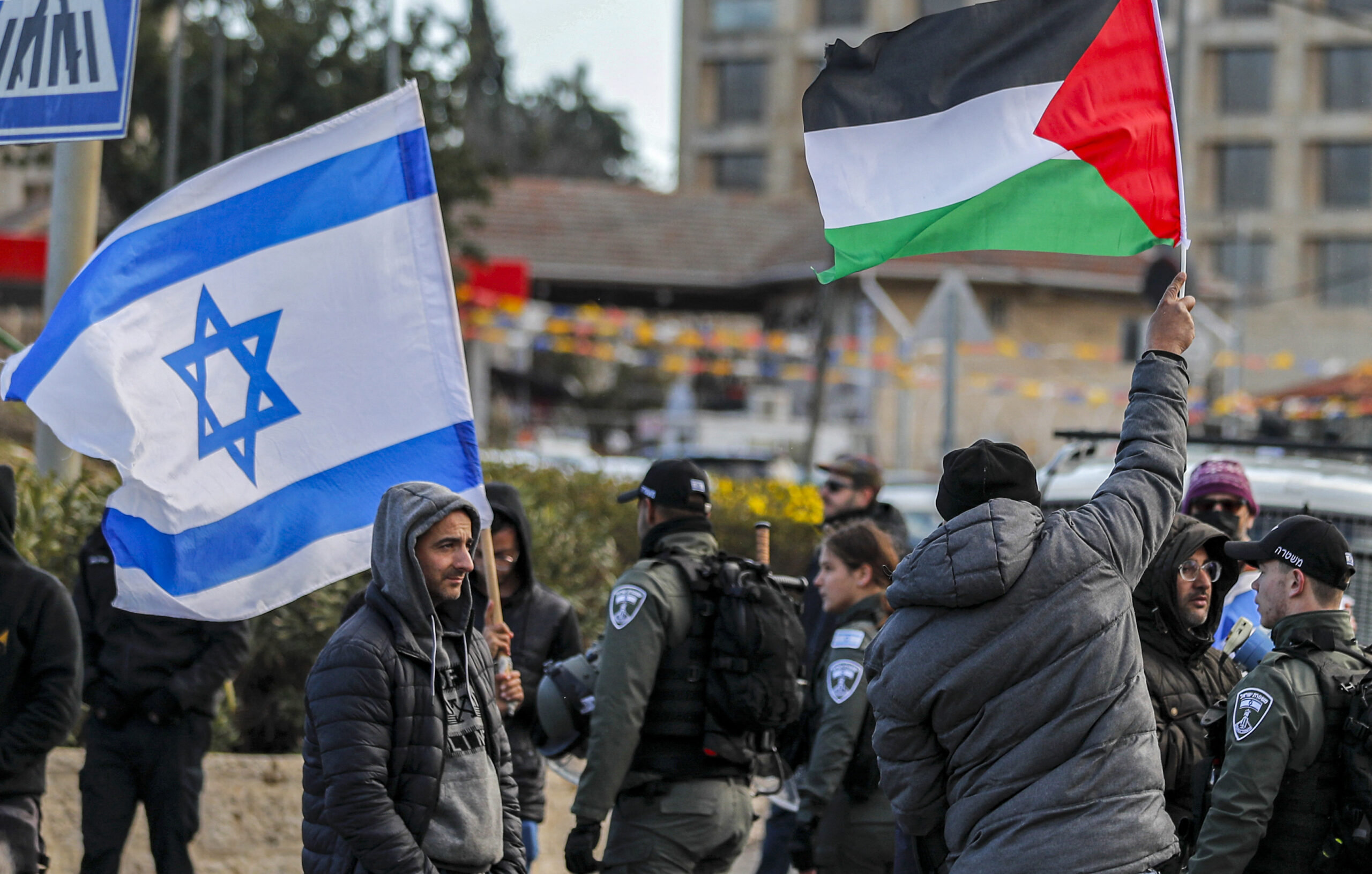
Antisemitism and Islamophobia in the US Political Discourse on Israel/Palestine
Sahar Aziz and Mitchell Plitnick discuss their study “Presumptively Antisemitic: Islamophobic Tropes in the Palestine Israel Discourse” with MEI’s Palestine and Palestinian-Israeli Affairs Program Director Khaled Elgindy.
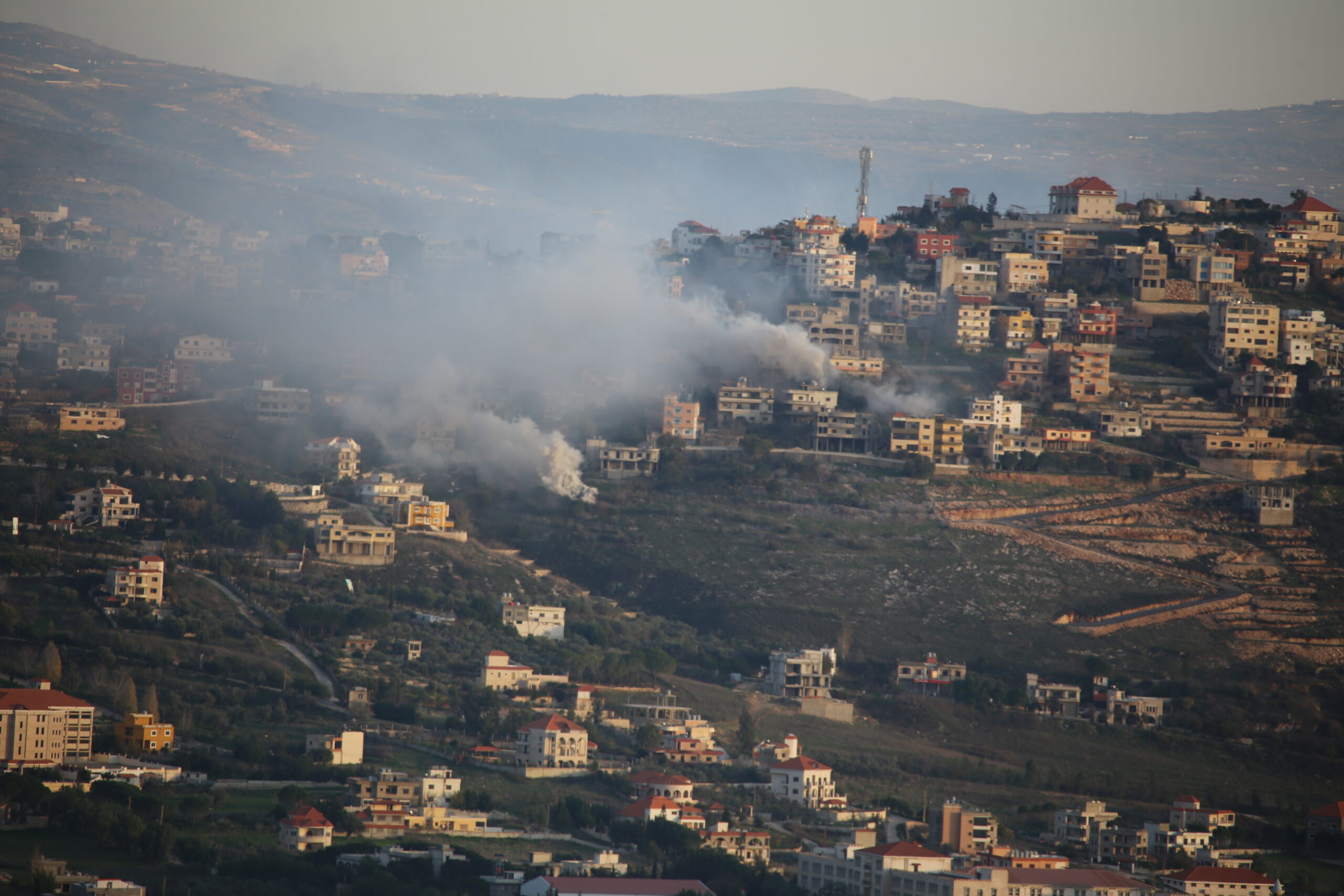
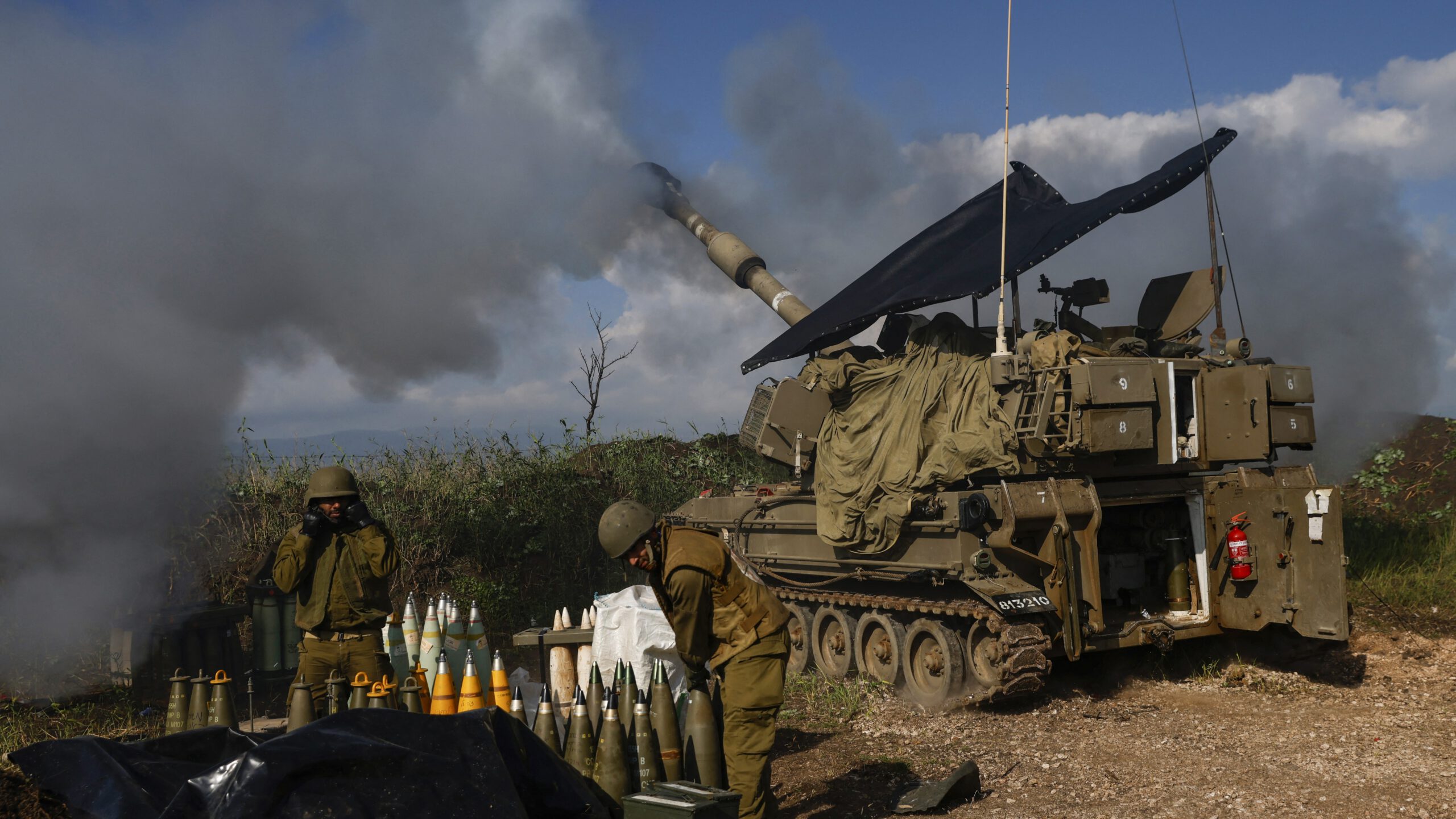
The current escalation between Israeli and Hezbollah forces necessitates immediate action from the international community to prevent a widening of the Gaza war, and the US is positioned in a leadership role to mollify tensions, beginning with diplomatic actions to stabilize the Lebanese-Israeli border, helping to pacify the broader region as a result.
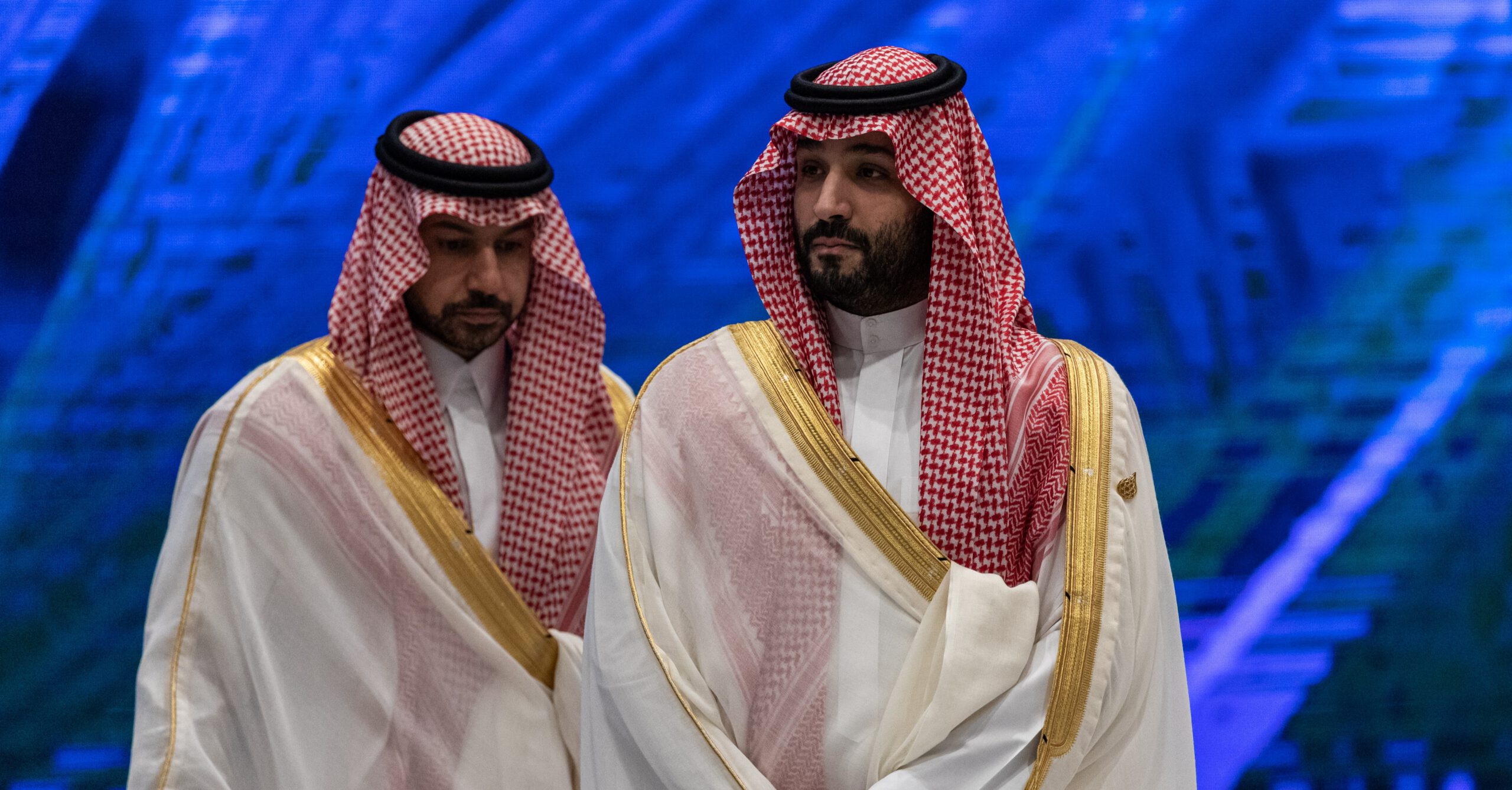
In response to the Oct. 7 attacks and subsequent bombing and invasion of the Gaza Strip, most media outlets and think tanks concluded that Hamas initiated the war to sever the path toward normalization between Saudi Arabia and Israel. Prior to the Hamas strike, Saudi Crown Prince Mohammed bin Salman (MbS) said his country was moving steadily in the direction of normalizing relations with Israel.
Wars create opportunities for peaceful change: Will the Gaza war serve as a case in point?
While war is still raging in Gaza following Hamas’ brutal Oct. 7 attack on Israel, it nonetheless arguably offers an opportunity for a profound shift in the modalities of the Israeli-Palestinian conflict, which looked unlikely in the period preceding the war. Based on analysis of several examples from the history of the Israeli-Palestinian conflict, this article asserts that in order to seize the opportunity, both sides will need legitimate leaderships that enjoy international support and are willing and determined to make concessions and build trust.
The international community is focused on “the day after” in Gaza, built on the comforting but illusory assumption that Oct. 7 never happened. In contrast, Israel and Hamas alike are engaged in a zero-sum contest to build a new system created out of blood and fire. When we consider the options for Gaza, the most instructive point of departure is the day before — that is, the evolution of Israeli occupation policies in the half century since the June 1967 war.
An Israeli-Palestinian peace process would present Iran with a difficult choice
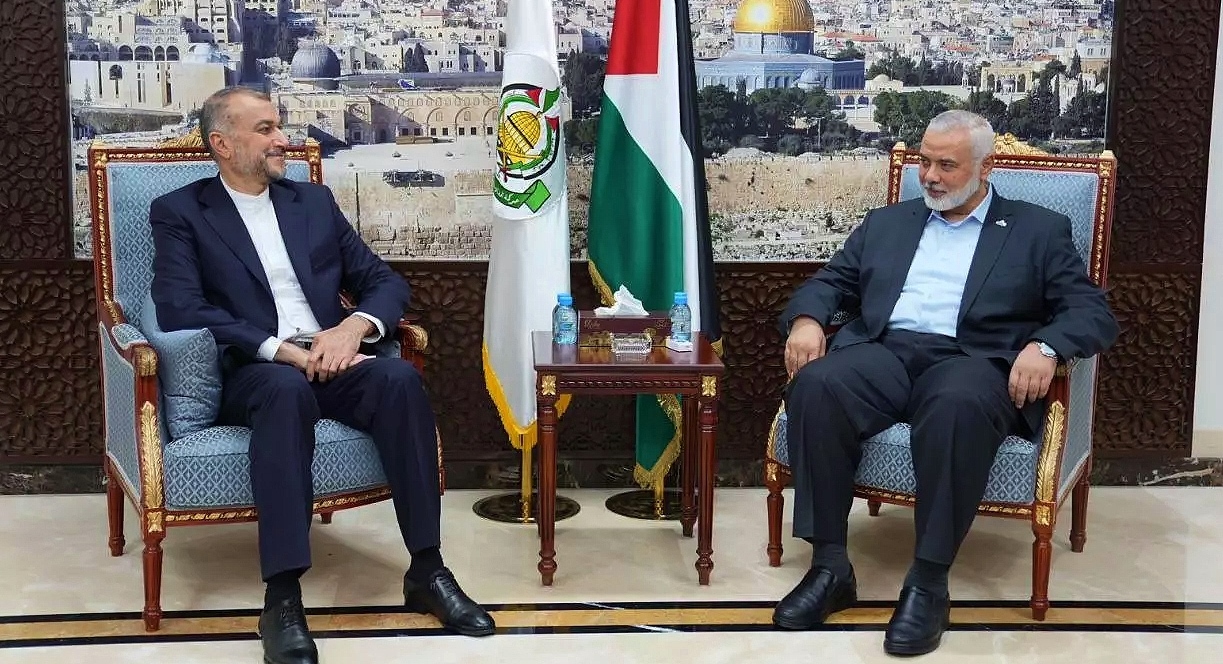
The Israel-Hamas war provides Tehran with a meaningful opportunity to fundamentally shift its position toward Israel. Should a peace process follow this latest war, Iran will have a hard choice to make – double-down on upholding its Axis of Resistance against Israel, or look for ways to work with the majority in the region that seek a feasible political settlement to the Israeli-Palestinian conflict.