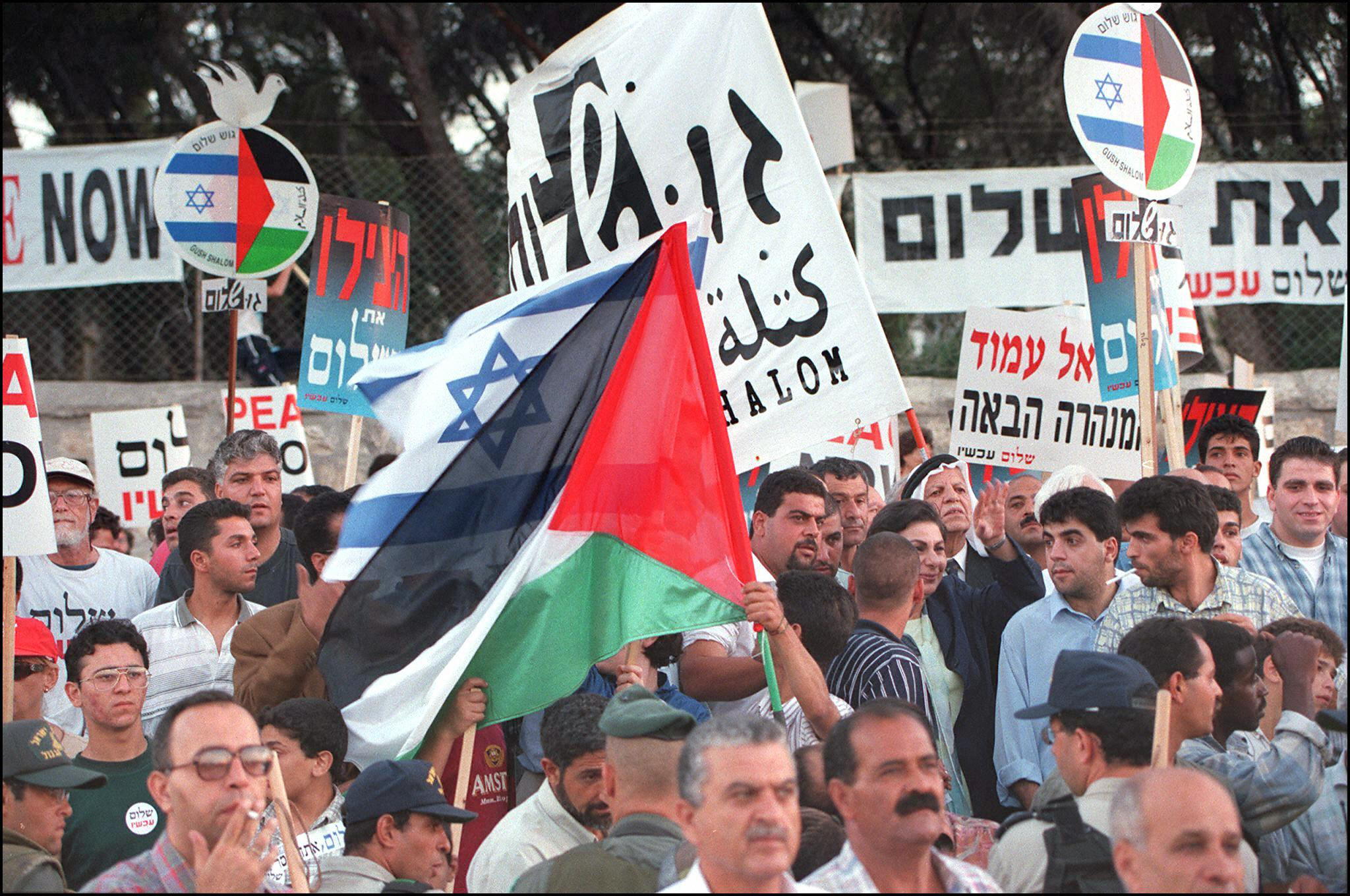
Expert Views: How do we restart the Middle East peace process?
What would it take to start a new Israeli-Palestinian peace process that could actually have the prospect for enduring success? MEI has asked a group of regional and U.S. experts to weigh in.
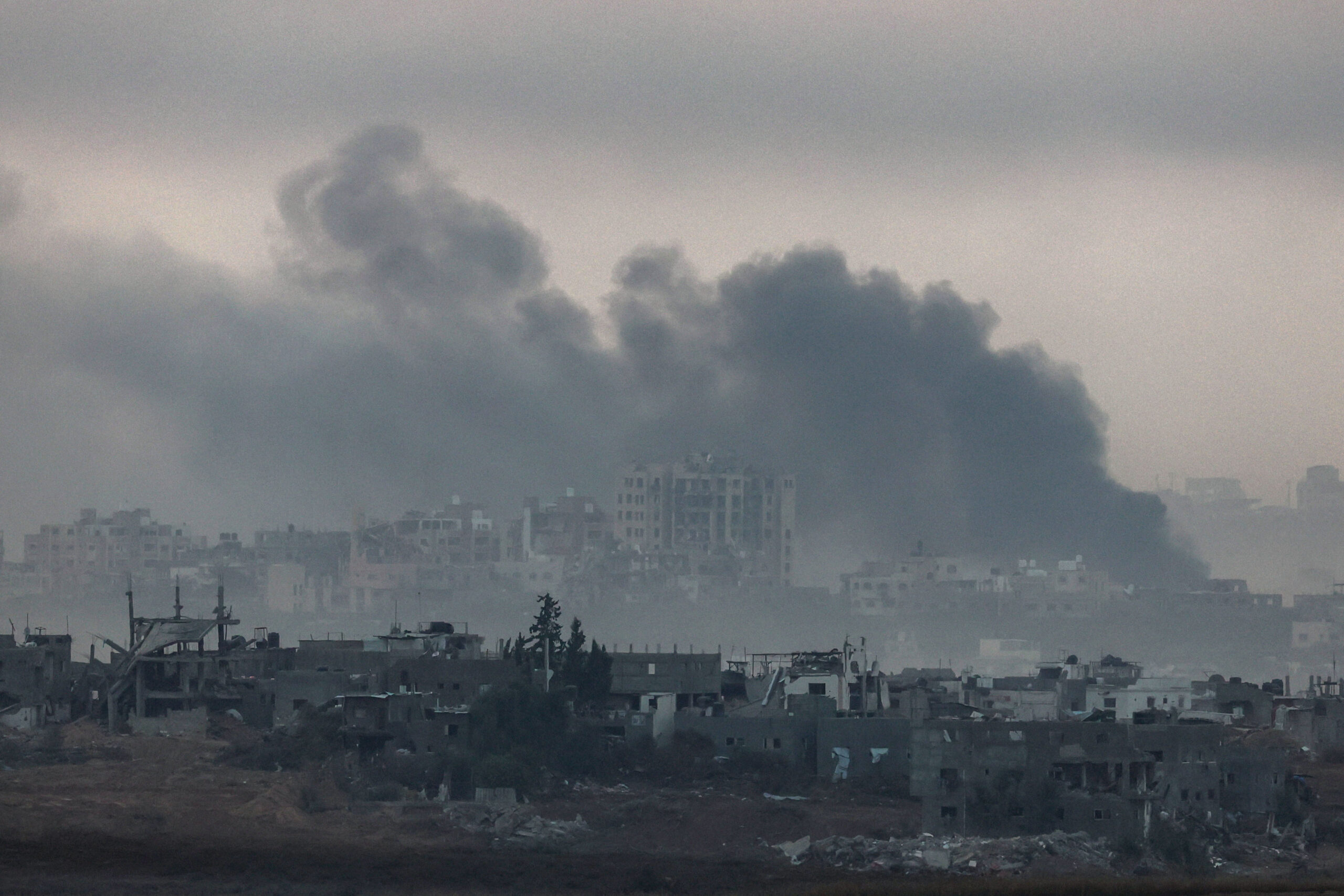
In the aftermath of the brutal Hamas terror attack Oct. 7, Israel has launched a ground invasion aimed at “eliminating Hamas.” Many of Israel’s Western allies have expressed concern about this operation given the lack of a clear plan for what will happen in Gaza after Hamas is eliminated. Prime Minister Benjamin Netanyahu said yesterday that “Israel will, for an indefinite period will have the overall security responsibility” of Gaza. President Joe Biden even said publicly on 60 Minutes that the reoccupation of Gaza would be a “big mistake.”
How Netanyahu could beat the odds and stay in power
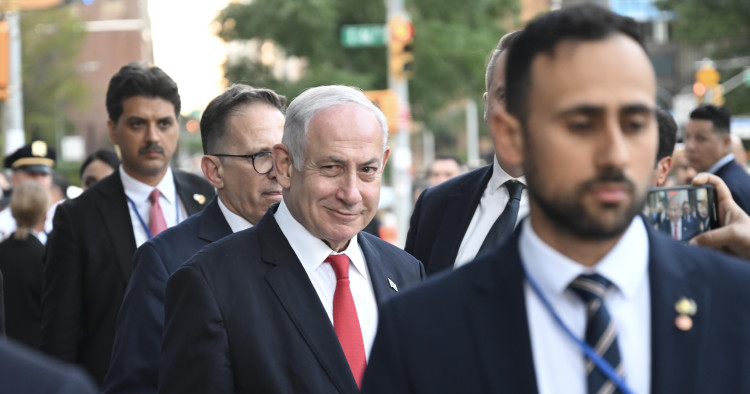
There has been much speculation that the military and intelligence failure to prevent the Hamas terror attack on Oct. 7 (which became known in Israel as the “Black Shabbat”) means that Israeli Prime Minister Benjamin Netanyahu’s days in office are numbered.
But Netanyahu is signaling that he will not step down without a fight. He is preparing the ground for blaming military officials for the failure and continuing to promote the overhaul of the judiciary, which was at the center of the political debate in Israel in the months before Hamas’s attack.
Essential questions about the Russia-Hamas link: The evidence and its implications
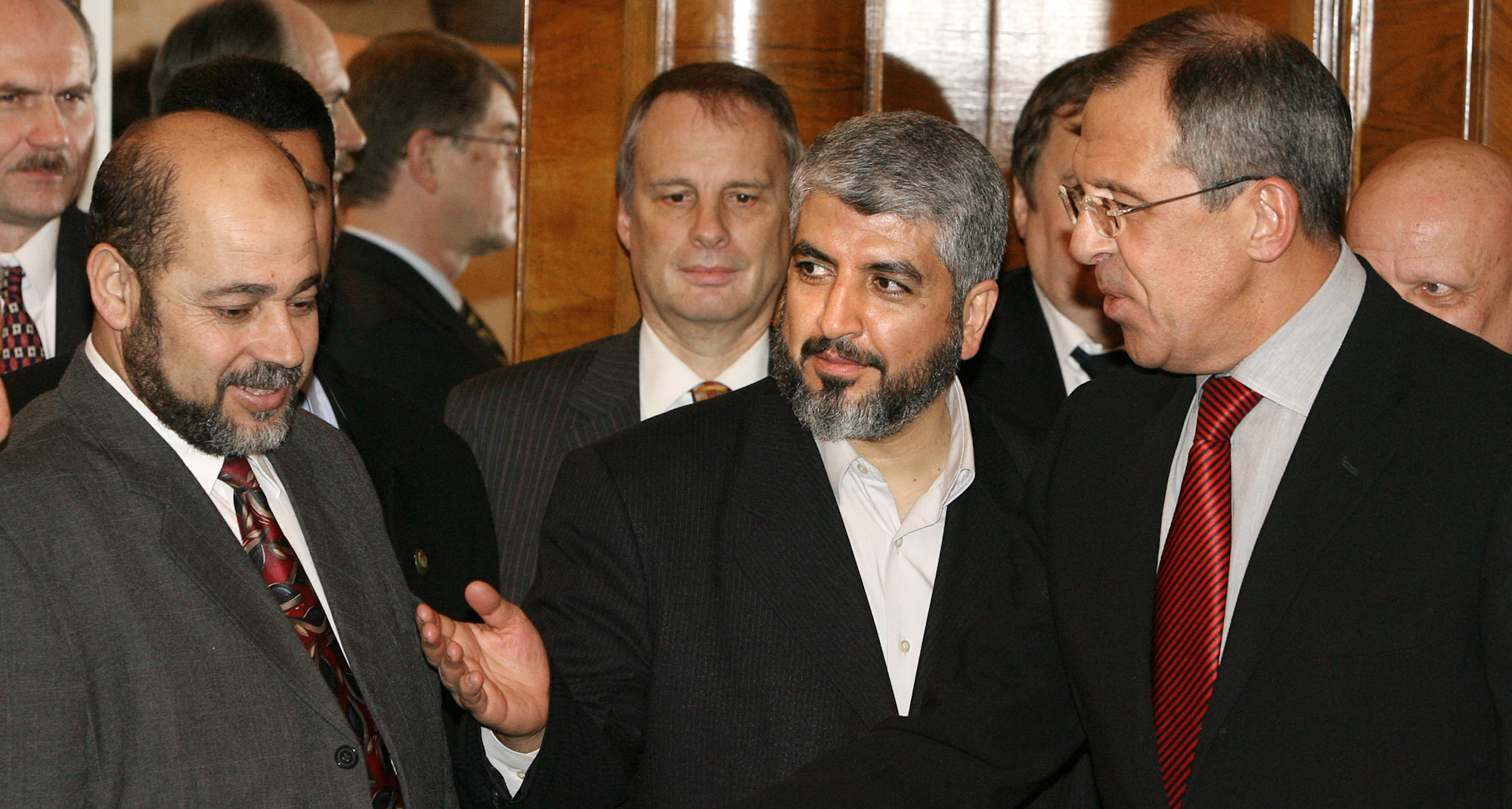
As the war in Gaza continues to unfold, essential questions about Russian and Iranian support for Hamas remain. They include whether Russia played any role in providing support to Hamas ahead of its Oct. 7 attack on Israel. Evidence available from foreign-language publications in Russian, Persian, Arabic, and Hebrew, as well as those in English, provides provocative leads, which, if accurate, have serious potential implications.
Climate casualties: How the Gaza war threatens Mideast climate action
The renewed violence in Gaza could not have come at a less opportune time for the climate agenda in the Middle East. From energy economics to environmental degradation, the ripple effects of conflict will complicate the path ahead.
After the Gaza War: The Risks of Deterrence and the Chances of Peace
Policymakers in the United States, Europe, and the Middle East are rightly focused on where the current crisis in Gaza is headed. The humanitarian disaster hovering over the region since Hamas’ October 7 attacks on Israel has resulted in countless lives lost and now threatens regional and global security. Among many of the issues occupying policymakers is the concern that new fronts in the war will open, potentially involving the West Bank, Hezbollah, the Houthis, and even Iran.
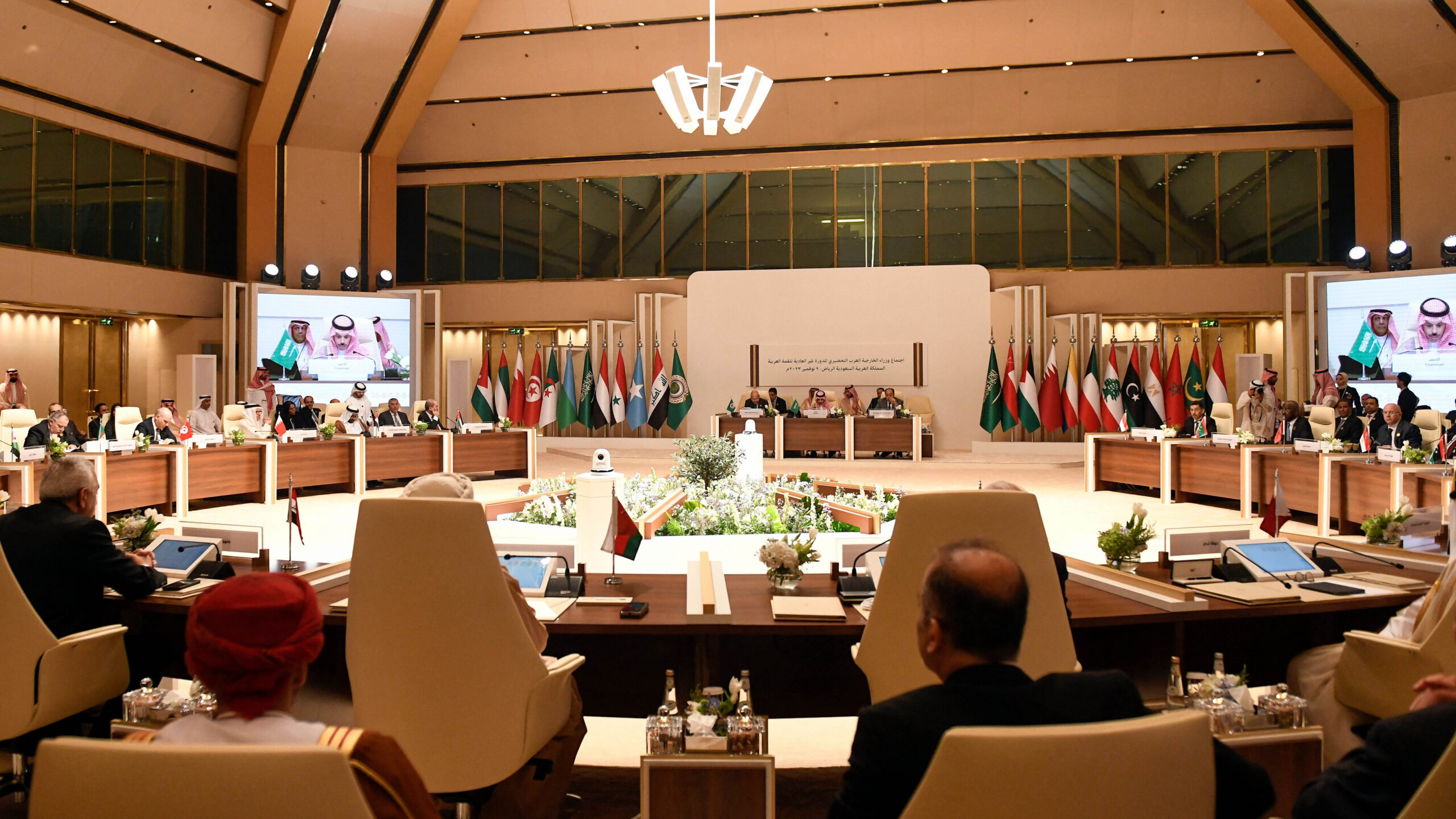
As talk of a revived Israeli-Palestinian political process grows, the Abraham Accords partners must play a role
Oct. 7 sounded the death knell of the Abraham Accords. Yet the end to the initial conceit of the Abraham Accords does not mean an end to the essential role that the Abraham Accords partners can play in helping broker an Israeli-Palestinian agreement.
The EU and the Israel-Hamas war: A narrow but important niche
Much has been written about the European Union’s confused and cacophonic response to the heinous Oct. 7 Hamas terrorist attack that has plunged the Middle East into one of the most violent crises the region has known since World War II. While the condemnation of Hamas’ atrocities was unanimous, not much else was.
How Meta’s platforms normalize anti-Palestinian racism
The ongoing Palestinian-Israeli crisis is further intensified in the information space by the failure of the leading tech giants, including Meta, to combat online disinformation, incitement to violence, and hate speech proliferating on their platforms, most egregiously against Palestinians.
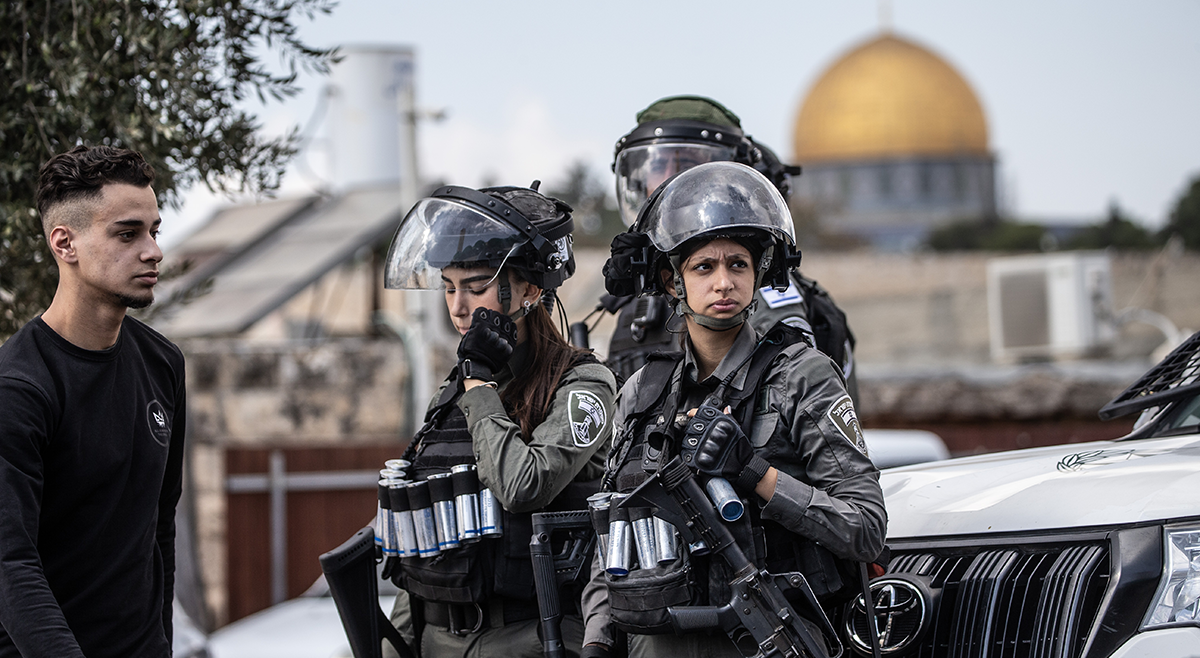
Amid the Gaza war, Palestinian citizens of Israel feel like the target of a witch hunt
In the aftermath of the horrific Hamas terror attack on Oct. 7, and amid the ongoing war in Gaza, the scope and intensity of the current crackdown by the Israeli government and law enforcement on Palestinian citizens of Israel and the suppression of pro-Palestinian speech are unprecedented.
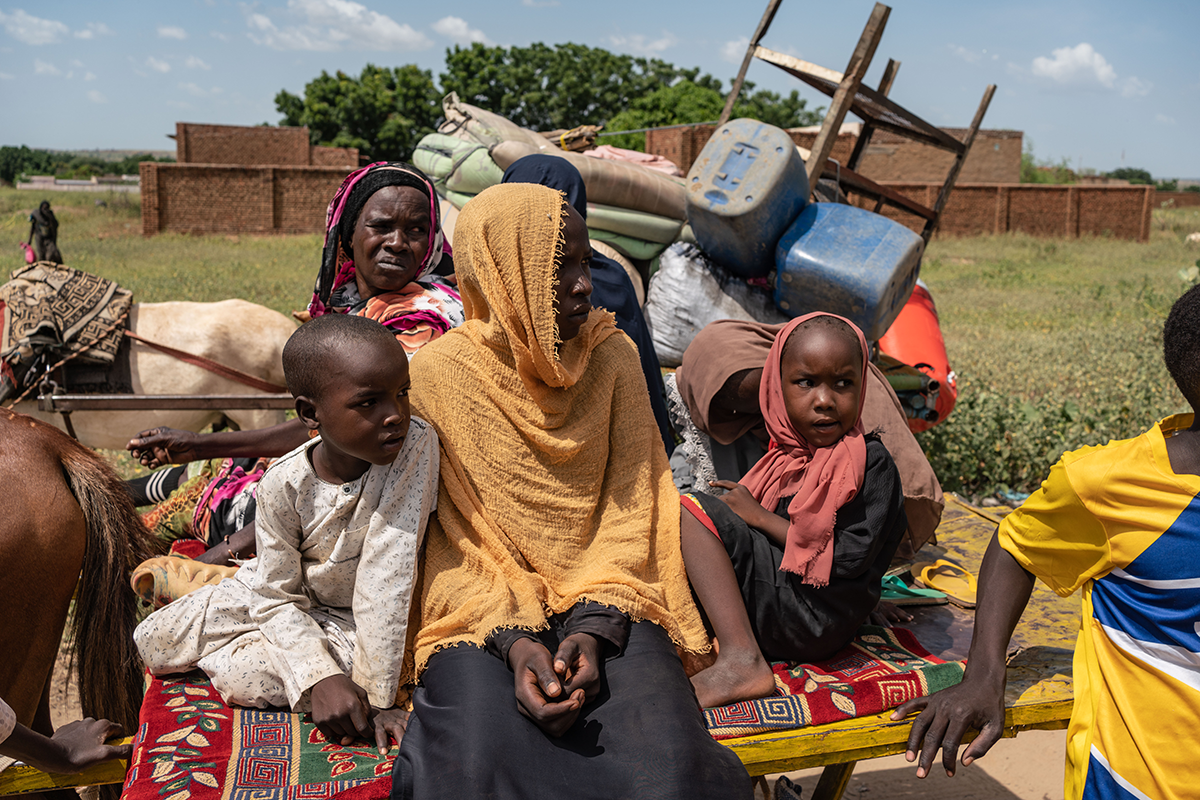
It isn’t a surprise that Sudan’s two warring sides — the Sudanese Armed Forces and its sprawling paramilitary Rapid Support Forces — did not agree to a ceasefire. When they resumed talks in Jeddah, mediated by the U.S. and Saudi Arabia in late October, the RSF was busy launching a major offensive on the vast western region of Darfur.