Skip to Content

Research & Commentary Results

Filter by
1305 Results
Russia’s aggressive behavior in the Black Sea can be challenged
Photo courtesy of the author
  • Analysis
  • Russia’s aggressive behavior in the Black Sea can be challenged

    Russia’s malign behavior in the Black Sea includes piracy, plunder, petroleum price cap violations, and actions to prevent the free transit of foreign commercial and naval vessels. Its largely unchallenged position in the Black Sea also helps Russia maintain access to foreign-made products and components, circumventing sanctions. The West and the broader international community have yet to act to decisively rein in these flagrant violations of international laws and norms.

    September 8, 2023

    Can oil and water mix?: Creating opportunities for Iraq-Turkey cooperation
    Photo by AHMAD AL-RUBAYE/AFP via Getty Images
  • Analysis
  • Can oil and water mix?: Creating opportunities for Iraq-Turkey cooperation

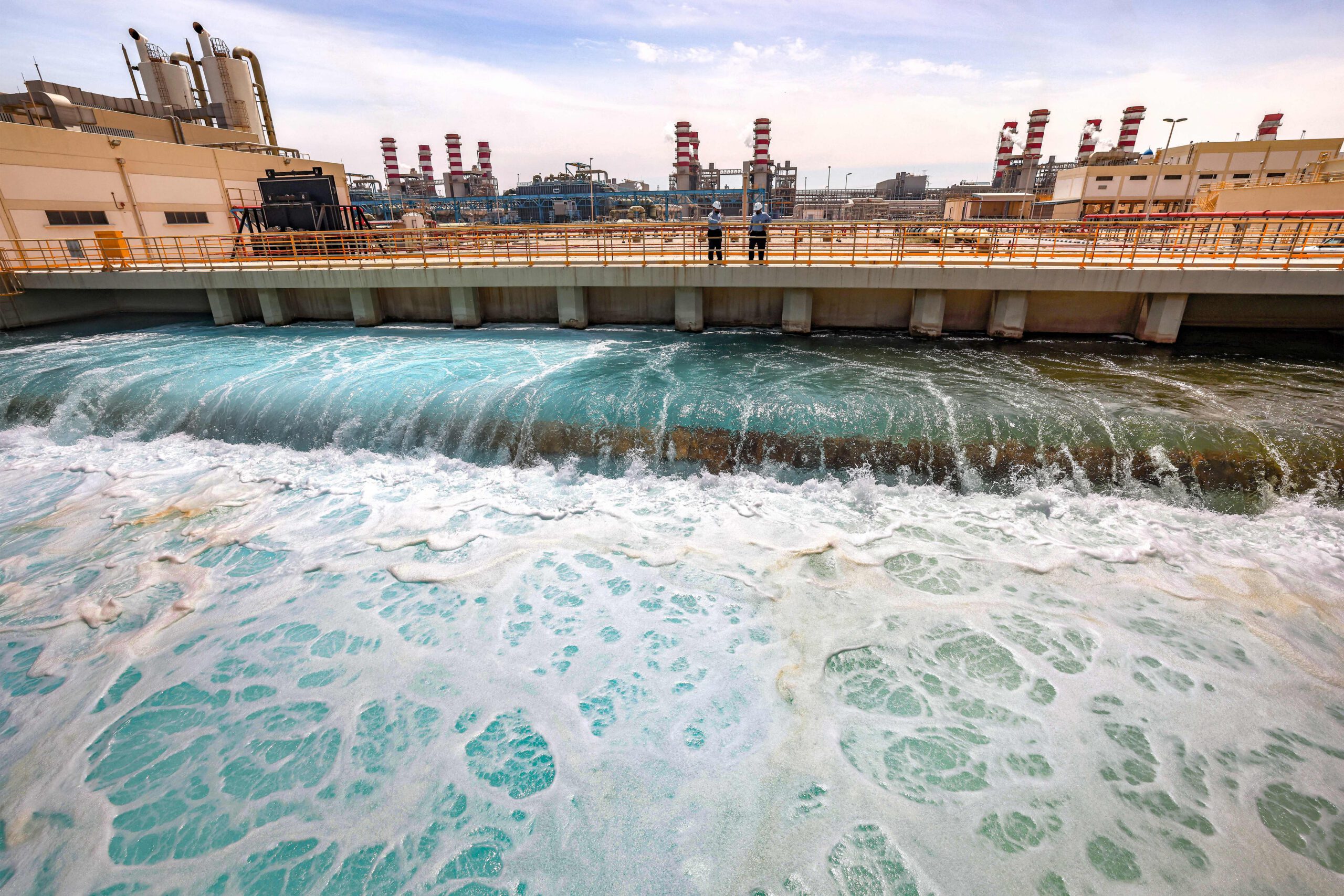
    Last week saw a flurry of diplomatic activity between Baghdad and Ankara. The top priorities in the talks were oil exports, the presence of the PKK in Iraq, and Iraq’s water crisis. The outcomes have been unimpressive, but there is an opportunity for Iraq to shake things up and improve its bargaining position, at least on the oil export issue, possibly more.

    August 31, 2023

    Putting Egypt-Turkey relations on a sustainable footing
    Photo by Osmancan Gurdogan/Anadolu Agency via Getty Images
  • Analysis
  • Putting Egypt-Turkey relations on a sustainable footing

    Turkey and Egypt, two influential regional players with a complex history of cooperation and conflict, are now working on mending their ruptured ties. As officials navigate this process, it is essential to identify practical steps to capitalize on the diplomatic breakthrough. Sustainable peace can only be ensured by shifting the focus from political ideology to shared interests. One way to do that is by creating an inclusive, multi-track process that involves state institutions, businesses, NGOs, academics, and the grassroots.

    August 29, 2023

    The Niger Coup and Turkey’s Military Industrial Complex in Africa
  • Commentary
  • The Niger Coup and Turkey’s Military Industrial Complex in Africa

    The recent military coup in Niger marks the point of no return for the unraveling of France’s dominant economic and military influence across West Africa. Turkey is the foreign actor that stands to benefit most, with the potential to emerge as a leading strategic partner for the nations of the region. Turkey’s engagement with West Africa is a unique, dual approach that blends military and economic engagement while deftly intertwining humanitarian aid and cultural outreach.

    Building back better with gender in mind: Centering Turkey’s women and girls in earthquake recovery
    Photo by Boris Roessler/picture alliance via Getty Images
  • Analysis
  • Building back better with gender in mind: Centering Turkey’s women and girls in earthquake recovery

    Gender-blind development policies leave women and girls behind and exacerbate their vulnerabilities before, during, and after disasters, as was made clear by the Feb. 6, 2023 earthquake that struck southeastern Turkey and northwestern Syria. By viewing disasters as gendered development problems, we can better understand the differential impact the Feb. 6 earthquake had on women and girls in Turkey and make more impactful policy recommendations.

    August 25, 2023

    Lebanon needs a renewed donor support strategy
    Francesca Volpi/Bloomberg via Getty Images
  • Analysis
  • Lebanon needs a renewed donor support strategy

    Lebanon needs a new aid strategy to preserve the country’s ability to one day recover. What is required is a donor strategy that walks on two legs: a first leg that offers a big reconstruction push conditioned on economic and institutional reforms and, in parallel, a second leg that provides urgent support to the Lebanese population.

    August 22, 2023

    Impossible choices and routine tragedies: The Syrian refugee crisis at 13
    Photo by Ali Hashisho/Xinhua via Getty Images
  • Analysis
  • Impossible choices and routine tragedies: The Syrian refugee crisis at 13

    There are currently over 5.34 million Syrian refugees dispersed in camps, collective shelters, and poor neighborhoods across Lebanon, Turkey, Iraq, Jordan, and Egypt. Many make desperate attempts to find refuge in Europe. Instead of adopting repressive measures and discriminating against these individuals, the U.S. and European countries should work with regional partners and non-governmental organizations to limit the danger to refugees and IDPs.

    August 16, 2023

    The successes and failures of Turkey’s new economic team
    Photo by Mustafa Kaya/Xinhua via Getty Images
  • Analysis
  • The successes and failures of Turkey’s new economic team

    It has been two months since Turkey’s new economic team took over and some progress has been made. Market normalization has begun and the risk of a balance-of-payments crisis has been reduced. At the same time, however, inflation is gaining new momentum, the budget deficit is sharply worsening, and no reform agenda has yet been announced to tackle these threats.

    August 14, 2023

    The Beirut blast three years on: The case for international accountability
    Photo by Houssam Shbaro/Anadolu Agency via Getty Images
  • Analysis
  • The Beirut blast three years on: The case for international accountability

    Three years on from the Beirut port blast, Hezbollah, with the support of Lebanon’s political elite, has managed to obstruct and even quash the domestic judicial process for holding those responsible for the explosion accountable and delivering justice to both victims and a battered nation. The international community must uphold its responsibility toward the Lebanese people by enabling a U.N. fact-finding mission to investigate the blast, sanctioning those responsible for obstructing justice, and making ending impunity the centerpiece of international mediation on the Lebanese crisis.

    Realigning priorities: Egypt's strategic shift toward Qatar, Turkey, and Iran
    Photo by Murat Kula/Anadolu Agency via Getty Images
  • Analysis
  • Realigning priorities: Egypt's strategic shift toward Qatar, Turkey, and Iran

    While some analysts attribute Egypt’s realignment toward Turkey, Qatar, and Iran to a change in the foreign policies of its influential allies, the UAE and Saudi Arabia, it can be argued that Egypt’s shift is primarily motivated by its domestic dynamics and its unfulfilled foreign policy objectives between 2014 and 2018. Egypt’s realignment, in that sense, seeks to achieve multiple unmet domestic and regional aims.

    July 25, 2023

    Turkey's role after the Black Sea grain deal collapse has become even more critical
  • Commentary
  • Turkey's role after the Black Sea grain deal collapse has become even more critical

    During the 500 days since Russia’s invasion of Ukraine, the Middle East avoided a catastrophic food crisis, thanks in part to the Black Sea grain initiative. Russia’s decision to cancel that agreement is raising fears that the return of supply shortages and skyrocketing wheat prices could quickly plunge the most vulnerable countries of the region into crisis.

    France’s Foreign Policy Towards Lebanon and its Discontents
  • Podcast
  • France’s Foreign Policy Towards Lebanon and its Discontents

    MEI U.S.-Lebanon Fellow Fadi Nicholas Nassar is joined by Karim Bitar for a discussion on French foreign policy towards Lebanon. The pair focus on the current state of affairs in Lebanon, historical trends in French policy towards the country and the region, and more in the latest episode of Middle East Focus.

    July 21, 2023

    Climate Change Threatens Turkey’s Role as a Food Supplier to Europe and the Middle East
  • Commentary
  • Climate Change Threatens Turkey’s Role as a Food Supplier to Europe and the Middle East

    The persistence of high food inflation in Turkey belies a deeper problem. Turkish agrifood production cannot adequately cope with increasing water scarcity due to climate change. Challenging Turkey’s own food security, the growing crisis also threatens Turkey’s role as a food supplier to Europe and the Middle East. Regional food supply chain breakdowns due to a decline in Turkish production would create a debilitating economic impact on both regions.

    Regional Environmental Cooperation Between Israel and Its Neighbors
    Photo by Chris McGrath/Getty Images
  • Analysis
  • Regional Environmental Cooperation Between Israel and Its Neighbors

    As environmental challenges become a priority for countries across the Middle East and the Mediterranean, this creates new opportunities for regional environmental cooperation, including between Israel and its neighbors. Despite being limited in scope and facing several key obstacles, regional cooperative endeavors are taking place, including on both the bilateral and multilateral levels, and efforts to sustain and expand them are underway. This new report, written under the auspices of the Israel Climate Forum, addresses the importance of regional environmental cooperation in the Middle East and Mediterranean, examines the scope of such cooperation between Israel and its neighbors, and spells out opportunities, obstacles, and recommendations for increased coordination and joint action, including the role the U.S. and Europe can play.

    July 13, 2023