Expert Views: What is needed to end the war in Gaza?
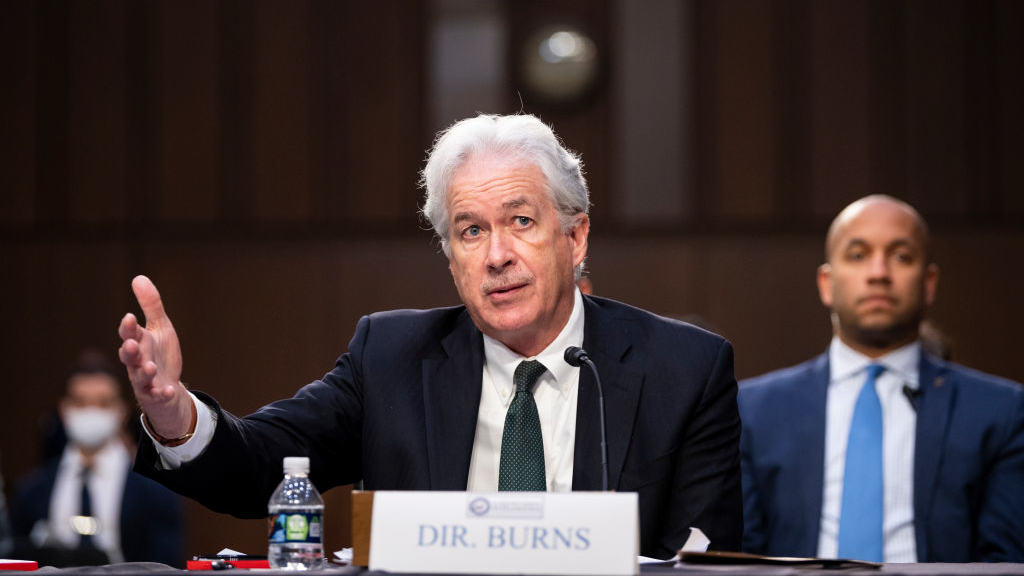
Six months since the October 7 Hamas attacks on Israel and subsequent outbreak of war in Gaza, the deadly and devastating conflict looks no closer to concluding. Is it still possible to achieve a sustainable cessation of hostilities and restart the conflict-resolution process? To get there, what are the incentives and disincentives that could be constructed for the two main combatants, Israel and Hamas?
Strategic foresight is helping create Arab futures
On March 5-7, 2024, the United Nations’ Economic and Social Commission for Western Asia (ESCWA) hosted the annual Arab Forum for Sustainable Development (AFSD). The inclusion of a special session on “Collaborative Futures: Strategic Foresight for Sustainable Development in a World of Crisis” is another example of the growing attention to foresight-driven analysis and decision-making among leaders in the Arab world.
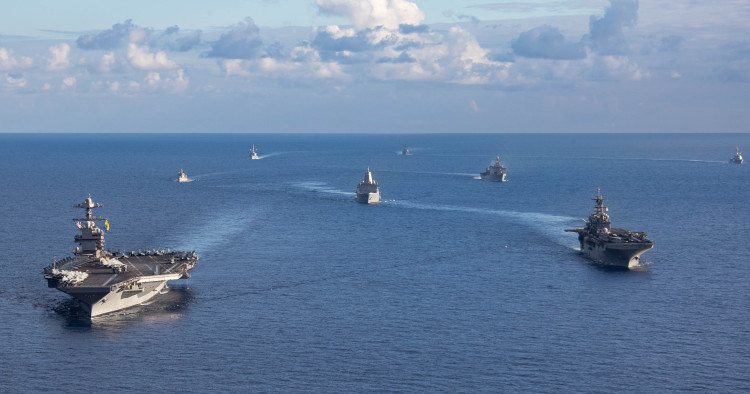
Sweeping the minefield: The case for a NATO Black Sea Fleet
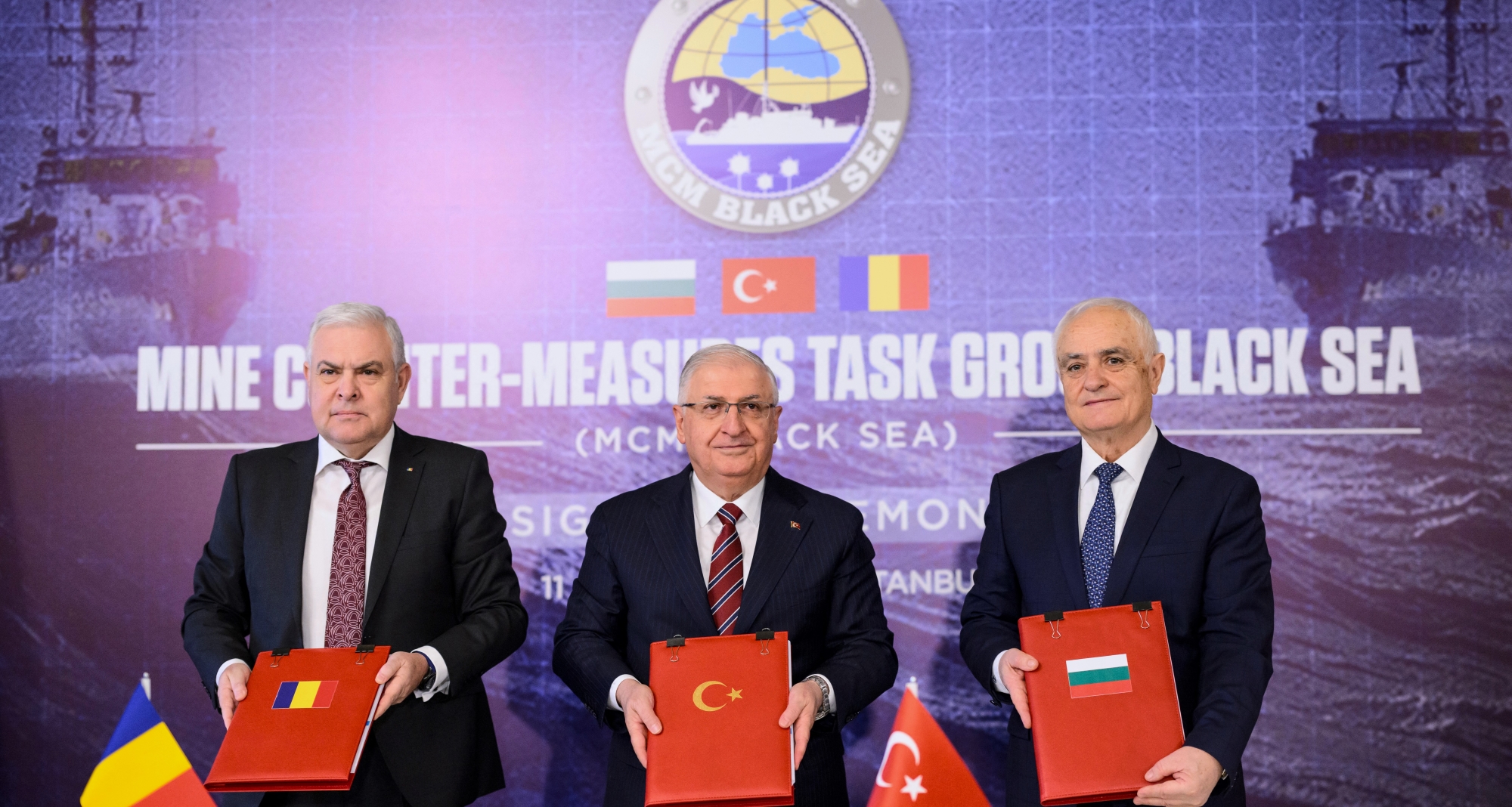
Since the start of Russia’s full-scale invasion of Ukraine, the threat of sea mines to maritime traffic in the region has become exponentially more acute. The Turkish-Romanian-Bulgarian trilateral minesweeping mission is a welcome sign of regional willingness to cooperate in this space and could, with the right incentives and sufficient political will, open the door to the establishment of a NATO Black Sea Fleet.
The Next Paradigm-Shattering Threat? Right-Sizing the Potential Impacts of Generative AI on Terrorism
This Study analyzes how and to what extent terrorists and violent extremists have interacted with generative AI so far, identifies potential ways in which they could misuse generative AI in the future, and then contextualizes these threats with the likely broader impacts of generative AI. In doing so, the Study seeks to identify a likely trajectory for the abuse of this technology by terrorist actors as well as concludes with some initial recommendations for policymakers.
Rebuilding Gaza: Navigating the politics of infrastructure
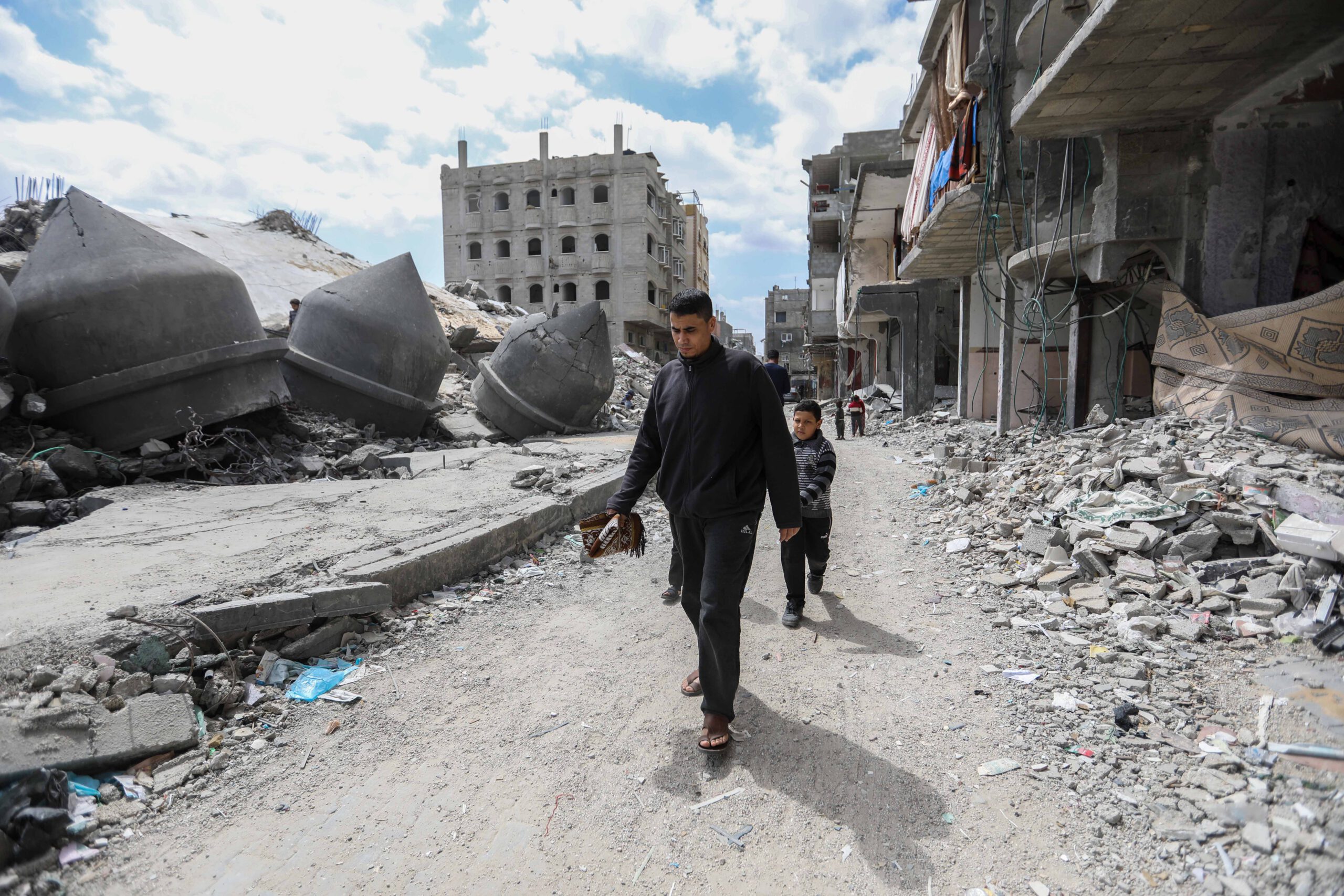
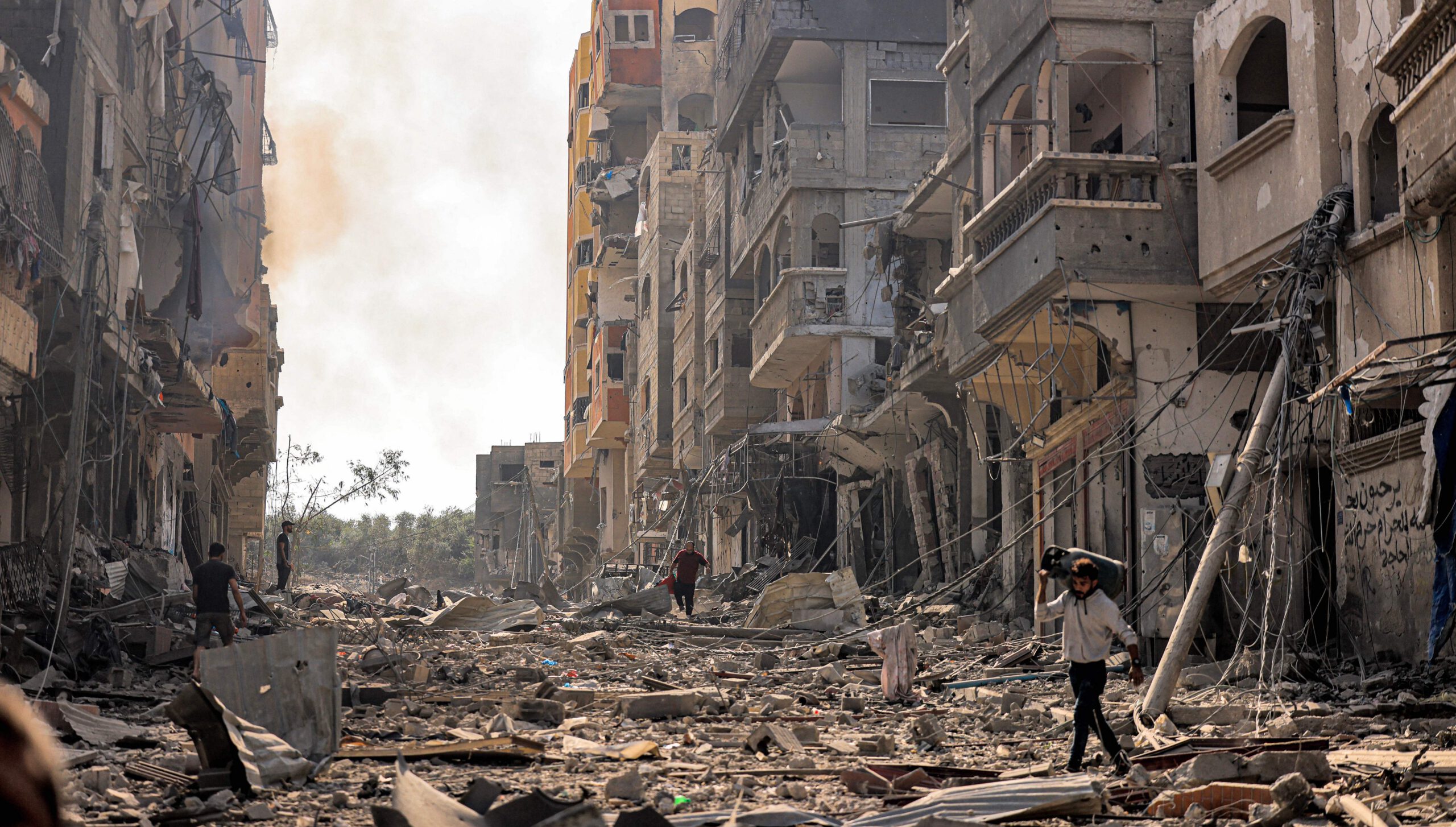
The scale of rebuilding needed after the Gaza war, in addition to the difficult political questions involved, will require close international coordination as well as innovative, future-informed thinking.
A report card on women’s integration into Arab militaries
A look at what Arab countries have done to implement the year 2000 UN Security Council resolution on women, peace, and security, especially in terms of increasing women’s presence in the armed forces.
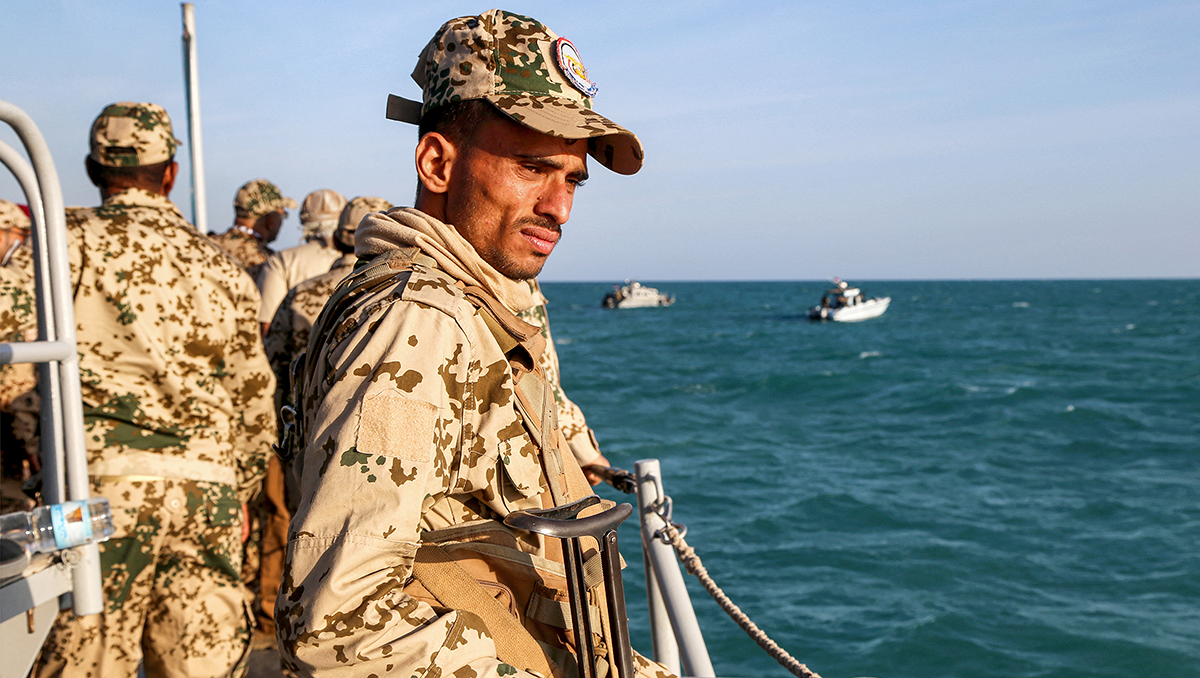
As Western options narrow, Yemen's anti-Houthi forces vie for US military support
In recent weeks, Yemen’s main anti-Houthi leaders have increasingly been sending the same message to the US, urging it to provide support in the fight against the Houthis on the ground. The provision of military assistance is still hypothetical but seems more and more plausible given developments in Yemen, triggered by the Houthis’ continuing attacks on maritime shipping in the Red Sea.
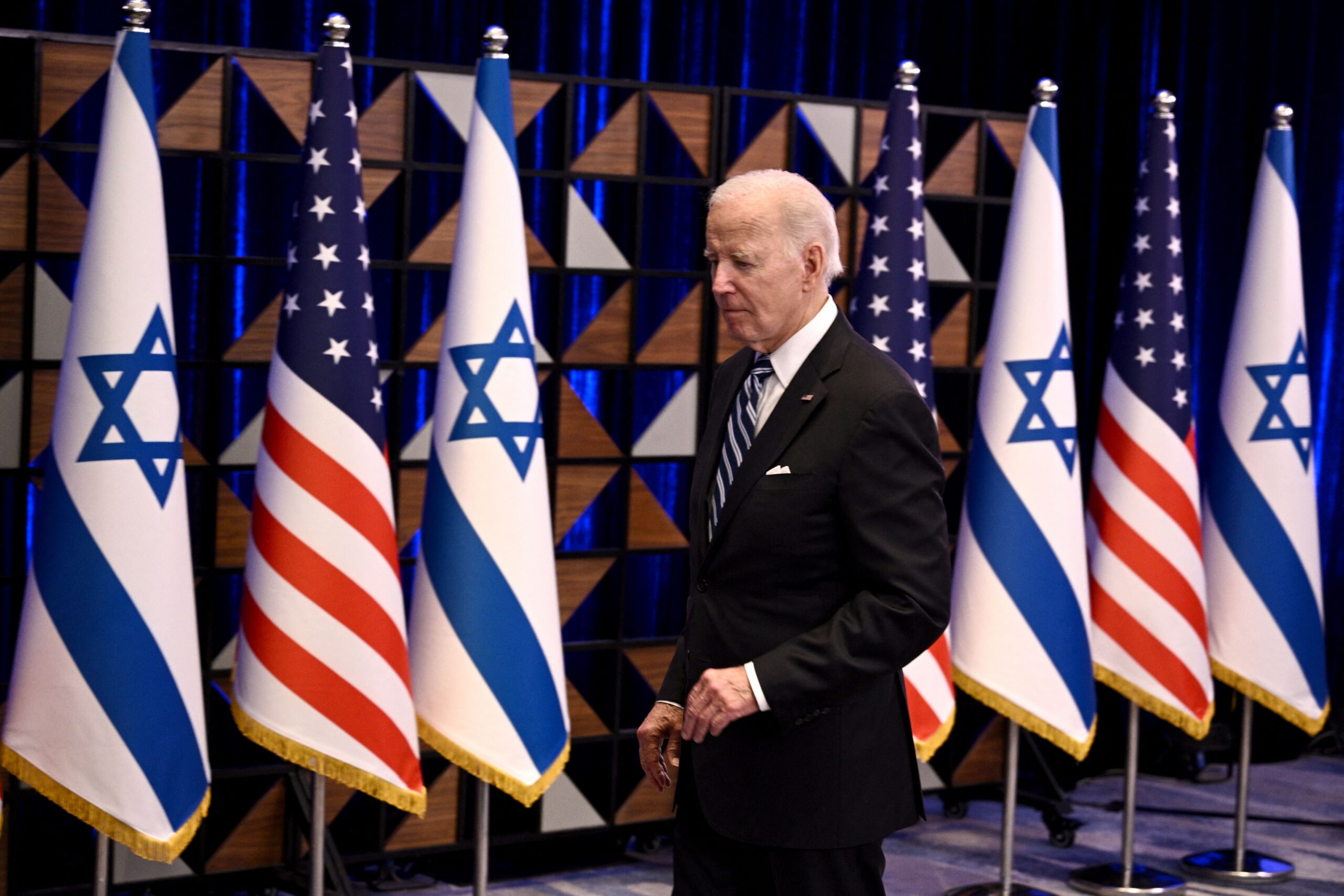
On 13 December 2023, following discussions with Israeli Prime Minister Benjamin Netanyahu on Israel’s military campaign in Gaza, US President Joe Biden rejected congressional calls to stop or condition US military assistance to the Jewish state.
“We’re not going to do a damn thing other than protect Israel in the process. Not a single thing,” he said at the time.
A month earlier, Vice President Kamala Harris said the United States “(was) not going to create any conditions on the support (it) was giving Israel to defend itself.”
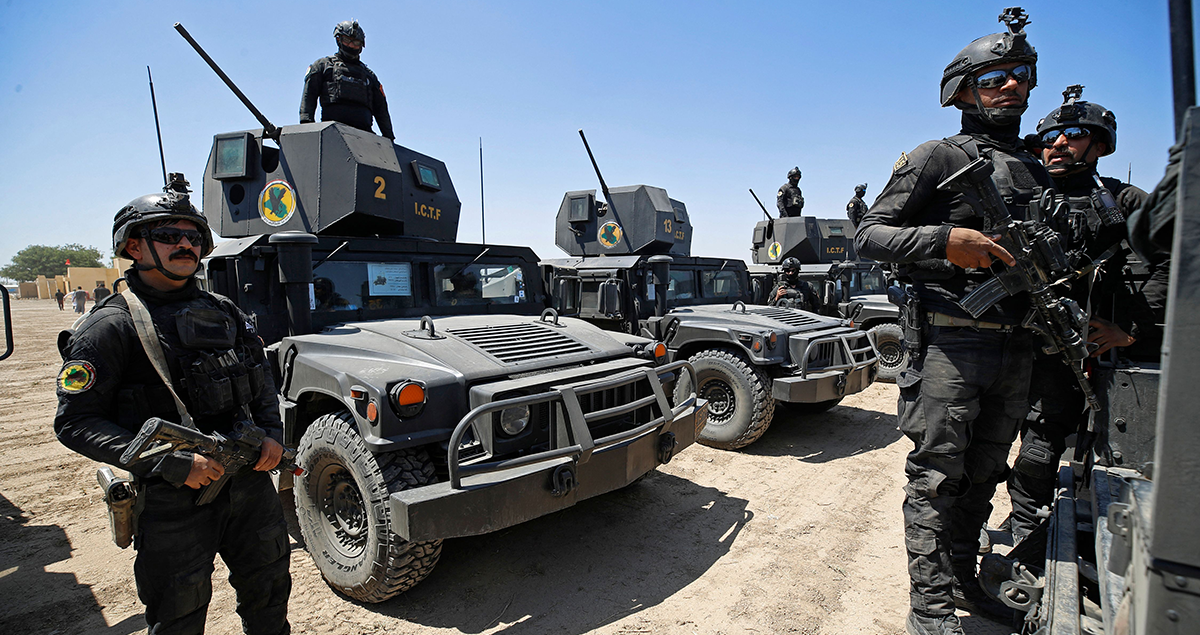
Maintaining the best thing the US built in Iraq: Continued support to the Iraqi Counterterrorism Service
As the US engages in a dialogue with the Iraqi government over the future of the coalition forces combating the Islamic State, Washington must ensure a continued relationship between the US Special Operations Forces and the Iraqi Counterterrorism Service.
“Exporting its internal problems”: Understanding Iran’s January missile salvos against its neighbors
In mid-January, with the war in Gaza continuing to rage on, Iran launched a series of surprise missile attacks on its immediate neighbors Iraq, Syria, and Pakistan over two days. Taken together, these attacks illustrate that the Islamic Republic puts regime survival above national interest in its foreign policy calculations, which undermines its efforts to engender solidarity and good relations with other Muslim-majority states in the region.
The Biden Administration’s National Cybersecurity Strategy: Opportunities and Challenges
The Biden administration’s National Cybersecurity Strategy, published in March 2023, outlines how the White House plans on defending America’s digital ecosystem from malicious threat actors. The document defines key priorities for shaping a global cyber landscape that is more resilient and secure, but the administration will face obstacles and challenges while putting its plan into action. Overcoming these obstacles will require it to devise flexible, sustainable, and realistic policies at home and establish robust cyber coalitions and trade frameworks with allies and partners abroad.
From Yemen to Palestine: The strategic depth of the Houthi-Iranian alliance
Houthi rhetoric focusing on Palestine underscores the militia’s strategic alliance with Tehran as part of the “Axis of Resistance.” This relationship, central to understanding the Houthi movement’s actions and narratives, frames its position within the larger geopolitical contest in the Middle East.
The Biden administration has largely relied on airstrikes to prevent the Houthis from causing further harm to international maritime trade in the Red Sea and the Gulf of Aden. But as we have seen already, this approach is unlikely to work against an armed group that has survived years of such one-off attacks from above. To effectively degrade the military capacity of the Houthis, a comprehensive and fully-resourced interdiction regime at sea is needed to target their supply lines and deny them the use of various forms of Iranian assistance.