Integration or conflict in northeastern Syria? Ten key points to consider
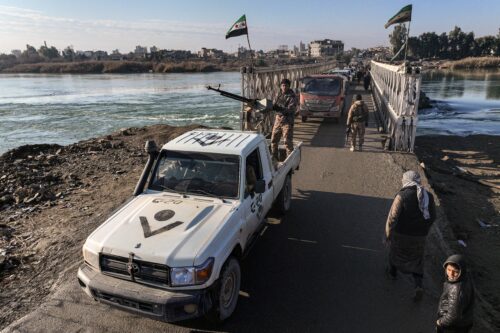
After 10 months of US-mediated talks failed to achieve an integration of the Syrian Democratic Forces into Syria’s transitional state, hostilities erupted in early January. US diplomacy stepped in to try to calm tensions and force through the integration of the SDF’s Kurdish core into the Syrian state. Here are 10 key takeaways and indications of where things could go next.
Ambiguous Uncertainties: Phase Two of Trump’s Plan for Gaza
MEI Senior Fellow Lucy Kurtzer-Ellenbogen joins hosts Alistair Taylor and Matthew Czekaj to discuss the latest developments in Gaza. Nearly four months after the Israeli government and Hamas agreed to President Donald Trump’s 20-point plan, Washington has announced that phase two of the process is now underway. Kurtzer-Ellenbogen, Taylor, and Czekaj examine the humanitarian situation in the devastated coastal strip, assess what phase two could entail, break down how international actors are responding, and explore what would need to happen to realize the plan’s aspirations.
Media and politicians on both sides of the Atlantic are hyping the idea that President Trump’s attempt to gain sovereign control of Greenland has caused unprecedented and irreparable damage to the over 75 year-old Transatlantic Alliance. This “analysis” stems from multiple sources. On both sides of the ocean, there are those who pounce on any deviation from the norm by Trump as evidence the world as we know it is ending. And in Europe, there is the human but unattractive reaction of weak, dependent states against their one powerful ally when it rejects Europe’s preferred script. Much of the US media criticism is summarized by the concept that our other NATO allies can never again “trust” the US.
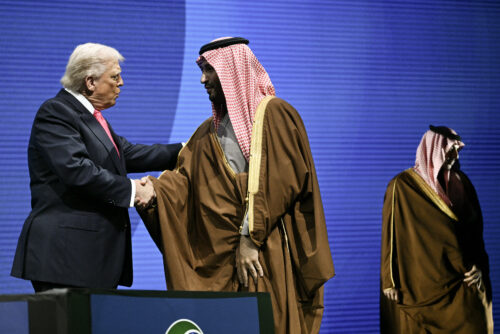
The US Commerce Department announced on November 19, 2025, that it had authorized the export of advanced American semiconductor chips to HUMAIN of Saudi Arabia and G42 of the United Arab Emirates. The approval enables both companies to purchase up to 35,000 Blackwell chips (GB300s). This sale is a core component of a broader “Compute Diplomacy” approach under the second administration of President Donald J. Trump, which was solidified following his May 2025 visit to the Gulf, where a series of multibillion-dollar artificial intelligence (AI) infrastructure agreements were signed.
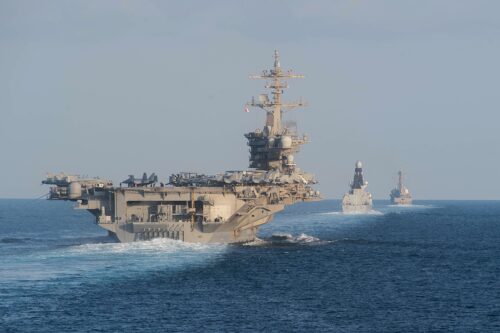
From a US military build-up in the region to Trump’s growing unpopularity at home, several factors could influence his decision on whether or not to attack.
Ankara’s double win: Kurds, Israel, and the new Syria
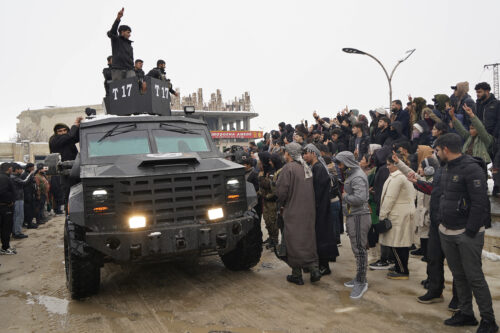
Whether the truce between Damascus and the Kurdish-led Syrian Democratic Forces holds or collapses will have major implications for neighboring Turkey, which has long-standing interests in Syria, but recent developments already point to a win for Ankara.
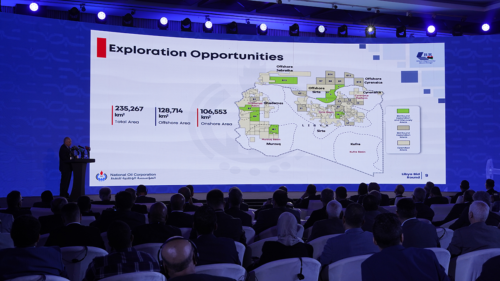
The question facing international oil companies is not whether Libya has oil and gas to develop. It does. The question is whether the country’s current political, economic, and security conditions allow that potential to be converted into reliable returns — and whether near-term changes could alter that calculation.
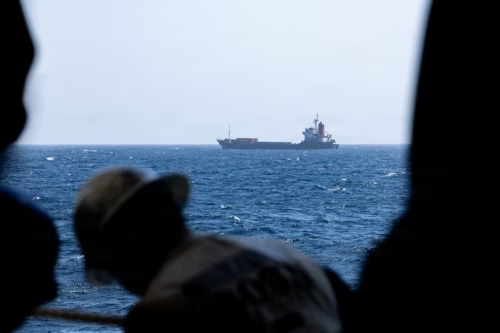
Despite escalating conflicts, sanctions, and strategic rivalry across key producing regions, the global oil market increasingly behaves less like a system gripped by scarcity fears and more like one struggling to absorb abundance.
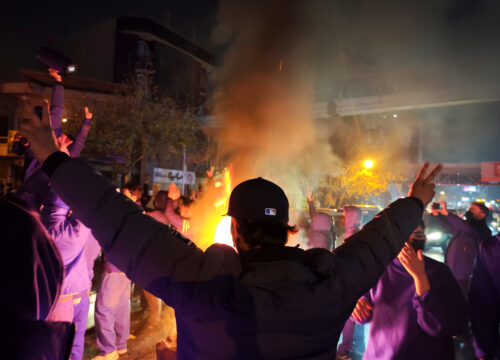
Brian sits down with Behnam Taleblu, Senior Fellow at the Foundation for Defense of Democracies, to unpack the ongoing protests in Iran and what this moment reveals about the long struggle between the state and the street. They discuss the regime’s brutal crackdown, the prospect of US intervention, and what both could mean for the future of the Islamic Republic. The episode centers on agency, imagination, and the possibilities facing Iranians at a critical juncture in the country’s history.
Iran’s coming reckoning: Regime collapse is likely — democracy is not
The collapse of the Iranian regime in its present form now seems more plausible than its survival as a functioning state. Yet the emergence of a democratic Iran remains far from certain. Between these two outcomes lies a volatile and dangerous middle ground. But much will depend on four factors.
Potential US military strikes on Iran: This won’t be another 12-Day War
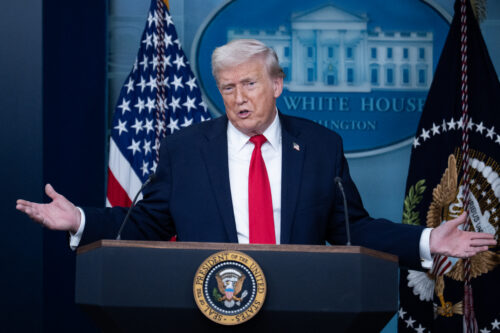
President Donald Trump has sharply warned the Iranian regime to halt its brutal crackdown on protesters. Amid speculation that the US is preparing for military action in Iran, Washington should take the lessons and fundamentally different context of its successful June 2025 operation against the Islamic Republic into account as it plans for how to respond.
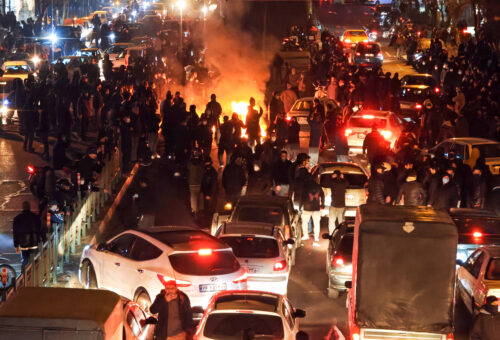
Iran protests seem different. They may lead to real change.
People are not protesting because they suddenly discovered activism. They are protesting because the habits of coping and waiting for conditions to improve have finally stopped working.
Venezuela’s Shadow Over MENA: Perceptions and Precedents
MEI Vice President for Policy Ken Pollack joins hosts Alistair Taylor and Matthew Czekaj to explore what the precedent set by the Trump administration’s military capture of Venezuelan President Nicolás Maduro could mean for US policy in the Middle East — particularly in light of ongoing anti-regime protests in Iran. The conversation unpacks the reverberations of Operation Absolute Resolve, Washington’s options for and potential consequences of responding to the Iranian regime’s brutal crackdown, regional perceptions of recent US actions and stated objectives, and broader questions around the direction of the Trump administration’s evolving grand strategy.
Khamenei did this to himself. The US can help — without another Middle East quagmire
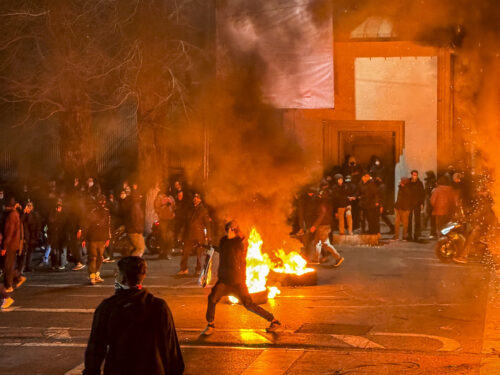
Last week, Iran’s Supreme Leader Ali Khamenei effectively greenlit mass killing to save his regime. His message was blunt: blood would be spilled to preserve the system. His security forces followed through, unleashing a level of violence against protesters that even by the Islamic Republic’s grim standards marks a dangerous escalation.