War as a catalyst for greater Black Sea-Gulf interconnectivity
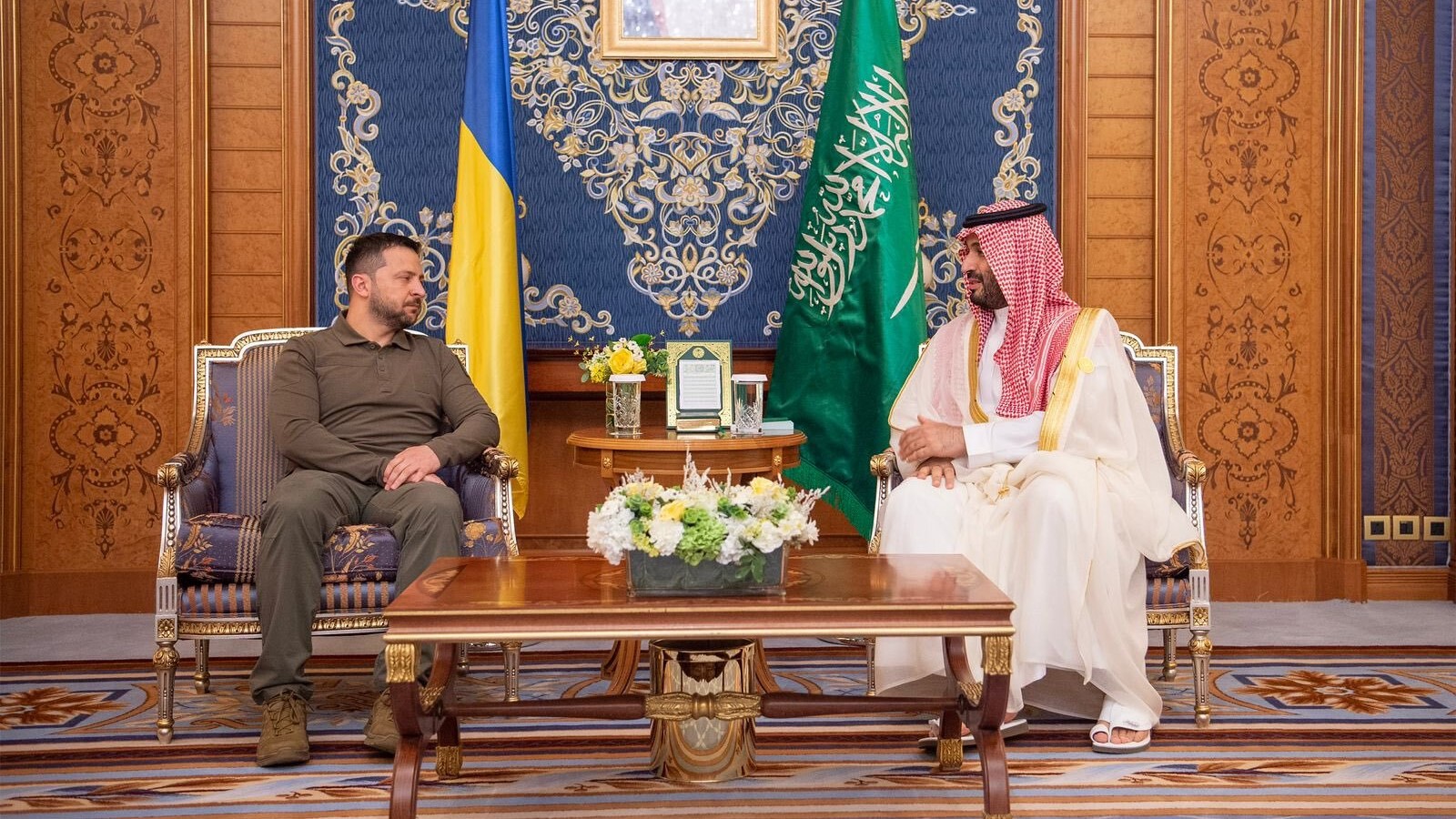
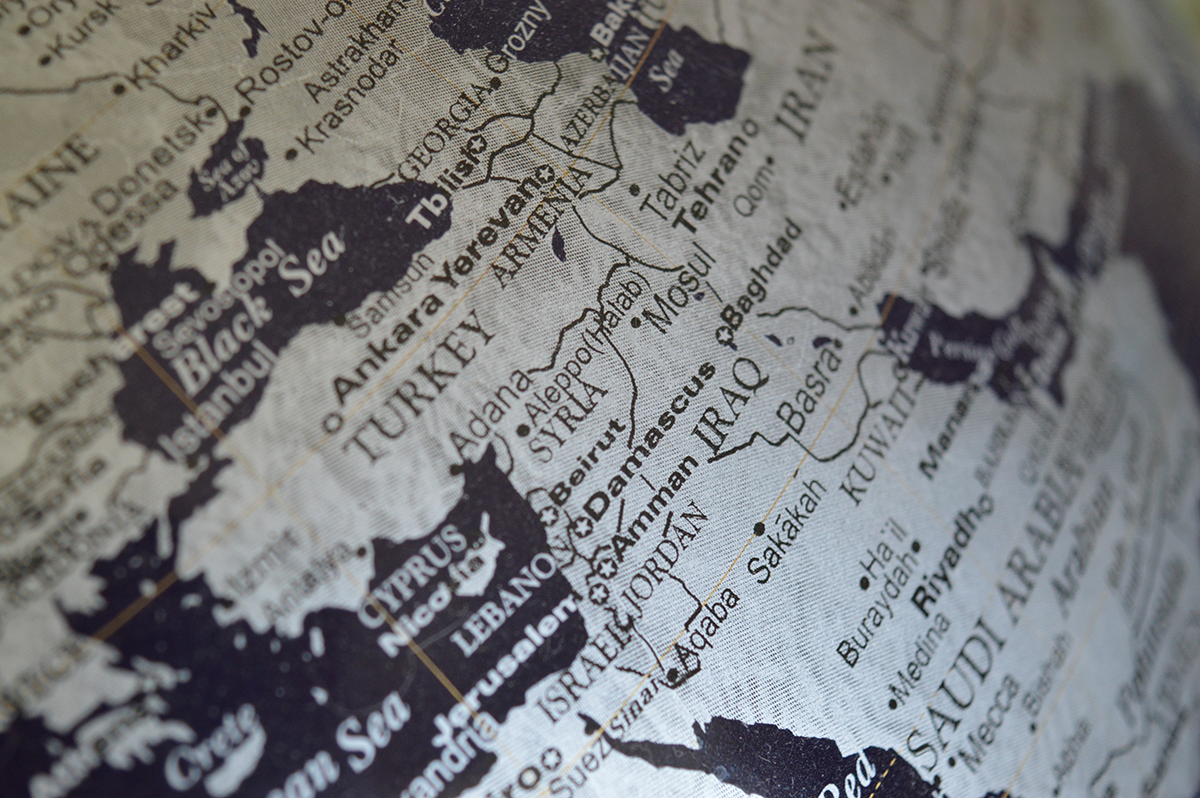
Russia’s full-scale invasion of Ukraine has destabilized and distressed the entire Black Sea neighborhood. Yet despite the war, or perhaps because of it, strategically important foreign direct investments into Black Sea littoral countries, including from the Gulf, have endured or even grown.
Navigating complex maritime security challenges in the Black and Mediterranean seas: Insights from the updated EUMSS
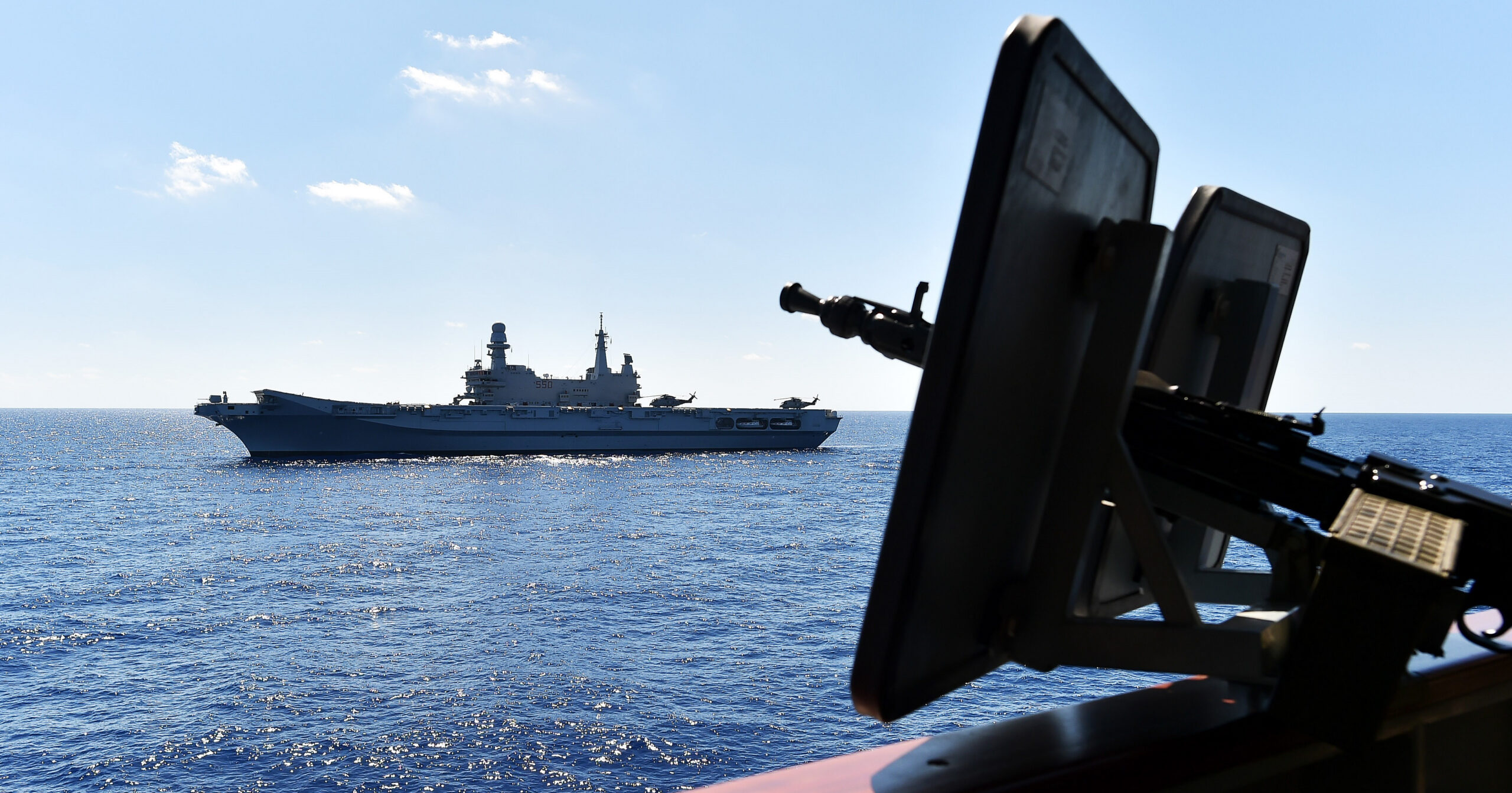
Russia’s February 2022 full-scale invasion of Ukraine helped influence the updated European Maritime Security Strategy’s approach to the Black and Mediterranean seas, with implicit and explicit references to the war dispersed throughout the document. The updated EUMSS showcases the wide array of security issues present in the region, including seaborne UXOs, human and drug trafficking, and threats to critical infrastructure. But security in the Black and Mediterranean seas will require greater cooperation with non-EU countries.
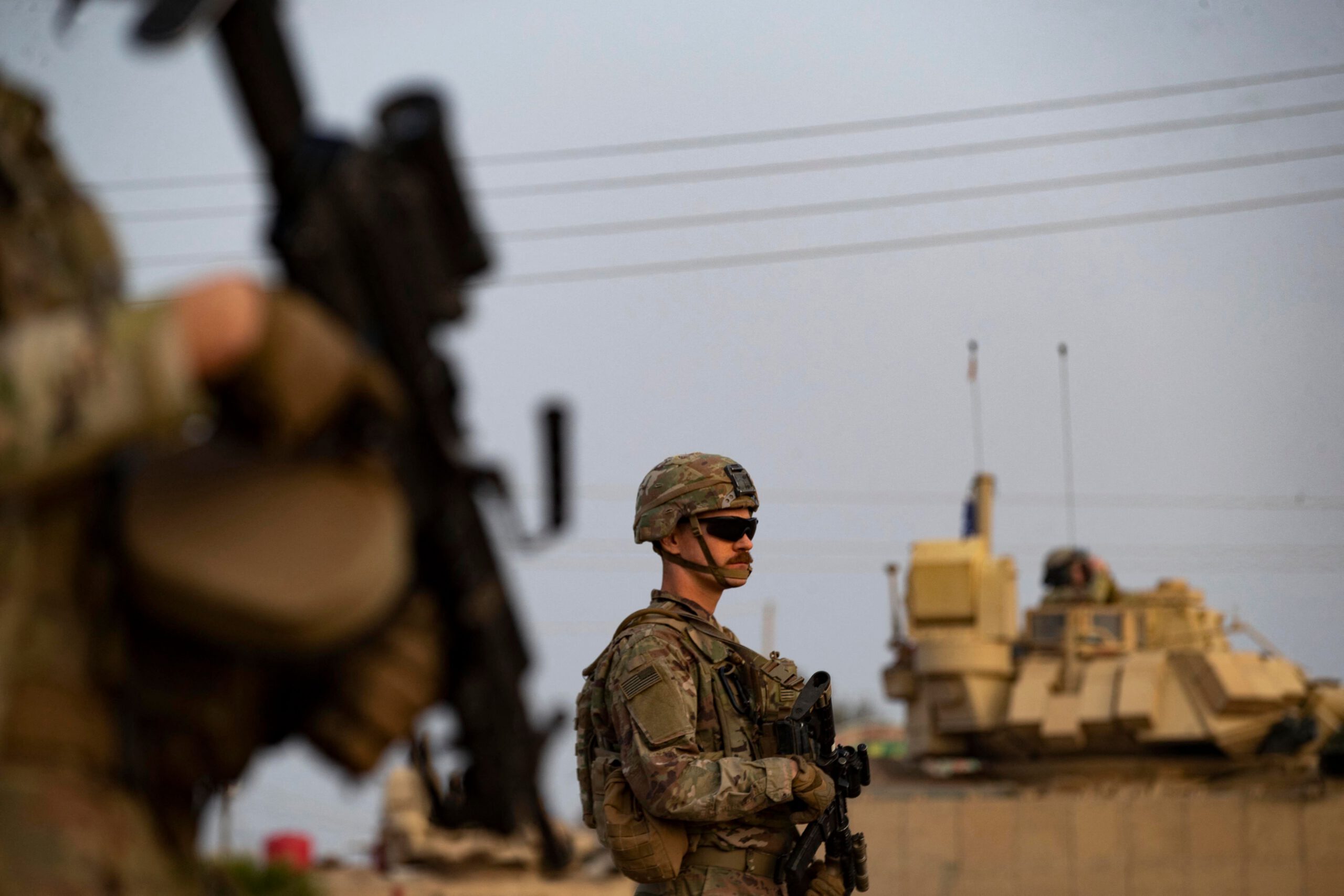
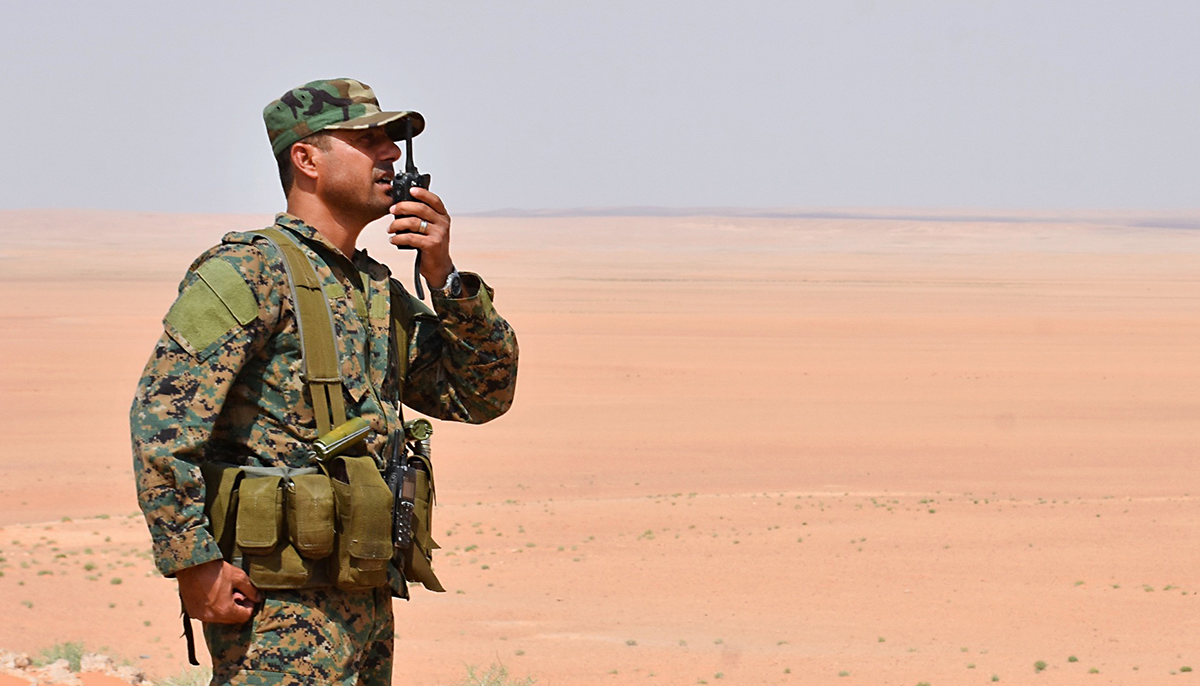
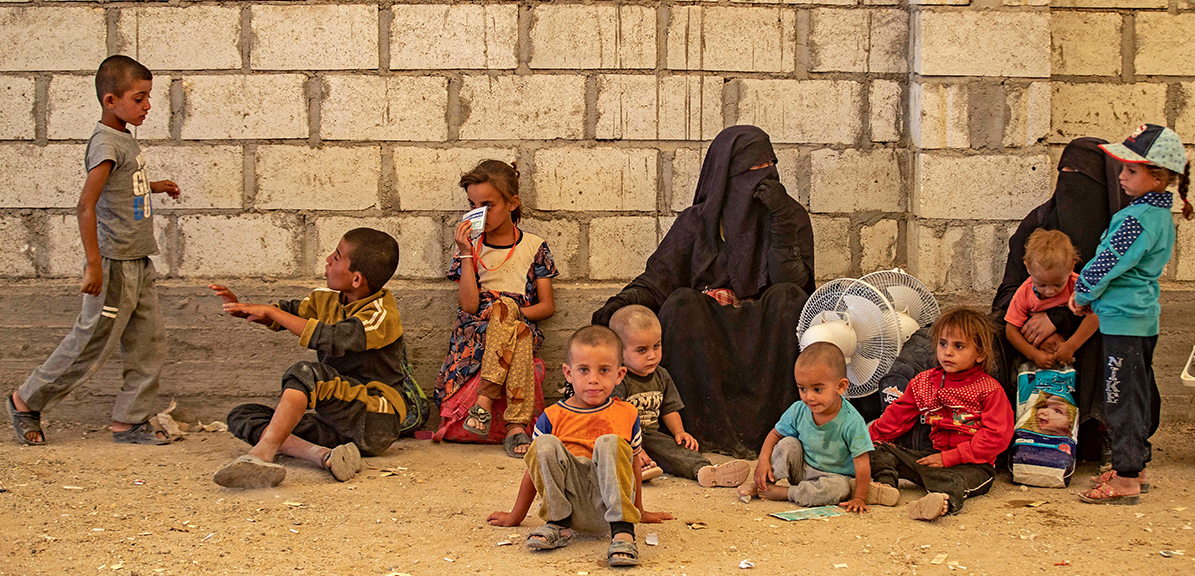
The U.S. administration is tacitly contributing to growing acceptance and re-normalization of Syrian President Bashar al-Assad, the 21st century’s most notorious war criminal, putting in jeopardy the continuation of our counter-terrorism mission in Syria. Assad is toasting his survival on the ashes of his victims — but within the small community of optimistic actors in Syria, ISIS is sitting pretty comfortably too.
It has been an accepted fact that ISIS ceased being a territory-controlling entity in Syria after its March 2019 defeat in the town of Baghouz. Yet it is perhaps time to reevaluate this perspective on the group and its insurgent trajectory in the country. While recent massacres of civilians in central Syria have refocused some international attention on the desert region, known as the Badia, the renewed widespread battles between militants and regime security forces that have occurred in parallel to these attacks have gone unnoticed.
The long Ukraine war: It’s time to transition to a more rational military assistance paradigm
Ukraine’s partners, led by the United States and spread over the globe, have increasingly responded to Russia’s full-scale invasion of February 2022 with a dizzying array of financial, humanitarian, and military assistance. Unfortunately, the way in which the U.S. and Ukraine’s other partners have provided military assistance over the last year — that is, by delivering a wide range of equipment, ammunition, and training — significantly undermines the longer-term objective of developing a sustainable system via which Ukraine can generate combat power in the coming years to overcome Russian aggression.
The complex web of interdependence and threat balancing that prevents war between Iran and Azerbaijan
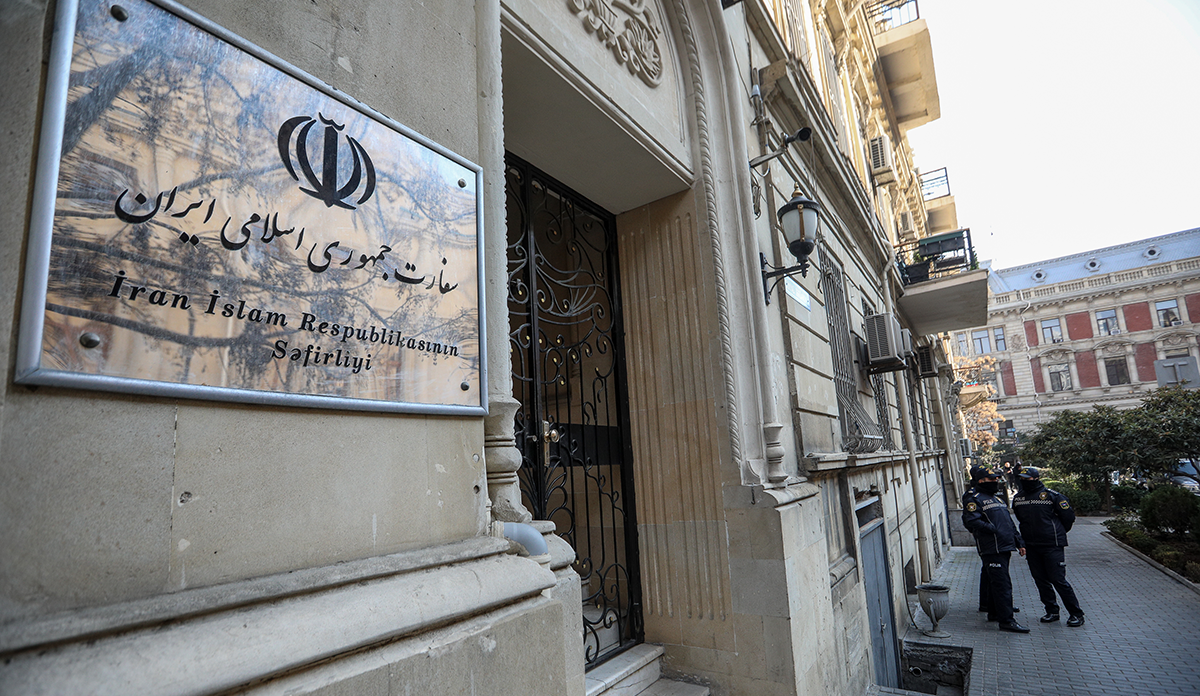
Relations between Tehran and Baku have long had their ups and downs, but a recent series of events in late March have once again brought tensions to a boil. However, despite the mutual threat perceptions, the recurring tensions between the two countries have not gotten out of control and led to military conflict. In fact, over the past three decades, relations between Tehran and Baku have consistently followed a cycle of escalating and de-escalating tensions.
Israel and Azerbaijan: Trusted friends and reliable partners
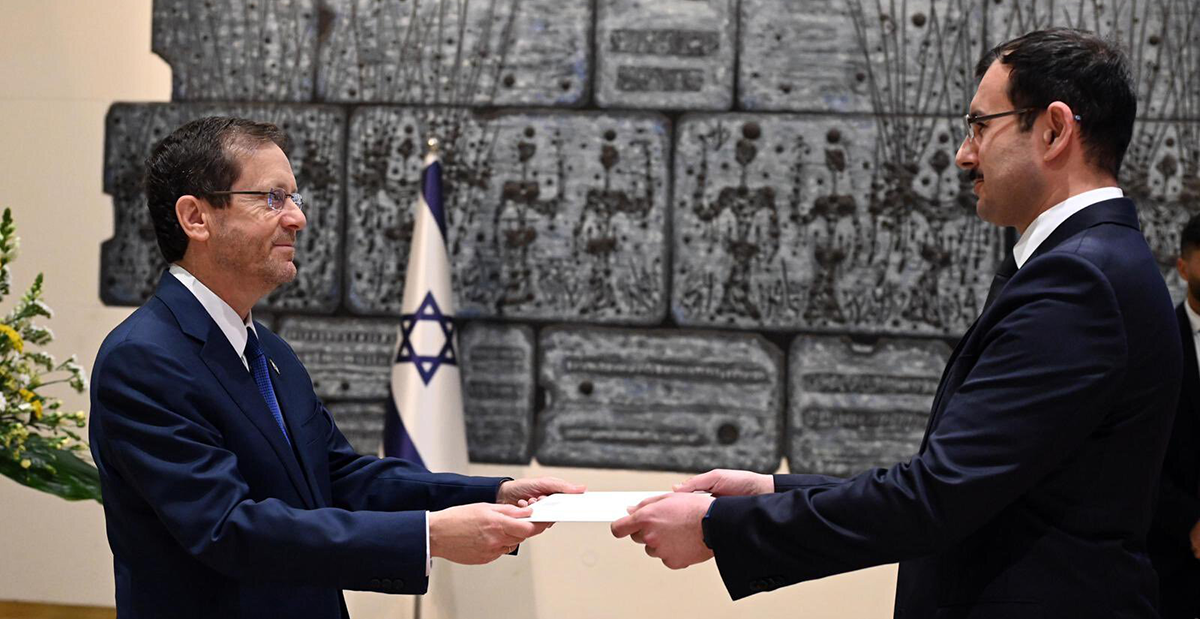
Israeli-Azerbaijani relations are based on two main pillars: patient and cordial political relations as well as defense cooperation and arms sales. While the former reached a more intensive level this year, with the opening of an Azerbaijani embassy in Tel Aviv in late March, the latter pillar of the relationship was well developed long before, as Israel became Azerbaijan’s largest weapons supplier.
French President Emmanuel Macron is taking Ursula von der Leyen with him on his trip to China next week. Von der Leyen is president of the European Commission and, until now, one of the European Union’s (EU) staunchest supporters of Ukraine. The two are scheduled to arrive in Beijing on April 4. While Macron’s visit had been announced some time ago, von der Leyen’s recent decision to join gives the trip a pan-European stamp of approval. But for what?
Russia’s occupation strategy — the biggest long-term threat to Ukraine’s stability
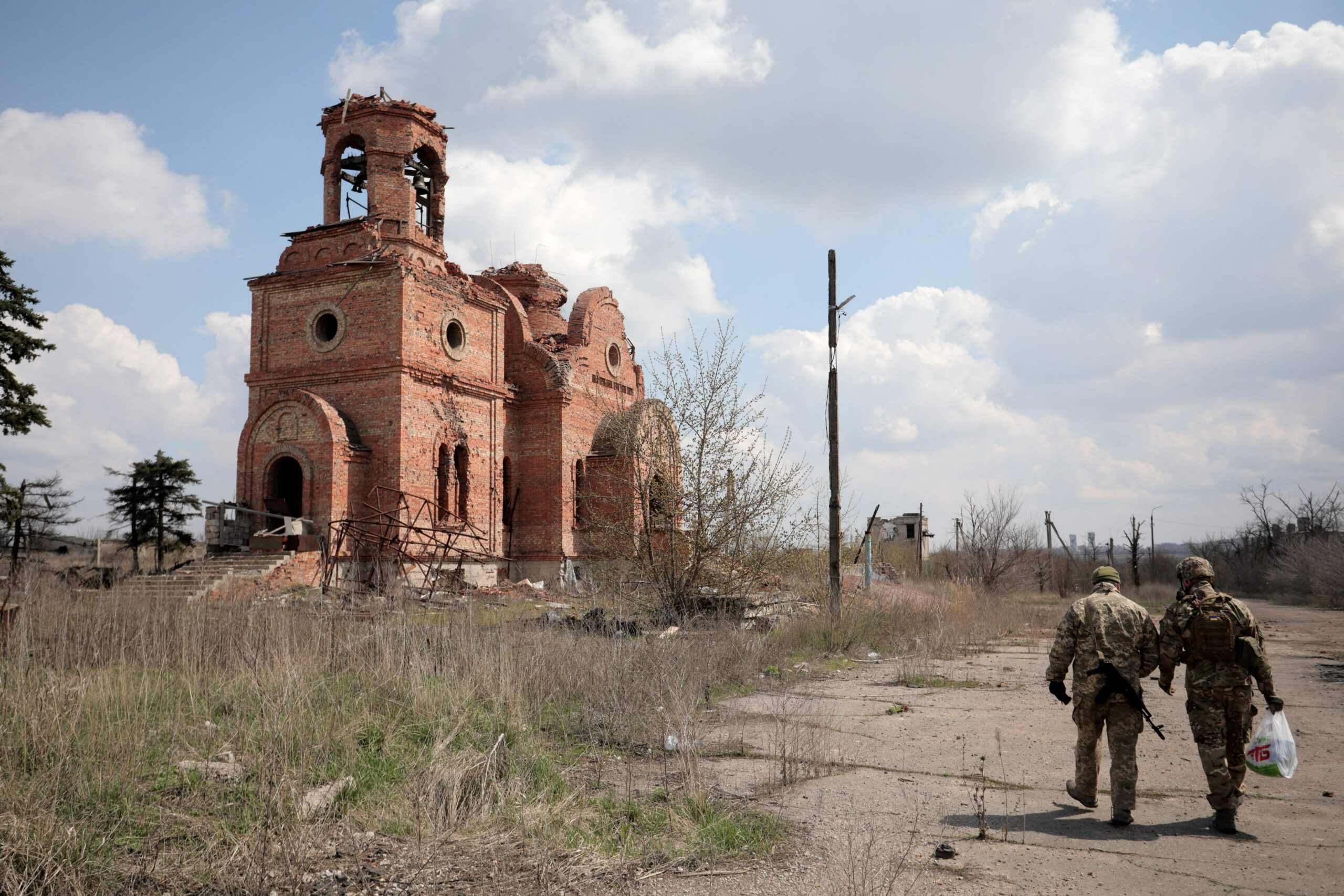
Repeatedly throughout Russia’s history, its authorities have employed unlawful occupations, annexations, deportations, filtration, and ethnic dilution through an influx of Russian settlers to control and reshape the Eurasian map in favor of Russian expansionism. The de-occupation and reintegration of the Russian-controlled territories of Ukraine can be the only guarantee of durable peace in the heart of Europe.
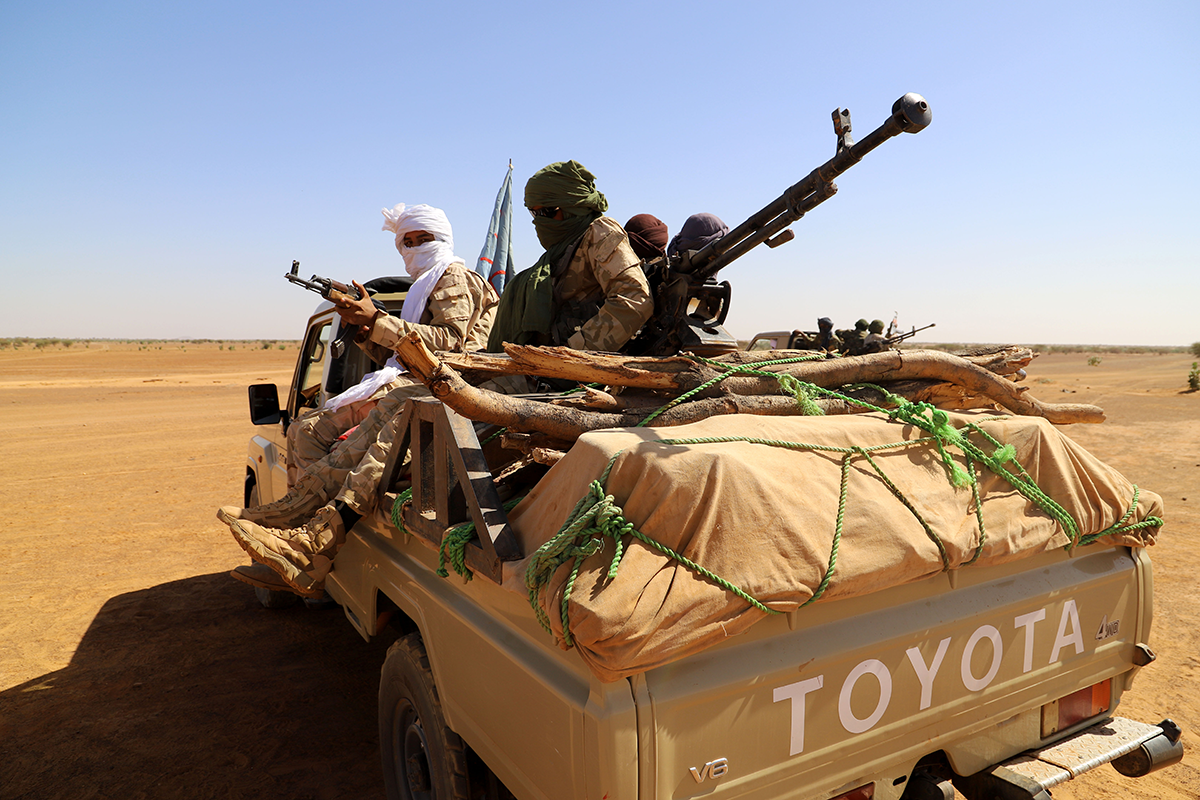
In Disorder, They Thrive: How Rural Distress Fuels Militancy and Banditry in the Central Sahel
The central Sahel — Burkina Faso, Mali, and Niger — is buffeted by three main forms of armed conflict that overlap and fuel each other: communal conflict, banditry, and violent extremism. These conflicts are partly rooted in a crisis of governance in rural areas, and are exacerbated by climate change, demographics, and internal and cross-border migration.
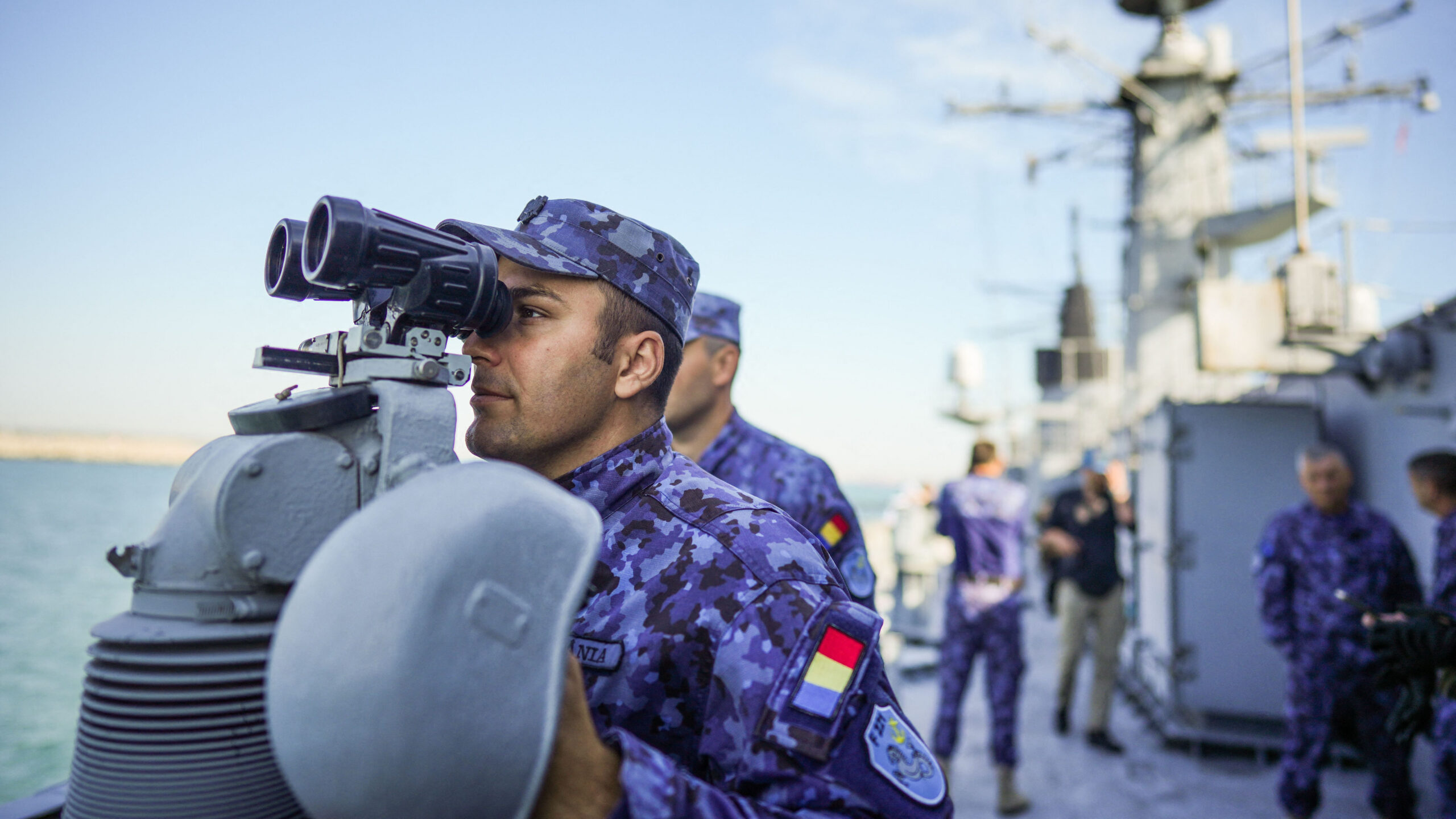
The challenge of defending NATO’s Black Sea borderland: The view from Bucharest
While the U.S. and its NATO allies work on developing a Black Sea strategy, Washington should continue to cooperation with the Romanian Armed Forces, encourage the Romanians to build up their capabilities, and support the Romanian military’s officer corps development. In a multipolar world, solutions will need to be first and foremost regional — and in the Black Sea region, the Romanian Naval and Special Forces are a solid anchor for European stability.