Tajikistan’s evolving relations with the Taliban 2.0
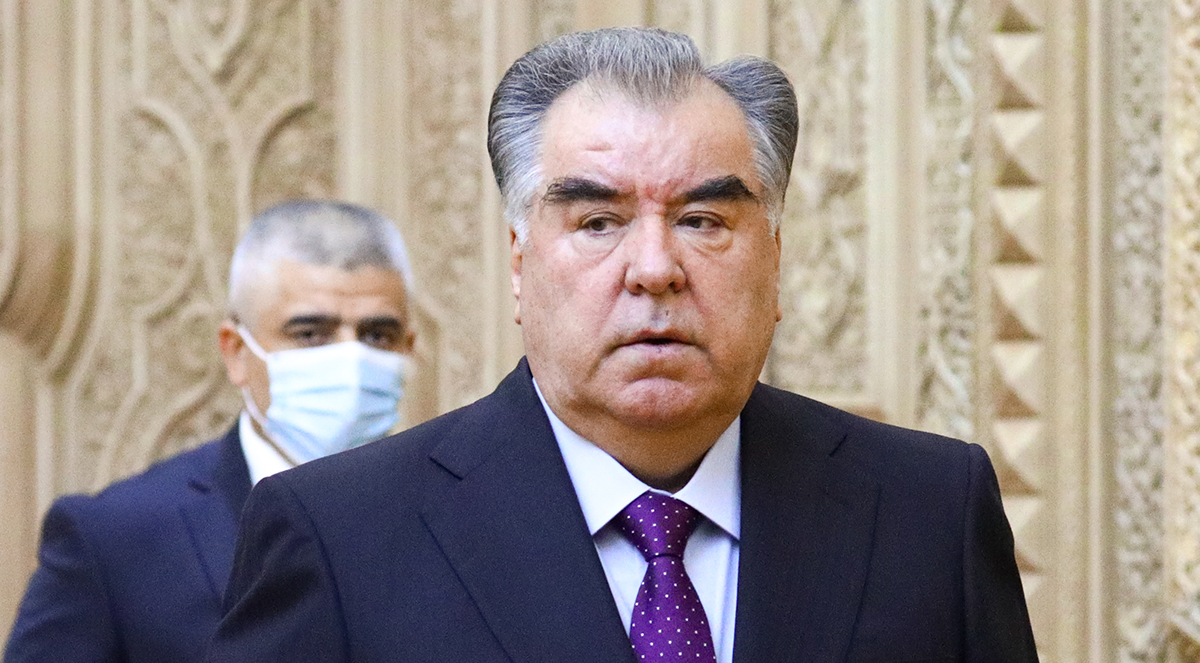
While the international community has adopted a “wait-and-see” attitude toward the Afghan Taliban, Tajikistan has taken a sharply critical view. Rhetoric between Tajikistan and the Taliban is increasingly bitter, a symptom of a broader problem in their bilateral ties. Tajikistan’s President Emomali Rahmon has condemned the Taliban regime in Kabul for failing to form an inclusive government and for violating human rights in the Panjshir Valley. The Taliban have responded by warning Tajikistan not to interfere in Afghanistan’s internal affairs.
It is with heavy hearts that we in the MEI family mourn the sudden passing of Dr. James McGann, leader and visionary creator of the University of Pennsylvania’s Think Tanks and Civil Societies Program.
Iranians are disillusioned with Biden’s soft approach to the Islamic Republic
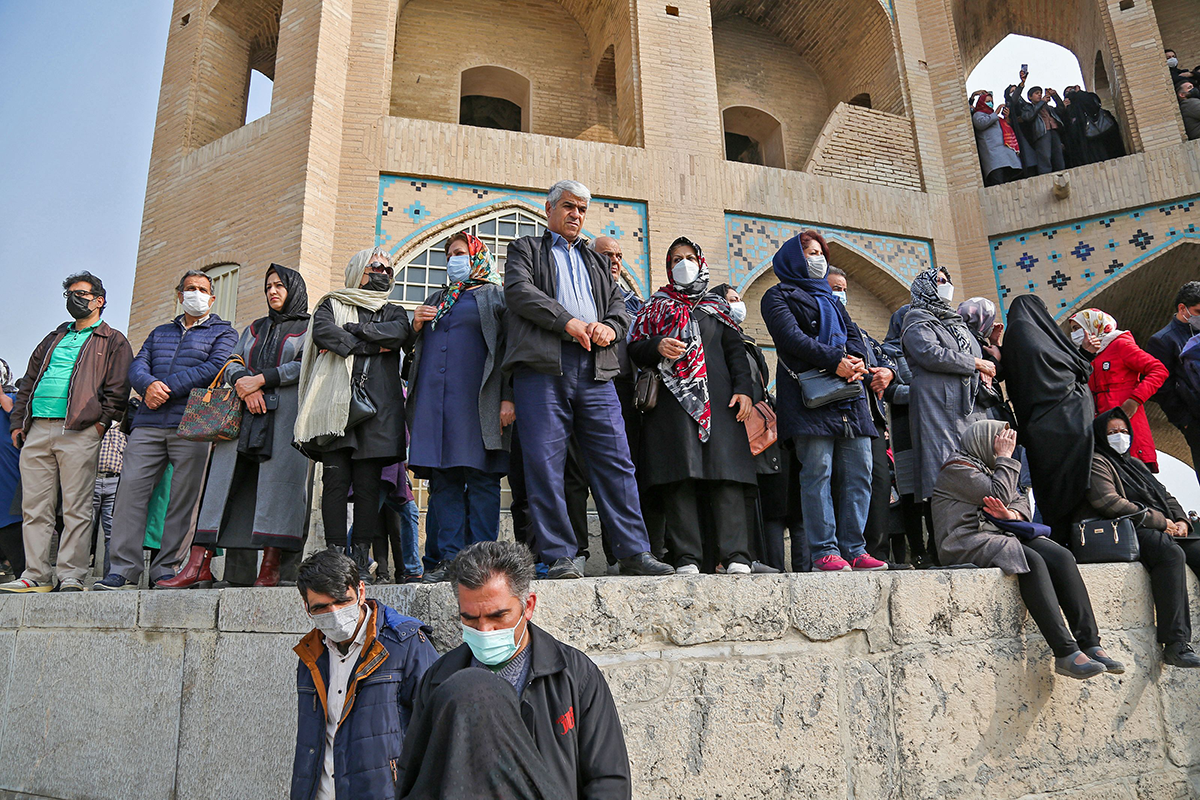
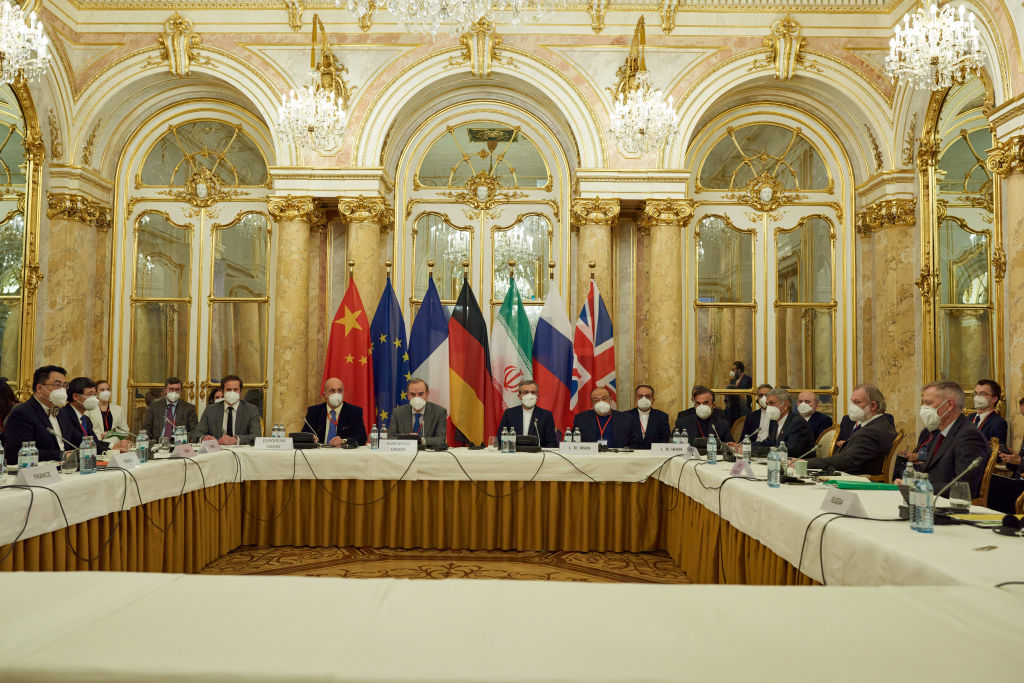
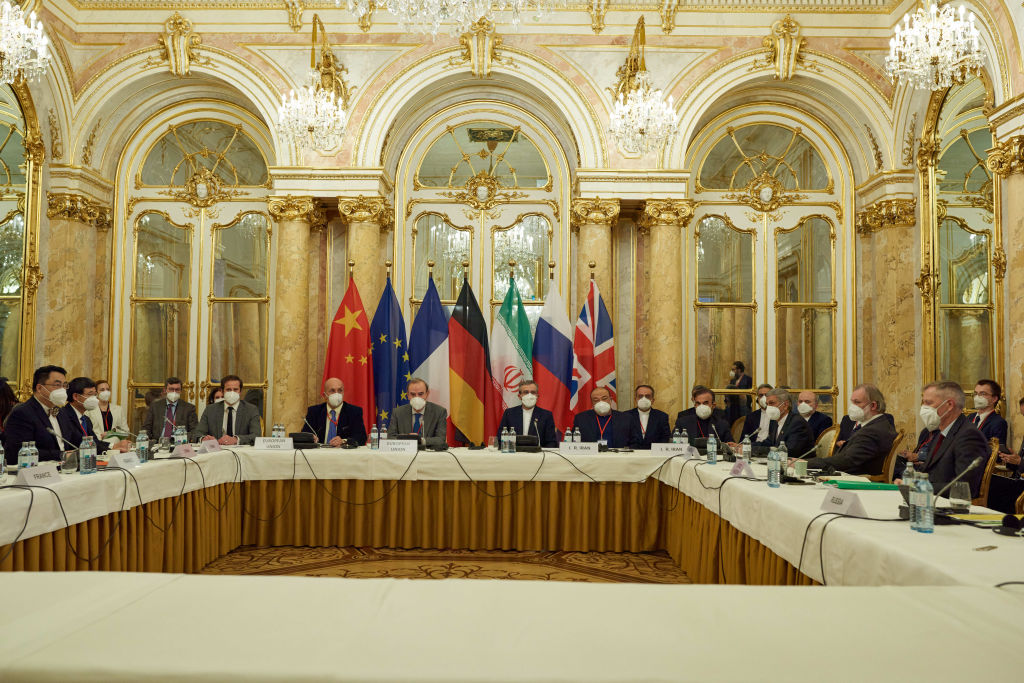
If the Biden administration makes concessions to appease the Islamic Republic of Iran as part of the recently resumed Vienna nuclear talks, it will be a historic mistake. The Islamic Republic is facing a deep legitimacy crisis of its own making, as a series of disastrous decisions have hardened the people’s views against the regime. These days, anyone who is seen to be throwing the Islamic Republic a lifeline will be wildly unpopular among Iranians.
The existential challenge of Jordan’s unquenchable thirst
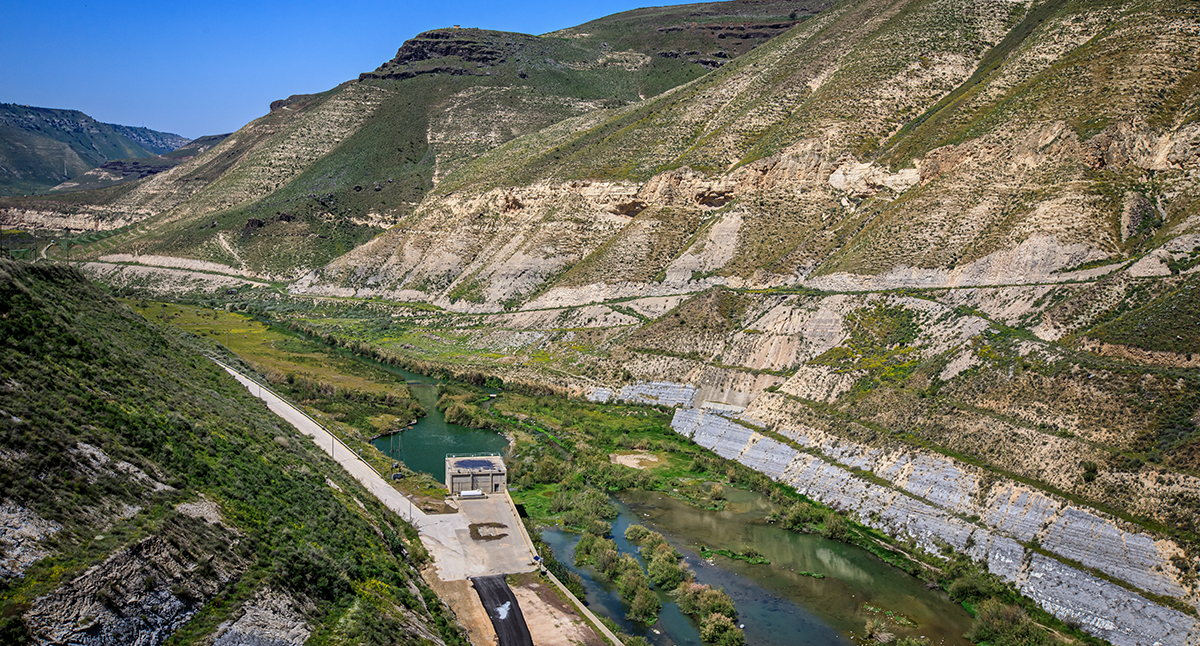
Jordan is facing an existential challenge and it has nothing to do with the deadlocked Israeli-Palestinian peace process, the war in neighboring Syria, or the threat of militant Islamists. The challenge is climate change, which is responsible for poor rainy seasons over the past few years. The situation has become so bad that in the past few weeks the government admitted that six of the kingdom’s 14 active dams have now completely dried up, exacerbating endemic shortages of water used for drinking, irrigation, and industry.
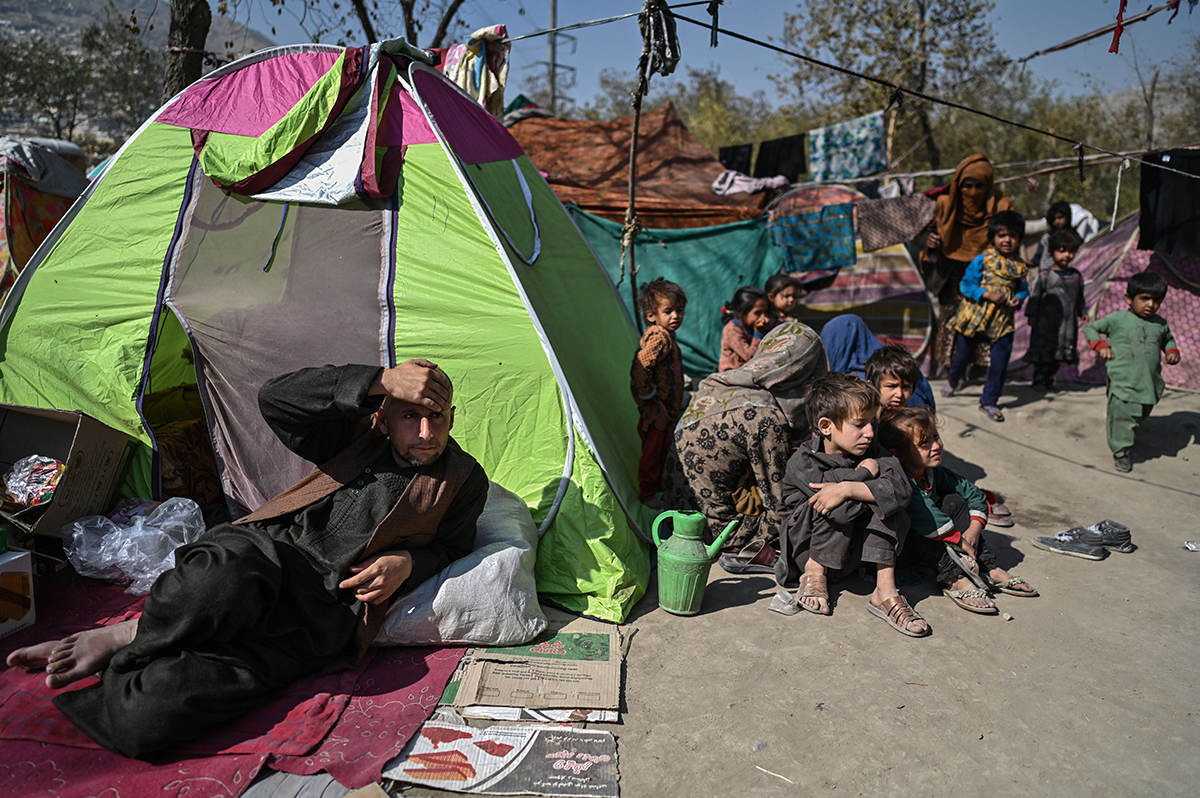
Since the hasty American withdrawal from Afghanistan in August, refugees have flowed out of the country and its domestic problems have grown increasingly dire due to the lack of effective governance and much-needed funding. Neighboring countries Iran, Pakistan, and China, along with other regional states and the U.S., now all face a dilemma as to how to stabilize the rapidly deteriorating internal situation. Further efforts must be made to address the growing economic and humanitarian crisis, especially before the onset of winter, although the nature and scope of these efforts are likely to be shaped by the broader competition between Washington and Beijing.
OPEC+ faces new tests to its market balancing strategy in 2022
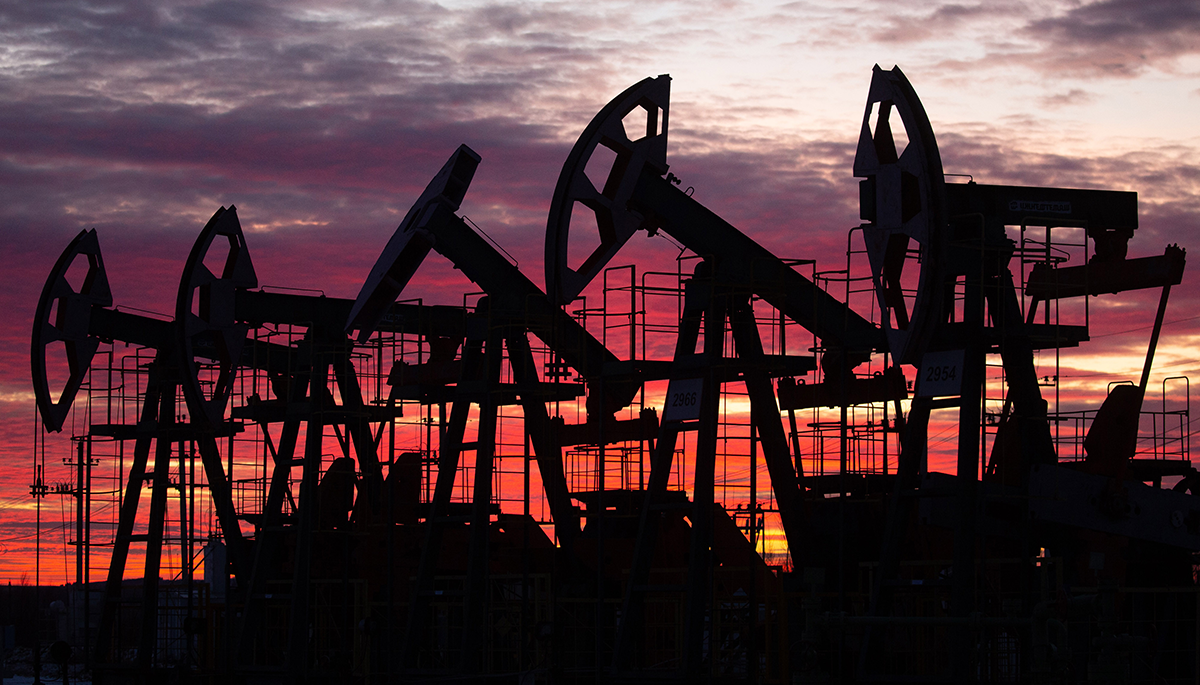
When President Joe Biden’s White House announced that it had successfully enlisted several major oil-consuming countries in an effort to coordinate releases from strategic petroleum reserves (SPRs) around the world, it looked like this would be the only major factor in oil markets that OPEC+ would need to consider at its upcoming meeting on Dec. 2. Then came Omicron. The newly discovered variant of the COVID-19 virus sent benchmark oil prices plunging on Nov. 26 as uncertainty over its impact roiled global markets.
منذ البداية، عرَّفت جمهورية إيران الإسلامية نفسها على أنها دولة دينية يتمتع فيها رجال الدين بمكانة مميزة. ومع ذلك، لم تتمكن السلطات قط من إخفاء مخاوفها المستمرة بشأن ما تعتبره فجوة متنامية بين أفكار العديد من رجال الدين الإيرانيين ووجهات نظر المرشد الأعلى لإيران.
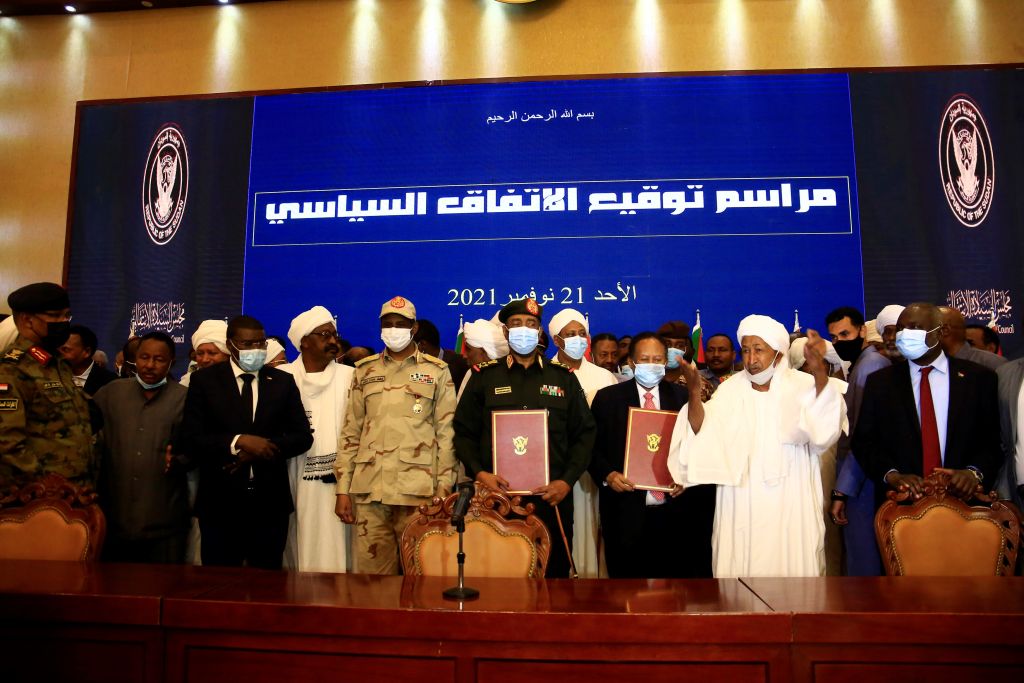
جنرالات السودان يتراجعون قليلًا لكن الأزمة لم تنته
منذ تولي الجنرالات السلطة الكاملة في السودان في 25 أكتوبر/تشرين الأول، ضغطت الولايات المتحدة والعديد من الجهات الفاعلة الأخرى على الجيش لإعادة رئيس الوزراء عبد الله حمدوك ووزرائه المدنيين إلى السلطة قبل استئناف المساعدة ومناقشات الإعفاء من الديون. لقد أحجم المجتمع الدولي عن تقديم 4 مليارات دولار من المساعدات الإنمائية وأوقف المناقشات بشأن ما يصل إلى 50 مليار دولار لتخفيف الديون.
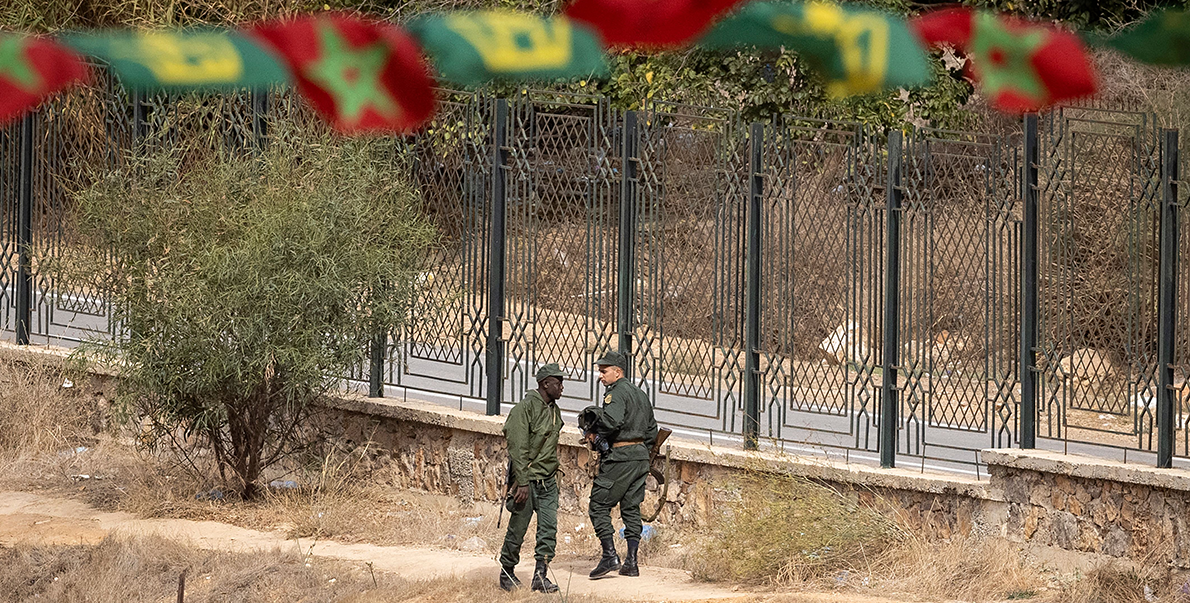
A Mysterious Bombing Heats Up the Algeria-Morocco Standoff
Algeria has blamed Morocco for a Nov. 1 bombing that killed three Algerian truckers in the disputed territory of Western Sahara, adding a new layer of uncertainty to ongoing tensions between the two hostile neighbors.
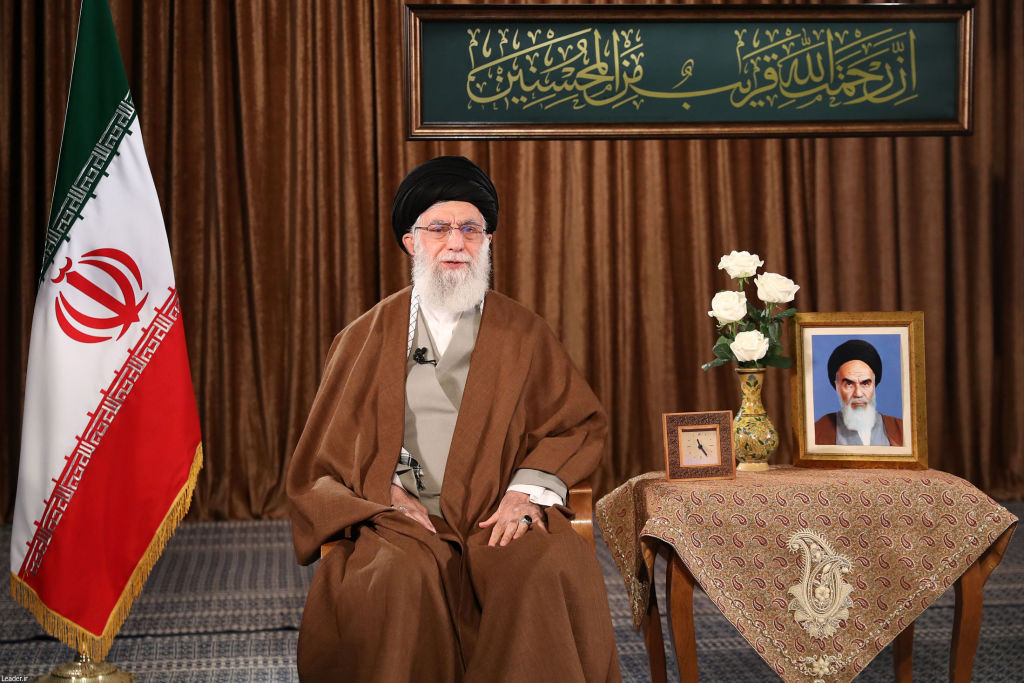
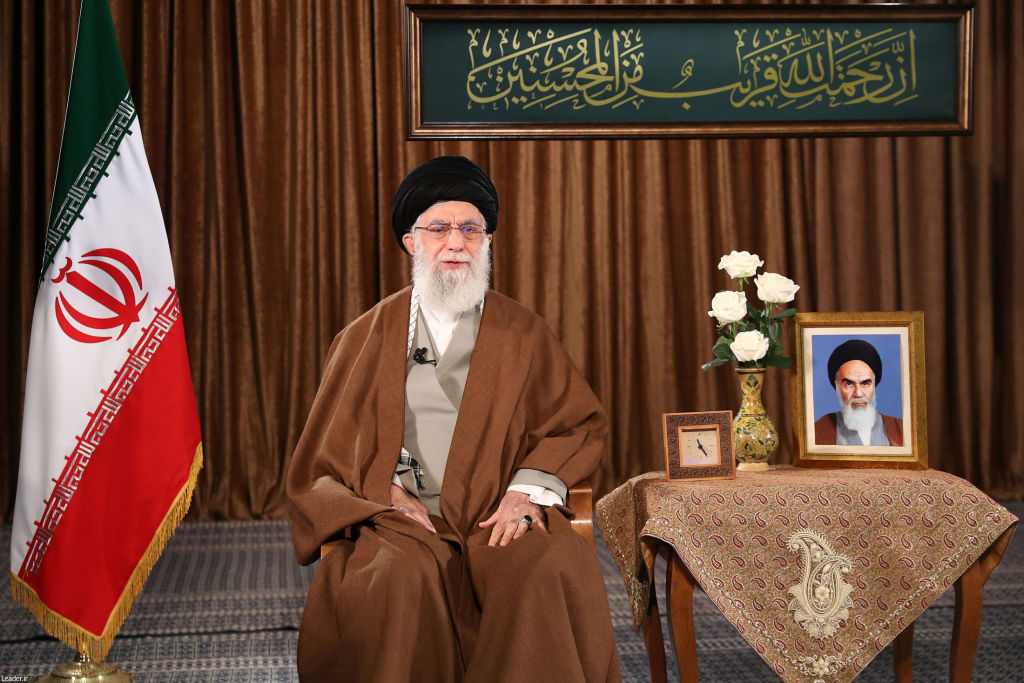
Khamenei’s concerns over the future of the Iranian clergy (Part 1)
The Islamic Republic of Iran, from the very beginning, has defined itself as a religious state, in which the clergy enjoy a privileged status. Nevertheless, the authorities have never managed to hide their fears over what they see as a growing gap between the ideas of many Iranian clerics and the views of Iran’s supreme leader.
Mohammed Mahmoud, director of MEI’s Climate and Water Program, and Abbey Krulik, who attended the recent United Nations Climate Change Conference, known as COP26, as an observer, discuss takeaways from the conference and the Glasgow Pact that was signed there.
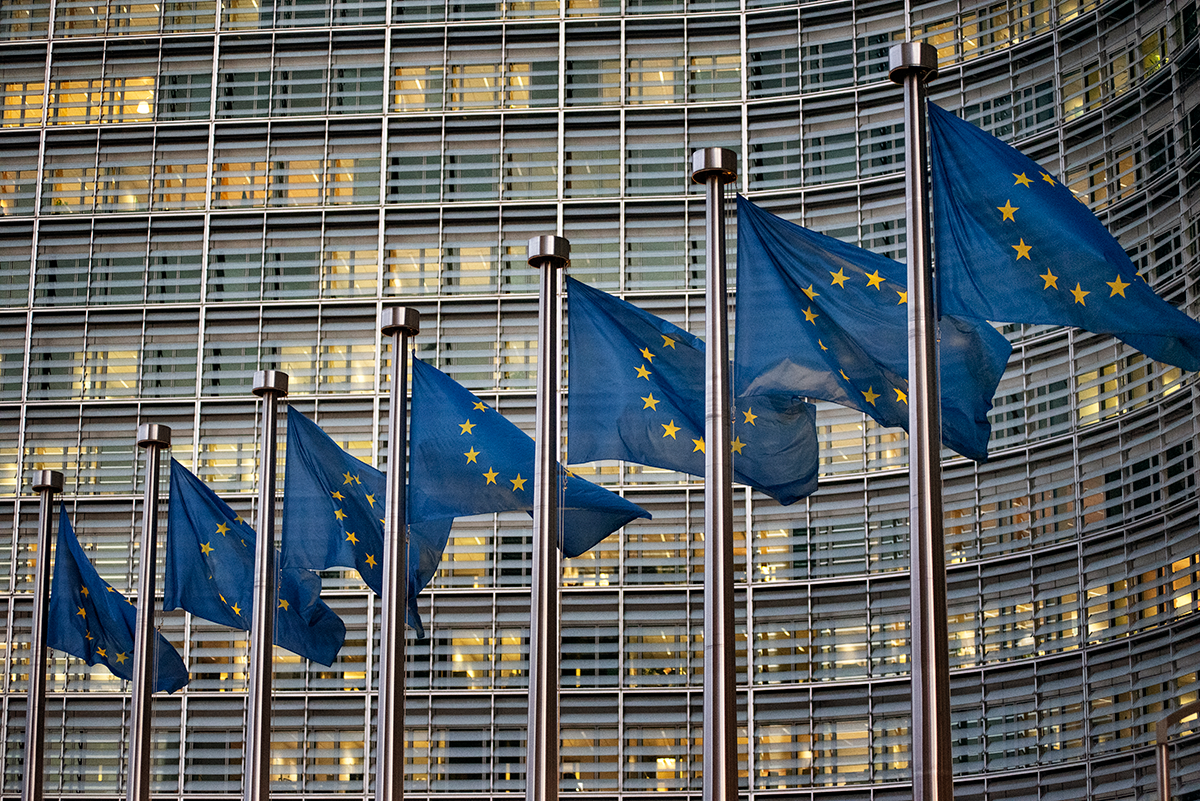
The EU’s Strategic Compass: Preparing to navigate MENA “with less US”
After almost two years of work, the first draft of the EU’s so-called Strategic Compass was presented on Nov. 15. The objective of this military strategic plan is to agree on a set of proposals to guide the bloc’s defense cooperation efforts for the next five to ten years. Previous attempts at seriously bolstering Europe’s defense ambitions have often been half-hearted, but this time could be different because Europe feels genuinely threatened.