Russian and Chinese views on the Israel-UAE normalization deal
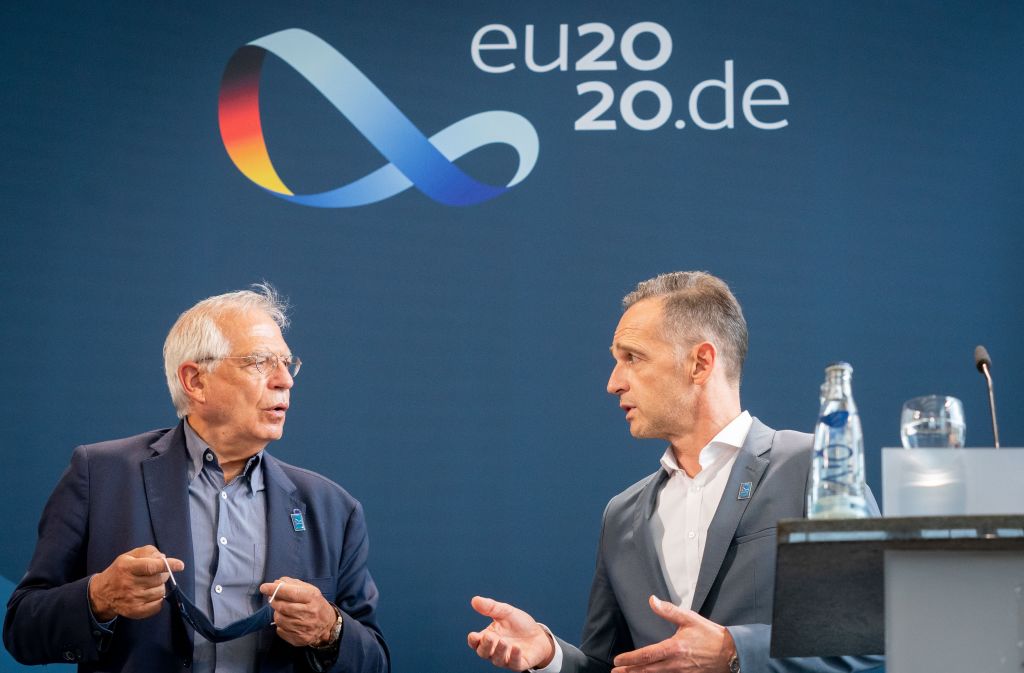
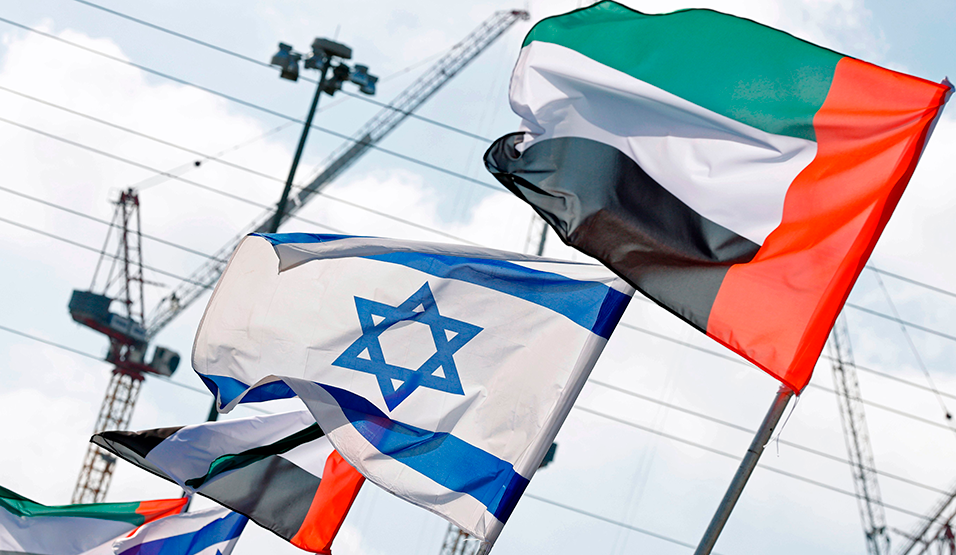
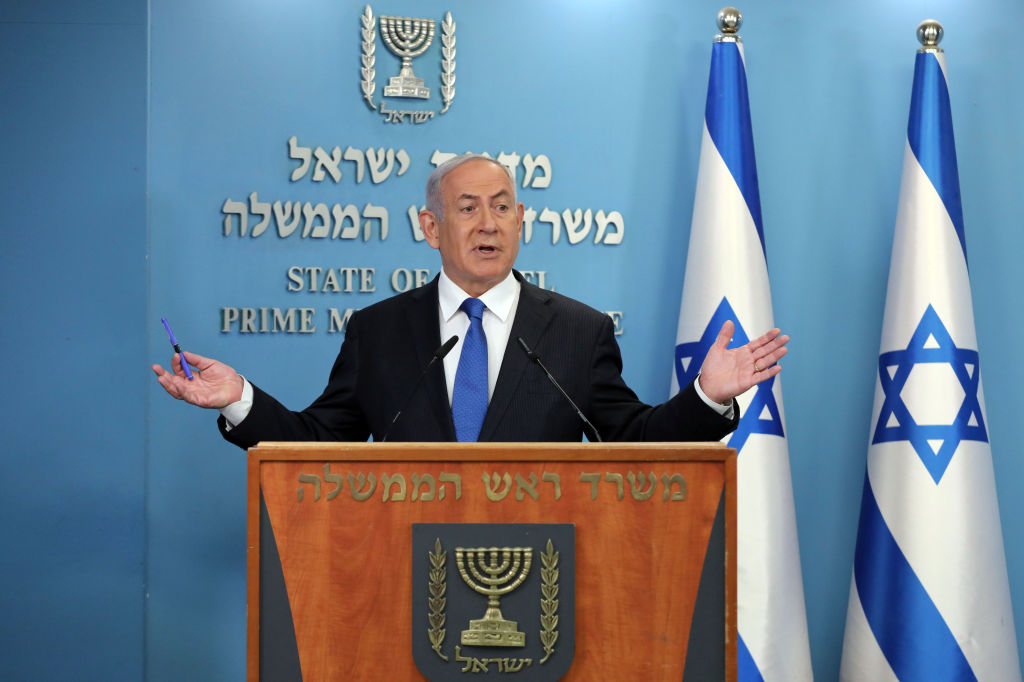
On Aug. 14, Israel and the United Arab Emirates (UAE) agreed to normalize diplomatic relations in exchange for a suspension of Israeli annexation plans in the West Bank. International reactions to this historic deal were sharply polarized, but the two main strategic rivals of the United States, Russia and China, responded cautiously to the announcement.
MEI’s Gerald Feierstein and Mick Mulroy join host Alistair Taylor to discuss the ongoing conflict in Yemen and the country faces crises on multiple fronts, from the unchecked spread of COVID-19 and widespread hunger to renewed fighting and a lack of international funding.
The Impact of Middle East Regional Competition on Security and Stability in the Horn of Africa
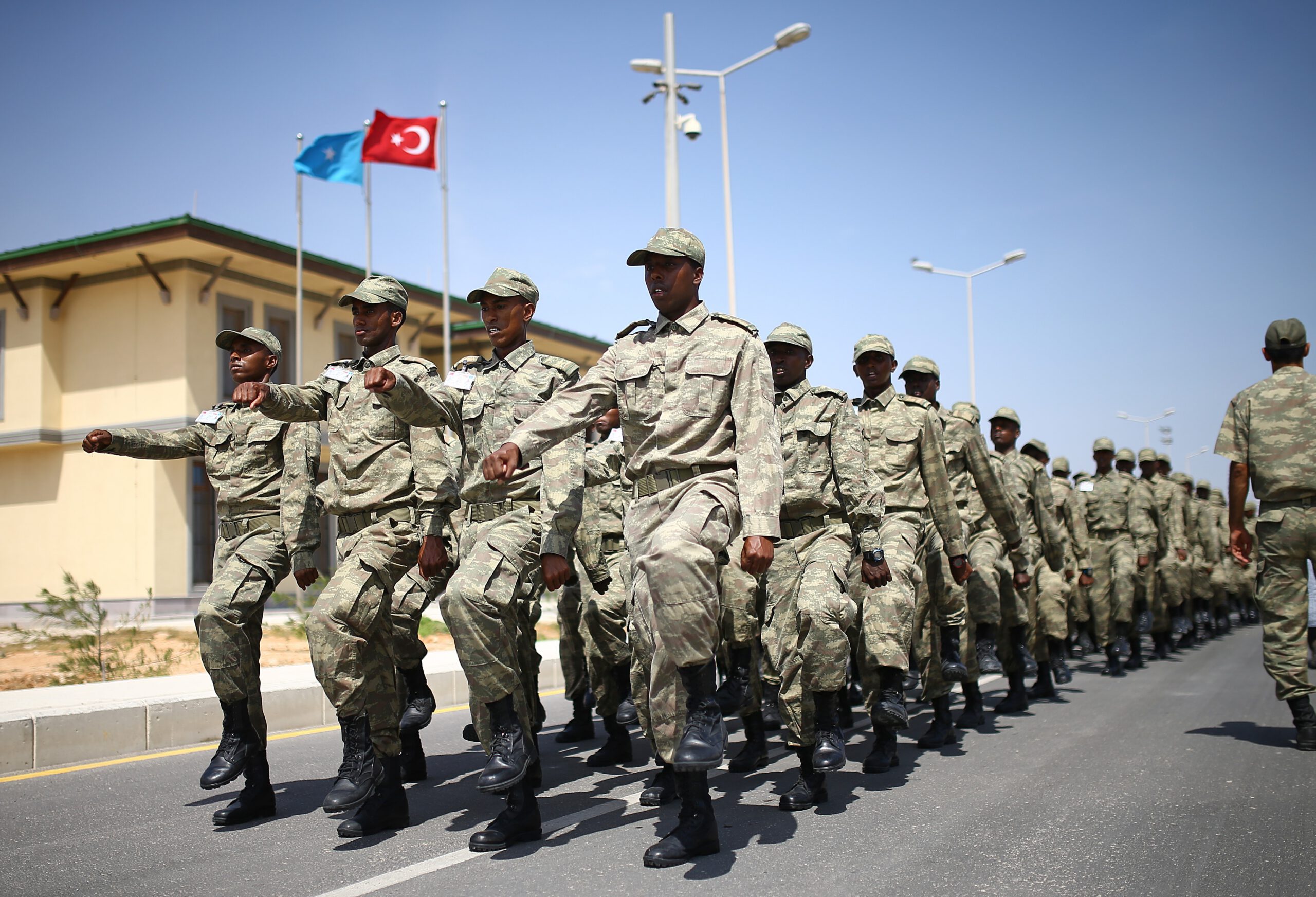
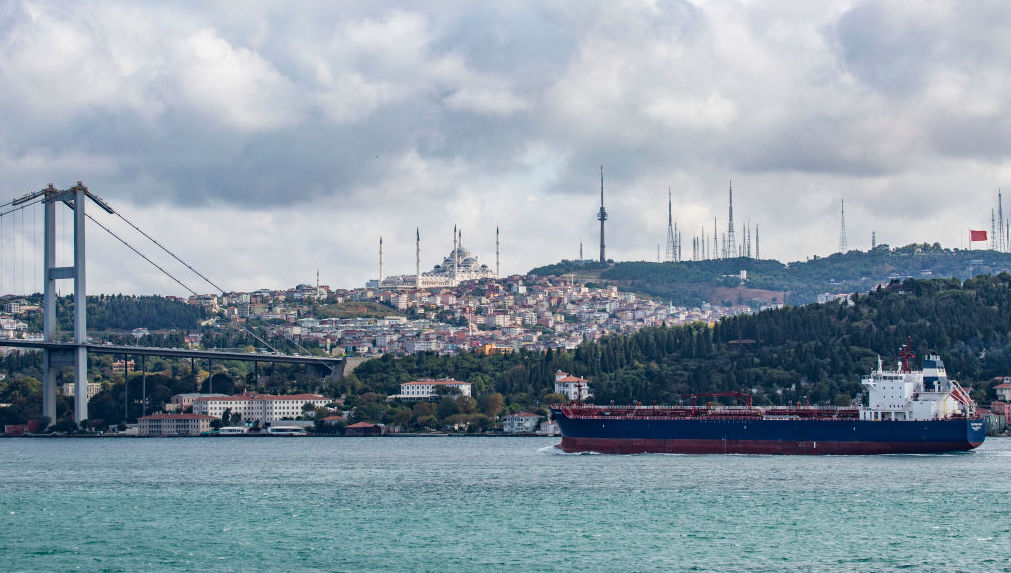
The relationship between the Middle East and the Horn of Africa is centuries-old and complex. While the world’s attention is focused mainly on the “great power competition” in the region, primarily between the U.S. and China, the Horn of Africa has also become a central battleground for influence among competing regional players, principally Saudi Arabia, the UAE, Turkey, Qatar, Iran, and Egypt. As they pursue their interests in the region, from Ethiopia and Sudan to Somalia and Djibouti, these competing states are the main drivers of tension and instability in the Horn of Africa.
Jordan’s apparent neutrality conceals deeper discomfort with UAE-Israel deal
The leaders of the Hashemite Kingdom of Jordan have traditionally been known as masters at staying as neutral as possible, especially when it comes to inter-Arab relations. This was on clear display in Amman’s response to the recent UAE-Israel rapprochement.
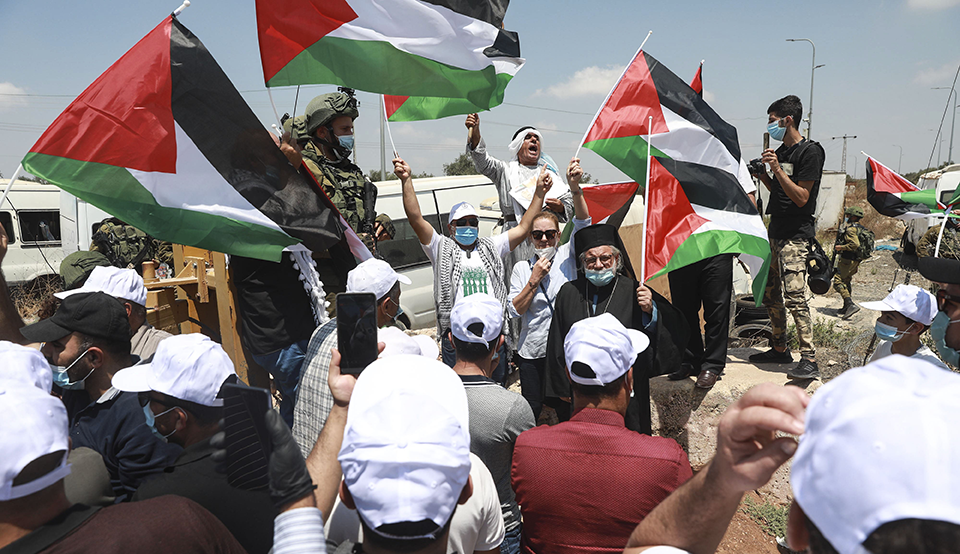
The agreement signed yesterday by Israel and the United Arab Emirates (UAE), in which the two countries agreed to a “full normalization of relations” in return for Israel suspending moves to formally annex parts of the West Bank, has reminded the Palestinians that they cannot count on the Arab states to deliver their freedom or safeguard their rights.
In historic deal with the UAE, Israel is the biggest winner
No matter how one reads the diplomatic deal announced Thursday between Israel and the United Arab Emirates—and there will surely be many supporters and detractors given its historic nature—there is one conclusion that seems irrefutable: Israel was the biggest victor.
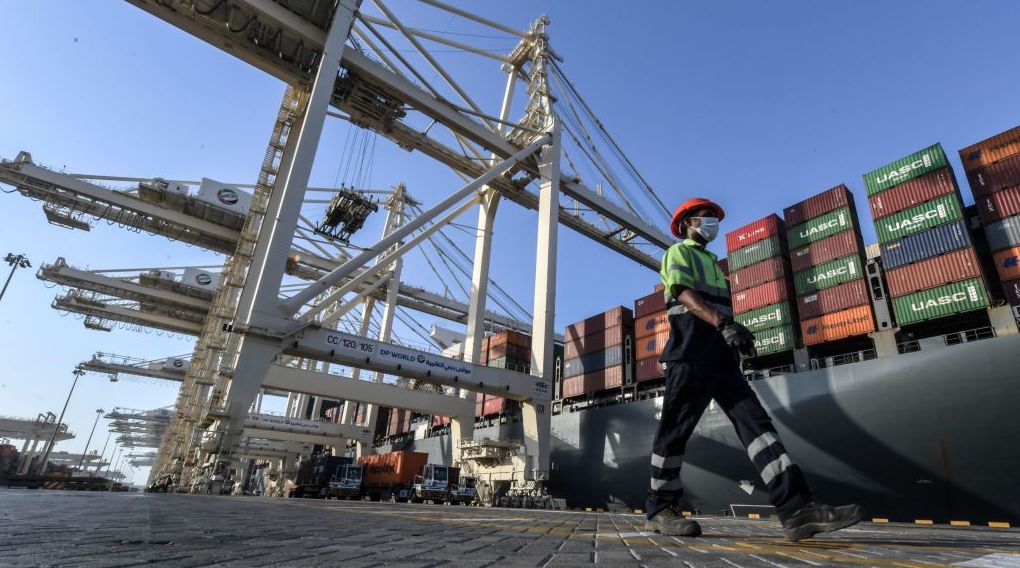
The coronavirus pandemic that originated in China could not have come at a worse moment for the UAE. Indeed, before its outbreak, relations between the UAE and China were in an excellent place. Underpinned by growing economic exchange, the bilateral partnership holds the promise of turning into a geo-economic and geopolitical one. For Beijing, the UAE is first and foremost a critical hub for re-export to the wider region and ultimately, it is in the domain of maritime trade and around China’s BRI that the partnership has its greatest potential.
From Dependents To Allies: America's Gulf Relations Need Reform
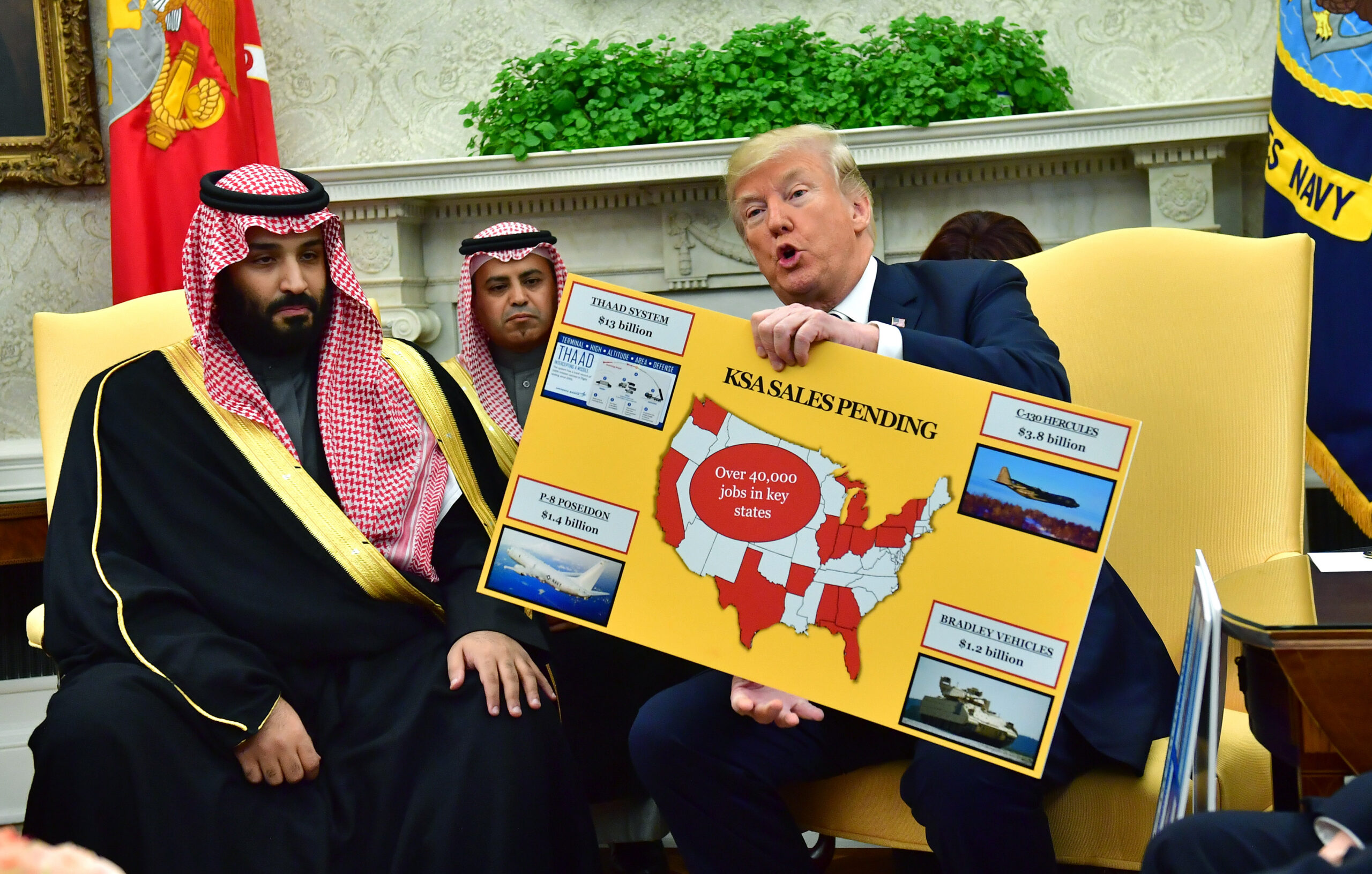
During three major crises, each happening under a different administration, the U.S.-Gulf partnership failed to effectively address the security concerns of the Gulf states. While no partnership is perfect, such major and persistent breakdowns in coordination among longstanding security partners are uncommon, and can be deadly if left unresolved.
Gulf regimes may oppose annexation, but they helped bring it about
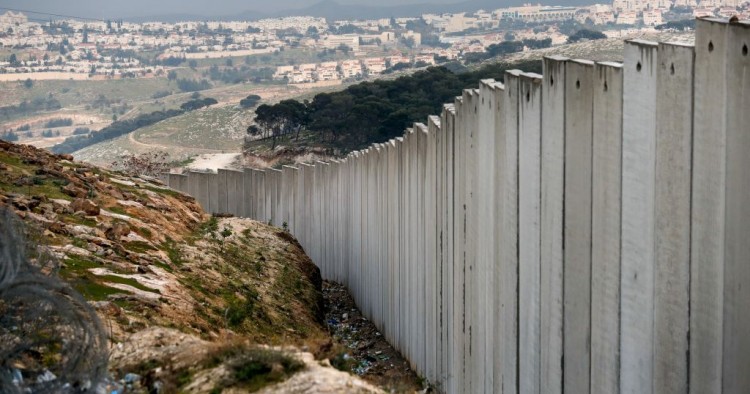
Leaders of Arab Gulf regimes now decry the attempt to implement the vision of the Israeli Right, which aims to prevent the establishment of a Palestinian state. But it is exactly the policies of the Arab Gulf regimes, through their normalization of ties with Israel at the expense of the Palestinians, that directly contributed to the rise of the Israeli Right and made this annexation more likely.
Turkey, the Gulf, and Libya: The economic impact of a growing geopolitical divide
Turkish support for the Tripoli-based Government of National Accord (GNA) in the Libyan civil war has added a new dimension to relations between Turkey and Gulf countries like the United Arab Emirates (UAE) and Saudi Arabia. But what impact have the growing geopolitical divides and diplomatic disagreements had on Turkish-Emirati and Turkish-Saudi economic relations?
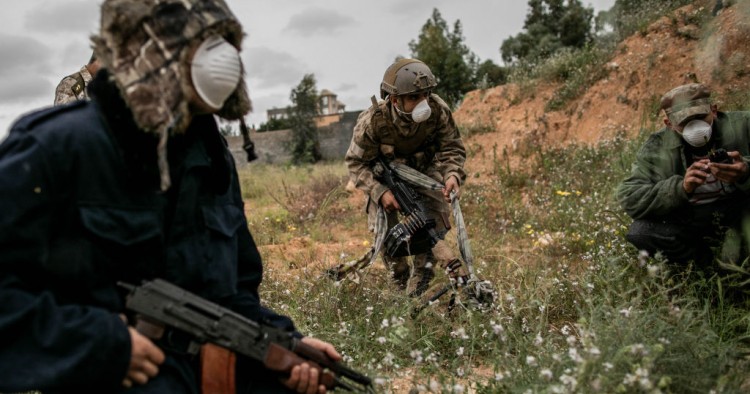
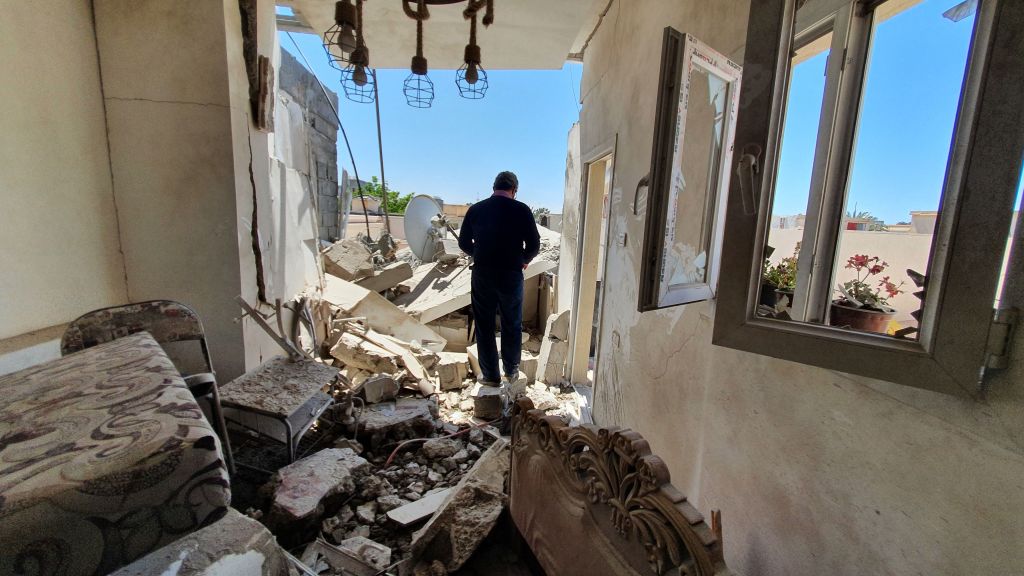
Are the foreign patrons of the Libyan war ready to end it?
Absent major military escalation by his foreign patrons, Khalifa Hifter has now lost the war he initiated against Libya’s internationally recognized government in Tripoli. The question remains, however, of how to end Libya’s proxy war and restart the necessary political process to bring about sustained peace.
While COVID-19 and historically low oil prices are disrupting the Gulf’s political economy, the pandemic has demonstrated the region’s tech resilience.
Protracted conflict on Yemen’s island of Socotra reflects rival geopolitical ambitions
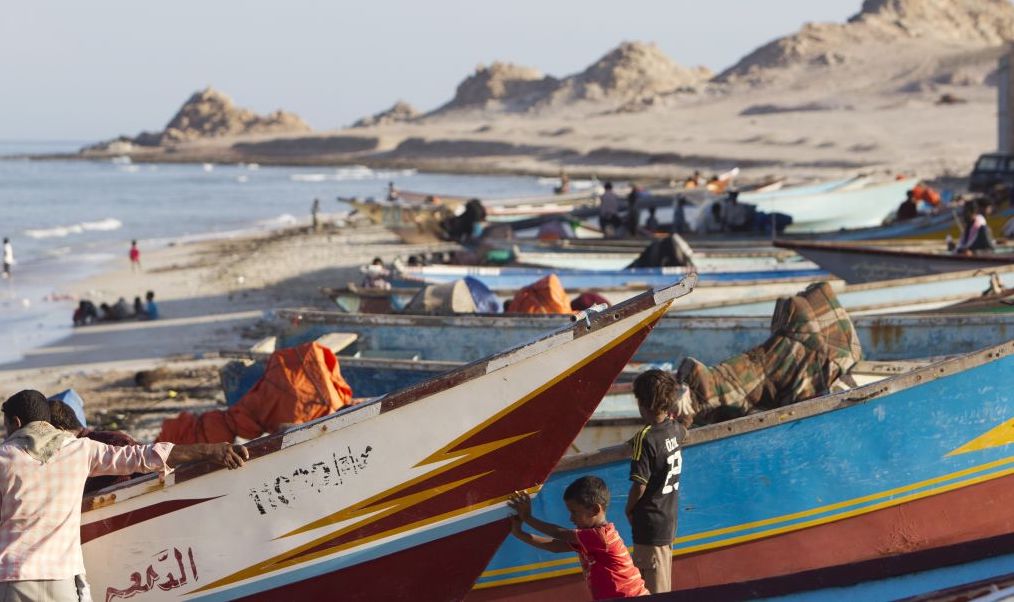
On April 30, roughly a week after the Southern Transitional Council (STC) declared self-administration in Aden, a military confrontation broke out on the remote Yemeni island of Socotra between members of the STC and government forces. After just a few days, the situation was diffused when the island’s governor and the STC asked the Saudis to intervene. Although an agreement was reached quickly, it is likely to be fragile because the causes of the conflict are not entirely local. The island of Socotra is simply too important to multiple international players that are not willing to let it easily slip outside their sphere of influence.