Turkey’s government is prioritizing politics over policy in its earthquake response
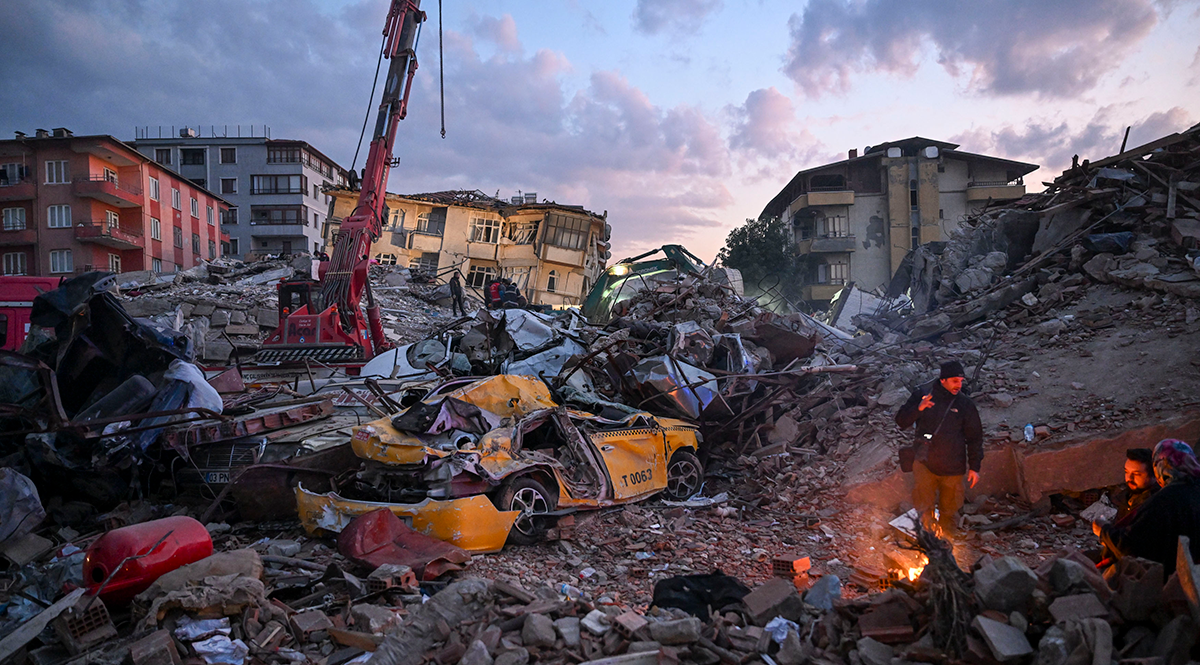
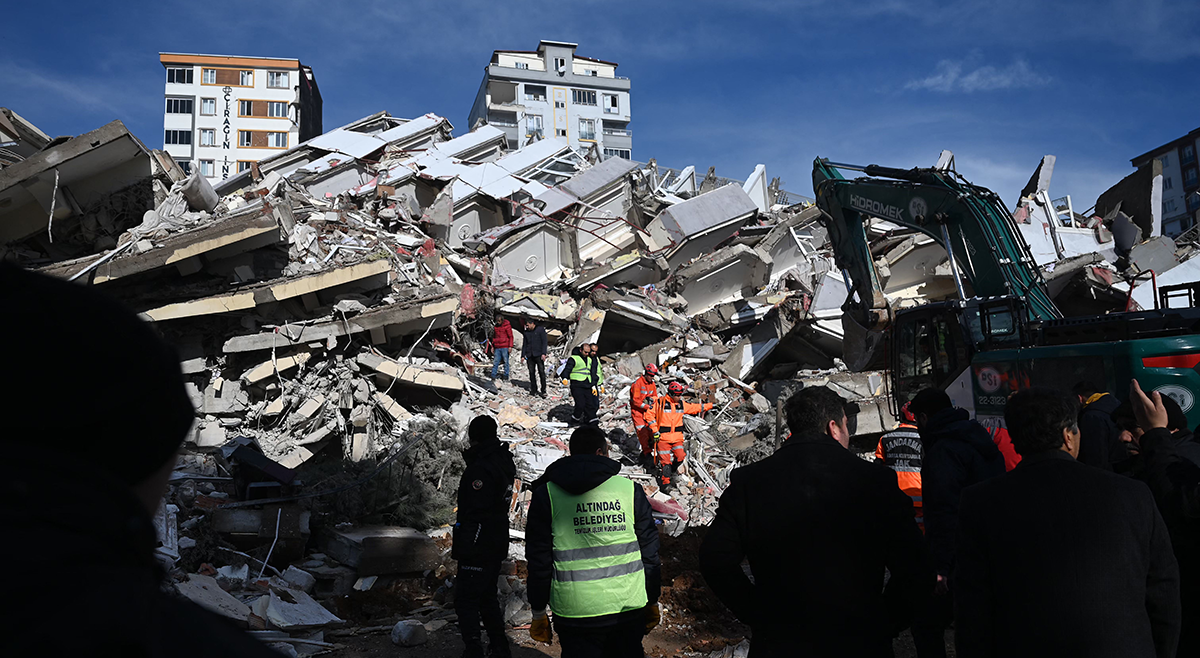
As researcher Dilek Türközü noted, “Geography is destiny, but negligence is a choice.” There was no avoiding tragedy; earthquakes are common in Turkey and the next “big one” is always somewhere on the horizon. The earthquake that shook Turkey and Syria this past week was shocking in its scale; but it was a danger that everyone knew was coming. Unfortunately, Ankara’s response continues to be undermined by its own focus on political loyalty and its lack of tolerance for criticism.
Already vulnerable, Turkey’s economy now faces massive earthquake recovery costs
After a difficult year, things finally seemed to be looking up for Turkey’s beleaguered economy in early 2023. But then on Feb. 6 the worst happened: Turkey and Syria were hit by a pair of massive earthquakes, resulting in tens of thousands of deaths and untold damage. How did Turkey’s economy stabilize in second-half 2022, what do we know about the economic impact of the earthquakes, and where might things be headed going forward?
“Please send tents and blankets”: A desperate plea from Syria’s survivors
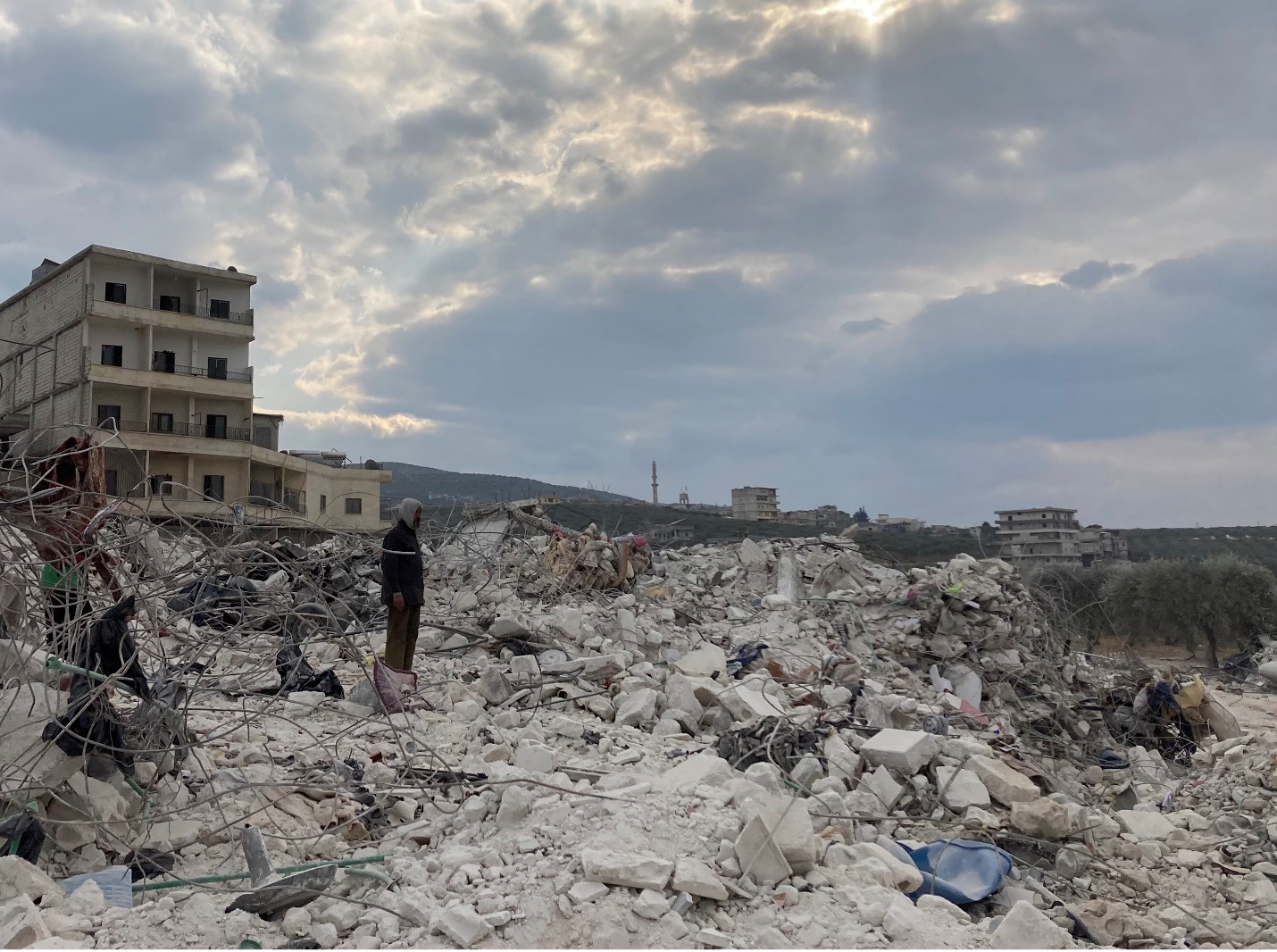
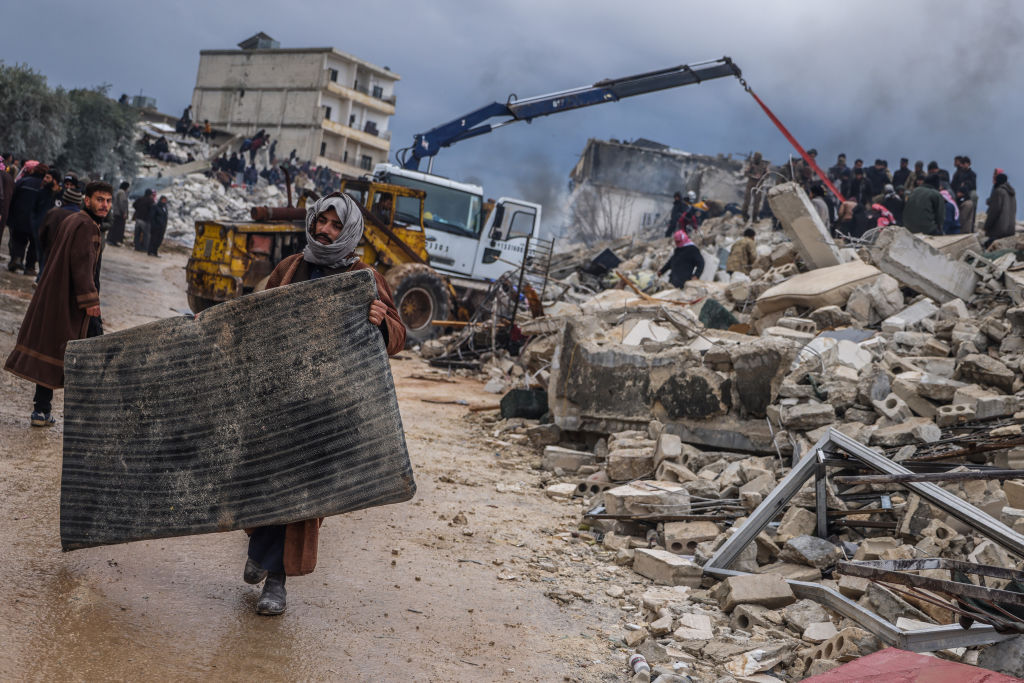
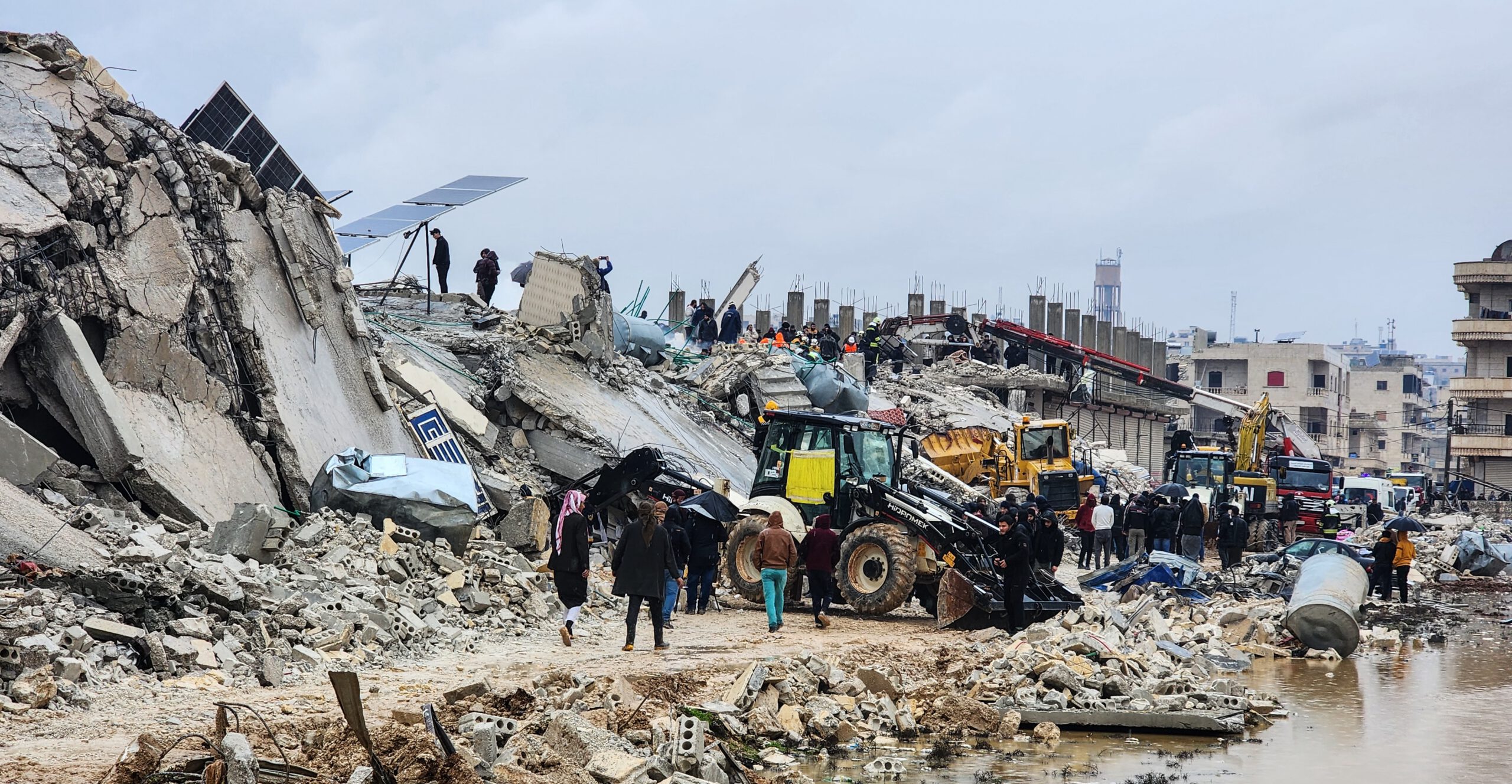
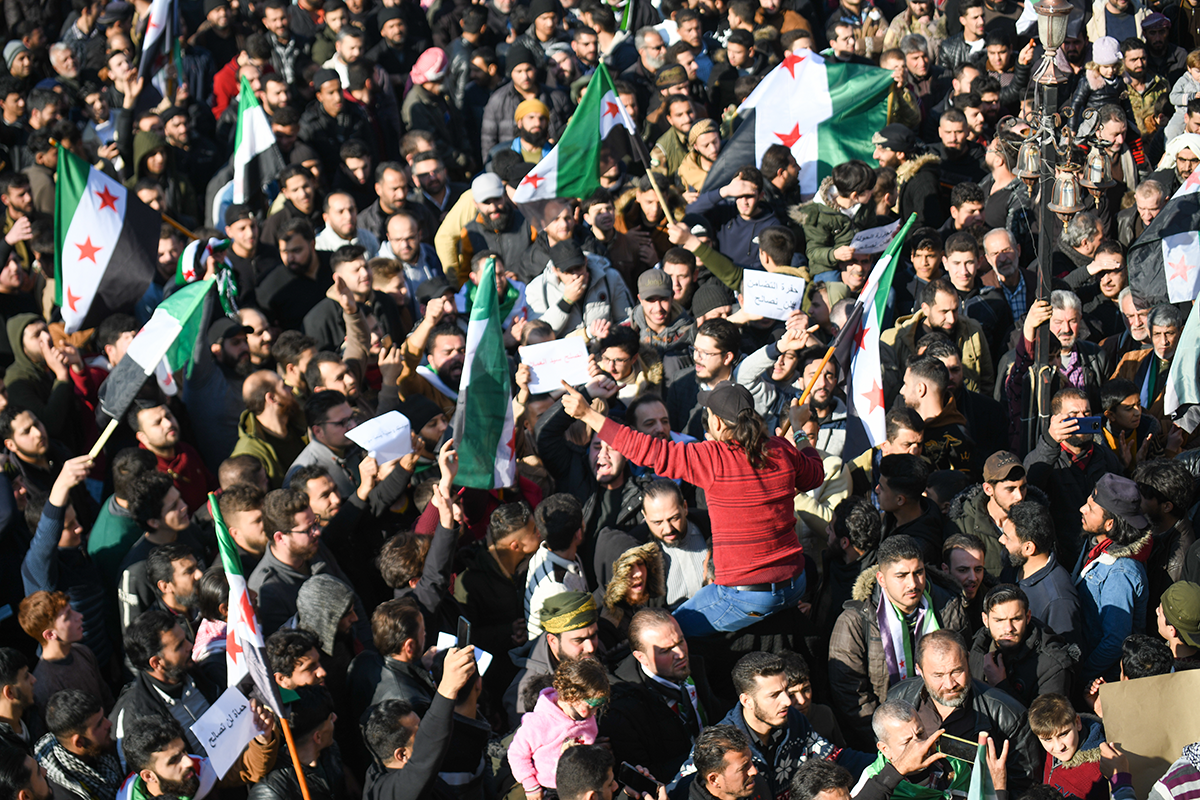
In the center of Harem, Idlib, hundreds of Syrian families huddle around stoves and in tents as they look on at the row of collapsed apartments they used to call home. “This disaster hasn’t happened to Syria in a thousand years,” says Abu Ahmed, the director of the new camp. “The international community must witness what is happening to us and help.”
How corruption and misrule made Turkey’s earthquake deadlier
Turkish President Recep Tayyip Erdoğan hollowed out state institutions, placed loyalists in key positions, and enriched his cronies — paving the way for this tragedy.
Egyptian government walks risky economic tightrope to fulfill its loan conditions to IMF
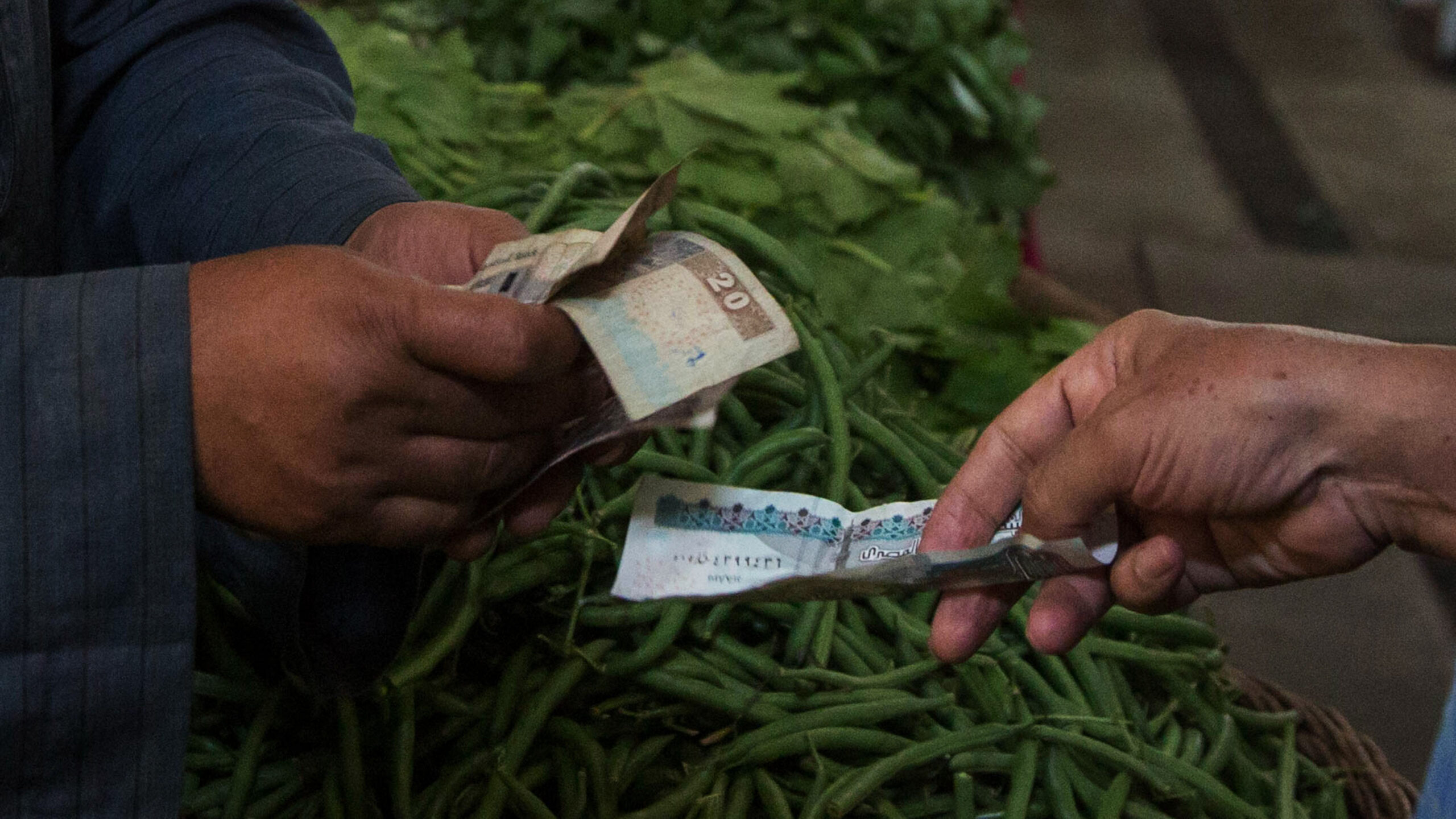
As a condition of its $3 billion loan from the IMF, the Egyptian Central Bank confirmed its pledge to maintain a durably flexible exchange rate. The Egyptian pound quickly and sharply dropped, but economists are cautiously optimistic that Egypt can sustain the current crisis and repay its debts. The government is walking a tight rope, attempting to raise revenues and attract investments without exacerbating the tough living conditions at home.
Turkey’s earthquakes: A monumental crisis and a political test for Erdoğan
The earthquakes that shook Turkey and Syria in the early hours of Feb. 6 represent a shocking human tragedy, with casualties already in the thousands. Hundreds of thousands, if not millions, have been rendered homeless in the cold and wet of winter. There is no overstating the human suffering. This natural disaster is, at the same time, a clear political test for the current AKP-MHP government, one that will gauge its efficacy and legitimacy only months before critical elections, set to be held on May 14.
Earthquake devastates southern Turkey, brings calamity to war-torn Syria
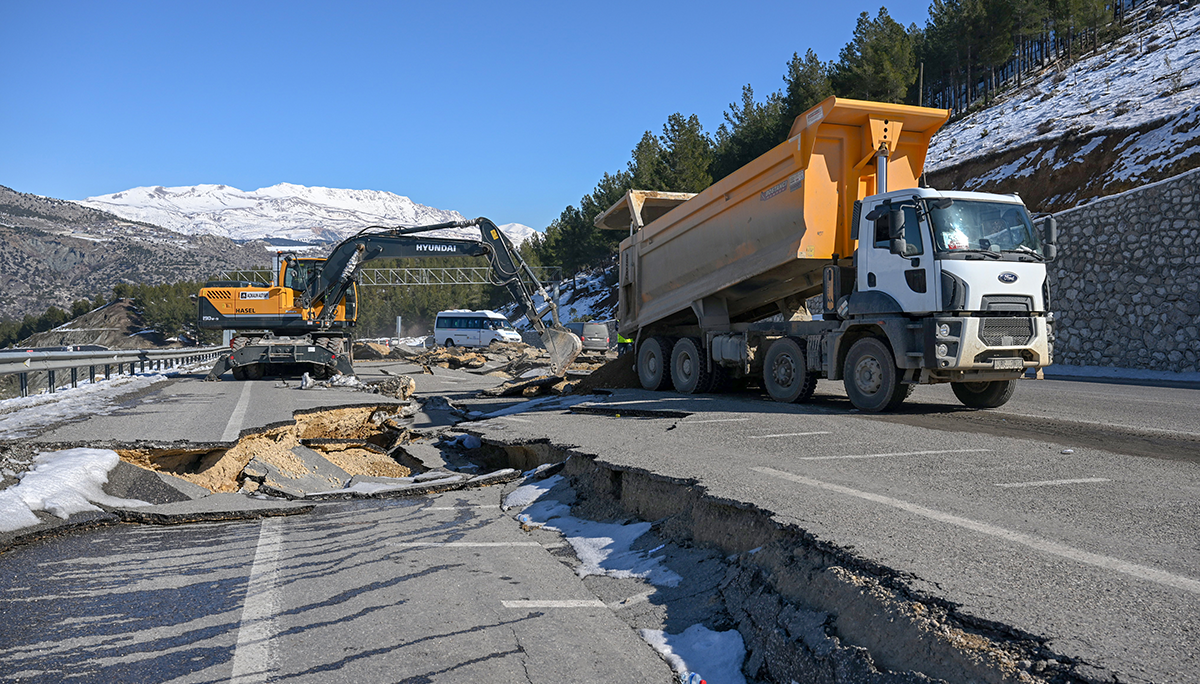
Southern Turkey and northern Syria were struck by a crippling 7.8 magnitude earthquake at 4:17 AM, on Feb. 6. Twelve hours later, at least 2,400 people are known to have perished, with death tolls rapidly rising. This natural disaster could not have come at a worse time or struck a more vulnerable region — with notoriously poor construction in southern Turkey and the effects of more than a decade of brutal conflict still afflicting northern Syria.
Turkish-Syrian Re-engagement: Drivers, Limitations, and US Policy Implications
A little over two weeks ago, the defense and intelligence chiefs of Turkey and Syria met face-to-face in Moscow — the first such meeting in over a decade. On the surface, this latest flurry of engagement with Assad’s regime is a major development. Were Turkey to decisively shift its Syria policy, the effects would be dramatic. Beyond the hype and speculation, Turkey’s decision to participate in the Moscow meetings is not altogether surprising and it does not represent a wholesale policy reversal. What has changed more recently is Turkey’s impending elections — and with them Erdoğan’s political calculations.
Eastern Mediterranean gas discoveries, progress, and what to watch in 2023
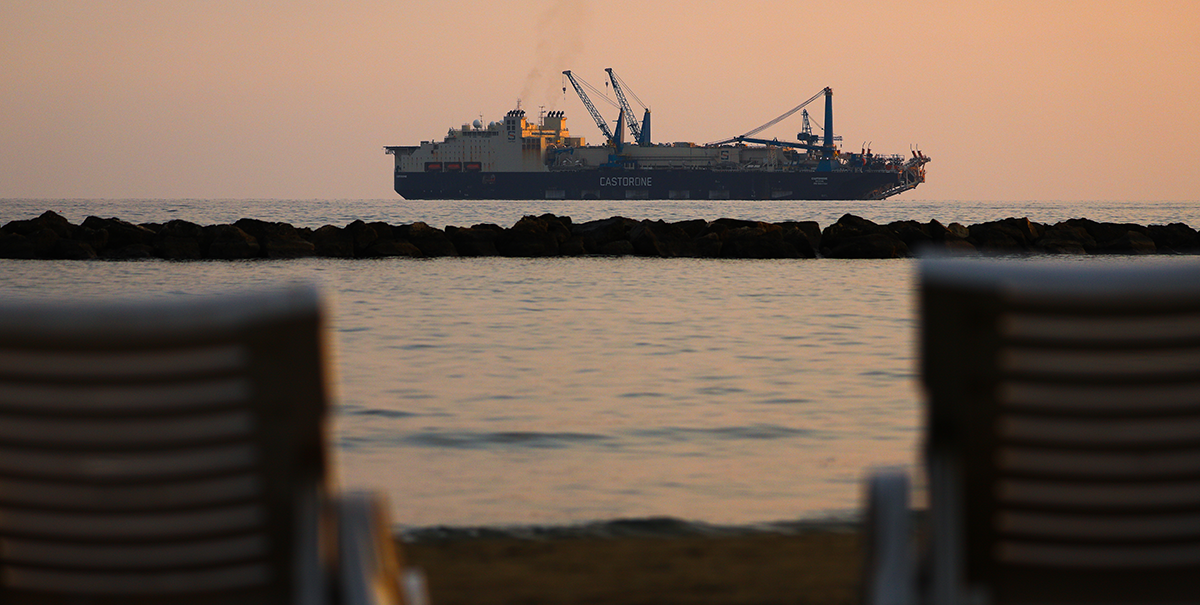
The challenge of developing export strategies for the offshore natural gas resources concentrated in the Eastern Mediterranean predates the Russo-Ukrainian war. Yet over the course of 2022, Europe’s intensifying energy crisis created a new and more immediate incentive to solve those export challenges, despite a great deal of work still to be done.
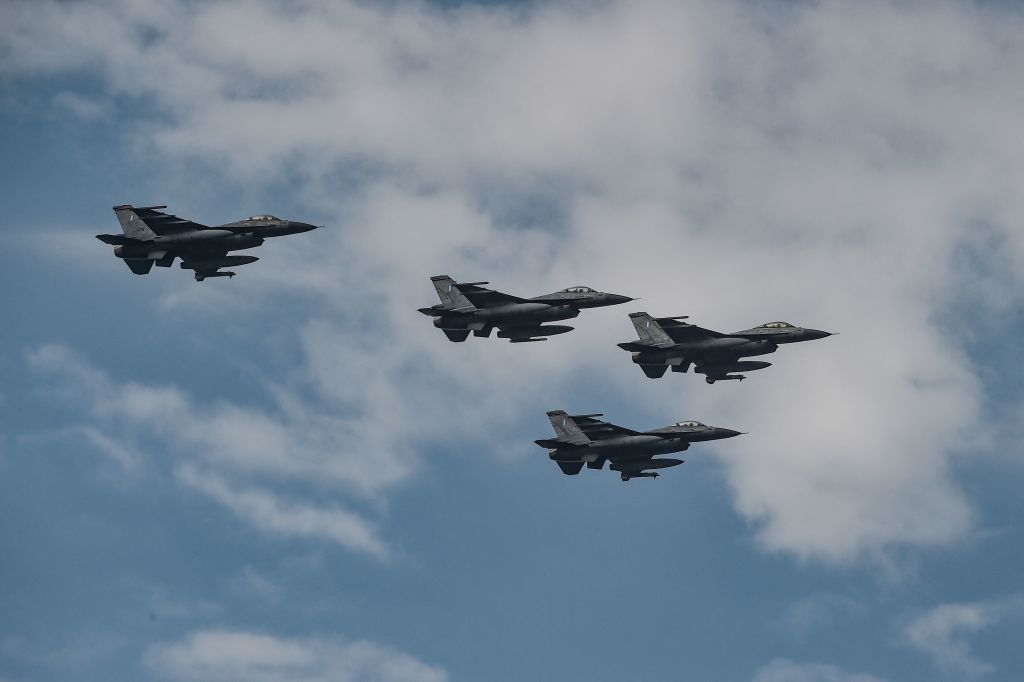
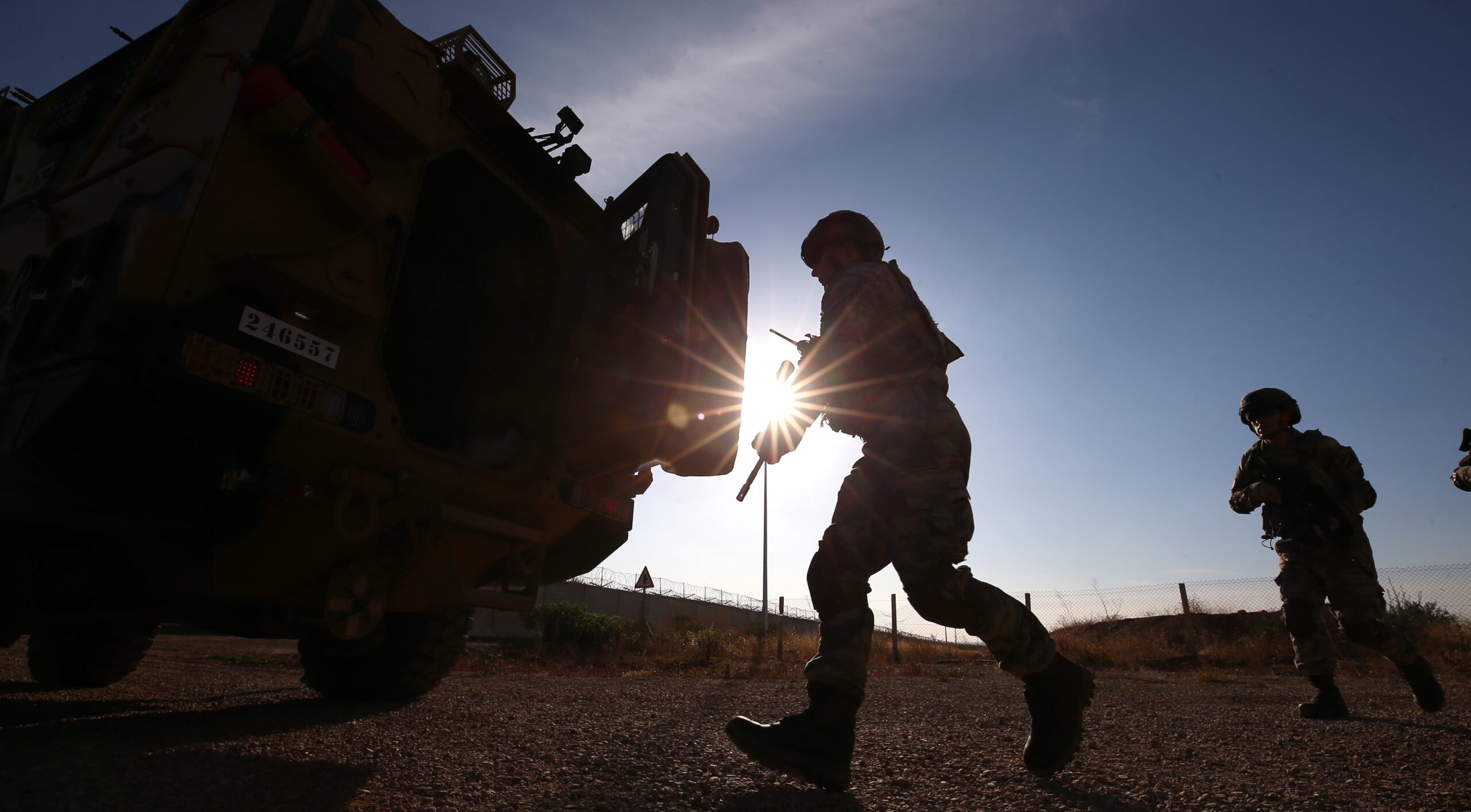
Should the Turkish government make good on its threats to launch yet another military incursion into northern Syria, it would lead to a sharp escalation in violence in a country afflicted by a more-than-decade-long brutal conflict. Not only would Turkey’s military incursion have significant immediate effects on civilians and combatants in Syria, but it could also reverberate further throughout the region and world.