Year in review: The Middle East in 2021
What were the most significant developments in the Middle East and regional policy in 2021? MEI’s Paul Salem, Randa Slim, Bilal Saab, and Karen Young join the program to discuss the key events and what trends to watch in 2022.
Exploring the feasibility of the Jordan-Israel energy and water deal
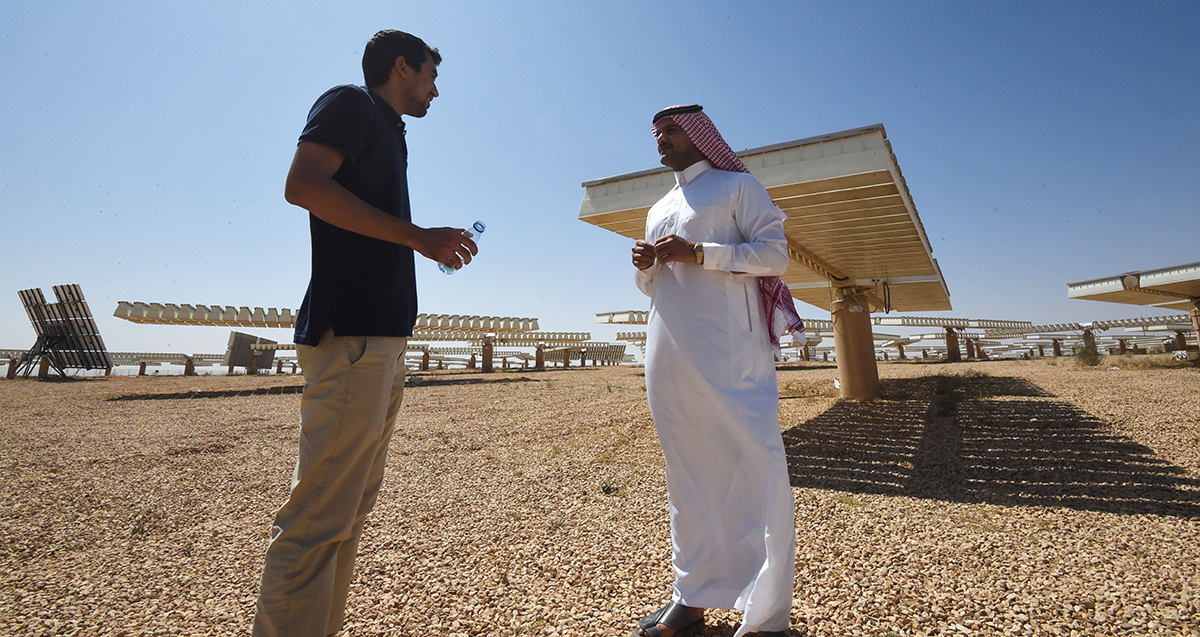
On Nov. 22, the Dubai Expo hosted an event where the United Arab Emirates (UAE), Jordan, and Israel signed a cooperation agreement that would broker an exchange of renewable energy and water between Jordan and Israel. The signing of the agreement between the respective minsters of the three countries took place in the presence of Abu Dhabi Crown Prince Mohammed bin Zayed and U.S. Climate Envoy John Kerry, who played a role in getting the deal done.
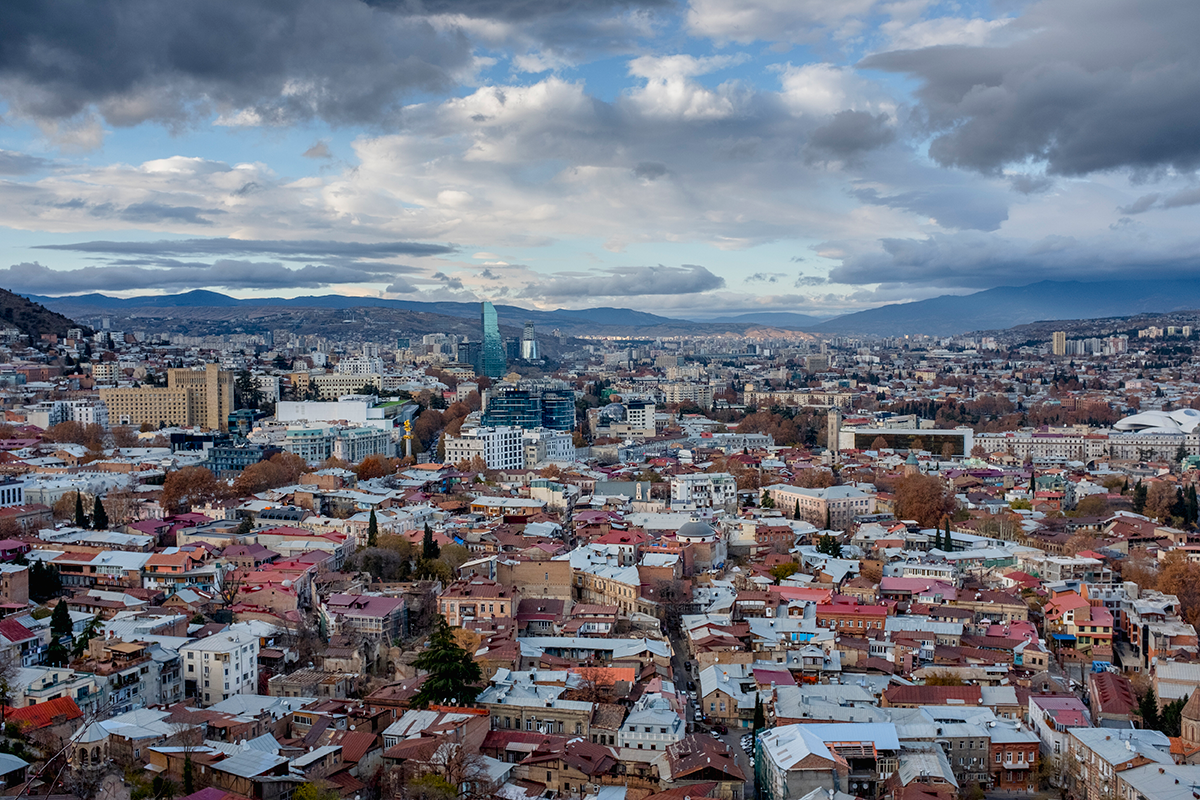
Climate change in Georgia
In the aftermath of the fragmentation of the USSR, the South Caucasus region went through a period of transformational change, during which it had to redesign and rebuild its energy systems and energy security routes. The latest U.N. Intergovernmental Panel on Climate Change (IPCC) report demonstrates that anthropogenic warming has caused extreme temperatures, precipitation levels, and drought in the region. While Georgia has significant potential for additional clean energy generation and other climate change measures, the current pace of transformation needs to increase.
OPEC+: Locked in a Russia-US-Saudi triangle
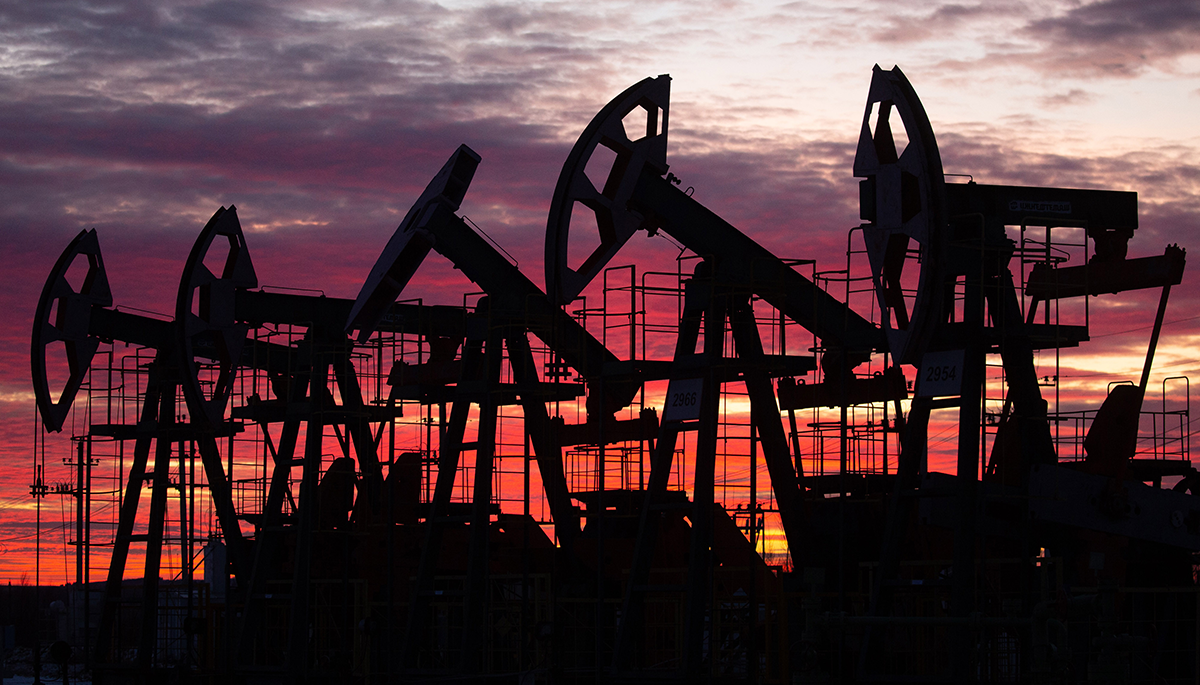
The events of recent months, including a series of critical statements by international players about the reluctance of OPEC+ to raise output beyond its established quotas, have clearly demonstrated the changing realities in the oil market. In addition to global uncertainty, the dynamics between Saudi Arabia, Russia, and the U.S., as well as the actions of Asian oil consumers, have become other key factors shaping the cartel’s behavior.
أوبك بلس تواجه اختبارات جديدة لاستراتيجيتها لموازنة السوق في عام 2022
عندما أعلن البيت الأبيض في عهد الرئيس جو بايدن أنه قد نجح في ضم العديد من الدول الرئيسية المستهلكة للنفط في محاولة لتنسيق عمليات الإفراج عن احتياطيات البترول الاستراتيجية (SPRs) حول العالم، بدا أن هذا سيكون العامل الرئيسي الوحيد في أسواق النفط التي ستناقشه أوبك بلس في
Energy Prospects in the Gulf: The Oil Price Ascent, in Brief
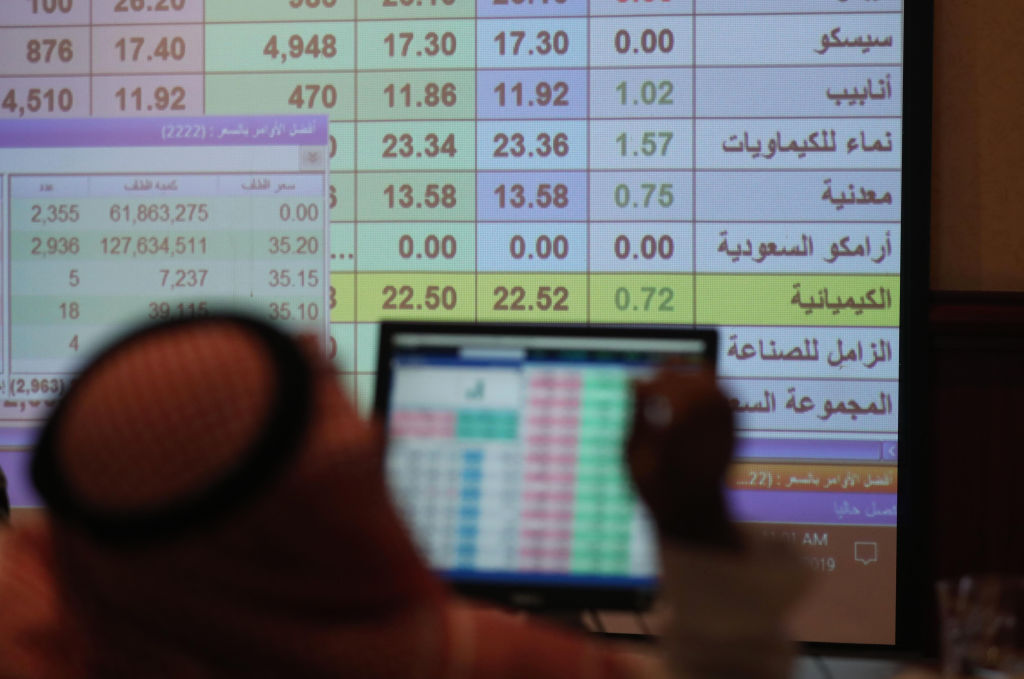
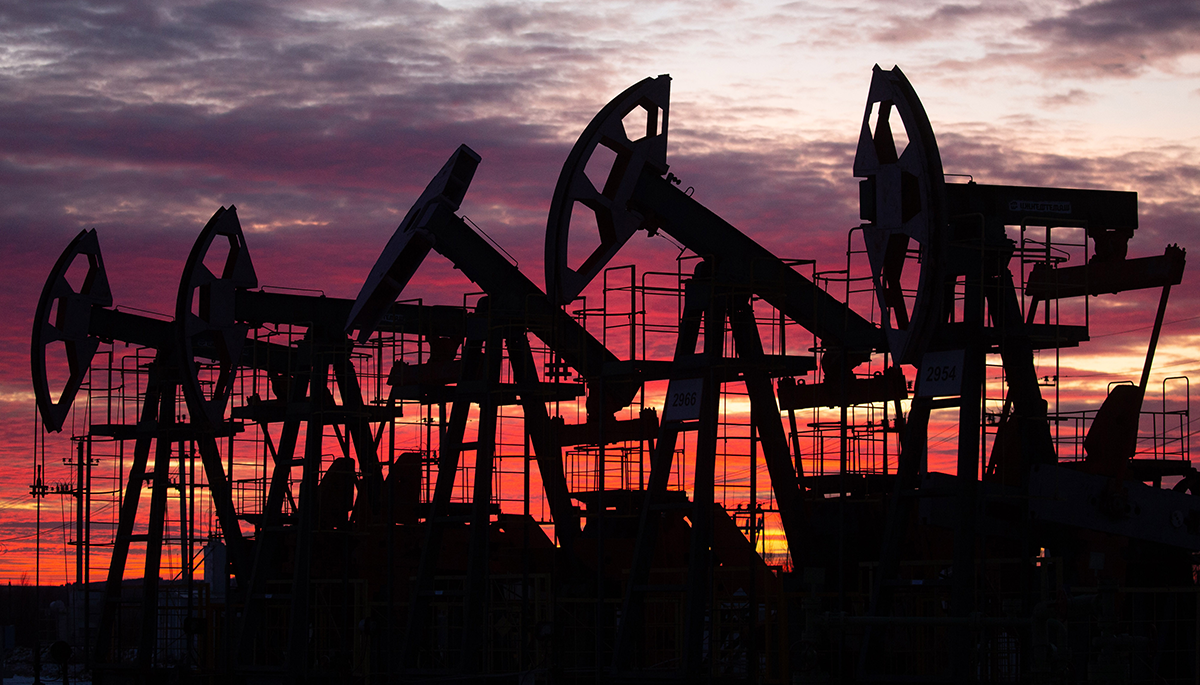
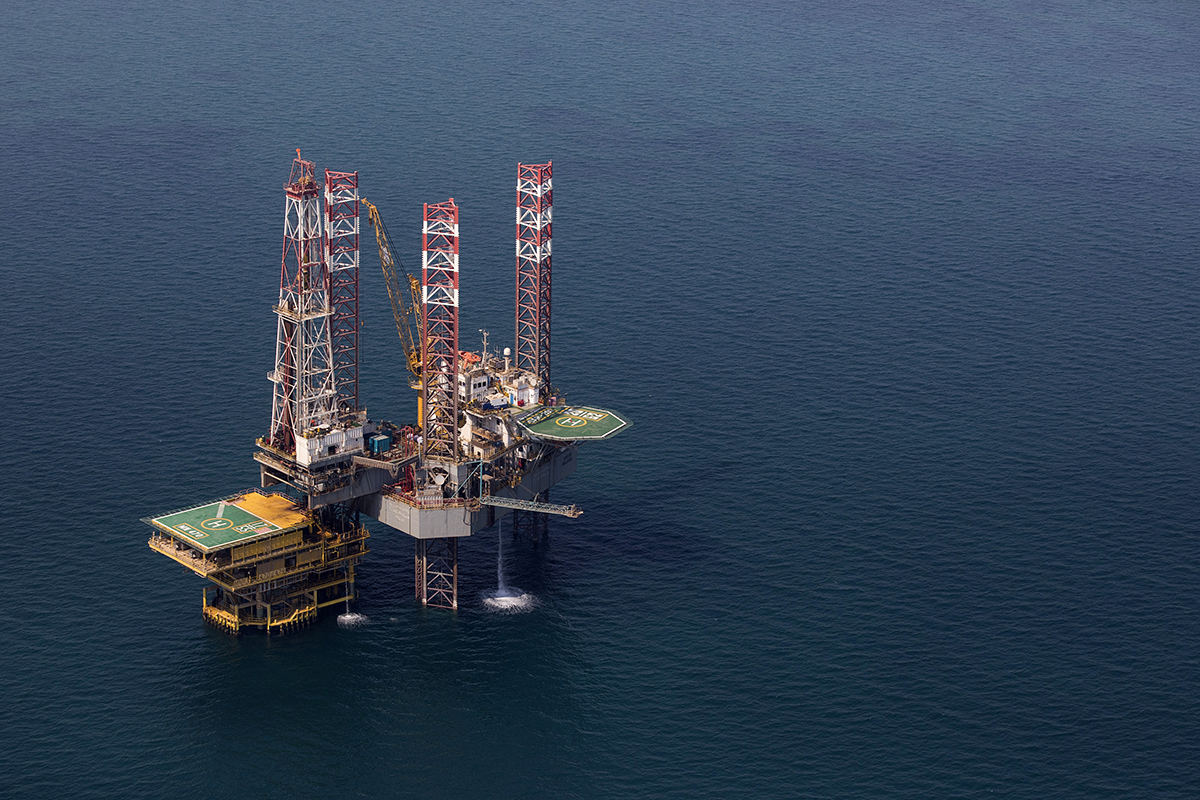
While oil prices have rebounded before soaring since the depths of collapse in the spring of 2020 — with Brent crude prices skyrocketing from $19 per barrel in April 2020 to a three-year high of $86 per barrel in October 2021 — the prospects for a sustained high oil price for Gulf producers is unlikely.
OPEC+ faces new tests to its market balancing strategy in 2022
When President Joe Biden’s White House announced that it had successfully enlisted several major oil-consuming countries in an effort to coordinate releases from strategic petroleum reserves (SPRs) around the world, it looked like this would be the only major factor in oil markets that OPEC+ would need to consider at its upcoming meeting on Dec. 2. Then came Omicron. The newly discovered variant of the COVID-19 virus sent benchmark oil prices plunging on Nov. 26 as uncertainty over its impact roiled global markets.
The Fragile State of Food Security in the Maghreb: Implication of the 2021 Cereal Grains Crisis in Tunisia, Algeria, and Morocco
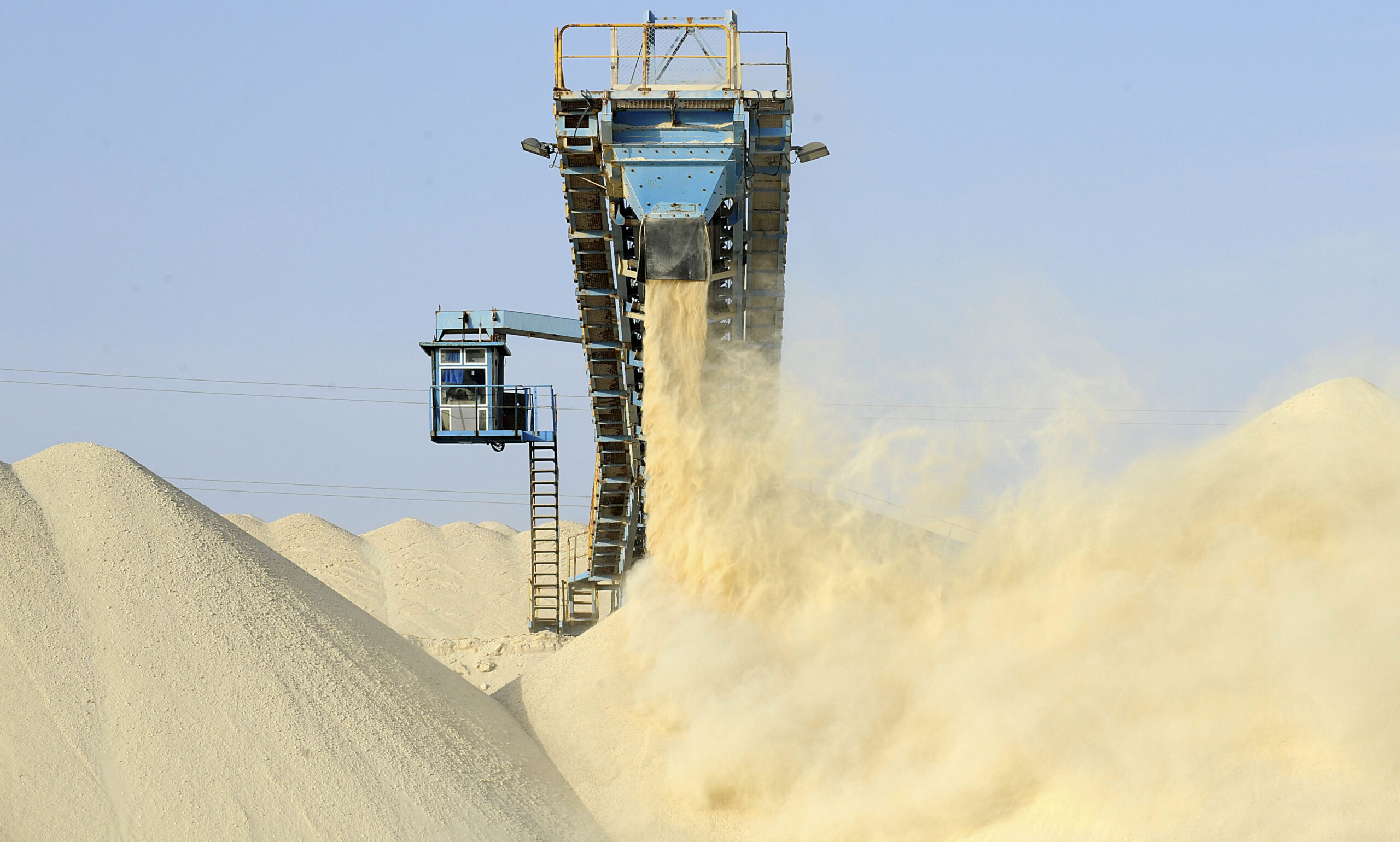
North Africa has entered a food security crisis. Tunisia, Algeria, and Morocco are witnessing food inflation levels not seen since the civil unrest of the Arab Spring a decade ago. Although the Maghreb’s current food crisis was precipitated by the local and global economic shocks brought on by the onset of the COVID-19 pandemic in 2020 and its 2021 aftermath, the structural fragility of the food systems in Tunisia, Algeria, and Morocco is responsible for severity of the problem. At the core of this fragility is the failure to implement adequate measures to address the impact of increased water scarcity and debilitating climate change.
Expert Views: What should be the key outcomes from COP26?
As the U.N. Climate Change Conference (COP26) kicks off in Glasgow, climate change is front and center on the global agenda. Few regions of the world have more at stake than the Middle East and North Africa, given the current environmental and sustainability challenges and potential future scenarios. Experts from across MEI weigh in with their thoughts on what should be the key outcomes from COP26.
Looking ahead to COP26: How recent developments could shape this year’s meeting
Next week, tens of thousands of world leaders, negotiators, scientists, business executives, activists, and observers from all over will gather in Glasgow, Scotland for the 26th United Nations Climate Change Conference, which will run from Oct. 31 to Nov. 12. Also known as the Conference of the Parties (COP), this distinguished body meets annually to make decisions regarding the implementation of the United Nations Framework Convention on Climate Change (UNFCCC), which aims to “prevent anthropogenic interference with the climate system.”
A net-zero Saudi Arabia? Not so fast
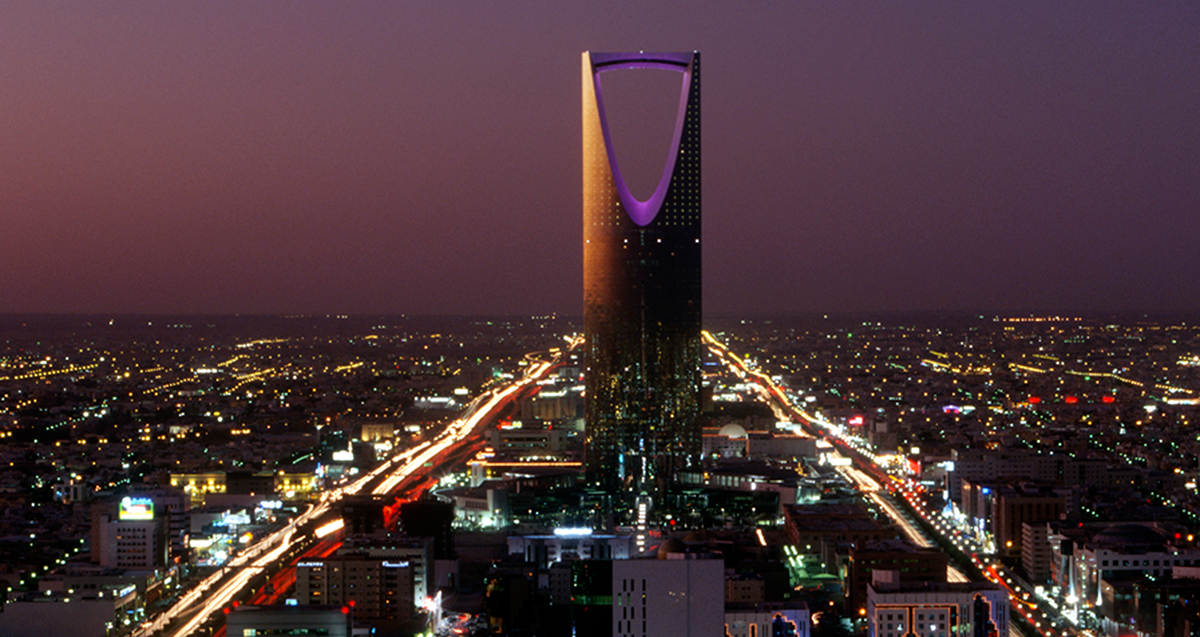
The kingdom is unlikely to achieve net zero emissions soon, but the ambition to do so, and the plan, is an impactful step in the right direction, write Jim Krane and Karen E. Young in their new piece for Al-Monitor.
The Middle East and the Global Energy Transition
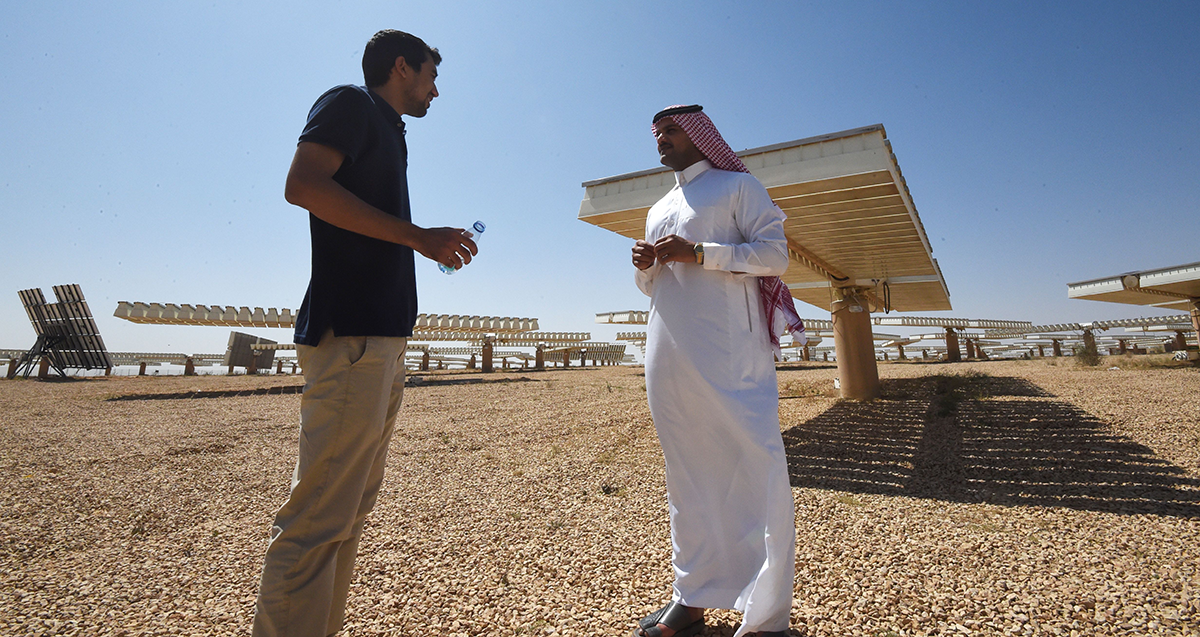
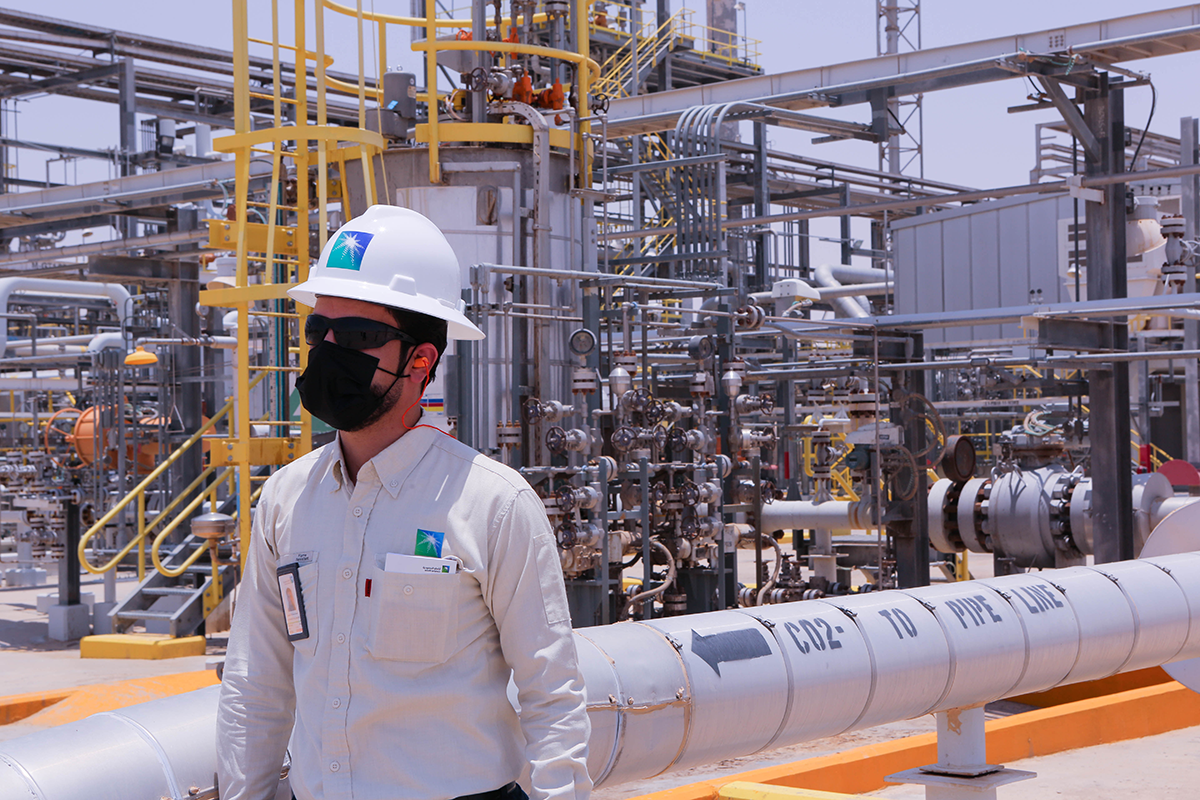
The Middle East is at the center of our global energy transition and we can expect the next five to ten years to be a period of difficult transformation, but also unique opportunity for oil and gas producers.
Overcoming unemployment in Jordan: The need for evidence-based policies
In the last few years, it has become conventional wisdom that unemployment is Jordan’s most pressing challenge. While King Abdullah himself has stressed on many occasions that reducing unemployment is a top priority, the number of unemployed is still on the rise. This problem can be overcome with evidence-based active labor market policies, which are lacking in Jordan.
Thinking MENA Futures: The Next Five Years and Beyond
The Middle East and North Africa (MENA), for a variety of reasons, are unrivaled in their need for bold, creative thinking about their future. But that is precisely why creative thinking about the future of the region — why strategic foresight — is essential. Produced in conjunction with MEI’s Strategic Foresight Initiative, Thinking MENA Futures aims to map out some of the possible futures for the region, as envisioned by thoughtful innovators working today to realize them.