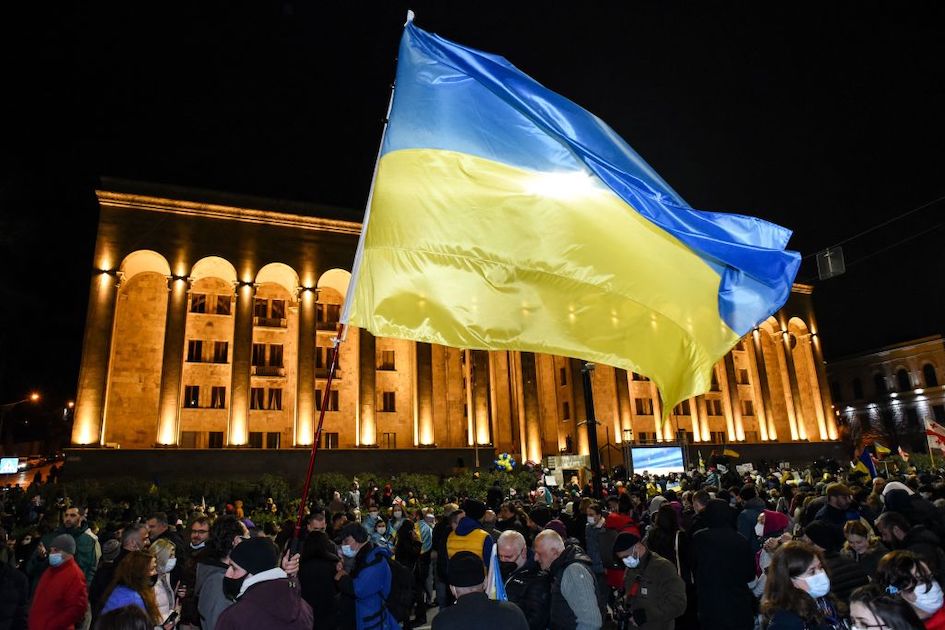
The Ukraine war has upended Turkey’s plans to stabilize the economy
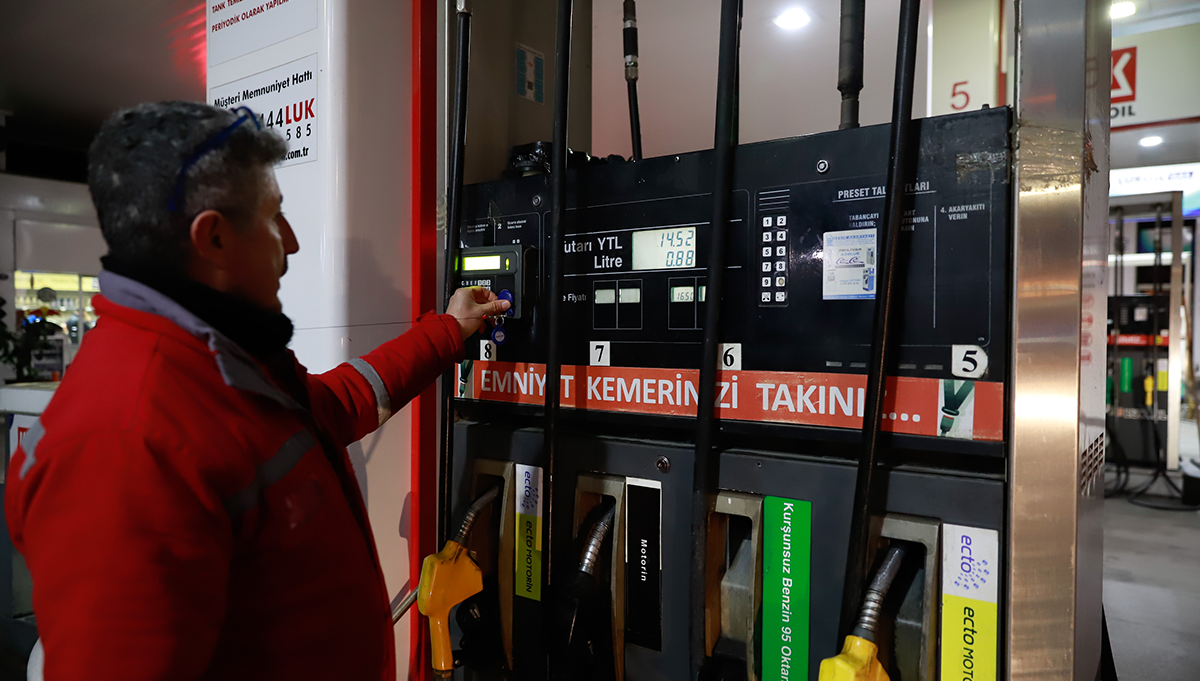
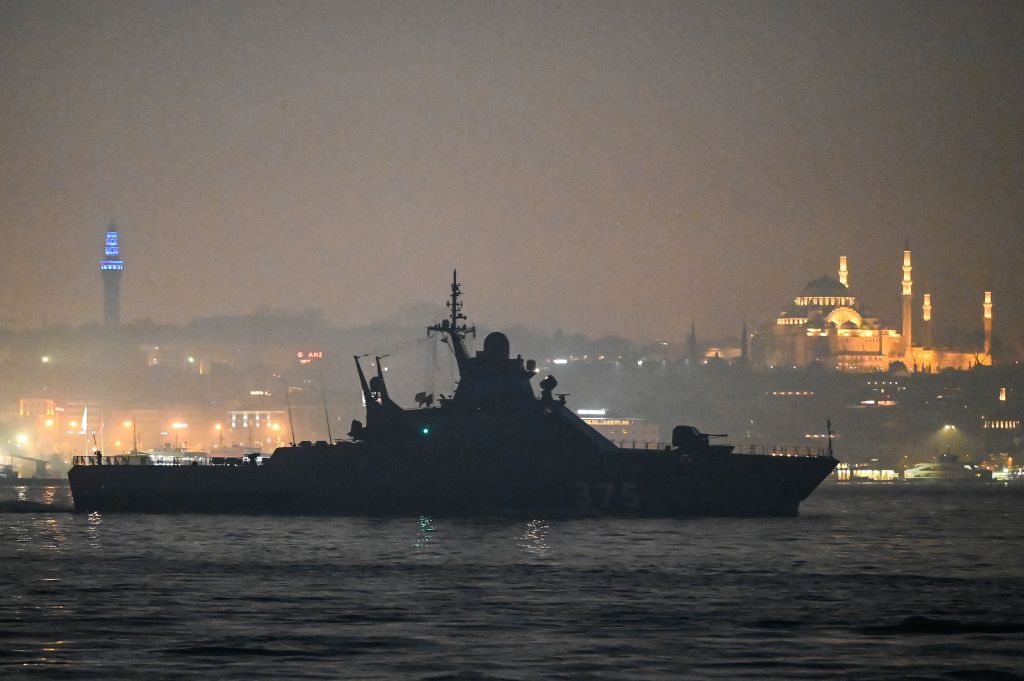
The war in Ukraine couldn’t have come at a worse time for the Turkish economy. Amid the country’s ongoing economic crisis, the government has been implementing extraordinary and unconventional monetary and fiscal policies.
Li-Chen Sim on the China-Russia relationship and its impact on the Middle East
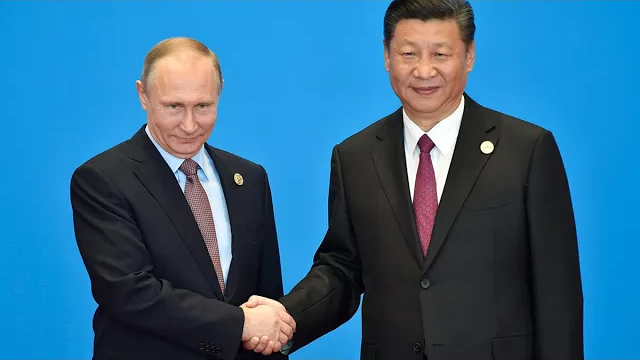
Li-Chen Sim, a non-resident scholar with MEI’s Economics and Energy program, discusses the findings of her recent publication, “Great power projection in the Middle East: The China-Russia relationship as a force multiplier,” co-authored with Jonathan Fulton.
Lebanon is running out of time to avert starvation
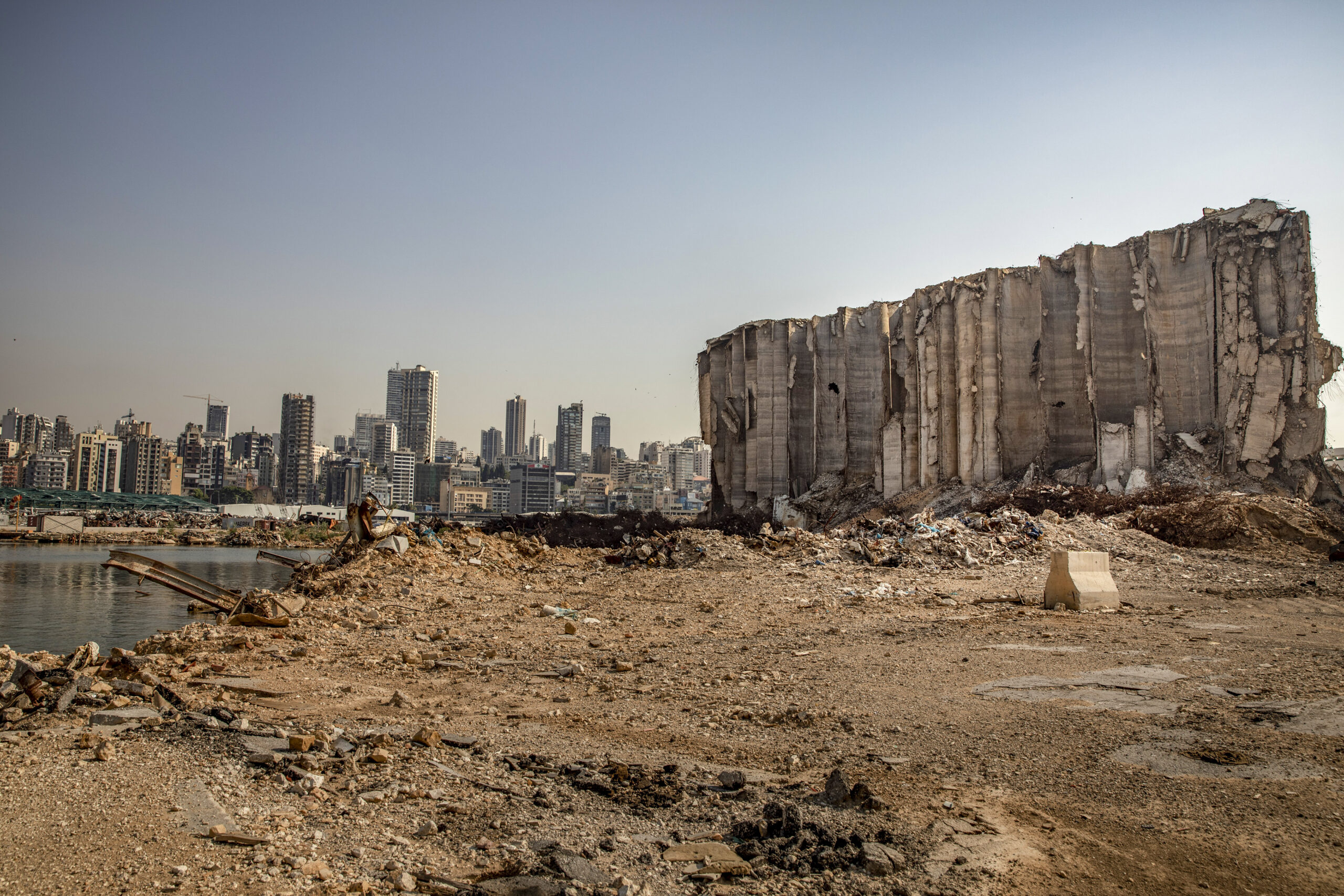
As Russia’s two-week-old war against Ukraine has brought Lebanon’s wheat imports from the besieged Black Sea nation to a complete standstill, the government in Beirut is racing against the clock to avert a catastrophic food crisis.
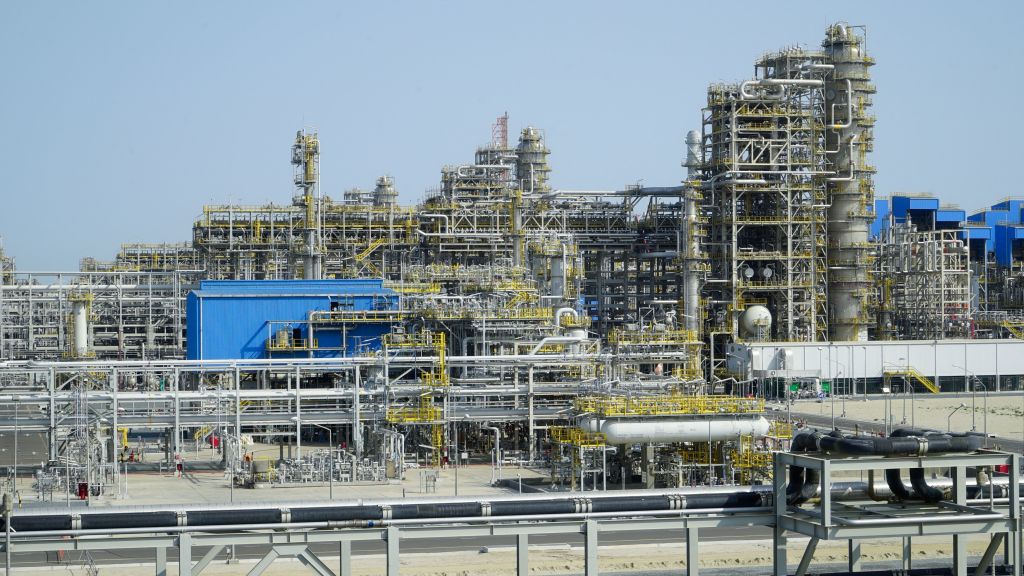
Given capacity constraints, Algeria is no quick fix for Europe’s Russian gas concerns
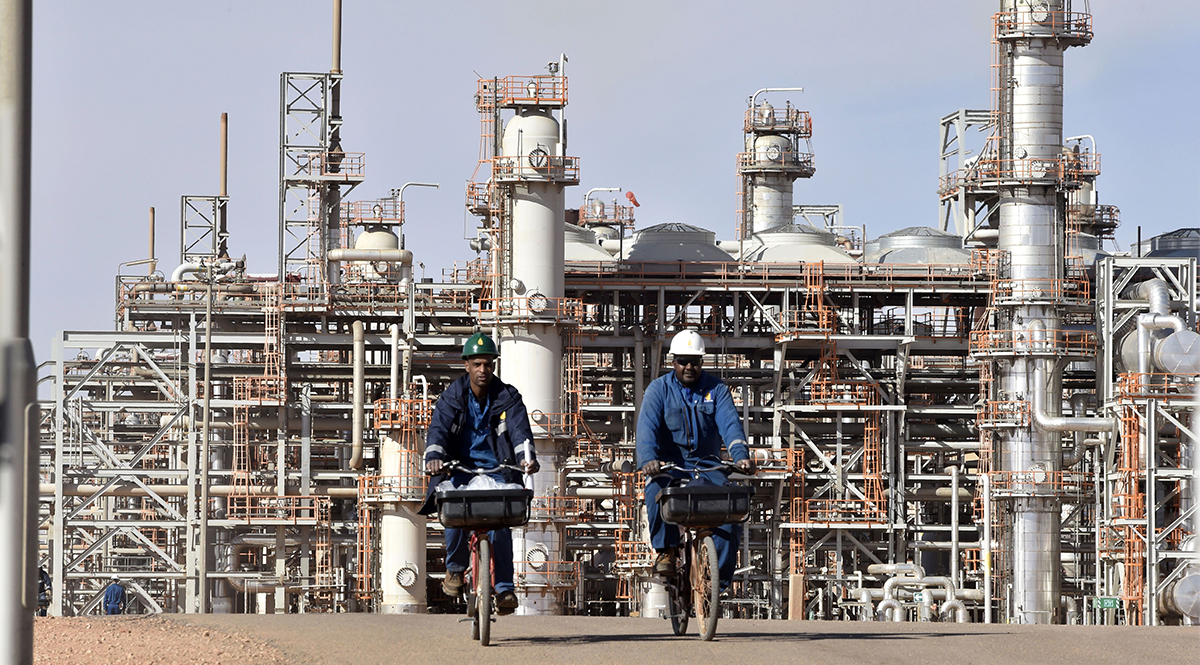
While Europe might be ready for more Algerian gas as it looks to diversify its suppliers, Algeria’s current production capacity limits its ability to substantially increase export volumes to Europe. As of now, any meaningful increases in Algerian production will require years of exploration and development and more crucially, further energy industry reforms to attract new investment.
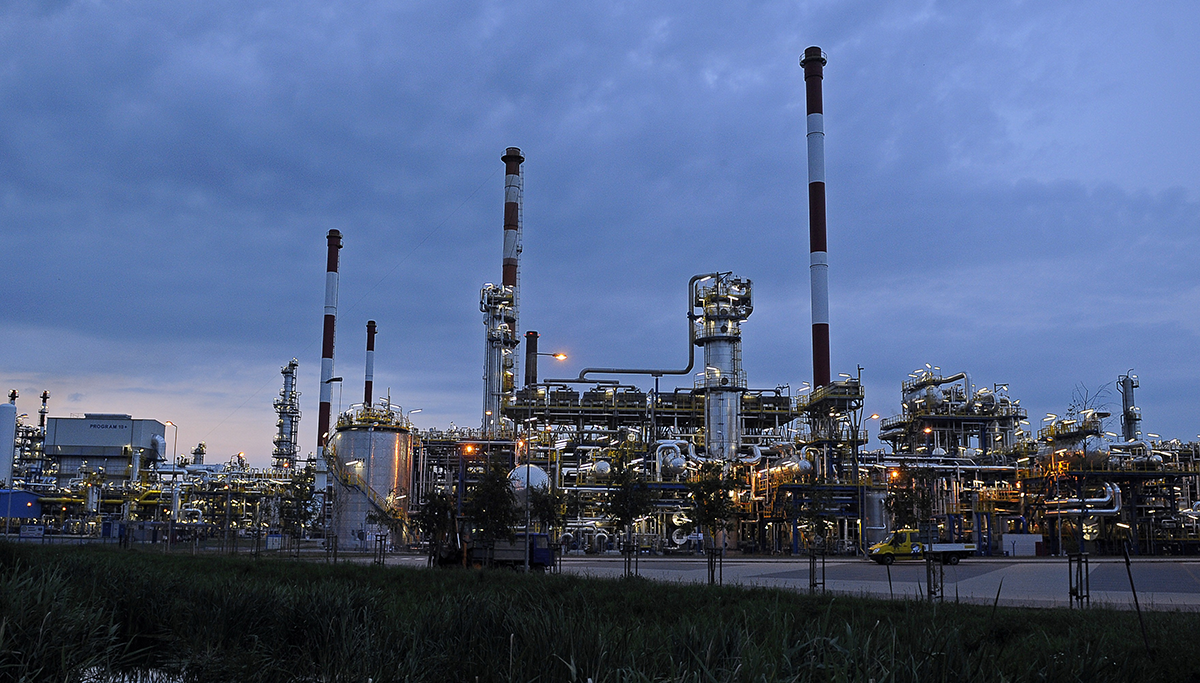
How will the war in Ukraine affect Gulf oil producers?
Although Western countries have managed to limit Moscow’s capacity to export oil, the Arab Gulf monarchies are unlikely to be able to benefit in the near term. This may change in the long run, however.
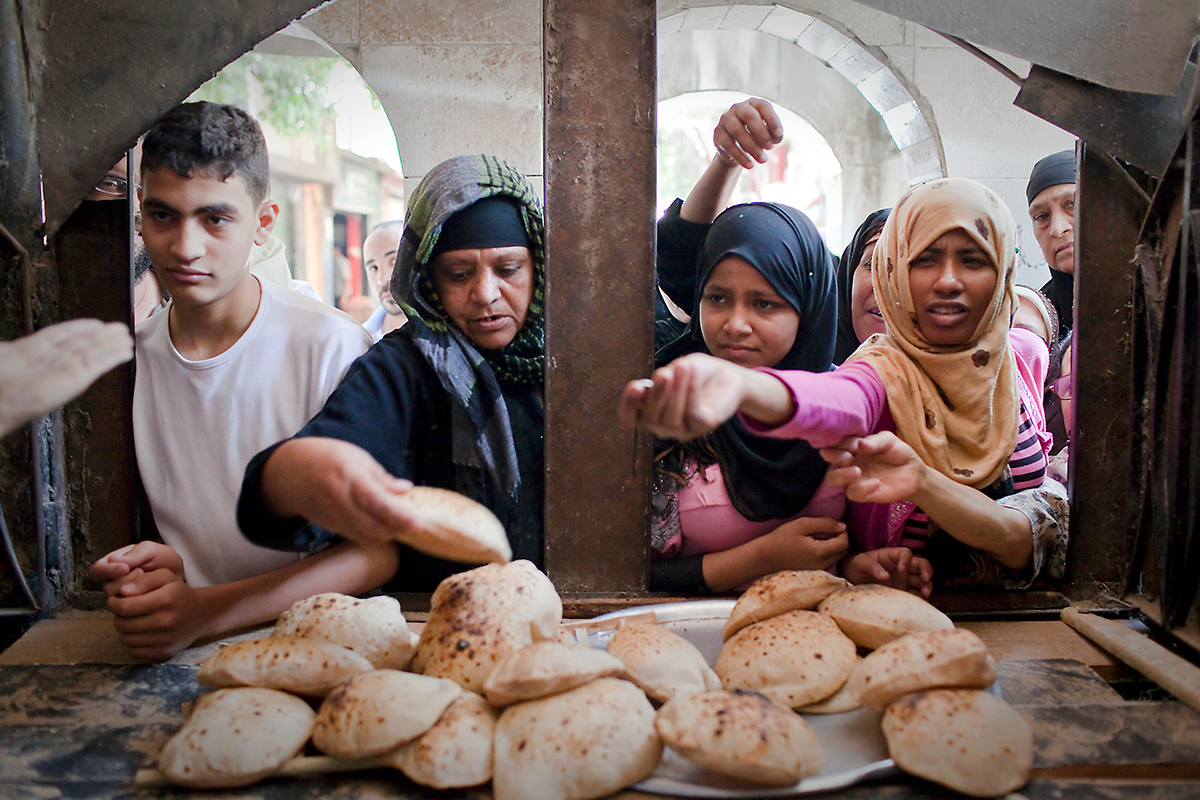
The Russia-Ukraine War has Turned Egypt's Food Crisis into an Existential Threat to the Economy
With the outbreak of the Russia-Ukraine war on Feb. 24, 2022, Egypt’s food security crisis now poses an existential threat to its economy. The fragile state of Egypt’s food security stems from the agricultural sector’s inability to produce enough cereal grains, especially wheat, and oilseeds to meet even half of the country’s domestic demand.
Roundtable on Energy Transitions in MENA: IDRC-MEI Report
The first International Development Research Centre (IDRC)-Middle East Institute (MEI) Roundtable on Energy Transitions in the Middle East and North Africa (MENA), held on January 20, 2022, explored the challenges and opportunities facing the region as a result of the global energy transition. As it accelerates over the course of the century, this global transition will provide new opportunities for economies to evolve while putting a strain on the current economic model of many nations in MENA.
Qatar and global LNG: Potential pivot from Asia to Europe?
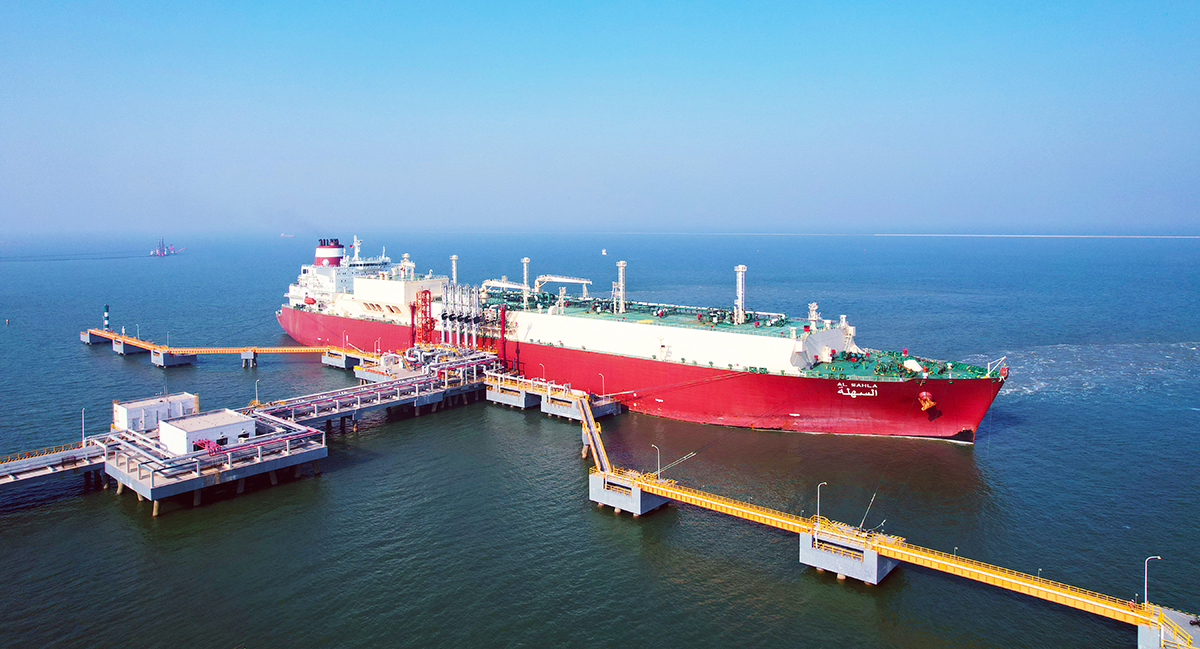
The global LNG landscape is changing, and while Qatar will continue to be a major LNG exporter, it will briefly drop to third in the global rankings until planned expansion projects come on stream in the middle part of the decade. Strategically, Qatari suppliers may opt to change their market supply profile, which will have a knock-on effect on the global market, both LNG suppliers and buyers.
Balancing the books: A deep dive into fiscal policy and diversification in Oman
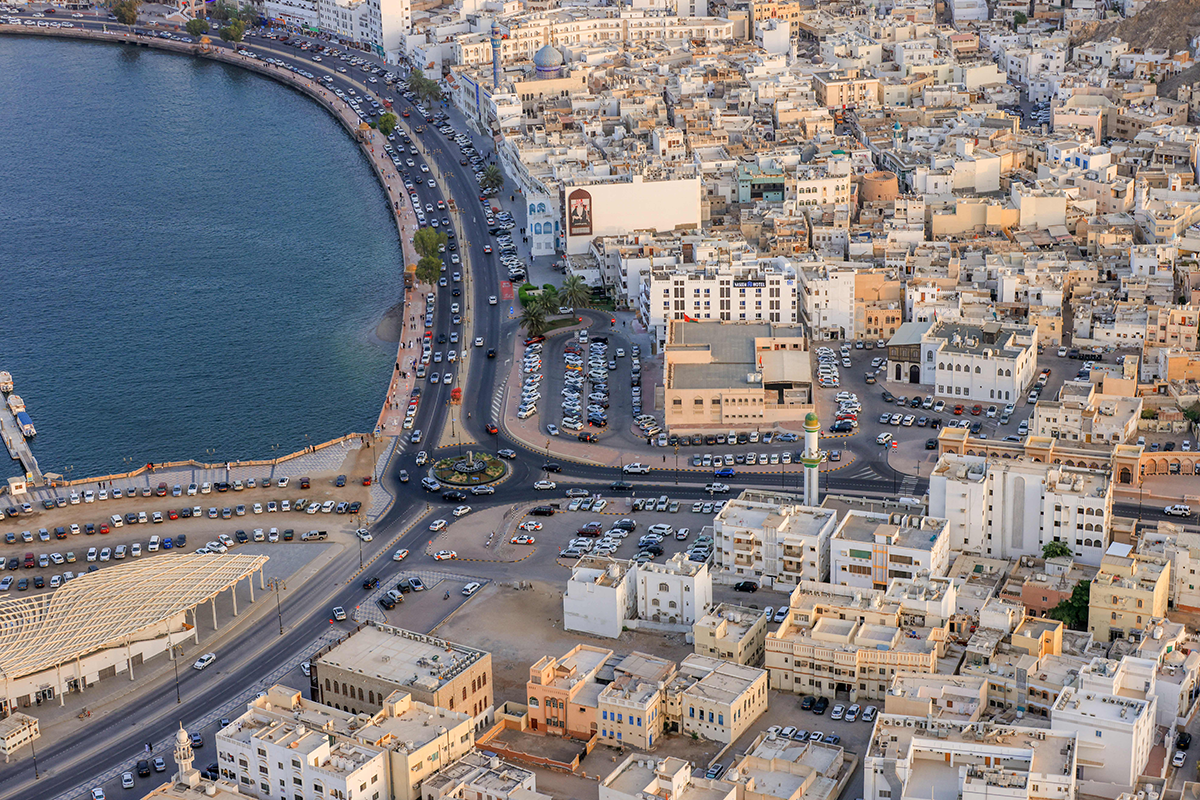
This policy brief provides a deep dive into the far-reaching and interrelated policies imposed by the government to reduce the country’s deficits, debts, and reliance on hydrocarbons.
Lama Kiyasseh and Lina Osman join Karen Young, director of MEI’s Economics and Energy program, to discuss how sustainable finance is changing the region by channeling financial resources toward addressing environmental and social challenges.
Promoting Entrepreneurship in MENA: A Catalyst for a Sustained and Inclusive Recovery from COVID-19
Academic and policy-based research demonstrates that women and youth in most MENA countries face legal, regulatory, and socio-cultural barriers to entering the formal labor market and generating income. Entrepreneurship can be a viable alternative for MENA women and youth because of its prestige in the region and its ability to catalyze inclusive growth. This brief draws on research and evidence to formulate policy advice on how support for entrepreneurship can enhance the economic security of women and youth in what will be a slow and painful post-pandemic recovery.
Saudi Arabia’s natural gas aspirations: The domestic outlook
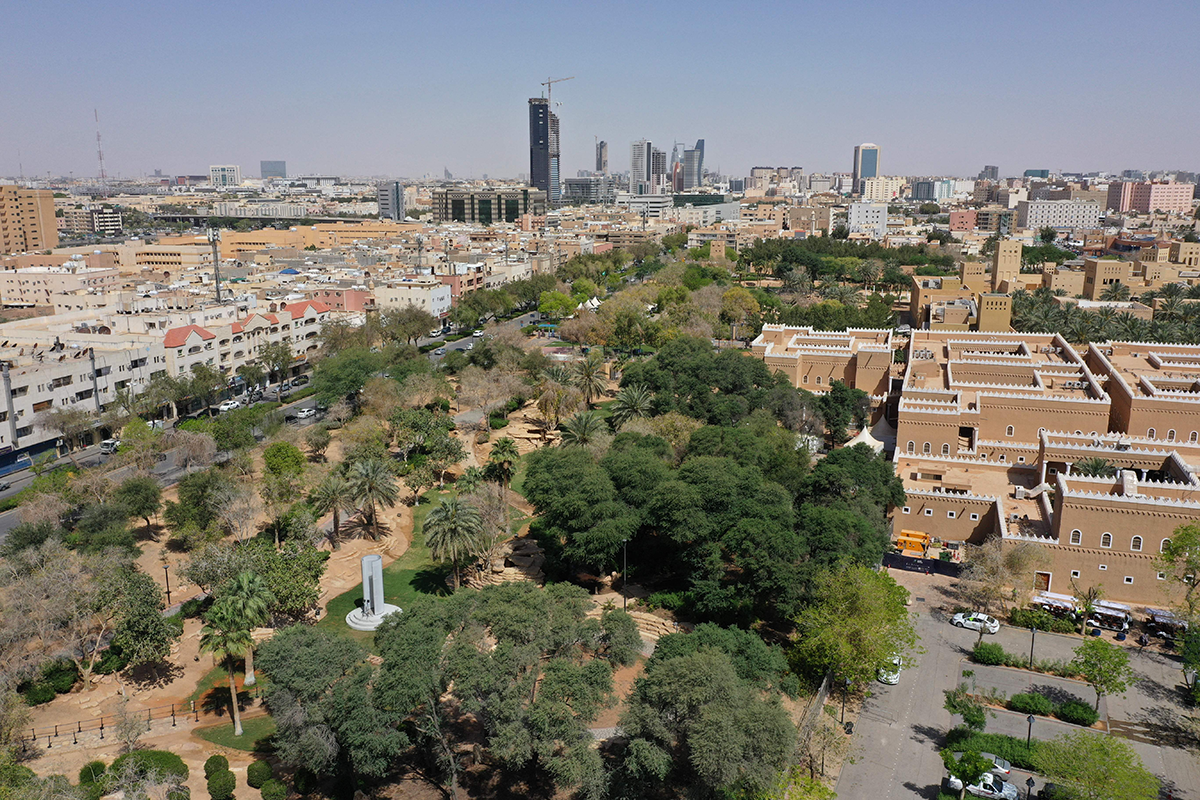
With the recent announcement of the Jafurah Field, a massive unconventional, non-associated gas play, Saudi Arabia is looking to enter the global gas sector. The field’s estimated reserves, while substantial, are insufficient to meet current domestic needs and, in the future, displace dirty heavy fuel oil used in power generation and satisfy international export goals. The kingdom thus faces difficult decisions regarding the allocation of the Jafurah gas — to either domestic or international markets — and both options have significant challenges.