We can’t tackle climate change in the Middle East without ESG investing
As a major center for fossil-based energy production, the Middle East is key to global ESG developments. The region is currently at an early stage of ESG adoption, although holding COP27 and COP28 has provided some initial movement towards mainstreaming climate finance regulations.
The Food-Energy Nexus and Italy–Morocco Cooperation
The unwinding of global food production chains due to the combined shocks of Covid-19 and the war on Ukraine, made worse by the impact of climate change on the food-water-energy nexus, will require the six nations of the western Mediterranean – Morocco, Algeria, Tunisia, Spain, France and Italy – to develop new forms of economic cooperation. An Italy–Morocco partnership on green energy food production can be a model for resilient food production chains.
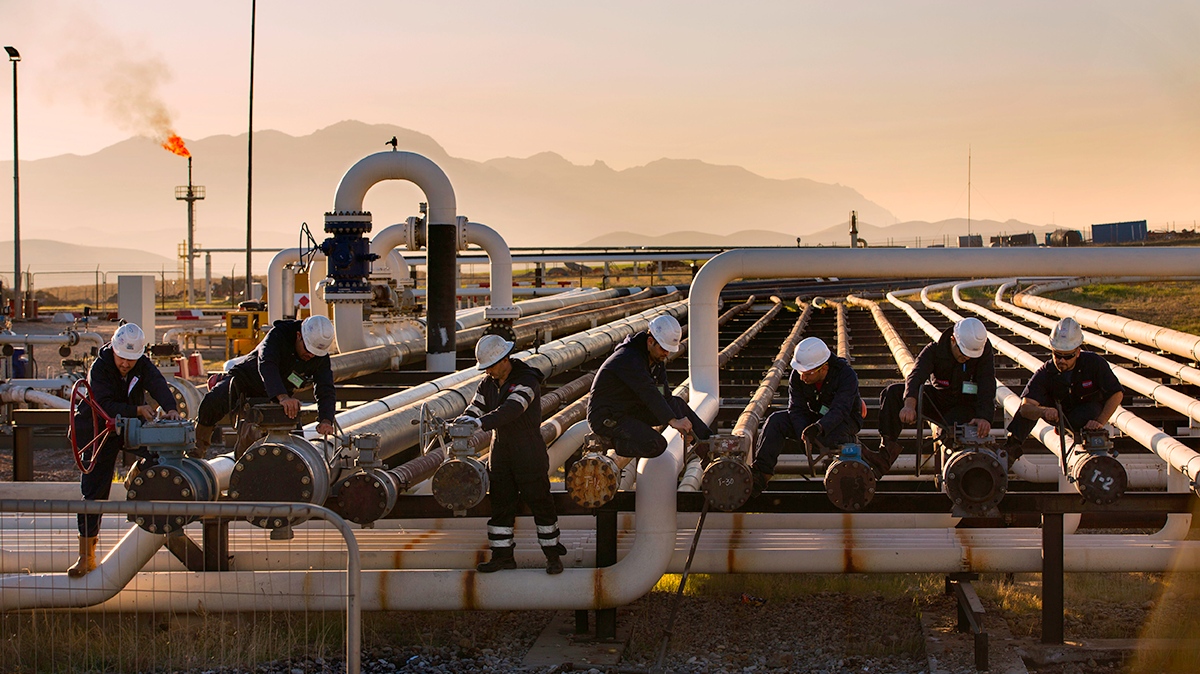
The next few decades will be crucial for Iraq and the KRG as global changes reshape the energy sector. The push for sustainable development, the Paris Agreement climate goals, and associated efforts in areas like renewable energy, climate change, and environmental protection will bring about a transition across the sector, affecting everything from employment and working patterns to governance.
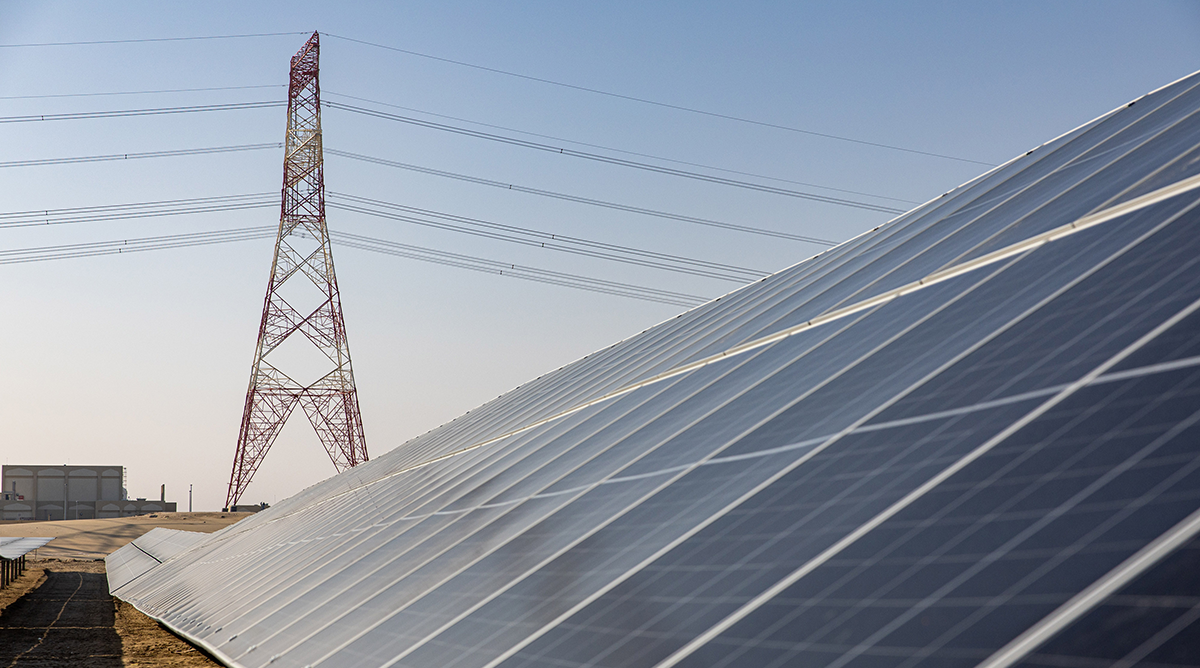
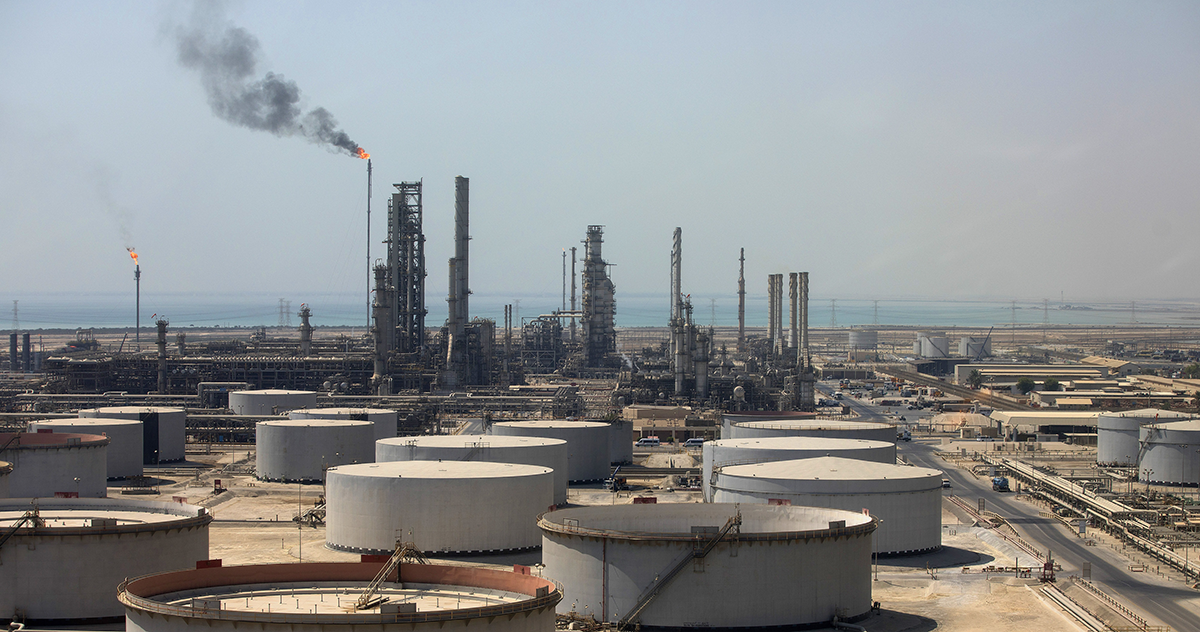
The Gulf Arab states, while major oil and gas producers, can play a significant role in supporting global efforts to achieve net-zero goals. They are not only endowed with great potential for renewable energy resources as well as some of the world’s lowest carbon content fuels, but also with, to varying extents, sizable financial resources. Yet, to unlock such huge potential, the Gulf Arab states will need to systematically identify and address the various challenges in their path to net zero.
Iraq needs renewables, but they won’t solve its power problems without broader reforms
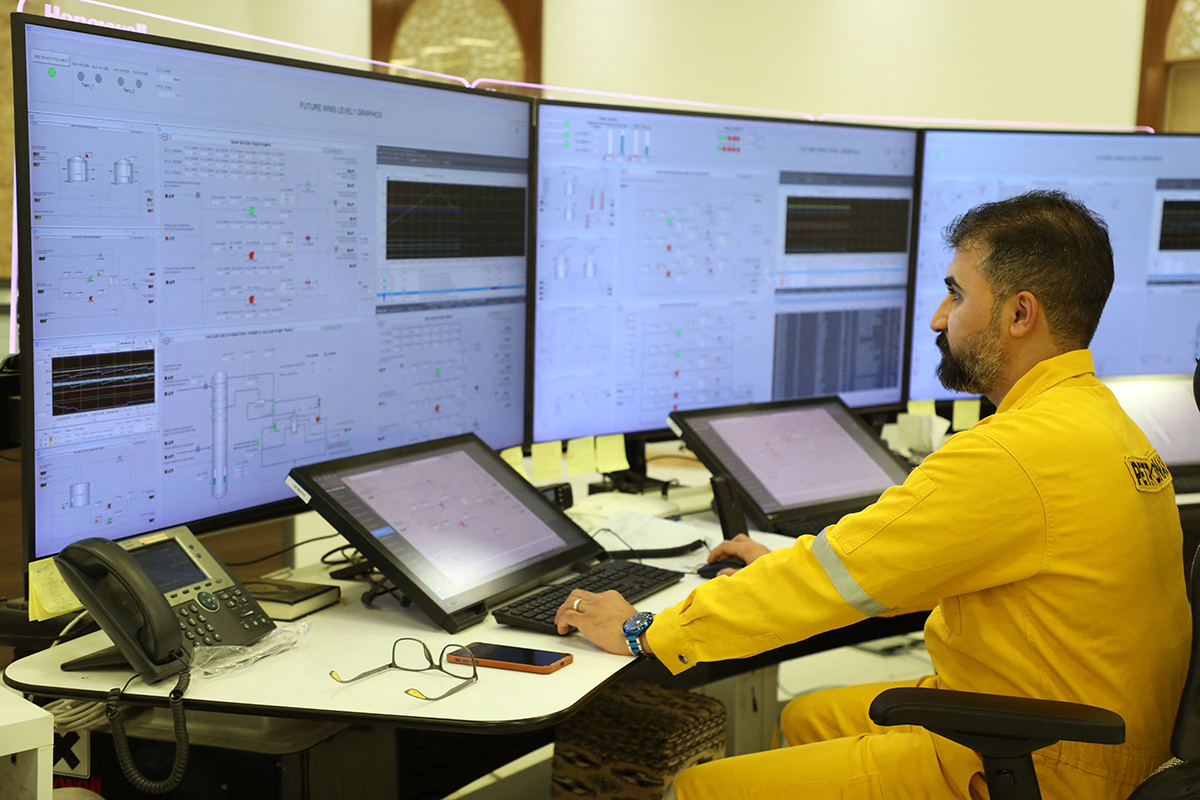
Despite massive hydrocarbon reserves, Iraq struggles with chronic electricity shortages. There is a clear need to explore cleaner alternatives, such as renewable energy systems, yet the deployment and integration of these systems would be hindered by the same structural woes that have crippled the electricity sector, and which go far beyond generation issues.
The geopolitics of energy transition in MENA: Mitigating risks, exploring new opportunities
Energy remains at the heart of the geopolitical chessboard. Despite recent advances in the development of renewable energy sources, their share in the energy mix remains limited as oil still meets most of the transportation sector’s needs. The development of renewable energies is not yet able to drastically change this reality.
2023 ADSW: A solid start for a climate-focused year in the UAE
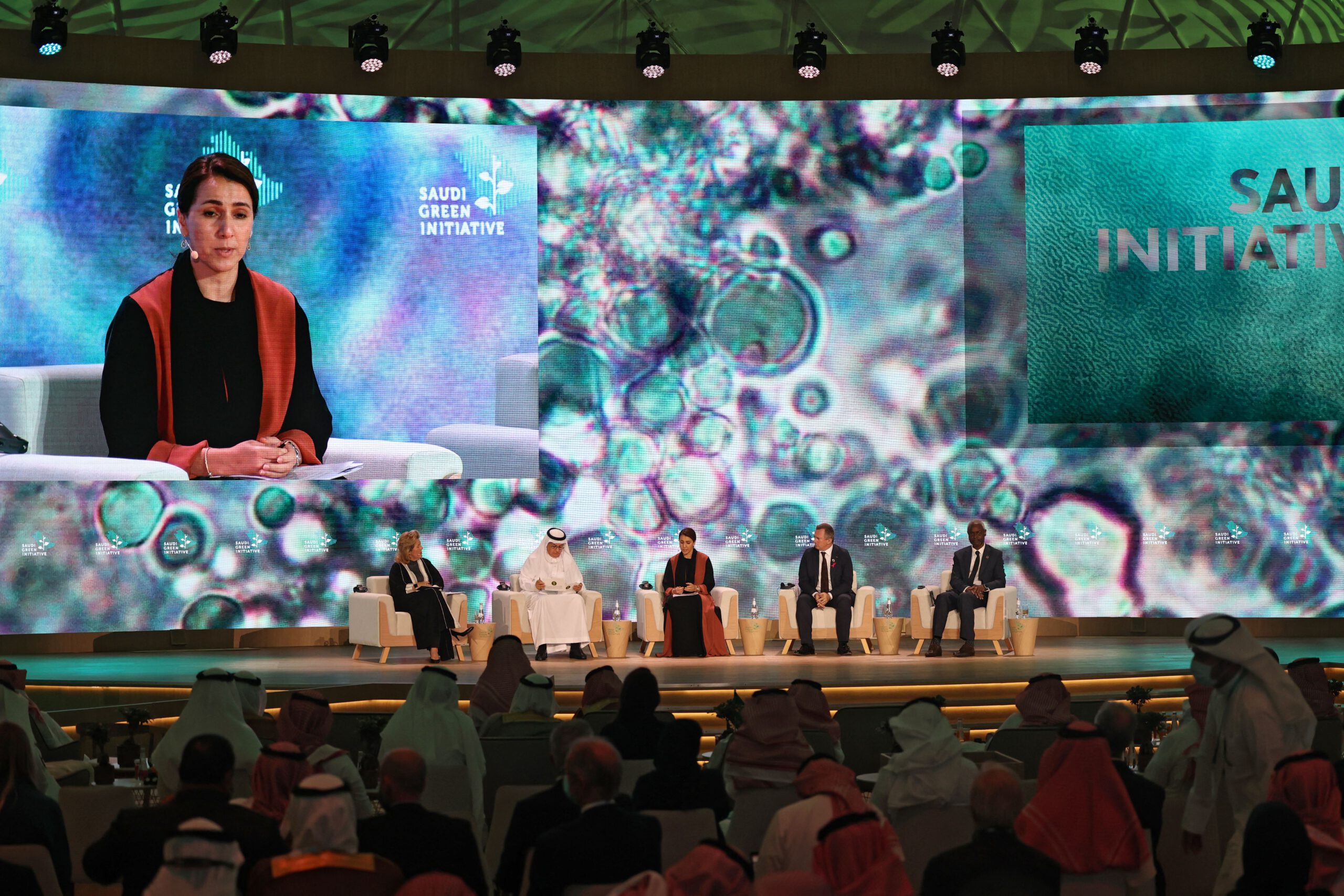
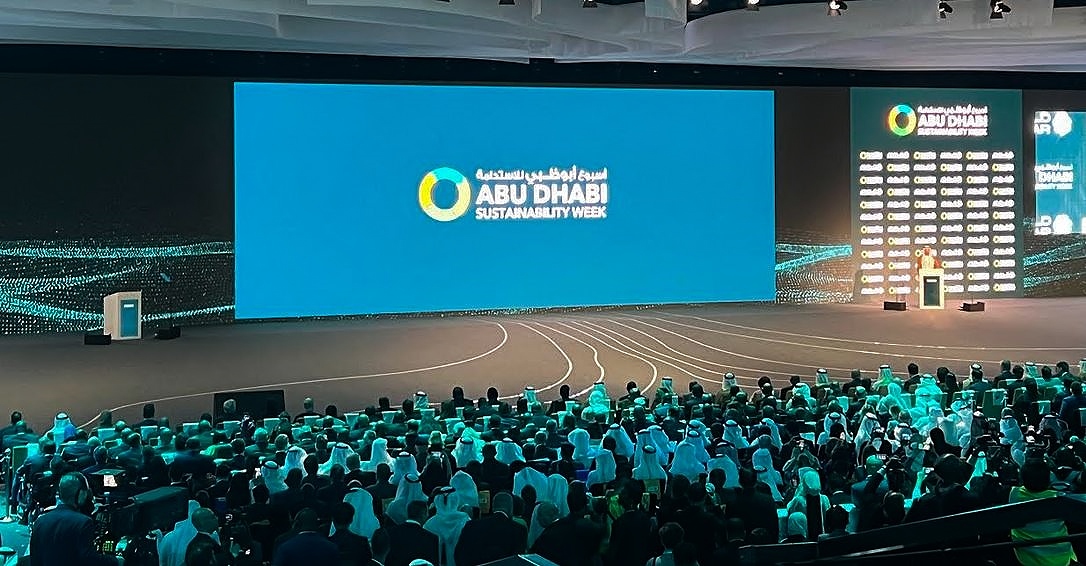
This year’s Abu Dhabi Sustainability Week focused on both adaptation strategies and mitigation actions. Judging by the solid foundation established at this conference, and building on the efforts the UAE launched in previous years, the upcoming COP28, which will be hosted in Dubai, appears to have all the ingredients to bring together relevant stakeholders and deliver on its promises.
The issue of diversification is difficult but urgent, given increasingly tight global climate policies, the advances of non-fossil technologies, and the limited lifespan of the KRI’s oil resources. Harnessing the region’s natural gas productively is the first step to a cleaner and more diversified economy.
A new momentum: Recalibrating Germany's foreign policy toward the Gulf monarchies
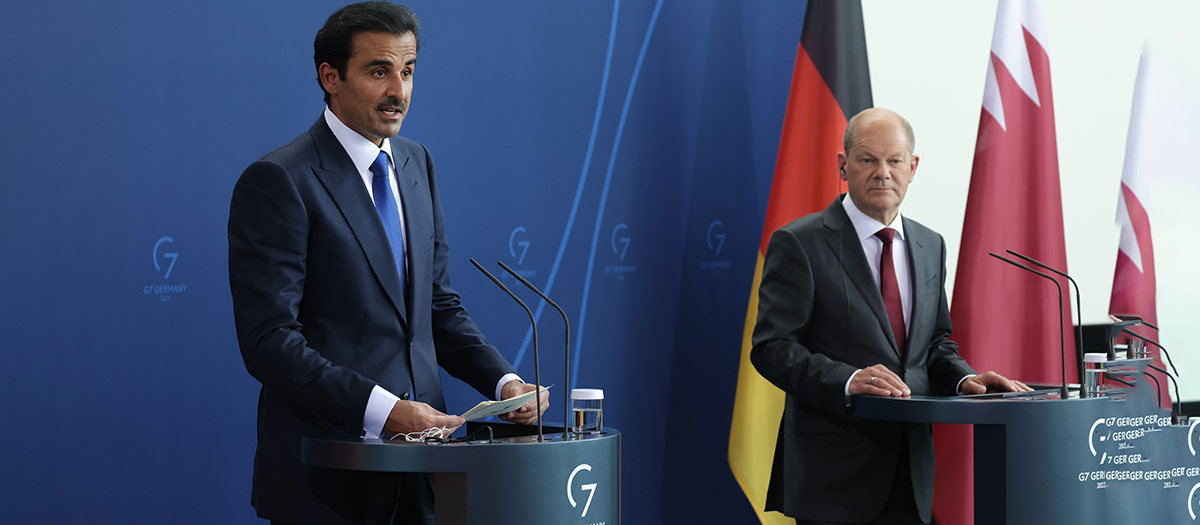
Facing the profound challenge of trying to diversify its energy supply while a destabilizing war rages on in Ukraine, Germany has looked to several Gulf monarchies to forge new energy partnerships. Notwithstanding heated domestic debates over controversial topics such as their human rights record, Berlin should consider a more comprehensive strategic approach toward the Gulf monarchies that encompasses issues beyond energy supply, such as joint efforts in regional integration and development.
The Gulf states: Beneficiaries of the Russia-Europe energy war?
The Gulf states are often overlooked as indirect beneficiaries of the Russia-Europe energy war. In what ways and to what extent have they leveraged it? Are these benefits sustainable?
Eastern Mediterranean gas discoveries, progress, and what to watch in 2023
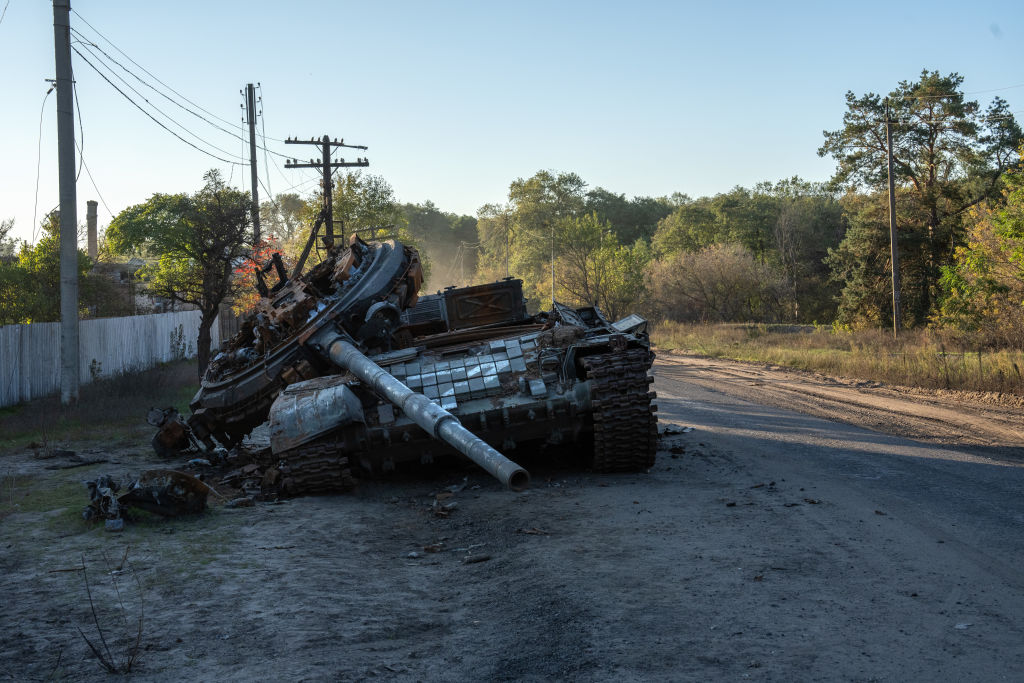
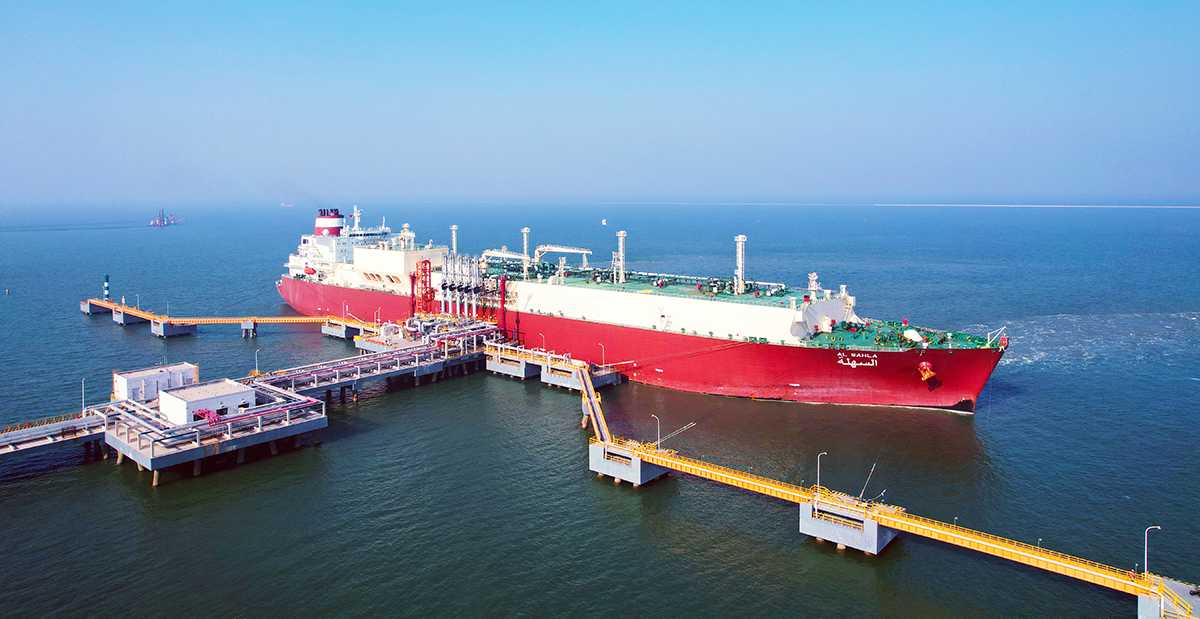
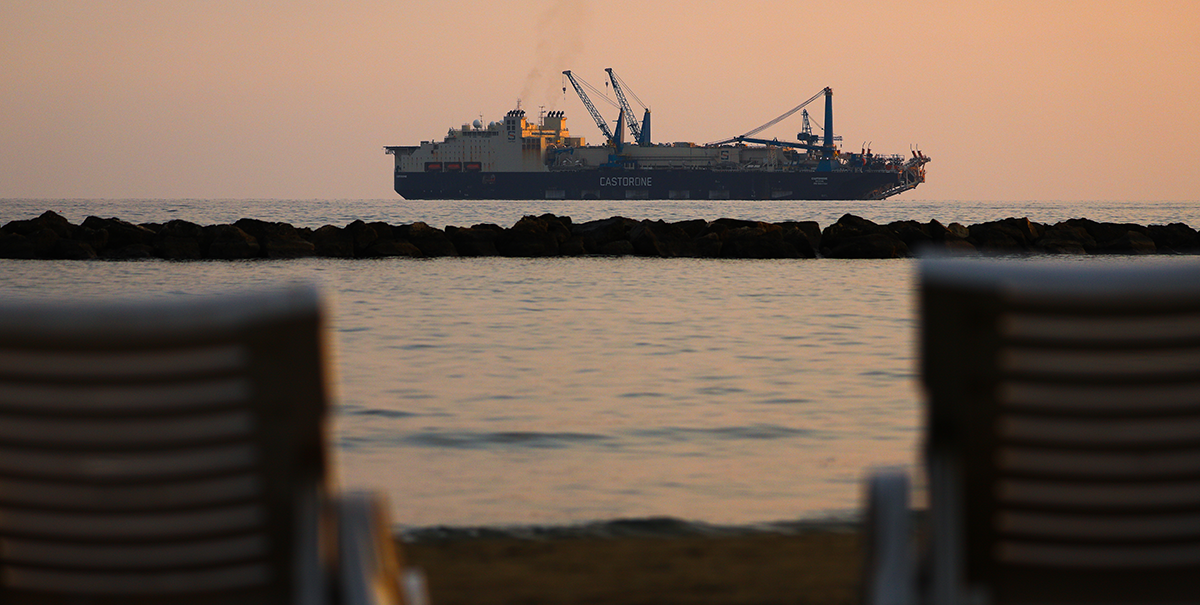
The challenge of developing export strategies for the offshore natural gas resources concentrated in the Eastern Mediterranean predates the Russo-Ukrainian war. Yet over the course of 2022, Europe’s intensifying energy crisis created a new and more immediate incentive to solve those export challenges, despite a great deal of work still to be done.
For the past ten years, Italy and Morocco have been two of the most economically dynamic countries in the Mediterranean basin. Morocco’s rise as a manufacturing and distribution hub for companies seeking to nearshore operations close to mature European end-markets, as well as emerging African end-markets, has created new potential synergies for a deeper Italy-Morocco commercial partnership.
What the United Nations’ 6th Climate Assessment tells us about the Mediterranean’s climate future
The latest U.N. IPCC report details the alarming changes that Mediterranean countries will experience in the coming decades due to climate change, highlighting three critical areas — warming and droughts, declining ecosystems, as well as socioeconomic and public health risks.