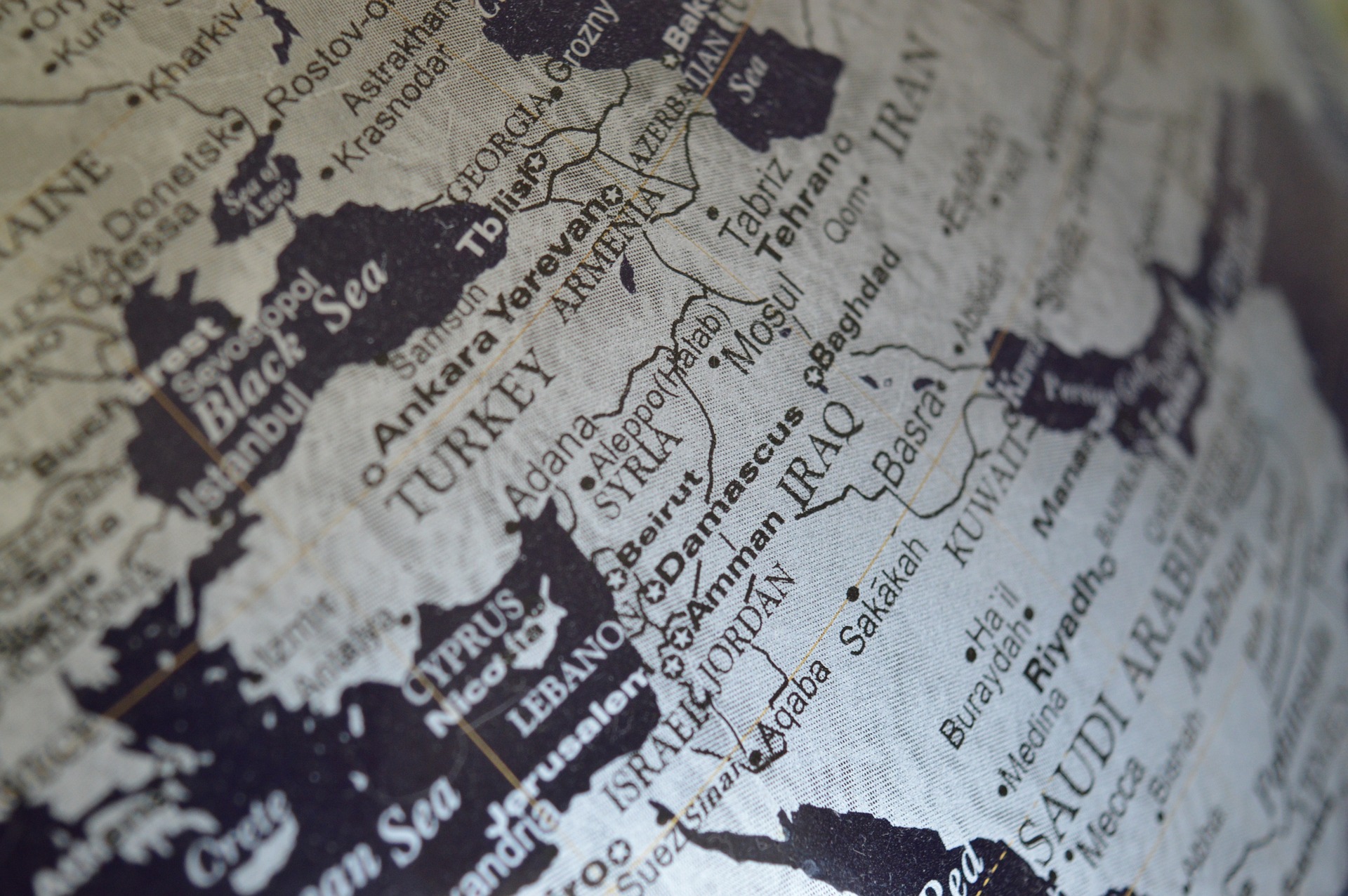
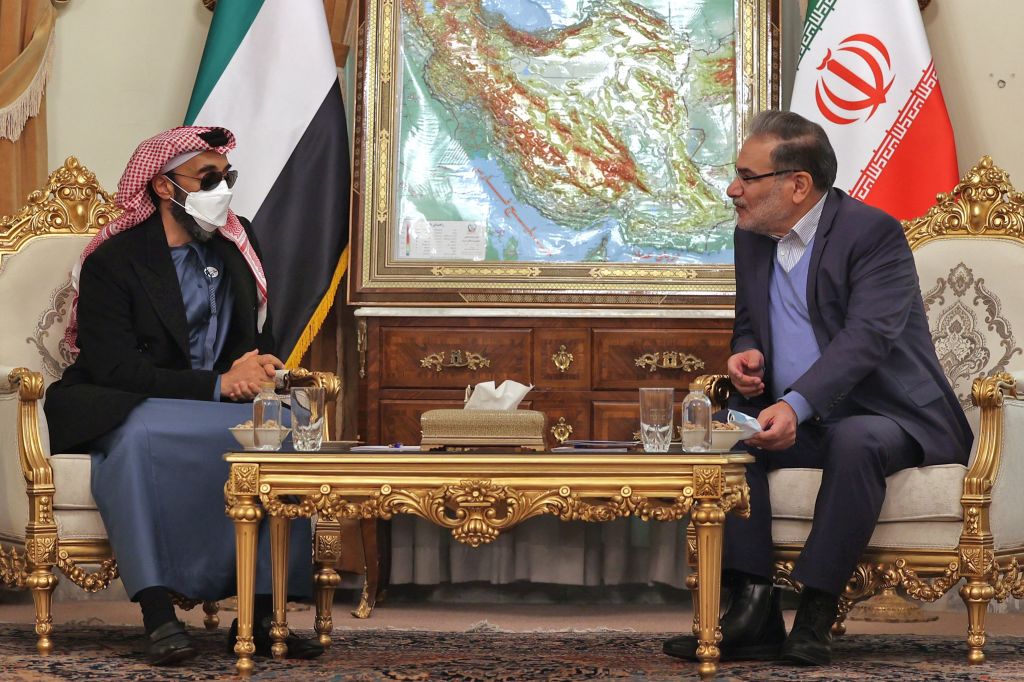
Monday Briefing: With international talks on Iran in limbo, keep an eye on regional action and engagement
Read MEI’s weekly briefing featuring expert analysis of key regional developments for the week ahead.

Dust in the Cloud: The Future of Data Governance in the GCC
As the countries of the Gulf Cooperation Council (GCC) work to transform from hydrocarbons-driven to data-driven economies, they will need to make significant and well-planned invest-ments in digital infrastructure, particularly when it comes to the complex issue of data govern-ance. They must take the lead in establishing regulatory and legal frameworks aligned with international standards in terms of data gathering, processing, and storing procedures. This report highlights the existing laws and regulations that govern data protection in the GCC while addressing their potential and limitations, along with the similarities and differences between the GCC’s legislative frameworks and the EU’s General Data Protection Regulation, and the impact of the GCC’s current data protection laws on individuals, the private sector, regulators, and governments.
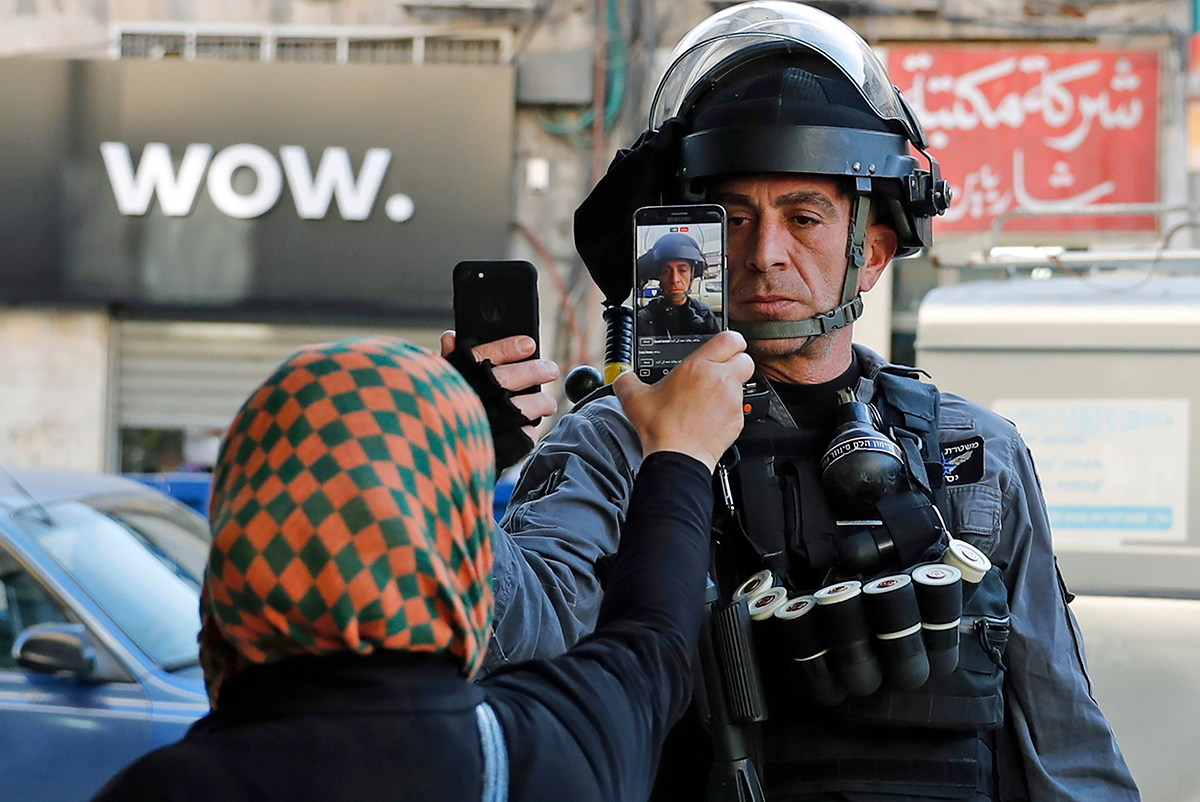
How to End Israel’s Digital Occupation
The 4.8 million residents of the occupied Palestinian territories live in two simultaneous and vastly different realities. In the physical world, Palestinians are captives, crammed into Gaza or West Bank enclaves and blockaded by Israeli military checkpoints. But on the internet, the checkpoints disappear.
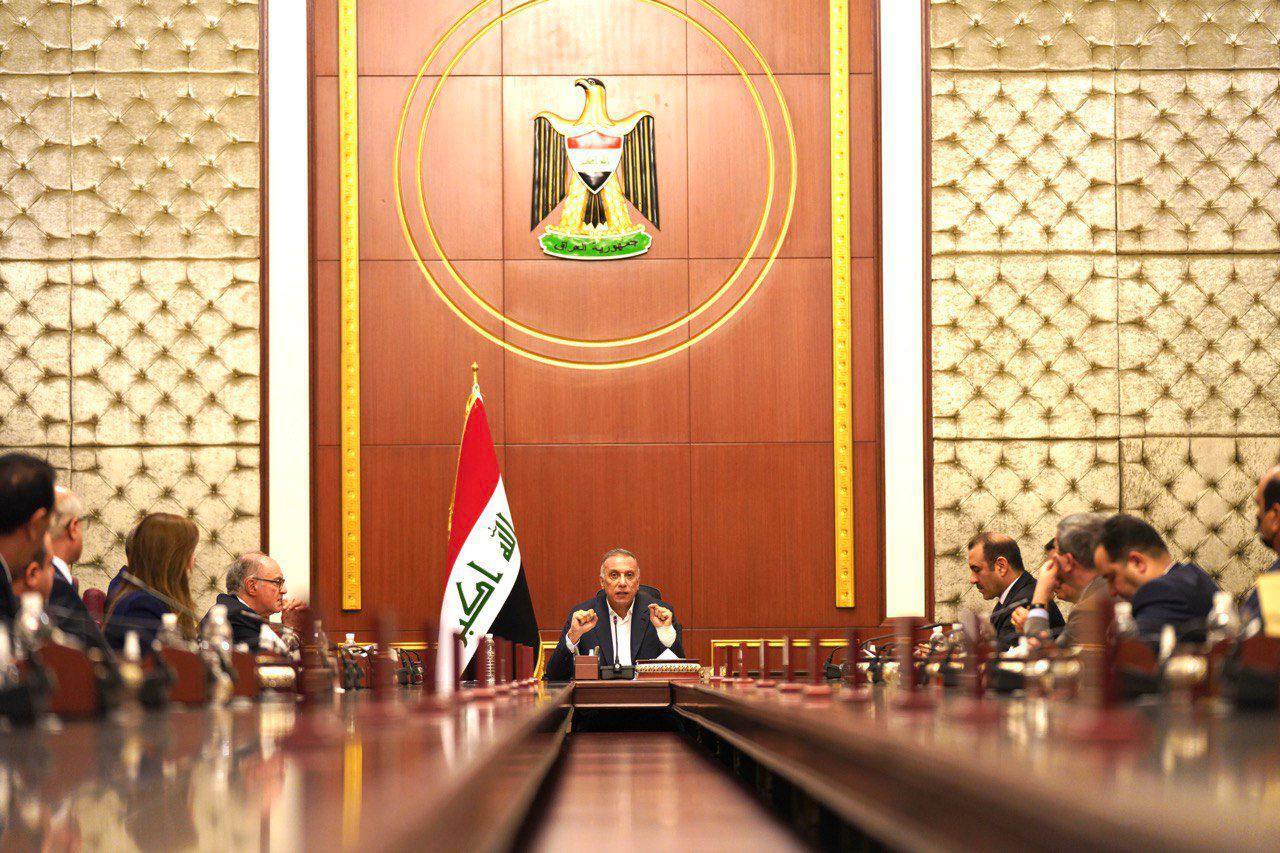
Monday Briefing: Assassination attempt targeting Iraqi PM crosses a major red line
Read MEI’s weekly briefing featuring expert analysis of key regional developments for the week ahead.
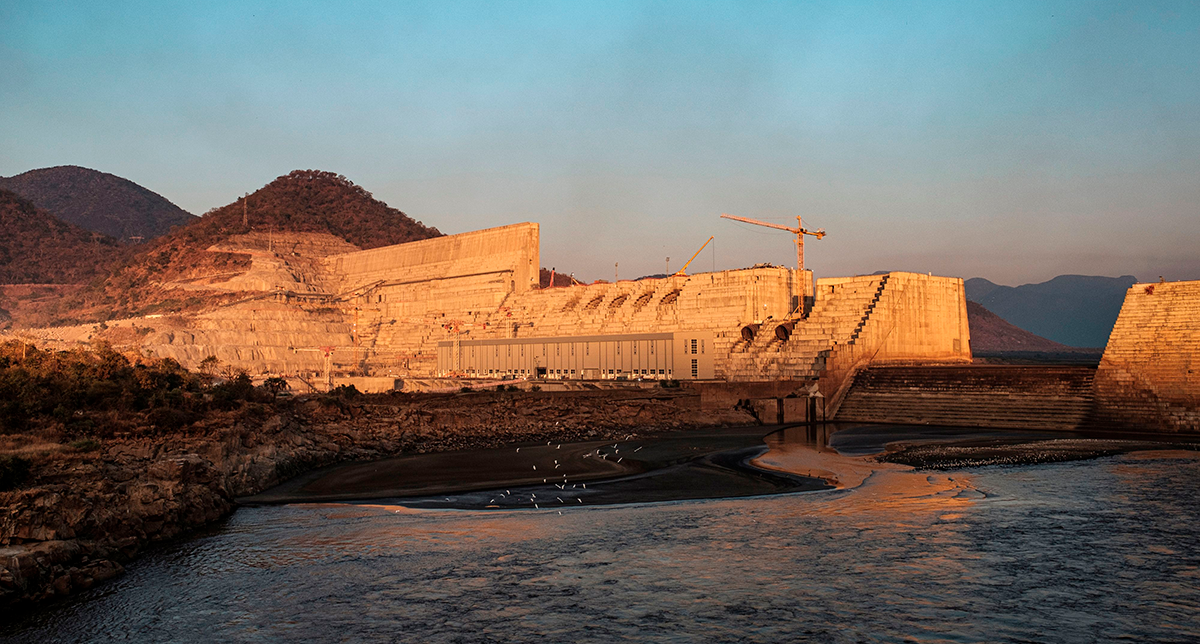
The GERD’s digital theater
Despite great diplomatic efforts, progress on reaching a comprehensive agreement between Egypt, Ethiopia, and Sudan over the Grand Ethiopian Renaissance Dam (GERD) has remained elusive. While these states have long resorted to legal and political means to protect their share of the Nile, the battle over the dam is increasingly playing out in the global theater of public opinion: social media.

The IRGC and the Persian Gulf Region in a Period of Contested Deterrence
The Strait of Hormuz is one of the world’s most important maritime chokepoints, vital to the global supply of both oil and liquefied natural gas. The issue of freedom of navigation in the strait has long been a source of tension, but until recently any attempt by Iran to physically close it looked highly implausible, unless it resulted from either a major embargo or total blockade of Iranian ports by the West, or a large-scale military confrontation. However, the events of the past three years showed Iran can still ensure a major disruption of the flow of energy without a formal blockade and without an increased risk of military confrontation with the West. Iran has a variety of means at its disposal, especially through its Islamic Revolutionary Guard Corps naval forces, and the Iranians make no secret of their desire to be recognized as the dominant military power in the Gulf and the Strait of Hormuz.
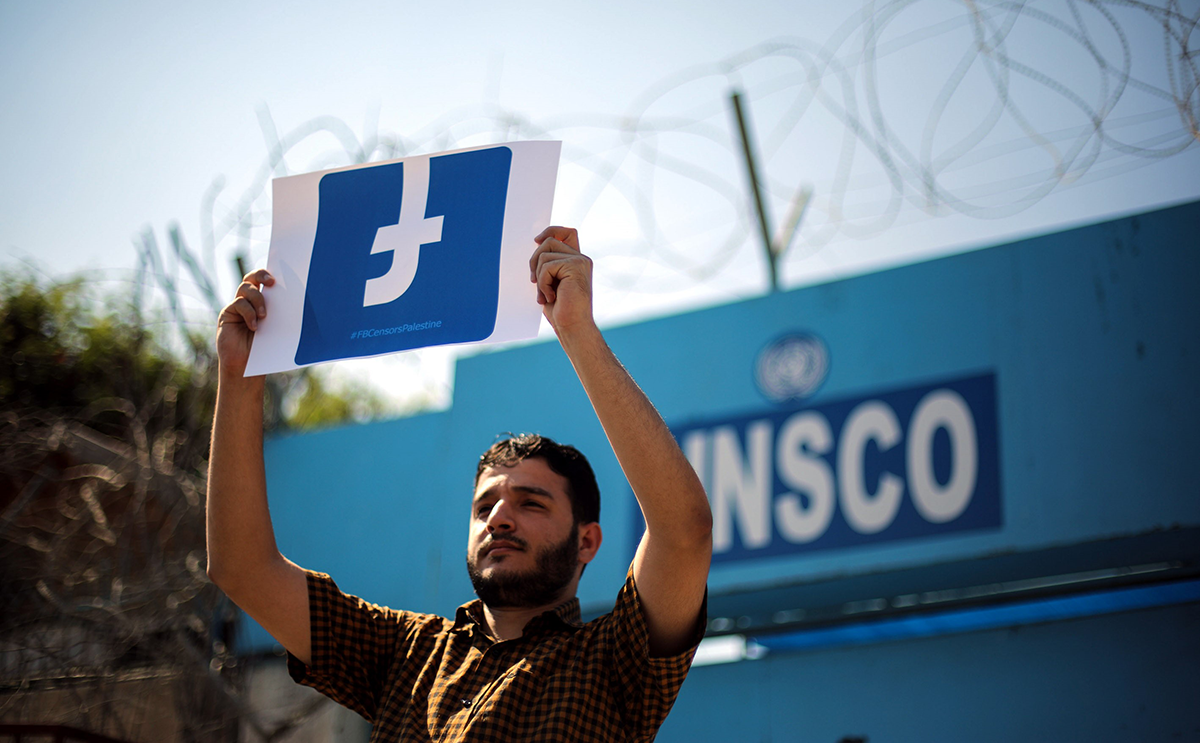
How social media is failing Palestinians
Facebook’s latest failures reveal how social media companies fail their most vulnerable users — something Palestinians have been saying for years
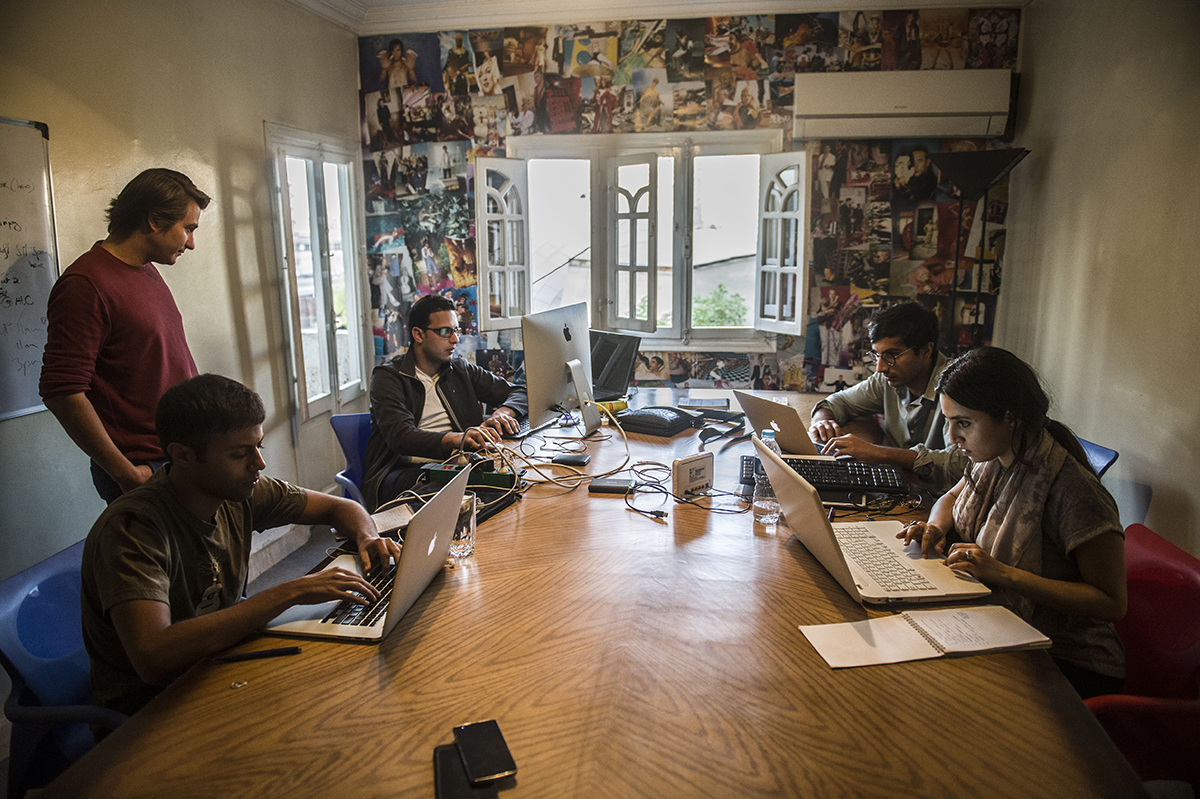
Technology and Youth Drive the Future of Work in MENA
Globally, the demand for manual, physical, and basic cognitive skills is declining. In their stead, digital literacy and competency are becoming requisites for a growing portion of the workforce, and the need for higher-level cognitive skills is on the rise: According to a World Economic Forum survey of employers, skills related to analytical and critical thinking, active learning, complex problem solving, and creativity will see the highest growth by 2025.

Telecommunications Trends in the Middle East
This article is part of the publication Thinking MENA Futures, produced in conjunction with MEI’s Strategic Foresight Initiative and the MEI Futures Forum. Read the other articles in the series here.

The Future of FinTech in the Middle East: Trends that are Here to Stay
Ten years ago, could you ever imagine that one day you could trade fractions of stocks and virtual currencies while sitting at a bus stop, all from your cellphone? Have you ever wondered what the future of finance will look like five years from today? Imagine going to the grocery store for a seamless shopping experience: You walk in, grab a carton of milk, and walk right out while cameras recognize the items in your basket and your face to enable a secured payment. The financial world has made tremendous advances in the last 10 years due to the arrival of FinTech, and the sector is only getting bigger.
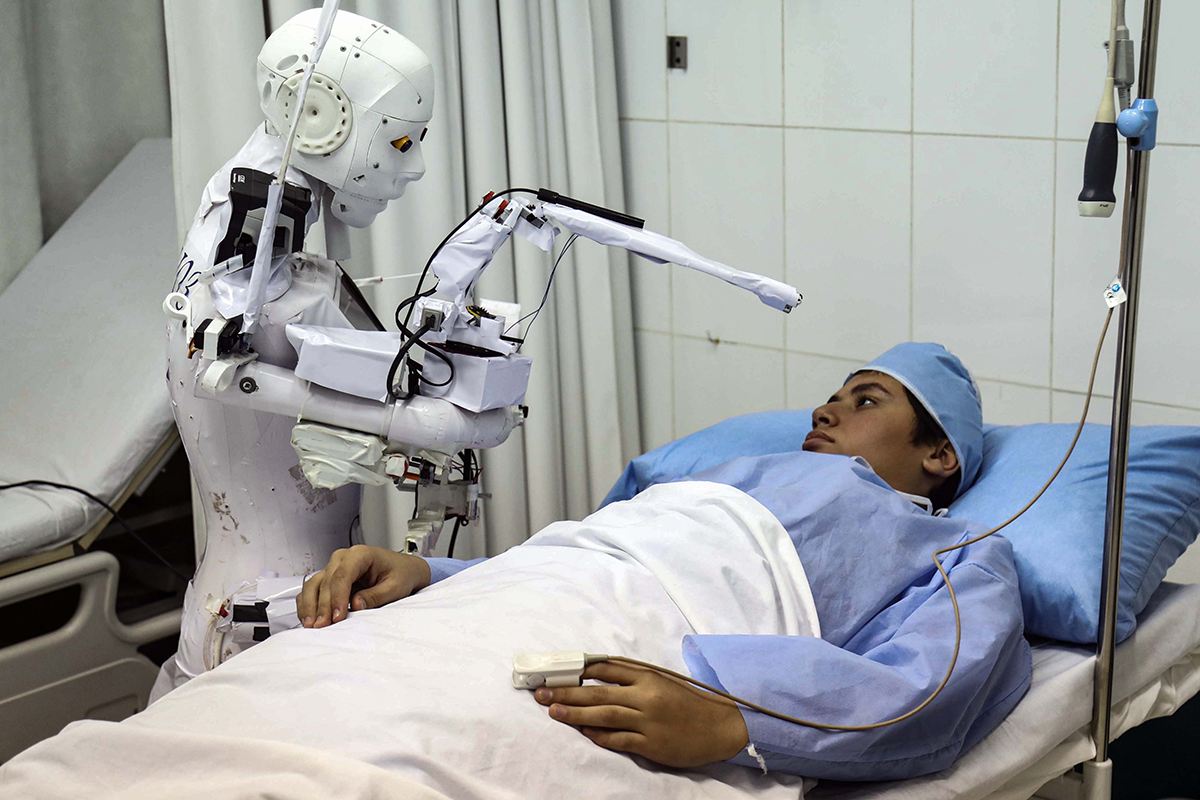
The Digitalization of Economies and the Future of Work: A Regional Outlook
The world will remember 2020 as the year that witnessed an unprecedented acceleration in digital transformation instigated by the disruption of COVID-19. The pandemic affected millions of lives and livelihoods in the developed world and emerging economies, including the Middle East and North Africa (MENA) region. However, it also presented ample opportunities for economies to reimagine how the future will look while adapting to emerging innovative technologies and their economic implications.
Breaking the Mold: Can the MENA Region Be a Leader in Inclusive Capital?
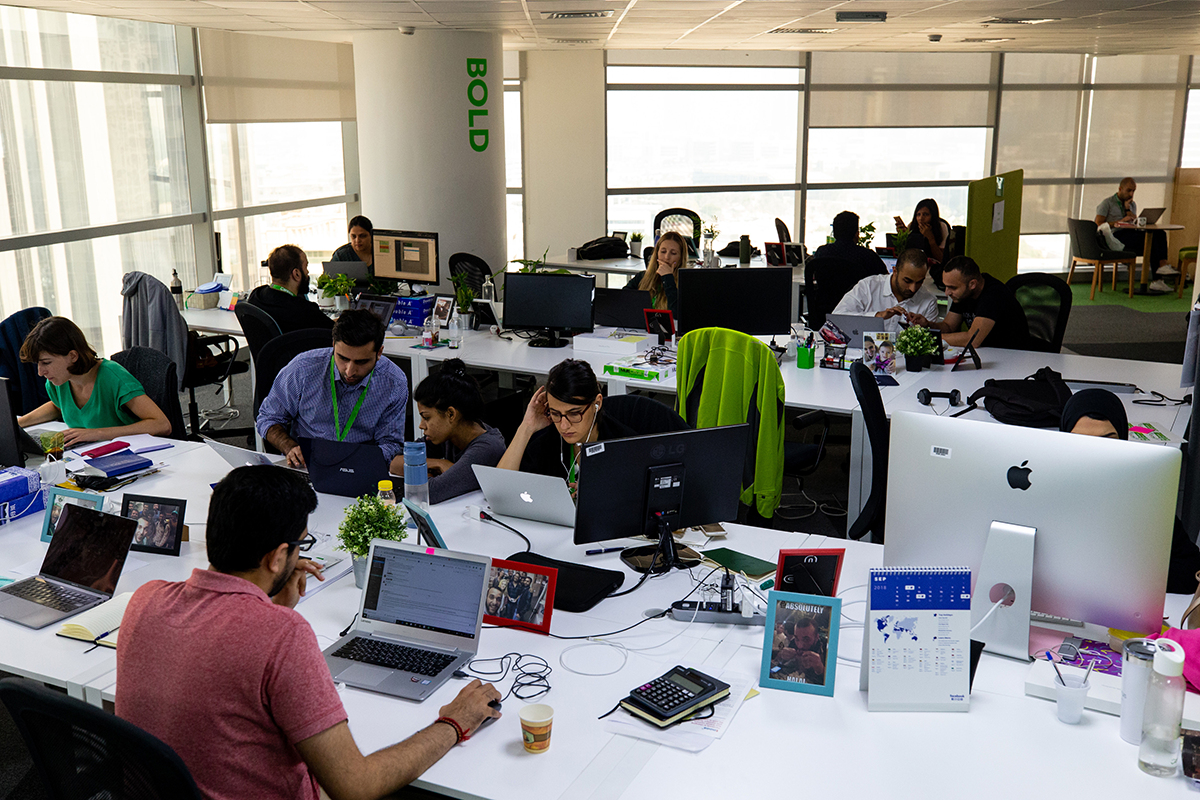
Maktoob’s exit, which took place more than a decade ago, sparked a “Cambrian moment” of entrepreneurship and innovation that has continued to create value for people across the region today. Ex-unicorn employees are also defining the startup ecosystem in MENA. The question for us in the region is: how can we make sure we move beyond a “mafia,” which lends itself to exclusivity, to something that is truly inclusive?
The Impact of War on the People of the Middle East
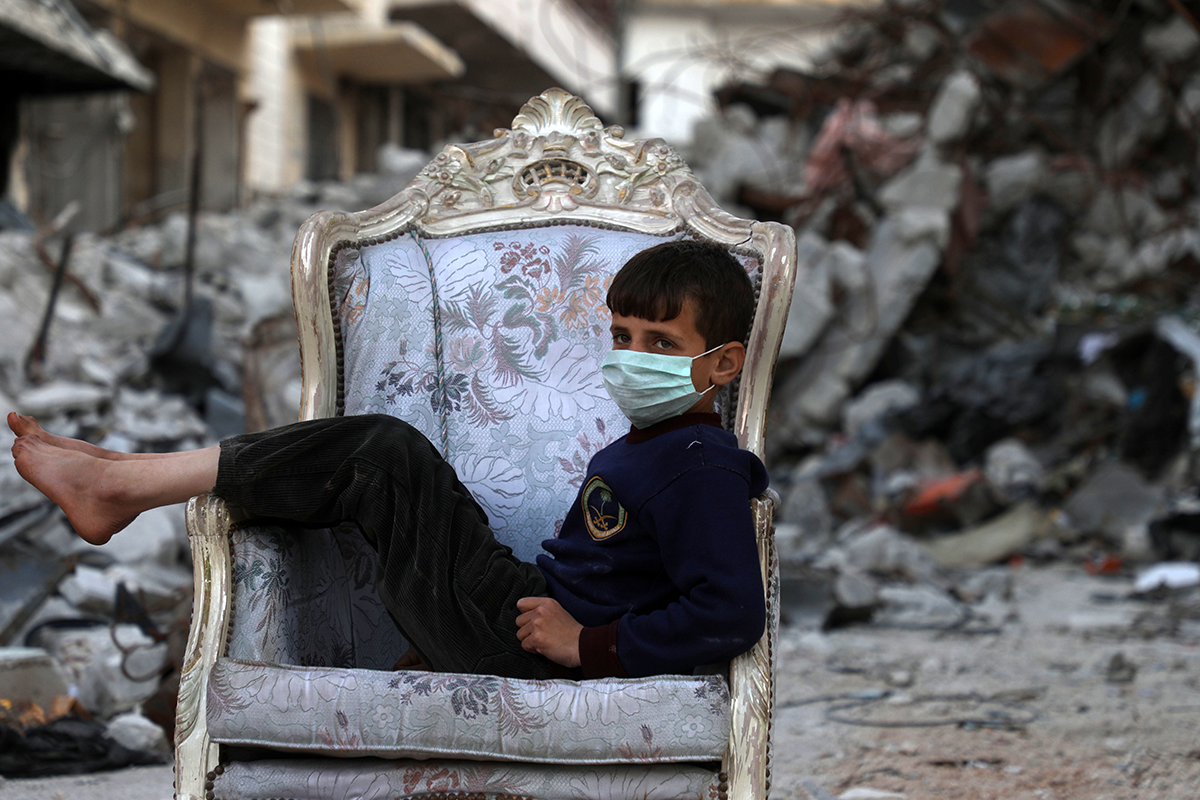
“The best thing in war is its end.” The sad fact in the Middle East is that this end has not yet come — and there is no clear end on the horizon.

A Revolution in Education: What Lies Ahead for MENA
The internet is reshaping the way we learn. Before the COVID-19 crisis, the idea of online learning was already in the air and taking hold fast. The last decade has seen the rise of Massive Online Open Courses (MOOCs), the creation of online marketplaces for education, and new alternatives to college like coding bootcamps. But the pandemic rocked the foundations of the learning industry and the next 10 years promise to deliver a revolution in education.