With the Middle East on the brink, how can the US recalibrate its response?
The Middle East teeters on the precipice of a substantial escalation, threatening to more fully draw in Lebanon, Iran, and perhaps other countries. What happens in the coming days, along with the decisions made by adversaries and allies alike, will determine if that happens.
Israel and the Axis of Resistance in the wake of the Gaza war
Hamas’ Oct. 7 attack touched off a destructive war with Israel and a limited but fierce regional conflagration between Israel and the Iran-led “Axis of Resistance,” with Lebanese Hezbollah at the forefront. The ongoing conflict has been multi-fronted, multi-faceted, dynamic, and already highly consequential. While a clear bottom line remains elusive, exploring the war’s primary origins and evolution offers useful indicators.
On this week’s episode, Director of MEI’s Syria and Countering Terrorism and Extremism Programs Charles Lister speaks with MEI Editor-in-Chief Alistair Taylor on the resurgence of the Islamic State, or ISIS, in Syria and Iraq. This episode is the first in a several-part series looking at where the terrorist group stands today and its international footprint 10 years on from the founding of the 87-country Global Coalition to Defeat ISIS.
As the Middle East becomes more autonomous and empowered domestically, the leaders in the region might consider more synergetic relations with each other and prepare national long-term plans that provide a balanced and integrated approach to social, technological, environmental, economic, and political development and progress.
Pakistan and the Middle East’s evolving approach to Afghanistan
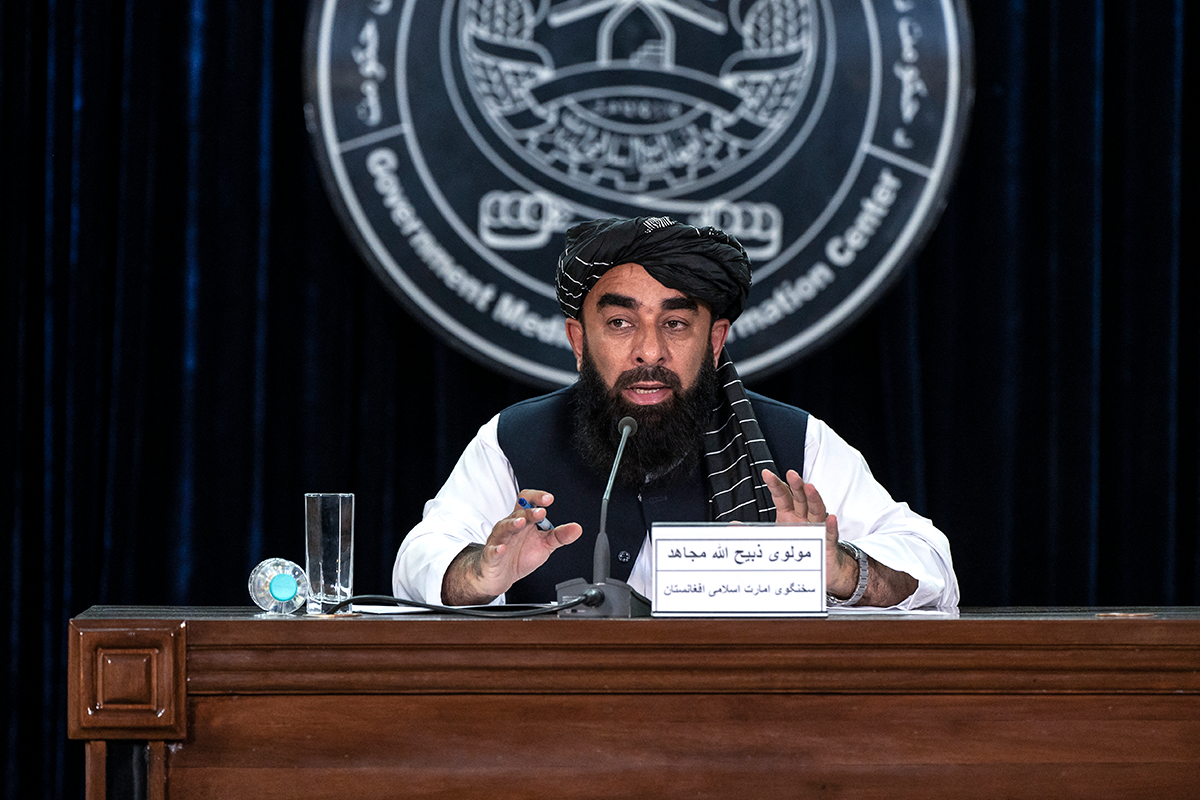
Afghanistan has long been an arena for proxy contestations by regional powers, which have adopted rather divergent Afghan policies over the past several decades of foreign occupation and are doing so again now when the country is in the vicelike grip of a resurgent Taliban.
The impact of Turkish-Syrian normalization on the SDF
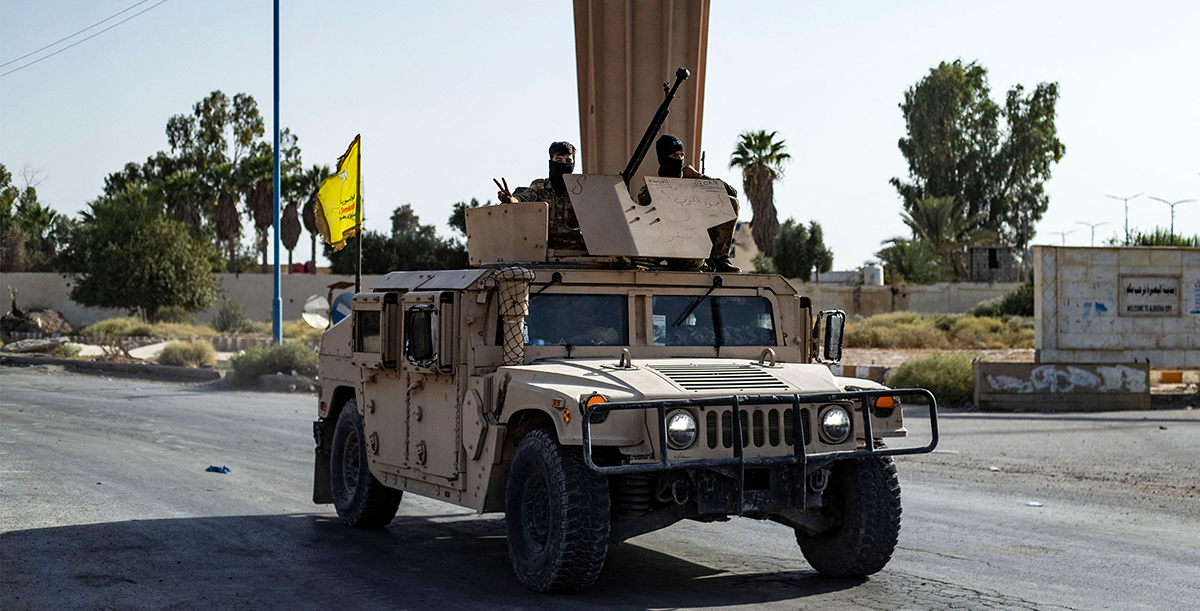
As speculation continues about a possible Turkish-Syrian normalization, what might such a process mean for the Syrian Democratic Forces (SDF), a close US ally? In a new piece for MEI, Amer al-Ahmed lays out three possible scenarios for the future of the SDF amid normalization.
A waiting game as the region teeters on the brink of full-blown war
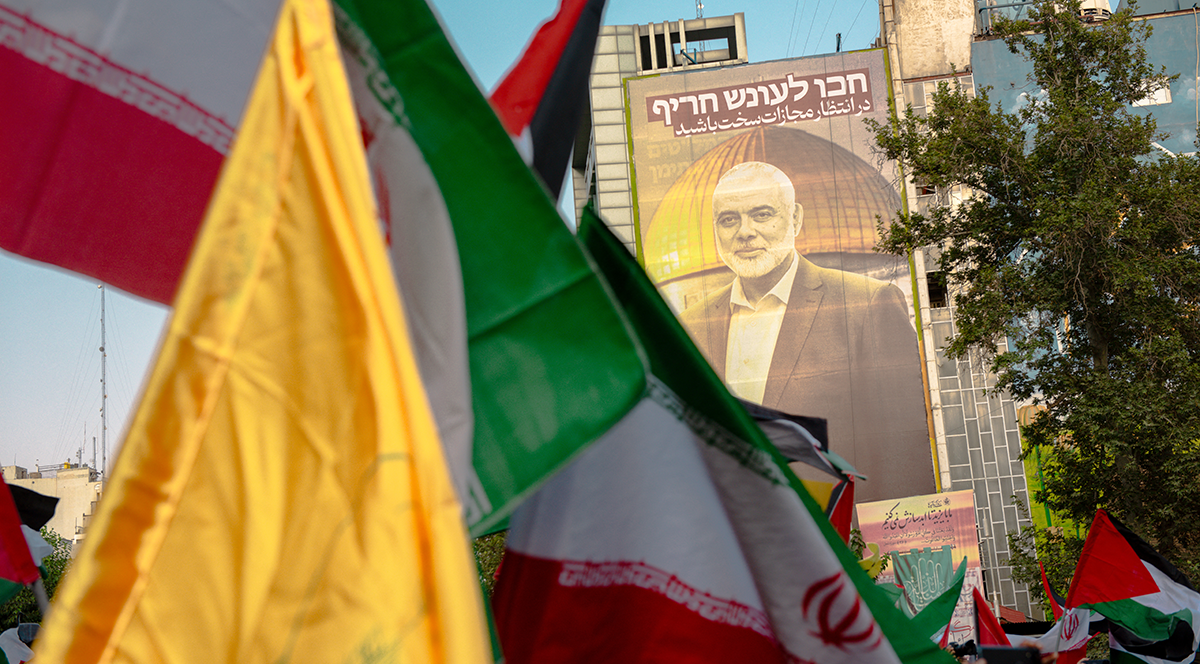
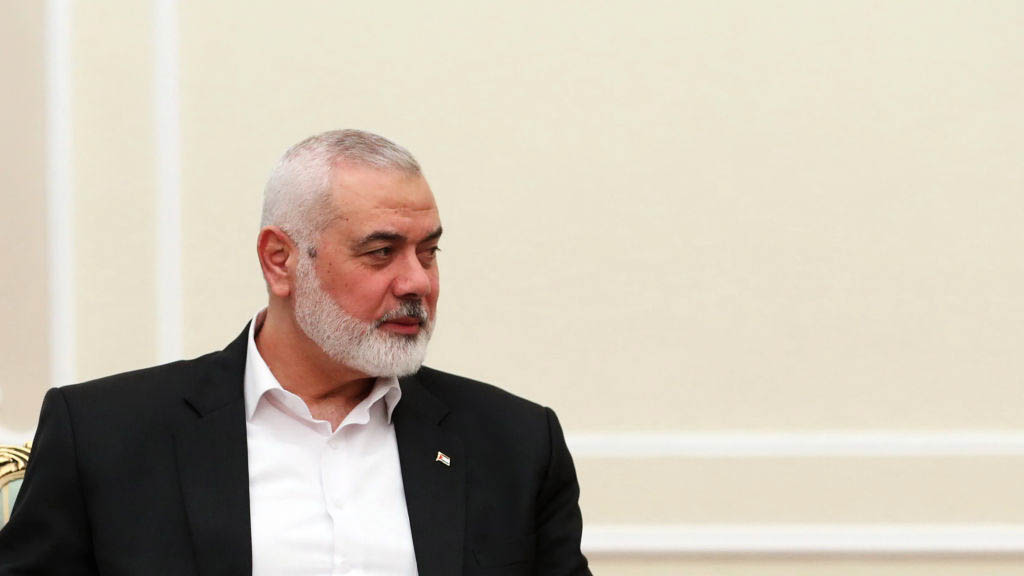
Israel’s targeted killing of Hezbollah military leader Fuad Shukr in Beirut and Hamas political chief Ismail Haniyeh in Tehran are explosive events for the region. Coming within 12 hours of each other, they were also an earthquake within the “Axis of Resistance” — but not one likely to encourage de-escalation. Far from it.
Special Briefing: The regional impact of Ismail Haniyeh’s assassination
In a new special briefing, scholars from across MEI weigh in with their thoughts on the assassination of Hamas political leader Ismail Haniyeh and the potential regional impact.
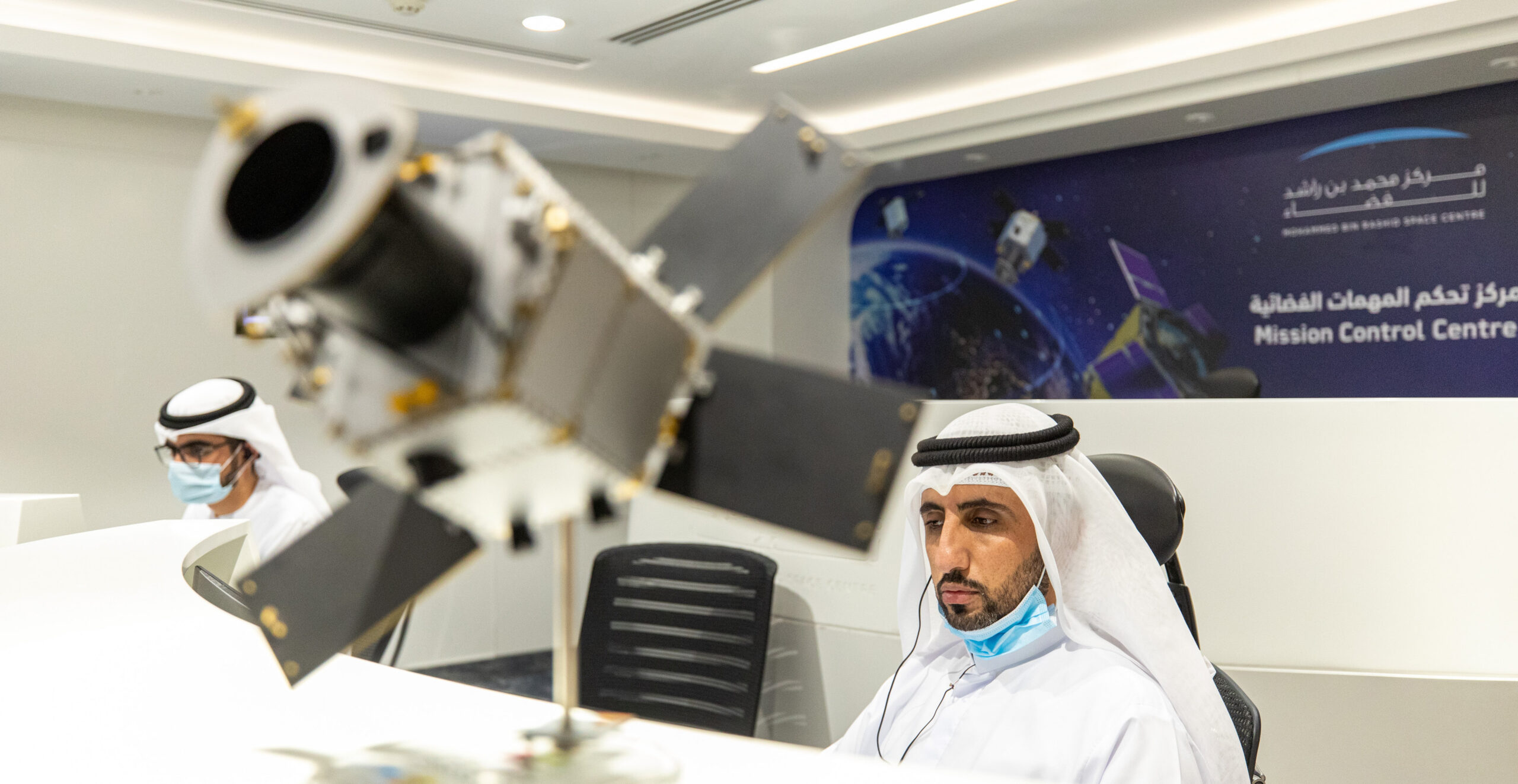
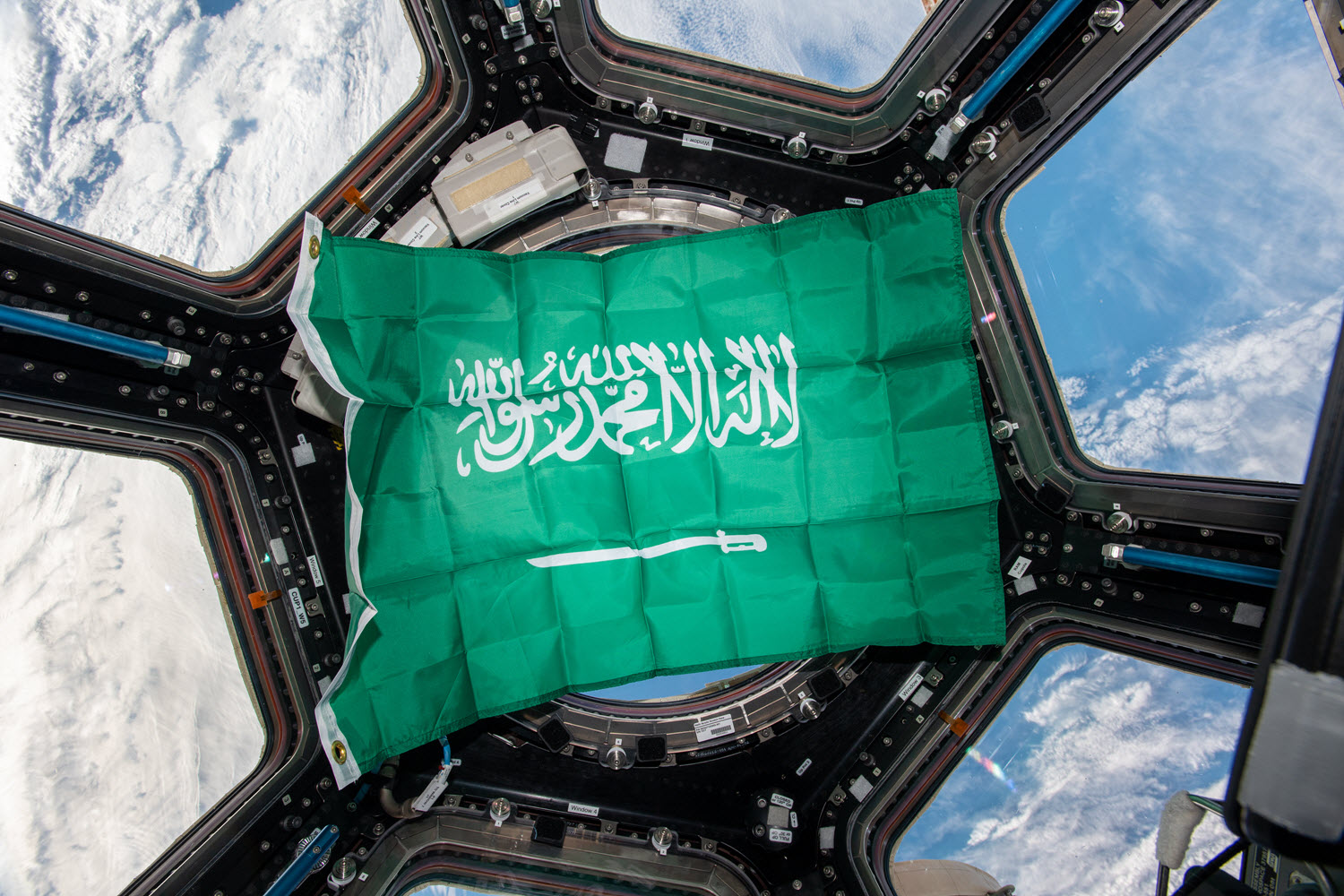
On July 16, the United States and Saudi Arabia announced a new framework for space collaboration and civil aeronautics that shakes up the space race. The agreement marks a turning point for the US-Saudi Arabia bilateral relationship, gearing it more toward scientific cooperation and demonstrating the pivotal role that emerging space powers, particularly in the Middle East, are poised to play in the Second Space Age.
Russia and China’s differing engagements with the Houthis
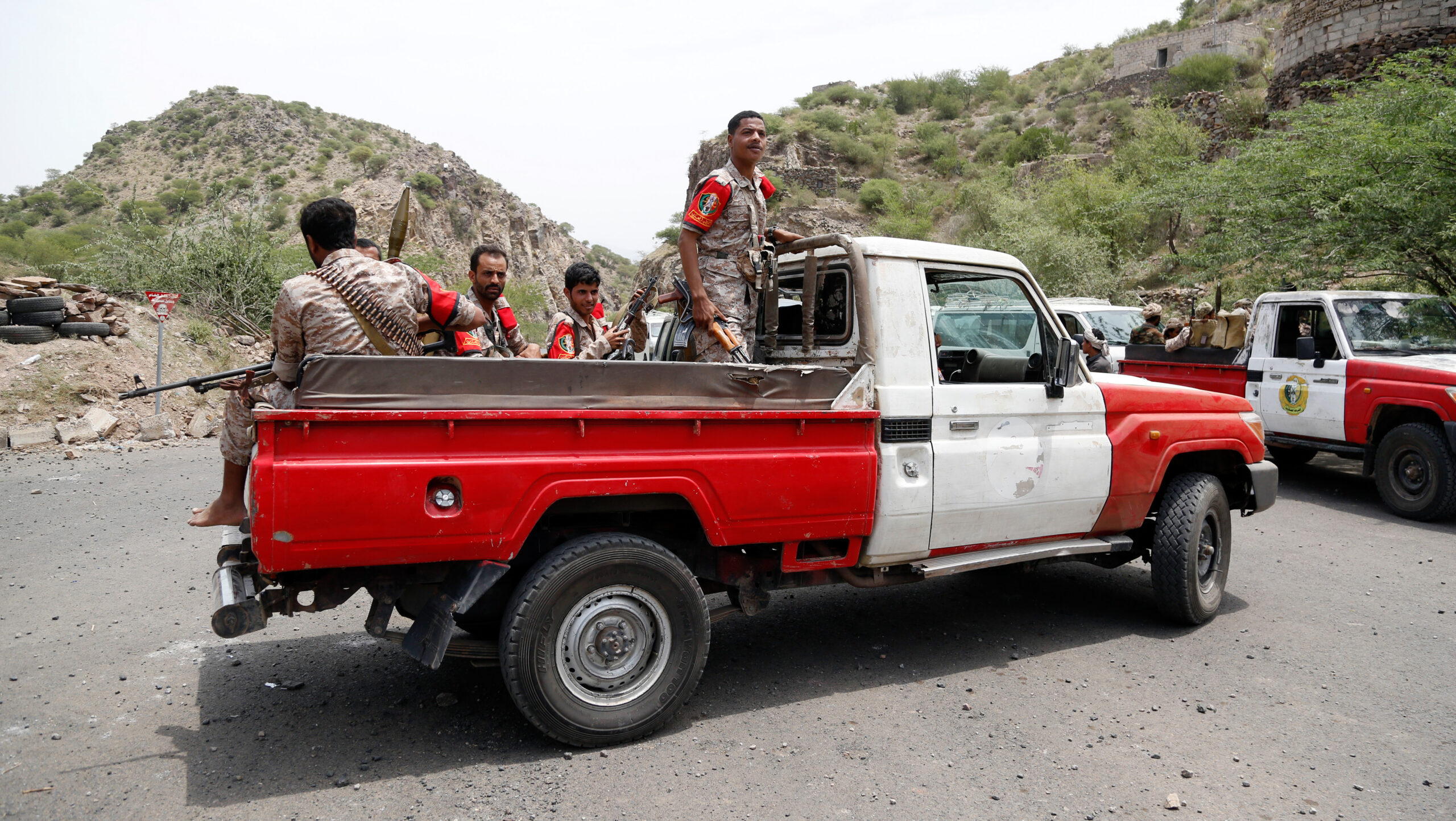
Although Russia and China are in regular dialogue with the Houthis, the motivations that undergird the engagements of both countries differ markedly. The Houthis regard both Russia and China as partners against American unilateralism but have a warmer relationship with Moscow.
China’s humanitarian role: Insights from the Syrian refugee crisis
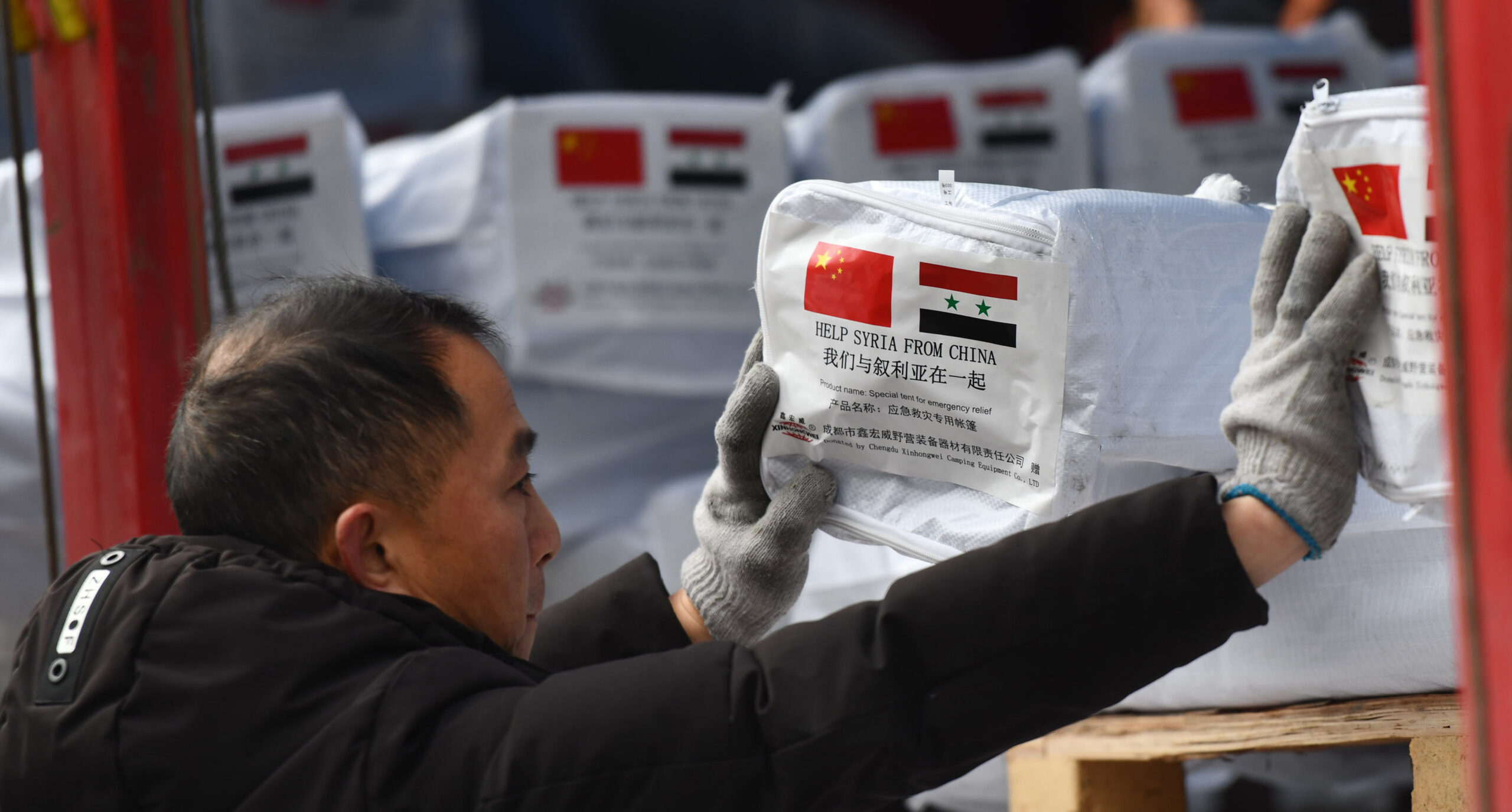
China’s response to the Syrian refugee crisis should be viewed within the broader context of its evolving approach to humanitarian aid and its overall involvement and objectives in the Syrian conflict.
Why President-elect Pezeshkian’s focus on Arab ties makes sense for an Iran facing monumental socio-economic challenges
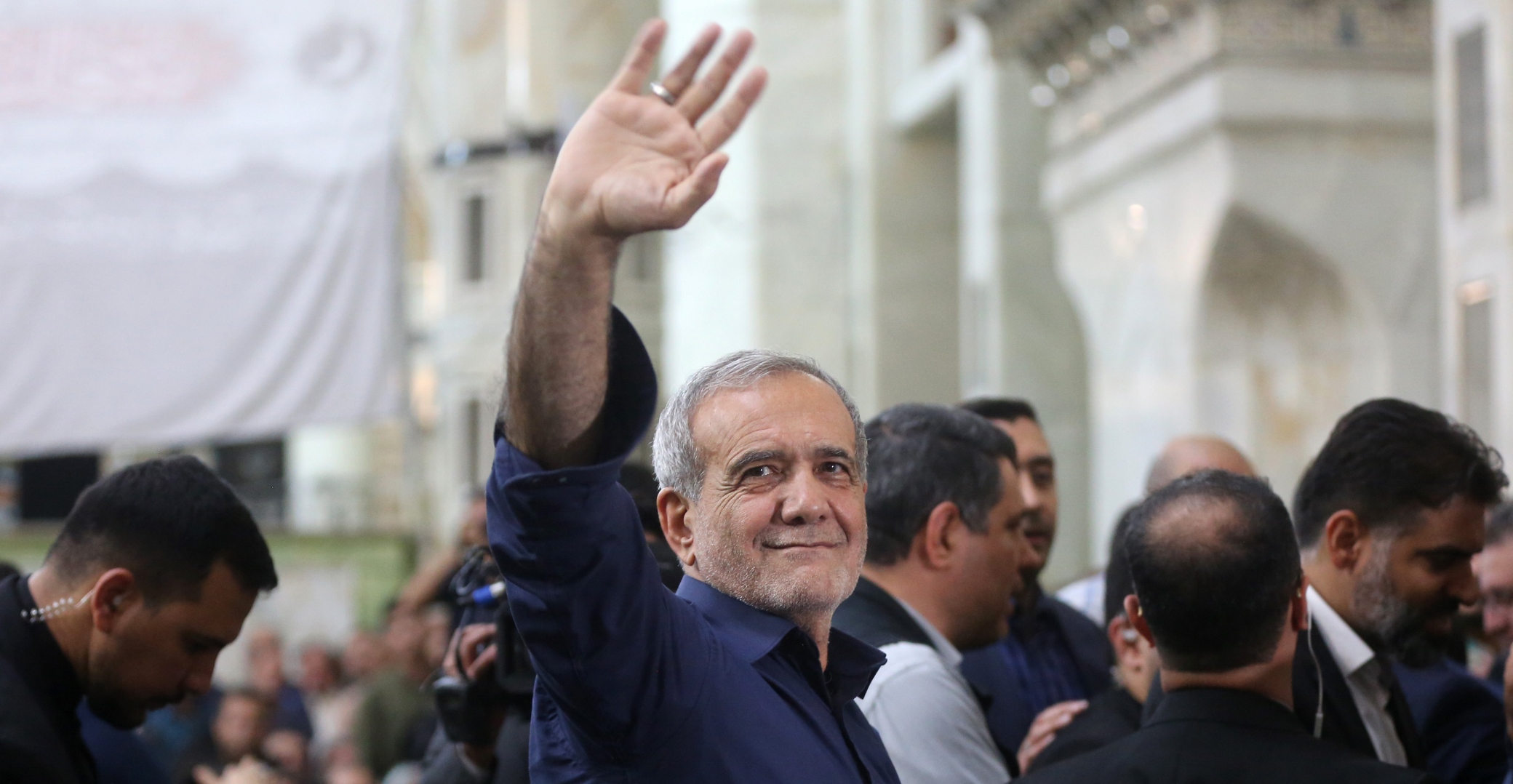
The conventional wisdom is that Iranian President-elect Masoud Pezeshkian is yet another bit of window dressing put up by the “deep state” in Tehran, which effectively calls the shots on the most contentious foreign policy files. But it might just be that Pezeshkian’s sudden emergence as president was orchestrated from the outset as a pretext for the Iranian regime to change course.