This week’s briefing on recent news and upcoming events in the region featuring Charles Lister, Randa Slim, Jonathan M. Winer, Alex Vatanka, Marvin G. Weinbaum, Robert S. Ford, Mirette F. Mabrouk, and Syed Mohammad Ali.
Lebanon’s invisible: Refugees, COVID-19, and the Beirut port explosion
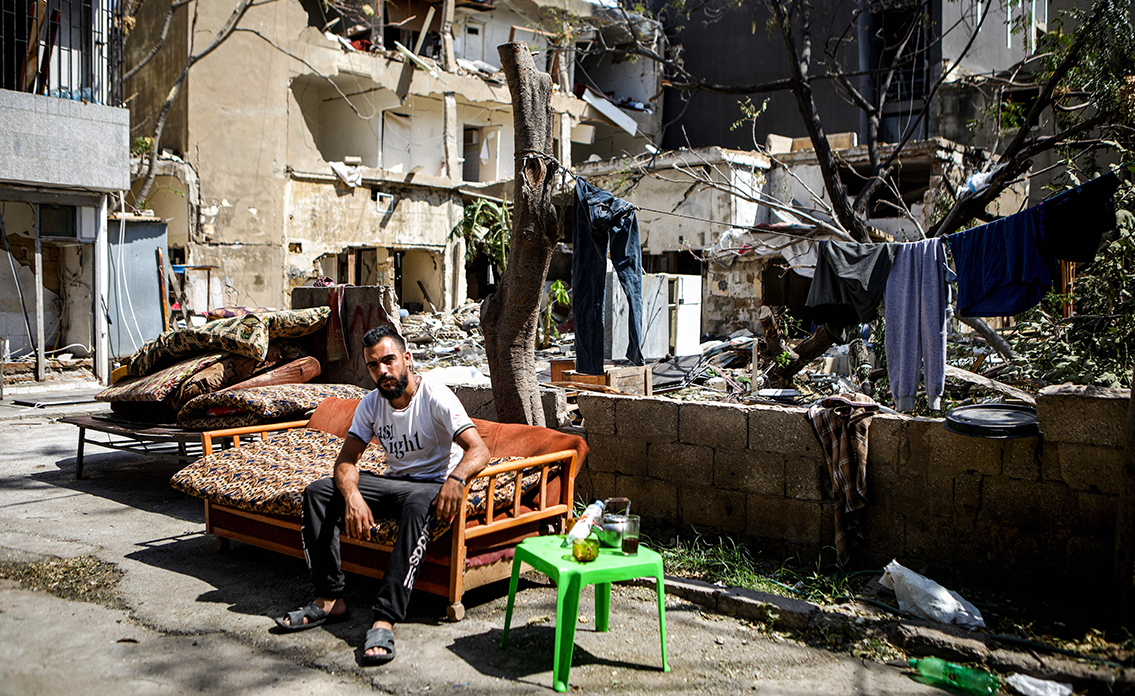
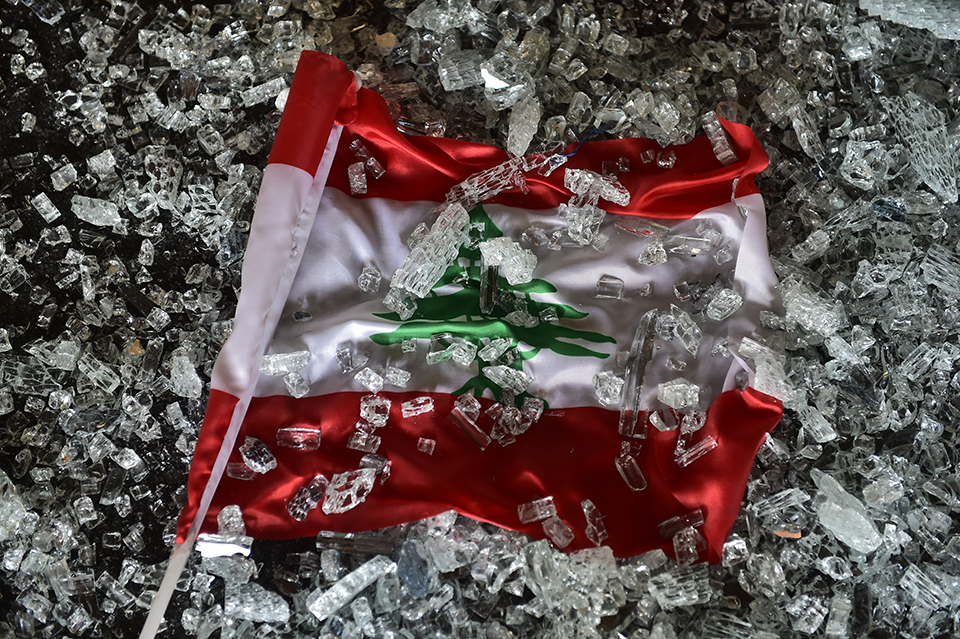
The catastrophic explosion in Beirut on Aug. 4 left 200 dead and thousands more injured. This included at least 43 Syrian and Palestinian refugees and dozens of foreign migrant workers that were killed or injured. The Beirut port explosion will place a great burden on Lebanese society and it will have short- and long-term impacts on marginalized communities.
Jordan’s apparent neutrality conceals deeper discomfort with UAE-Israel deal
The leaders of the Hashemite Kingdom of Jordan have traditionally been known as masters at staying as neutral as possible, especially when it comes to inter-Arab relations. This was on clear display in Amman’s response to the recent UAE-Israel rapprochement.
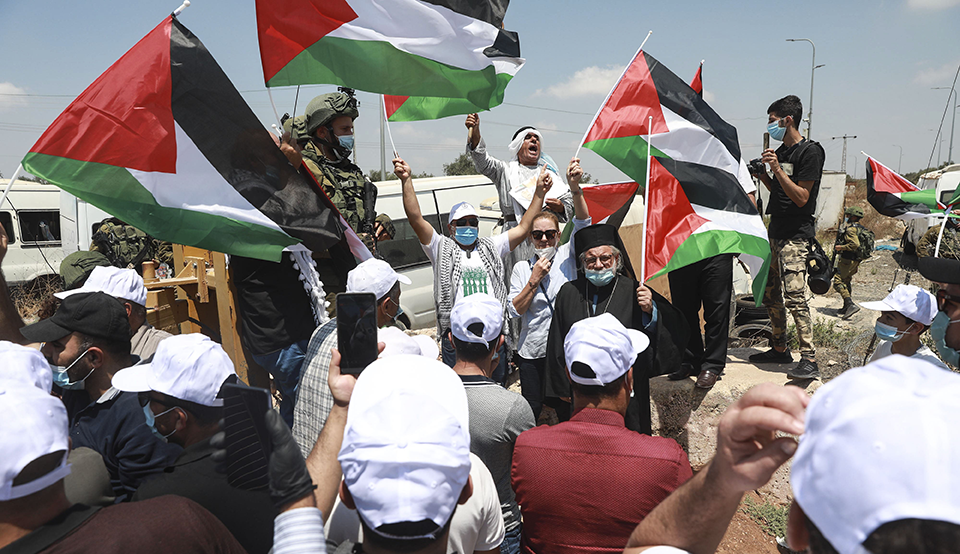
The agreement signed yesterday by Israel and the United Arab Emirates (UAE), in which the two countries agreed to a “full normalization of relations” in return for Israel suspending moves to formally annex parts of the West Bank, has reminded the Palestinians that they cannot count on the Arab states to deliver their freedom or safeguard their rights.
In historic deal with the UAE, Israel is the biggest winner
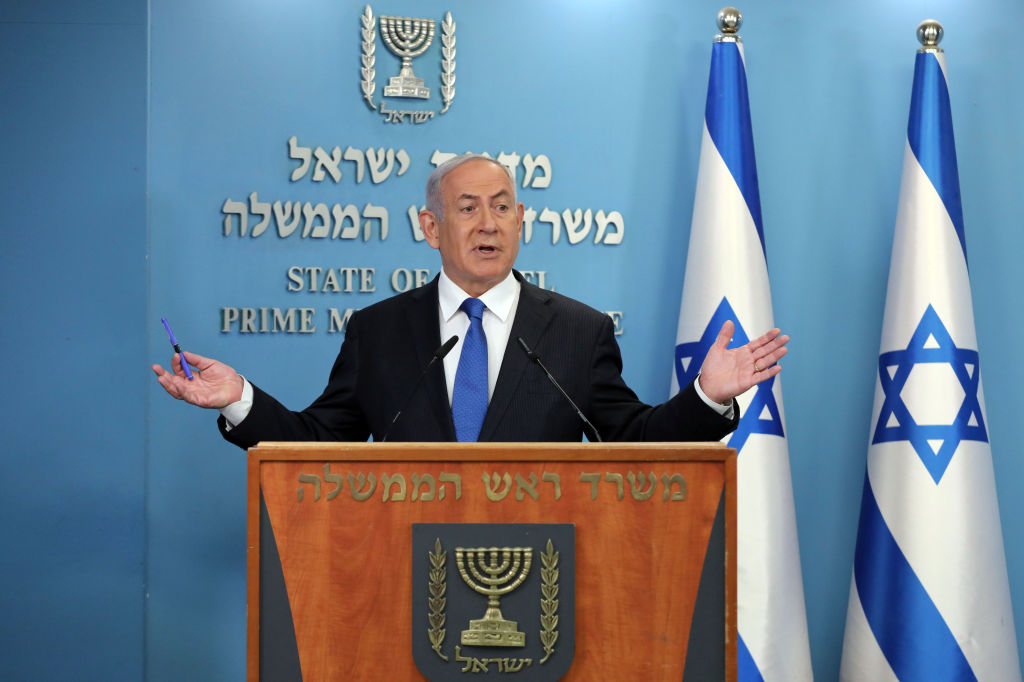
No matter how one reads the diplomatic deal announced Thursday between Israel and the United Arab Emirates—and there will surely be many supporters and detractors given its historic nature—there is one conclusion that seems irrefutable: Israel was the biggest victor.
Beirut will rise again from the ashes, like it always has. But the real rebuilding that must occur is not physical in nature. It is political. Nothing will truly change in Lebanon unless the country’s corrupt and incompetent leaders, who have been in power for decades, are unseated.
Beirut-based art and documentary photographers Chantale Fahmi, Vicky Mokbel, and Marwan Tahtah join guest host Kate Seelye to discuss their efforts to capture the aftermath of Lebanon’s long civil war as well as the street protests that erupted on October 17, 2019 in response to the corruption and political mismanagement that triggered Lebanon’s financial collapse. Their’s are among works on display in “Lebanon Then and Now: Photography from 2006 to 2020,” an interactive virtual exhibit hosted by the MEI Art Gallery now through September 25. Visit the show now at www.mei.edu/art-gallery
The Lion and The Eagle: The Syrian Arab Army’s Destruction and Rebirth
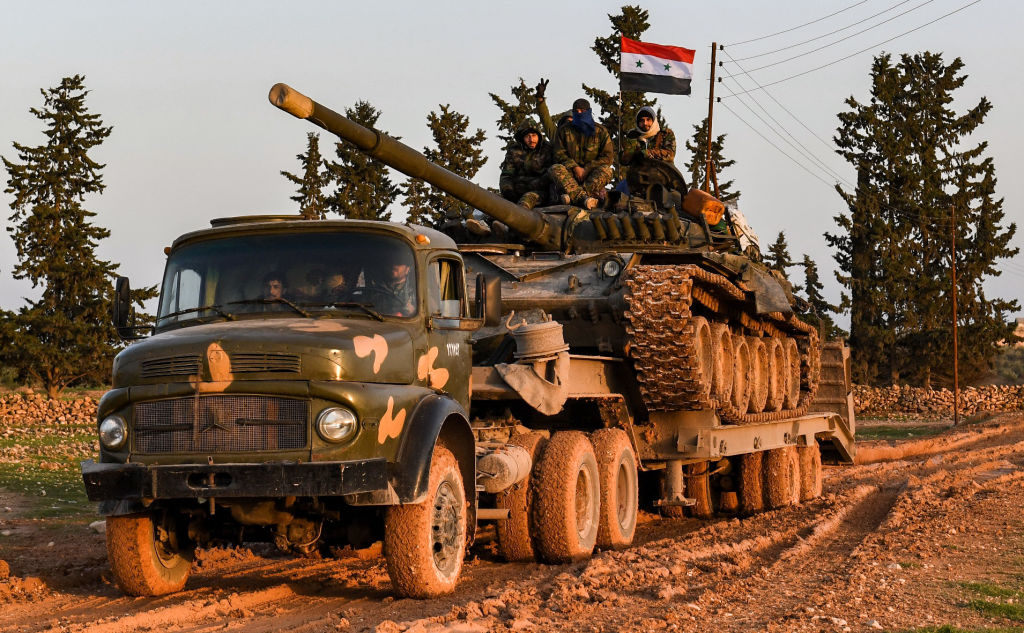
The Syrian Arab Army (SAA) has been decimated by eight years of civil war. Defections, deaths, and a lack of funding have gutted its ranks while heavy losses of armored vehicles have significantly reduced the mechanized capabilities of what was once the sixth-largest armor fleet in the world. The inability of Damascus to fully deploy its official army led to the rise of paramilitary militias and an influx of pro-regime foreign fighters. This report explores the causes of the collapse of the SAA and its attempted rebirth, and ends with a detailed examination of its current order of battle.
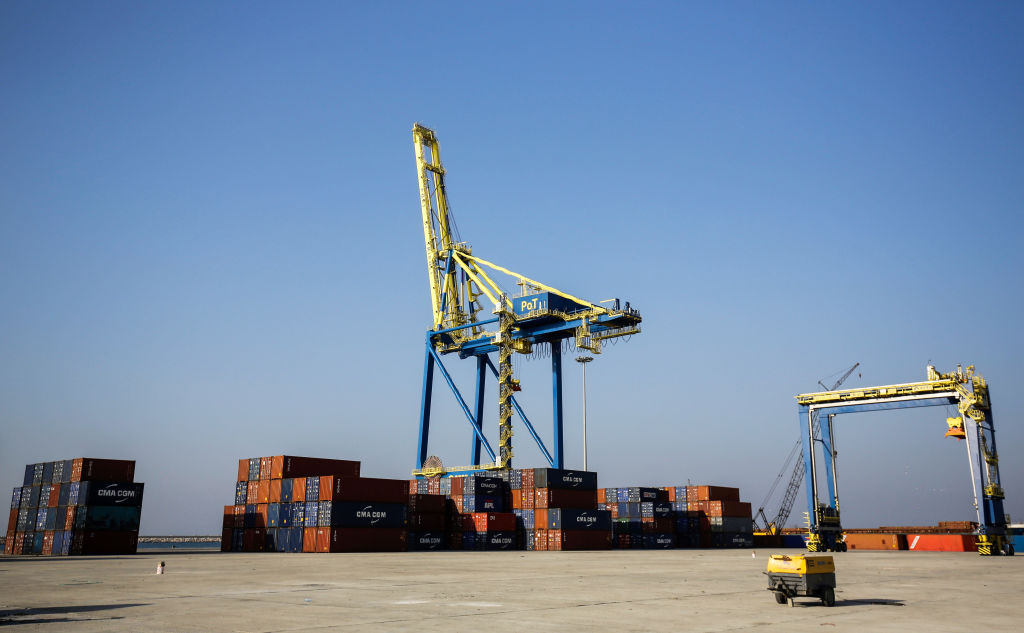
The idea of establishing a Levant Union — one not unlike the European Union (EU), but composed of the Levantine states of Lebanon, Syria, Iraq, Palestine, Jordan, and by extension, Egypt and Cyprus — is one that ought to be explored. Such an arrangement would offer untapped potential for trade, supported by the growing trend toward greater regionalization, fueled by the rise in protectionism, increasing multipolarity, and corporate regionalization.
The EU and the Middle East: In Search of a Strategy
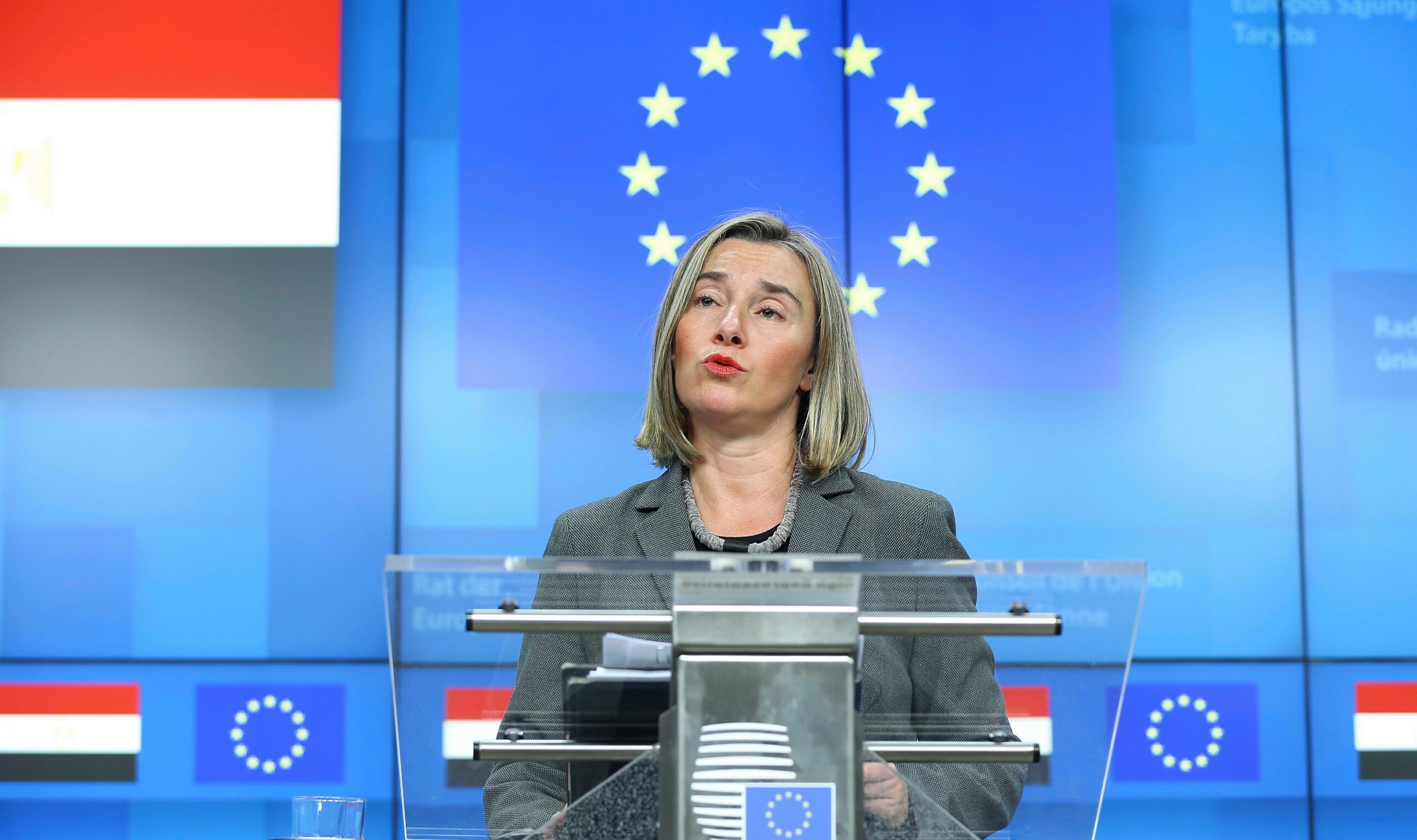
Since 1993, the EU has not adopted any comprehensive document to form the basis for its diplomatic and economic actions toward the Middle East, rendering the union less influential in the region today. The question remains, however, as to whether this attitude is in line with the bloc’s global ambitions.
Turkey is one month into its military offensive against U.S.-backed Syrian Kurdish forces in the area of Afrin in northern Syria. How is the operation going, and how has the strained U.S.-Turkish relationship been affected? Gonul Tol, director of Turkish studies at MEI, and Amberin Zaman, a journalist and columnist for Al-Monitor, join host Paul Salem to discuss.
With the absence of multilateral diplomatic forums in the Middle East and the Trump administration scaling back on U.S. diplomatic outreach, the role of backdoor diplomatic channels, known as “Track II” dialogues, has seldom been more important. Randa Slim, director of MEI’s program on conflict management and Track II dialogues, and Robert Ford, former US ambassador to Syria, join Paul Salem to discuss the role of these dialogues in addressing issues ranging from the Syrian civil war to the conflict in Yemen and regional tensions between Iran and Saudi Arabia.
Hariri’s Resignation and the Saudi Corruption Crackdown
Last weekend’s arrests of prominent Saudi government officials and leading businessmen on charges of corruption has sent shockwaves through Saudi society as well as global center of finance and commerce. The developments also impacted Lebanon, with Prime Minister Saad Hariri announcing his resignation from the Saudi capital of Riyadh. MEI experts Gerald Feierstein, Jean-Francois Seznec, and Randa Slim join Paul Salem to discuss these developments.
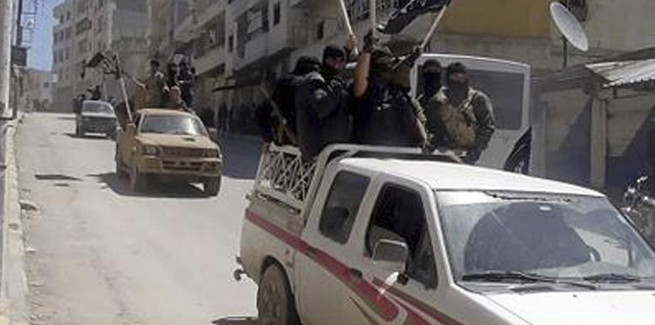
“There are really big problems right now,” a conservative Islamist cleric close to Syria’s armed opposition told me – “al-Qaeda is trying to create a new loyal faction in Idlib, but that’s being prevented by al-Hayat.” As this influential cleric and four other similarly well-connected Islamist opposition figures have described to me in recent days, al-Qaeda’s central leadership is growing increasingly exasperated at its former Syrian affiliate – now named Hayat Tahrir al-Sham (H.T.S.), after a second rebrand in January 2017 – and is now actively seeking to build a rival movement more loyal
Saudi Female Conservationist Fights to Preserve Islamic Heritage
The Middle East’s descent into chaos has been accompanied by a growing threat to the region’s historic sites. The breakdown of states and growth in extremism have exposed these ancient sites to looting and destruction. The drivers, however, are varied. Extremist groups like ISIS profit from the smuggling of antiquities, but there are also religious motivations. Extremist movements such as ISIS and al-Qaeda, which adhere to a strictly puritanical view of Islam, perceive heritage sites, including Islamic, as a sinful distraction from faith.