On January 2, only days after a car bomb in Beirut took the life of former Finance Minister Mohamad Chatah and several bystanders on December 27, another bomb struck the capital’s southern suburbs. With initial reports of four dead and 40 wounded, this latest, and possibly retaliatory, attack fits into an ominous pattern as Syria’s conflict spills into Lebanon.
MEI 67th Annual Conference – Sectarianism and the Balkanization of the Levant
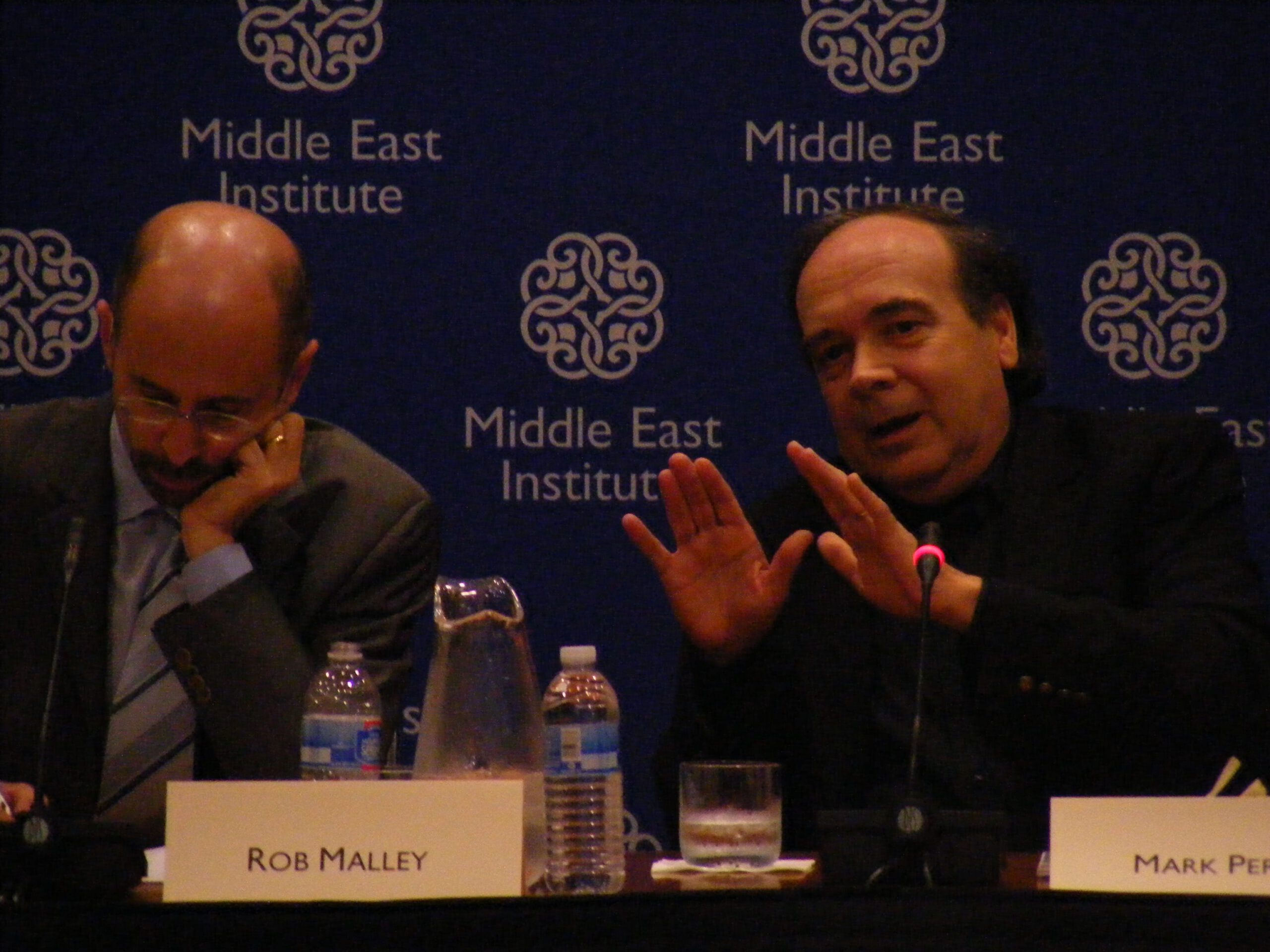
Moderator: Kim Ghattas, BBCF. Gregory Gause, University of Vermont & Brookings DohaMohsen Milani, University of South FloridaPaul Salem, The Middle East InstituteMona Yacoubian, Stimson Center
Earlier today, double explosions near the Iranian embassy in Beirut killed at least 23, including an Iranian diplomat. The Abdullah Azzam Brigades, an Islamist group with links to al-Qa`ida, took responsibility for the attack. MEI sat down with its Vice President for Policy and Research, Paul Salem, to discuss the significance of the bombings in Lebanon as well as their regional and global implications.
Tell us about the bombing and the group that claimed responsibility for it.
Maliki in Washington: Arms Deals, Politics, and Proxy Wars
Iraqi Prime Minister Nouri al-Maliki is in Washington this week for meetings with Vice President Joe Biden, Defense Secretary Chuck Hagel, and President Barack Obama. We sat down with MEI’s Vice President for Policy and Research, Paul Salem, to discuss the topics on the table, what each side hopes to accomplish, and how the United States should approach Iraq.
Panelists will examine how the reverberations from last year's Arab Awakening, including the resulting unrest in Syria and the rise to power in Egypt of the Muslim Brotherhood, are re-shaping Hamas' relations with its patrons Iran and Syria, its rival, Fatah, and even the dynamics inside the organization itself.
Arab Economic Challenges and Opportunities in the Wake of the Upsrisings
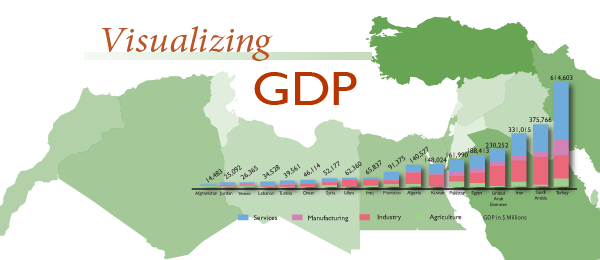
What are some of the fundamental socio-economic features they all share and what steps must they take if their economies are to enjoy sustained growth in the medium to long term? Dr. Toufic Gaspard, the economic adviser to Lebanon's minister of finance, will focus on Arab economies in Egypt and the Levant to examine how to solve the dominant regional problems of unemployment and poor productivity with the goal of establishing social and political stability.