Join MEI Scholar and Levant expert Randa Slim for a discussion about Hezbollah and its reaction to shifting regional dynamics in the wake of the Arab Spring. Although Lebanon has not experienced the same levels of unrest as its neighbors, Hezbollah is not immune from the regional instability resulting from the revolutions roiling the Middle East. Currently, Hezbollah is the principal orchestrator of a new governing coalition in Lebanon that is rife with internal divisions.
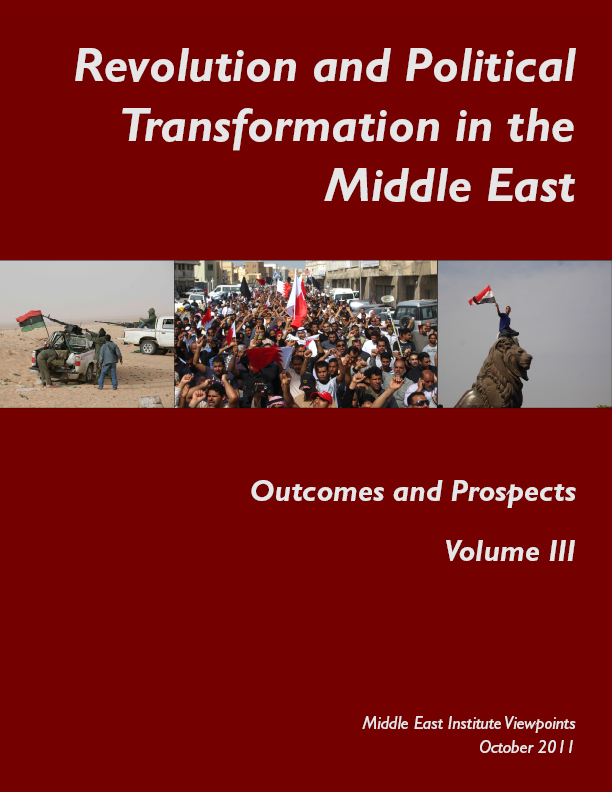
As elsewhere in North Africa and the Middle East, the youth-driven revolts in Tunisia and Egypt produced a tsunami in Morocco’s political landscape. On February 20, a movement took shape that publicly demanded a constitutional monarchy in which an elected and accountable government would have control over the country’s social, economic, and security policies. All across the country, it organized rallies in which tens of thousands of Moroccans participated.
Community based-Health Initiatives: Healthy Villages in Jordan
Health for All — First Principles to Action
The International Conference on Primary Health Care was held in Almaty, Kazakhstan in 1978. Nearly all of the members of the World Health Organization (WHO) and the United Nations Children’s Fund (UNICEF) were in attendance. The conference culminated in the issuing of the Almaty Declaration — a major landmark in the field of public health.
The Lesson from Morocco and Jordan: Reform or Perish
The basic legitimization of political authority and the specific logics of domination that have for decades regulated Arabs’ behavior and subjugated their life patterns are under siege in much of the Arab world. Only those regimes that still enjoy the historical prestige of traditional authority have so far managed to weather the assaults on the legitimacy of their rule.