Changing dynamics reshape power networks in Yemen’s “two Hadramawts”
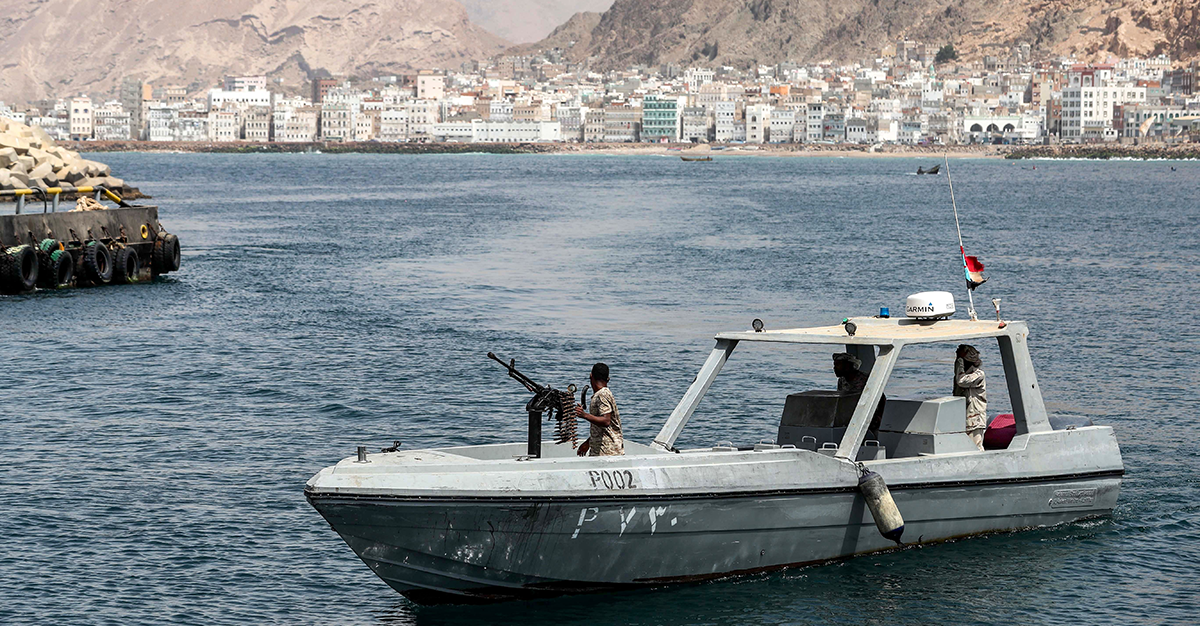
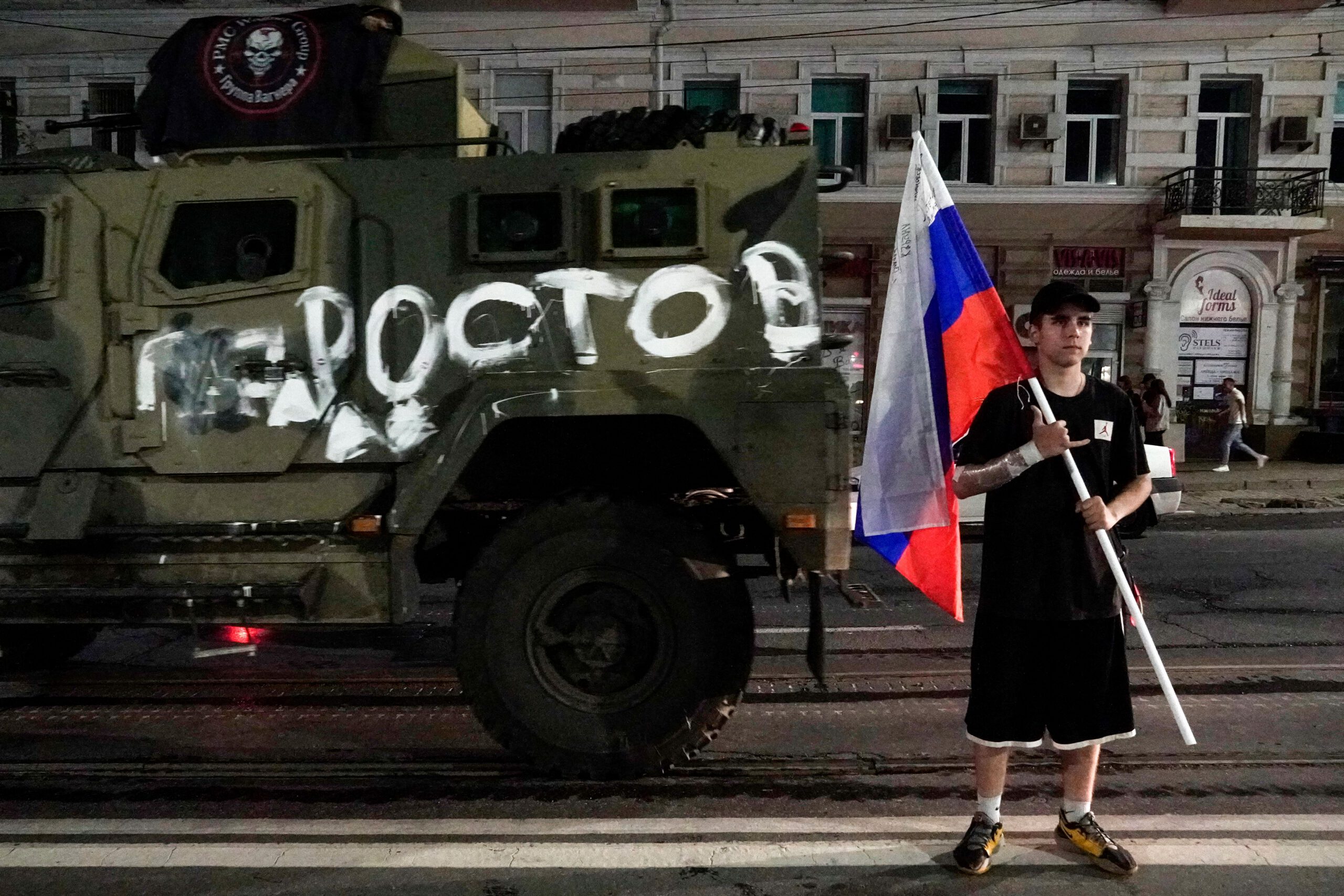
Since 2015, Yemen’s largest governorate, Hadramawt, has been informally divided between two distinct centers of power with different military loyalties and external backing. The balance of power within the governorate is no longer fixed, however. Changes in Hadramawt’s military, political, and economic dynamics are reshaping power networks in the governorate and beyond, with implications for the conflicting agendas of the Saudis, Emiratis, and Houthis.
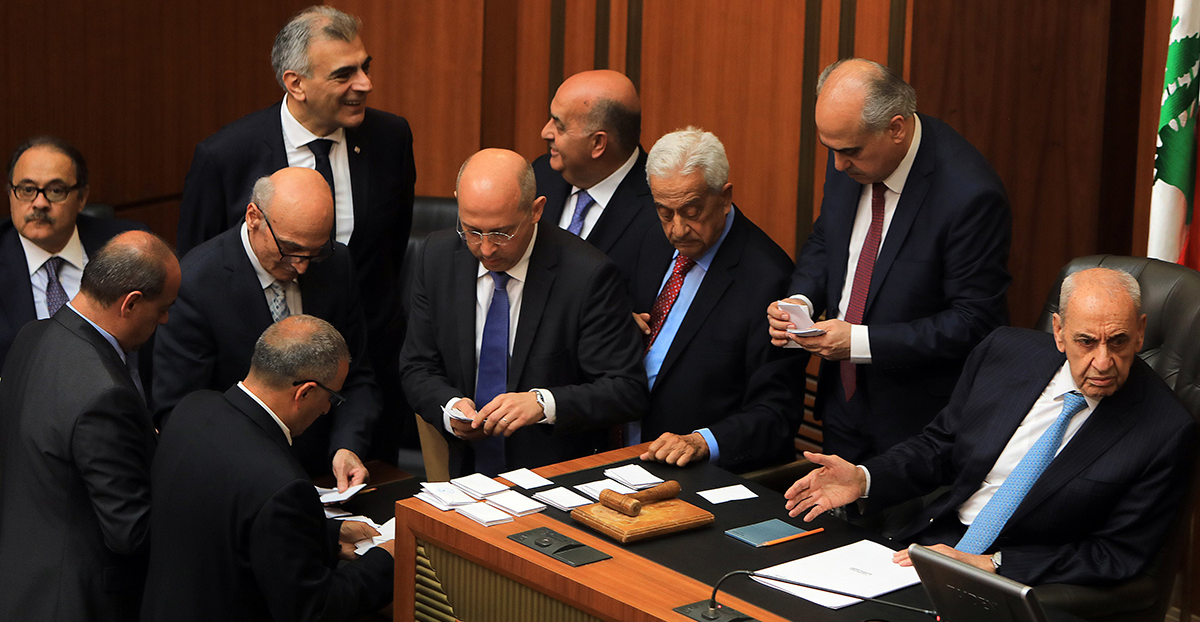
France’s Foreign Policy Towards Lebanon and its Discontents
MEI U.S.-Lebanon Fellow Fadi Nicholas Nassar is joined by Karim Bitar for a discussion on French foreign policy towards Lebanon. The pair focus on the current state of affairs in Lebanon, historical trends in French policy towards the country and the region, and more in the latest episode of Middle East Focus.
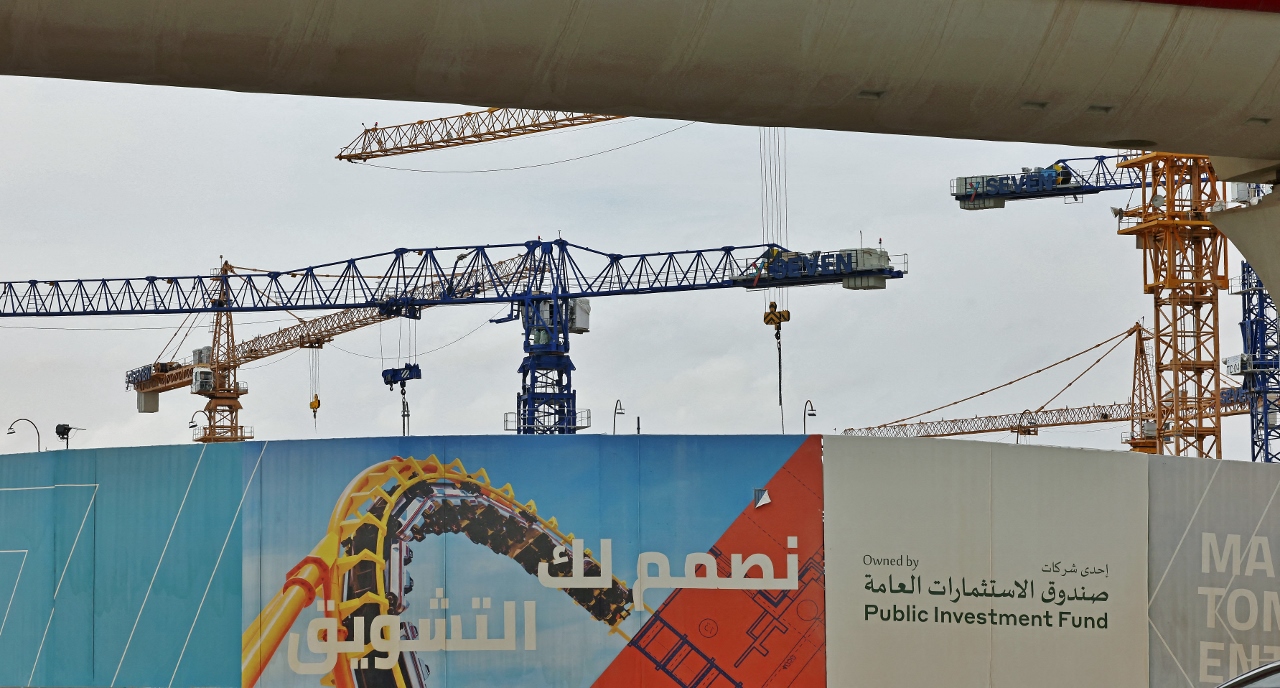
The new wave of dealmaking by Gulf sovereign wealth funds
For resource-rich countries such as Gulf oil and natural gas producers, sovereign wealth funds have emerged as promising tools to save for future generations, mitigate the effects of outsized economic shocks, and/or be deployed as reserve investment and strategic development funds to spend on human, natural, social, and physical capital.
The Gulf’s twin failings: Innovation and private sector employment for nationals
The Gulf states emerged from the global pandemic with the wind in their economic sails. But high-profile events like Qatar’s hosting of the FIFA World Cup and the UAE’s World Expo continued to mask two subtle but major weaknesses that have plagued them for decades. Why do Gulf economies lack innovation? And why do they struggle to create private sector employment for nationals?
Saudi Arabia can alleviate US concerns over its civilian nuclear energy program. Here’s how.
Saudi leaders have stepped up their plans for developing peaceful nuclear energy, inviting technical bids to the planned construction of two 1.4 gigawatt-electric nuclear reactors and restating the kingdom’s intention to use domestic uranium resources for producing low-enriched uranium as nuclear fuel.
The current complex situation in the global oil market seriously tests the abilities of OPEC+ to play the role of a regulator, forcing Saudi Arabia to assume the main burden of responsibility for keeping oil prices from declining further and for shoring up the cartel ranks.
The U.S. and EU Should Coordinate their Saudi and Israeli-Palestinian Efforts
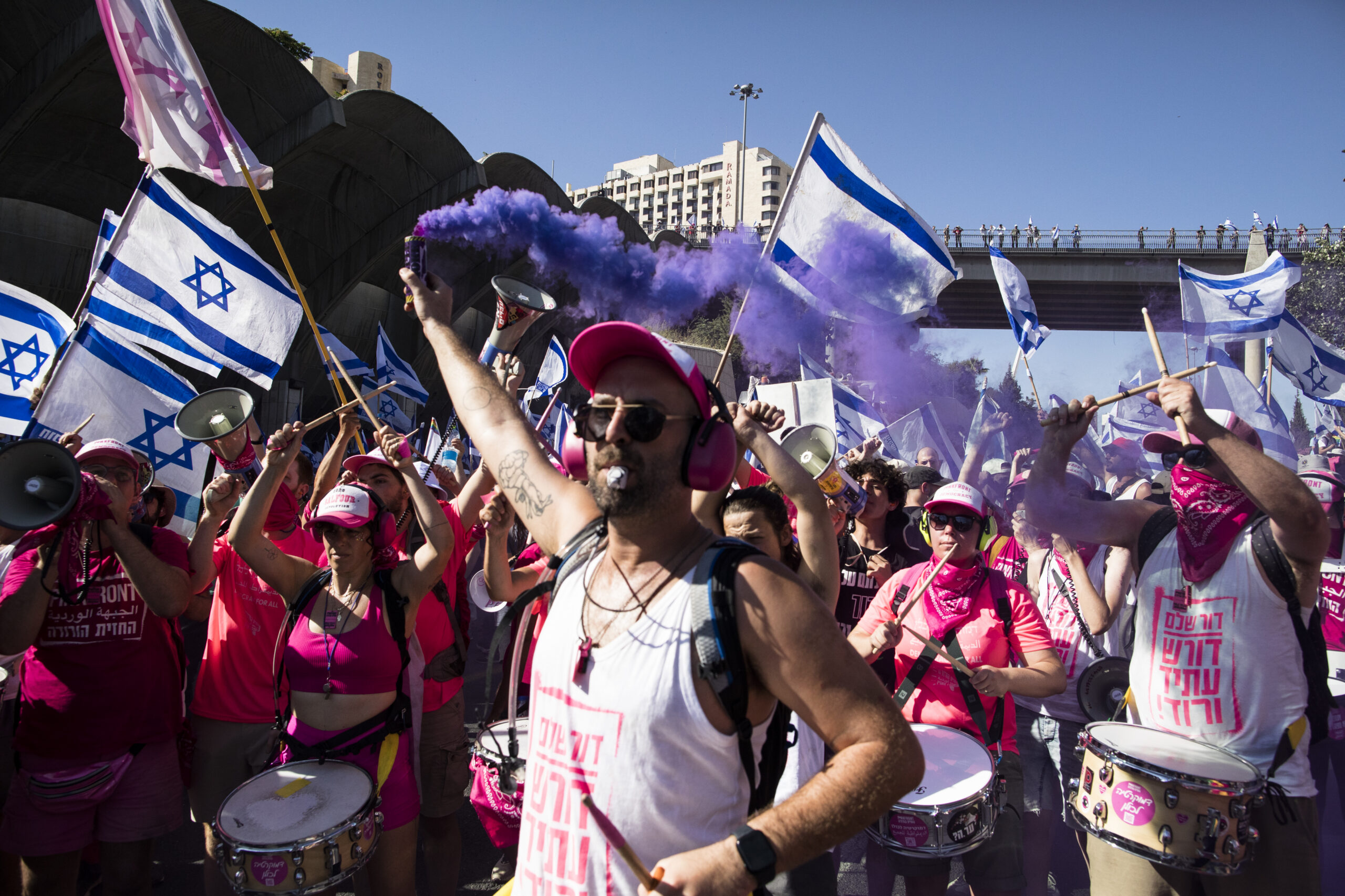
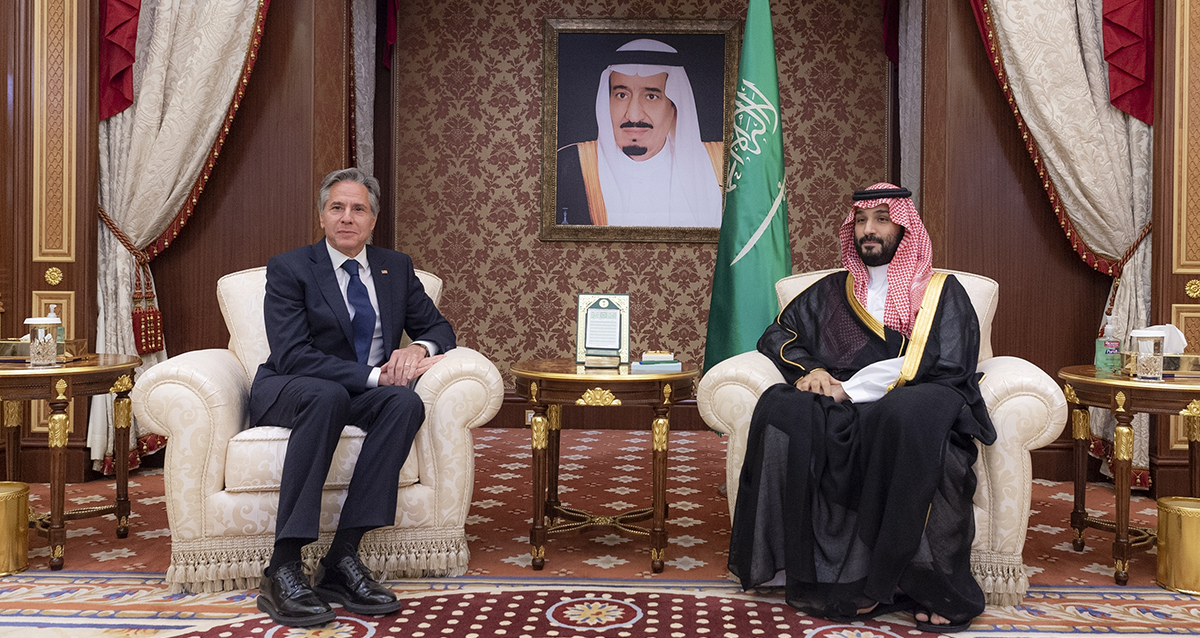
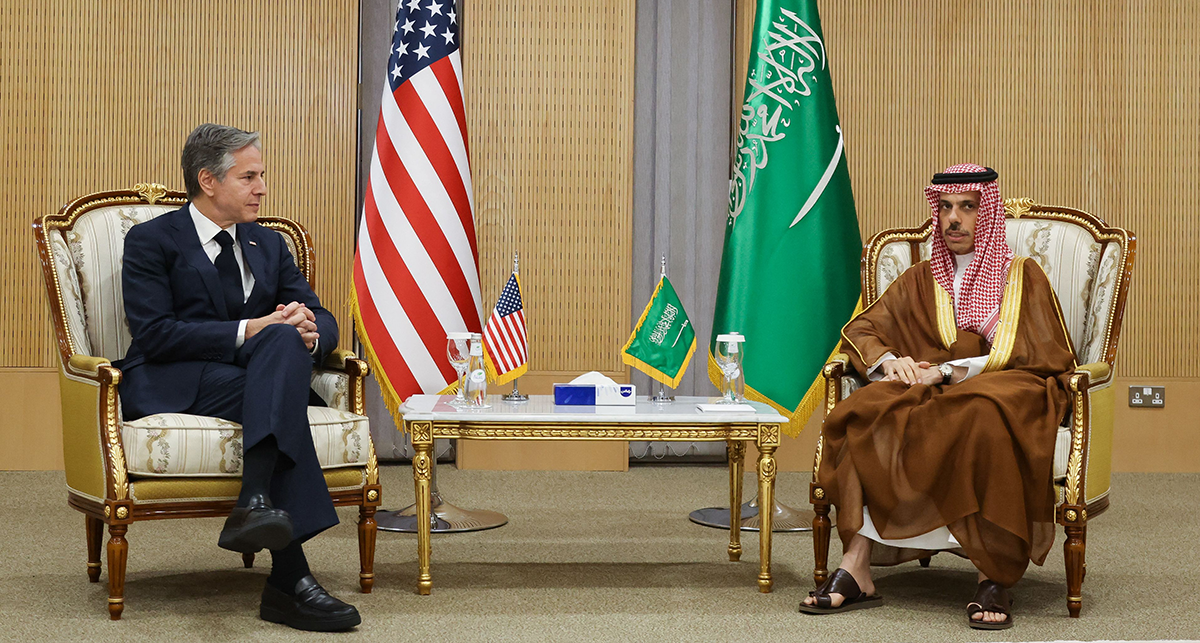
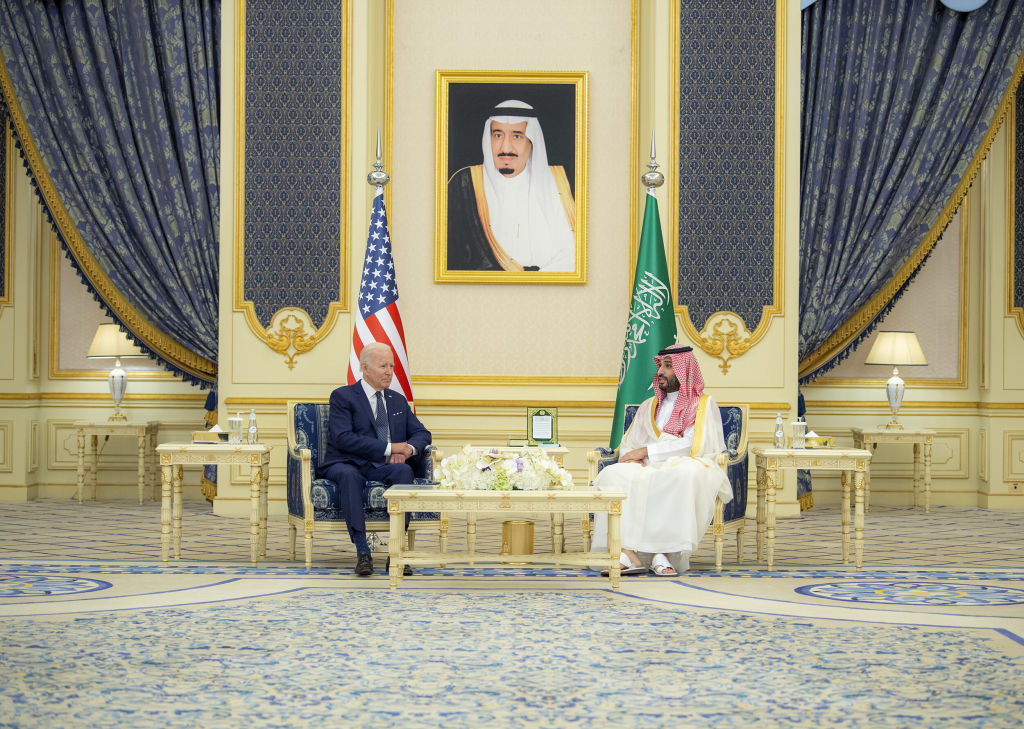
American and European eyes are set on Riyadh. Both the Biden administration and the European External Action Service are currently trying to advance policy moves that involve Saudi Arabia and that – if successful – will reshape the Middle East. Alas, when it comes to the Israeli-Palestinian issue, these European and American efforts are quite different, and even seem contradictory.
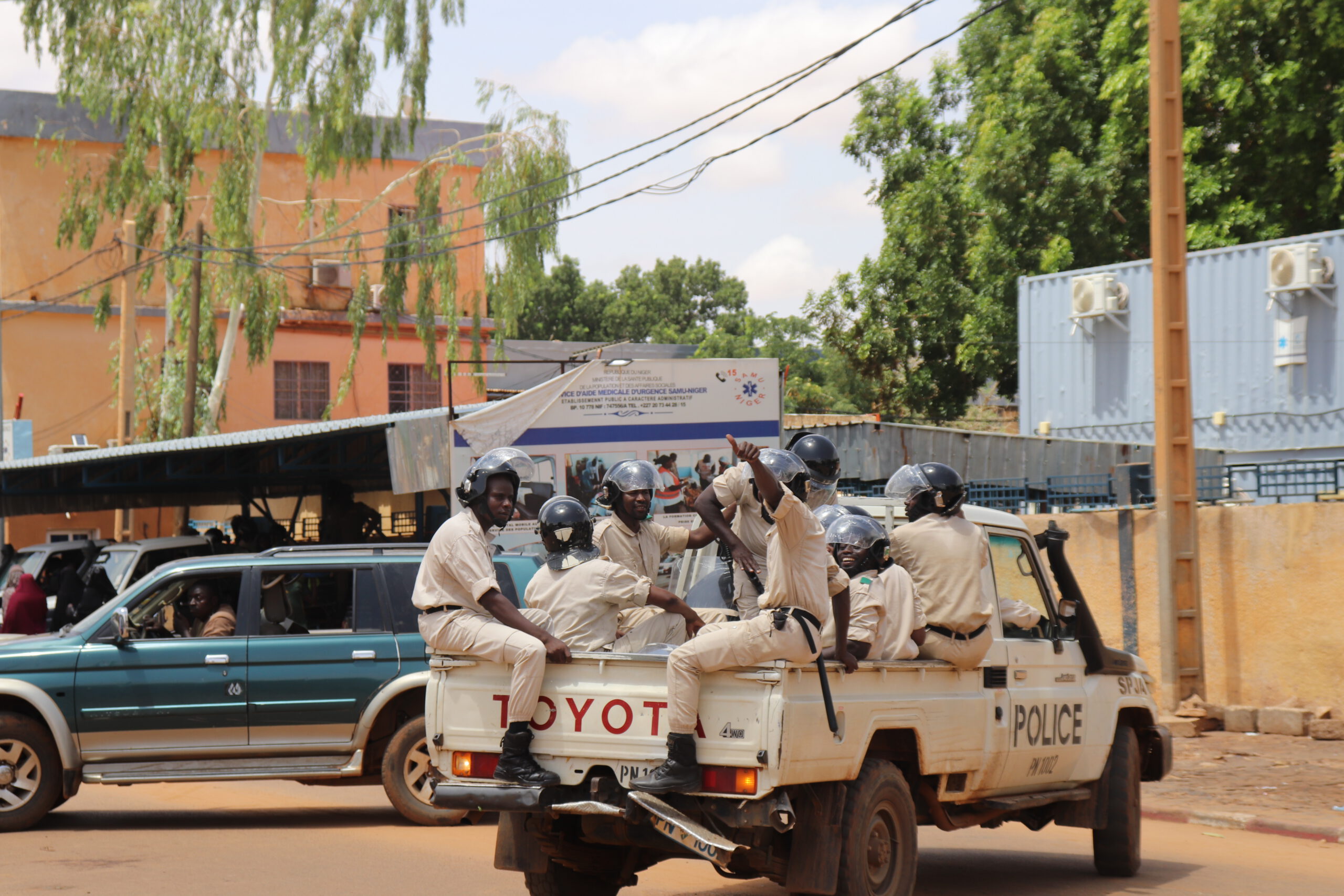
The US and France must push back on Iran to break Lebanon’s political gridlock
Jean-Yves Le Drian, French President Emmanuel Macron’s envoy to Lebanon, made a preliminary diplomatic visit to Beirut last week. Le Drian’s appointment marks a potential though uncertain opening to consolidate international support for Lebanon to facilitate an end to the political gridlock and leadership vacuum. A short but timely boost in robust diplomacy on the part of Washington, strengthened by clear coordination with Paris and regional partners, can play a decisive role in preventing the unraveling of another failed authoritarian state that could further destabilize the region and force even more costly engagement in the future.
Saudi LNG exports: Overcoming challenges to commercial success
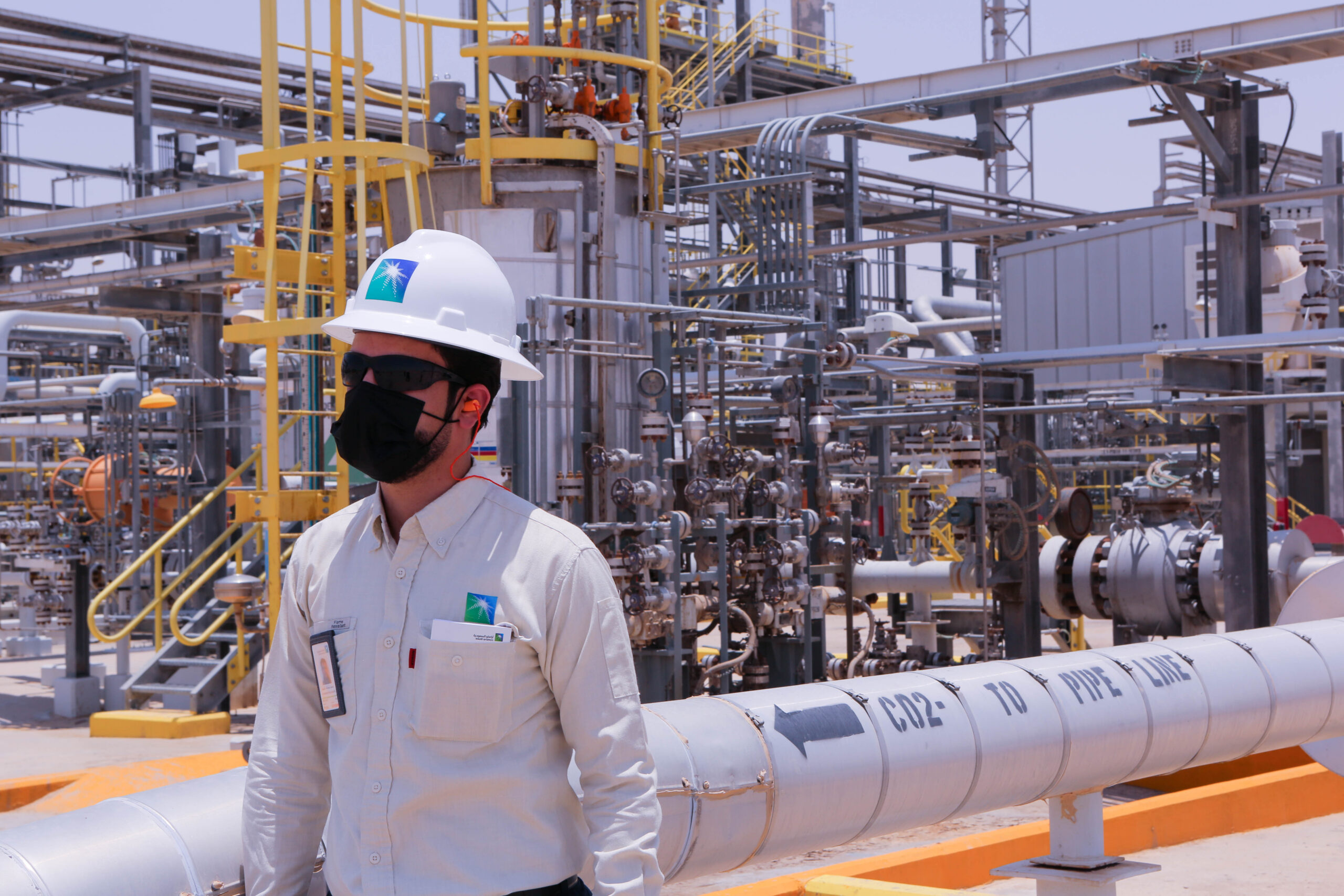
After issuing positive statements around greenfield blue hydrogen projects in late 2022, the company, Bloomberg now reports, may be migrating away from the hydrogen scheme and toward LNG exports. Both would require significant capital investment. Assuming the company decides to pursue an LNG export project, it will face many potentially value-erosive challenges and risks that must be overcome before achieving economic success.
Measure, verify, certify: How to future-proof Gulf companies in the energy transition
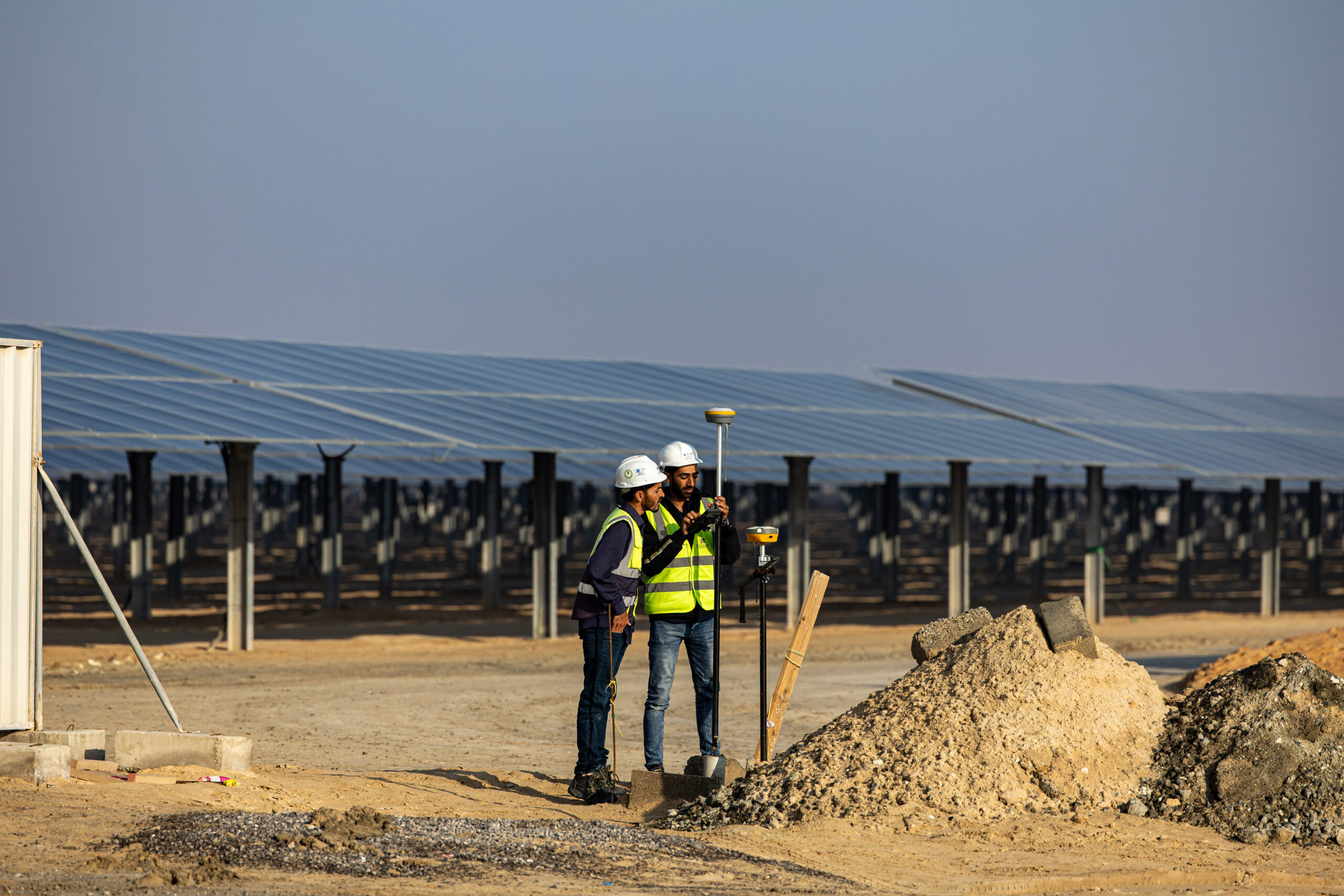
Several Gulf states have introduced renewable energy certificates into their low-carbon energy eco-system. What are RECs and how can they help companies navigate the energy transition?
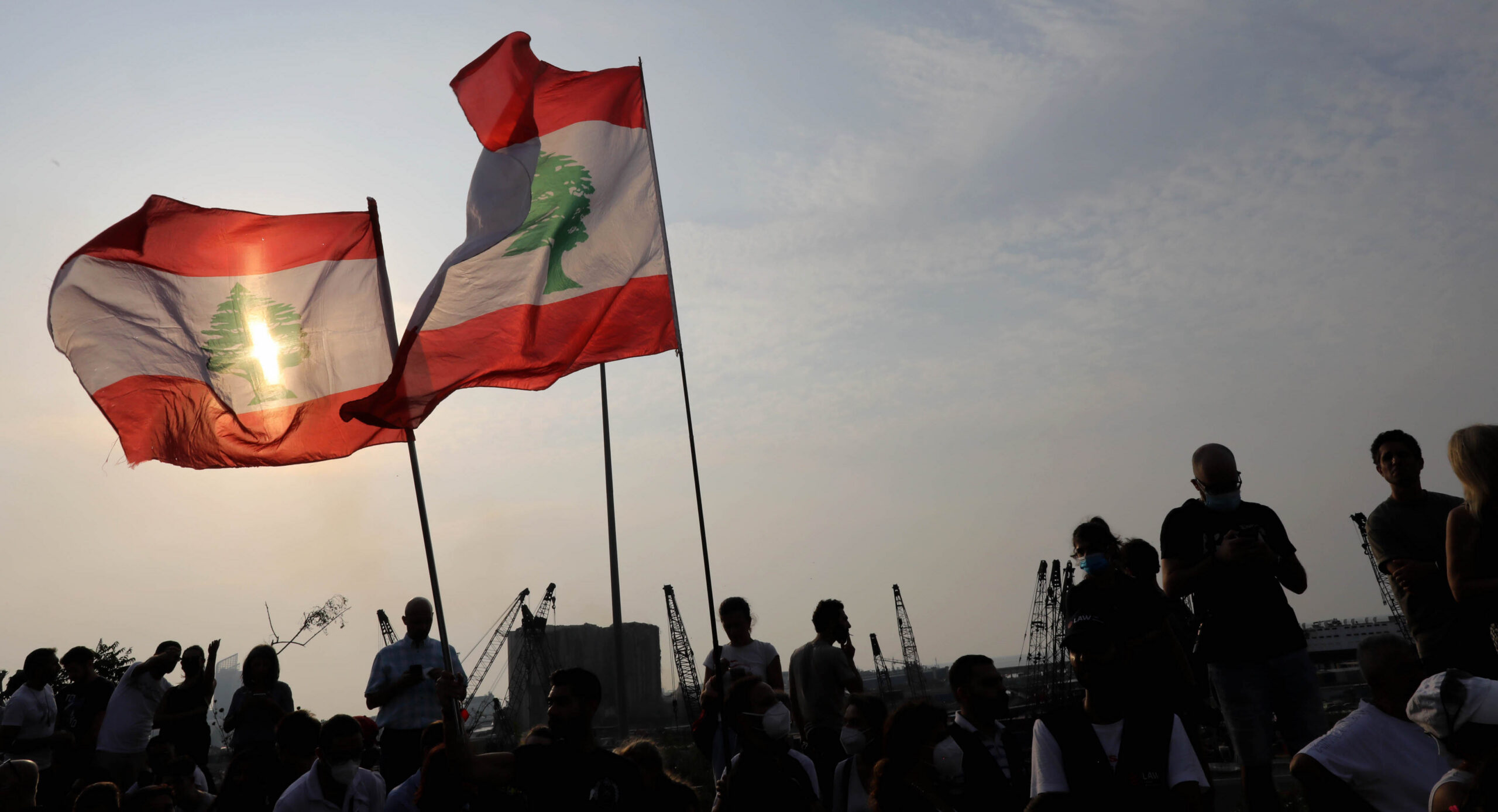
The US needs to prioritize a Lebanon response to help avoid total collapse
U.S. leadership has been active in offering short-term humanitarian help in Lebanon, but U.S. interests in the country’s stability will be compromised without longer-term attention to the challenges that will determine its viability: from the catastrophic humanitarian and security breakdown, to the destabilizing domestic and regional implications of mounting social and economic tensions and an unsustainable refugee crisis, and the political repercussions of polarization and continued political uncertainty.